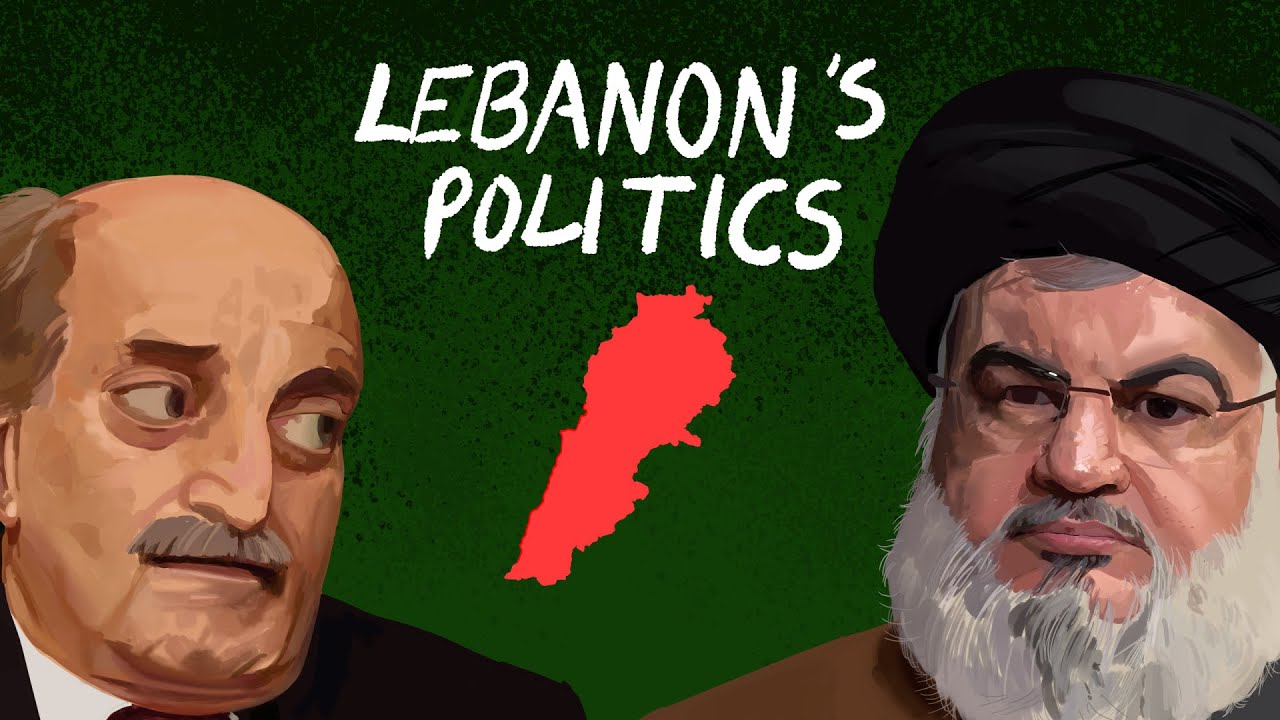

















Lebanon faces a severe economic crisis characterized by fiscal mismanagement, corruption, and structural problems that have led to widespread protests and brain drain, highlighting the challenges of consensual democracy in addressing complex economic reforms when political systems prioritize sectarian balance over decisive action.
Lebanon's Financial Crisis: Former FM Gebran Bassil at Davos 2020
Added:Understanding of Lebanon's confessionalist (sectarian) political system and how it influences state governance and patronage networks.
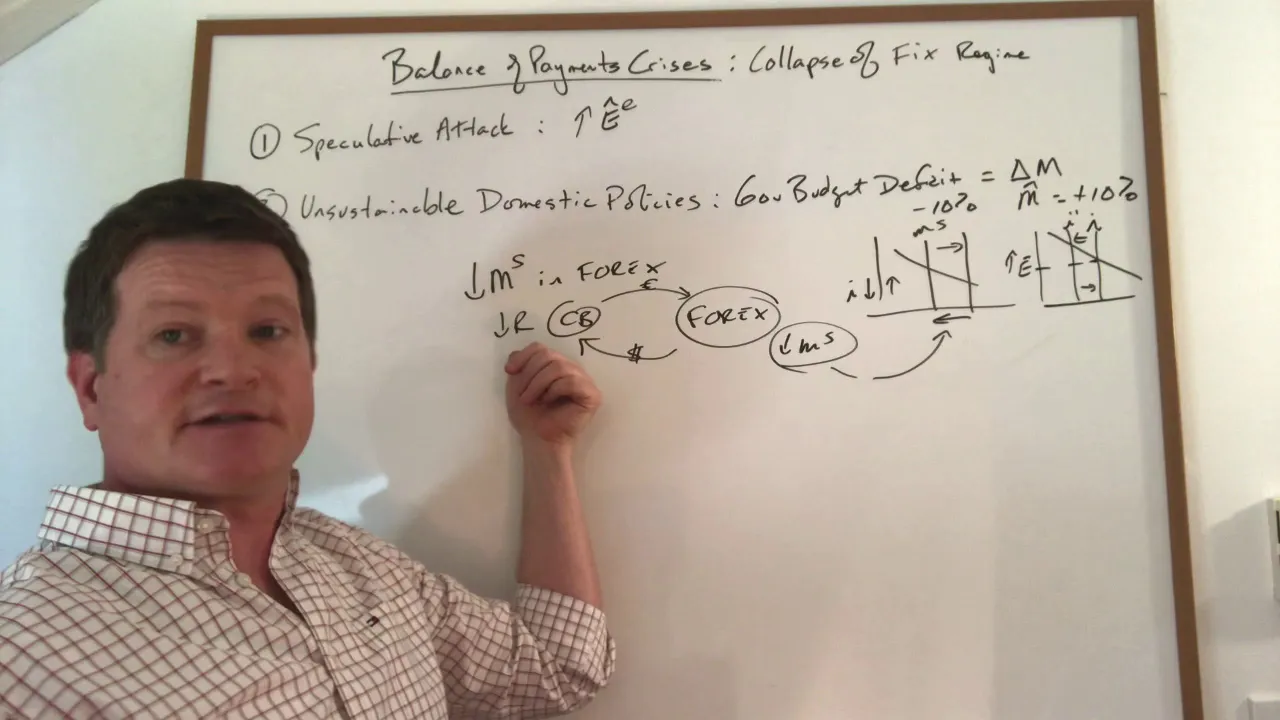
Basic principles of macroeconomics, specifically fixed exchange rate regimes (currency pegs) and balance of payments crises.
The role of the IMF (International Monetary Fund) and international financial forums like the World Economic Forum in sovereign debt restructuring.
The history of Lebanon's post-civil war economic model, including its heavy reliance on tourism, foreign remittances, and banking services.
In-depth analysis of the 2020 Lebanese sovereign default and the subsequent hyperinflation and currency devaluation.
Comparative study of Lebanon's banking crisis with other historic financial collapses, such as Iceland (2008) or Argentina (2001).
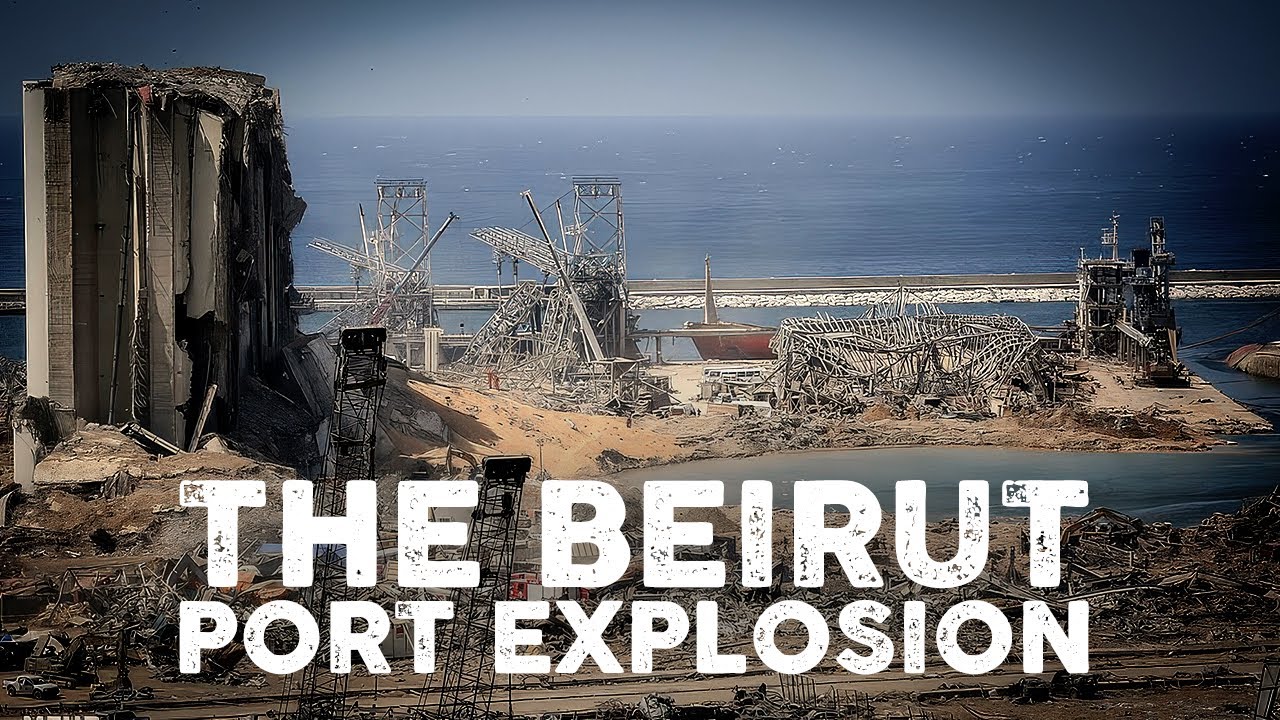
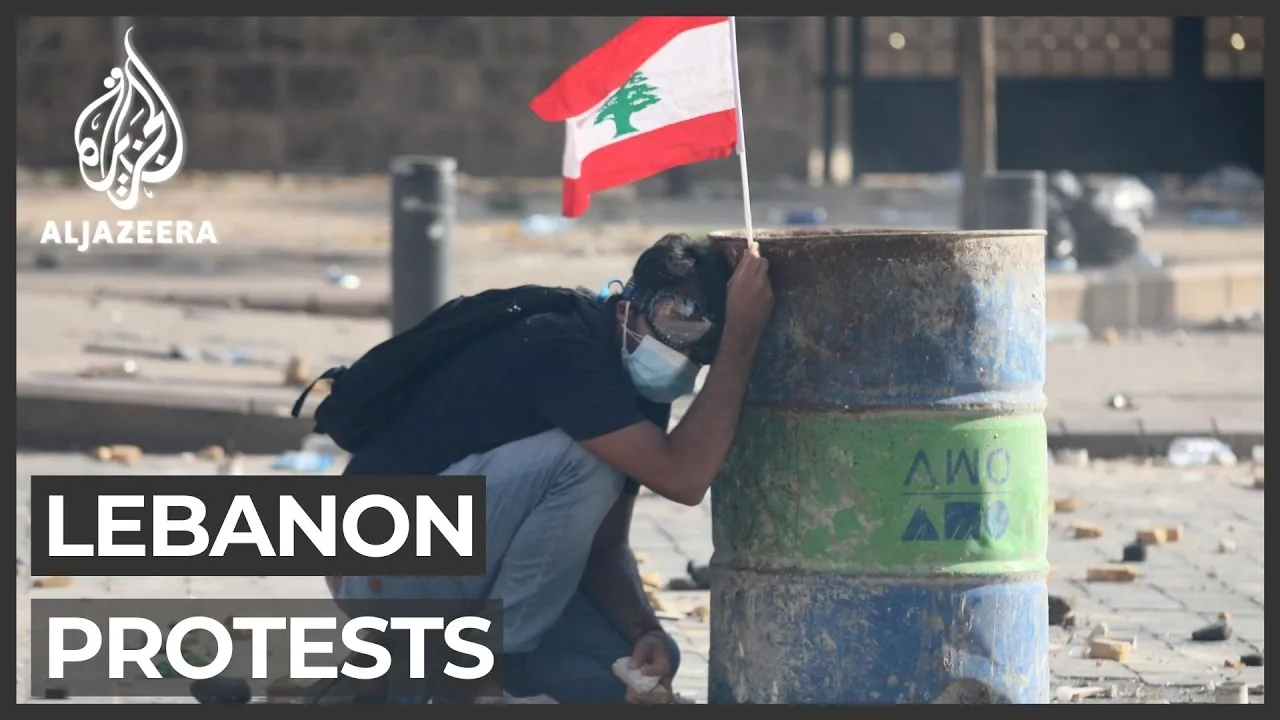
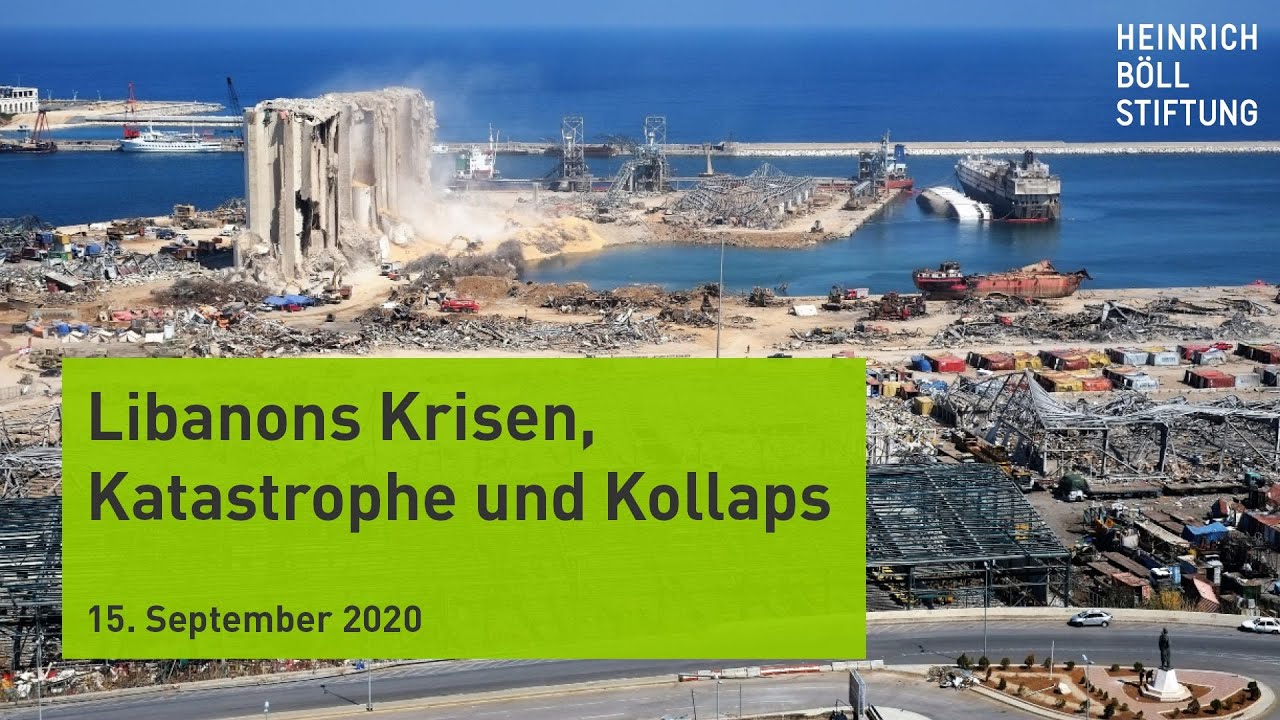
Examination of the political fallout post-2020, including the Beirut port explosion, public protests, and international sanctions targeted at Lebanese political figures.
Evaluation of the structural reforms demanded by international donors versus the domestic political obstacles to implementing them in Lebanon.
371.1K views3.7Klikes52:44Original Release: 2020-01-23
I'm stuck with feeding that what about honey good afternoon everybody your excellencies ladies and gentlemen it's wonderful to see so many people here gathered to talk about a subject that is on the minds of all of us very much so and also the people in Lebanon we are streaming this live and taking it live on CNBC Arabiya so we welcome all of you my name is Hayley gamble I am CNBC's senior international correspondent and anchor in the Middle East I'd like to introduce all of my panelists the former foreign minister of Lebanon Gibran visio welcome secret cog Minister from the Netherlands and also the CEO of democrates has attained such wanting welcome panelists before we kick off in think it's really important to take a step back and think about what we're here to discuss one of the things that we had previously decided to talk about of course we're Arab uprisings across the region however with the significant amount of interest in the presence of the gentlemen sitting beside me we're gonna focus a little bit more tightly on the situation in Lebanon and I think that we can all agree that this is a situation that has potential for spillover across the entire region and implications for whatever happens from Washington to Moscow and elsewhere when we think about what happens next in that country a lot of concern not just from folks inside Lebanon but also for international investors CNBC obviously the biggest financial news network in the world something we watch very very closely in terms of the numbers the greatest thing about doing financial news is numbers don't lie and unfortunately in Lebanon the numbers do not add up before we get started I want to take a show of hands 24 hours ago a new government in Lebanon was formed can I see a show of hands of who in this room believes that this is a government that is actually going to be able to address the challenges as significant as they are in Lebanon today who believes that this is going to get it done there is one hand in this room did I miss any - maybe one maybe - this is incredible okay so this is a government that nobody in this room at least believes can get it done when it comes to fixing the situation in Lebanon this is a country and economic collapse it's a story I've been covering for many many months now even years I might say to blame it all on the central bank governor is to miss the bigger point I mean Jamie Dimon from JPMorgan yesterday sang on CNBC that you know central banks they can do a lot when it comes to economies but at the end of the day it's not something that they can fix with a magic wand it has to also be followed up by serious fiscal reform serious fiscal commitment from finance ministers and that's unfortunately something that we have not seen in Lebanon Minister can I kick off by asking you something that has been asked to me multiple times on Twitter and Facebook and Instagram how did you get here did you take a private plane I came simply on my own expenses on your own expenses I know rumors and lies circulate always on issues like this but I'm used to this and this is the reality on my own expenses no ministers make about five dollars a month that is one charter a plane on five thousand dollars not one Lebanese lira on the expense of the Lebanese treasury very simple so this is family money no this was offered to me you know like to have friends like I was you know I was invited here you think no we're not either unfortunately you know I was invited here as my you know position as a forum as a foreign minister and I told them to an insisting that I will not be a foreign minister and they insisted on this invitation you to you you decided with the gentleman here or enhancing this debate on my presence and glad I'm glad to be here I did all my best you know to have a new government in Lebanon and not to miss the opportunity to be here to always be vocal about my country and about the ocean technically you do not represent your government anymore you're leading the largest political bloc but you are not in fact a minister yeah exactly I'm no more a foreign minister so a lot of people are like why is he here I can be here you know many many former foreign ministers are invited here and on top of my position as the head of the biggest parliamentarian bloc also the President of the Republic asked me to you know to represent him but even without you know we don't need this you know I'm here and as I told you I insisted on the organizers because I always assist here and they assisted on my presence walk me through how you see your role in Lebanon today because essentially what we have here is the country in the state of economic collapse you have hundreds of thousands of people very unhappy with their lot in life almost hundred days of protests and the challenge frankly facing Lebanon today is enormous and so many young people really worried that they're gonna have to leave their country the brain drain in Lebanon the numbers we all know the numbers significant is it real bankruptcy that a government can continue to kick the can down the road again and again not addressing the fiscal problems of Lebanon and then decide to form a government that no one in this room and a lot of people in Lebanon don't actually believe will be successful is that not a crime against your own country you know first on the government issue that's very normal and the only solution is to form a government how can you run a country without a government you know where we are a parliamentarian regime and when the government the the Prime Minister decides decided to resign it's only normal to follow the situation their process and form a government this government will prove either credible or no by its actions first it has to get the confidence of the Parliament as per our Constitution then the confidence of the people of Lebanon then the confidence of the international community who is willing to help the government and Lebanon if they prove to be credible I would say to you and in my reporting and the folks that I speak to not just here at the World Economic Forum but elsewhere back in the Gulf for example you got a lot of money and contributions from people in the Gulf you get a lot of help from the US government and European governments as well I've asked the Saudis the khatri's and generally the message seems to be off record that they're not going to back a government that is backed by Hezbollah so what needs to be the solution there because what you're proposing is not going to work and there are hundreds of thousands of people who are very very angry about you know what what I think is that we are here because of Frank policies adopted since 30 years fiscal monetary economic policies in the country since 30 years this is accumulation that made us reach this dis level so the responsibility of Lebanon of the Lebanese of the Lebanese government is to take the Chinese themselves and God the responsibility of changing and reforming the system then because you ain't part of that government well then they can ask for the help from the international community so that is the responsibility first we as part of the government since then is this has been ongoing with the Constitution since 30 years we were not part of this rather we were in exile during the Syrian occupation and with all the political class that cooperated with responsibility for the fact that this generation being part of the government we continue my answer because you asked something let me give you the answer we being part of the government definitely we have to take some responsibility but a Lebanon the governance that we have the what we call the the consensual democracy makes that we need a kind of consensus on all decisions we are the biggest party but we don't have the majority so everybody is somehow responsible we are responsible of not being able in the past government and before to reach what we wanted and reforms we started a lot has to be done you know many are fighting this many many politicians not want the reform don't want to fight corruption they are part of it and this is an ongoing fight what is happening now in the streets it's very positive because it's creating dynamics to create that change no but can I take one step back I don't know every new government that's that's arrived at through the regular process obviously needs to be given a chance you need to assess it on its plans however Lebanon is a country that now I think has been stymied by top level corruption across the board the sectarian system coupled with the former warlords have sort of hijacked in some way the state to the extent that all is funneled you belong to a group you don't is to make it's the making of your life or not and what is interesting about what certainly initially started as a very peaceful protest it was quite wide from my reading it is citizens of all ages and classes and they're talking about citizenship that's one the second part is an end to corruption which I mentioned is endemic if you want to have electricity guaranteed in your house you certainly need to be in contact with a few generator suppliers of generation systems parastatal privately supplied the electricity system itself doesn't work at all been bankrupt for years but people make money out of it significantly just by one example a sector the World Bank has demonstrated the country is in all levels almost bankrupt this crisis is compounding it but it is structural and endemic and government and being in government or being out of government of being in is almost irrelevant transparency governance quality of governance it's all about because most citizens in the Arab world and Lebanon is not alone they talk about leadership having failed governance having failed their citizens and the state not delivering and then on top of that you've got crises which is the additional element but it doesn't take away the responsibility to be accountable and I mentioned on purpose the example of my own country I basically finance to be allowed to do this job because my salary is 6,000 euros a month I used to make more before this that's it and you you spend 20 euros too much by mistake you're out it's a transparency issue to the highest level of standards and I think that's what we have to strive for does the international community forum to help Lebanon yes of course Lebanon is I've always said this before is a regional public good it provides stability provided security in a very volatile region it's a unique country highly civilized population young people it has so much to offer but is so painful to see a country that could be a model of consensual democracy turn away that actually is providing a disservice the Syria crisis has been one blow to many to the infrastructure social infrastructure the cost of hosting very generously a large population in addition to the Palestine population who came in 48 but Lebanon citizens are a victim also of the system that is in play and is not the outsider the outsider is the additional burden the system cannot cope with we need to assist Lebanon the same as we need to assist Jordan or turkey or other countries because they provide also a humanitarian service whether European countries may not actually want to step in but money needs to be spent wisely results need to be demonstrated and there is responsibility where they are in and out of government in many other countries people have to step down for the mistakes of their successor of their predecessors we have a system sometimes a bit extreme we feel it if any government before you manage to mismanage the country collectively basically you're still accountable response thirty years yes you're you're accountable what me through this yes or no would you as the European minister unlock that money for the government that's just been put in place well we don't we have another policy most Europeans don't we never provide direct budget support anymore to most countries outside of the European zone for many reasons of corruption transparency and management otherwise we become accountable for the acts of others over whom we have little control we provide mostly support through the World Bank the UN organizations or select NGOs the budget crisis I think is something that certainly is is reflective of the way the country has been run and there are schemes there have been what has been called sort of pyramid schemes of investments where it's the same select few that seem to benefit and I think the demonstrations in the street buy from the grandmothers to the students to very many people are middle class they want to change and I believe that they want a social different from their country it is a beautiful place it's a remarkable unique country it's a mosaic there's a Christian president it knows how to manage consensual 'ti but to my mind as well you see that in Iraq to being of sectarian affiliation doesn't mean the citizen doesn't have the right to rise above it and I believe that's also the voice sectarianism cannot be waged to capture people in their identity it's one identity the first identity and the Lebanese are so good at this the moment they get on the plane they have nothing but the Lebanese flag and the state and the nation and identity needs to stand for that to my mind that's a way to overcome crisis with a view to the future and young people have a right to live in their country I mean I'm happy to be born where I'm born but it's not bad to be born Lebanese secret touch on something really really important which is of course the Lebanese people with the young people that are forced to leave the country as a result of the fact that there are no job opportunities but she also touched on another thing Lebanon was beautiful Lebanon I love Lebanon more as much as my very own country and that's saying a lot for a patriot of the Americans but I have to ask you minister of electricity all those years what happened you said that there would be 24/7 electricity the lights go out on a daily basis on an hourly basis Oh what happened environmentally friendly either I mean you feel my sitting and get here and I'm going to Beirut it takes me two hours on a crumbling road but besides that it also means that I'm looking down at the beautiful skyline of Beirut and I can't see it because pollution so you're destroying the environment and at the same time you're not providing 24/7 electricity whatever weird on people who don't know the reality Lebanon has been a country of immigration since ever that's why we are for millions and Lebanon and there are 14 abroad that's good and bad at the same time because the 14 millions are given in Lebanon limits that are really around the world and Lebanese are successful by nature so they hold the message of the Lebanon of diversion limited success unfortunately and this is the reality since ever we have a malfunctioning system because of confessionalism and what the young generation are calling in the streets is to have a secular system whereby citizens are equal let me get to your question I'm not I'm not trying to avoid it but I'm only describing a situation where a big chunk of our political system is based on that confessionalism and this is what's making the ability to take a decision based on the will and agreement and approval of all these confessions even unfortunately on issues like electricity now asking me this you know as if we came when we came to the government we the free patriotic movement as if there was electricity in all that we came there was no extra extra City and no plan for you I get it but you No why why you did not get it because you're asking as Sherrod because we we presented that like certain why there's no actual engine in libraries we presented a plan on this issue for example as much as for trash and other things related to mana we are against the fiscal and monetary policy that is adopted in Lebanon we were not able to change it until now unfortunately we were not able because we we have this system you know that we cannot force she was talking about transparency and she is 100% right our block for example presented five law projects to the government and to the Parliament related one to the uplifting of the Bank Secrecy you know lifting the Bank Secrecy - lifting the immunity of the ministers and deputies - revealing this the account statements of all the public servants and officials and the country so everyone's open to an audit yeah of course and this can be very quick to having a special Tribunal for such financial crimes the fifth one no no extraordinary would be open networks to me let me continuous my logic and the fifth one is related to the restoration of stolen or dilapidated money public public funds five projects five laws none of them was adopted in the government why because we don't have the majority in the government very simple yes we have the biggest block but we have we are even less than quarter of the number of the MPs you know so this kind of flow you need the majority and the Parliament to adopt it but I think when we reach that level of transparency this is the best way to fight I don't know I mean if you're not getting where you need to be because you can't find a majority even if about time to call it quits and say you know what it's not working what I'm doing is not working I should recuse myself I should step back I don't have political will to get something done yes and we had elections since you know in 2018 and the people of Lebanon because of our political system showed these representatives and none can have this majority very well and even now in this current government the fits it fits on the basis of majority minority still you need to have the consensus of the Christians and the Shia's and we understand it's a confessional system we understand it's arrived out of also the the Civil War the tariff agreement and and but I think the 2018 elections were stymied by one thing I think you need is a PhD in mathematics to understand the outcomes of a formula and the time lost I remember in the consolidation of the package was precisely everybody wanted to know the outcome on the forehand the beauty of it was there were some surprises but the system we consolidated itself the second part is consensual is fine but all the discussions like most coalition governments be the non-sectarian means that people come often to political compromises then they presented to Parliament and hopefully it passes but the financing side to allow the agreements is where the corruption really kicks in and you can see that in World Bank reports you can see it in transparency international Lebanon ranks very low for the standard of the country and the potential of the country when their name any name me any citizen that's been take that's been able to take an own public figure or a group to port that actually resulted in a judiciary finding or someone being sentenced I'm not targeting anybody it's about the system and for systems to work they have to be fair and equitable and any system should any citizen should feel they can trust the other side of transparency which is the judicial sector contestability as it's called nowadays and world reg reporting is extremely important for citizen confidence in all the state organs one shouldn't need in most other Arab countries is the same one shouldn't basta basta is the total sign of poverty a poverty of the state whereby only if you have means access influence and a counteroffer you are someone if you don't have that you are totally doomed this is a measure also of where political parties in any country and situation need to be heading towards because I'm hopeful that not Arab unrest but I think citizen voices that are taking it to the streets lessons have been learned from the 2011 period look at Algeria look at Sudan and I believe in Lebanon two people are determined they are very determined and they do it in a civil and a peaceful way in order to raise their voice and seek to influence is it a tough tough calling I am sure but is it a worthy cause to seek to transform your country to uplift certainly and I think in all countries all of us anyone be the out of government in government we need to earn the responsibility to govern to be in government everyday and if one is considered not to be worthy by those in the street it's a personal choice too but we need to earn that every day Trust takes years to earn a second to lose and I think that's something we need to all be mindful of west or east Lebanon not Lebanon my own country the Netherlands we have thousands of farmers nowadays demonstrating against our government we need to hear them and see them so every country faces it but it's a measure corruption erodes society and it erodes any measure of citizenship I feel very passionate about this because I think your own citizens are out there and it's a beautiful country it means preserving you in can I have to say something if you allow me just not to skip the idea that us you know I'm not just I'm not defending the system you know we are against it we even were out let me continue for you to the listeners let me continue just to grab the idea all I'm saying is that this system was in place we were ousted from the country by force you know everybody knows that we were against the stuff Constitution and the chart of our party calls for a secular system but now this is the Constitution that we have and this is what we have in place and this is why we decided to retreat and give the place to experts to try to show the electricity issue away away away from politics you know yes we have to repair this system but we have to do the priority now is to know the reforms so to get out of this deep financial crisis so this is the the priority that that we have now and we have to bear the responsibility being the representatives of the people you know we have to bear the responsibility not to leave the government and the country and the Parliament fall apart do you actually believe today you have a mandate given the unrest in the street do you believe you have the backing of the people in the election you know and find out as long as we have would you do this well when it is you know I'm hungry too of course you know we are representing the people of Lebanon by the last elections as long as we have their legendary and you know and we are unhappy too that's why we are with them we want the change to happen you know we are we are mostly unhappy you know but you weaken we have not today we cannot take the place of the people and judge on them on their will and take decisions on their will you know be you ask me why I am here and you definitely follow on Twitter and all social media has me representing you know me represent me representing you know Lebanon has trended first by far on social media so as long as I still have this you know I have to abide by it and when we have new elections and we don't represent anymore Lebanon is still a democracy we have a high level of freedom in this country and that's why people are not only allowed they are encouraged and they should keep on this dynamic of creating the force of change and when they decide that we don't represent them anymore we step aside this is the beauty of our country you know that is not one of them I have to ask Kasane because we've left him out of the conversation and you are a major employer across the region you know one of the most successful companies Demont properties I want to ask you about Lebanon specifically you've got such incredible talent in this country so many people you know the minute they leave they want to work and they change the world but in Lebanon specifically given the things you've heard today and what you've heard over the last several months with hundreds of thousands of people taking to the street very unhappy with their government and understanding as you do balance sheets and when numbers don't add up would you invest more in today can I bore you with a bit of my father told me don't be in politics and I'm glad I listened to him very carefully because I never want to be in politics but as a businessman and looking at the region and you know your heart breaks what's happening I think the situation is much deeper than a bad or a corrupt government or a dictatorship government or a democratic government those are what we have all mix of them the Middle East but I think a lot of time we don't address the main issue some of those governments brought by the people so why the people in the last 10 20 50 60 years could not elect good government we toss up question Lebanon is a 60 years democracy the oldest in the Middle East and to be fair it's not the corrupt the motifs is nothing no people don't when the voting is it is at least fair nobody chemist says you know there's a cheating so people in the Arab world are talking about Lebanon and our world have to learn when they go to elections they elect not the person they like let the person alone his religion let the person because this is tripe and this is the biggest disaster we have and we live in it that's an election in every day in hiring an employee I'm neither business will get so much pressure oh he's my cousin I said I cannot operate that way and a lot of people dislike me because I don't give those favors my own family members work in my company they have to do perform and they don't perform thank you one of my family member I kicked her out after four years I said enough is enough I can't take any longer okay so the challenge we have in the Middle East people are sorry not being professional in their elections or in their decisions is going by emotions religion sectarian that's totally not acceptable number two we cannot forget the foreign interference this region 20 century I read history I like history it's been as a disaster sanctuary for Middle East since the first world war Arab countries were divided into pieces for interference then the creation of Jewish Jewish says Israel 1948 war which end up into three revolutions or or or sorry coups and in Egypt and Iraq kingdoms were fallen military regimes were came they were not the best you know military officers of you know like Qaddafi and others who are in oh I don't know twenty eight fifty years old you need a country with no knowledge then we have 67 which was another disaster another country been falling like Libya and few other regimes change and then we have you know further it's not been great exactly and a lot of interference from superpowers okay in order to in Lebanon make the books balance you've got to have some foreign help whatever they have none in the past and let me tell you they have of course done a lot of things you're absolutely right but this is the issue isn't it it's creating a credible government that foreign investors whether they be governments IMF World Bank would actually want to be a part of do you see that that's gonna happen today well I would I would wish it for the people of Lebanon as I said I believe it's a unique country it is still providing a regional probably good in many levels however I think in many Arab states and I've spent half of my life also in and out of the region and I specialized at one state in at least studies but I believe that a lot of the politicians but also public sentiment has been anchored too much always around the foreign side what happened the interference the wars that are that there is a domestic responsibility there's an own responsibility and I do not think you can fault citizens for choosing the types of leaders that have been offered to them in a system that has mostly not been free we all know the democratic elections are an element to a fully fledged democracy but the elections are the process so I don't fault the citizens we also or in many liberal democracies strange leaders are elected so that's not unique that's not unique to the Middle East so but to the region we now have a generation we have a number of issues that are purely do economics that is high youth unemployment talent under utilization low productivity and no connect to the future labor market and for that you need a functioning system yet again you need to invest in the type of curriculums you need to get young people ready for the labor market you really need to tack tackle the gender gap once and for all not just from a societal perspective to have equality and equity from an economic division perspective I mean Europe is an ageing continent but you have the reverse problem but turn it into an opportunity and that has nothing to do with foreign interference has nothing to do with the 20th century there's heritage yes but there is own responsibility one cannot maintain this semi decolonized mindset as if you really in a way want to always externalize the region is wonderful at externalising I found when I first came to Lebanon as undersecretary general I felt that actually Lebanon was never spoken of the all the beautiful newspapers have a few less now they had to we're speaking about every possible problem in the world particularly in the region but nobody actually published significant amount so the mirror what's happening in this country everything was a Mohammedan everything was and everybody was inviting the conspiracies to come in but that's the next that's an exploitation of your own domestic sovereignty and it is a big mirror or rather a cover in behind which you hide your problems the point is bring it in start to deal with it take responsibility this is the 21st century and I find that very mature of a lot of the young people but also the middle classes the workers that have been demonstrating in Algeria in Sudan in Lebanon a country that's really fallen foul again of the new sectarian agenda as in Iraq and of course regional proxy involvement and interference for sure but it is the state sovereignty also has to be built preserved and from there you can build out so the theoretical model it's hard work and not under estimating all the challenges in such a volatile region with competing interests also from outside that's where the state is so important it's also personal responsibility I started saying number one was the responsibility of the people they have to fix their behavior okay but we also unfortunately cannot ignore continuous interference of the foreign powers in a week in every country and foreign doesn't mean is America or Russia or Iran is I'm sorry all of region okay I mean look what happened to Syria mm-hmm you know I am NOT a politician I am NOT saying the regime is good or bad this is not my job but in the Arab uprising eight nine years ago we have you know some interesting examples let's take an example we have lot of good and bad stories the second example of Armand I think we had a very wise leader okay who there was a rising they were demonstration the street look at the history of how he handled them carefully and how we you know reacted toward them he didn't use for and she solved the problem and if country's moving very well okay well look there are some good news in the changes doing today are very good changes allowing the woman to drive and to work I should last couple of times in Saudi Arabia I'm surprised and shocked with the changes on the ground okay I know Saudi Arabia for thirty years I've been doing business okay so there are some good stories but there are some horrifying stories like Syria two-thirds of population is living in camps it's terrible and I think what sometimes people discuss in my view Japan at all that's all we gonna give Lebanon another billion or ten dollars whatever you know that's not gonna solve the problem the problem is much bigger than a donation a few billion dollars correct um speaking of creative and interesting leadership that we see in the world today the last time you were here at the World Economic Forum you spoke to a dear colleague of mine at CNN and you said to her that you could teach the United States and the United Kingdom something about running a government when there was no government you were essentially saying you didn't need a budget you didn't need all of this these extraneous variables what I would say to you is Boris Johnson was re-elected in a landslide and Donald Trump whether you love him or hate him has created an incredible economy in the United States what could you teach them what have you created in Lebanon today this is not economic disaster let me tell you what I said economic disaster the reality the reality is that we came to these two governments where we had 12 years of no budget and Lebanon and we adopted and these three years three budgets for the first quarter this is unfortunate but this is true for the first time three budgets imagine that we have an account and audited accounts and Lebanon since 25 years no and we we did that now so this is the kind of reforms that that we need to do and this is our responsibility and this is where I agree that the own responsibility that we should be taking first is to be independent and to refuel the foreign interventions and this is again as our responsibility but one cannot you know refuse the fact that there are foreign interventions in Lebanon that are adding to the problem your yourself you mentioned in one of your reports the number of country a great number you name them one by one who have influence in Lebanon you watch you know of course especially when you declare your intention I know about this this debate so it is it is you know I always say you know we are in the Baptist by nature and we refuse foreign interventions but we cannot say that the the Syrian crisis did not affect us we cannot say that encircling Lebanon was what's happening around him it is not affecting the economy we cannot say that the presence of 40% of our population as refugees and displaced 200 imagine imagine in any European country if an economy of Europe can withstand with 200 refugees per square kilometer this can add to the crisis but this does not justify what's happening because I think that we can fix the problem not by foreign aid first this is why we have an opportunity now to reform for the first time you think and the reason I ask this it's a historic opportunity because at this time you have partnered with Hezbollah which is a US designated terror organization and I understand they're a political party in Lebanon but at the end of the day this isn't historical opportunity the caused as a result of maximum pressure whether you love him or hate him President Trump has put Iran in the crosshairs and that means their economy is significantly diminished and that means the money to Hezbollah significantly diminished that means the money going from Iran to Syria is diminished so you have a historical opportunity to diminish their influence in Lebanon can you do that today because frankly a lot of people would like to see that happened before they actually help you with the economic situation you find yourself in and that could in fact change the game when at times to 11 billion unlocking from the cedar conference when it comes to us help and certainly the folks that I speak to in the Gulf are not going to help you if you do not get them out of your government you know you touched on a very sensitive issue know which is very important let me tell you it is again our responsibility to fix this but how do we do it internally and politically by our system where we're by our system based on balance and equilibrium does not allow politically any party whether it's husband our party any other party in Lebanon to have the say and our politics no one can you know will hold everything in the country because of our consensual democracy now having this in mind when we use what's happening in Lebanon for regional or international benefits we deviate this opportunity we deviate that momentum created by the protesters towards something that take the Lebanese into the division so the problem becomes husband becomes the position of the United States already I'm not saying that this is not considered at least as a problem by some Lebanese and by the outside the international community but what I'm saying if you deviate what is happening now in the streets for an an issue that is called husband Laden the Lebanese will be divided on this issue where are they are united on fighting corruption and and reforming the fiscal policies that we have exactly like happened and other on the Arab Spring you know we want Lebanon to turn it into Syria to Iraq to have chaos if we don't know exactly all I'm saying don't deviate that you know and let us have unity on fighting corruption and reforming and the issue of husband or any other political dispute that we have on the displace for example let let's deal with this you know and not disregarded but don't mix it don't put it you know as per some officials for an official saying that this is why the Lebanese are now protesting it's again it's for more freedom now they are protesting because they you know they lost their money they are losing their job opportunities they are not united on any particular political issue they are united in to having their rights and reforming their country and this is why we are with them and this is why they are right and this is why this should continue in government you know a topic where the Lebanese are not united on it can I just say one point I mentioned on purpose Algeria and Sudan Frances because the first generation and the specter of conflict and the descent into total violence such as Syria or other countries in the region has been used a lot to say don't demonstrate anymore don't ask for more your citizen rights can wage because look what happens elsewhere to continue but not at all no there's an idea of you know you raise your voice finish my sentence please so the whole point is it politically the specter of possible civil war particularly in Lebanon has been waged all the time for people to actually stay home and this doesn't work anymore with young people young generation all these new generations are actually blaming their parents that they stayed in the mindset of the fear which is very understandable because it's still fairly recent and it's been a very traumatic period in history but the second generation the second wave now of a we see of citizens claiming their rights to dignity normal life security from the state and in the case of Lebanon too of course the big issue that no other actor should have arms outside the control of the state only the Lebanese Armed Forces that's particular to Lebanon all these are issues that cannot be washed away corruption is endemic that it's also a symptom of a bigger system failure and I think that's the thing you can handle corruption but you need to tackle all the other arms and organs of state how it's done how its managed that's a big reform agenda but that's bigger than only the financing and sadly is the Solidarity and support of the international community with Lebanon in particular to say we are with you but one whomever is in government or in Parliament or in public service needs to be up to the task and the intertwining of public servants with parties and financing I don't think it's going to work anymore I mean the democracies are not working in the Middle East very obvious Iraq Lebanon other place has been tried dictatorships I'm not working what is the solution both those are the two models around the world isn't it none of them is working in the middle well I I don't think you can say democracy isn't working democracy is a slow process it needs to be allowed to grow and actually as I mentioned before the simple act of voting is not sufficient if the system itself doesn't respect the outcomes Parliament doesn't work a police system the judiciary the innocent entire process but to say it won't work sometimes as I said it won't work because dictatorship is better or monarchies are better it's for people to grow and decide this but what you see in the 21st century with levels of education transparency information most people know how it can be done and they're willing to work for it and peacefully engage around it I think that's a very very big step but it's ultimately the choice of the country how it wants to organize its it's also the choice of the investor if they find that the ease of doing business is proper if they make a safe investment on their money or if actually it gets funneled away into an illicit economy at the end of the day that's affiliated sometimes with arms trade drugs etc etc we all have these issues the citizenship needs to be lived and needs to be articulated I'm not the expert on democracy democratic processes elsewhere but what's interesting from Santiago to Lebanon to other countries the nature of protest is the same some of them are against the results of globalization but the demand is always respect citizenship dignity and a future in my own country where people want to build it all the right to live elsewhere that's understand you I know not your conspiracy theory and all that but the problem the Middle East when there is a democracy and there are ten difficult part is there are ten different countries around the world to supportively party and that's just you know they become a Sariah profit for those for those countries and I have not seen around all very many countries where foreigners interfere in supporting political parties like the Middle East this is one of the biggest challenge we have okay they're following on ground that is infertile correct and that has to do with personal responsibility we do have to wrap it up but I have a question I think up and democracy with civil States and you know try this is the only solution as long as we have the war of gods in our region and our countries and as long as we have foreign interventions as such state you know the interests the big interests related to everything so what what is our responsibility the peoples of the region is to couple democracy like in Lebanon what is missing is a civil society as I said earlier that we as individuals have to do something we complain about corruptions each one of us has to look at himself and say am i supporting corruption am i corrupt and I think a lot of percentage of people don't do that and number of people who go in the streets and claim and see we're gonna fight corruption next day he's himself supporting corruption problem comes in us as individual we need to fix ourselves as much as we want to fix up political regimes and other issues Minister I'll leave it with you with this question today Lebanon has above thirty five percent unemployment and when we talk about the brain drain of Lebanon which benefits every other country in the world but unfortunately has a detrimental effect on your future the latest data that's available suggested that forty percent of men and nearly half of all women Lebanese graduates immigrated from 1999 to 2007 when I speak to mothers in your country those mothers that were holding the lines protests they are deeply concerned by the fact that they have to send their children away from their country to find jobs and economic opportunity do you not have a moral responsibility here if you're not doing it and if you're not getting it right you need to step aside and let someone else come and do this job because you haven't gotten it right so far and your country this beautiful country of amazing people is being destroyed yeah you know it is again the responsibility and the will and the decision of the Lebanese people to decide who will rule and who will cover and my position as foreign minister you know I gave much more time on the immigrants and on bringing them back to the country connecting with them and under mitre it was for the first time that the Lebanese abroad had the right through aloe to recuperate and restore the Lebanese nationality and more important to vote abroad and we are giving back to them their rights because they have to believe in this country again you know we did a lot and there's so much more to do right now yeah and they are that's that's why the government resigned and that's why we brought now other people to come in place but it is in a democratic country like Lebanon not to you not up to me to decide what the Lebanese was and or else we will be making the mistake that were made in Syria and Iraq and all of the region let the people of the region decide what they want don't dictate on them based on foreign recipes and on foreign interests and interventions what they want let them decide what they want what the international community can do helping the peoples of the region to secure for them fair and free elections fortunately we have an in Lebanon unfortunately governments are lacking good government in good governance and that's why what's happening in Lebanon is very healthy to make that change that change into a secular state that change into a reformed system based on the fiscal and and economic policies that are adopted we need a productive economy to create jobs we cannot have a country without agriculture without industry based only you know on being you had that to create that how many years have you been in government to help create well this is we're gonna start it now not the how many years this is our policy this is what we've been fighting for this is the beginning you know there was policies in place neglecting agriculture neglecting industry and now this is why we had for the first time a study from McKinsey to have this you know this mitigation towards be having a productive economy it will take time yes but let's started we should start at some point and now the priority is this government should start right away by fixing the fiscal problems in order to secure the money of the people and we're starting right away but unfortunately we have run out of time your excellency thank you so much for joining us panelists we do value your time ladies and gentlemen thank you so much
Up Next
27:35
Bosnia's Dayton Peace Accords Crisis: Silajdzic Interview | Analysis
@aljazeeraenglish
64.1K views•2025-03-16

24:30
BRICS Pay and de-dollarization: A New Financial Order Emerges? | 55 chars
@DannyHaiphongYT
164.6K views•2024-10-22
7:33
Government Surveillance Methods: 10 Ways You May Be Watched
@BeAmazed
1.6M views•2017-04-09
10:19
Explaining the Saudi-Iranian Proxy Conflict in the Middle East
@Vox
18.2M views•2017-07-17
Related Study Plans & Knowledge Roadmaps
Structured learning paths in Political Science
political-science
Economic Statecraft: Sanctions & Chokepoints
01Foundations of Geoeconomics and Economic Statecraft
02The Mechanics of Weaponized Interdependence
03International Sanctions: Types, Implementation, and Efficacy
+ 2 more learning modules
12h5 modules
Explore Roadmap
political-science
Central Bank Independence: Politics & Policy
01Foundations of Central Banking and Monetary Policy
02The Time Inconsistency Problem & Inflation Bias
03The Delegation Model and Designing Independence
+ 2 more learning modules
12h5 modules
Explore Roadmap
political-science
Consociationalism: Power-Sharing & Stability
01Democratic Dilemmas in Divided Societies
02Introduction to Consociational Democracy
03The Four Pillars of Consociational Design
+ 2 more learning modules
12h5 modules
Explore Roadmap
political-science
Rebel Governance: Legitimacy, Economy & State
01Foundations of Rebel Governance and Statehood
02Establishing Political Legitimacy and the Rebel Social Contract
03Wartime Economies and Rebel Resource Management
+ 2 more learning modules
14h5 modules
Explore Roadmap