


















John Dewey's philosophy of education emphasizes experiential learning through an organic cycle of inquiry, reflection, and problem-solving, rejecting both rote memorization and uncritical child-centered approaches; he advocated for integrating traditional subjects with learner interests, engaging students emotionally through aesthetic experiences, and developing democratic skills through active, reflective learning where students discover knowledge through their own efforts and apply it to solve real-world problems.
John Dewey's Philosophy of Education: Key Concepts
Added:Introduction to Pragmatism: Understanding the core philosophical tenets of pragmatism, particularly the focus on practical consequences, action, and truth as what works.
Traditional vs. Progressive Education: Familiarity with the historical context of late 19th-century rote learning and teacher-centered instruction, which Dewey sought to reform.
Basic Democratic Principles: A foundational understanding of how democracy operates as a social system requiring active civic participation and communication.
Experiential Learning Theory: Exploring David Kolb's learning cycle and how it formalizes Dewey's concepts of experience, reflection, and action.
Project-Based and Inquiry-Based Pedagogies: Analyzing modern instructional designs that implement Dewey's 'learning by doing' in contemporary classrooms.
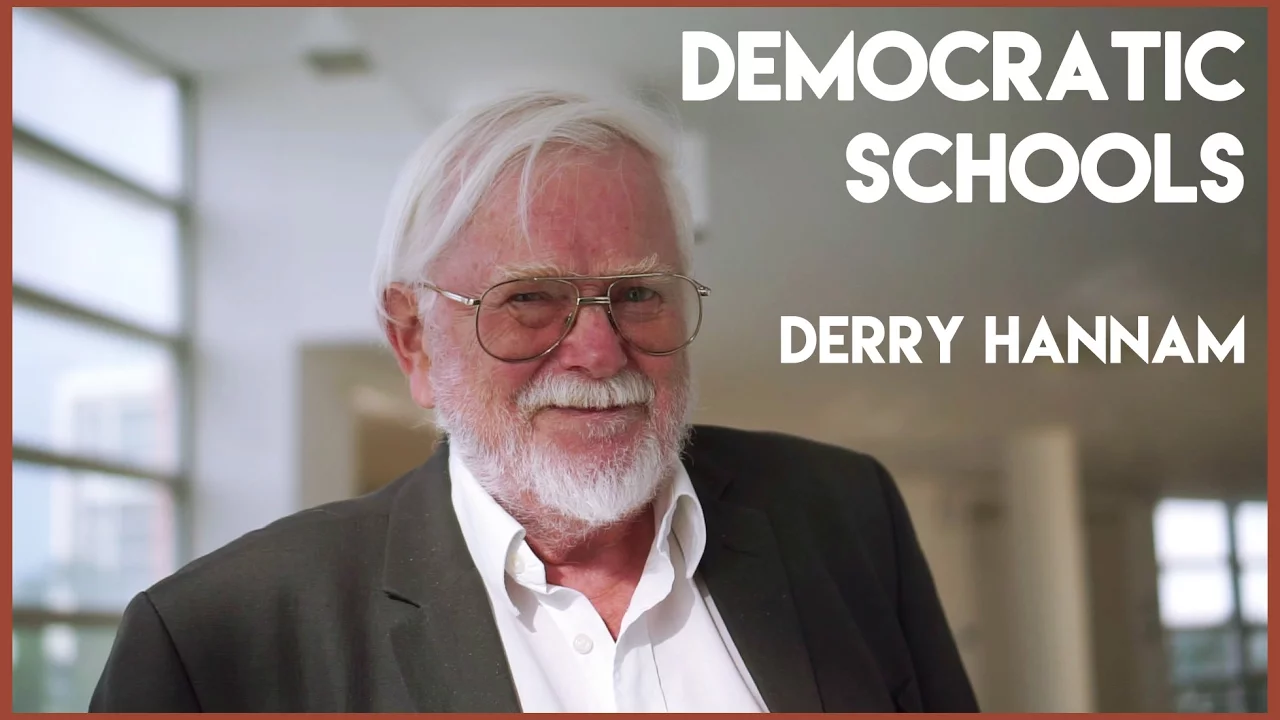
Democratic Schooling Models: Investigating institutions and curricula that prioritize student voice, shared governance, and civic responsibility, such as democratic schools.
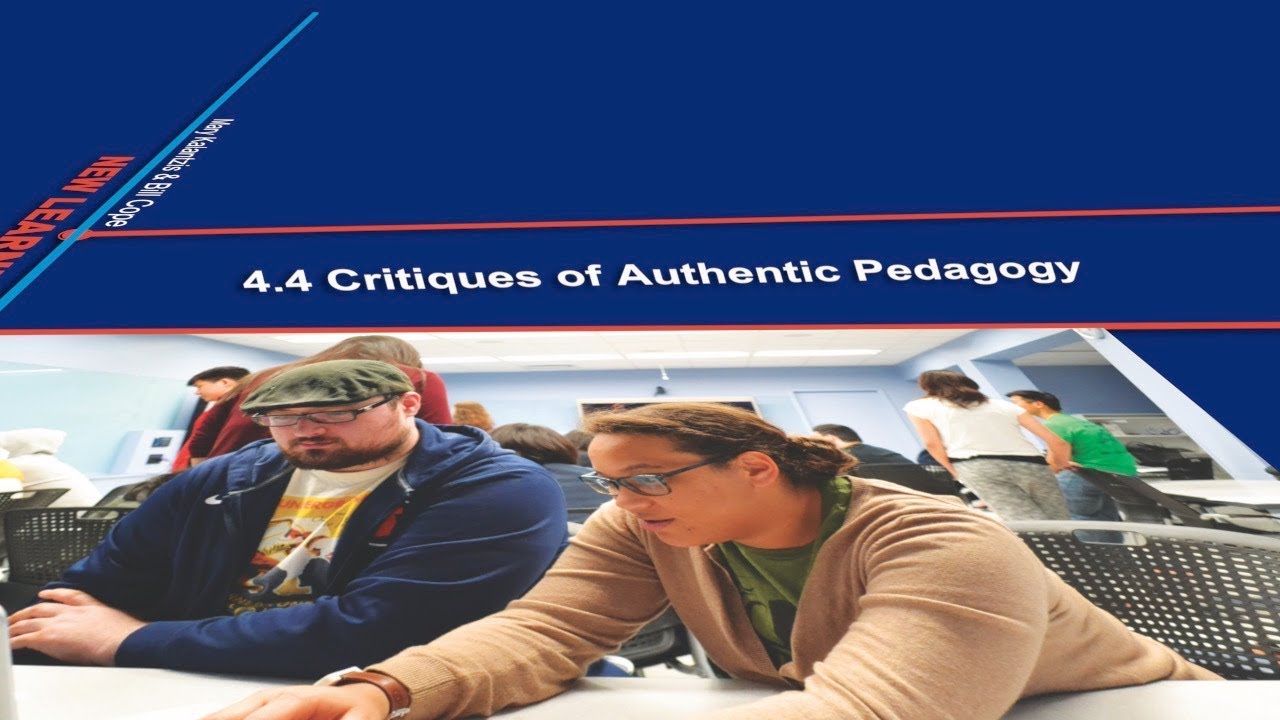
Critiques of Progressive Education: Examining opposing educational philosophies, such as educational essentialism and the Core Knowledge movement advocated by figures like E.D. Hirsch.
96.5K views963likes11:50Original Release: 2021-12-14
john dewey's philosophy of education key concepts john dewey's pragmatic approach to education and learning has been influential internationally and endured over time he saw the purpose of education to be the cultivation of thoughtful critically reflective socially engaged individuals rather than passive recipients of established knowledge dewey rejected the rote learning approach driven by predetermined curriculum which was the standard teaching method at the time however importantly he also rejected child-centered approaches that followed children's uninformed interests and impulses uncritically while he used the term progressive education this has since been misappropriated to describe in some cases a hands-off approach to children's learning which was not what jew proposed dewey believed that traditional subject matter was important but should be integrated with the strengths and interests of the learner as is well known jury developed a concept of inquiry prompted by a sense of need and followed by intellectual work such as defining problems testing hypotheses and finding satisfactory solutions as the central activity of such an educational approach this organic cycle of doubt inquiry reflection and the re-establishment of sense or understanding contrasted with the reflex arc model of learning popular in his time the reflex arc model thought of learning as a mechanical process measurable by standardized tests without reference to the role of emotion or experience in learning it is important to note that dewey was critical of the reductionism of educational approaches which assume that all the big questions and ideas are already answered and need only to be transmitted to students he believed that all concepts and meanings could be open to reinvention and improvement and all disciplines could be expanded with new knowledge concepts and understandings key concepts of dewey's philosophy of education dewey suggested that individuals learn and grow as a result of experiences and interactions with the world these interactions and experiences lead individuals to continually develop new concepts ideas practices and understandings which in turn are refined through and continue to mediate the learner's life experiences and social interactions below are some of the key concepts of dewey's philosophy of education first jury argues that interactions and communications should be focused on enhancing and deepening shared meanings as they increase potential for learning and development hence when students communicate ideas and meanings within a group they have the opportunity to consider take on and work with the perspectives ideas and experiences of other students second jury argues that shared activities are an important context for learning and development dewey valued real-life contexts and problems as educative experiences if students only passively perceive a problem and do not experience the consequences in a meaningful emotional and reflective way then they are unlikely to adapt and revise their habits or construct new habits or will do so only superficially third jewry believes that students learn best when their interests are engaged hence it is important to develop ideas activities and events that stimulate students interest and to which teaching can be geared for dewey teaching and lecturing can be highly appropriate as long as they are geared towards helping students to analyze or develop an intellectual insight into a specific and meaningful situation fourth jury believes that learning always begins with a student's emotional response which spurs further inquiry this explains why dewey advocated for what he called aesthetic experiences that is dramatic compelling unifying or transforming experiences in which students feel enlivened and absorbed fifth jury argues that students should be engaged in active learning and inquiry rather than teach students to accept any seemingly valid explanations dewey was convinced that education ought to give students opportunities to discover information and ideas by their own effort in a teacher-structured environment and to put knowledge to functional use by defining and solving problems and determining the validity and worth of ideas and theories as noted above this does not preclude explicit instruction where appropriate sixth jury was convinced that inquiry involves students in reflecting intelligently on their experiences in order to adapt the habits of action experience should involve what dewey called transaction an active phase in which the student does something as well as a phase of undergoing where the student receives or observes the effect that their action has had this might be as simple as noticing patterns when adding numbers or experimenting to determine the correct proportions for papier-mache and seventh jury believes that education is the key to developing skills for democratic activity dewey was positive about the value of recognizing and appreciating differences as a vehicle through which students can expand their experiences and open up to new ways of thinking rather than closing off to their own beliefs and habits dewey's influence on teaching practice dewey's theory has had an impact on a variety of educational practices including individualized instruction problem-based and integrated learning dialogic teaching and critical inquiry dewey's ideas also resonate with ideas of teaching as inquiry on individualized instruction dewey's ideas about education are evident in approaches where teaching and learning are designed to be responsive to the specific needs interests and cultural knowledge of students teachers therefore learn about students and their motivating interests and desires in order to find subject matter events and experiences that appeal to students and that will provoke a need to develop the knowledge skills and values of the planned curriculum students are encouraged to relate learning to their lives and experiences on problem-based learning and integrated learning approaches dewey's principles of learning are evident also in problem-based learning and project approaches to learning these approaches begin with a practical task or problem which is complex comprehensive multi-led collaborative and involves inquiry designed to extend students knowledge skills and understandings problem-based learning should one start by supporting students to intellectualize exactly what the problem is two encourage controlled inquiry by helping students to develop logical hypotheses rather than depending on their habits of thinking to jump to conclusions for example by connecting or disconnecting ideas they already have encountered and three encourage students to revise their theories and reconstruct their concepts as their inquiry unfolds on student engagement dewey's theory has also been extended to the problem of enhancing student engagement some strategies that have been found to increase student engagement and that align with dewey's concept of aesthetic experiences include one engaging students in deeper perception going beyond the simple recognition of objects to look carefully at colours lines and textures question perceptions and use new understandings to perceive things in new ways two building intellectual sensory emotional or social connections to a topic such as connecting to the topic of space travel through intellectual connections to the concepts of speed power and force sensory connections to the sounds fire and vibrations and emotional or social connections to the feelings of astronauts involved three encouraging risk taking such as suggesting a calculation or experimenting to make papier mesh four encouraging sensory exploration five using a theme or metaphor to illuminate powerful ideas and to produce a sense of wonder imagination and anticipation such as rocks have a story to tell six provoking anticipation with evocative materials or suggestive situations enabling students to unravel a mystery rather than follow a recipe on dialogic teaching dialogic teaching emphasizes the importance of open student dialogue and meaning making for learning and builds on dewey's ideas about the importance of communication and social interaction in this approach students are encouraged to form habits of careful listening and thoughtful speaking for example they might be discouraged from raising their hand to speak in a lesson as that action triggers anticipatory thought rather than full attention to the current speaker attention is paid to issues of power privilege and access that may hinder open dialogue on critical inquiry approach to education is evident in curricula focused on critical thinking skills in which students engage in intellectual reflection and inquiry critique test and judge knowledge claims make connections apply their understandings in a range of different situations and go into depth rather than be given quick answers or rush through a series of content dewey's philosophy of education highlights the importance of imagination to drive thinking and learning forward and for teachers to provide opportunities for students to suspend judgment engage in the playful consideration of possibilities and explore doubtful possibilities lastly on teaching as inquiry dewey's perspective on teaching and learning encourages a teaching as inquiry mindset his principles for teaching and learning suggest that teachers should cultivate an energetic openness to possibilities alongside a commitment to reflectively learning from experiences be willing to experience ambiguity and use problems as an opportunity to get deeper into an understanding of self students the subject and the context
Up Next
40:48
American Pragmatists: Peirce, James, Dewey Explained
@Philosophy_Overdose
20.5K views•2023-08-27

164:01
John of Damascus on Holy Images: A Theological Defense
@BannedBooks
139 views•2026-04-25
14:29
Critical Theory Explained: Frankfurt School Key Concepts
@PHILOnotes
73.6K views•2021-02-11
4:57
The Myth of Sisyphus: A Greek Legend of Eternal Punishment
@TEDEd
8.6M views•2018-11-13
Related Study Plans & Knowledge Roadmaps
Structured learning paths in Philosophy
philosophy
Frankfurt School: Critical Theory & Culture
01Foundations of the Frankfurt School and Critical Theory
02Horkheimer & Adorno: The Critique of Instrumental Reason
03The Culture Industry and Mass Deception
+ 2 more learning modules
12h5 modules
Explore Roadmap
philosophy
Philosophy of Language: From Frege to Austin
01The Linguistic Turn: An Introduction to Language in Philosophy
02Gottlob Frege: Sense and Reference
03Early Wittgenstein: The Picture Theory of Meaning
+ 3 more learning modules
15h6 modules
Explore Roadmap
philosophy
Feminist Epistemology: Standpoint & Injustice
01Introduction to Epistemology and Feminist Critiques
02Sandra Harding and Standpoint Theory
03Donna Haraway and Situated Knowledges
+ 2 more learning modules
12h5 modules
Explore Roadmap
philosophy
Environmental Philosophy: Ethics & Deep Ecology
01Foundations of Environmental Ethics & Anthropocentrism
02Biocentric Individualism and Animal Liberation
03Ecocentric Holism and Deep Ecology
+ 1 more learning modules
10h4 modules
Explore Roadmap