






![2025-11-23 주일설교 - 선교적교회 비전트립 제4권 10장(1) 교육 분야를 성경적 진리 위에 / 여주봉목사 | [ENG SUB]](https://i.ytimg.com/vi_webp/3wsnPLHWV9A/maxresdefault.webp)




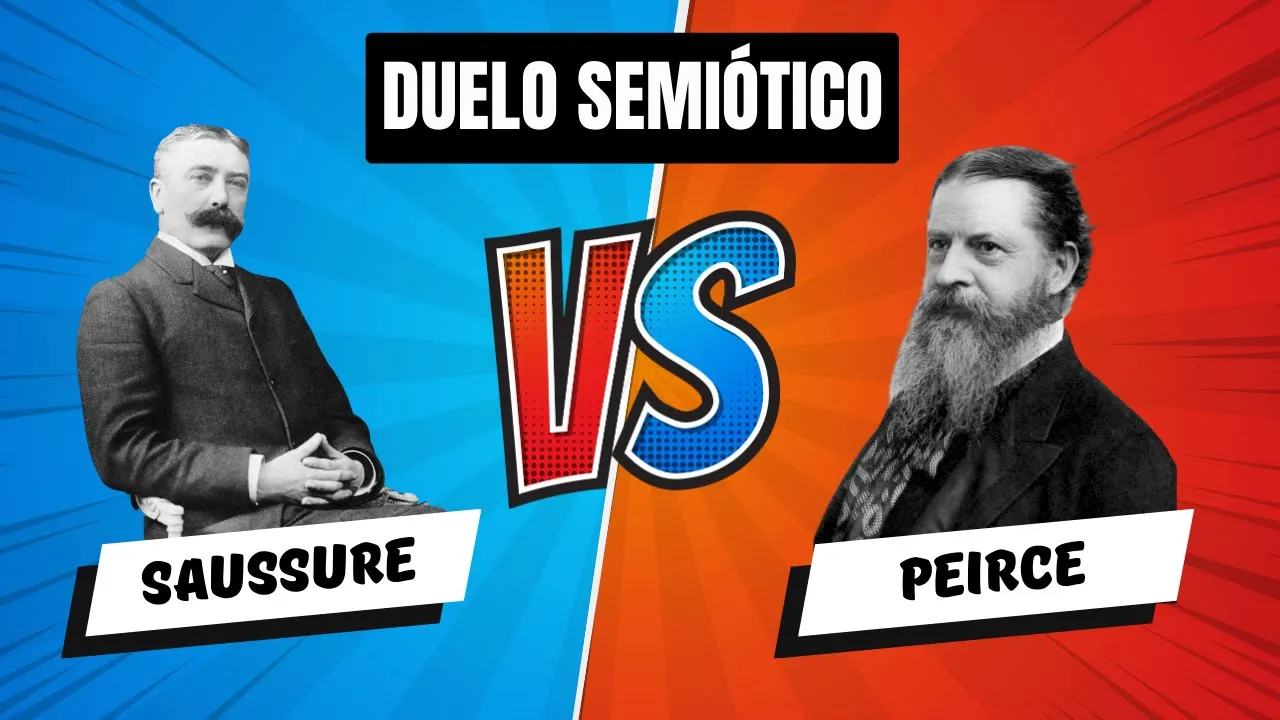









The three classical American pragmatists—Charles Sanders Peirce, William James, and John Dewey—transformed Western philosophy by rejecting the traditional 'spectator theory' of knowledge, instead proposing that meaning, truth, and inquiry are grounded in practical consequences and human agency; Peirce established the pragmatic criterion of meaning (concepts must produce observable effects to be meaningful) and pioneered fallibilism (all knowledge is revisable); James extended this by arguing that philosophical theories are pragmatically equivalent when they cannot be distinguished by experience, and that truth involves the practical consequences of beliefs; Dewey applied these insights to develop a naturalistic philosophy emphasizing that humans are active agents engaging with their environment, and that education should cultivate growth from within rather than impose external discipline.
American Pragmatists: Peirce, James, Dewey Explained
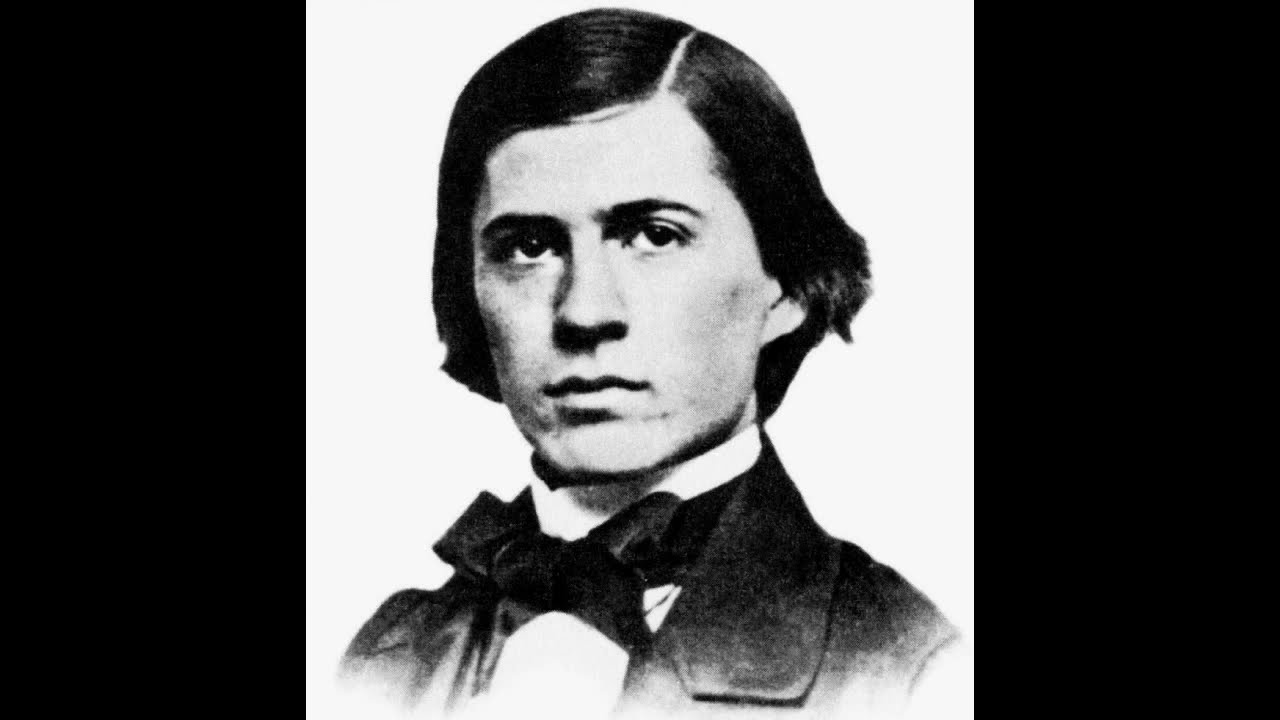
Added:in philosophy as in so many other respects it's now the United States rather than Britain that is the chief Center of activity in the English-speaking world but there's been American philosophy of international importance for a hundred years now in fact Bert and Russell in his autobiography describes the Harvard School of philosophy as having been the best in the world during the late 19th and early 20th centuries American philosophy of that period is represented Above All by three figures who have since attained classic status C.S purse William James and John Dewey they're sometimes given a group label the American pragmatists but in fact they're more different from each other than that might suggest C.S purse was born in 1839 the son of a professor of mathematics at Harvard he was trained from the beginning as a mathematician and scientist and his paid jobs were as astronomer and physicist philosophy was something he did in his spare time until at the age of 48 he retired to devote himself to it entirely but this I'm afraid led to his being sunk in poverty and debt by the time he died in 1914 at the age of 74.
he never wrote a book and a great deal of his work came out only posthumously when his collected papers were published in eight volumes a near contemporary of purse was William James born in 1842 and also educated at Harvard from which he graduated in medicine James became a Harvard lecturer in anatomy and physiology then after that professor of philosophy and then after that professor of psychology among his best-known books are the principles of psychology published in 1890 the varieties of religious experience published in 1902 and pragmatism published in 1907 he died in 1910.
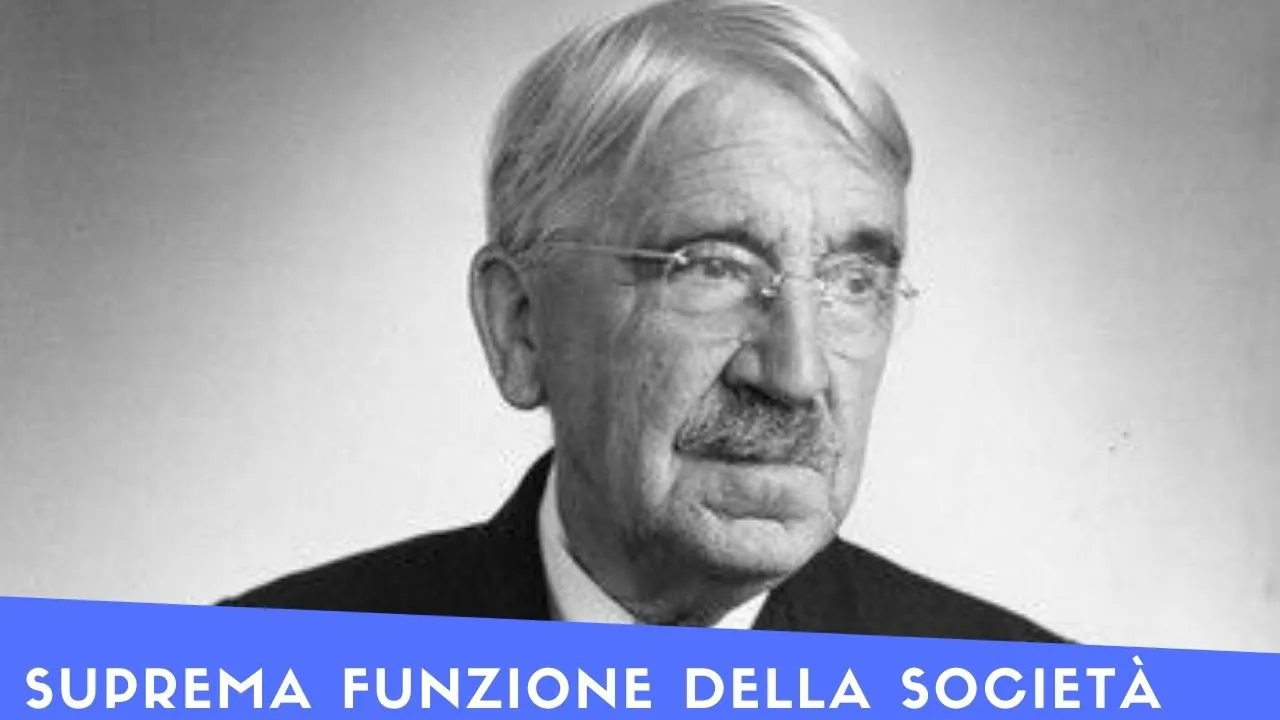
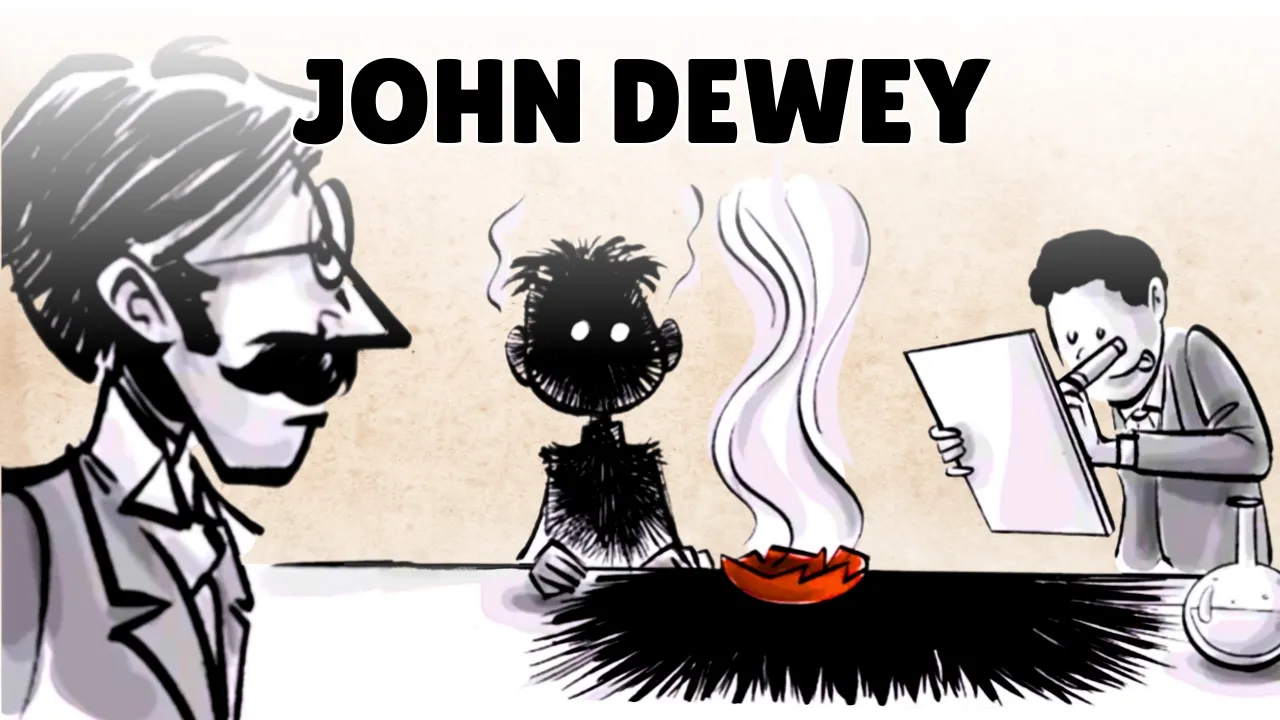
unlike purse he received International recognition during his lifetime in this context it's interesting to mention that the novelist Henry James was one of his brothers and Henry for part if not most of his life felt himself under the shadow of world famous elder brother William the third and most recent of our three classical American philosophers was John Dewey who was born in 1859 and lived until 1952. he spent the whole of his career as a university teacher first at the University of Michigan then in Chicago and finally at Columbia New York few philosophers of any place or time have had such widespread influence on practical and public affairs his philosophy of education alone can be said to have had worldwide impact and he was influential in other fields as well it's difficult to pick a few books from so copious and output but perhaps I might mention democracy and education published in 1916 human nature and conduct published in 1922 experience and nature published in 1925 and the Quest for certainty published in 1929 to discuss the work of Dewey James and purse I've invited Sydney Morgan besser professor of philosophy at Columbia University in New York now let's let's start right at the beginning of the story the first of these people in time was purse and it was him who introduced the term pragmatism as a philosophical term and he introduced it first of all as a maxim uh for meaning didn't he okay well actually in exactly what that meant it was a maximum clarification of certain kinds of terms which are called intellectual terms yes it was not necessarily a theory of meaning for all terms or how to analyze all terms that he also dealt with an in a later book but in this essay it was primarily a theory of how one analyzes specific terms or specific ideas or if you wish sentences in which these terms are embedded he was motivated to try to tell someone how he can be clear as his ideas so of an approach to give rules for clarification so that if an agent acts he at least knows the beliefs clearly upon which he acts that's the motivation of the background now what was the the pragmatic Criterion of meaning what was that well I can give it by illustration you consider the Practical effects of the concept as it were but let me sort of begin with an example and then see whether we can build up from examples right let's say if I ask you what you meant when you said something you've got sugar or soluble and water I presume you would mean that if I or anyone put the sugar in water it dissolved here to get clearly in mind what you mean you would specify if you wish something conditional as to what would happen or what kind of consequences would happen or what actions or habits the particular entity has that you could activate as it were by your action it relates the meaning of the concept to an actual or possible action yes the meaning would be specified in this conditional right so that now if you take a particular sentence in the indicative like this particular Hammer is harder whatever he will attribute the predicate hard and here's the indicative and the Persian view is well you should be able to translate the indicative into these kinds of conditionals if it were not possible if you really wouldn't have a clear concept of mine well it's just hard hard and you would then suggest or he would suggest to try to clarify the specific kinds of things that if the particular entity was acted upon some particular observable consequence would happen in terms of scratching or what so to bring it down to ordinary speech What Spirit what purse is saying is that for certain kinds of concept to be meaningful then their application in reality must make an observable difference to something if they don't make an observable difference to anything then they don't have real questions these are conditionals they would that's right now this would be is not necessarily a statement that it has carried out it's about meaning it's not about occurrence it I placed it in water it would this is only for the clarification of certain terms right I want to push the discussion a little further along because although uh purse made this a very substantial contribution to theory of meaning he wasn't concerned with theory of meaning in a sort of Scholastic way it was he wasn't concerned with it in isolation for him it was all part of a much more General concern with science I emphasized in my introduction to this discussion how person the man was all his life a working scientist that's what he was and he was a logician and he was and he was concerned to clarify Concepts clarify statements clarify beliefs as part of much wider scientific Enterprise whose aim was to understand the world and to acquire new knowledge wasn't it yes can you put it in that context first I'll amplify some of the remarks about the meaning that you suggested he said he learned these habits in the laboratory that's how scientists get clear about his terms and yes in the 20th century some people thought that one clarifies terms in that way which called operational definitions you know when to apply if certain things are done by you then these and these would be the observational consequences but that's the background and we now go to the other topic you've introduced the notion of inquiry right I think we could begin first with person by inquiry of course you simply mean finding out about the words those in common sense terms and More organizedly in scientific right right and sort of testing the hypothesis in a suitable way right collecting a hypothesis to the work having certain rules can tell you when the hypothesis or the inference is a well-formed inference that when the conclusion follows the whole nuts and boats substructure of science that's what we're talking about but now I think one could begin first with sort of a theorist of ordinary beliefs or the ordinary believer and taking the notion of belief now for granted uh purse frequently gives the following picture I say picture because this isn't quite a full presentation and suggests this picture to a lot of people that normally we can sort of go along and rely on our beliefs and then when we run into a problematic situation one has to have a strategy for how to revise one's beliefs and there he begins with possible strategies that one could follow the method of tenacity you pick some beliefs and just stick to it the method of authority you go to an authority tell you what to believe and he gives some reasons why one shouldn't rely on those methods they're self-defeating but now the better method is to engage in inquiring to try to find out by inquiry which particular kind of belief which is on the test is better than its competitors by actual testing in accord with certain principles and now when he does this particular view he presents another theory this of how one justifies the beliefs thus far we've talked about the motivation we engage in inquiry in order to fix our beliefs and we have to come to a rash decision that we have a right except this belief rather than as competitor in order to act on it and create further work on it well to have to have some particular rules in the background to form well-formulated beliefs about the nature of the world and then given the utilities you act he's not telling you what you should act for that's part of the ethics and the Aesthetics but right now if the hypothesis one goes a little further the following picture once again is frequently presented as being relevant to purse while we test some beliefs we're holding some beliefs constant and then while we're holding some belief constants in one contact we can subject them to check in another context and the sort of the rationality behind it is this sort of self-correcting process and we don't have to begin with premises which are certain and indubitable upon which we sort of build our knowledge like mathematics in fact you can always start an argument by assuming something and then the conclusions or empirical justification now the point behind all of this is not to say that I mean part of the point is not merely to say this is the way one should view knowledge if one wants knowledge for basis for Action other philosophers might agree but they would want more for knowledge knowledge would have to be a stronger view than that and to counter that strong view he sometimes talks that we can't get certainty and the contagion Arguments for getting certainty don't actually support the conclusion that some philosophers thought it does so it was a picture of how knowledge could and justification could go on it was a claim that other pictures not merely not needed but they can't be for a variety of reasons maintained and therefore it turned out that very people identify a purse with some everything is revisable there's nothing fixed Etc now this introduction of the term fallibleism is very important um and indeed uh purse was a pioneer of the whole idea and it was a revolutionary idea in its day until and including I think virtually the whole of the 19th century a western man regarded science as a secure and copper bottomed and safe and sure and unchanging body of knowledge the scientific knowledge was certain knowledge and it was that for that reason incorrigible unchanging purse introduced and was one of the very first people if not the first person to introduce the notion that this is not so that all science is courageable all science is fallible that we use scientific theories for as long as they work but we are must be prepared to replace them if we come up against difficulties with them now that's uh an Orthodoxy in the 20th century all scientists take that view in our time but they certainly didn't in person currently lots of people take this view of pharaohism sort of as an aim of science the science shouldn't aim as a complete theory that one should never say I've got it now I've just got it that Signs by definition is open to Perpetual Revolution now I that is a thesis which sometimes associated with fallibleism which I'm not sure quite what to say about but it's a different well let's not go into that now that's right but when it comes to science one gets a different picture from uh purse the picture is a scientists entering into a community it's part of a community investigation of investigators truth if you wish is a sort of a property of the community in a sense which I'll try to specify uh the actual scientist is not there is an individually sort of understood primarily as a as a member of the group and then we can talk about inquiry in general and there as a group activity right you enter into institution which is rational and reasonable yes and then uh one engages in acquiry and Jay and purse has lots of things to say about the stages of inquiry uh as the the for example the abductive phase when hypotheses you put up the test and the and the reasons for accepting them is testable uh the doctor phase when they're actually the consequences are noted and the inductive phase when the the actual results are assessed and he has a great deal to say about all of these things uh for which uh he may be credited as a forerunner of diverse kinds of people like Nago or Papa who have differences among them but would all claim that this is along the lines that he has suggested so we have this picture of Science and part of purse's later motivation is to try to see watch justification he can give for someone entering into this kind of a community but now given this view of Science and also the view that if one wants to say that science captures the real or what's out there one has to sort of take it this way because whatever the real is and whatever we think is out there independently of a one can't actually think that it's only accessible to an individual person the real should be accessible to the community it's independent of any particular agent and now the agent and the inquiry will let us go and here one has two aspects of purse one aspect is well what sense could we give for truth in this particular context after what we very frequently think of each individual belief may be wrong even though I think it's true it may be wrong and this way what sort of guarantee if you like the word of Truth is there what concept can we give to truth and he tries to develop the notion that when we say a given belief is true what we have in mind is that this opinion actually will survive and be embedded into the final body of of science if that is a correct way of talking now up to this point we've been talking almost entirely about person I want to bring James more centrally into the picture now it was William James although it was purse who coined the philosophical term pragmatism it was actually James who made the term generally known among educated people at large and this was done primarily by his book indeed the title of his book pragmatism which was published in 1907 wasn't it now what were some of the main themes of this book well the book's a very rich book and it contains a number of first and interconnected thesis first it's a critique of certain kinds of philosophical positions on the ground that they were not really relevant to the problems of their generation of his generation primarily the conflict between science and religion which was one of the things he and his contemporaries wrestled with for a long time secondly he criticized a son but not all of the philosophical things are not being sort of pragmatically different I don't think he ever proves of the case but he sort of tries to when you say pragmatically different what you mean is that uh there were a number of apparently alternative philosophies which were only apparently alternative because when you actually examined them you found that there was no specific evidence or even possible experience which could differentiate between them and therefore cognitively they were equivalent one of the things yes as he said that way and secondly he frequently also thought that they were not really different as far as uh facing a a particular kind of decision as to how to live uh they made no difference for purposes in that particular sense now he take this whether or not he proves this is an interesting thing but I'm not sure he does but this is the kind of theme that he tries to introduce the second kind of theme that he tries to introduce is that one one looks a lot of these traditional metaphysical pictures one should sort of look at them as that as pictures and that his own view is of a lot of the metaphysics even his own is sort of one which is based not merely on the evidence but in terms of sort of bias for looking for certain kinds of things certain personal preferences and he gives his own and he asks his other colleagues to do so as well the whole notion of a picture and how one justifies or looks a philosophical thing or the reason I'm hesitating because the book is dedicated to John Stuart Mill and he's not sort of saying pragmatism comes in and it's completely novel as a matter of fact he's saying it's a continuation right thinking yeah now the the other thing that he introduces which for which uh he's been actually both criticized and lauded is his approach to knowledge conceptual schemes and truth and that he also deals with them in other books but this is Central things in this particular I'd like us to take up the last of those because only a moment ago you were giving us quite a long but very interesting exposition of purses theories of meaning and of truth how did James's conception of meaning and of Truth differ from person well he starts with how our knowledge evolves and how a conceptual schemes evolve and emphasize that very often we have evolving conceptual schemes and one really can't ask whether this conceptual scheme was that conceptual scene is actually better or worse one has to judge between conceptual schemes in terms of the particular use to which they're put now that's one particular thing the sort of pragmatic justification not of the notion of truth but the notion of conceptual scheme there's also a deeper thing as to whether or not he he actually wants to to say and he does want to say that we can't give an account of our conceptual schemes to sort of uh melee statements about how the world is independent of us the way we classify the world is actually constitutive of what we think the world is we're sort of always thinking from within without conceptual scheme but now let's assume we have a conceptual scheme and all these problems about we've got a view of the world well I say I'm not sure one has to do it in terms of a total conceptual scheme but uh but particular things there is a lot of work going on by people influence by James on this as to whether one looks at one description is incompatible with another uh and uh one looks at sort of descriptions and that descriptions whether or not they're contraries all of these things are being worked on but now let's assume that we have some notion of a local conceptual scheme rather than a whole total scene because it may be area of inquiry yeah it's very difficult to know whether a clean ocean can be given right to a total yes yes all right now then let's say we fix our language and we want then the question of Truth can arise after then partly he seems to be asking himself the following question what actually is the difference between saying that a particular sentence like this table is brown and adding this table is brown is true and often maybe he can be interpreted as saying well primer face it's puzzling nothing seems to be added and say that the sentence is true is to do no more than a sentence yeah well in a way I mean this may be misleading way of putting it but it's sort of like you can take a theory that way and then ask well what is that it and James seems to be suggesting is that what is added is some sort of commendatory use or any value to views that to talk about it's truth it's a sort of say about the sentence that actually is worthy of belief or it's good to believe and these kind of evaluative predicates and then he tries to work it out and he tries to work it out either in terms of verification or in terms of satisfaction so sometimes he gets some view that the truth can be identified with the verifiable or the eternal exhaustively verified and verified by an action one has a belief one acts on it and then it leads to satisfactory results so this actual criticism of James on this point is his use of satisfaction is misleading it has really nothing to do with truth it may have something to do with the rationality of action of a person may be rational believing something even if it isn't true but that's a different Maybe agreed to talk about the rationality of action and for that one doesn't need certainty but the particular issue under consideration whether this is an Illuminating notion of Truth and to many people James is misleading how he works now but this General approach could be at least in part suggested for True the picture very often James once again is is that after or should give is that in certain contexts on certain kind of canonical condition if a sentence is verified then the question of truth may actually disappear the the gap between truth and verification might disappear or be identified sorry now I wanted to interrupt you there because I want to move our discussion on to to Dewey we've we spent a period on purse period on James and we must leave some time for Dewey before we leave James what I wanted to do was to put in a word of commendation for his his writing his prose style I think that James is and it needs to be said in in this program about him and others that he is one of the great writers of philosophy in the history of philosophy some wag once said that when you read William James's books and you read Henry James's books you realize that brother William was the natural novelist and brother Henry was the natural philosopher and the point of that uh joke is that William James's writing actually contains all the qualities of great creative writing it's imaginative it's full of surprise it's it's ingenious it's full of striking metaphor similar simile imagery and so on and I do want to say before we leave him that anyone who is stimulated by our discussion to go away and read James is in for a serious pleasure yes do I mean all these three men seem to me uh but in some sense remarkable in some sense uh worthy of respect but I'd like to fill out some of the things about Percy sort of an awesome figure uh the tremendous issues and the variety of issues that he dealt with logic inquiry a certain kind of metaphysics uh he's been quoted by some people the liveness of of America well when I when I looked him up in the current issue of the Encyclopedia Britannica for this program to to check a date I saw that it says about him that he's the greatest intellect yet produced by the Americas now that's an astounding yes I know a claim to make for an individual well I I merely also I'm not asking you to underwrite him he seems to me an awesome figure yeah James is one of the great lovely admirable uh figures in the history philosophies a person is warm outgoing his writings of Ranger with so many topics the principles of psychology itself is a classic it's still still being read and re-read by a great number of people even when they disagree with James on his specific views about the about psychological matters they find him a very interesting and very insightful the other thing is also his approach to mind he started sort of giving sort of a biological particular approach to the the life of the mind is how one understands mental action and Dewey of course it was a man who was in a Man true to his word he didn't really preach that philosopher should be engaged in public life he did and also he didn't merely say they should be naturalist he tried to work out the details and his attack and all sorts of dualisms which presumably I suppose is partly to be understood in terms of his alien background he also applied this to a variety of issues the analysis of social issues and political issue he has this great range he was a liberal and a kind man it's interesting when Russell wrote the history of philosophy he sort of said he has so much admiration for Dewey he's just sorry he has to disagree with him another Point most waking about Burton Russell's history of Western philosophy is that the only philosopher living at the time when that book was written and published who had a chapter devoted to him in it was John Dewey but let's now move to Dewey we've talked about uh purse and James and their attempts to improve the methods by which human beings can acquire new knowledge and increase their understanding of their environment both in an ordinary life context and through in an organized way through science and we've talked about how this involved them in among many other things clarifying exactly what it is we mean by the concept of meaning clarifying exactly it is what we mean by the concept of Truth and finding what the proper functioning of these conflict Concepts is within an overall conception of inquiry whether in ordinary life or scientific inquiry now we've that's the the position up to which we've taken the discussion now now Dewey at the start the real starting point for Dewey was enormous impressedness with the success of science he's all that this science that we've been talking about over the last three or four hundred years has supplied mankind with Far and Away its most reliable knowledge far and away it's quantitatively quantitatively biggest amount of reliable knowledge it's a huge success story almost unprecedented in the in the cognitive history of mankind well in fact unprecedented now thought Dewey what is it what is it about science that gives it this fantastic success and is it something that we can apply to other areas of life notably the social sciences political life social problems and so on with the same Rich success that was really his starting point well can you take it for some reasons if you wish for the success of science at least in the sense that why science couldn't have been successful unless there was some possibility of continuation and the certain science being institutionalized it's habits being institutionalized and men and women engaged in Cooperative research so oh yes but what really struck doing about the successfulness of science wasn't due to its institutionalization due to its method yeah well the method is institutionalized how do you think the the the institutionalization as well in a way okay I mean no part of the notion no no I should be clear part of the method is the method of drawing inference but also the math of Cooperative research and how one engages in kinds of decisions about Cooperative research so he gave some particular explanation of social support and some particular explanation in terms of this method scientists could engage in Cooperative research were it not this agreement and how one can adjudicate conflicting Alternatives the scientific Community would not remain stable uh now obviously the Dewey picture or some picture like that is that's the first approximation and one has to work out all sorts of arguments as to whether or not this always can hold or whether holds only in certain cases and there's discussion about that but now one can push okay okay granted but how we know it will continue in the future maybe tomorrow suddenly all the attempts to accept the theory on the basis of evidence Etc will lead to failure how do we know the world isn't chaotic and ultimately or the long change and now it's these kinds of questions that get puzzling and possibly one might think of this as deeply enough is sort of a request if one wants to talk this way as a sort of justification of induction relying on certain kinds of observable outcomes to project and for this Dewey doesn't really want to engage in this kind of a question he avoids that kind of a question but granted in some sense we accept induction some sense of induction because as you know how difficult it is to formulate that phrase without begging lots of issues about sign if we do then we can rely on the past history of science to indicate we're rationally entitled to rely on its method it has over time proven better than its competitors as you've pointed out but that's internal justification now whether or not this actually is the truth once again as some people think that this is sort of rig they've been better than competitors because the competitors haven't given a fair chance of competing but I think this is sort of talking about the justification of our acceptance of science uh the pragmatic justification uh on continuation of Reliance in science but now as you point out this is one question about the justification of science the other issue is justification from within what kind of procedures one could use to come to some particular desirable uh or reasonable or what he would say warranted outcome of inquiry this interconnection with formal rules contextual factors in his formulation of a view of scientific method he rejected what he saw as being the the most common of all the predecessor theories and on at least one occasion he designated that as The Spectator view of knowledge he said that Western man had made one fundamental error for hundreds of years in his Philosophy by thinking of man as a spectator on the world the world is something that we look at that we observe and through our observations we acquire knowledge of it that whole model said Dewey is entirely misleading because we are not Spectators we're agents we are biological organisms living in an environment in which we've got to survive knowledge is just about the most important and useful single tool for survival that we have in this situation because it confers understanding of our environment and that confers a certain degree of Mastery of the environment so we're not spectators at all we're in amongst it having to act all the time on the basis of beliefs right or wrong or imperfect or inadequate as they may be and it's in that situation that we're trying to acquire understanding and knowledge and proceeding with our inquiries so he his whole view of scientific method and of the acquisition of knowledge and the growth of knowledge was seen from the standpoint not of a spectator an observing subject as previous philosophers had so frequently said but from the standpoint of an agent wasn't it well a great a great number of themes in Dewey are captured by your analysis but a lot of these themes are not really thesis about knowledge it's also thesis of how one understands a particular as I say a human being naturalistically it's to avoid certain kind of dualisms that one could sort of think there's a mind and a body and one looks further interconnections and it turns out actually to be a very very naturalistic uh humans are organisms one learns about human organisms in terms of how they act and interact with the world and he's always given this in action and transaction that's part of Dewey's General philosophical anthropology if one wants to look uh terms of part of his quasi-behavioral analysis of mental Concepts and also part of the notion is one has to look for institutional factors or the culture in which one lives to explain certain kinds of judgments and to explain why certain kinds of perceptual judgments are made and also in relationship to theory of knowledge he wants to get away from another kind of picture that's frequently been associated with the pragmatist namely that men are primarily acting and reacting on the world and trying to improve it and he wants to say no and he gives lots of theories lots of Theses to show how knowledge sort of comes under special circumstances whether the demand of inquiry comes about it's not that we're always inquired to use a loose phrase we're in the world in all sorts of ways until we try to specify it when it comes to actual knowledge Dewey isn't interested in a general analysis of knowledge he says the word knowledge is used in all sorts of ways but what he's interested is the specific sense of knowledge but he thinks is the reasonable one namely how one acquires warranted beliefs as a result of inquiry and he thought that's the aim of knowledge to get warranted beliefs and to get warrant beliefs as a result of inquiry especially when there's a need for revision of beliefs now secondly he wants to get away from this view which you call The Spectator theory of knowledge in another sense of The Spectator theory of knowledge and namely that belief has certain kinds of objects knowledge has other kinds of objects and that if we can get certainty we can sort of have certainty about these specific objects which are sort of transitory and if we're going to get knowledge which is certain we have to get acknowledged by by being sort of suitably cognitively related to a certain kind of entity so this is he thinks this is sort of an approach that lots of people had which he's debating against he's also debating against the view that somehow one can jump out of our particular conceptual scheme and to judge our conceptual scheme is to see whether sort of matches an independent realities a moment ago when you were talking about durian Sons um you had something to say about his view of the importance of the ins institutionalization of Science and the institutionalization of inquiry and in fact Dewey one striking characteristic of Julia as a philosopher was that he attached very special importance to institutions generally because he regarded all pursuit of knowledge as really essentially a species activity in almost biologically based species activity and he also thought in the special case of science that one reason for the great success of science was its institutionalization of criticism uh so he had a lot to say about institutions in general and their role in society now uh his philosophy had a great impact on institutions didn't it and in particular I mentioned right at the beginning of this program he had a special impact on educational institutions throughout the world not only in the United States can you draw our discussion to a close by just telling us something of what Dewey's impact was on education in his own time and subsequently well he approached the his approach to institutions as you pointed out was sort of multi-layered and he frequently thought that given institutions are frequently justified by certain kinds of let's say Audiology and they're frequently justified by certain assumptions about what humans are and he thought a lot of the actual justifications could not actually be warranted the pictures they give of man are actually pictures of man as they are under those current situations and that is a picture of what man could be secondly they're frequently in the justification I mean the picture of man that certain institutions provide are in a sense circular because there are pictures of man as he is living within those institutions secondly that a lot of people believe that he can only justify claims for institutional Arrangements uh by actually seeing whether or not these things ultimately rest on sort of value questions and one has to prove that these particular value judgments are ultimate and Etc he tries to well this is part of his general theory of Ethics in which he wants to show the continuity between justification and ethics and justification and morals he was always against the view that there was a dualism between fact and value and send the role of philosopher is to criticize some of these particular kinds of doctrines and secondly try this have something to say about the concrete institutional Arrangements that were made at that time and so what he does in this book a number of his book is take for granted which book you have democracy in education yeah and previous varieties that's the classic uh is to take for granted that a theory of Education should be contextually relevant that though there are invariant features of human life there's no unique best way of organizing him and the problem is to rationally discuss what institutional requirements are necessary under these specific conditions now so part of the criticism of traditional philosophy is along of Education was that the frequently Justified and do be a psychological assumption that frequently Justified and dubious meta-ethical things of how things could be justified and he then shows and athletes to his particular kind of satisfaction that those are previously used to justify certain claims about education also based on dubious psychological theories about effort about emotion about discipline and uh doing those he introduces his own positive theories as to how discipline comes from being involved in the activity rather than necessarily the reverse he was a Pioneer opponent wasn't he of the old-fashioned idea of Education that saw it as something imposed on the child by discipline by almost Force Major from without and saw the essence of Education as being something that had to go along with the growth and development of the child had to be from within had to have the child's interests and energies so to speak flowing with it and working right thank you very much Professor Morgan besser thank you
Up Next

Pragmatism & Truth: Rorty, Putnam & Conant Debate (2002)
@Philosophy_Overdose
32.8K views•2021-06-07

John of Damascus on Holy Images: A Theological Defense
@BannedBooks
139 views•2026-04-25

John Searle: The Logical Structure of Human Civilization | Social Ontology Explained
@Philosophy_Overdose
201.4K views•2022-07-27
The Myth of Sisyphus: A Greek Legend of Eternal Punishment
@TEDEd
8.6M views•2018-11-13
Related Study Plans & Knowledge Roadmaps
Structured learning paths in Philosophy