









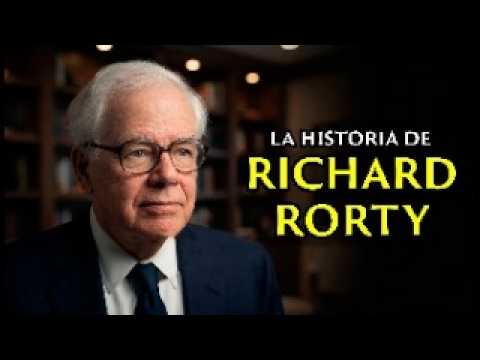














Pragmatism, as articulated by philosophers Richard Rorty, Hilary Putnam, and James Conant, fundamentally rejects the correspondence theory of truth—the idea that beliefs are true if they correspond to an independent reality—instead proposing that truth is exhausted by justification within a community; however, this raises important questions about whether pragmatism adequately accounts for the possibility that well-justified beliefs could still be false, and how this philosophical stance affects democratic practice, particularly regarding the role of expert opinion, the distinction between good arguments and rhetoric, and the ability to hold existing consensus accountable for factual and moral errors.
Pragmatism & Truth: Rorty, Putnam & Conant Debate (2002)
Added:The core tenets of Classical Pragmatism, particularly the works of William James, Charles Sanders Peirce, and John Dewey regarding truth and practical consequences.
Traditional theories of truth in epistemology, specifically the distinction between the Correspondence Theory (truth as matching objective reality) and Coherence or Deflationary theories.
The concept of epistemological justification and the debate between foundationalism (beliefs resting on secure foundations) and non-foundationalism.
An introductory understanding of Richard Rorty's critique of representation, specifically his rejection of philosophy as a 'mirror of nature'.
Advanced analysis of Hilary Putnam's 'Internal Realism' and his subsequent arguments against metaphysical realism.
The political and ethical applications of pragmatism, such as Richard Rorty's defense of liberal democracy and solidarity over objective philosophical foundations.
James Conant's contributions to the 'New Wittgenstein' debate and how ordinary language philosophy intersects with pragmatic theories of truth.
Contemporary developments in analytic pragmatism, including the works of Robert Brandom, Huw Price, and Cheryl Misak.
The critique of neo-pragmatism from contemporary realist philosophers and the ongoing debate over post-truth politics.
32.8K views775likes48:50Original Release: 2021-06-07
[Music] from chicago public radio this is odyssey [Music] i'm gretchen helfrich pragmatism usually means something like practicality doing what works but pragmatism also refers to a philosophy which emerged in the 19th century in the united states among thinkers like william james charles purse and most famously john dewey the philosophical notion of pragmatism is perhaps not so different from its everyday meaning one definition of pragmatism that is abroad holds that the value of an idea derives from its practical consequences as a school of philosophy pragmatism is alive and well its contemporary advocates have further interpreted and developed the ideas that arose more than a century ago today on odyssey we're going to explore pragmatism in its old and new forms and look at its relevance to contemporary thinking we'll talk today with hillary putnam who is harvard university university professor emeritus at harvard university excuse me but he joins us from seattle washington today here in chicago we are joined with joined by james conant who's a professor of philosophy at the university of chicago and richard rorty who teaches at stanford university richard rorty uh you are sort of the pragmatist in chief these days so i'm going to ask you to define pragmatism for us what are the fundamental elements of pragmatism i think the most important element is saying if you can succeed in justifying your belief to all comers past present and future in an ideally free communicative situation with maximum availability of evidence then you don't have to worry about whether your belief corresponds to reality pragmatism started off as a reaction against what's been called the correspondence theory of truth that is the idea that beliefs or sentences are true if they correspond to reality in the old days there was a skeptical problem namely suppose we got these terrifically justified beliefs in physics or politics or whatever how do we know they correspond to reality is justification a test of truth the pragmatist threw out correspondence with reality and said worry about justification worry about availability of evidence worry about freedom of meaning of the communicative situation and you won't worry about correspondence let me ask you two questions first of all can you elaborate on what you mean by justification just um answering objections to the belief you hold um dealing with alternative theories alternative positions and so on when we say that the scientists now all agree on the darwinian theory of evolution we mean they find the belief justified in that it has beaten all the other competing theories in the light of the evidence in the light of everything the scientists know when we say that representative democracy is the best form of government we mean that among people who are free to decide this is the form of government they'd like to live under if they possibly can that kind of thing it's to talk about justification to talk about relations between human beings to talk about correspondence to reality is to talk about the relation between human beings and something non-human the pregnant has suggested you forget about the non-human and just assume all your moral and intellectual responsibilities were to other human beings so is there do practices come down on the question of whether there is this non-human thing or they just leave it aside they think it's pointless to debate the question does reality have an intrinsic nature jim conan is that how you understand pragmatism well there's dif i certainly think that um it's well represented by professor rudy that's what many people think pragmatism is um and so far as i want to be a pragmatist i don't want to agree with everything he said um well do you want to be a pragmatic i do and i know i mean and that partly means what did the people who thought they were pragmatists think i mean what is it to be faithful to their thought so what professor rorty said in answering your question initially put the question um negatively he said this is what pragmatists reject they reject a certain conception of correspondence and i think most of what he said there would probably agree with that is there are certain theories of correspondence which are pretty hard to spell out and they were rejecting them but i think the crucial step comes when one says that um something positive that is not what pragmatists reject but what do they affirm what are they putting in its place and there it's tempting to say something like and i think professor rorty does sometimes say things like this that what for instance meaning or truth is is not just a pragmatist theory of meaning or truth this isn't just a rejection of a certain theory but it's a positive theory that says that for instance truth is exhausted by justification so what it is for something to be true for a pragmatist is for it to pass muster with a certain community appears defined a certain way and that does fit in with what he said when he said for instance pragmatists aren't interested in anything sort of transhuman or non-human and being responsible to that and i do worry about such a view i think that we should be able to make sense of the entire community being wrong so we can have beliefs that are well justified maybe our best scientific theory is well justified but it could turn out not to be true the way we use the word true that's a well-formed thought and what we mean isn't just as a community we'll change our mind but that there's something we're wrong about and something we're answerable to which isn't just what we'll pass muster with our peers well but do you think that the way professor rorty described it um that that possibility is not there i mean if a new idea comes along and the justification is better than the justification for the original idea then you change your mind right but what does justification is better mean does it mean we can convince most of our peers or does it does or is that all it means that certainly part of it mean what it means i think the reason the situation is difficult is if you have good practices of inquiry getting things right that is being answerable to something non-human the world and convincing your peers that this is what we should say about the non-human world more or less coincide but i think one wants to give away account of what truth is and one simply says it is justification and nothing more at that point i think you've thrown out a notion of truth that that you would like to hang on i would like to hang out to and it seems to me um at least some pragmatists sometimes have worried about losing that notion of truth hillary putnam anything you would like to add to our working somewhat internally contradictory definition of pragmatism okay i'm enjoying this very much uh first i can't i can't call dick rorty professor rorty we've been friends for much too long but uh richard rorty certainly has done a great deal to revive interest in pragmatism i know it was reading his review of a book by jacques barzun a stroll with william james about 20 years ago that led me to teach william james for many years so i'm grateful to him for putting pragmatism back on the map but i don't call myself a pragmatist although i think i've learned an enormous amount from the pragmatists and the reason i don't call myself a pragmatist is i'm relatively less interested in what the pragmatists have to say about truth than the discussion between jim conant and the gordy just now suggest those are important issues in philosophy they're fascinating but i find the views of the three classical pragmatists john dewey william james and charles purse on truth all rather confused in various ways that's not where i go for illumination on the notion of truth but i find i would but on the question of justification i think they have enormous amounts of insight i think particularly in these years i'm working on dewey so he's rather than james so he's freshest in my mind and i think dewey can be seen as both trying to tell us what was right in classical empiricism that is in the empiricist insistence that we turn to experience for knowledge not try to settle either factual scientific religious moral political questions by just a priori reasoning by or claim that we have some kind of uh certainty metaphysical certainly philosophical certainty uh that everybody should should pay attention to and believe that they appreciated the desire of the classical empiricists to to bring us back to experience but they thought that but dewey in particular thought the classical empiricists in fact in practice misled us and led us particularly astray in uh in politics and in the in in ethical questions how can you can you elaborate on that yeah uh for doing let's take let's begin though um with science the classical the great football teams with which modern philosophy begins are called the rationalists and the empiricists and the pictures and the pictures one team believes in experience and the other team believes in a priori truth this the term for aristotle's term for philosophic certainty and that's a gross oversimplification because not only did the rationalists think that we need experiments it's just they thought that you could do a lot a priori they were wrong about that and i think the process were right but the empiricists as dewey appreciated uh really had a very a priori view of what experiences they thought of experiences as just sensations like the sensation of red or a pain or a tickle we just have all these sensations and therefore and one of these that the impurity that the pragmatist insists is that experience always comes conceptualized so in particular we we now observe for example we don't just observe sensations and we don't just even just observe tables and chairs since science we observe uh we observe genes we observe molecules with electron microscopes that is uh dewey says science institutes data it it and and the the similarly do we thought that just as the empiricists aren't really describing how science works they're really inventing a story a metaphysical story about how it all goes from these observations of isolated atomistic sensations similarly when they turn to politics especially a mill who was the great political theorists of empiricism in the 19th century when they turned to politics mill says well we've got to we've got to respect the social sciences and do we say sorry yeah we need a lot more and better social science but then bill says the way to improve the social sciences is to develop a perfect science of individual psychology and derive the laws of society from the laws of individual psychology and again actual attention this actual attention to social inquiry actual social problems got replaced in empiricism by a fabulated an imaginary science of perfect individual psychology from which you could even deduce the laws of psychology so i would say especially in dewey and i think i hope dick already will agree with what i'm saying especially for john dewey trying to tell us this is the aim of dewey's logic book logic the theory of inquiry i mean it's it's a paradox that mill and dewey call their most important books about social inquiry logic which misleads everyone richard would you agree with that i have a different take than hillary putnam on pragmatism's relation to empiricism it's true that james and dewey thought of themselves as continuing the empiricist tradition uh i think this was unfortunate sentimentality on this on their part and that the empiricist tradition is better off forgotten i think it's an unprofitable question to ask what do we experience or what is given an experience or what is the nature of experience i think inquiry is a matter of re-weaving a network of beliefs and desires we do this as a result of the causal impacts that our environment makes upon us and we don't need a middleman called experience to describe the process of changing our beliefs and desires jim cohen there's a connection between the topic um i'm going to call richard rorty dick in hillary putnam hillary there's a connection between the topic dick and i were discussing before about truth and whether in trying to make our beliefs true or answerable to something non-human and the topic that hillary's just raised that was discussed which is how should we think about experience and as became clear in dick's answer again when he talks about experience he wants to say that experience is something that just involves a certain causal interaction between us and the world if it were something more than that then our beliefs would be answerable to something other than what other human beings say i think hillary's right that the pragmatists thought and then which and think what one should think is that experience plays a role in justifying beliefs our beliefs are answerable to our experience and that hillary is right that the pragmatists thought that that involves concepts and not just sensations all right we're going to come back and talk more about pragmatism after a break stay with us i'm gretchen helfrich and you are listening to odyssey [Music] welcome back to odyssey from chicago public radio i'm gretchen halfridge and on today's program we are talking about pragmatism we're joined for the conversation by richard rorty who has written extensively on pragmatism including the consequences of pragmatism and the recent philosophy and social hope richard wardy is professor of comparative literature at stanford university in palo alto california and he's in chicago lecturing on public intellectuals at the university of illinois at chicago also joining us here in chicago is jim conant who teaches in the department of philosophy at the university of chicago and joining us from seattle washington is hillary putnam who is university professor emeritus at harvard university in cambridge massachusetts he's the author of renewing philosophy and pragmatism and currently he's a visiting professor in the department of philosophy and the simpsons center for the humanities at the university of washington in seattle let's move on if we can to something that i with hesitation call applied pragmatism um what if one were a pragmatist how would one move through the world what sorts of things might one be interested in uh what sorts of things might one handle differently from the way they're normally handled richard vorti i think one would move through the world the same way people always have but the rhetoric one would employ to describe ones moving through the world would be somewhat different i think of pragmatism as sort of the second stage of the enlightenment the enlightenment of the 18th century said you don't have to talk about your relation to god to describe your movement through the world um but the enlightenment gave rise to what hillary putnam has called scientism to the idea that you know reason would give us the real facts about the true nature of things though we didn't need religion to do that we did need science to do that pragmatism i think of as saying no science isn't privileged any more than religion is privileged uh all that is privileged are is the conversation of mankind uh and the human imagination which develops new ways of talking new scientific theories new political institutions new customs new poems so if you're a pragmatist you think of the human community and in particular the human imagination as the forces of moral and intellectual progress instead of what the enlightenment called reason or what before the enlightenment we call god well how do you decide what progress is um as you go along in the same way that in your individual life you think well at least i've learned from that mistake at least i'm a little more grown up now than i used to be that kind of thing you could be wrong maybe you didn't learn from the mistake maybe maybe your friends think you're actually more immature than you used to be but all you have to all you have to go on is your own sense of your own self-development and that's all that the human race has to go on jim conant what would you think applied pragmatism might be like well i'd like it to throw out a little less and i think it winds up throwing out on on dick's story the way i understand pragmatism the the pragma part the part that insists on practice the practicality has to do with an attention to practice but that means also attending to the actual role that certain concepts play in our practices what do you mean practices the way we use them what do we mean when we swear someone in in a courtroom and say tell the truth the whole truth and nothing but the truth what do we mean by truth do we need a heavy philosophical theory i'm inclined to agree with dick that most of the theories that explain what we need by truth we don't need those theories but i don't think we can make sense of what we mean by truth by saying something like attend to the consequences of what you say that's precisely we want the person not to do when we swear them in we want them to tend to what we call the truth what does that mean and what i'm worried about and dick's story is on his picture of the second enlightenment where he sort of pictures notions like truth fact the world experience things like this as being sort of surrogate deities that just like we've thrown out various theological notions we should if we attain to full maturity throw these notions out too and all we need is the idea of a conversation between each other i think that's throwing out a little too much that's actually not attending to the role that these words have in our practices and that won't just be a change in rhetoric if we actually got rid of that vocabulary and tried to live without it that would mean a change in our practices can you give me an example well i've argued in print with dick um that um i think 1984 was actually orwell's attempt try to imagine a world in which you really tried to do without those concepts that you know what big brother wants you to do is to understand what it is for something to be true is simply agreement among a certain set of peers and what it is for something to be right about history is for its accord with all the present records we have about history and that's all it can mean and then if you have the right control of the records and so forth that looks like a fairly scary world no no dick no let's be fair here because richard rory was saying earlier that this conversation has to take place under conditions not like those in 1990 right i agree and i was about to say dick will immediately say but those aren't ideal conditions but then the question is what does ideal conditions mean and what is one seeking to do in ideal conditions what is what is ideal here does ideal mean just that everybody can say what they want and um and people can change their mind or does it mean that we're we're seeking to be answerable to something other than just eliciting consent within a community i think the right story of what an ideal practice of inquiry is is going to have to make sense of the idea that there's something where we're trying to get right and not not just trying to converge on a consensus hillary patent can you settle this argument for me well i'd like to bring bring us down to the actual words of one of the great pragmatist william james late in his life william james wrote a letter complaining that people misunderstood him and thought that he's denying that there is a a reality out there reality consisting of something other than than human beings and in that beautiful letter he he said suppose i throw a lot of beans on a table depending on my interests i can classify them in a lot of different ways i say big light beans and heavy beans big beans and volume and little beans brownish beans and grayish beans i could even number them and say beans whose number is divisible by seven and as long as my description satisfies two conditions unless there are two namely that it fits the beans and by the way james protested again and again at being understood as denying that there's such a thing as agreement with reality he says the promise to analyze the kind of game but he said as long as my description fits the beans it's answerable to that is in the way jim conan just uh referred to and also fits my interests what's wrong with calling it true so first of all i do think the pragmatists have a notion of a non-human reality have the notion of fitting it but they're also concerned and the effects our beliefs have in the real world and it's not a it's not a trade-off it's not if it's if it makes you happy enough call it true even if it doesn't fit it's got to do both so there are not four lights as in 1984 or five minutes no that's right and i would say coming to what political difference they wanted pragmatism to make well they had different politics the three classical pragmatists were uh i i would say as far as i can make out uh purse was extremely conservative uh james was a liberal and an anti-imperialist anti-racist uh he showed his anti-imperialism by denouncing american imperialism in the philippines uh he'd announced he supported dreyfus and the dreyfus affairs he was worried about a coming world war very wisely uh but and and dewey was even more radical than james but what dewey especially was concerned with and this fits i think this i think maybe what degrading means by some of the talking at the very beginning of this hour about ideal was making democracy what he called a living faith and making democracy a living faith for dewey connects with his primary lifelong mission which is to reform education just to make democracy a little living faith doesn't mean just faith in the idea of mature voting every few years and the majority deciding although given what happened in florida in the last election i won't talk about the majority of society but democracy for dewey meant teaching people to think for themselves as it's still a problem unfortunately that most people are like to pin labels on themselves i'm a democrat i'm a republican i'm a man of the left i'm a conservative i'm a pragmatist i'm a pregnant and then they vote and they vote their prejudices all to their lives and dewey did not want that dewey wanted people to think for themselves and he wanted the idea of thinking for yourself about questions under debate to begin in elementary school he said he says teachers too often think people have minds the way a suit has pockets hillary putnam is university professor emeritus at harvard university in cambridge massachusetts we're talking today about pragmatism and some of its relevance today its consequences today we will be taking some calls a bit later in the program our number is 1-888-859-1800 we are also joined here in chicago by jim conant who teaches in the department of philosophy at the university of chicago and richard rorty who is the author of the consequences of pragmatism and more recently philosophy and social hope um let's talk a little more real world please if we can what if if everyone were a pragmatist how would that affect democracy how would it affect uh the way we make decisions collectively do you think richard rorty i don't think there would be an enormous change but it would make us weary of people who say logic demands reason demands the facts demand and so on as if they were somehow more rational than the rest of us are more in touch with reality than the rest of us or something like that i think that if everyone were a pragmatist there would be less appeal to great big notions like reason experience logic facts and so on and to follow what jim conan said yeah our practices would change in various ways but i think they change for the better can you give me an example um walter lippmann um and very richard posner and other people with doubts about participatory democracy uh have suggested that in the end it's going to have to be political decisions are going to have to be left up to experts uh to people practiced in the science of politics or some that was lipman's term um posner has doubts about what is now called deliberative democracy and in the 60s was called participatory democracy i think the prevalence of pragmatism would say look experts are just specialists but it isn't that the experts are in touch with the facts or the experts use method logic reason and so on they just are people who have had more dealings with a certain small portion of what we're talking about than other people this isn't a difference that changes anything dramatically but it changes somewhat the tone in which we talk about the relation of expert opinion to public opinion um two things to bring to mind there and the first one is that if if we're talking about making decisions um sometimes appeals to grand themes have yielded very good results um maybe not entirely peacefully but the example that's often used is the civil rights movement you know which was an appeal to notions of justice and righteousness and big ideas and would something like that still fit in a pragmatist framework jim conant well it all depends what a pragmatist framework is but but but but but one would certainly wanted to wouldn't one i mean it is a feature of you know the early stages of the civil rights battle uh it depends how far one goes back in its history i guess that you had some people who thought something was right and they were going to stand up for it and some of these people were going to stand up for whether they were going to win the argument or not they didn't think that um being able to convince their peers and knowing that they would succeed was a condition of taking the position they did and i think you know somebody thinks that do that well well well the the problem is that um if you take seriously the idea that um that all that truth comes to or being right comes to is a matter of being able to convince your peers then it does seem like that would be a sound calculation but is this view actually held well what i'm concerned about is what the consequences would be of adopting pragmatism as as you understand it what i think is i don't understand it as an identification of truth and agreement no but you do understand it you do i thought you do you do sometimes suggest that um you understand it as identification with truth with justification in the long run no and my view is davidson's that true the word true is indefinable you can't identify it with justification in the long run you can't identify with anything at all any more than you can define the word good you can't define the word true so leave it aside and just deal with justification it's a perfectly good word just as good and right are but the platonic attempt to say hey we gotta have definitions of these terms turned out not to work there are no definitions but can i really repent him did you want to say yeah i remember this the change in your view i think in in 1990 you and i co-sponsored a conference on truth in paris which i remember you're saying that you thought there should be a moratorium on the use of the word true for at least 10 years by philosophers but not by the rest of us other people can use it well i'm wondering if um richard rorty if you understand justification to include i'm not clear on this um to include appeals to these larger concepts even if you don't buy the idea that we can say what they are if you can persuade people that way or you can get people to i don't mean this in a cynical or manipulative way but if that if the appeal to say righteousness actually brings a lot of people along is that legit under pragmatism i think it would be better to appeal to a better future to the a dream coming true it's quite true as jim says that the civil movement was backed up by a lot of religious reasons and a lot of reasons like it's right it's true it's eternally true it's eternally right and stuff like that it's that's probably harmless enough but in a in a purely pragmatist culture i think they would have just followed up on the idea we have a dream uh you know someday the world might be like this and don't we want to work together to make the world like that if you talk about better futures dream futures making visions come true i'm not sure you need the stuff about truth and write let me give our number again it's one eight eight five if you'd like to join in our conversation we will be taking some calls in a few minutes about pragmatism um i have to admit that i keep uh not understanding how you make the step or how a pragmatist makes the step in deciding which are the dreams you want to dream in other words so martin luther king had a dream big whoop why should any of us care about it um some people cared some peop some people identified with that dream other people didn't they didn't do it by consulting the nature of reality uh knowing what was true knowing what was right they had different visions of the future of our country they philosophers would like to think that there are criteria by which you can settle what the future of the country should be like i don't think there are criteria any more than their criteria for deciding between scientific theories um artistic schools and so on you look them over you think about the relative advantages and disadvantages but there isn't a decision procedure there isn't an algorithm hillary putnam what do you think of that well that there isn't an algorithm doesn't if it doesn't talk in fact that there isn't an algorithm that there isn't such a thing as reasonable and sort that there aren't reasonable and unreasonable decisions kant in a wonderful passage in the critique of pure reason it talks about a learned person who can define a concept perfectly and can't recognize an example when it's on the table in front of him and so we know that it's it and he says you know nothing is so there can't be a rule for uh reasonableness for good judgment because if there were it would take good judgment to interpret the rule so i mean but i think the dichotomy uh the the idea that there isn't an algorithm is i think pretty trivial it doesn't follow that uh appeal to facts is important i think especially in issues about racism and the great struggles over racism in the 20th century first in connection with jews and gypsies gypsies were also victims of a holocaust we tend to forget in in in europe and then hillary putnam let me ask you to hold that thought because we're coming up on another break and when we come back we'll continue our conversation about pragmatism and we'll take a few phone calls so do stay with us i'm gretchen helfrich and you're listening to odyssey welcome back to odyssey from chicago public radio i'm gretchen halfridge and on today's program we're talking about pragmatism we're joined by jim conant who teaches philosophy at the university of chicago richard rorty who has written extensively on pragmatism he's a professor of comparative literature at stanford university palo alto but he's here in chicago with us today and joining us from seattle is hilary putnam who is university professor emeritus at harvard university we're going to take some calls in a moment at 1-888-859-1800 but uh hillary putnam let me let you finish up your point that you were making when i cut you off the point i'm making is that and i should add also the women's movement that discrimination uh in both its uh less violent and more violent forms was always justified by claims to the effect that certain people were inferior in specifiable ways to other people and the refutation of those those factual claims that in fact it's not true that that women are not intelligent enough to hold such and such jobs it's not true that the they're more emotional less reasonable than men it's not true that that the jews are this and this and this it seems to me that the it is not simply a matter of uh talking about making dreams come true it's also a matter of constantly showing that arguments that are offered to justify discrimination and oppression are bad arguments and and rests on false beliefs plato says plato says for example when he justifies equality of women in the republic that uh if if it's the case and he thinks it is the case that the the that the women difference between men and women is that he says the man engenders and the woman brings forth but that's not relevant to the performance of the of being a guardian the highest job in the republic and therefore being a guardian should be open to both men and women he's exposing a bad argument i think talk about uh back arguments being good or bad premises being truer and false is essential to responsible politics all right let's take some calls our number is 1-88859 how about hearing from chris hello chris you're on odyssey hi gretchen uh great show um i guess my question goes back to my college days i might have a simplistic idea of pragmatism but as i understood it sort of pragmatism as james and dewey espoused it was basically that it's true if it works whereas purse who i think coined the term pragmaticism to differentiate himself from the other two said the more it works the more likely it is to be true and i just want to uh well be corrected probably by the panel richard wardy that sounds like an accurate report of what they said but i don't think the quarrels between perce and james or the disagreements between person james are of any great importance purse was a philosopher who never was able to put together a consistent view and he was a counter puncher who um whenever james tried to do him a favor by saying i owe it all to purse said oh james completely misunderstood me and stuff like that uh i don't think that any of the particular formulations that you find in the works of the classical pragmatists will do and i agree with hillary that uh their attempts to say what truth is should just be abandoned nobody should try to say what truth is can you distinguish for my naive mind the difference between that pragmatic view of truth and something more like relativism relativism is what people call call pragmatism who don't like it nobody ever calls himself a relativist nobody defends a you know a view called relativism but people who think that the pragmatists are giving up too much say ah they are relativists jim conan you're one of those people i am i am it's true let's go back to martin luther king for a moment um your question about martin luther king i think if martin luther king took um dick rory's advice we would have all been worse off that is if he just represented himself as saying i have a dream and i think you'll like it try it um what he did instead was i think tried to indict people in the ground they presently stand by using concepts like justice and saying if you think hard about what you want to mean by justice right now you have to admit that the society you consent to is unjust that means taking people's conceptions of what's right and wrong and making them answerable to them including as hillary was saying with respect to some issues that come up in racism and discrimination factual issues it's not just a matter of saying i have a vision let's try it we'll all like it if political debate was limited to those resources then i think a lot of people would just say well i'd rather not try it and martin luther king wouldn't have gotten much of a hearing i think that powerful political change comes about by not just sort of having a dream and encouraging people to dream it but being able to argue there's something wrong factually morally or otherwise with what we're doing right now and holding people accountable to and saying the present consensus hasn't gotten something right not just seeking a different consensus okay but you said i'm going to call you on this because you said um indicting people on the ground they stand on in other words saying your notion of justice if you were actually to implement it would mean that society as we currently understand it is wrong and so if we hold you to your own views rather than saying your views are wrong but your own consciousness your own concepts but that means you have to look at the applications of the concept this goes back to hillary and the beans you know what's wrong with in 1984 was saying that four fingers are five or what's wrong with describing the being certain ways is if you look closely at the fingers or the beans and what we're doing the concepts don't apply so what is it to think for yourself a topic hillary raised and said do we want us to think for herself well i think what it is to be able to think for yourself is to learn certain concepts and then just not try to guess what other people would say in certain circumstances but then look at the situations in which the concepts apply and ask yourself what am i committed to saying if i want to be using this concept correctly and that involves not just looking sideways at your peers and what they'll approve of but looking at the situations the world in which the concepts apply and asking yourself if you've got it right that's something non-human that you have to get right let's take another call let's talk with edwin hello edwin hello there so i wanted to talk to you guys about rhetoric a little bit in the political sphere um in public meetings you have often lots of little interests that conflict and in any giant public meeting you have some people who dispassionately want to at least come to an agreed set of facts and talk about them and others who appeal to passion some very skillfully um those appeals have great effect in in the views the public take away from meetings and i'm interested in your view particularly as you talked about participatory democracy earlier on um i guess the role of space and time in making deliberative decisions in a democracy i would like to answer that jim conan oh thanks well this is perhaps a moment to say there's there's much in um in in dick rorty's own conception of pragmatism i agree with i was quibbling over the differences i do think it's an important feature of democracy that one of the things we have to do is i'll get along and part of what getting along means is coming to various sorts of agreements and realizing what it does and does not make sense to litigate right now in the public sphere um and um and and so i think um you know that i think um some of what he wants to say bears on this question right now you could realize that you passionately are in favor of something and you can want to campaign for it but you shouldn't make it a condition of being a part of a democracy that everybody believes with your most basic agree so this i think is connected with why it is that we have things like separation between church and state and why it is that we ask people to put their religious beliefs aside and not make commitment to their religious beliefs a condition of coming to certain kinds of agreement in the public sphere that would rip the public sphere apart i could perhaps say something about the questioner's uh use of the notion of rhetoric i i think of it as part of pragmatism to play down the logic rhetoric distinction to play down the distinction between the good arguments and the merely rhetorical arguments and i would also play down what jim calls insisting that concepts be used correctly or becoming clear about what one really means by one's concept i think a concept is just the use of a word one's use of a word changes all the time under various rhetorical if you want to call them so pressures and so it should if you take the issue of same-sex marriage appealing to the concept of marriage is of no use whatever in figuring out whether you're in favor of same-sex marriage you know the conservatives say just think about what a marriage is and of course you'll realize that homosexuals can't get married but that isn't you know thinking about what a marriage is or what the concept of x is or how the word x is correctly used seems to me the kind of thing that philosophers are always asking the public to do and it is itself a rhetorical device of rather little value hillary putnam any comment yeah yeah i i uh i'd like to make a couple of governments first going back to chris's question i think we should distinguish between pragmatism and neopragmatism i think what rory is describing as pragmatism is neopragmatism of which the great spokesman is richard rorty and he is an authority i think on what neopragmatism is but james repeatedly denied in hundreds of places that he was saying that if an idea makes you happy or makes the agent succeed in what the agent is doing then that means it's true he was furious at that being described as his view and there are hundreds and hundreds of places where he says that's not my view as in the beans letter he always says there are two conditions that an idea we want ideas which will both work and but they must also fit what he called realities and he by the way the word realities plays a big role in in james pros coming to this i think one thing that's going on in this whole discussion is that there's a claim that dick has made which i think which i think jimin uh i know he made and are interpreting him in the light of it maybe he wouldn't make it now uh dick you said in an article once that as far as you're concerned justification is a sociological concept that is say whether someone's justified is something we find out by seeing the reaction of esses that is the speaker's peers to the speaker's statement now that seems to me on a relativist view not of truth but that seems to me relativism about justification that's textbook relativism absolutely yeah i can't make sense of the notion of absolute justification maybe i'll just close with a thought about the o.j simpson trial i don't think i would have been happy to have the jurors in that trial that would have made any difference as it turns out talking to dick just before their deliberations it seems to me we had very good dna evidence that o.j simpson's blood was all over the place we had some very good rhetoricians for the defense that confused the hell out of the jurors and i would have liked the jurors to be able to distinguish between good argument and rhetoric and sure that's not a sharp distinction sure there's questions like the concept of marriage and what follows from it but i don't think it follows that the distinction between good argument and rhetoric is one that should just be collapsed in some of the ways that um some of what professor rorty says encourages james conant teaches in the department of philosophy at the university of chicago hillary putnam a final thought from you about pragmatism in its current form well i'd like to say a word about the uh the homosexual marriage issue paying attention to concepts doesn't mean that one never sees the need to extend a concept i think this is something by the way in which most people know iris murdock is a great novelist she is also i think a great philosopher and in a little book called the sovereignty of good she discusses the way in which part that to be faithful to our moral concepts we have to be prepared to extend them socrates may be extended the concept we had of courage when he forced us to distinguish between somebody who's foolhardy and someone who's courageous he made us realize that just being willing to give your life in battle and not feeling the emotion of fear or fear or a flight reaction doesn't mean you're brave it may mean you're foolhardy when we came to realize that gandhi was a courageous man we extended our notion of courage similarly we may have to extend our notion of marriage but that is something that can be discussed hillary putnam is university professor emeritus at harvard university in cambridge massachusetts he's the author of renewing philosophy and pragmatism and he's currently a visiting professor in the department of philosophy and the simpsons center for the humanities at the university of washington in seattle he joined us from seattle today richard wardy final thought on jim and hillary's objections i i doubt that the differences between me and jim and hillary matter much for you know for politics for morals for anything else that you know is of any practical importance what we disagree about is the relative utility of certain standard philosophical slogans vocabularies and so on i think that some of the terms some of the rhetoric if you like that hillary and jim use can safely be dispensed with they don't think it can safely be dismissed within richard rorty is professor of comparative literature at stanford university in palo alto california he's the author of the consequences of pragmatism and more recently philosophy and social hope richard wardy jim cohn and hillary putnam thank you all very much for joining me today thank you thank you thanks also to everyone for listening and for calling odyssey's theme music was composed and performed by ok go we get help from many people including our research assistant allison renick and our intern christopher neary our staff is technical producer steve warnowskis associate producer allison cutty senior producer joshua andrews and the managing producer of odyssey is edward liftson odyssey is a production of chicago public radio under general manager tori malatia i'm gretchen halfords join us again tomorrow for odyssey you
Up Next

44:43
Rorty's Neo-Pragmatism: Truth, Language, and Democracy Explained
@dr.michaelsugrue
19K views•2023-10-10

164:01
John of Damascus on Holy Images: A Theological Defense
@BannedBooks
139 views•2026-04-25

74:32
John Searle: The Logical Structure of Human Civilization | Social Ontology Explained
@Philosophy_Overdose
201.4K views•2022-07-27
4:57
The Myth of Sisyphus: A Greek Legend of Eternal Punishment
@TEDEd
8.6M views•2018-11-13
Related Study Plans & Knowledge Roadmaps
Structured learning paths in Philosophy
philosophy
Frankfurt School: Critical Theory & Culture
01Foundations of the Frankfurt School and Critical Theory
02Horkheimer & Adorno: The Critique of Instrumental Reason
03The Culture Industry and Mass Deception
+ 2 more learning modules
12h5 modules
Explore Roadmap
philosophy
Philosophy of Language: From Frege to Austin
01The Linguistic Turn: An Introduction to Language in Philosophy
02Gottlob Frege: Sense and Reference
03Early Wittgenstein: The Picture Theory of Meaning
+ 3 more learning modules
15h6 modules
Explore Roadmap
philosophy
Feminist Epistemology: Standpoint & Injustice
01Introduction to Epistemology and Feminist Critiques
02Sandra Harding and Standpoint Theory
03Donna Haraway and Situated Knowledges
+ 2 more learning modules
12h5 modules
Explore Roadmap
philosophy
Environmental Philosophy: Ethics & Deep Ecology
01Foundations of Environmental Ethics & Anthropocentrism
02Biocentric Individualism and Animal Liberation
03Ecocentric Holism and Deep Ecology
+ 1 more learning modules
10h4 modules
Explore Roadmap