
















William James argues that in certain 'genuine options'—decisions that are live (appeal to us), forced (we cannot avoid choosing), and momentous (have significant consequences)—we have both the right and the necessity to decide based on our passions and desires, not just evidence; this applies particularly to religious belief, which James defines as asserting that the best things are the more eternal things and that we are better off believing this even now, making it a forced and momentous decision for everyone but only a live option for some, thus justifying the 'will to believe' in religious matters even without convincing evidence.
William James's "The Will to Believe" Explained | Philosophy Essay
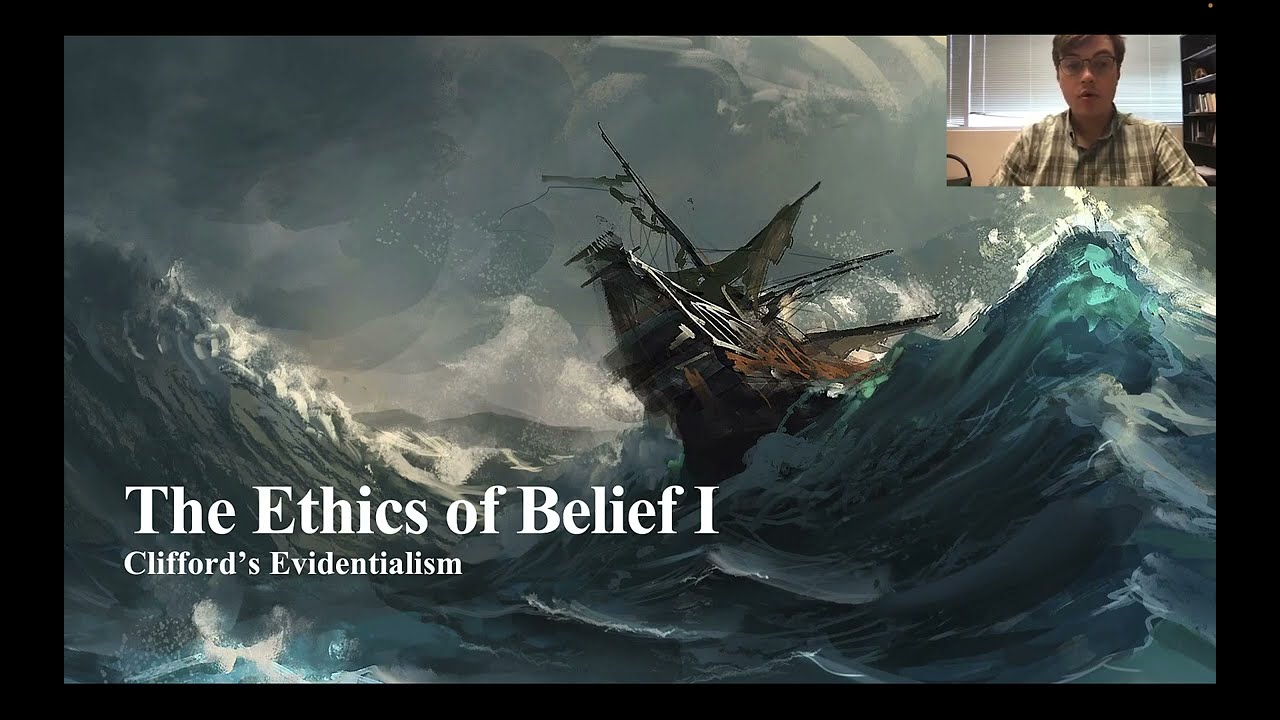
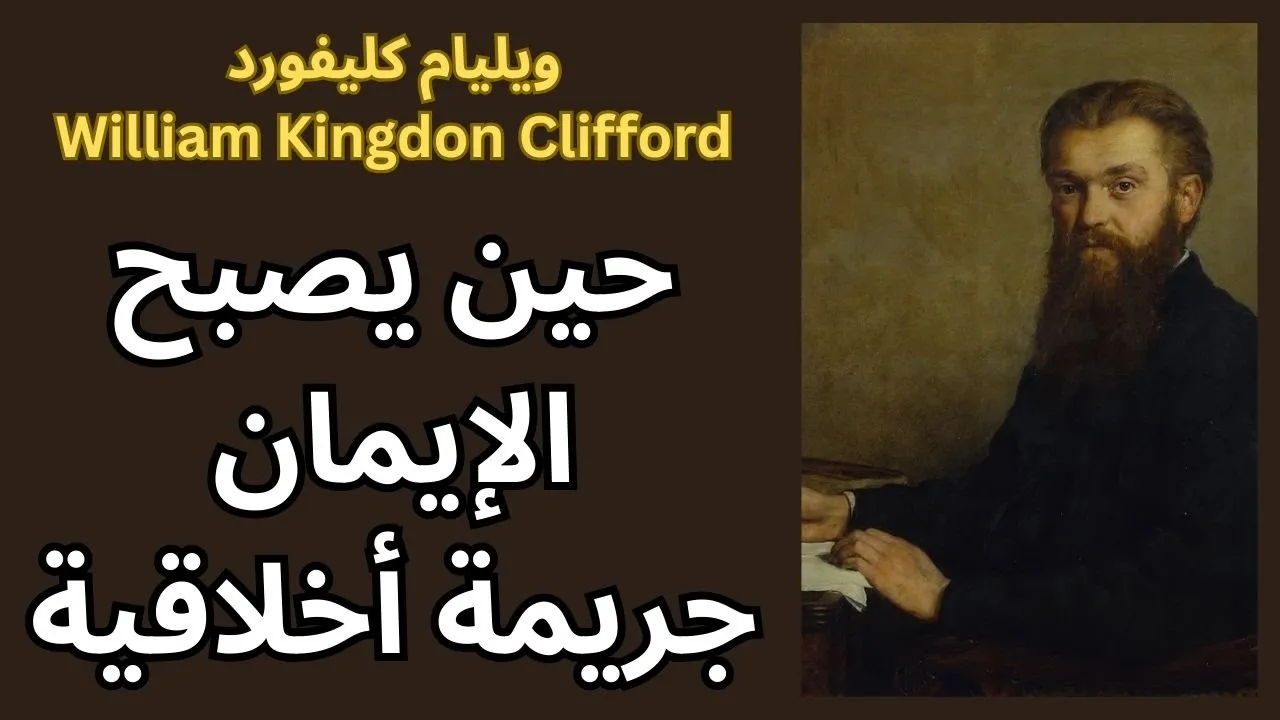
Added:W.K. Clifford's Evidentialism: The philosophical position that it is wrong always, everywhere, and for anyone, to believe anything upon insufficient evidence.
Fundamentals of Pragmatism: The philosophical tradition that links the meaning of concepts and the truth of beliefs to their practical consequences and utility.
Basic Epistemology: Understanding the core concepts of belief, justification, and how philosophers evaluate the validity of knowledge claims.
The Tension Between Faith and Reason: A general familiarity with historical debates concerning whether religious or metaphysical beliefs require empirical proof.
Pascal's Wager and Pragmatic Arguments: Comparing James's existential justification of belief with Blaise Pascal's utility-based, decision-theoretic argument for belief in God.
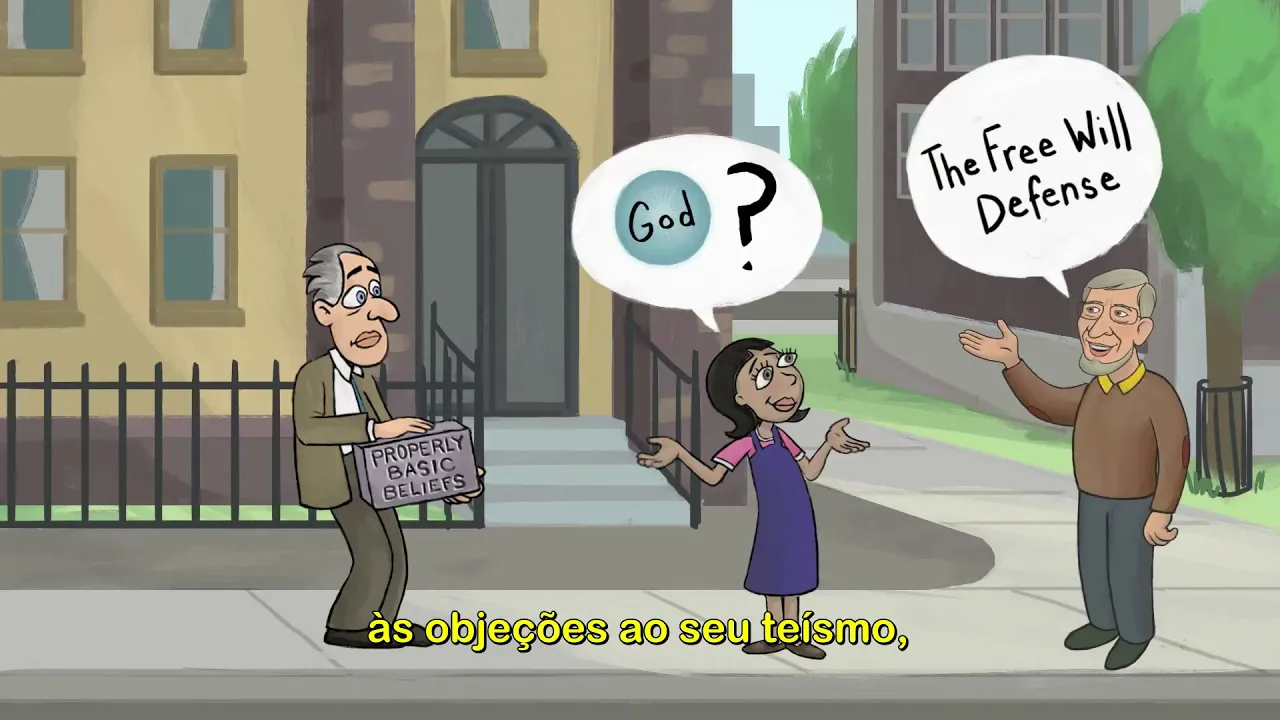
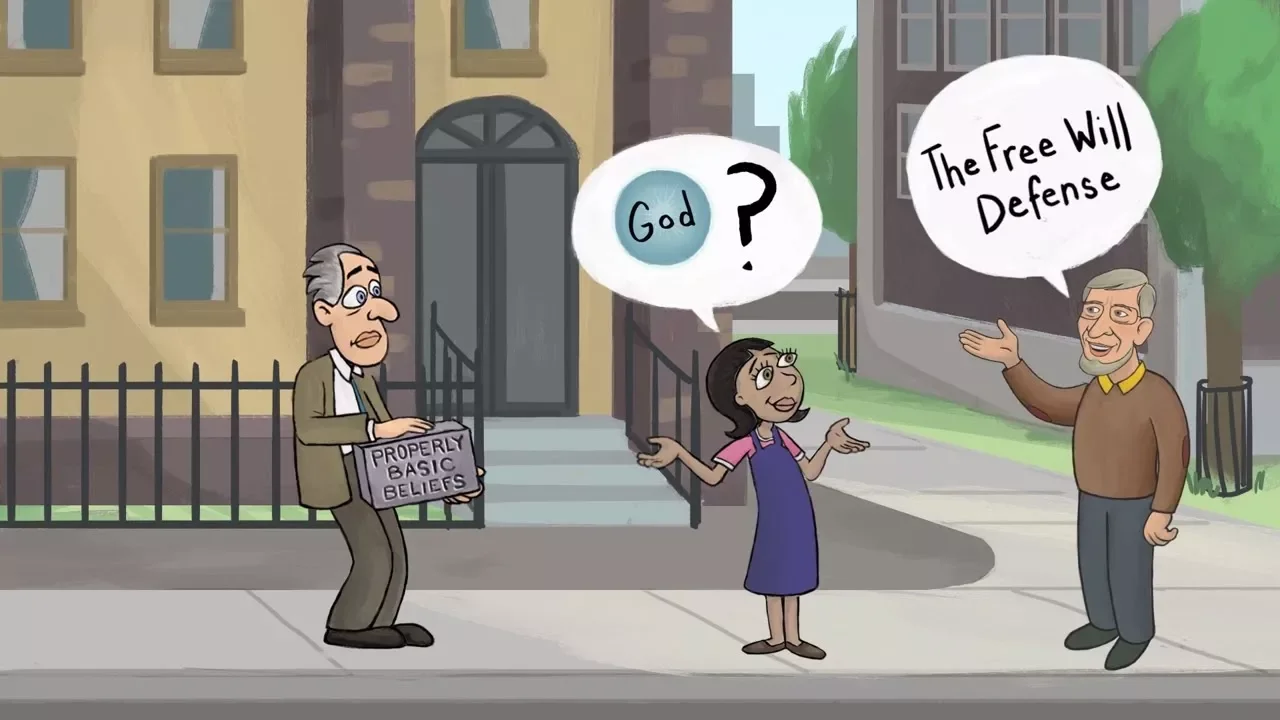
Reformed Epistemology (Alvin Plantinga): Exploring the modern view that religious beliefs can be 'properly basic' and rationally held without external evidential support.
Bertrand Russell's Critiques of Pragmatism: Analyzing the philosophical pushback against James's pragmatic theory of truth, focusing on the objection that utility does not equal truth.
Psychology of the Self-Fulfilling Prophecy: Investigating how James's concept of 'faith creating its own verification' applies to modern psychological phenomena and cognitive behavioral science.
221 views14likes53:12Original Release: 2022-02-17
this series i'm going over some passages in the will to believe in other essays the book i will allow myself however some time spent on the will to believe the essay in the book originally an address to the philosophical clubs of yale and brown universities in the late 1800s this james tells us is an essay in justification of faith a defense of our right to adopt a believing man a believing attitude in religious matters in spite of the fact that our merely logical intellect may not have been coerced the will to believe accordingly is the title of my paper and he continues i have long defended to my own students the lawfulness of voluntarily adopted faith so he's talking about the will to believe the voluntary decision to believe and he's talking about the right to make that decision the right to believe the right to choose to believe we have a right to choose to believe in god or maybe a little more precisely it is permissible or lawful or rightful to choose to adopt some religious hypothesis even if we do not have convincing evidence that that hypothesis is true now what sort of right are we talking about what sort of lawfulness well it's not legal rights or legal awfulness he's talking about uh first of all epistemological rights uh there are some things i have no business believing like i have no business believing that i'm the king of france there is no king of france i'm in hong kong i drink tea i'm not drinking wine in paris i have very very little in common with any punitive king of france i have no business believing that but i do have business believing some things and james says we do have business believing in religious belief even if we don't have convincing evidence for it convincing evidence is not a requirement for rational religious belief for religious belief that does not violate any of those rules which regulate human belief there are rules which regulate human belief and some of them tell me i should not believe that i'm the king of france but none of those rules require us to not believe in god or at least a proper understanding of the rules does not require us not to believe in god or not to adopt a religious hypothesis without convincing evidence but second he's also dealing with moral rights moral lawfulness we are in the intersection of epistemology and ethics for any two branches of philosophy uh say epistemology and ethics or epistemology and philosophy of religion or epistemology and metaphysics or metaphysics and philosophy of religion or metaphysics and ethics or philosophy of religion and ethics for any two branches of philosophy there's going to be some overlapping region where some questions some theses and some writings are in the overlapping region some are in one region epistemology but not ethics ethics but not epistemology but some are in the overlapping region that's where we are we're dealing with the the moral permissibility of belief in the absence of persuasive evidence understand that this is in context of a famous essay by w.k clifford w.k clifford's essay the ethics of belief says that belief religious belief in particular which does not have convincing evidence is not only in violation of some sort of epistemic requirement it's also immoral it's also a violation of moral requirements it is wrong says clifford always everywhere and for anyone to believe anything without insufficient to believe anything upon insufficient evidence and james is responding to that he agrees with clifford that there is such a thing as an ethics of belief he like clifford is in the the overlapping region of ethics and epistemology but james well james is saying that religious belief in the absence of persuasive evidence actually is okay or at least it can be so how is he going to make that case well there is a great deal of material here let me see if i can clarify some of his terminology and then perhaps uh skip ahead and give some remarks on how he uses that terminology and then maybe go back to the beginning and and flip through the pages and give some interesting remarks on interesting passages in the text let us give the name of hypothesis to anything that may be proposed to our belief and just as the electricians speak of live and dead wires let us speak of any hypothesis is either live or dead a live hypothesis is one which appeals as a real possibility to whom it is proposed etcetera etcetera deadness and liveness and hypothesis are not intrinsic properties but relations to the individual thinker they are measured by his willingness to act the maximum of liveness in an hypothesis means willingness to act irrevocably practically that means belief but there's some believing tendency wherever there's willingness to act at all now we we don't want to let this slip by us uh it's important to understand that belief is not just something you do in your head well it's not just something you think in your head it's something you do with your life that's um that's the jamesian understanding of belief it's a very practical matter here i think again he is in full agreement with clifford so a hypothesis is live if you have some willingness to act on it which is to say some willingness to believe it otherwise it's dead for you next let's call the decision between two hypotheses and option for the sake of simplicity um we're only going to be looking at decisions between only two hypotheses of course we often have to choose between two or more three or more hypotheses but he's going to zoom in on decisions between two hypotheses that's well that makes the analysis more manageable an option is a decision between two hypotheses and those hypotheses themselves could be live or dead so an option he says maybe of several kinds they may be first living or dead and a living option is one in which both hypotheses are live ones so uh a hypothesis is live but an option is living or dead a hypothesis is live if you really could believe it knocked on it it's dead otherwise a an option is a choice between two hypotheses and an option is live if both of its hypotheses are live if you really could believe and act either way or not either way and an option is forced or avoidable and it is momentous or trivial it is well let's go in reverse order it's from momentous or trivial and depending on its consequences an option is trivial when the opportunity is not unique when the stake is insignificant or when the decision is reversible if it later prove unwise but if an option has big consequences that can't be reversed or at least not all of them and let's see the stake is significant decision is not reversible without not without consequences anyway and uh it's unique if it's uh unique not reversible without consequences and if it's significant then it is a momentous option so um my choice whether to have i don't know one or two cups of tea before nine in the morning is uh not especially momentous a choice of whom to marry that is momentous that is a momentous choice so an option is a choice between two hypotheses the hypotheses can be live or dead and an option is living if both hypotheses are live and an option is momentous if it has such consequences and it's a decision you can't go back on etc and then finally an option is either forced or avoidable now it's avoidable if you can go neither way it's forced if you must go one of the two ways so decision between two hypotheses is forced if you cannot avoid either alternative so in a choice along these lines uh either be a christian or be an atheist you can avoid both options you could be a muslim you could be a hindu there are many choices besides christianity and atheism and a choice between catholicism and protestantism there's lots of other options there's also atheism islam etc in a choice between some religious belief and no religious belief we have a forced option and that that's going to be important later in the text let's look at james words describing choices as forced or avoidable next if i say to you choose between going out with your umbrella or without it i do not offer you that kind of option for it is not forced you can easily avoid it by not going out at all or if if i say either love me or hate me either call my theory true or call it false your option is avoidable you may remain you may remain indifferent to me neither loving or hating and you may decline to offer any judgment as to my theory but if i say either accept this truth or go without it i put on you a forced option for there's no standing place outside of the alternative an option is forced if you can't avoid either alternative now to reject a theory and to have no opinion on a theory are the same in this respect they're both choosing to go without the theory they're both choosing not to accept the theory so an option that tells you either accept a belief or don't is a forced option okay so an option is genuine if it's living which is to say if it's an option between two hypotheses that are both live for you and it's genuine if it's forced and momentous as well as living so james is talking about genuine options now let's uh let's not go to the end of the text yet let's go to section four where he gives his thesis in the will to believe he says our passional nature not only lawfully may but must decide an option between propositions whenever it is a genuine option that cannot by its nature be decided on intellectual grounds for to say under such circumstances do not decide but leave the question open is itself a passional decision just like deciding yes or no and is attended with the same risk of losing the truth so his thesis is that in some genuine options some options that are living forced in momentous you can and in fact must decide not based on evidence alone so think about think about why that would be the case say an option is life forced to momentous it's momentous so it's a big deal it's it's forced you have to choose one of the two and and it's living not live life is hypothesis living is for options uh between hypotheses it's living its force to momentus you could go either way you have to choose one of the ways and and it's momentous and let's say furthermore that you do not have persuasive evidence which is the right way what else can you do life is forcing you to decide so you have to decide not based on evidence alone so our passional nature not only lawfully made but must decide an option between propositions whenever it is a genuine option that cannot by its nature be decided on intellectual grounds now what does this have to do with religion quite simply religion is that kind of a decision not for all of us but for some of us it is a live decision sorry a living a living option it is a living option for all no sorry it is a first option for all of us religion is a forced option for all of us because you must have either some religious belief or no religious belief or if you want to get a little more precise let's uh skip to near the end of the text where he gives a working definition of what religion actually means what is the essence of a religious belief section 10.
science says things are morality says some things are better than other things and religion says essentially two things first she says that the best things are the more eternal things etc etc and secondly religion says that we are better off even now if we believe her first affirmation to be true religion says the more eternal things are the better things and even before you get to eternity you're better off now believing that so that that's his working definition of religion so you can either believe those two things or not you could have no opinion on it but then you're still choosing not to believe not to decide yes or no is to decide not yes there is no avoiding the decision to either have religious belief or not it's forced for all of us and it's momentous because if you're going to believe that you're going to act on it because the religious belief is not just something you think is true in your head it's how you live if you're going to believe that you must act you must mold your life according to the hypothesis the eternal things are the better things that we're better off even now believing such so religion is a forced the question of whether to be religious is a forced and a momentous decision for everyone now is it lie is it living is the religious hypothesis live is no religion live a live hypothesis for you maybe i i don't know you james thinks some of us apparently couldn't be atheist if we tried some of us couldn't be religious if we tried he doesn't seem to think it's a live option for a living option for everyone but religion is a living option for some it is forced to momentous for all of us and when it's forced and momentous and since for some of us it is a live option we may in fact we must decide on not purely intellectual grounds if we don't have them we don't have purely logical grounds for or against the religious hypothesis of course we have to decide on some other grounds when we have a right to decide not on grounds of pure evidence because that's how life works dang it that is what you have to do in life when you're given a genuine option an option that is living force to momentous and the evidence doesn't uh decisively tell you which way you want to go therefore religious belief is permissible there's more uh therefore the disbelief is permissible even in the absence of evidence when it's a a genuine option a living forced momentous option as it is for some of us there's more we'll get to it in the next video we are in the will to believe the essay within the will to believe in other essays the book in section 2 james looks at pascal's wager and let's look at that somewhat briefly mainly because it's so interesting in pascal's thoughts there is a celebrated passage known in literature as pascal's wager and he tries to force us into christianity by reasoning as if our concern with truth resembled our conservative stakes in a game of chance translated freely his words are these this is james words describing pascal's views you must either believe or not believe that god is which will you do your human reason cannot say a game is going on between you and the nature of things which at the day of judgment will bring out either heads or tails weigh what your gains and your losses would be if you should stake all you have on heads on god's existence if you win in such a case you gain eternal by attitude if you lose you lose nothing at all if there were an infinity of chances and only one for god in this wager still you ought to stake your all on god although you surely risk a finite loss by this procedure any finite loss is reasonable even a certain one is reasonable affairs but the possibility of infinite gain go then and take holy water and have masses said belief will come and stupefy your scruples why should you not at bottom what have you to lose so that's james representing pascal's logic now let's look briefly at part of his response it is evident that unless there be some pre-existing tendency to believe in masses in holy water the option offered to the will by pascal is not a living option certainly no turk ever took to masses in holy water in its account and even just protestants these means of salvation seem such foregone and possibilities pascal's logic invoked them specifically leaves us unmoved pascal was writing in france in a particular century when the options were no religion at all or catholicism those were the the um the options that were live for pascal's readers james realizes that that's not the case for all of us for many of us there are other options that are live like islam or protestant christianity and um uh perhaps for some of us catholicism itself is not a live option or even atheism not every option that fits in pascal's wager sorry not every every hypothesis that fits into pascal's wager is open to all of us for some of us maybe atheism or maybe catholicism is uh a dead hypothesis from the start we we can't even imagine ourselves taking up that position but then also for some of us there's more options than that so the option is not forced the option of catholicism versus atheism that pascal is dealing with is not a forced option some of us could very easily go another way well all of us could go another way it's a theoretical possibility for any of us to be neither atheist nor catholic we could be protestant we could be hindu we could be islamic etc and it's not uh it's not an option between these two live options because for some of us these are not live options so i think james thinks pascal's logic is pretty good the problem is he's not looking at just the right choice so when james makes his case for religious belief he looks at a forced option an option that's forced for all of us either be religious or don't that is an option you can't avoid and of course it's as he says momentous but it's also live for some of us a living option for some of us because we could go either way again using his terminology for a live hypothesis and a dead hypothesis and and he realizes and he confesses that it is not a live option for everyone so pascal's wager had fairly good logic but he wasn't looking at um the same choice all of us have to make james is looking at a choice which is for all of us forced which is for all of us momentous and is live for some of us but unlike pascal he'll say this is not an option where both choices are available to all of you some of you perhaps couldn't be religious if you tried james seems to acknowledge that this is a possibility for some or not a possibility for some in section 3 of the will to believe the essay in the will to believe in other essays the book james has william james has a remarkable analysis of the psychology of a university person now in context he's he's just going over some some facts about how human beings believe things about how evidence is important and we know it's important and uh it seems irresponsible to us to believe things not based on evidence but on the other hand we spend a lot of time believing things without basing our beliefs on evidence and here he goes over the psychology of university people and describes why they believe some of their most treasured beliefs so let's let's read this passage and comment on him here in this room we all of us believe in molecules in the conservation of energy and democracy and necessary progress in protestant christianity and the duty of fighting for the doctrine of the immortal monroe all for no reasons worthy of the name we see into these matters with no more inner clearness and probably with much less than any disbeliever in the might possess his unconventionality would probably have some grounds to show for its conclusions but for us not insight but the prestige of the opinions is what makes the spark shoot from them and light up our sleeping magazines of faith our reason is quite satisfied 999 cases out of every thousand of us if we can find a few arguments that we'll do to recite in case our credulity is criticized by someone else our faith is faith in someone else's faith and in the greatest matters this is most the case now this is not all bad what he's he's doing here is yes giving a critique of university people for thinking that their beliefs are the rational ones that they're believing based on the evidence you know based on science and perhaps thinking of themselves in distinction to all those other people who don't believe based on evidence all those people with their irrational beliefs not based on evidence and james points out hey you university people all these things you believe you believe them for no reasons worthy of the name that is to say worthy of the name of reason you all believe in molecules conservation of energy democracy necessary progress protestant christianity and the duty of fighting for the doctrine of the immortal monroe the monroe doctrine all for reasons noteworthy of the name of reason you believe in them because these are the prestigious opinions not because you understand the evidence okay this is a critique of the university people and how they think of themselves but it's not necessarily a critique of this kind of belief is there anything wrong with believing beliefs based at least in part on prestige not necessarily keep in mind that people who do this see into these matters with no more inner clearness and probably with much less than some skeptics and disbeliever in them might have a skeptic might actually have spent some real time studying the evidence and might understand the evidence better than you do if these are the things you believe but you assume your belief is best you think it's because of evidence and it's really because of prestige so that that's the critique of university psychology not the study of psychology and universities but uh the psychology of university people that's his critiquefield i think but uh but i don't think he's saying this is inherently bad i think he's saying you should just be aware of it and um you know be open to evidence if evidence should come across you contrary to your views the idea that you can have faith in someone else's faith is not necessarily the idea that there's anything sorry the idea of having faith in someone else's faith is not necessarily an idea of a bad thing our faith is faith in someone else's faith and in the greatest matters this is most the case our belief in truth itself for instance our belief that there is a truth and that our minds and it are made for each other what is that belief but a passionate affirmation of desire in which our social system backs us up we want to believe that there is truth and that our minds and truth are made for each other and our social system backs us up in believing that and that's why we believe it and that's not bad that's not bad at all now um i don't know let me see if i can summarize this let me first see if i can update i don't think i've updated it yet he lists molecules conservation of energy democracy necessary progress protestant christianity in the monroe doctrine in a contemporary university you're not going to be able to give that list you could probably list molecules conservation of energy and maybe you could list democracy uh you probably couldn't list protestant christianity maybe in a few contexts you could you probably wouldn't list the monroe doctrine you might say something about the alleged evils of donald trump or something like that but you could you could give a different list we all of us believe in molecules conservation of energy democracy um everything that's bad with uh the make america great again movement and macroevolution you could give maybe a list like that in a contemporary university setting and say here in this room we university people believe in these things for no reasons worthy of the name of reason we see into these matters with no more clarity and probably with less than some skeptic might have he at least the skeptic might have actually spent some time studying the evidence we are happy to recite some old arguments that we heard somewhere if our beliefs are challenged even if we don't understand the arguments as well as the skeptic our faith is faith in someone else's faith so be aware of your limitations i think that's his point be aware of um of how you're actually thinking in clever university people but that doesn't necessarily mean there's anything wrong with belief based in part on prestige belief faith that is faith in someone else's faith belief there is truth in that our minds are made for it that itself is a belief based largely in desire backed up by uh social support and university prestige and and that part's good so belief is complicated the requirements for responsible belief are complicated it's not all about evidence but it's not all about something other than evidence be careful watch out think carefully through these matters from the will to believe the essay in the will to believe in other essays the book by william james there are two ways of looking at our duty in the matter of opinion way is entirely different and it weighs about whose difference the theory of knowledge seems hitherto to have shown very little concern we must know the truth and we must avoid error these are our first and great commandments as would-be knowers but there are not two ways of stating an identical commandment they are two separable laws although it may happen indeed that when we believe the truth a we escape as an incidental consequence from believing the false would be it hardly ever happens that by merely disbelieving be we necessarily believe a we may in escaping be fallen to believe other falsehoods c or d just as bad as b or we may escape b by not believing anything at all not even a there's two priorities for uh human beings as would-be knowers as people who have a responsibility to try to have knowledge two priorities one is to believe the truth the other is to avoid error and they're not exactly the same goal and sometimes you can achieve one of these goals without achieving the other believe truth shine error these we see are two materially different laws and by choosing between them we may end by coloring differently our whole intellectual life we may regard the chase for truth as paramount then the avoidance of error is secondary or we may on the other hand treat the avoidance of error is more imperative and let truth take its chance clifford in the instructed passage which i have quoted that is to say w k clifford who says it's wrong always everywhere and for anyone to believe anything upon insufficient evidence clifford exhorts us to the latter course believe nothing he tells us keep your mind in suspense forever rather than by closing it on insufficient evidence incur the awful risk of believing lies you on the other hand may think that the risk of being an error is a very small matter when compared with the blessings of real knowledge and be ready to be duped many times in your investigation rather than postpone indefinitely the chance of guessing true i myself find it impossible to go with clifford for my own part i have also a horror of being duped but i can believe that worse things have been duped may happen to a man in this world so clifford's exhortation as to my ears a thoroughly fantastic sound so it is a priority to avoid error but some people who say never believe anything religious unless you have proof first are prioritizing the avoidance of error which is fine as far as it goes but there's also another priority which is to believe the truth and you may miss out on believing certain truths if you're trying so hard to avoid error that you're not willing to believe anything that hasn't been proven you may miss out on some truths that have not been proven or at least not yet and we have a right to choose between these priorities which is the higher priority for you believe truth or shun error which are you more afraid of not believing something that's true or happening to believe something that is false that's the decision uh james thinks you have to make he has respect for someone like clifford who is more afraid of believing something false than he is of not happening to believe something that might be true but james for his part is equally afraid of not believing any truth as he is of believing something false and particularly in the case of religion he thinks we have a right to take the risk of believing in error if we are as or more afraid of believing something false as we are sorry of as afraid or more afraid of not believing something true as we are believing something false but these are priorities and each person has to decide for himself or herself um which is going to be the higher priority in your beliefs from the will to believe the essay in the will to believe another essay is the book by william james and now after all this introduction let us go straight at our question i've said it now repeated that not only as a matter of fact do we find our passional nature influencing us in our opinions but that there are some options between opinions in which this influence must be regarded both as an inevitable and as a lawful determinant of our choice not every decision we make between believing something not believing it is a decision based on pure logic and evidence alone and in some cases that is entirely appropriate wherever the option between losing truth and gaining it is not momentous we can throw the chance of gaining truth away and at any rate save ourselves from any chance of believing falsehood by not making up our minds at all until objective evidence has come now in many cases it's entirely inappropriate to believe based on something other than evidence in many cases the human responsibility to avoid error as much as possible requires us to suspend judgment to have no opinion on a question until the evidence has come in in scientific questions this is almost always the case and even in human affairs in general the need of acting to seldom so urgent that a false belief to act on is better than no belief at all etc in our dealings with objective nature we obviously are recorders not makers of the truth and decisions for the mere sake of deciding promptly and getting on to the next business would be wholly out of place throughout the breadth of physical nature facts are what they are quite independently of us and seldom is there any such hurry about them that the risks of being duped by believing a premature theory need to be faced the attitude of skeptical balance is therefore the absolutely wise one if we would escape mistakes we have a responsibility to avoid mistakes to believe falsehoods as rarely as possible and one very effective way of doing that is to not believe until the evidence has come in don't have any opinion on a question until the evidence has come in thereby avoiding error that is the right thing to do in many cases but in some cases there is an urgent need to act that will not allow us to wait until all the evidence has come in are there not somewhere forced options in our speculative questions and can we as men or as people who may be interested at least as much and positively gaining truth as in merely escaping dupery always wait with impunity till the coercive evidence shall have arrived are there not some questions where we have some responsibility to decide before the evidence comes in because there's some urgent need to decide because perhaps there's some urgent need to act some need to act that requires us to come to some working conclusion as to what we believe about what we're acting on uh what we believe about life some question about what we believe about life that we have to decide on before all the evidence has come in yes of course there are moral questions immediately present themselves as questions whose solution cannot wait for sensible proof a moral question is a question not of what sensibly exists but of what is good or would be good if it did exist science can tell us what exists but to compare the worths both of what exists the end of what does not exist we must consult not science but what pascal calls our heart science studies physical fact that's great but moral questions are not questions about what are the physical facts in the world moral questions are about which facts are good which facts are better than others which facts should we try to achieve in the future you can't get an answer to this question by just waiting for all the information about physical fact that currently exists to come in you're going to miss your chance to act to bring about the better facts so morality will not wait for all the evidence to come in we have to act now we have to live now we can't wait for all the evidence to come in and miss our chance to act to live based on what we've decided is right that's a general remark on moral questions turn off from these wide questions of good to a certain class of questions of fact questions concerning personal relations states of mind between one man and another do you like me or not for example whether you do or not depends in countless instances on whether i meet you halfway and willing to assume that you must like me and show you trust and expectation the previous faith on my part in your liking's existence is in such cases what makes your liking come but if i stand aloof and refuse to budge an inch until i have objective evidence 10 to one your liking never comes uh say i i i not sure i don't have especially good evidence as to whether some co-worker respects me well the co-worker is much more likely to respect me if i believe that he does because that belief is exactly what will help me to treat him with respect in turn and then again in turn he'll respond my belief that this guy respects me is likely to help bring about his respecting me it is a belief that will create its own truth there is no there is no hint here in this text of abandoning the objectivity of truth a true belief is still one that corresponds to the facts here the question is not whether beliefs whether whether our beliefs ought to correspond to the fact no the question is are there some cases where in order to achieve the right correspondence of belief and fact we are there some cases where in order to achieve the right correspondence of belief in fact instead of changing our beliefs to fit the facts we can change the facts to fit our beliefs at least when the evidence is not there yet maybe this is maybe this is a better example i've often used this example this is a great example what if i am trying to run a mile in say under five minutes or something like that uh say i haven't done a good mile in a long time which in fact i haven't and i'm trying to run a mile in five minutes at a very good pace and the evidence is unclear i'm not sure whether i can do it well i am a human being i am influenced by my passions my ability to run a good mile is based in part on not merely my belief that the uh uh that i should do my best but also my belief as to whether i can actually do it if i have for a goal being able to do the mile in five minutes and i believe that i can do it i'm gonna be better able to do it aren't i if i believe that i can run a mile in under five minutes i'm gonna do a better job running a mile fast maybe even under five minutes than if i if i don't believe it now as far as the evidence alone is concerned of course my responsibility to avoid error ought to be taken into consideration i may not have convincing evidence and if i went out today to a track to run a mile and see how fast i could do it and try to do it in five minutes the evidence is totally unclear i haven't done something like that in years i don't know what the evidence points to uh whether i can do it today without any kind of training towards running fast miles if i'm just basing my belief on the evidence i should have no opinion at all but i have a responsibility to do what's good right and in order to do what's good sometimes i have to decide whether to believe that i can do something or some other decision as to what to believe before the facts come in in order to enable me to do what is good a better fact is a fact where i am able to run a mile in under five minutes but that fact is influenced by my behavior and my behavior is influenced by my belief so it's not just a case of having belief follow evidence this is a case where i have a need to decide what to believe before i act or as i'm acting not just wait until the evidence comes in and for that matter this is a case where the belief itself might produce the fact this is a case where the facts may be modified to fit the belief and not just vice versa and here it becomes clear that as far as epistemology is concerned the the priority of believing what's true is not the only priority there's also moral priority we're talking um about the ethics of belief that's a phrase coming from wp clifford whom james is critiquing but the idea that there's such a thing as an ethics of belief clifford and james 100 agreement on that the ethics of belief requires us not only to avoid error as much as possible but in some cases to regulate our beliefs and decide whether to believe something or not based on whether it's good not only whether um it fits the evidence because here the evidence may come about after i decide what to believe and as a result of what i decide whether i decide to believe and if i choose to between the three options of believing i can run a mile in under five minutes or i can't run a mile in under five minutes or i have no idea if i can run a mile in under five minutes a choice between these three options is going to affect the fact as to whether i can so i have to decide not based on evidence alone but also based on which belief leads to the best results the belief that i can do it is the one that leads to the best results not only with respect to whether it's true but even if it turns out it's false i can only do it in under six minutes or something i'll do a better job running an under six minute mile i believe that i can do it in under five even a false belief here might be better than the alternatives evidence is not the only thing back to his uh remarks on personal relations uh if i if i believe that another human being respects me it's more likely to be true because i believe it and certainly it's more likely to be confirmed because i believe it i'm not likely to notice if i just stand aloof and refuse to budge an inch until i have objective evidence how many women's hearts are vanquished by the mere sanguine insistence of some man that they must love him he will not consent to the hypothesis that they cannot the desire for a certain kind of truth here brings about that special truth's existence and so it is an innumerable cases of other sorts a person's faith creates its own verification in some cases and so in these cases you can't just wait for all the evidence to come in because you have to decide uh which belief likely leads to the best results before all the evidence comes in there are then cases where a fact cannot come at all unless a preliminary faith exists in its coming and where faith in a fact can help create the fact that would be an insane logic which should say that faith running ahead of scientific evidence is the lowest kind of immorality into which a thinking being can fall in truths dependent on our personal action then faith based on desire is certainly a lawful and possibly an indispensable thing faith based on what you want to believe is okay and necessary at least if you want the right things maybe if you're a big jerk who only wants the wrong things this doesn't apply but if you have some decency and what you desire is what you ought to desire if you desire the best results belief that the results you desire are the best and that they can be brought about will help to create the facts where they are brought about insofar as the the final state of things is under the influence of your actions and as far as your actions are under the influence of your beliefs and james thinks this makes up rather a significant part of human life continuing science says things are morality says some things are better than other things and religion says essentially two things so how do we get to religion from this morality stuff first religion says that the best things are the more eternal things the overlapping things the things in the universe that throw the last stone so to speak say the final word the second affirmation of religion is that we are better off even now we believe her first affirmation to be true now here's where james gives his main argument and the text is divided up into sections you'll find little roman numerals in this edition probably on guttenberg.org you'll find the same roman numerals i haven't checked and this is where james makes his initial and main argument you want to review earlier videos or earlier in the text where he talks about what it means for a decision to be a genuine option and what it means for a for belief for a decision between two beliefs to be live forced and momentous or a decision between two things with respect to whether we believe or something or not to be lie forced and momentous and he explains that religion is a momentous option religion is a forced option and well religion is a live option to some of us who really could believe or not so um here religion says essentially two things science says things are morality says some things are better than other things some facts are better than other facts and religion says essentially two things first that the best things are the more eternal things and second that we are better off if we believe that even now you don't have to wait for the afterlife for religious teachings to um to pertain to the benefit for which you choose to believe them and you have a right to choose that benefit because well it's live forced it's momentous it wants life for some of us it's forced it's momentous for all of us it is an option whether to believe in the proposition well the religious proposition that the eternal things are the most important things and that we're better off even now if we believe that the choice rather to be religious is thus a decision whether to believe this whether to have this particular belief about what is good and that decision is going to affect your life it's going to affect how you live and as as a particular variety of a moral question it's not something where you can just wait for all the evidence to come in skepticism then is not avoidance of option it is option of a certain particular kind of risk better risk loss of truth than chance of error that is your faith vetoers exact position to preach skepticism to us as a duty until sufficient evidence for religion be found is tantamount therefore to telling us when in presence of the religious hypothesis that to yield to our fear of its being error is wiser and better than to yield to our hope that it may be true again those two too sometimes related but distinct and not always the same rules avoid truth sorry avoid error believe truth the skeptic who says don't believe anything in religion until you've had proof of it this person is telling you avoiding error is the greatest thing you should be afraid error is the greatest thing you should be afraid of avoid error at all costs and james is telling us with this question with this uh proposition that the eternal things are the best things and that we are better off if we believe that we're better off even now without having to wait for the afterlife with that question whether to to accept that hypothesis we have an option to believe something and gain by it we have an option to make a better life ourselves better life for others religions a strictly individual matter it's a it concerns how you live in the world it concerns how you interact with the world it concerns you you interact with others it's a largely communal thing it's a it's a worldly thing it affects how you live you have the option in the decision whether to believe in this religious proposition that the eternal things are the best things and that we're better off by believing that you have an option to believe something that might bring about a great benefit for yourself and for others and for the world if you believe it and of course you have no absolute requirement to wait until the evidence comes in james thinks you can he thinks it's okay if you're like wk clifford and you're afraid of being an error so afraid that you will risk losing any benefit that might come from this religious belief rather than risk believing in error but james is saying you have a right to take the risk of believing this religious proposition and getting it wrong and you have a right because as a human being you have a responsibility to believe truth and not only to avoid error and you have a necessity a responsibility forced on you by life to make a decision how to live and you can't wait until all the evidence comes in because this is not the kind of evidence that comes in before you have to make the necessary decisions you have to make a decision how to live you can't just wait for all the evidence to come in in order to do that this is a decision that life will not wait on and not to decide what not to decide whether it's true or false is to decide not to believe that it's true and thereby avoid any risk of error but also avoid any possible benefit of correctly believing the truth here now there's another reason uh and i i don't want to leave this out this is a i think this is a secondary argument a another reason that um religion can be a rational belief now to most of us religion comes in is still further away that makes a veto on our act of faith even more logical that is to say another reason religion can be rational belief even in the absence of convincing evidence the more perfect any more eternal aspect of the universe is represented in our religions as having personal form etc etc we're talking about according to most of the major religious theories the idea that the the ultimate reality is a person or christian theology three persons the ultimate reality is personal it's not um it's not impersonal and that means that what we observe in human relationships might be true of the relationship with the divine let's rewind in questions of personal relations what you believe affects the relationship itself what you believe about the relationship affects the relationship itself and so faith and a fact about a human being or faith in a fact about your relationship with a human being sometimes creates the fact and so you don't have a responsibility to just believe what the evidence is shown because sometimes the evidence comes about after you decide what to believe even as a result of your deciding what to believe sometimes the facts themselves come about as a result of you deciding what to believe to take a trivial illustration just as a man when a company of gentleman made no advances asked a warrant for every concession and believed no one's word without proof would cut himself off by such churlishness from all the social rewards that a more trusting spirit would earn so here one who should shut himself up in snarling logicality and try to make the gods extort his recognition willy-nilly or not get it at all might cut himself off forever from his only opportunity of making the gods acquaintance do you really think that if god is a person as our major religion say or three persons as christianity says do you really think that a personal divinity is going to be completely unlike as we know them how do people react if you believe nothing about them until they've given sufficient evidence for everything now of course some people are untrustworthy sometimes you want verification before you believe sure um the the bank might want you to show uh that you're credit worthy before they give you a huge line of credit that sort of thing um it's not always wrong to ask for evidence but imagine this kind of person james describes a man who in a company of gentleman made no advances asked to warrant for every concession believe no one's were without proof this is churlishness this will cut him off from all social rewards that a more trusting spirit would earn what if you treat god this way would you really expect a personal god to give you all the evidence in advance if you show no willingness to to trust anything one who should shut himself up in snarling logicality and try to make the god's extraordinary recognition willy-nilly or not get it at all might cut himself off forever from his own the opportunity of making the god's acquaintance and should god give you all the evidence in advance if you treat god like you would not treat human beings now applying this to the logic a rule of thinking which would absolutely prevent me from acknowledging certain kinds of truth if those kinds of truths were really there would be an irrational rule remember we are talking about facts that might be affected in part by our beliefs facts concerning human relationships are like that may be facts about relationships with god and moreover we are talking about facts where evidence for the fact comes about as a result of our believing it whether the fact itself does or not sometimes the evidence depends on our willingness to believe it in social relationships your willingness to believe something brings about the facts existence sometimes and other times brings about the evidence beatrice and benedict and shakespeare's much ado about nothing perfect example i'm not really sure if they already secretly loved each other before anything happened but they learned that they loved each other because they believed it maybe they loved each other because they believed that they loved each other but they certainly learned of it because they believed it faith in that fact created the verification of the fact so these people who say only believe in god until all the if all the evidence has already come in and proven god this rule of thinking if as all our major religions say the divine is personal is a rule of thinking which would close you off in the chance of ever knowing the truth here and james says a rule of thinking which would absolutely prevent me from acknowledging certain kinds of truths if those kinds of truths were really there would be an irrational rule so it's an irrational rule that says you should always believe based on evidence alone and not believe otherwise thus says william james
Up Next
11:50
John Dewey's Philosophy of Education: Key Concepts
@PHILOnotes
96.5K views•2021-12-14

164:01
John of Damascus on Holy Images: A Theological Defense
@BannedBooks
139 views•2026-04-25

68:32
Should We Destroy the Machines? Big Tech Surveillance Critique
@TheStoriesWeTell303
167.9K views•2025-11-30
4:57
The Myth of Sisyphus: A Greek Legend of Eternal Punishment
@TEDEd
8.6M views•2018-11-13
Related Study Plans & Knowledge Roadmaps
Structured learning paths in Philosophy
philosophy
Frankfurt School: Critical Theory & Culture
01Foundations of the Frankfurt School and Critical Theory
02Horkheimer & Adorno: The Critique of Instrumental Reason
03The Culture Industry and Mass Deception
+ 2 more learning modules
12h5 modules
Explore Roadmap
philosophy
Philosophy of Language: From Frege to Austin
01The Linguistic Turn: An Introduction to Language in Philosophy
02Gottlob Frege: Sense and Reference
03Early Wittgenstein: The Picture Theory of Meaning
+ 3 more learning modules
15h6 modules
Explore Roadmap
philosophy
Feminist Epistemology: Standpoint & Injustice
01Introduction to Epistemology and Feminist Critiques
02Sandra Harding and Standpoint Theory
03Donna Haraway and Situated Knowledges
+ 2 more learning modules
12h5 modules
Explore Roadmap
philosophy
Environmental Philosophy: Ethics & Deep Ecology
01Foundations of Environmental Ethics & Anthropocentrism
02Biocentric Individualism and Animal Liberation
03Ecocentric Holism and Deep Ecology
+ 1 more learning modules
10h4 modules
Explore Roadmap