









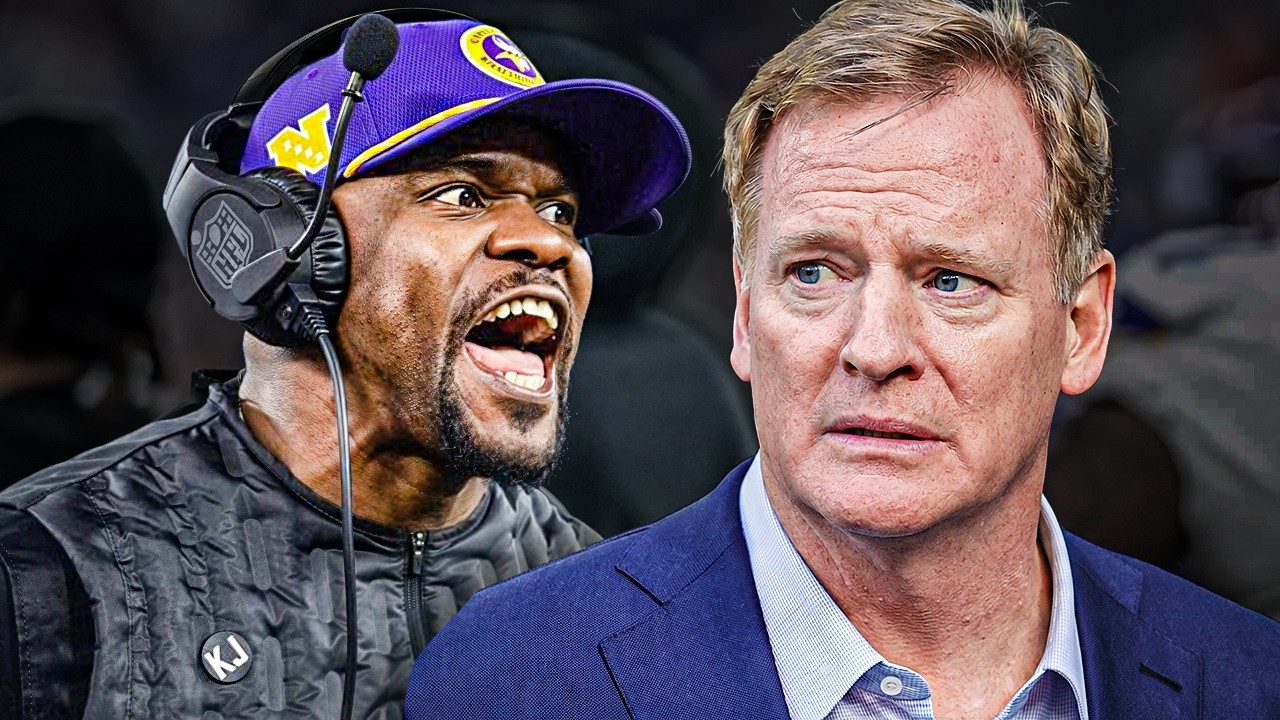
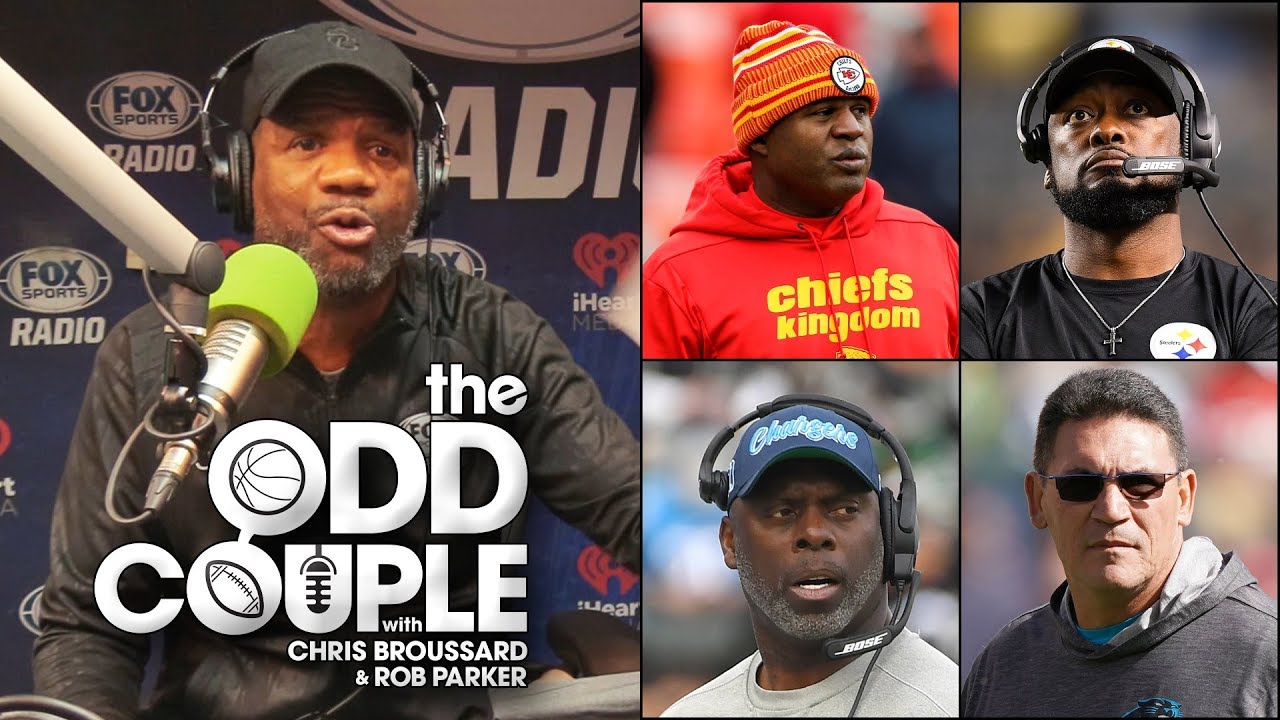












Despite African-Americans comprising 75-80% of NBA basketball players and a disproportionate number of football players, they remain severely underrepresented as coaches, with only about 5 out of hundreds of assistant coaches at Division I football programs graduating to become head coaches. Similarly, graduation rate data reveals significant racial disparities: at Georgia, only 29% of African-American football players graduate compared to 65% of white football players; at Ohio State, 43% of black football players graduate versus 77% of white players; and at Texas, 30% of black football players graduate versus 74% of white players. These statistics suggest that while sports may appear to be a meritocracy, institutional racism persists in coaching opportunities and educational outcomes for minority athletes.
Race and Sports in America: An Academic Discussion
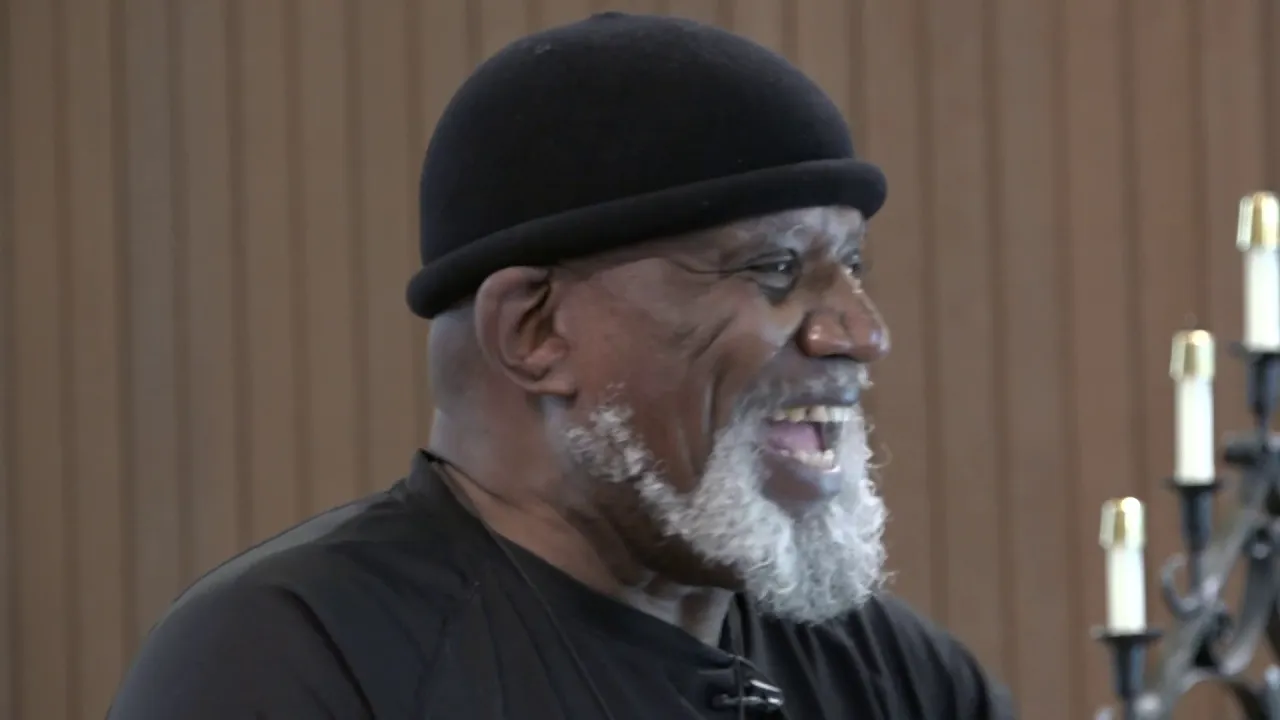
Added:or thank for uh uh ACS August of the culture since I'm also the director of that program uh let let me Begin by uh starting with a kind of a quirky uh apology and saying that I don't know how many years we've been doing Freedom School here at Villanova for Martin Luther King week we may have been doing it for more than 10 years and this is the first team this is actually the first time I volunteered to run a class and so I say to the peace and Justice F who responsible for organiz this I'm glad I finally doing what I apologize for having taken so long this is going to be a discuss this's going to be a discussion as opposed to a lecture and um for those of you who are here and doing one of your three uh cultural event series you know there will be notes to take but there's not going to be a lecture be more like ideas I teach a philosophy Sports class here when I get the chance which is not often enough I was actually going to do it this semester and then I wasn't able to for uh other reasons but um what I want to do today is sort of what we be doing in a f Sports class here at volova where the topic for the day would be RAC sports in America um the famous social critic jacqu barzan said many years ago that if you want to understand America you need to understand baseball now I I said he said that many years ago because today if he were saying that he would say if you want to understand America you need to understand football you know or maybe basketball but not baseball I mean baseball would not be on the on the uh on the radar and it would be maybe 2 to1 football versus basketball footb for those who all watch football once a year you know on the first last Sunday in January the first Sunday in February and all of America becomes a football fan that day for those of us who uh you know live in uh the north live in cities um go to school in the ACC basketball might be the number one way to understand America so assuming that ja barzon was right that if you want to understand America you need to understand America's passion for sports which is what he was saying well then what I want to do today is basically look at our passion for two sports in particular I want to look mostly at at football and basketball today and I want to look both at the college and the pro level and I want to look at the way in which race plays itself out in terms of both college and professional both football and basketball um and um I you know I'm really would like you folks to feel like you can jump jump and ask questions Challenge and things of that sort and I'll be asking your opinions as well so I've got five or six topics here and I'm going to start out with the first one but we can talk about all five or six for example starting with stories that have been beaten to death if you watch ESPN or any of the other million talk shows on television is there a double standard in the way Bobby Barry Bonds has been treated versus the way Mark Maguire was treated three years ago or even Clemens is being treated now has has the Press ganged up on Barry Bonds in a way that white players don't get ganged up on is there a double standard for the way in which athletes get judged in the media um if you look at the numbers of in polling you'll discover that African-American fans have a very different view about Barry Bonds and his accomplishments and achievements than white fans African-American fans are prepared to say Barry Bonds belongs in the Hall of Fame and the sted allegations do not affect where he belongs you find so there's a racial divide in terms of the way people in America view the way which allegations like steroids affects black players versus white players um last April donus made a fool of himself working with his cohort and crime on on a radio when he made those ugly references to the RoR women basketball team right after they had played a value game on television uh he took their athleticism and turned it against them uh using uh cheap you know contemporary hip-hop racial references in order to have a joke at the the expense of those 21-year-old women Kelly tilman's been in the news for the last two weeks for lynching Tiger Woods uh Tiger's playing today for the first time this year uh probably his team off just about right now in San Diego uh tiger said that it was unfortunate he and Kelly are good friends but Kelly's been suspended for two weeks for saying that what the players ought to do responding to Nick F's let's they to gang up on tiger and she said well yeah take him to back alley and Lynch him now um in both cases ofus and Kelly tman they were playing off of their cohorts joke Imus was playing off of his second banana and then he took it to the next level and and so each time they took a line that their second banana fed them and then they made it worse by a flippant remark that they hadn't rehearsed um does anybody know where the word lynching comes from by the way anybody know theological notion of lynching no uh if if you're if you're surname was Lynch what nationality might you do ethnically Irish Irish so guess who was the first lyncher Irish people lynching refers to I believe the Mayor of Dublin or gway whose son was um convicted of a crime and so he you know as a authority figure wasn't in the position to maybe Lynch him and maybe somebody else in the town decided to Lynch Lynch his son instead and the word you know lynching becomes that kind of topic why would Kelly tman have ever used the concept of Lynch why would gol go week have put that noose on its cover of the magazine the next week what what person with a pH communication would actually put a muse on on a on a uh on a magazine cover um three years ago Notre Dame fired Ty William when he was 21 and 15 lifetime firing the first coach after only 3 years most coaches that under D have been given five more Ty Willingham surfaced at Washington where he went 4-9 this year having gone 5- seven last year thereby slipping in the poles um he was renewed for a fourth year was Ty Willingham renewed even though he had a worse season in his third year because Washington couldn't afford to fire him after three years what Washington did was to fire the white athletic director who had hired Ty willham after three years and give Ty a fourth year Carl derell at UCLA was fired this year after 5 years of coaching with a 3527 record uh a winning record as opposed to a losing record uh he's also black and he was one of the four or five only African-American coaches in in college football um there was no public outcry about why UCLA fired a winning black coach uh was it because people don't expect UCLA to have as high standards do people hold Notre Dame to a higher standard um was there something about Ty Willingham that made him worthy of being a person defended in the media for being fired precipitously by by Notre Dame other questions if there are 75 to 80% of NBA basketball players are black if there's a disproportionate number of football players who are black there's a disproportion number of college football players are black why is it that when they graduate they don't become coaches why is the ratio of black coaches to White coaches in America both at the college and the professional level so distorted there are more African-American players there's not as many African-American assistant coaches and when you compare the number of africanamerican assistant coaches to head coaches the numbers become mind Bing if there's 119 division one football teams which there are and if each team has something between eight and 10 coaches which they do and a sizable number of those 1190 coaches are African-American at the assistant level why is it only five graduate to become head coaches is this the effects and Legacy and remnants of a kind of a racism that this country had for 200 250 years until the 1940s 50s and 60s um at one point you'll know that no African-American could play quarterback in the pros every American who came out of college was turned into a wide receiver or a quarterback um finally in the 1970s black African-American quarterbacks began to play in the NFL finally in the 80s they won the Super Bowl today Vince JN gets drafted he gets drafted ahead of Matt ler and he doesn't get shifted to running back or or quarterback or or tailback or or or Wide Receiver Michael Robinson from Penn State was switched to wide receiver two years ago after he went into the pros uh do we consider this a form of progress that we now have African-American quarterbacks who are valued for being quarterbacks and not for being quote athletes or scramblers who can get out of the pocket when Fran Tarkin played for the Vikings in the 70s everybody F that 6'1 205 lb gu was wonderful cuz he scrambled out of the pocket L an African-American quarterbacks SC out of the pock pocket says done than mcdad and they think I'm an athlete not a quarterback that there's a double standard there is there sort of institutional racism in our country Josh ban says if you want to understand America understand Sports is there institutional racism in Corporate America is there institutional racism in college and professional sports in terms of coaches general managers and owners how many ownerships have black uh men or women as part of their ownership team how many African-American general managers are there in the NFL besides Azie Newsome I'm not sure if there's another one I know Azie Nome is one um another another question that I think is really worth pondering here and guys feel free to jump in and not just hear me you know fap on one of the things that I'd be really interested in in in having us talk about is what about the uh the Alan Iris and Michael Jordan debate sh African-American athletes stay true to their identity and their roots of where they came from or should they try to become upwardly mobile and become you know a spokesperson for Corporate America I like Mike you know and and and is Iris trer to himself by embracing rather than disdaining his neighborhood and his family what we call his posy or Entourage as opposed to Jordan who disted himself from his roots and becomes the spokesperson for McDonald's in Coca-Cola um which leads to another question should athletes be role models and if so should they who should they be role models for and what kind of a role model should they be Micha any of the above interesting to you um I think I mean just talking about alen Iverson and uh Michael Jordan I think when Michael Jordan went and kind of became the the spokesperson for Corporate America he wasn't necessarily purposefully distancing himself from his roots he was more just kind of I me he was using his notoriety I think for personal gain or if not for personal gain then maybe for his family I'm not sure the circumstances but I don't think by alen ion kind of disdaining corporate America that he is really you know serving anybody he's not serving anybody I mean he's not actively I mean he he may feel secure in himself that he is staying true to his roots but I mean I don't think you know going on and becoming spokes for for McDonald's your Coca-Cola really is disdaining your roots mhm so what do you think about that um I would agree like if you can make money in in a way like that if they offer you a deal to do a commercial or something that doesn't mean that you think any less of your heritage it just means that you have an opportunity to make some more money and you're going for it so there's nothing wrong about becoming upper middle class or moving out of your socioeconomic environment as you up in I mean he comes from Lumberton North Carolina real small rural town a kind of to Tobacco town right off of I95 I mean I've driven through Lumberton I drove past a spot where his father was killed in that that hijack about 10 years ago very very small uh you know tobacco based Royal Town yeah oh on the different subject I think that both of them I mean I think absolutely when you become famous for whatever you do you are a role model whether you choose to be or not and I think that the difference is like people view Michael Jordan to have a more postive postive role model influence because he's it seems like he is representing something different and what's more idealized in our culture than what Allan iers is representing yeah yeah they're both carving out uh a corporate Niche for themselves like Iverson is he's got a lot of sponsorship uh opportunities for being you know TR roots and kind of like the bad boy in the NBA and if you look at mean he really hasn't done anything you look at some of the NFL guys and different people have gotten in a lot of trouble doing illegal Ivon is no Pacman Jones let's put it that way yeah exactly so I mean I think Iverson is more along the lines of some of the guys who may um in like Rapp or movies you know there's some guys who are are Wayne Brady and and play it straight and get their things there and then some guys who you know who maybe more like um you know play up the fact that you know I have a lot of tattoos I'm I'm from you know where you know I'm from North Carolina and I'm GNA do this I mean but I think all of it is is marketing you know and while obviously may have fallen into that by you know being true to his roots I think that at least now at this point in his career and his you know advertising career you can see just the kind of things that that he you know sponsors and and goes for I mean that's he's making a lot of money too so I don't I don't know if it's generally just Jordan went there where what he did like the upply mobile idea to make money I mean I think you can make money either way and it's just how you go about it but you know I don't know I think might be reading into it like you know if they're making that conscious decision you know to either you know go one way or the other Andrew I think both speak for at least some level of equality in um in sports and in kind of our our entertainment that in both cases like you said I mean they're both selling different things but the fact that that the corporations will say this is the person that we think can sell to the greatest number of people and and those those people are minorities that's saying that that part of it not really important anymore these people have reached a level in this institution where they are the most appealing to the most most General amount of people I think that that says something about the equality in that industry that you can reach that level and you can become that icon and minority aspects not important right right your name is Chris Chris what's up U I just think the difference between Jordan and iers are the fact that Jordan had a better story behind it with the whole getting cut from his High schol basketball team and I think that helps him to be where he is now because a big uh coming from there and become one of the best basketball players live giv a better story behind everything I mean I I I'll certainly as a basketball fan agree with you that the story about Jordan Mak it from being cut in high school uh to being the best player that ever played the game iris's got a good backstory too though about going to jail what it was it a cafeteria fight he was in or something like that or buling alley fight it was a bowling alley fight and so that's an interesting backstory too it's a different kind of overcoming adversity this his is more of a social Roots adversity Jordan's more of a athletic how did this kid go from being no good to being the best that ever played the game we just don't expect that to be the story yeah yeah yeah your name is Eli Eli going back to the role model thing yeah um I wonder if um sports figures as role models are appealing just in general um because it it kind of confirms the general belief of like a meritocracy you know cuz sports figures have worked hard they're dedicated they they chose something and then they reached their goal and now they're successful financially and you know their famous things like that and and also it kind of could represent like within Sports there's a lot of um race based race and socioeconomic based social or Mobility you know so there are all these stories of of these poor kids or these black kids uh becoming successful so I wonder if if that's such an appealing story which I i' be willing to argue doesn't generalize to other Industries and other career choices you know so I wonder if if that's kind of why it it's a a popular sports and and if you think of sports as part of the entertainment world in the entertainment World um you know not to Big on Britney Spears but you can come from anywhere and become very famous and and and rich and wealthy uh and it it doesn't matter whether your father went to Harvard or not yeah um I like the sports as meritocracy argument at one level because I do think it is the case that no matter how talented you are if you don't work at it you're not going to make it on the other hand it's kind of hard to give people credit for the genes that they didn't have anything to do with being born with there's a certain sense in which how many people in this room wish they have been born with better athletic genes raise your hand notice my hand up went up right away I mean we we don't deserve or either the jees we we don't deserve the good jees or the bad jees we got those that those are the dice that we get born with you know how many people in this room think that they are responsible for the IQ that they were born with anybody want to raise their hand and say you chose your IQ right we don't choose our parents and our parents don't even choose our IQ for us do they so that we're all born John rolls makes this point about it in this sphere of Justice RS thinks of justice and he says in order to have a good theory of Justice you have to start from the original position the original state and the original state to use a metaphor would be if you get into a room and you start arguing about Justice you have to not know who you are because if you know who you are you're going to argue for Justice from where you're coming from right so if you're rich are you going to argue for distributive justice or for keeping personal income as Rich you're going to be more likely to argue for keeping personal income you're going to be for low taxes right okay if you're poor what are you going to be for high taxes and social redistribution so the argu would go so Ro says the only way to come up with a fair theory of justice is that you can't argue from knowing who you are you push that one step back and if you think about it none of us know who we are when we're born cuz our genes haven't yet started to kick in and come into play and we didn't choose our genes to start with and so if you could think of what would we like to argue for meritocracy without knowing whether you're starting out the joke about you know George Bush is that he was born on third base and he thought he hit a triple and we make that joke about all rich people that they born on third base or with a silver spoon they have an inherent Advantage you know if your grandfather was a senator from Connecticut and your father was President your odds becoming president turn out to be a lot higher than somebody else and and you you know and you just can't claim meritocracy in that case so Sports does give us an opportunity for meritocracy there are lots of talented athletes who have great genetic inheritance who are lazy and unot unmotivated and don't use that talent I mean there that's absolutely the case and then there are people who have minimal physical talents Pete Rose Bobby Clark who become the best at what they do because they don't know how to quit and they know how to bend the rules in their favor every which way they can in order to become the best uh at what they do Role Models anybody else have a theory I mean you've got favorite athletes are they are they in any way ever role models for you and if so in what way are they a role model for you or do you is your view of your favorite player the same as your view of your favorite rock star or artist and it's just somebody that you like but you don't want to become like that person anybody look to sports for role models for inspiration for this is the way you should live youi for me it doesn't generalize like if I were pursuing a career in sports maybe you know but like at this point I'm not so it doesn't go farther than that for me entertainment figures Chris what were you going to say it oh sorry I say and your name is Terence Terence um personally I don't look at Sports World models I mean I know like little kids they'll look up to you know sports figures um I know even at you know college football games little kids are like what your autograph yeah all that type of stuff you know they look at you know Sports you know football football basketball baseb whatever players as guys and stuff like that and but I feel like you know athletes professional athletes they're more so role models for other other athletes on these are professionals they got there they you know went from being a little kid playing backyard baseball to you know someone in the pose you know now hitting home runs you know like it's his job it is his job yeah right right right and and and you know a nice job to have yeah but I mean like Brian Westbrook grows up 5'8 tears out a knee in high school and all of a sudden he's the most the second most famous running back in the NFL is that is is that a story that's inspir iral for it's telling you about how to live your life or is it just inspirational about one day I can make it in the NFL too I think it's I think Sports is all about adversity you know whatever sport it is you know someone has some type of you know um problem they went through so they either got cut from a team Andrew knee something happened to them where they had to strive to get themselves better whether it's just you know a hard workout where they were on the brink of passing out or maybe or whatever it may be and um you know it's just that whole sense human life is adversity and just growing up to get over this hung is you know I think what sports is all about well you know I'll tell you that this what we're getting into right now isn't Square on the topic about race in America but it certainly is square on the topic about sports because if you want to turn it around Michael Novak the Contemporary philosopher says that if you want to understand human life understand Sports no literally does argue that Sports is a metaphor for life and you just made the same argument you just said that life was about adversity and in sports you find out how people deal with adversity and how you deal with adversity in sports shows you how you will deal with the Journey of life and life itself you know use the metaphor of life as either a journey or adversity or think of it as Bay Wolf and grindle adversity within a journey you know and we all have our grindle we're all bolf we all want to be hero we all want to face up to the aders adversity that we have and how you meet your adversity like bolf meth grindle tells you something about who you are and so you know Philip River playing with a with a ligament you know terar I mean you know unbelievable I mean how you know how how does that guy do that right he stands in the pocket he knows one one bad hit and that leg's going in three different directions right and he still played the whole game so that tells you something about you know Philip R's heart exactly so U the argument that if you want to know about a person know about what kind kind of athlete they aspire to be you know and you use you know role models of people who deal with adversity as opposed to who flee from adversity you find out something about that that person you had your hand up yeah um I was just going to say that I guess the motivation determination of you see in sports I think is not more obvious anywhere else than it is in sports and although like it's not directly applicable to me what I wouldn't do in life and I made have different goals but I can still apply that motivation to my life like make it a part of me and help me achieve my goals yeah see I mean I just think that's absolutely right and that's why I love to teach the floss of sport because I really do believe that Sports is a area within which you can find out about yourself I mean you can find out about yourself by making sure you take out the trash you know whether you're lazy and you know and and and just you know absolutely dirty and just don't have a clue about how to clean your room that teach you something about yourself as well but finding out how you respond to adversity in sports and competition really does you you know tell you something about the kind of person that you already are or the kind of person that you need to become I mean I I really do think that's true Paul you had your hand up yeah um I just kind of think of that you know when I'm looking for a role model um you when you look for a role model you look for someone who has like the right values the right motivation and so when I when I say I look at sports I wouldn't so much find a role model there because of like the sport because that's like I said it's where a person's like um uh goals and and their motivation is more um apparent so if you're finding a role model in sports you're not necessarily finding your role model in an athlete because of his um like athleticism or his participation but because of his or her um like actual like values that are just simply more apparent because that they are are because they are an athlete because they're a public figure doing public things it's not just being a public figure it's doing public things as a public uh figure you get to see the person in competition uh which is a lot different than being told what they can or cannot do let me begin uh let me go back to the question about racism in sports today at the College of professional level let me start out with two or three premises which I think are fairly uh non-controversial uh this country has had a history of racism we can tell the story of how the racism in terms of white versus black terms of slavery starts um the the corner was turned in this country at two or three different occasions uh Lincoln in the Civil War is one place where it gets turned um uh equal opportunity Voting Act is another way where it gets turned the freedom archers of the 50s and 60s is another place where it gets turned um and the progress in the last 30 years is has been the playing out of that um speaking for myself you know who I'm old enough to remember when vova University was vova College um U the world I GRE grew up in is a world very different from the world you app to have grown up uh people like us remember racism in a more overt way for you racism is both an historical story Martin Luther King is an historical story um I was lucky enough to march with Martin Luther King uh the day after he was assassinated my girlfriend of the time knocked on my door at 8: in the morning woke me up and said there's a silent March down going down south benit in the morning let's do the silent March so for me Martin Luther King was history there was a there was a real war going on in that time in a way in which now people can say well you know there's no racism as a matter of fact you know sometimes students will say that if anything affirmative action you know discriminates against Whites Whites Whites are they persecuted minority in our country right now because of affirmative action well I I think it's great that we've gotten to the point where you can actually try to make the argument that whites are being persecuted through affirmative action that goes to show that the world isn't as unfair and unjust as it was in the world that I grew up in um but is there still racism in America final point I mean I think it's kind of clear that there is still the vessages of what we call racism in America not the racism that I experienced 50 years ago so taking what I consider to be uncontroversial facts do you think that in sports at the college professional level that racism in those areas is the same as it is in the rest of the country it's greater or it's less we all have to have an opinion about that I want to start with the green sweater more the same or less do you think in sports yeah than in than in the rest of the country um the rest of our life I don't know I guess it's like different like I guess like what we're saying with like the coaches like there's like there's not like a balance there and maybe like there's more like stere like there's still stereotypes as like when it comes to like I don't know but that fact about there being significantly less head coaches even though there's disproportion a large number of black players playing the sport does that hint to you of of of institutional racism still play or the old boys network which is the same thing as institutional racism in this case and your name is Adrian Adrian okay um back there your name is J Jay Jack Jack Jack great first name I hardly approve of that name uh what do you think more the same or less I think there's less racism because because just the fact that everybody worked as hard as everybody else would get there and I mean you know being a professional athlete it's not easy and whether you're white or black is the same trouble the same you know struggle so you think Eli's meritocracy argument says that the playing field is more level in sports than it is in Corporate America I think it is okay I mean fair enough fair enough Michael I'm going to say it's pretty much the same I think actually supports mirror real life a lot because I mean you talk about affirmative action and I don't know the rule in football but I know a team looking for head coach is obligated to interview at least one minority coach the Rooney Rule Rooney Rule um although I don't think I think Bill parcel's violated that rule last he hired the first person he talk to right but um I mean also you look at you I don't know a major corporation but a major corporation has a CEO who is Black it's considered a big deal last year at the Super Bowl one of the biggest stories was I mean Lovey versus um the guy one all D I mean like the biggest story of the Super Bowl is that we're going to have a black or a black uh coach who's going to win the Super Bowl for the first time I think still special attention is paid to race in the same way that the real world is Michael I think it's absolutely the case that you're right that the the best backstory for the Super Bowl was that we finally have gotten to the point of progress where we can have two black coaches actually at the top of their game playing for the Super Bowl and that wasn't possible 10 years ago because there were no black coaches at all uh so I think that's I mean that that's the feel-good part of the story how we're better off than we used to be the fact that it was a story is kind of indicative that there still is reasons but the fact that there is a story tells us that there's a history here that's playing out and part of the backstory is is both the history of the story as well as current conditions you had your hand up and your name is um Kelly Kelly what's up I was just going to say that it's kind of with sports it's pretty much like Whoever has the ability in the town and the time is going to get the position so I think it's kind of an equal playing field on a lot of levels you're going to see like more black players on some sports and more white players on other sports like ice hockey you're going to see a lot more white players than you're going to see black but in something like football or basketball it's completely changed over the years so it's just I think it's equal playing field more so now America is right now we're leaning towards the theory that we think that as far as athletes go it's level as far as coaching opportunities it's not so level um do you have your hand back there no and your name is Bridget Bridget do you have do you have a strong feeling one way or the other as to whether there's more or less racism I don't honestly right now I don't I don't know okay fair enough yes oh sorry I do I do have a wait I think that it's interesting what how you separated the coaching and Executives with the players because I think that the coaches and executives are still corporate you know so I think that they fall into a corporate world whereas in actually playing the sports it's you know person in the right place at the right time is still the person who's going to get it you know if you're a coach you want your best team out there right you know and so I don't think it trickles down but I think there is a a separation still where as the playing maybe getting equal but in the corporate idea of it you know for whatever reason I think there is still some residual effects OFW and I'm suggesting that for whatever reason among other things old boy Network institutional racism yeah did you have your hand up I was just going to say the same thing I think it's easier for you're comparing like athletes to like a CEO in a comp like an a company it's easier for an athlete to like display their their skills and their talents I think than a say a black CEO because they may have the same exact skills as a white person but I don't think that it's as easy for them to display that because they aren't given as great as an opportunity as athletes are and and in terms of people being promoted in a job when you're competing on the athletic playing field uh with a videotape running you can run back the film and see who beat whom to the hole right you know in the office we don't have the game of Monopoly in the office in the same way that you can say I should hire this person rather than that person to be the CEO because there's you know there may be gamesmanship in the corporate world but there's no game that all has the rules allow say which executive made it to you know hence we all watch you know Donald Trump's you know fire every lawyer of predice and stuff like that right and we know that there are no inherent rules as to why somebody gets kicked off the island on The Apprentice show during the summer you your hand up I was going to go back to what he said about um what did you say about um I can't remember how there's more um publicity about when there is a black CEO or with the super oh yes right I would say that while there is more publicity towards it it's in a different connotation whereas we see it well I mean for the most part we see it as like a Triumph to say that oh look at this like we look how far we've come in our history when we've come from a history of racism to be able to say you know look at how we have black men and women who are competing from jobs as CEOs and who are in the Super Bowl I think it's we're proud of that instead of being like instead of looking at it in a negative light yeah yeah yes yes I almost think like talking about publicity media I almost think that media gives more sympathy and attention to black athletes and white athletes because at the same time like it is a Level Playing Field but at the same time if you look at take Michael Jordan for example he came from being caught on his high school basketball team and came to be a superstar in the NBA but if you take an athlete like Payton man sure he came from a family of football players it's probably in his genes but does that mean he worked less does that mean he deserves L to be there yet PT man doesn't receive the same attention and sympathy that Michael Jordan does for his bring up bringing in his P yeah that's interesting I'm I'm not sure if I want to go exactly 100% in that direction but does somebody else want to respond to that point that was just made I think Don that would disagree I mean the we do know that Donan disagrees right I mean I think I mean I wonder if what the the comments that he made in the beginning of season I wonder if that is true because I think it is hard to tell McNab that clearly thinks that he is treated differently because he's an African-American quarterback and he and he said that and his made that totally clear um the the pton Manning story though I felt like last weekend the last two weekends um all I did was see pton Manning you know going down a hallway in a hotel you know calling out plagues right you know and then look in the camera and says I know you want to be me right but you know I mean I P Manning gets more air time than almost anybody these days uh he gets the advertising dollars and so I I would want to turn it around and say not only am I not convinced that that he's being treated less fairly than Jordan but that it's because he's a white quarterback that he's getting the endorsements that he gets now I mean having said that I don't think that you can make a blanket claim that only white athletes like Cal gpk can get to drink milk and have the white thing around their lips on television uh Tiger Woods the last time I looked was not white and he can have any endorsement he want from any part of corporate America and he does um and and uh uh certainly it's not because he's Caucasian that he gets those those dollars I think it's more a function of who Corporate America thinks will represent their product to the point that the consumer will buy their product and endorse it and I think that the point Andrew made was that erson was representing Reebok and Reebok was pitching their sneaker line to high school kids and particularly Urban high school kids and so they were comfortable with having him as a pitch man for their product to Their audience to their their consumer basis on the other hand Buick has Tiger Woods driving their cars now if you think about it for a second is there any c in the world that you wouldn't associate Tiger Woods with besides Buick think about it I me think about it it can't possibly be the case that we're doing word association and I say Tiger Woods and you go Buick that's not on the table right so why is Buick doing that not because any any of us believe that Tiger Woods would ever drive a Buick if he had a choice but it's because the demographics of of white 60 year-old old business insurance Executives i e people who drive Buicks you know watch golf right and that's why when you watch golf tournaments you know the there are only three or four products that they sell on golf tournaments insurance and cars that's about it right cuz the kind of person who watches a go tournament tends to be white 55 and and a business exact who either is selling insurance or wants a lot for himself right and and drives a an oldfashioned car um anybody else wants to take a bite on the question as to whether or not the racism in sports is showing as a model how to overcome racism in society that Sports is a great theater for thinking about how to overcome stereotyp stereotyping of racial and ethnic Origins that Sports is in fact a true Level Playing ground that allows us to rethink our our categories of difference any does anybody believe that in this room at all Andrew well I mean kind of like with what I said before I think it it shows how one of the most powerful motivators just in the fact that race when you're talking about you I if you're going to talk about a team and wins or if you're going to talk about sports and entertainment you're going to talk about like advertising dollars and and viewers the race is irrelevant I mean it's about how do you maximize the most money and the best you know the best activity from your team and in a realm like that the the race becomes irrelevant and I think that that that it has that going for it that that the push to win and the push to to make the most is going to slowly eat away at any racism that's kind of hanging around and I think that it's a powerful motivator in the rest of society I mean I don't I I I think that any moral issues with racism are certainly applied but they're not the reason that racism is falling away from Sports I don't think it's that anyone told them it was wrong you just realize that it's not it's not helpful to keep that of their mind should Kelly tomman have been fired for saying they should Lynch him in the back alley she got a two week suspension does anybody think she should have been fired yes yes because well she was referring to Tiger Woods yes and um last I check lynching you know back um to slavy days was theyig part of you know what black people did whenever a black person did something that they didn't like that's very disrespectful and uncal for on the public um display yeah anyone else agree yeah yes and also when you brought up the Rucker Women's Basketball team like that Comon that was made that was inappropriate on some I he got suspended for it turned out to be like a suspension he got fired for six months yes well and that firing them kind of says that it's okay like they just need a suspension and that it's acceptable to sa things like that as long as you give them a St on the hand mhm well like it's it wasn't an acceptable thing to say but go week also exploited it to their own level by putting the new in the cover M but what like obviously she didn't choose like have the right word choice but she was actually complimenting P woods and his talents in the statement it's a very backhanded compliment I understand what you're saying it's very back Canada though yeah but like it obviously wasn't the right thing to say and the word Choice wasn't like the correct thing to do but I think to fire someone for that like is a little bit over the top even though like it is a derogatory statement anyone else have a strong position on this yes um well I think that more action maybe should have been done on the part of the Golf Magazine because they had a lot of time to think about that and they could a part like they knew what else was happening in the media and her comment um like what I do agree that I think should have un fired was you know in a quick response to someone else they had such a long time I mean I think it was like two weeks he he he had time but of course he did get fired the Ed the editor of cof we did get fired yeah and afterward said well you we're just trying to make this you know relevant and controversial um um I believe that uh the the fact that the the comments are said is one thing and the fact that the the media will inevitably exploit it to to the best of their ability is another thing and it there's nothing to prevent it but I think that that just that just keeps the the racism going really like I think that the more the more you hear okay this guy said this comment and got fired for it the more people say oh boy there's there's still racism out there yeah I I guess one of the things that I think about I use this example is that I have a perception of the media being selected and when it does and doesn't get on its moral high horse and I find the differences between the treatment of Ty Willingham and Carl dor at UCLA sort of fascinating because the the media went after one example but you know laid low on the other example and in terms of winning records the coaches were Willingham was 21- 15 Carl derell was 35 and 27 at UCLA they had roughly the same kind of of a winning percentage one comes from a football Factor the other one isn't at what it's perceived to be Football Factory UCLA that might be one of the reasons why the media U jumps on the football fa Factory to look at it um here's here's the last thing that I want to talk about and I want to talk about us and I want to you know bring this home does anybody you know uh the last two years Villanova's first year of class has been 20% minority uh which is the largest percentage of students ever that in in one year R than years back to back that have been admitted to Villanova and so the the population of villain NOA in the face of vova has changed you're part of the change your experience change you people are a freshman with two classes back to back of 20% non-caucasian students think well that's the way vill no always used to be that there used to be this greater diversity that vill no once had which of course it didn't always have but when you watch our basketball team play um Scotty and um you know Cory and Corey you know and Dante Shane well you know where I'm going with this there's not a lot of diversity on the basketball team unless you can't count Andrew on right um our the first 10 players of play are not Caucasian what does it say about an institution that has 80% of its students being Caucasian but 100% of his basketball players being African-American are we the only institution that's like that in this country no yes I don't know I kind of disagree with like the application process in general of just like having rates even be a part of the application because it really has like nothing to do with your ability to work hard or anything that has to do with your academic or athletic or any ability that you have other than just like your skin color and that's like the application process in pretty much every university around the country so I just I don't know I've always kind of disagreed with the fact that that's even on the application because it doesn't really like mean like that is almost racial the fact that it's on there because it really shouldn't stand for it is racial right I mean and I mean it is asking about race is asking a racial question I mean you can't deny that if you ask a racial question then that's a racial question if you ask the person sex and then that's a question that is talking about a person's gender yeah I have a friend of mine who uh has some classes with several of those players and um he said that they often don't take pop quizzes if they don't want to and that sometimes on test days they come in with original test and just copyright off the test and he doesn't do anything about it so you guys to hack that one up and is that a story that you think is common in the dorms no that was his eyewitness specific eyewitness case yeah you um I two things to respond to but going off of that I think that I guess this doesn't really apply generally to sports but if if you want colleges to be vehicles of social Mobility which I'm assuming that that's kind of a general assumption like I I well I think they should that's that's a general assumption today it wasn't a general assumption 75 years ago okay well let's let's keep it today then so so if if you want colleges to be vehicles of social mobility and if you look at it a lot of times um things are based around race you know if you have a traditionally oppressed group of people and you want to afford that group people in general social Mobility I think that it can't be taken into account in the application because you're not looking at just individuals you're looking at individuals within entire social context and historical context I just finished filling out a 45 minute questionnaire on the internet that Father Peter sent out to the a note to The Faculty yesterday saying you're about to get a survey it's a national survey every every school in the country is going to be asked to have their faculty fill out this 45 minute questionnaire on the internet about you know what what's going on in your you know in your school and so it asks every questions from you know how many classes do I teach to what kind of toothpaste do I use to you know do I prefer Kelly over you know uh flipping baes um and and but it asked a lot of questions about diversity on campus and when they ask questions about what classes do you teach there was a disproportionate number of questions that asked if I taught racial questions RAC race questions or gender questions I mean they didn't ask if I talk questions talk classes about art but they would know whether or not I incor um gender or or or or Race Matters into my courses it's a national phenomena that people are tracking the role of race and diversity in America universities today and that was not always the case and 75 years ago only one kind of person would presumably go to college and that would be a person who came from a particular kind of of a family that's why in the last 75 years so many people who have gone to schools have gone as first generation college student and for many years the students who went to old no were first generation college students just as I myself was a first generation college student in my family uh the last thing here um are you familiar with the NCA tracking graduation rates of of of athletes I pulled out all the data for the last 3 years the 205 206 and 207 graduation rates of schools and there's a uh Joe lch Who's down at the University of Central Florida whose father was actually a basketball in the Big East of St John's runs a center for the study of sports and and society and ethical issues and he did um analysis of the teams that went to the U the football games this year the bowl games in college and last year's NCA Tournament results both men and women and they published the graduation success rates graduation success rates include it doesn't count against you if if the player transfers out of school as long as they leave in good academic standing so in other words if somebody jumps to the Pros it doesn't count against you that they didn't graduate because they allow that to count there's another uh graduation rate called the federal rate where if you 25 kids come in on scholarships and five go to the pros those five could count against graduating so already down to 75% good okay this this rate does not count against you if you jump out of school um the overall student athletes the overall student athlete at Georgia um 65% of students in Georgia student athletes graduated um 67% of the white football student athletes graduated 29% of the African-American football students graduated um the Ohio State team um 77% of their student athletes graduate 43% of their black football players graduate um another school that has historically been of power in the United States is Texas 74% of their student athletes graduate 30% other African-American football players graduate um Georgia Tech really good engineering school 69% of their student athletes graduate 81% of their football players graduate who are white 34% of their black football players graduate um Geor detects basketball team now 42% of their basketball players graduate um Gonzaga white skull from the Northwest has no black players on it 44% of their basketball players graduate um Texas we said 30% of the football players graduate 30% of their basketball players graduate um UNLV where our former coach M went where J R coached with Ry for 5 years before he went to the hospital um 177% of unlb basketball players graduate um University of California at Berkeley Cal Berkeley in 2005 0% of their basketball players graduated at the same time that in 2007 73% of their women basketball players graduated 73% versus 0% um in terms of the overall national football rankings two schools with 100% graduation rate last year were Central Connecticut state and Davidson at 100% Navy at 98 William Mary 98 Georgetown division 398 um coming in at 11th at 95 was Bucknell and Notre Dean coming in at 13th was Lei and Stanford at 94 this of all football players coming in at 15th at 93% was lafy Andy T's football team here at vova wake far Duke and Air Force vova is in with company like Lafayette wake far and Duke going down to the bottom of the pile Florida A&M graduated 25% of its football players as I said before Texas in that year was down to 40% Georgia was 41% that year um there seems to be and these are the numbers right here and anybody who knows how to Google can pull these numbers down like I did there seems to be um a couple of obvious facts um overall oh let me read you the NCA thing the NCA and their press blurb do you think they're going to say that they're doing really well or really poorly they're going to say they're doing really well right they're not going to pick out the bad numbers here's what the NCA says this is their own words um 63% of student division one athletes who began College as freshman in 2000 graduated within 6 years as compared to 62% of students of all kinds so student athletes graduate 63% of the time all students graduate 62% of the time proving therefore that student athletes are more likely to graduate than River students um when further examined by race and gender the federal data shows that virtually every subgroup of student athletes is exceeding the graduation rate of their counterparts in the student body in particular African-American students graduate at a rate 7even points higher 53% % than all African-American students 46% male African-American students graduated a rate 10 points higher than other male African-American students 49% to 39% so what do they say in their publicity blur black athletes graduate 10 times 10% more than do regular black college students highlighting the positivity in being a black student athlete you're more likely to graduate now you still only graduate half the time but you're more likely to graduate because you're in athletics um so the NCA says that being a student athlete makes you more likely to be a successful student when compared to the entire student body and when you break out the demographics for men and women what it doesn't what what this little blur doesn't show however is what I talked about for the first 5 minutes and that was the Dismal numbers in football and basketball and the difference between black and white in football and basketball and the difference between male and female in other words one of the reasons why the graduation rate is so high for all athletes is that white women athletes pull up black athletes who are male in in football and basketball and so if you want a true balanced picture of I think how race and gender for that matter plays itself out in America I think you should look at the graduation rates of schools to see how schools in fact do uh uh are able to graduate the students who they bring in and whether or not students and certain sports are at greater risk or greater reward for for graduating comments to what I just said have you ever heard those numbers before comments Chris you've heard those numbers before you get what hey the numbers usually that we got when to visit another colle usually distorted because they find a way to manipulate the numbers into their favor by taking certain groups out and Stu statistics never lie but liar use statistics one of the great old time lines in the history of the world right yeah and you can manipulate these numbers I just try to make the point that the NCA is manipulating the numbers to say how much better of a job we're doing because black athletes graduate more than regular black students on the other hand as we just saw in certain cases certain black athletes do more much more miserably at certain schools than do regular black students going to college and if you go to a a factory like Texas or Tennessee or Arkansas or Georgia the numbers are just deplorable I they are just absolutely deplorable at certain at certain factories and they're also deplorable in schools that have a good reputation Ohio State Michigan their numbers are better than Georgia and Arkansas but their numbers compared to what happens at Boston College Notre Dame vova are are are equally theor and this factors out whether or not they leave school early to go in the pros which you would think might be the reason why the football factories have a worse graduation record because he's they've got the best athletes who are leaving early but that that's that's accounted for in these numbers any last minute observation yeah you does that take into account um people who entered professional sports after their four years like if they didn't graduate but then it's a six-year graduation rate if they come back and finish their the GF the graduation rate is uh six years to complete your your degree a lot of people red shirt and are in college for 5 Years anyway this is this is a sixe thing and by the way for regular students there's a four-year graduation rate and a 5-year graduation rate that we use when we talk about our graduation rate and there's also a six-year a lot of people don't finish in four years you know the four-year model lots of people go to Villanova finish in 4 years years lots of people who start out a community college and transfer do not graduate in four years so four years is the graduation rate for really good academic schools that's not the norm for all schools so giving athletes a chance of six years to graduate is is is I think legit and fair to look at school's efficiency and graduating the players so that's people who don't enter professional sports at all in their life also that yeah okay yeah yeah well you just heard him say thank you very much everybody thank you very much for you the of graduation
Up Next

Bam Adebayo's 83-Point Game Sparks NBA Integrity Debate | Fearless Analysis Ep. 1112
@realjasonwhitlock
30.4K views•2026-03-11

Triumph of Orthodoxy Icon: Byzantine Art & History Explained
@BenCallan
2.1K views•2024-08-06

FastAPI vs Flask vs Django: Choosing the Right Python Web Framework
@TechWithTim
302.5K views•2024-05-26

Game of Thrones Opening Credits: A Cinematic Analysis
@gameofthrones
46.3M views•2011-04-18
Related Study Plans & Knowledge Roadmaps
Structured learning paths in General & Interdisciplinary Studies