

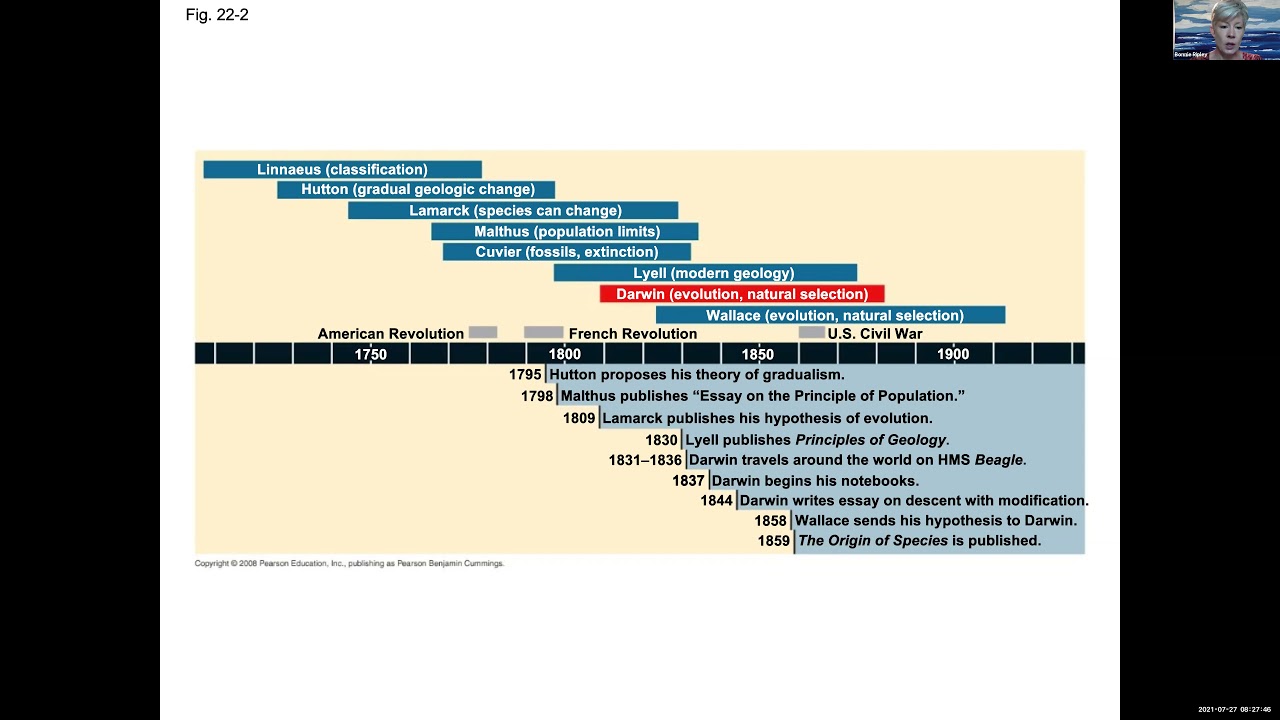

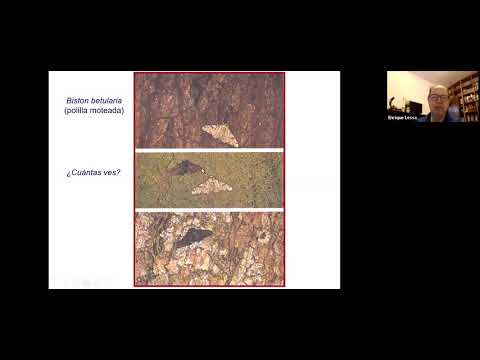

![인간, 유전자 폭정에 저항하다 [이기적 유전자] 2부 | 전중환 교수 | 알릴레오 북's 49회](https://i.ytimg.com/vi/6mQF03_ocPU/maxresdefault.jpg)













![Evolutionsökonomik (Carsten Herrmann-Pillath) [Ringvorlesung Plurale Ökonomik 9/11]](https://i.ytimg.com/vi/DNMb4SLLQho/sddefault.jpg?sqp=-oaymwEmCIAFEOAD8quKqQMa8AEB-AH-BIAC4AOKAgwIABABGGUgWShAMA8=&rs=AOn4CLAfQWX5IzDIzre3PVxlF7Rv7MPXQg)
![[경제의속살]‘진화 경제학’···’학벌중심 사회’선 혁신 위한 돌연변이 나올 확률 적어](https://i.ytimg.com/vi_webp/XPyeOw9cniA/maxresdefault.webp)




Multi-level selection theory explains how cooperation evolved in humans by showing that natural selection operates at multiple scales simultaneously—within groups and between groups—where selfishness may win within groups but altruistic groups outcompete selfish groups overall; this framework reveals that effective human cooperation requires implementing eight core design principles (strong identity, proportional benefits, fair decision-making, monitoring, appropriate responses, conflict resolution, local autonomy, and appropriate inter-group relations) that enable groups to function cooperatively at any scale, from small communities to global society.
Evolution & Cooperation | David Sloan Wilson | The Great Simplification #56
Added:Basic principles of Darwinian natural selection, including adaptation, genetic inheritance, and individual fitness.
The concept of gene-centric evolution (e.g., the 'Selfish Gene' theory) and traditional mechanisms of cooperation like kin selection and reciprocal altruism.
Elementary game theory models of cooperation, such as the Prisoner's Dilemma, which illustrate the conflict between individual and collective interests.
The concept of Major Transitions in Evolution, where individuals form groups that eventually become new, higher-level organismal entities.
The 'Prosocial' framework based on Elinor Ostrom's Nobel-winning design principles, applying evolutionary science to improve real-world group cooperation.
Cultural Evolutionary Theory and Dual-Inheritance Theory, which explore how human culture evolves through Darwinian mechanisms alongside genetic evolution.
Evolutionary Economics, examining how economic systems and market dynamics can be redesigned using multi-level selection to address global ecological crises.
The challenges of scaling cooperation from small-scale local groups to global-scale coordination in the Anthropocene.
8.4K views311likes1:22:24Original Release: 2023-02-02
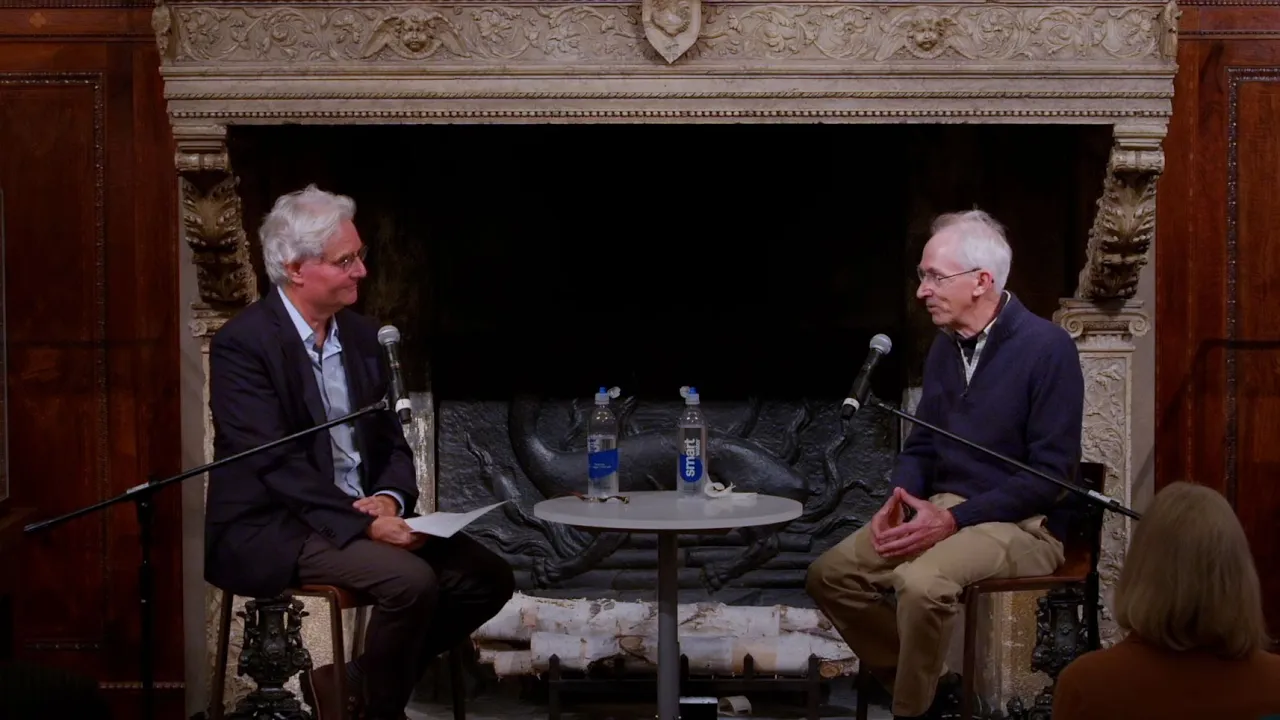
[Music] you're listening to the great simplification with Nate Higgins that's me on this show we try to explore and simplify what's happening with energy the economy the environment and our society together with Scientists experts and leaders this show is about understanding the bird's eye view of how everything fits together where we go from here and what we can do about it as a society and as individuals there are a number of important advances in evolutionary biology in the past few decades one of these being the Resurgence of multi-level selection or the fact that organisms and humans evolve from selection pressure at multiple scales not just the abilities behaviors of the individual organism or human today I am very pleased to have a conversation with a leading scholar in this field David Sloan Wilson David is one of the foremost evolutionary thinkers and gifted Communicator about Evolution to the general public David Sloan Wilson is a Sunni distinguished professor of biology and anthropology Emeritus at Binghamton University in New York he's authored several books including Evolution for everyone and Darwin's Cathedral David and I share the belief that when thinking about human behavior it's critical to consider how Evolution has shaped the foundations of everything we do how can this lens help us better plan and shape our behaviors for a materially smaller future and how might our improved knowledge of where we came from inform our behaviors and Collective governance in the decades ahead please welcome Professor David Sloan Wilson foreign [Music] hello David great to see you hello Nate great to be here you were long a intellectual hero of mine before well before we ever met that that age is me that marks hey it's an old guy well I worked on Wall Street and I quit and went to get my PhD in ecological economics and one of my PhD committee members was Charles Goodnight who has since passed away but he was a big disciple of yours in the field that we're going to talk a little bit about uh which is group selection or the modern term multi-level selection so I've read many of your papers and books and I use one of your books for my college students so thank you for being on the show well thank you so much and uh I'm gonna find a way to introduce Charles Goodnight to our audience here as we as we continue our talk he was a great friend in calling okay yeah I I miss him uh so you wrote a popular book called Evolution for everyone which I use excerpts for that for my college course reality 101 you're also a co-founder of the evolution Institute so let's start here why is evolution important to understand especially given what Global human culture currently faces so for most people probably most people listening to this Evolution I say Evolution they're going to hear genes they're going to hear biology and evolution is best known as this great unifying theory that explains the biological world and what that leaves out is the human world everything that we associate with culture and and what it means to be human including our own personal development and what's new and what caused me to write Evolution for everyone and that was 2007 I believe when that came out is that this powerful Theory already proven itself in the biological sciences actually extends to everything associated with the words human culture and policy so this is a great expansion that's taking place and that's why everyone needs to know about it and why most people don't because as far as they're concerned evolution is still about dinosaurs and genes and human Origins all good all exciting and interesting but no the real action is evolution in relation to everything going on about us so so we're going to get into that but a question that I will ask you because I have no idea what the answer is why did you decide to be an evolutionary biologist back in the day and as opposed to an investment banker or a tech developer or something well Anita I come from novelistic background my dad was a very famous novelist of his day Sloane Wilson he wrote The Man in the gray flannel suit in A Summer Place and these books helped to define the 1950s so if I were to become anyone it would be a novelist but I just had to escape my father's Shadow and so I became a scientist for that reason and I love nature so I became an ecologist so at first I thought I was going to be an aquatic ecologist I was going to study zooplankton I wasn't interested in evolution per se but I entered the field at a time when Evolution was proving its explanatory scope within the biological sciences there's a famous pronouncement by the geneticist theodosius dubjansky who said in 1973 you can complete the sentence Nate nothing in biology makes sense except in the light of evolution he said in a uh in an article written for biology teachers in 1973 I did not know about that article but but I was actually a graduate student in 1973 and I was living I was living the dream I was learning and my courses at that time that the questions I might ask about zooplankton I could ask about any creature and it was just this Transcendent Theory not just for myself but by everyone around us this was a time when mathematics was coming into the field so we were beginning to you could construct models for example like Optimal foraging Theory how would an organism assemble a diet to maximize its Fitness and let's test that on any creature Birds fish zooplankton uh Lions it was a very exciting time to be a biologist and it was also around that time I can't remember the exact year that EO Wilson who you recently wrote a not so recently 12 15 years ago wrote a an important paper on or wrote sociobiology back in the early 70s and it was also if I recall correctly when something called naive group selection was first prominent and then prominently kind of discredited and you and the late EO Wilson resurrected what was originally called group selection in a paper called rethinking the theoretical foundations of sociobiology so what was the uh let's let's get into it here because that's from that we're going to jump off into the implications for society what was the main conclusion of this paper how was it received in the scientific community and most importantly what are the central findings relevant to our current human predicament so there's a lot to unpack there and it'll take me a few minutes but I think I can be I can be concise when I look back upon it I am an old guy I'm I'm proud of it and so I can look back over 50 years and I think that provides a certain advantage and one thing that that is so interesting is that there's different Trends taking place so I just described one Trend this great unification taking place within the biological Sciences there was also a trend of individualism and reductionism if you go back a century to the early 20th century into the 19th century a lot of the thinking was holistic it was very common to think of human society as like an organism for example we can think of figures like Anil durkheim or just about anybody back then took a whole the whole field of sociology was predicated on the fact that there's something about social human society which cannot be reduced but by the middle of the 20th century we really did have a feeling that actually everything social can be reduced to individual self-interest and this manifested itself across the board it was a tide that lifted all boats and so this is what economics became neoclassical economics homo economicus that we love to hate this is when the social sciences became methodological individualism and in my field of evolutionary biology it became the theory of individual selection and selfish genes as if everything that evolved has to be explained in terms of individual self-interest and so the idea that that something might evolve for the good of the group which was a common way of thinking back then had become seriously taboo along with lamarckism if you really wanted to just like say something stupid then you would support lamarckism or or the idea that something can evolve for the good of the our group that was as wrong as you could possibly be and so that's became my sort of cause celebrity uh that to to resurrect uh the evolution of altruism group selection the basic concept that uh that groups natural selection can take place at the group level that idea begins with Darwin we can talk about that history and my article with Ed in 2007 my first paper was in 2000 what was in 1975 and that was my first encounter within Wilson I was a grad student and I came up with this little model that seemed to show that group selection worked I I understood its significance immediately and so I wrote The Great E.O Wilson from Harvard University and I said Professor Wilson I must talk to you and so he's sponsored that paper I guess I was pretty bold at the uh at the time and I was also bold and emailed him like 15 20 years ago and he never replied to me but go on well he was actually he could have he was a very gracious he was a very gracious man and when he when he passed two years ago are now I actually wrote quite a lengthy remembrance uh titled the the uh I think the the six legacies of EO Wilson which is available and we could probably provide that on their show notes I have all his books and there are many yeah yeah he was a giant figure and he he was never hostile to group selection he was always giving it the best spin that he could but along with many others he was part of this trend which was basically it was emphasizing kin selection w d Hamilton you're familiar with this uh uh with this history and then when he converted you might say and he really embraced multi-level selection as as a general framework for this that's when we teamed up and we wrote an article titled rethinking the theoretical Foundation of sociobiology 2007 now it's 2022 and we can say and I'm not claiming credit for this because I think that as individualism swept in it's sweeping out as a tide that lifts all boats and why is it sweeping out it's in part because of the Advent of complex systems thinking and the reason that that was recent was of course it required widespread Computing and so we didn't really have the analytic tools to think about complex systems until the Advent of widespread Computing and that marks it within the last 50 years you know I mean the Santa Fe Institute was founded in 1984. so uh something I always like to impress in podcasts like this is that what's been taking place over the last 50 years is not just 10 of the of the Scientific Revolution there's something about the last 50 years which is really should be quite transformative in how we think and therefore how we act and complex system science is half of it and then generalized Darwinism Darwinism generalized Beyond biology is the other half and if we have both of those together then we have a new way of thinking which can alter transform how we act so let's unpack this for those listeners not familiar with this uh 50 years of intellectual progress on on this topic so Darwin himself actually gave hints that he was a group selectionist that things happened at different different levels yes absolutely what Darwin discovered and it was actually gradual is that his great theory of natural selection which seemed to explain everything that had been attributed to a designer actually left out an important category of behavior namely anything that's pro-social anything that involves benefiting others or One's group as a whole places the pro-social individual at a disadvantage at a relative disadvantage compared to the more selfish individual and so there's something about pro-sociality inherently which is disadvantageous in an evolutionary sense of the word he could not explain pro-social behaviors until he added something and that something is not hard to understand it's that selection operates not just among individuals within a social group it also operates among social groups in a multi-group population so selfishness beats altruism within grooves that's the disadvantage but altruistic groups beat selfish groups that's the advantage and that was the final line of my article with Ed Wilson and the best meme that I ever that I ever wrote but it's that simple that natural selection operates at multiple levels and in a minute Nate I'm going to describe one of Charles goodnight's experiments as an illustration of that okay let me just summarize this that we can think backward of our ancestors on the pleistocene couple hundred thousand years 50 000 years and within groups there was competition for status even though the uh the the resource Surplus was we didn't carry things with us so it was respect and other things that gave uh status but at the same time those tribes that were cooperative and cohesive against a common threat be it a predator or another tribe or something like that they out competed and maybe they were the only ones that survived some calamities or or something so we have within us hardwired or we come with prepared learning both to be competitive and Cooperative depending on the environmental circumstances yeah and to that I would add the very important element of social control all of this is easy to understand and easy to relate to our common life we all know that power corrupts in absolute power corrupts absolutely that when some individuals have power over where others then they're going to likely to use it to benefit themselves at the expense of others and even at the expense of themselves over the long term one of the Stark lessons of evolution is that everything is relative it doesn't matter how well you survive or reproduce in absolute terms only that you do so better than others in your neighborhood in your in your vicinity and so this leads to spiteful behaviors and I'll actually act in my own detriment as long as I as long as you suffer even even more that's where arms race is uh comes in and the um and the like and so there's the vulnerability which exists and everyone has experience with it is that if you're trusting and you extend yourself to other people You're vulnerable you can be taken advantage of and so one thing that's That's essential uh in order to prevent these abuses of power is social control basically the ability to control bullies and all other forms of self-serving Behavior so that's what evolved in our species compared to our ancestors in chimp societies the bullies got their way but isn't there example of isn't there examples of of that behavior in non-human primates like a gorillas if a subordinate male sneaks up on a Silverback and does something to him and then he gets pummeled no one will come to his aid but if the dominant gorilla joke for no reason whatsoever beats up a subordinate male others will join together and push back and defend so this this reciprocity is also in other species that is another species so it's not just unique to humans but uh but what you do find in let's say chimpanzees to a lesser extent in bonobos you find a little bit of cooperation and a lot of competition within groups males for example are just are obsessed with obtaining Alpha status within the trip even when the cooperation occurs it's in the form of coalitions that compete against other other coalitions and what uh what what happened in humans is basically a much greater capacity for members of a group to collectively suppress self-serving individuals and it could have been the ability to throw stones I mean there's specific theories about this but one of the theories is that is that we moved out of the Savannah we have all the ability to throw projectiles for to chase away predators and scavengers and things like that but then we could Stone each other basically it wasn't possible so much for the strongest male to intimidate the other other males is one of the specific hypotheses so stoning snoning is a as an adaptation so I'll I'll cue you up in a moment about the Charles Goodnight story but if you think about it we're 300 000 years as a as a species let's just ballpark say 20 years a generation that's 15 000 Generations we have been homo sapiens and most of that time was on the pleistocene in in Africa in small bands and can you outline for us the importance for most of our existence as a as a species of reciprocity and strong reciprocity in those small bands and we still have those impulses today and you see it in social media and people's response to world events can you speak to that a bit so I think what you're queuing me up for is is to emphasize the smaller group as a a fundamental unit of human social behavior which is true although we have to back away from that a little bit it's very interesting and super interesting actually one thing is a tribal scale and so smaller groups typically were memories of tribes that spoke the same language there was a lot of interchange among those groups you know uh and so we have a tribal scale and then a book titled the dawn of everything is establishing that that Human Society became large-scale before agriculture that's amazing typically we think small groups agriculture large groups now it turns out that that's in part two forms of habitat modification that didn't involve domesticating varieties of plants and animals or it wasn't agriculture in that sense but it was wide scale wide scale modification the environment the human populations built up and then and you had cities and and you had Monumental architecture and the the societies that formed on that were not necessarily hierarchical because part of the received narrative is that we had egalitarian small scale societies and then with agriculture we had more uh hierarchical societies but some of these Societies in these expansions according to the dawn of everything and I think according to much evidence they actually remained egalitarian they increased in scale and they remained egalitarian and of course we see that today we if we fast forward to the present and we look at books such as why Nations fail by asmaglo and uh and uh Robinson we find that Nations span the range from despotic to inclusive and the inclusive societies work the best as as societies and so Society can be large cooperative and inclusive if they exist today and they existed back then we could extend that further back into the past that we have thought so there's quite a lot taking place in archeology that's still consistent with the with the general theory but uh important details are changing the open question of course and maybe we'll get to this later is can we have an open diverse and inclusive Society of 8 billion yeah and that's what we need to work towards nice to know an important meaning here we're packing a lot into a short space here there's no alternative to that but the principles our scale independent and that's so important the same principles that are needed to govern a small group are what's also needed to govern the proverbial Global Village and so if you if you look at the Dynamics of small groups and what causes them to function well and we will get to Eleanor ashram's Core Design principles what you find is what's needed for cooperation at a small scale is inherently inclusive and Equitable that's baked in to the cultural DNA of cooperation and it it also is needed just as much at a larger scale so it's Central now how we can accomplish it and whether it can actually be accomplished that's another matter but we it's a very important thing to be able to say that it's it's needed and it's what we must uh work for it provides a powerful theoretical justification for what many of us who are progressives and inclined towards that are already Fair because but it provides a scientific foundation for it that's uh that we didn't have before if we were all leopards or Jaguars and there were eight billion of us there would be no chance of that but because the human genome is a product of as you point out multi-level selection and this reciprocity and sharing and and um small group dynamics that we uh were in The Crucible of where we came from make us very social and so this is a possibility well something one thing we need to get on the table Nate is our capacity for culture and and the main point to make there is that culture is a form of cooperation uh you cannot maintain Cooperative relations as you especially you cannot maintain an inventory of symbols with shared meaning and pass them down to Generations without living in a Cooperative society and so cooperation came first first we became a highly Cooperative species and then we became a cultural species especially with a capacity for symbolic thought which is either highly distinctive or unique among all other species there's a long history of claiming human uniqueness for this and that and most of them have failed but the capacity for symbolic thought is very distinctive I don't want it to be unique actually I'd love to find another species if it is found in other species those species will also be highly Cooperative but once we had a symbolic meaning systems they truly became a cultural DNA this is called dual inheritance Theory and what it means two streams of inheritance in our species the genetic stream that exists for all species and then this cultural stream and to think of our meaning systems everything inside our heads as the cultural equivalent of our genes is very powerful and just uh the current front basically of scientific research what does it mean for everything inside our heads to be the cultural equivalent of our genes so I haven't said this phrase in probably 10 or 15 years but when I was getting my PhD there was a lot of debate on nature versus nurture and I don't know where that is in the academic debates today but is it pretty settled of what you just said that you know there's Nate there's no there's no nature without nurture and and vice versa is that like it totally understood now or do we still kind of have the standard social science model of of the 80s and 90s that blank slate and all that yes oh a few minutes discourse on on that these are huge topics that we're packing into a few yeah I'm just curious just give me a two-minute summary there yeah give me the bottom line I mean the stock answer to nature versus nurtures both and it's integrated and so on but uh the two things to be said and you you alluded to the standard social science model so let me go back there to the birth of evolutionary psychology as a very Brash new science and its thesis of massive modularity and so uh this names associated with this are Lita cosmetes and John Toby Steve Pinker and the idea there was that like general intelligence is a is impossible and instead what we have we have many many special purpose adaptations to solve the problems of life in the pleistocene so think of it as a jukebox think of it as a Swiss army knife we have all these special purpose adaptations that get triggered that involved by genetic Evolution and get triggered by the environment so that was evolutionary psychology back then and it was said in a contrast to what's you you use the term standard social science model that was BF Skinner that was cultural that was Margaret Mead that was Clifford Garretts that was just like you know anything goes culture is going to evolve in any any direction and what has become of that I hated that back then by the way and I feel a bit Vindicated because what's happened now and the best way to do it just uh stick with me here Nick is by analogy to the immune system so if we look at the immune system we see that it's divided into two components it's called the innate component and the Adaptive component the innate component virtually modular evolved by genetic Evolution does not change during your lifetime as a species this amazing amazing collection of adaptations to fight diseases that's that looks a lot like evolutionary psychology and it's early days then there's the Adaptive component the rapid variation and selection of antibodies so it's an evolutionary process taking place during the lifetime of an individual that looks a lot like behaviorism that looks a lot like the standard social science model and so what was wrong about back then was that evolutionary psychology set itself as the theory of psychology and the standard social science model was just plain wrong let's think of it more as like the innate and the Adaptive component of the immune system and so if you look at current authors such as Joe Henrick is my favorite example one of my most respected uh colleagues at Harvard University and if you look at his books the secret of our success and and the weirdest people in the world what you find is Child Development takes place in this cultural Matrix I mean we are basically we evolve by genetic Evolution to soak up cultural traits and we have very sophisticated algorithms for doing that and the result of that is pretty darn close to the black slate I mean that's what's so incredible and if you look at such things as brain plasticity neuro neuroplasticity it's huge it's absolutely huge and so the the idea that there's no general purpose adaptation is just wrong I mean it's deeply wrong but with the immune system analogy we can have both and uh so at the end of the day uh what BF Skinner called selection by consequences that been in in so many different walks of life stuff varies those differences make a difference and there's some replication processes so something like genetic Evolution takes place with multi-generational cultural Evolution and with our capacity to change as individuals selection by consequences is all around us and the mechanisms behind that do not prevent it they enable it so I've stepped into a trap here David my intent to have you on the podcast was to talk about the evolution of cooperation and why multi-level selection your main work and what you're working on now to help our current human situation but the Curious ape inside of me remembers all the evolution books I've ever read and now here I'm talking to you live and so I'm I'm try I'm jumping the gun here and asking you questions that I'm interested in that may not be in interesting as much or relevant to the audience listening to this show so so let's get back on track but before I forget you wanted to bring up Charles good night yeah such a great experiment what he did he studied flower beetles these are beetles that live on flower and so therefore you can culture them in little tiny vials so each mild could be a group but in his case they were communities of two species of flower beetles so there were two species of flower beetles in each of these little vials and he selected them in a number of ways but uh one of the ways was he selected them for the for the density of one of the species so just you know go figure you have all of these vials each has two species and then you score them to the density of one of the species species a and then you select those vials and you use the whole community in those vials to read the next generation of community so one question is do you get a response to selection over time over generations of communities do these communities actually produce more and more and more of the species that's selected the answer to that is yes so there was a response to community level selection and then you go in and you look at the underlying mechanisms and you study that and what he showed is is that genes evolved in both species that interacted with each other to increase the density of species a that means genes evolved in species B to decrease its density or to increase the density of species and they interacted with each other the fact that you selected at the level of the whole Community turn the species into chromosomes into chromosomes do I mean it wouldn't surprise us if you studied some individual level trait and you showed that that was caused by genes in different chromosomes that we're interacting with each other and so the unit of selection the community unit of selection turned the species in the chromosomes there's a wonderful example of how a community can become like an organism so I remember those little vials with the flower and the beetles in his office and that brings to mind another esoteric question but I think it's relevant so your work showed that humans are a product of both competition within a group and cooperation within a group versus external groups but there's other potential levels right there might be some bacteria or microorganisms in our body that are helping dictate our Behavior at some scale or like you just said we might be influencing another species outside of our our body and then that they are and so there's I mean how many levels are there possible within multi-level selection there's many levels and many contexts and I think Charles's experiment that I just described it anticipated preceded and anticipated microbiome research so the the I'm always emphasizing the recency of all of this the word microbiome I believe was coined 2000 22 years ago but what it means is that as individuals survive and reproduce it's not just their genes that are doing that their microbiomes are too and so actually what we used to think of as individual level selection as individuals slash microbiome level selection and your microbiome includes thousands of species in numbers that are comparable to the number of cells in your body go figure and they've been targeted the same in your microbiome is mine those thousands of species are they different well they would overlap largely overlap if we were part of the same community then we'd be or say the same family we'd be swapping our microbiomes a lot but because they're complex systems then every individual would also be different there's a complexity piece here but again we're picking and choosing our conversation here Nate we don't want to well there are no rules here David let me segue into uh Global cooperation and Eleanor Ostrom but let me tell you another story that I learned from Charles he told this story which then I use on my students about Michael uh Wade's research about the chickens I think it was Tyson Foods or some chicken company hired uh Professor Wade and what they did is they tried to get the best egg layers all right now you stop I gotta stop you hearing aid okay we got the facts are turning into an urban legend here so uh you tell the story hahaha the uh the person is a colleague of us named William Muir and he is a an animal breeder at Purdue University and he indeed was trying to breed a strain of Hannah a productive egg laying strain of hands so you got it all right except it wasn't Michael Wade it was Bill okay got it Bill near work an animal breeding animal breeding is a very sophisticated uh field and so chickens live in groups they always have and there were two experiments in experiment one you choose the most productive hand in each group to read the next generation of hens and in experiment two you choose all of the hens within the most productive groups to breed the next generation of hens and so it is within group selection the first experiment and between group selection the second experiment so it ends up being an ex a multi-level selection experiment although most people didn't think of it that way here's a really important point that I think everyone can can appreciate individualism encourages us to think that the properties of an individual are just the properties of an individual if you're a good egg layer it's because you're a good individual egg layer or if you're a top performer in a company it's just because you're an amazing individual as it turns out in the experiment the best egg layer within each group was the biggest bully within age group it was social that it was an enso by breeding the biggest bullies than in five generations you had a nation of psychopaths and they were killing each other and plucking each other's uh feathers it was a nightmare um so there was still a good egg layer but the other chickens didn't produce much at all because they were all pecked and and subordinated yeah there probably was variation in just your ability as an egg layer but it was completely overwhelmed by the social factor and the second experiment but you're selecting the groups that don't log and and that's also heritable and so in five generations you selected for you had 160 increase in eggplant activity because the chickens weren't messing with each messing with each other so the reason I bring up that story and I and I had the uh the author of it wrong but that segues into your view of our economic system right now are there parallels of course there are so I think what it means is that when we generalized Darwinism we go beyond genetic evolution and you imagine setting up a human social environment that's like the first chicken experiment the rewards the the best the best performer you end up selecting for the biggest bullies and and uh and um one of the first times I use that experience that experiment in a lecture a professor came up to me rushing up to me after my lecture and I said that first chicken experiment describes my department I have a name for those for their chickens and in in in in the business World they have what's known as Rank and Yak Force distribution of grand can you take your employees you rank them according to their performance on a belt-shaped curve you treat them top performers as like gold nuggets we want to keep them you teach the the bottom performers as Duds let's get rid of them and let's repeat that again and again and again and we'll all have Superstars and our company will work great won't it and what happens of course is a version of the first uh chicken experiment and by the way there's a podcast a National Geographic podcast has elaborated on the chicken experiment it's called the problem with super chickens put it in your liner notes it's a beautiful production of the chicken uh experiment and relates it to these cultural contexts watch out for the first chicken experiment it's all around us it's competition in the wrong places so competition is fine it's needed but it has to be in the right places and if it's in the wrong places you get the first chicken experiment genetic Evolution hasn't taken place but selection by consequences has and so that's what generalized Darwinism is all about is that this logic of selection of practices based on the social environment it happens culturally it happens in terms of individually with the strategies that we employed we're all capable of being cooperative chickens either the mean chickens or the cooperative chickens and some more than others but we all have the capacity to choose plan a or Plan B and if you put us into a the first chicken experiment so that so that actually the only thing that succeeds is to be a bully either we'll just pull into our shell or we'll more actively become so much depends on our social and the environments that we uh that we construct and we're so heatless of it that that's why um this information is just Priceless for for constructing our our social environments there's so much good that can take place just by seeing this the right way I agree which is why I invited you to have this conversation so let's uh let's get into it here uh David the late Eleanor Ostrom Nobel Prize winner in her Core Design principles showed that some groups were able to manage tragedy the commons scenarios she outlined what the key factors were that groups needed in order to manage them and you've pointed out that these key factors that Eleanor Ostrom uh pointed out directly map onto multi-level selection can can you unpack this and why it's important relevant to our current uh Global circumstances right so so let austrum study it a certain kind of group groups that are attempting to manage common pool resources and in that context cheating being the mean chicken takes the form of taking more than your share thus the famous tragedy of the commons and receive wisdom was that cheating would always succeed and so the tragedy would always occur and and either you needed to privatize the resource so this is the main economic justification for privatization or you needed to regulate a top-down and what Ostrom shown by compiling a worldwide database of common employee resource groups was that some not all very important they varied in their ability to avoid the tragedy of the commons but some did and they employed certain Core Design principles which is what her main contribution that earned during the Nobel uh prize so some groups were able to self-manage their resources and prevent this particular form of disruptive behavior of taking more than your share and what we did together I'm so lucky I got to collaborate with Ed Wilson and with Lynn Ostrom and with other amazing people was to generalize that and to show that these Core Design principles are are needed basically by all groups but you could think of cooperation as itself a common pool resource vulnerable to exploitation and so I'll rattle off the core design principles when I do this I always ask my listeners to wait before I get started think of a group that you know well and then think about whether these Core Design principles apply to your group your group that they're thinking of might work well or poorly just think about your group how well it works and whether these Core Design principles have might have something to do with it so here they go number one strong sense of identity and purpose the group must know that it's a group it must be an important group must know who's in it who's a member and what's its boundaries so a strong sense of what the group is and its identity and purpose number two benefits proportional to cost if some members of the group are getting the benefits and others are doing the work that's the first chicken experiment so there must be some sense in which what you get from the group is proportional to what you give to the group and number three decision making fair and inclusive but not not sustainable for some members to make the decisions and for other people to be left out of that process number one a recipe for unfairness number two not making use of everyone's wisdom for monitoring agreed upon Behavior we need to know whether we're doing what we agreed upon to do if we don't all that's off number five appropriate responding to helpful and unhelpful behavior if you're not doing what you should that has to be corrected but we don't have to be mean about it Hey Brother friendly reminder is enough most of the time but it must be possible to escalate in cases where uh friendly reminders are not um enough and while we're while we're correcting uh unhelpful behaviors let's praise helpful behaviors basically abundant praise for for good behavior coupled with mild punishment for bad behavior that escalates when necessary there's a whole little interlocking piece there number six fast and fair conflict resolution conflicts will occur and they need to be resolved quickly and in a matter that's regarded as fair by all parties in a dispute most people think they have a point of view number seven local autonomy a group has to have Elbow Room in order to manage its own Affairs if it's being bossed around from above all bets are off and finally number eight appropriate relations with other groups which embody the same courtesan principle so this illustrates the scale and dependence of the core design principles needed to govern relations among groups in addition to relations within groups so there is the eight Core Design principles as you were speaking I was thinking about the groups in my life and other than perhaps my girlfriend and our dogs I couldn't think of any group that I'm involved in that that hits all those not remotely well when we do this with groups we ask good questions we introduce each principle in turn and our three questions are do you understand this and everyone says yeah of course they're not hard to understand do you think they might be important for your group then yeah I think so and number three how well does your group implement this great design principle it's just like oh my God easy to understand important and somehow somehow we missed it so additionally I mean you've done a lot of work on this but in one paper uh or research you showed that on average business groups in global businesses were deficient in all of these eight uh categories meaning that people feel a lack of control and a meeting in your job so how does this contrast to the current cultural stories saying that businesses are the most efficient best way to run you know our country and and such what what have you learned in that sphere so this brings us back to our meeting systems as as the cultural equivalent of our genes how we act depends on how we think and the idea that capitalism is great laissez-faire is great government can't do anything good business detector does everything best this is all a big narrative uh which seems to be authorized by the neoclassical economics but if that's what's inside your head then that will completely structure the way you think and what you do and as from largely for that reason that business groups because they're heavily influenced by that way of thinking the so-called shareholder value model Milton Friedman all of that has been the uh uh the distorting influence so that's the short answer to that question as soon as you begin to adopt this other way of thinking then these these uh I just reorients what you what seems to make sense but I want to emphasize that it's only an average difference for business groups so business groups I mean also there's a bell-shaped curve for business groups it's just placed downward the average is different but you can find in the business World spectacular examples of businesses that work well because they implement the core design principles so there's wonderful positive examples in the business world and there's movements do you have one off off the top of your mind well Lots there's of course B Corp is one one uh such business movement there's also the conscious capitalism movement associated with the Raj sasodia who's written books such as forms of endearment and conscious capitalism and one of the books I'll give two examples one uh in a book titled everybody everyone matters is a manufacturing company called Barry waymuller you have no reason to know about it but the CEO Bob admin mostly because he's a good Christian by the way and Christian values if you really practice them are very they definitely implement the core design principles and so and so he truly built his company around and everyone matters uh principles just down to the bone I mean amazing to read about it well that's a single case but what's amazing about that book is that Barry weimuler began to acquire other companies uh struggling companies they don't use the word acquire they use the word adopt which kind of tells you their mentality and turns them around not by firing people I mean so often look at look at Elon Musk I mean for Christ's sake I mean there's your case pathological study you buy Twitter and then you fire three quarters if it's the employees and then then it goes on from there will be perhaps fewer eggs uh produced in coming years pop Chapman are acquiring these companies not firing anybody and changing their culture and do you know he's done it a hundred and twenty times and so something is working here it's been replicated that we need to understand and we need to provide it with a solid theoretical foundation so I'm now a recently uh started to interact with garage cisodia the author of these these articles and Bob Chapman and others so that we could really add a strong theoretical Foundation to these wonderful examples that exist in the world and but now we can understand them better by providing them with this strong theoretical framework so that's what's coming up that's what's coming up in the near future I'm going to take a further uh side track here and just ask you a personal question you are very erudite uh an Emeritus Professor you've written lots of books and lots of papers but now you're engaging with your Evolution Institute and like you just said you're interacting with these other people in order to affect a positive change how much time did you used to spend and how much time do you spend now reading books and papers in the literature I'm just curious because it doesn't seem like there's enough hours in the day to do everything on these issues well it was in 2006 about that um let me just spin this out a little bit more so at first I was just a professor and I was working with non-human organisms but I did become part of this movement of going beyond the biological sciences to the studying all things human and that just basically energized me it was at that point that I wanted to teach much more than I did before before I was like so many professors I preferred to do my research but now I I just wanted to reach people with this message that this theory was so important for all things human and so it's at that point that I started to teach Evolution for everyone I was teaching an upper level course before and I said no I want to teach for non-majors lower level of course few professors do that but I was really moved to do that that was the basis of my book that you've used Revolution for everyone and and and but I wanted to teach Evolution across the curriculum and so I started the first program for teaching evolution across the curriculum and then right away I wanted to Take It Outside The Ivory Tower and for for altruism and pro-sociality for heaven's sakes of course I want to study it in the real world and so I started to work with my my school system I did beautiful work there studying um and in my city and that became the basis of my book the uh the neighborhood project I had an opportunity to form a think tank the evolution Institute and I managed to do both and still managed to do both so I'm still writing academic Publications uh and they reinforce each other that's the most important point to make is that uh is that they reinforce each other you can do just spectacular basic scientific research and improving life in the real world they go better together than a part of the way I would put it are you still learning about Evolution and human behavior of course I mean uh there's so much to learn it's all early days totally early days and I think that the um and so many fronts to move along yeah it's very early days so I mean historians are going to look back and they're going to say the 21st century was a period of synthesis for for all things human from an evolutionary perspective it was amazing just the way the 20th century was amazing for the biological Sciences Edward you know we're a fifth through the 21st century so it's a very exciting time to be present no doubt about that okay so getting back to the core of this David in your writing can you define what is a tight Society versus a loose society and segue from that into what type of governing system might be best for our current situation is democracy compatible with it well the tight loose distinction um brings in a wonderful colleague named Michelle gelfin I'll get to her in a minute but before then what's important to grasp is that a human cultural diversity is like biological diversity there's the bushy tree of biological life and there's the bushy tree of cultural life there's so many different cultures out there and that we can understand their diversity in the same in the way that we understand biological diversity and when we do that sometimes we can construct sort of axes environmental axes and one of those axes is uh is existential security some cultures have a great need for Collective action it might be Warfare it might be disease pandemics or it might be intensive forms of Agriculture so rice agriculture for example calls for much more coordination than wheat farming for examples and so cultures that have evolved to be really good at Collective action are called tight cultures and what that means is they have very strong norms what you should do as a member of that culture which are enforced and so if you don't do them then there is uh there are consequences so that's what a tight culture is a loose culture is better adapted to a safe and secure environment there we don't have to do everything in lockstep we can relax a little bit we can follow our own drummers and actually that could be no good because that's Innovative that's experimental and Innovative and so tight and loose cultures exist based on their past and then that at all scales by the way so you can look at this at the national scale you can shrink down and you could look at it for the 50 states in the United States uh you could look at China you could compare rice growing regions of China and wheat growing regions of of China and when something like a pandemic hits with covid it's a natural experiment and you can ask as Michelle gelfin did how did Titan loose cultures respond you know what were the consequences tied with at this point tightness was needed by everyone everyone needed to coordinate their behavior but there was her research shows a I believe a seven-fold difference in deaths between lose and tight culture then of course United States is a loose culture on whole so the United States was not a good track record of course as we know in responding to the pandemic I wonder how much uh being a tight or loose culture correlates with energy Surplus that super wealthy countries that energy is uh too cheap to meter might naturally default to be being more loose just to question uh well she will tell you uh so uh there's quite a lot of variation among which Western Nations uh Germany is a tight culture Norway is a culture Italy is a loose culture I mean we're ignoring a lot of heterogeneity if you look within Italy books such as Robert putnam's making democracy work you know that there is a a lot of variation within Italy and also as context dependent so any culture can be tight in some contexts and loose and others airport security is tight no matter what your culture is when you go through an airport security you're having a tight moment so from a from a cultural perspective is tight versus loose kind of like multi-level selection that both are necessary or helpful or relevant at different times and at different scales um it's not exactly I mean tightness and looseness can be adaptive at the group level depending on the circumstances and loose cultures perhaps there's more opportunity for cheating and so on so that maps in a kind of a complicated fashion so but the the tight Society would have more of your um what was the acronym that you use the the cdps core design principles again I would want to say that they they just Implement them in different ways and loose societies for example there's really strong norms for inclusion you know if you're a racist and in a loose Society watch out so it's in that sense that I think that uh and here's where Michelle and I have a high level conversation as to whether you can actually type a society is tight or loose or whether all societies are sufficiently contextual so that they're tied in some respects and loose in others what's really needed in all cases I mean we have this concept called mismatch that we haven't used the word yet but uh basically evolutionary in this match is when your existing system is adapted to some other environment but not the present environment and mismatch can occur for cultures in addition to species and in today's world mismatches everywhere thanks to the anthropocene we've made created mismatches for most of the species on Earth and there's no culture really on Earth that's well adapted to its current environment we really need to to perfect methods of of Rapid conscious cultural evolution in order to keep up with it and if we don't then Evolution still takes place but it results in pathologies and not in solution how can we affect rapid cultural Evolution that doesn't result in pathologies well thanks to scale Independence we could first answer that at a small scale so just imagine now those groups that you were imagining which are not working as well as they could and then imagine uh some process whereby we might first of all think about the courtesan principles Implement them better but more so increase our flexibility and there's a whole piece of this having to do with whether or not you're adaptable or flexible which brings in therapeutic Methods at the small scale mindfulness-based therapies which are all about becoming adaptable and very successful I mean the way people think about therapy or training is variable often we think that if you know as woo-woo or not well documented or that it takes a long time or or something like that but the fact is is that there's proven methods you might say for aligning our ability to change with our valued with our valued goals and what we've done in our practical change method is we have two pillars one is the core design principles we which we've discussed but then the other pillar are based on these these adaptability methods which have been developed primarily at the individual level think therapy or training but can also be applied to the group level and the combination of both of them can cause a group to adapt to its environment conscious conscious evolution and um and and then that can be scaled up can you give some examples of what some of the Hands-On things that you might do you mentioned meditation is that is that a core one well the process which is um I don't want to make it sound simpler than it is although there's wonderful examples of of this acting uh quickly again if you think about the comparison between think of our meaning systems is like our genes think of what gene therapy is so with gene therapy you make a genetic change and you expect a phenotypic change a change in who you are just as soon as you make the genetic change so the relationship between the genotype and the phenotype to use a bit of jargon this type doesn't take a long time after you change the genes for Japan time so now think of your the way you think as like your genes and we change the way you think well why shouldn't that change the way you act right away why should that take a long time and so in a very quick exercise you can basically you can examine your values you could think about how you would act on the basis of those values there's your target of selection you can think about what's inside your head that's taking you away from that how they cause you to act counterproductively and then you can see the world through that lens and then if things happen you can you can locate them you can say that's a toroid move that's an away move and there's an obstacle I need to get around and so on and so forth and you could actually by seeing things that way and aligning your efforts at improvements you can actually succeed at that goal and there's many studies to demonstrate it are you doing this in real time with people and communities around the world is that are you working on that now yeah that's what we're that's what we're doing that's at my new organization spin-off from the evolution Institute of pro-social world that's what we do and so get in touch and how's it going going great Nate I mean it's a it's a it's more complicated than that change can often be difficult but for the most part there's just tremendous energy around this and there I would invite our listeners basically to learn a little bit more and then so we can provide them with some links and then we could uh engage engage our listeners well we will have copious notes and links in the show notes that Lizzy will will provide let me ask you something so I don't know if you've read my academic paper on the super organism or know much about my work but I pretend that we have energy Finance disconnect and we're headed towards what I refer to as the great simplification and we're going to have to live differently with a less material intensive footprint and so I'm describing that and that's our current situation and then I have a vision for the future where we have more local and Regional communities because energy is going to be too costly to have this level of of globalization and consumption and there's different infrastructure and and and all that but the middle piece I am increasingly confident there is not going to be a top-down solution that gets us there we're going to have to meet the future halfway and a big component of that is inner development and maybe it really aligned with the uh changing your values and changing your meaning and that has the the shift that you said that a genotype can quickly change the phenotype if we change how we think and our values and meaning and we do that at scale that then that is a allows our culture to have a softer Landing in these events of coming decades what do you think about all that well I think we need to talk more based on what you said there is 95 agreement and so uh definitely the glass is half full there mostly full I'd have looked at that uh particular paper that you uh that you're at and I think we might have some terminological quibbles about what we mean by superorganism but that's a detail that's a true detail I think most of what you said I think is exactly driving in the same direction as I would first we have to emphasize the global the target of selection must be the global good but we must also be local top down absolutely not so I talk about bottom up meets enlightened top down oh uh that reminds me the other example that which illustrates this and I wanted to add an addition to the Bob Chapman example is they're ready Microsoft under the leadership of its third CEO Sacha Nadella and so the first CEO Bill Gates hard driving competitive wanting to Corner the market second CEO Steve Ballmer even more hard driving and while he during his tenure a humorous work chart appeared on the internet that showed a kind of a hierarchical pyramid from Microsoft and at every node there were these little hands would revolvers pointing at each other which was illustrating basically competition up and down the line up and down the line nothing so nuanced as as multi-level selection but the new CEO is different based on his personal history he's much more empathic much more Global in what he thinks Microsoft should be doing basically Microsoft should earn its reputation as a provider of Solutions on a worldwide basis and should be cooperating with some of the agents with whom it was competing uh before and thanks to that attitude change what was in his head the way he saw the world and his position which was a top-down position okay but it could become enlightened top down and at that point what you want to do is you want to implement something which removes power from you and so enlightened top down should actually self-destruct in a sense by creating a framework in which there's enough bottom-up control so that you can control the not so enlightened uh and his book is called Hit refresh and I recommend it to everyone to show just what what could be done when people have the right things inside their heads if only that perspective change could take place then the current leviathans of the world could become part of the the solutions it says with that step that far away in terms of just prospective prospective change except the current corporate goals which society set long ago are optimizing maximization of monetary profits Tethered to energy Tethered to carbon energy well that's requires all that has to go so I mean basically that's the part of the perspective gender is you realize how deeply erroneous that that um that is that's the Paradigm that we have to abandon and then we have to we have to gravitate to another Basin of attraction to use complex systems terminology and now we're operating in a completely different space in which we don't do that anymore we still succeed in another sense but not that way and and uh but the shareholder value model is up is out the door okay so let me ask a tangential question to that so you've written that we cannot Implement those core design principles without Equity at all levels so how does this apply and then you can bring in your your recent comment on on corporations how does this apply to large Global issues that are inherently unequal like climate change resource distribution historical inequalities It seems impossible to me to create a globally equal playing field so how would it be possible to truly accomplish those core design principles on a new sort of system adaptive system like you just mentioned I do not want to come across as a naive Optimist although I'm almost certain that I have because I am hopeful and I do think that there is a blueprint to follow what you've said this whole podcast is Overton Windows sort of thing we don't have the answers we're just trying to understand the core structures of what got us here who we are where we might be able to go yeah I mean what you've said is that the current world is deeply inequitable and which of course is true also powerful people interest you not go lightly into the night the reason that the core design principles often are not implemented is because people are getting something out of their failures of the implementation there has to be control just as in the early days when we said that there has to be a way to control the bullies of the of the world that has to be something that's uh established and and of course it's not necessarily easy but it is possible it takes place all the time in a small scale it even takes place all the time out of mezzo scale at any scale such as the national scale for example returning to work like why Nations fail you see Nations that are much more Equitable than other nations they've managed to do it and at the scale of millions and millions hundreds of millions of people and if you can do it at that scale then doing it at the global scale or surely possible but of course we have to address the issues of equity and and so on and and because it is multi-level and multi-context no matter where you start no matter what your starting point there are improvements that could be made at the bottom up level you might be just a single group or something like that well that's actually the most important scale for improvement is to get individuals functioning in the context of small and appropriately structured groups meaningful groups so here's a thought and I will I will agree with you that we need to talk more because we are pushing an hour and a half and I still have my my typical closing questions for you but there's been a sentence floated around I forgot who said it that it's easier to imagine the end of the world than it is to imagine the end of capitalism uh but let me let me take that a step further I think to highlight your work on multi-level selection and then look at the global organism which is modern Humanity I think it's really difficult to imagine how 8 billion of us in all these nations could cooperate together towards some uh more desirable than the default future it's difficult to imagine that and yet we could all imagine that if there was a Armada of alien ships all of a sudden surrounding the earth threatening our planet that we would cooperate as a global group of Nations and we would sacrifice and we would no we wouldn't okay please unpack this how could any Warfare situation or emergency situation first of all you get this Collective response cooperation and then the profiteering begins immediately if the aliens were to come there would be this big collector of response and then a group of people would approach the aliens and said let us be your lap dogs and we will hand you the rest of the human race and so and so it is just simply not the case that uh Collective Threat all by itself results in any kind of sustaining cooperation the profiteering begins immediately so and and multi-level selection actually enables you to predict that so the alien scenario forget about that let's return to the to the uh if that wouldn't work what would work well I'm going to stop using that as an example in my Public Presentation so thank you for that yeah I've got a guide something about that that just never ever would you wouldn't expect it to look at any any Warfare situation any Collective threat oh I think Nate that the idea of global cooperation was beyond the human imagination until the 18th the 19th century I think you could say that accurately up until then nobody could imagine the whole world the first religion that was for all Creeds All Nations was the Baha'i faith which originated in Persia in the mid-1800s first war to be called a World War was the first world war first attempted International governance was the League of Nations following the first world war before that there's just it was beyond the human imagination but now given the globalization has taken place not always fleeting to good outcomes but nevertheless I mean we are so bound up in a global system that it's very natural to think of the whole world and the need for it to be a Cooperative uh unit every day we're interacting with people around the globe I'm interacting with you right now um in my city of Binghamton a little town in Upstate New York over 20 first languages are spoken in the public school so the kids that are attending Public School in Binghamton New York are are face to face with people who are speaking 20 first languages and so the idea that we're first and foremost human beings as far as my primary identity and evolution helps with this I am a human being is who I am first and foremost and a citizen of the world that's no more difficult to wrap your head around nowadays than I'm an American or I'm a Christian or or I'm a male or I'm a I'm a I'm a female it's not hard to do that and then it's a matter of actually coordination of all your other identities your other identities don't go away they're there too so it's a matter of of coordination so it's possible it's imaginable quite so so that's where we stand well I do increasingly think of myself as a human being for better or worse and as a citizen of the world I am an American and other things but I do feel that bubbling up in me at this time when give or take 10 of all humans who have ever lived are alive right now so yeah let me ask you a few closing questions David and I think we will have to agree to have uh and you know on 23 a follow-up conversation on on a deeper dive on your work so given your lifetime of scholarship and reflection on these issues do you have any personal advice for the Watchers or listeners of this program at a time of global public crisis and and tumult and anxiety about the future well this what we've been discussing which I call generalized arwenism very little known and so I would just encourage everyone to learn more about it I think that people know about complex system science now that sounds the vocabulary we talk about attractors and third detractors and things like that interdependence so we have a good intuition about complex system science but generalized harmonism that's still very little known and so my advice is just learn more about what we have been talking about and just follow up on this however it might interest you it might be through my work it might be a few others just learn about this this view of evolution which is uh so relevant if you don't know about it already or anybody should learn more okay subset of that you are a college teacher who has outlined challenges of our our brains behavior and environmental situation for a long time do you have any specific recommendations to Young humans who are aware of our economic climate uh resource Global conflicts what recommendations do you tell 18 19 20 year olds I feel that emphasizing age is a bit distracting in my opinion I mean young people are at a certain stage of their lives they might be more flexible they might be capable of doing things and so on compared to old people but I just feel that that all people when we say that we're first and foremost human beings and citizens of the world then that goes for all all ages so I would encourage young people along with everyone else to learn about this and then of course since most of their lives are ahead of them then then to make our career choices on this on this basis and there really is a a change in values and so and so in terms of what counts as success then I think that uh there's a different vision of success even as you described at night in terms of scaling down becoming more local and so on and and and so forth uh becoming more Cooperative uh there's great joy and success in that much more so than than in a ranking competitive society and so uh consider that well I would I would imagine that changing your values at a young age is probably leads to a more meaningful life than changing that I'm at an older age I'm just hypothesizing what do you care most about in the world David well as anyone can see I've adopted a very pro-social motivation and throughout my career I've asked the question how can altruism or an other oriented way of thinking in life succeed in a darwinian world is it possible for you to be genuinely other oriented and still thrive in competition with more selfish forms of of being and the the answer is yes you can but only under certain conditions so so first you create those conditions and then to thrive within those conditions is what drives me what issue of many are you most concerned about in the coming 10 years or so in the world well since they're so intertwined I would not want to single out a single one other than we need to solve them all collectively basically and we need to realize and I think this is in some ways is a scientific expression of Buddhist thought that we need to be really systemic in our and our thinking and see everything is interconnected there but then we need to evolve those complex systems so we need to be holistic and systemic in everything that we do because interconnectedness does exist I mean that is a fact of life you were like the ninth or tenth guest I've had that has mentioned both Buddhism and meditation in the same uh in the same conversation so in in contrast to what you're most concerned about what are you most hopeful about in the next decade or so I feel like I'm being repetitive at this point but I think that uh the idea that Global cooperation is possible and this entire in fact uh the word hope comes up again and again when I speak with people and when people enter this world this is hopeful by Heavens this is hopeful and so the perspective is hopeful and uh then so uh isn't that uh isn't that wonderful to have a perspective that's hopeful and and realistic at the same at the same time there are solutions and we can achieve them we can achieve them in our lives and we can achieve them for the world and do you have uh on your website and and such uh pro-social world are there listings of these Solutions or responses and and Direction yeah the two websites are my website davidstronewilson.world and the pro-social World website which is currently under total renovation but uh within weeks I mean visited now but within weeks it'll provide a much more comprehensive and then the third website this view of life.com is a online journal on anything and everything from an evolutionary perspective we are providing an outlet for all of this and so if you visit those or if you contact me in any way at all we are creating opportunities for engagement so we are providing ways for you to learn more final question if you were benevolent dictator hypothetically of course uh and there was no personal recourse to your decision what is one thing you would do to improve human and planetary Futures one policy or one act one policy one act I would act like Sacha Nadella print my own my own position I'd use my power to implement a um a world where power is constrained thank you so much for your lifetime of work on stuff that I find fascinating and for your time today to be continued sir thank you very much and thank you for uh for providing an outlet for elements if you enjoyed or learned from this episode of the great simplification please subscribe to us on your favorite podcast platform and visit thegreatsimplification.com for more information on future releases
Up Next

4:45
How Leonardo's AW609 Tiltrotor Combines Helicopter and Airplane Capabilities
@AINvideo
615.6K views•2015-03-05

12:54
Triumph of Orthodoxy Icon: Byzantine Art & History Explained
@BenCallan
2.1K views•2024-08-06

9:49
FastAPI vs Flask vs Django: Choosing the Right Python Web Framework
@TechWithTim
302.5K views•2024-05-26

1:42
Game of Thrones Opening Credits: A Cinematic Analysis
@gameofthrones
46.3M views•2011-04-18
Related Study Plans & Knowledge Roadmaps
Structured learning paths in General & Interdisciplinary Studies
general-studies
Elevator Engineering: History, Physics & Cities
01From Hoists to Safety Brakes: The Dawn of Vertical Lift
02Hydraulic vs. Traction: The Engineering Physics of Elevators
03Modern Speed, Safety, and Algorithms
+ 2 more learning modules
12h5 modules
Explore Roadmap
general-studies
Rubber: Material Science, History & Geopolitics
01Origins of Natural Rubber & Mesoamerican History
02The Chemistry of Natural Rubber & Vulcanization
03The Geopolitics of the Rubber Boom & Colonization
+ 2 more learning modules
12h5 modules
Explore Roadmap
general-studies
Containerization: Evolution, Logistics & Trade
01Ancient Trade & Bulk Cargo: Amphorae to Barrels
02The Industrial Revolution & Cardboard Packaging
03The Containerization Revolution: Malcom McLean
+ 2 more learning modules
12h5 modules
Explore Roadmap
general-studies
Textile Tech: Evolution, Labor & Global Impact
01Pre-Industrial Textiles: Handloom & Cottage Industry
02Mechanization: The Spinning Jenny to the Power Loom
03The Factory System & Global Labor Transformation
+ 2 more learning modules
10h5 modules
Explore Roadmap