
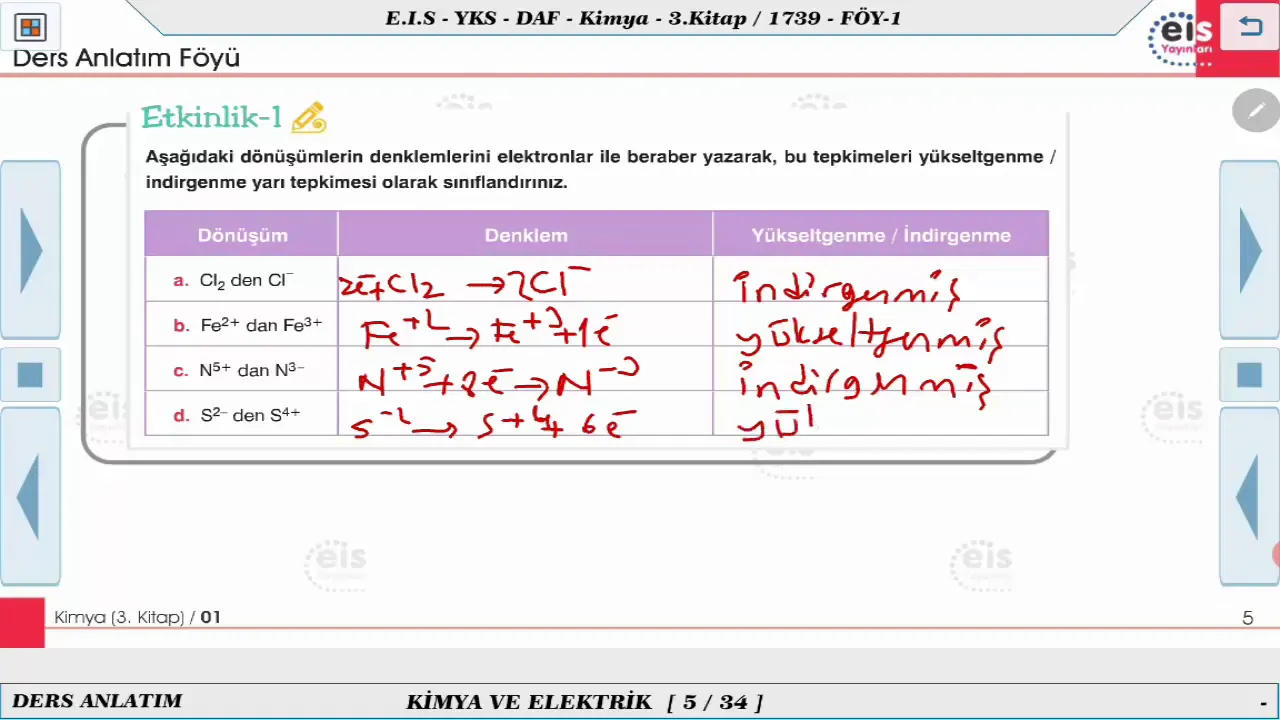

![11.Balanceamento de Equações Químicas por Oxirredução [Química Geral]](https://i.ytimg.com/vi_webp/1G1tt4ku50I/maxresdefault.webp)







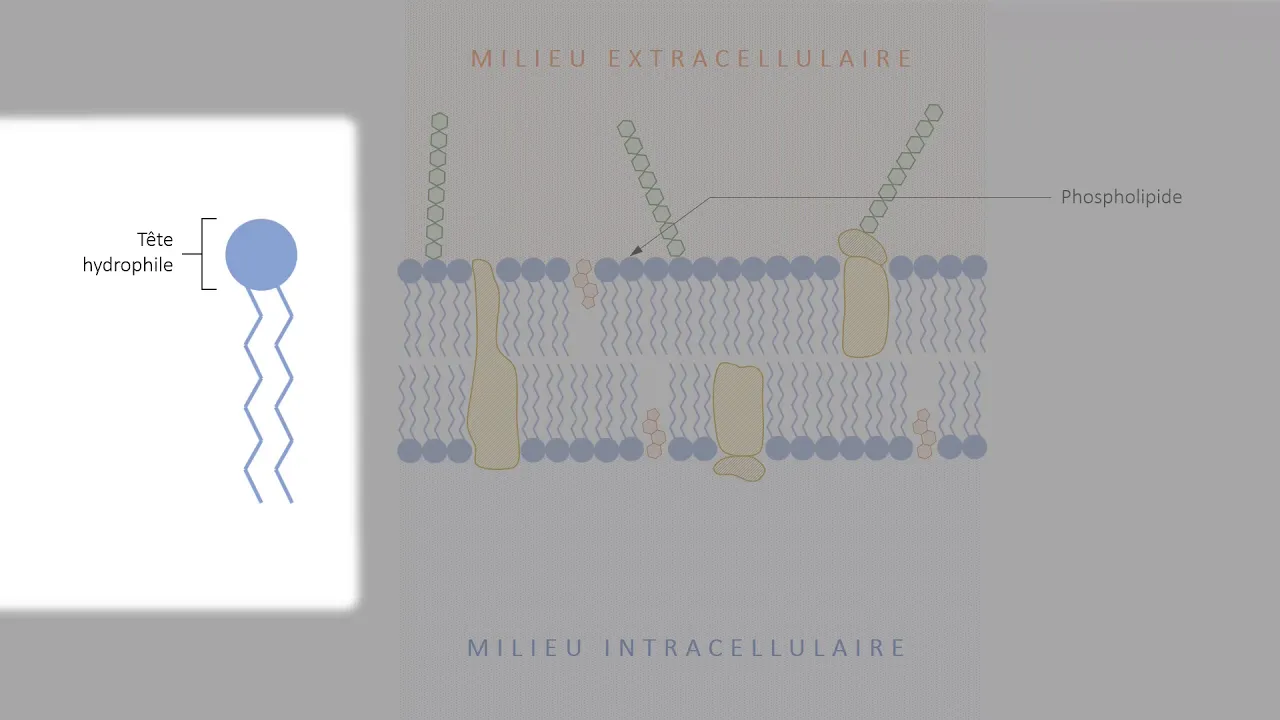


















Bio-electrochemistry is the study of the interface between electricity and chemistry, focusing on how biological systems generate and utilize electrical phenomena through charge transfer processes. At its core, electricity involves the movement of charged particles (electrons, protons, or ions) from one point to another, and this flow constitutes electric current measured per unit time. For charges to move spontaneously, there must be a potential difference or gradient between points; charges flow from higher potential to lower potential without external energy input. When charges flow against this gradient, external energy must be supplied. The fundamental processes underlying all electrochemical reactions are oxidation (donating electrons and becoming positively charged) and reduction (accepting electrons and becoming negatively charged or neutral). These redox reactions determine the direction of electron flow, with oxidizing agents being reduced and reducing agents being oxidized. Every material has an inherent property called work function that determines its ability to donate or accept charges, and species can be classified in reducing power series or oxidizing power series based on their electron transfer capabilities. This framework explains how biological systems like mitochondria and chloroplasts use electron transport chains to generate energy through controlled redox reactions.
Bioelectrochemistry Basics: Charge Transfer & Redox Reactions
Added:[Music] [Music] welcome to this new course by electrochemistry so this is a short course which constitute twenty lectures and the course has been divided into four different modules and the whole idea of the course is to expose the biologists who use different kind of electrochemical tools time and again or those who wants to use it but they do not have a kind of crash course where they can kind of get a feel of the power of electrochemical tools what they can use for biological applications so to start off with today is the first lecture out of the 20 lectures so what really we deal in by electrochemistry so before getting into the technical details let's talk about some of the day-to-day stuff where electrochemistry is being regularly used and we are aware of it but it's just we do not have theoretical and practical framework to you know visualize what is happening so all of us uses cellphones we use computers they all have this component called battery you know we always ask that what is the life of battery or how long you can charge the battery and it will remain there right you know we have so many different models of cell phones which are coming some which can store once upon completely charge can store the charge for say eight hours some for only for say you know four hours so I and so forth similarly in all the labs wherever you people are working they have pH meter pH which is essentially you are measuring the hydrogen ion concentration so how a pH meter works then you have heard about this word called fuel cells how it works so all these discrete things or we talk about electrophysiological recordings you know there are so many electrode implanted electrode or you know surface electrodes used in the body how they work what are the basis of it so the electrochemistry is the subject where we deal with all these kind of measuring devices in terms of electrode applications in terms of energy storage devices where we talk about the batteries super capacitors capacitors cells a hybrid between battery and capacitor called kappa terry similarly fuel cells all this wide-ranging area of measuring electrical potentials and storing energy and even to the level of harvesting energy falls under the a big umbrella called electrochemistry so when we see the word look at this word electrochemistry there are two separate words which comes in mind one is electro or something to do with electricity the other one is chemistry so the word itself kind of indicates that we will be talking about something which at the interface of electricity and chemistry but then how these are linked to each other as a matter of fact electrochemistry is the subject where we correlate these two different fields of science which is electricity and chemistry and this is fairly old and it continuously evolve or evolving over period of time and we will talk about where all these things evolve so let's make a beginning so the course title as it says it is a bio electro chemistry okay so I talked about two things when we talk about electro we are talking about electricity and of course chemistry so relation between electricity and chemistry is what makes it electrochemistry but you have another word which is bio so so in terms of bio that means there are biological systems which have the ability or which can't-can't contribute in generation of electricity because when we talk about electricity we talk about movement of charges from one point to another okay let's talk about the fundamentals when we talk about electricity essentially what we mean when we talk about any kind of charge transfer it could be either electron it could be proton it could be some form of an iron so there is a flow of these charged particles flow of charges from point A to point B okay now this flow of charges from point A to point B is happening over a period of time time could be anything two millisecond microsecond because again or on the other side second minutes likewise when and so forth so whenever we introduce time we talk about a at the rate of or there is a rate so at one point suppose you are standing at a traffic signal how many cars are passing per unit time so in other word whenever we talk about current it is essentially movement of these charged particles across a point across a specific point per unit time said every minute you average it out over a period of time and I say every minute or every second or every X unit time this many charged particles are moving through that particular point so that is what we talk about when we talk about so now the next question comes why at all from point A a charge will move to point B there has to be a reason and a rhyme for a charge to move from point A to point B a charge will only move from point A to point B when between point A and point B there will be some form of gradient or a potential difference so unless otherwise point a is sitting at a higher potential as compared to point B there is no way that the charge will be drifting like this unless otherwise unless otherwise you give extra energy into the system where you can make a charge to flow in the reverse direction but that needs an extra effort or that extra effort is nothing but that extra energy what you are putting in order to push something against gradient so this against the gradient is an energy intensive process as compared to the situation where from point A to point B the flow will take place by the spontaneous process now what we see is every material has a certain capacity to allow the charges to escape from its surface in other word say for example there are two materials I say say material a and material B and now whether a charged particle will travel from material a to material B or a charged particle will travel in the reverse direction B to a so one thing what we decided and we discussed just now unless otherwise a is sitting at a higher potential as compared to be the charge will not flow spontaneously from A to B right so for this so if I map it on an axis so this has to set at a higher potential as compared to where B is sitting this is a this is the right and this is the path of charge flowing down now what determines this different potential this is the inherent property of nature where different materials are sitting at different potential or in other word this is also called the work function of that particular component so every material everything which is evolved in nature over period of time has an unique value or a unique number of holding charges with it or donating charges with it so say for example if I am standing at say number X and you are standing at another number Y and if X is higher than Y then I will be able to donate the charges to you so there are always potential difference between different materials and biology is one such most beautiful example where such hopping of charges takes place because there are series or proteins which are present which allows the flow of electron because those proteins sits at different say for example one protein sits here one here one here one here so if this is called p 1 this is called p 2 this is called p 3 this is called p 4 so the electron hops like this of course if they are in close proximity electron also can hop like this also if you on can hop like this also or any charge not on electron it can hop like this also this also okay so there are several examples in biological systems especially these examples are widely seen in mitochondria and chloroplasts where you see the electron transport chains okay so these electron transport chains are nothing but there are proteins which are sitting across the mitochondrial membrane where the flow is governed by the different potential of that particular protein so this is where comes the concept of introducing biological systems where you can study the flow of charges across biological system based on their different potential difference okay now when we talk about flow of charges now comes the next concept conceptually now there are two processes which happens in nature one process is called oxidation the other process is called reduction oxidation is a process whereby some ex material I say a donates an electron and attains a positive charge okay so this is the electron which a is donating and this is the positive charge which it is attending similarly a reduction is a situation where a material accepts an electron and becomes either negatively charged of it is in a positive state it will become neutral so accepting an electron is a process of reduction oxidation is a process of donating an electron so you are giving away an electron and you are accepting an electron as a matter of fact all the reactions in nature and most of the biological systems is about oxidation and reduction either our species will accept an electron or our species will donate an electron so when we talk about a situation where you are donating or accepting an electron this clearly boils down to a situation and just follow my highlight is flow of charges so in other word this oxidation and reduction leads to flow of charges which leads to generation of current generation of electricity or current electricity it may be a small amount it may be some Pico ampere nano ampere whatever that doesn't matter do not take into account that what is the magnitude of that current but what is important for it to realize it indeed all these systems by virtue of this oxidation and reduction leads to flow of charges in other word there is current which is generated due to the mobility or movement of the charged particles now what is important is say for example I have a situation say for example E + B okay say for example this is a situation where we talk about let's take a much simpler example okay say for example I take iron Fe three-plus okay Fe three-plus accepts an electron and it becomes Fe 2 plus fine because you accept an electron and you get there is an reduction R stands for here a reduction process similarly you do the next thing you take a vanadium which is standing at two-plus state and this vanadium gets oxidized by donating an electron and if you add up this reaction what you land up with is Fe 3 plus plus V 2 plus and that leads to Fe 2 plus plus V 3 plus right now if you look at this simple reaction so this is where oxidation has occurred so in other word vanadium got oxidized whereas iron got reduced now in this situation Fe 3 plus is considered as an oxidizing agent which itself getting reduced so these are the term which have to remember oxidizing agent so oxidizing agent is an agent which gets oxidizing agent gets reduced similarly if the next one which is vanadium which is reducing agent gets oxidised just remember this basic concept all throughout now why Fe three-plus could donate an electron to vanadium or vice-versa how vanadium could or rather if how Fe three-plus could accept an electron and how vanadium could through an electron this part is determined when I said you that every material has a power either you can call it in terms of reducing power or you can call it in terms of its oxidizing power so every material so you have to take one scale right every material could be classified in a way let's say for example material a material B material C material D material e material F every material could be either classified in oxidizing series or reducing series so you can say that a has more power to get oxidized than B B has more power than C C has more power than B likewise or B has more power than a C has more power than a D has more power than a he has more power than a if has more power than e similarly for the reducing series exactly that way you can set it who has more power so you really can in nature the species which are born to donate electrons you can classify them in a series where you can say that X has more power to donate electron then why Y has more power to donate electron then Z likewise and so forth so essentially what we are talking about we are trying to figure out that in nature how the electron moves from one point to another and there are two concepts where I'll be closing the class today again highlighting the two concepts the first concept is any kind of flow of charges constitute electric current okay and that flow of charges per unit time determines what we eventually will talk about the current electricity in terms of ampere the units and flow of electron from one point to another is governed by the free energy change or in other word by the potential difference between the two points so with these two basic concepts I will close in the first lecture the next lecture will elaborate what all we will be covering in the first week a little bit about more details and slowly slowly we'll go to the crux of some of these basic phenomena of electrochemistry in relation to biological systems thank you [Music] [Music]
Up Next
Exoelectrogenic Bacteria in Microbial Fuel Cells Explained
@sokheejung2
161 views•2022-12-13
Bacterial Communication: Quorum Sensing and Biofilm Formation Explained
@JHUAAP
12.6K views•2011-06-28

Enteric Nervous System Explained: The Gut's Brain | Neurobiology Lecture
@alumniu6029
438 views•2018-09-12
Bacteriophages: Earth's Deadliest Killers and Future Antibiotics
@kurzgesagt
34.6M views•2018-05-13
Related Study Plans & Knowledge Roadmaps
Structured learning paths in Biology