

![[도]란 무엇인가. 노자 도덕경 핵심 사상 정리! ft. 10대부터 수백번 읽은 인생책](https://i.ytimg.com/vi_webp/WH_iBnooPnI/maxresdefault.webp)




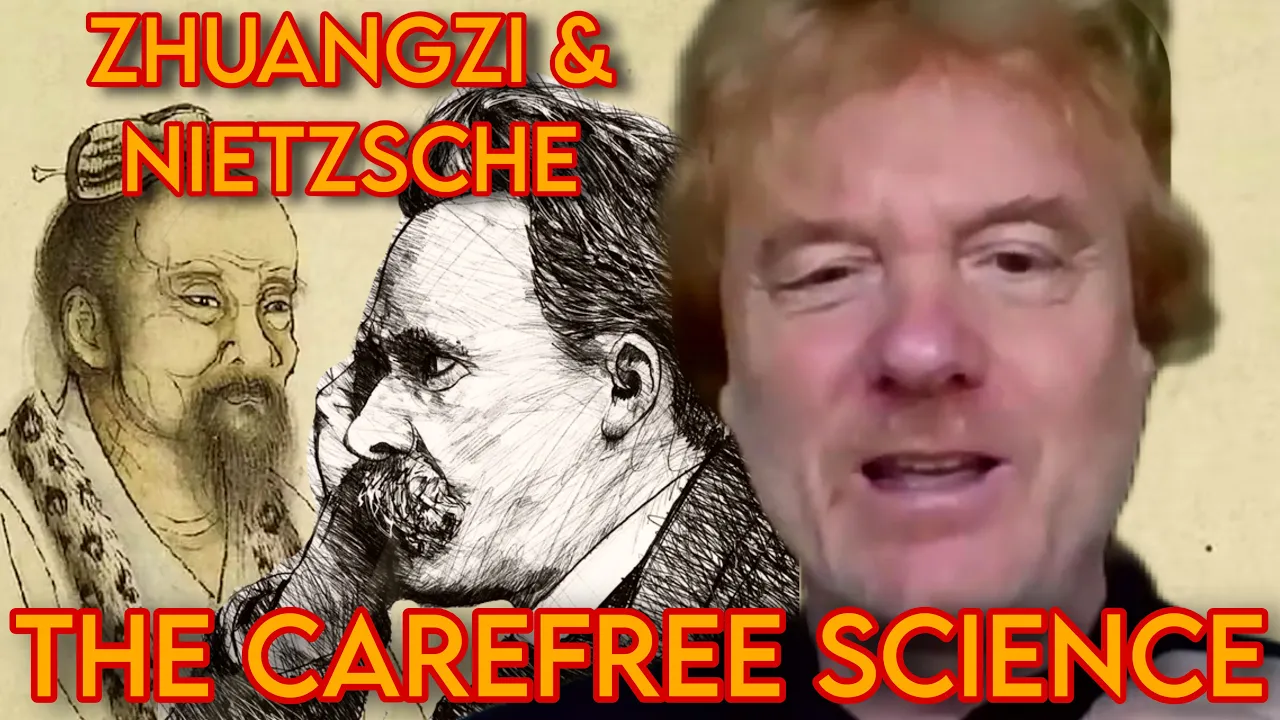

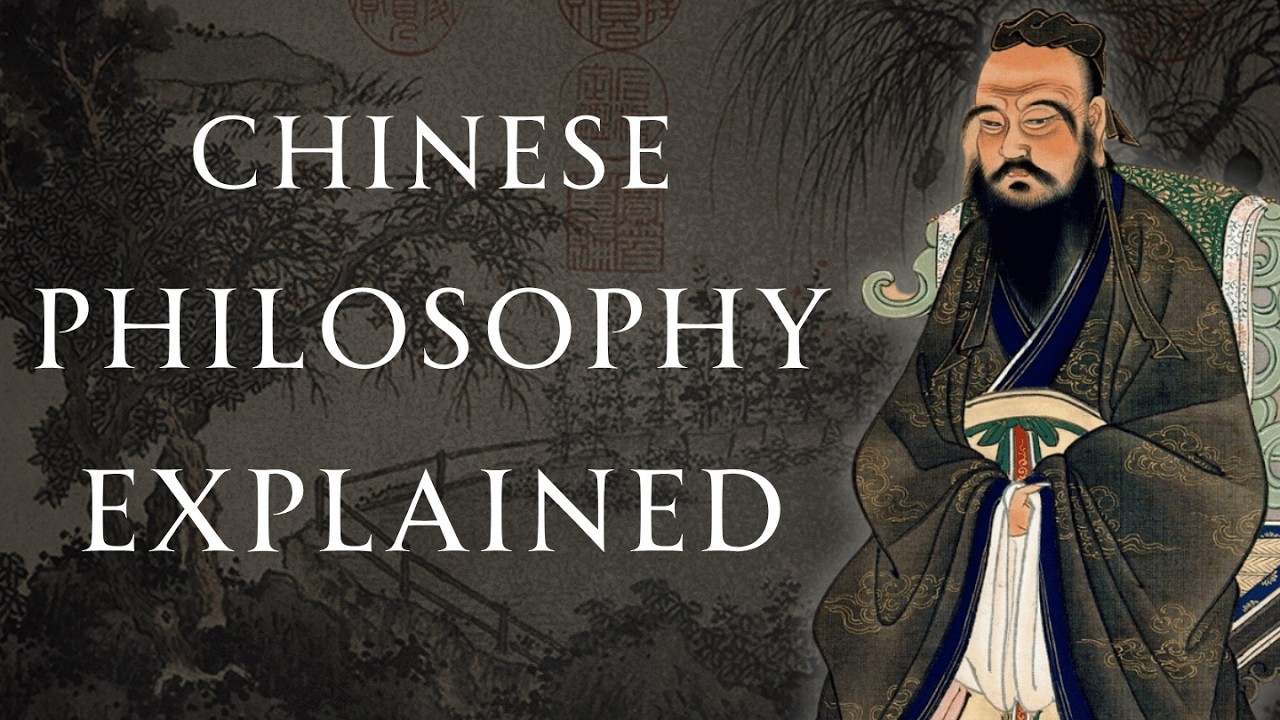








Zhuangzi (c. 369-286 BCE), a pivotal figure in Daoism, challenged conventional wisdom through paradoxical stories and skeptical inquiry, arguing that ultimate truth transcends language and conceptual frameworks; he taught that true wisdom lies in embracing uncertainty, letting go of attachments to knowledge, status, and ego, and flowing with the natural order of the Tao rather than imposing human constructs on reality.
Zhuangzi: The Sage of Uncertainty and Daoist Philosophy
Added:An introduction to Laozi and the Daodejing (Tao Te Ching), the foundational text of Daoism.
The historical context of the Warring States Period in ancient China, which motivated the philosophical search for peace and harmony.
The basic conceptualization of 'Dao' (the Way) as an underlying cosmic principle in early Chinese thought.
A foundational awareness of Confucianism, as Zhuangzi's philosophy often serves as a playful critique of Confucian social conformity and ritualism.
A detailed textual analysis of major Zhuangzi allegories, such as 'The Butterfly Dream' and 'Cook Ding cutting up an ox.'
A comparative study of Zhuangzi's skepticism with Western philosophical traditions, such as Pyrrhonism or René Descartes' dream argument.
The historical synthesis of Daoism and Mahayana Buddhism that led to the development of Chan (Zen) Buddhism in East Asia.
The application of 'wu-wei' (effortless action) to modern psychological frameworks, specifically Mihaly Csikszentmihalyi's concept of 'flow state'.
429.2K views13.5Klikes24:50Original Release: 2020-12-13
taoism is a very rich philosophical and religious tradition it has been a huge factor in the chinese history and also lately in the more western world the most famous taoist text the dao de jing written by the probably mythical author laozi is a very popular and influential text today just as it was 2 000 years ago i have already dedicated a full video to exploring taoism and the early taoist authors to be exact but in this video i want to be a bit more specific and focus in on one of those most significant figures and texts not the more famous lao tzu and the dao de jing but another one of the most famous and influential figures and texts in taoism the ever fascinating [Music] dranzer this video is brought to you and sponsored by my wonderful patrons a few new ones of which have appeared in the last few weeks and i'm going to name them now i would like to thank ashfaq vegan panus panacion always sheikh dan hill be not afraid yeshua dalvin tanvir thank you so much and again thank you to all of my patrons and supporters i will leave a link to my patreon page in the description for anyone who wants to join our patreon community aside from the dao de jing the text known as the dranzer is probably the most important and influential book in all of taoism it is named after its author who thus is also named dranzer well his actual name was actually drawn joe johnson meaning literally master jung we don't know a whole lot about his life though he probably lived between the 4th to 3rd centuries bce during the so-called warring states period in chinese history some scholars have suggested the dates of circa 369 to 286 bce for his life but it's all very uncertain unlike lautz however master john was probably a real historical person and at least part of the text named after him was most likely his own composition as i said he was born during the very tumultuous warring states period after the fall of the western joe empire but before the unification of china under the later qin dynasty a very chaotic and divided time indeed but one that produced a whole lot of different philosophical schools and movements that would survive for a very long time afterwards it is indeed during this period that confucius presents his philosophical ideas of very strong ritualism and filial piety further also developed by his student mencius and which would become perhaps the most influential school of thought and philosophy in chinese history it is also this period that brought confucius's opponent moza who instead argued that confucius's strong emphasis on rituals and ceremonies was a useless waste of resources and instead favor the idea of an all-inclusive love of all human beings and a concern for their material benefit and and their rule under a kind of anthropomorphic god likewise it is this period that brought us the earliest taoist authors and philosophers including dranzer or master drawn he is a very obscure personality whose life remains much of a mystery to us but we do get some very basic information in a brief biography by asi machian where he tells us that dronse was a native of meng in the state of song which is presently henan province this biography also states that johnson at some point in his life served as a minor official but other than this he seems like a very obscure personality one who often seems to indeed laugh in the face of any authority and any claims to knowledge really from his own writings and from this biography partly we do get the image of a rather ascetic individual of a kind of wise madman who would wander around and challenge people assumptions about things not unlike the socrates of ancient greece or indeed of yoda in the star wars films in one story it is said that tronse was invited by a king to serve as prime minister to which drunzer just laughed in his face and said quote a thousand measures of gold is substantial profit and prime ministership is an exalted position indeed but haven't you ever heard about the ox offered in the official sacrifice he is generously fed for years and dressed in the finest embroidered fabrics so that he may one day be led into the great temple for slaughter when that day comes though he may wish that he were just a little orphaned piglet instead it is too late so scram you do not defile me i'd rather enjoy myself wallowing in the filth then let myself be controlled by some head of state whether this is a true story or not is of course very hard to say but if any of you have actually read the johnson you'll have to agree that this certainly fits with his wider personality and tone but our main interest regarding this man is not so much his obscure biography or life but rather the text that he left behind an incredibly influential text that has left its mark on the following generations named after its author the dranzer is a profoundly engaging funny and baffling piece of work it shares many themes and concepts with the other taoist classic the de jing but often expresses them in say rougher and very different ways as well as also introducing a lot of new very profound and striking imagery and and ideas now when we talk about the drone so as a book we are usually referring to 33 separate chapters or sections which have traditionally been compiled or considered to be one single volume and named the johns now today we have a bit of a different view of this the first seven chapters of the book are usually referred to as the inner chapters and this section is usually considered to be the work of master drawn himself it has a somewhat coherent style and its ideas seem to be consistent but the remaining chapters numbers 8 to 22 being called the outer chapters and the remaining 23 to 33 the miscellaneous chapters were according to most scholars today not written by dranza himself but rather by other later taoist authors who were inspired by him or perhaps by his disciples and probably within a range of about 150 years after his death but they can also be said to kind of represent the general themes and and style of this wider work but what does this text say well to put it simply it is an expression of that school of thought or philosophy that we would later come to call taoism now if you want a more thorough introduction and run through of the core ideas and concepts and teachings of taoism i suggest you watch my previous video on that subject but in brief terms taoism proposes that there is an essential principle called the tao meaning way or path which is at the center of all existence the tao is the way and flow of nature and of the universe it is a principle that cannot be understood or articulated it is sometimes conceived of as a oneness that encapsulates all things and hides beneath an appearance of multiplicity to the taoist the goal of life is to live according to the way of the tao the way of the way so to say by the practice of wu which means effortless action or inaction or in other words to neglect our individual wills ourselves and to live spontaneously according to the tao and its natural flow there are many different books of taoism like the dao de jing and the lietz but the dronts in particular is so fascinating because the it's so baffling and so eclectic in its language and it's imagery the text is sometimes almost completely indecipherable at other times it is profoundly intellectually engaging and at other times it's hilarious in its very humorous and comedic stories but most of the time it is all of these things at the same time which is again what makes it so interesting to read in the words of brook siporin quotes it is precisely draunce's humor that is beautiful his beauty that is profound and his profoundity that is comic one of the core features or ideas of the dronzer is his very skeptical attitude towards knowledge or certainty in many sections he expresses the impossibility of reaching certainty on any matter preferring instead to not ask any questions but to just remain quiet he even affirms that what he is saying is ultimately a compromise because words can never represent reality in a very famous section johnson tells of a dream he had where in the dream he was a butterfly but after waking up from this dream he finds himself in confusion quote suddenly he awoke and there he was the startled john joe in the flesh he did not know if joe had been dreaming he was a butterfly or if a butterfly was now dreaming it was joe another famous section which expresses similar tendencies is when johnson is walking with a friend called huizu and sees a group of fish in a pond quote dranzer and huize were strolling along the bridge of the howe river drances said the minnows swim about so freely following the openings wherever they take them such is the happiness of fish wheats said you are not a fish so whence do you know the happiness of fish drances said well you are not i so whence do you know i don't know the happiness of fish wheat said i am not you to be sure so i don't know what it is to be you but by the same token since you are certainly not a fish my point about your inability to know the happiness of fish stands intact drantzy said let's go back to the starting point you said whence do you know the happiness of fish since your question was premised on your knowing that i know it i must have known it from up here up above the howe river what drance is doing here is in a way responding to the philosophers who came before him like confucius and moza all of these philosophers had claimed a dao or way of their own the word dao at this time was used in various ways but partly as a way of denoting a certain you could say school of thought or a way to truth or to structure society so all of the philosophers like again confucius and mozu had their own dao their own truth or their own way to truth johnson and the other taoist authors are responding to this by basically turning the idea of the dao on its head they ironically instead turn it into something that is completely free of rules and guidelines in other words the very opposite of the traditional meaning of the word tao tao is instead this ineffable thing that indeed is the truth but a truth that is indescribable beyond comprehension and yet at the core of all being in another comical yet profound section quote this is also that that is also this that posits a this and a that a right and a wrong of its own but this also posits a this and a that a right and a wrong of its own so is there really any of that versus this any right versus wrong or is there really no that versus this when this and that right and wrong are no longer coupled as opposites that is called the course or now as axis the axis of all courses what dranzer is doing here is collapsing the distinction between right and wrong which creates what at least appears at first glance like a kind of moral nihilism but what is also hiding here is a very profound statement about the nature of the tao and of reality at large to him the tao is one and yet it is the essence of everything that is everything is the dao in a sense and so by that logic everything is one and this is in fact one of the again one of the main themes that we occur in this text is the idea or the the statement that everything is one thus all multiplicity or apparent multiplicity in the world only come about through false association when two people have an argument say confucius and moza one person believes that he is right and that the other person is wrong but to dronesu none of them is right and both of them are also right at the same time in reality neither of them even exist as individuals but only as different expressions of the one tao so when the difference between me and you or this and that to use his own words when when these distinctions are destroyed there's no longer any room for right or wrong instead the only thing remaining is the dao which is expresses itself in different tones and in different melodies now this idea of the underlying oneness of the tao and thus of the world is expressed very beautifully in one of the opening sections of this book here the dao is described as the wind which blows here and there and when this wind travels through different holes and holes of different sizes and shapes it makes various sounds as the wind does the shape and the size of the hole is what determines the sound the wind makes and these sounds thus can be said to be all of the ten thousand things existing in the universe as the taoist expresses it in other words this means you and me and everything else in existence it is in fact the emptiness of the holes which makes them distinct and creates the sound but at the same time everything is really just the wind itself which expresses itself in different melodies again quote a light breeze brings a small harmony while a powerful gale makes for harmony vast and grand and once the sharp wind has passed all the holes returned to their silent emptiness but this is just the tip of the iceberg of what transo has to offer us there are tons of different stories in the dronse which are often very humorous but also expresses and some of the the main points and ideas of his philosophical thought he advises us to live according to the tao which means to not be attached to things in the world to be detached from our own selves our ego and from the happenings the things that happen to us and that happened in the world generally this means to not even be attached to knowledge of any kind because any knowledge will be based on well language and concept and language can never express reality as it actually is there are many sections where the idea of attachment or detachment are expressed in in some of these various stories in one section for example from the outer chapters it is told how draunce's wife died and his friend again huitsu came to visit him to give his condolences but as he approaches trump so he finds him sitting seemingly very happy banging on a drum ritzy is shocked by this and asks quote you lived with her she brought up your children and grew old said tweets it should be enough simply not to weep at her death but pounding on a tub and singing this is going too far isn't it so drawn sir drops this bomb quote you're wrong when she first died do you think i didn't grieve like anyone else but i looked back to her beginning and the time before she was born not only the time before she was born but the time before she had a body not only the time before she had a body but the time before she had a spirit in the midst of the jumble of wonder and mystery a change took place and she had a spirit another change and she had a body another change and she was born now there's been another change and she's dead it's just like the progression of the four seasons spring summer fall winter now she's going to lie down peacefully in a vast room if i were to follow after her bawling and sobbing it would show that i don't understand anything about fate so i stopped life and death is a natural part of life it is the way of the tao death is not the end of anything just as birth is not the beginning it is all just a part of the constant change and transformation that is taking place in the universe this is of course similar to the buddhist idea of impermanence and would be foolish to attach ourselves to things that are perpetually changing and which are impermanent a similar sentiment is expressed over drunces own death in another section and i think i'll just quote you the whole thing here quote dranzer was dying and his disciples wanted to give him a lavish funeral john said to them i will have heaven and earth as my coffin and crypt the sun and moon for my peri jades the stars and constellations from my round oblong gems all creatures from my tomb gifts and pallbearers my funeral accountants are already fully prepared what could possibly be added but we fear the crows and vultures will eat your masters have they drances said above ground i'll be eaten by crows and vultures below ground by ants and crickets now you want to rob the one to feed the other why such favoritism how can you not love this guy and this is indeed a recurring theme in the book to detach from the world in our limited self and see the world and the universe from the bigger picture in the grand scheme of things the death of johnson's wife is only one transformation just one more thing that changes in this this flowing this unfolding of of creation or this unfolding of the tao and its flow it's just another expression of the dao doing its natural thing but also notice how johnson says that when initially when his wife died he did weep like any second person would so he's not denying the legitimacy of human emotions it's a bit more nuanced than that of course but this means that he advocates a simple life one free of association with things like rulers or scholars but in complete spontaneity flowing like water or riding the wind of the dao and another famous and humorous story dranza tells of a man who runs into this very big and ugly tree he looks at this tree and he sees that the branches are all twisted the trunk of the tree is is cut or it's it's just a bad tree that cannot be used to build anything not a coffin and no table nothing at all and so the man deems this tree to be useless but then the story turns around or it's turned basically on its head when the author claims that it's because the tree is ugly and and useless that it has survived for so long because think about the other trees the good trees the beautiful the fine trees all of those trees have been cut down to be used to build various things but because this tree was so ugly no one has cut it down and thus it has survived much longer than all the other trees quote this is the trouble that comes from being worth something in the expiation ceremony cows with white spots pigs with upturned snouts and humans with hemorrhoids are considered unfit to be offered as sacrifices to the river god all shamans know this and thus they regard these creatures as a being of bad fortune but this is exactly why the spirit man regards them as creatures of very good fortune indeed these are all humorous quotes of course but what they are saying applies to human beings as well it is better to be ugly and undesirable it is better to not try to be pretty or virtuous or knowledgeable because it is those people who get used and who are ultimately confused it is through not being virtuous or not trying to be virtuous that true virtue is achieved it is through uselessness that one becomes truly useful again dronsa asks us to go beyond the illusory world of appearances of multiplicity and things like status and fame the scholars who try to figure out the truth only get lost in the ego of their own languages by trying to grasp the truth with words they are only straying further away from it this is why he used so many paradoxes and humorous stories and parables to point out the uselessness of trying to articulate things in that way everything is fundamentally one and is always changing according to the flow of the tao and the true sage lives and acts accordingly as you can see there's a whole lot going on in this book johnson is a notoriously difficult writer and it's almost impossible to pin him down is he a mystic is he a philosopher is he a skeptic a nihilist a relativist is he a theist or an agnostic is he maybe all of the above we should probably look at all of these different interpretations as a conscious effort on the author's part he wants to collapse the common idea we have of knowledge and what we think that we know he uses language to in a weird way to really go beyond language in the end the johnson has since its composition become an immensely important and influential piece of literature for the entire history of chinese philosophy and religion there's a whole ocean of different scholars and people who have written commentaries on it from neo-confusion thinkers to later taoists and also by many zen buddhists all of whom have taken great inspiration from this very old and ancient text the drawn sir together with the dao de jing and the lietz serve as the foundational scriptures for all of taoism and thus by that fact they are some of the most important pieces of literature in the intellectual history of the world even today master drawn baffles and inspires us with his very bizarre imagery even for those of us who don't know chinese and thus can never fully grasp the word play and very creative uses of language that he employs in this book even in translation it is a very intellectually engaging text in various ways anyone who's interested in taoism or chinese philosophy or religion or really in the intellectual history of the world generally should not pass on this book it's really a classic that should not be missed the words of this wise mad man echoes across millennia and still resonates today and that in itself is testament to the profanity of the text that he wrote i'll see you next time [Music] you
Up Next
58:32
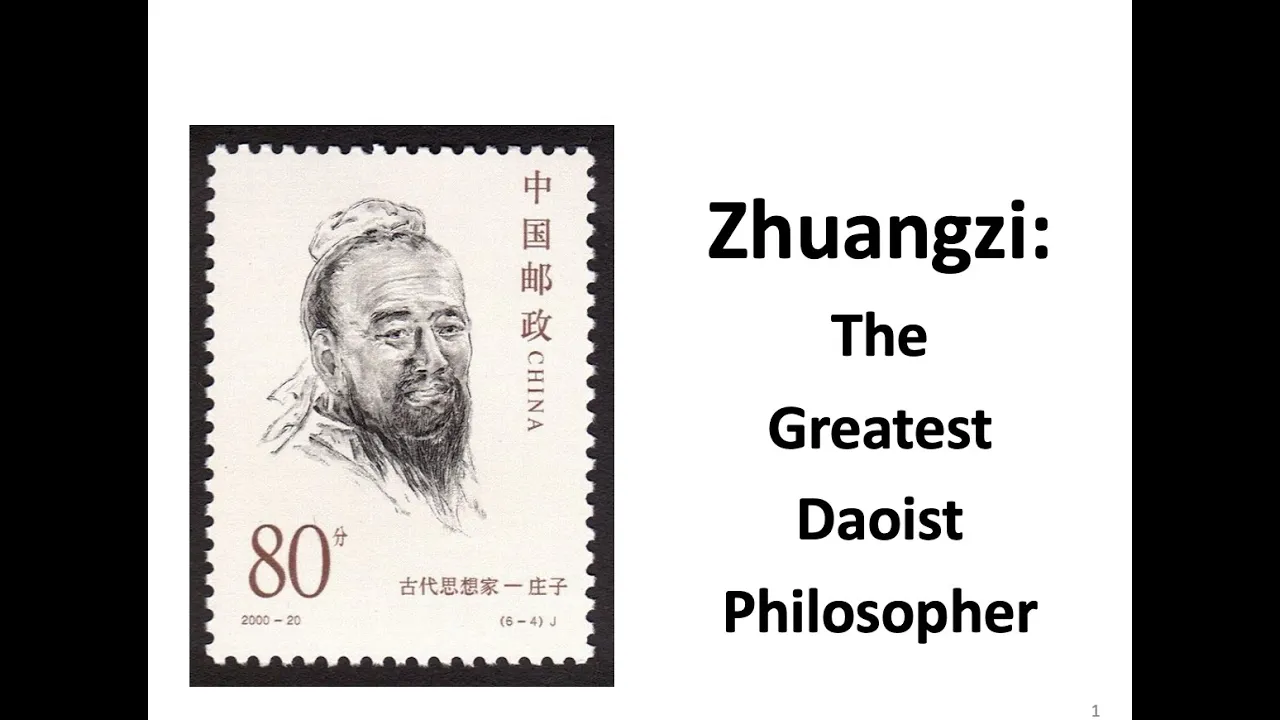
Zhuangzi: Daoist Philosopher on Relativism and Mysticism
@BryanVanNordenPhilosophy
24.9K views•2021-02-05

164:01
John of Damascus on Holy Images: A Theological Defense
@BannedBooks
139 views•2026-04-25

68:32
Should We Destroy the Machines? Big Tech Surveillance Critique
@TheStoriesWeTell303
167.9K views•2025-11-30
4:57
The Myth of Sisyphus: A Greek Legend of Eternal Punishment
@TEDEd
8.6M views•2018-11-13
Related Study Plans & Knowledge Roadmaps
Structured learning paths in Philosophy
philosophy
Frankfurt School: Critical Theory & Culture
01Foundations of the Frankfurt School and Critical Theory
02Horkheimer & Adorno: The Critique of Instrumental Reason
03The Culture Industry and Mass Deception
+ 2 more learning modules
12h5 modules
Explore Roadmap
philosophy
Philosophy of Language: From Frege to Austin
01The Linguistic Turn: An Introduction to Language in Philosophy
02Gottlob Frege: Sense and Reference
03Early Wittgenstein: The Picture Theory of Meaning
+ 3 more learning modules
15h6 modules
Explore Roadmap
philosophy
Feminist Epistemology: Standpoint & Injustice
01Introduction to Epistemology and Feminist Critiques
02Sandra Harding and Standpoint Theory
03Donna Haraway and Situated Knowledges
+ 2 more learning modules
12h5 modules
Explore Roadmap
philosophy
Environmental Philosophy: Ethics & Deep Ecology
01Foundations of Environmental Ethics & Anthropocentrism
02Biocentric Individualism and Animal Liberation
03Ecocentric Holism and Deep Ecology
+ 1 more learning modules
10h4 modules
Explore Roadmap