


![Física - Repaso definitivo [2020] | San Marcos - UNSA - UNA](https://i.ytimg.com/vi/uq0C7K9LBtI/maxresdefault.jpg)







![Nondimensional numbers and Similarity [Aerodynamics #4]](https://i.ytimg.com/vi_webp/29a9e_xI9Jg/maxresdefault.webp)
![[Fluid Dynamics: Physical Modelling] Reynolds Similitude, P2: wind tunnel tests and examples (2/2)](https://i.ytimg.com/vi_webp/-9NvoAIhMq0/maxresdefault.webp)







Wind tunnels are aerodynamic testing facilities that force air across objects to study their aerodynamic properties; they consist of several key components including a fan to push air, turning vanes to straighten flow, a settling chamber with honeycomb structures and screens to reduce turbulence and swirl, a contraction to increase flow velocity before the test section, and a diffuser to slow the air down again, with the goal of achieving low turbulence intensity, uniform flow velocity, and thin boundary layer at the test section.
How Wind Tunnels Work: Components & Design
Added:Basic principles of fluid dynamics, specifically Bernoulli's Principle and the Continuity Equation, which govern pressure and velocity changes in fluid flow.
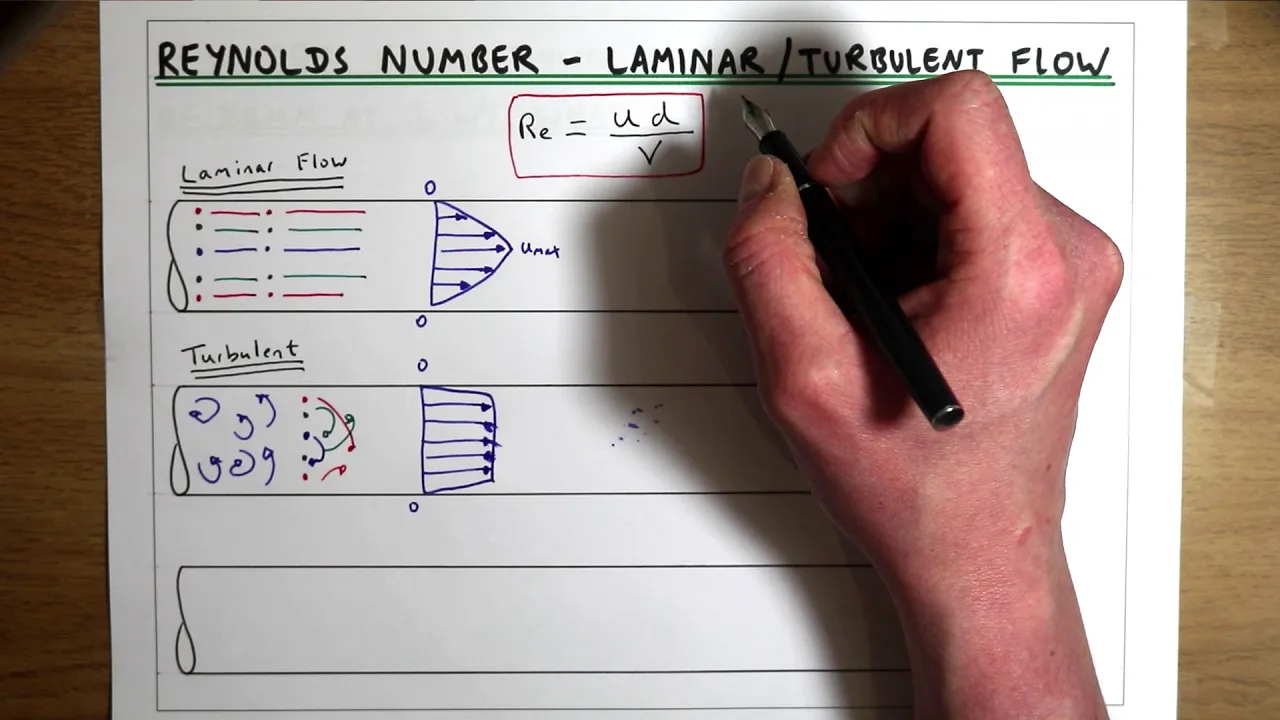
The distinction between laminar and turbulent flow regimes, and the significance of the Reynolds number in characterizing flow behavior.
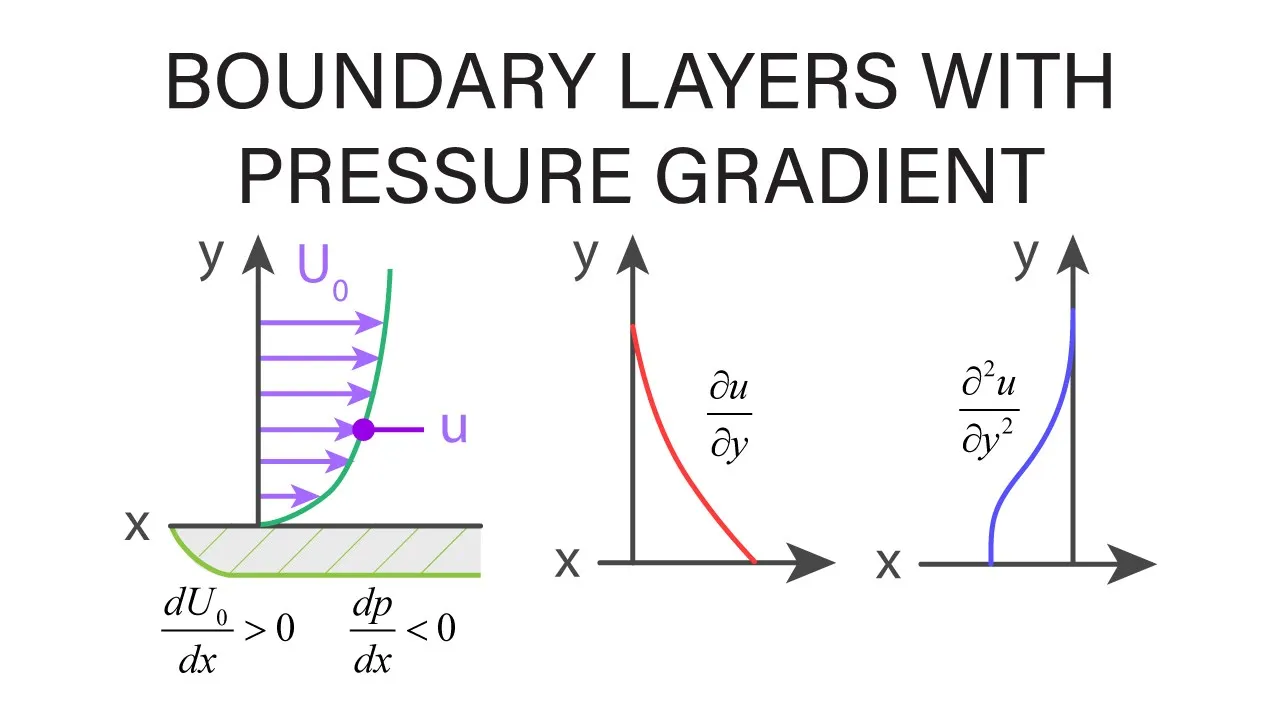
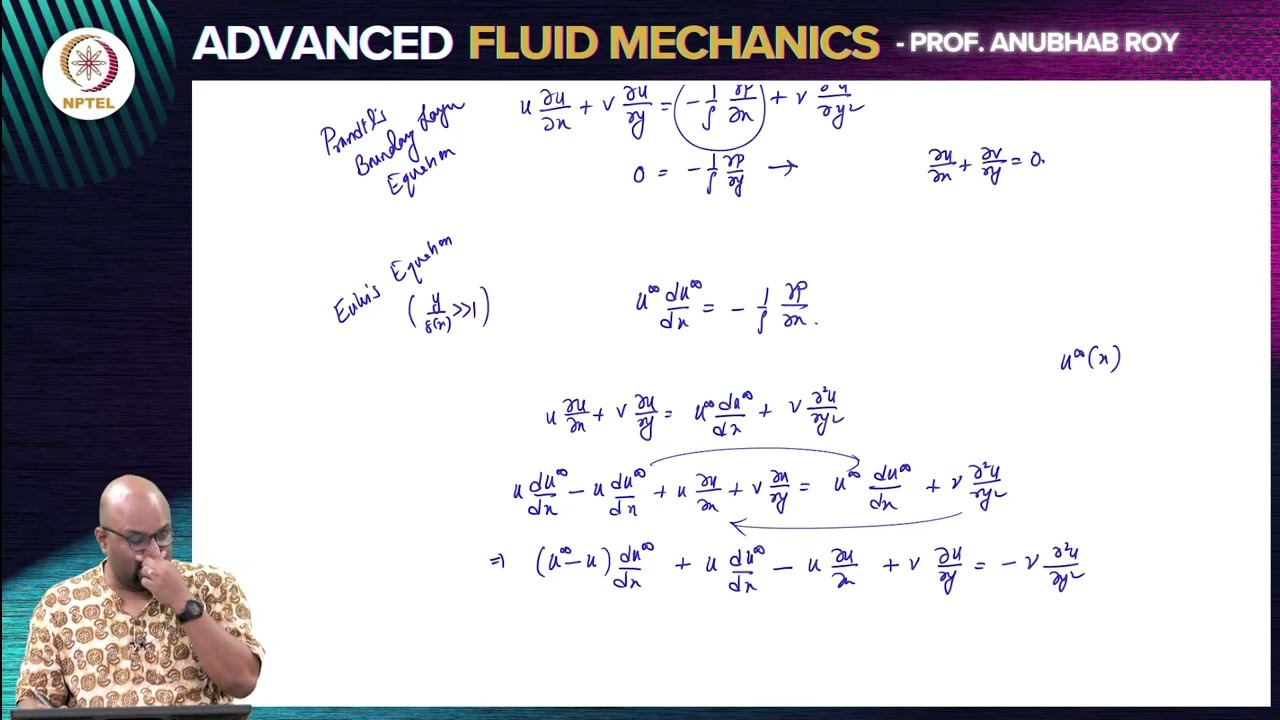
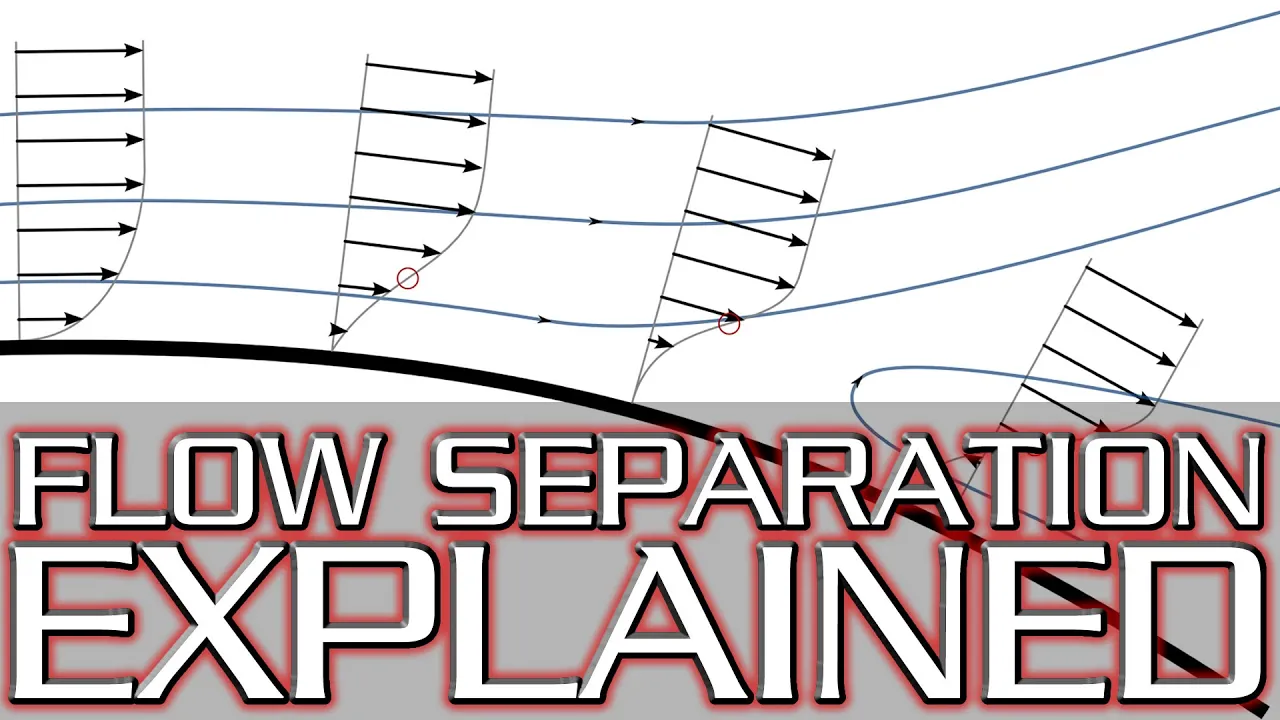
Boundary layer theory, including how boundary layers grow along surfaces and the mechanics of flow separation in adverse pressure gradients.
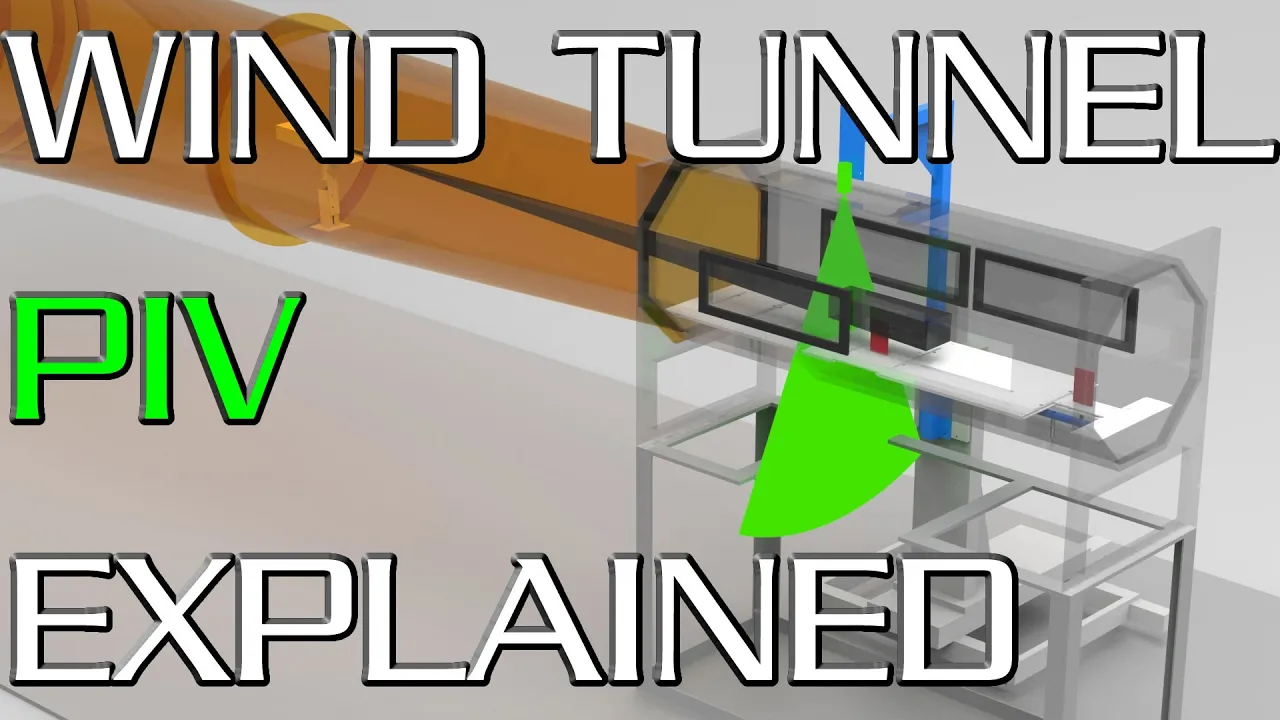
Wind tunnel measurement techniques and instrumentation, such as force balances, pressure probes, and Particle Image Velocimetry (PIV).
Principles of aerodynamic scaling and similarity (Reynolds and Mach scaling) to accurately relate scale-model test data to full-scale flight conditions.
Wall interference and blockage corrections, which are mathematical adjustments needed to account for the physical constraints of the wind tunnel walls.
The integration of physical wind tunnel testing with Computational Fluid Dynamics (CFD) for design validation and hybrid aerodynamic testing.
54.3K views1.1Klikes3:45Original Release: 2020-12-01
hi my name is water emery and i'm the founder of air shaper in this first video in our series on how wind tunnels work we'll study the basic layout of a low-speed aerodynamic wind tunnel but first a bit of history winters were invented in the late 19th century and even the wright brothers used a simple version of it to study basic shapes for the right flyer the first plane ever the principle of a wind tunnel is quite simple use a single or multiple fence to force air across an object to study its aerodynamic properties in an open return tunnel the air is drawn from the environment in which the tunnel is located this type of wind tunnel is typically cheaper to construct and it doesn't suffer too much from exhaust or smoke gases accumulating on the inside it is however quite expensive to run as you constantly need to accelerate fresh air from standstill to the velocity that you need and it's also more difficult to obtain a good flow quality as the air needs to curve into the inlet and with an open exit it can become quite noisy too then there's the closed return tunnel in which the exit air is being fed back into the inlet this design is much more energy efficient as the fan only needs to overcome the losses in the circuit and it's a lot quieter too and has a potential for a higher flow quality downsides are because the air circulates it can heat up quite a lot sometimes even requiring cooling and smoke and exhaust gases can accumulate inside whichever return type you go for it's very important to have good flow characteristics at a test section typically the goal is to have low turbulence intensity a uniform flow velocity and a thin boundary layer let's have a look at the typical components of a wind tunnel and how they're set up to achieve this first the fan pushes the air forward as the air hits the first corner it goes through a set of turning veins which help to straighten the flow and reduce the pressure losses after the last corner the air hits the settling chamber where it first needs to go through a honeycomb structure this is basically a set of tubes that force the air to move in a parallel way to reduce the swirl after exiting the honeycomb the air needs to pass through a number of screens which are composed of wires interwoven together to form a square or rectangular mesh this mesh imposes a static pressure drop to the flow which is proportional to the square or the velocity and this will penalize velocities higher than the average and will boost velocities which are below the average this helps to reduce variations in longitudinal flow velocity also the screens help to break up large eddies into smaller ones which decay faster now as you may have noticed the cross-section of all these components except for the test section is quite large one of the reasons for this is that this large cross section reduces the flow velocity which in turn reduces the pressure losses in the system but you still need a high flow velocity in the test section so just before the air hits the test section coming from the settling chamber there is a contraction that will help to speed up the air and further improve the flow quality and after it exits the test section it's the opposite scenario in the diffuser it will slow down again just before it hits the fan so that was it for our first video in our series on how wind tunnels work stay tuned for more because we'll be discussing measurement techniques sizing issues and many more if you liked the video please click the like button and drop an interesting comment to start a discussion and stay tuned for the next one thanks for watching see you soon bye
Up Next

25:46
Wind Tunnel Contraction Design: Shapes and Performance
@PremierAerodynamics
680 views•2022-09-03
30:32
Ultrasonic Transducers: Resonant Frequency Measurement and Horn Design
@imajeenyus42
229.9K views•2017-02-22
54:16
Polymer Environmental Degradation: Mechanisms & Stabilization
@iit
1.8K views•2012-07-10
33:39
How a Student's Question Saved a NYC Skyscraper from Collapse
@veritasium
22.8M views•2025-04-26
Related Study Plans & Knowledge Roadmaps
Structured learning paths in Engineering
engineering
Building Acoustic Levitators: Physics & Arduino
01The Physics of Sound and Standing Waves
02Piezoelectric Transducers and H-Bridge Drivers
03Arduino Programming: Generating 40 kHz Signals
+ 2 more learning modules
14h5 modules
Explore Roadmap
engineering
Building Peltier Cloud Chambers: Particle Tracks
01Cosmic Rays & Cloud Chamber Physics
02Thermoelectric Cooling (TEC) Fundamentals
03Custom Liquid-Cooling Loop Design
+ 2 more learning modules
18h5 modules
Explore Roadmap
engineering
Yagi-Uda Antennas: Modeling, Build & VNA Test
01Introduction to RF and Antenna Fundamentals
02Yagi-Uda Antenna Design Principles
03Antenna Modeling and Simulation in 4NEC2
+ 2 more learning modules
18h5 modules
Explore Roadmap
engineering
ECG Monitor Design: Op-Amps, Filters & Noise
01Electronics & Breadboard Basics
02Op-Amps and Instrumentation Amplifiers
03Bioelectricity and ECG Fundamentals
+ 2 more learning modules
18h5 modules
Explore Roadmap