
























Philosophical anarchism is a position in political philosophy that challenges the moral authority of the state, arguing that political institutions lack the ethical foundation to create binding moral duties for citizens; instead, individuals have a duty to act according to their own moral compass, and when state commands conflict with personal ethics, one should obey their conscience rather than the state.
Philosophical Anarchism and the Puzzle of State Authority
Added:The core principles of Social Contract Theory (such as those proposed by Hobbes, Locke, and Rousseau) regarding the origin and legitimacy of state power.
The distinction between 'de facto' authority (power maintained by coercion or force) and 'de jure' authority (legitimate moral right to rule).
The concept of political obligation, specifically the philosophical question of whether citizens have a moral duty to obey the law simply because it is the law.
Immanuel Kant's concept of moral autonomy, which posits that individuals must act according to their own rational moral judgments rather than external commands.
Major philosophical responses to Robert Paul Wolff's puzzle, such as John Rawls's 'principle of fairness' or arguments defending democratic authority.
The distinction between 'philosophical anarchism' (the theoretical belief that states lack legitimacy) and 'political anarchism' (the active movement to dismantle state structures).
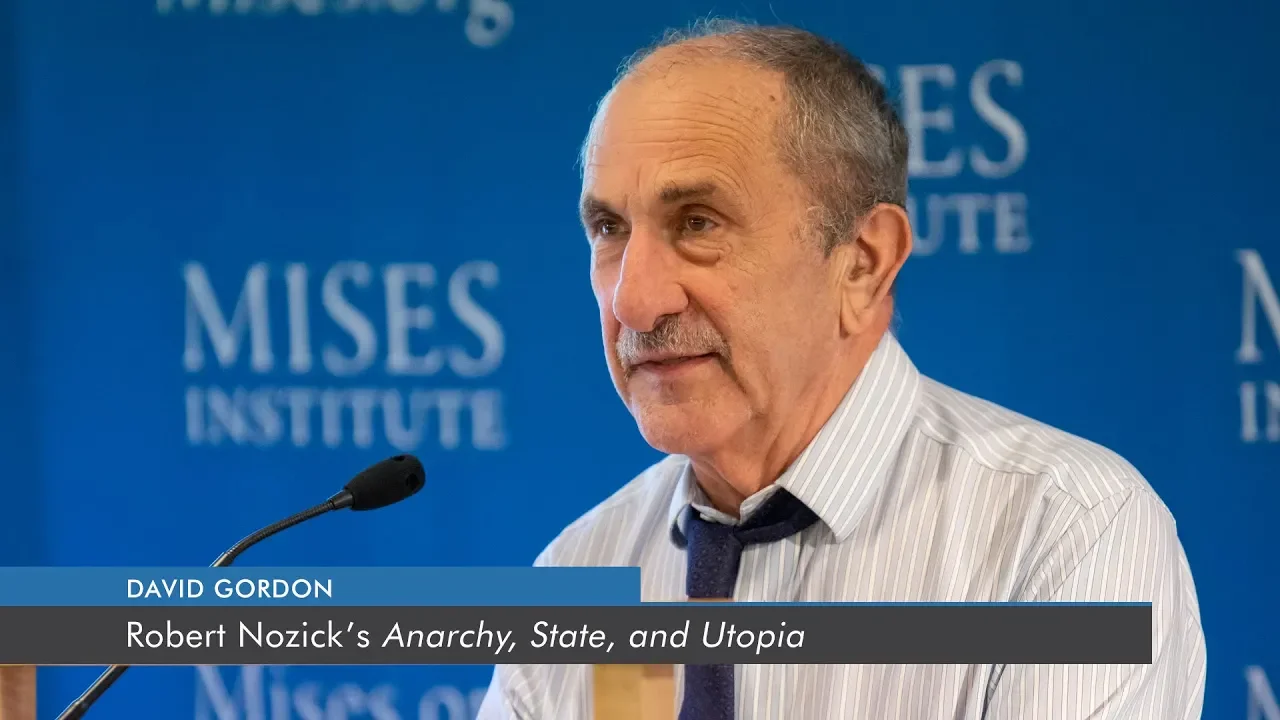
Robert Nozick's 'Anarchy, State, and Utopia' and how Nozick attempts to justify a minimal state starting from anarchist assumptions.
The ethics of civil disobedience and conscientious objection, exploring how individuals navigate conflicts between state laws and personal moral duties.
15.9K views441likes4:48Original Release: 2016-11-13
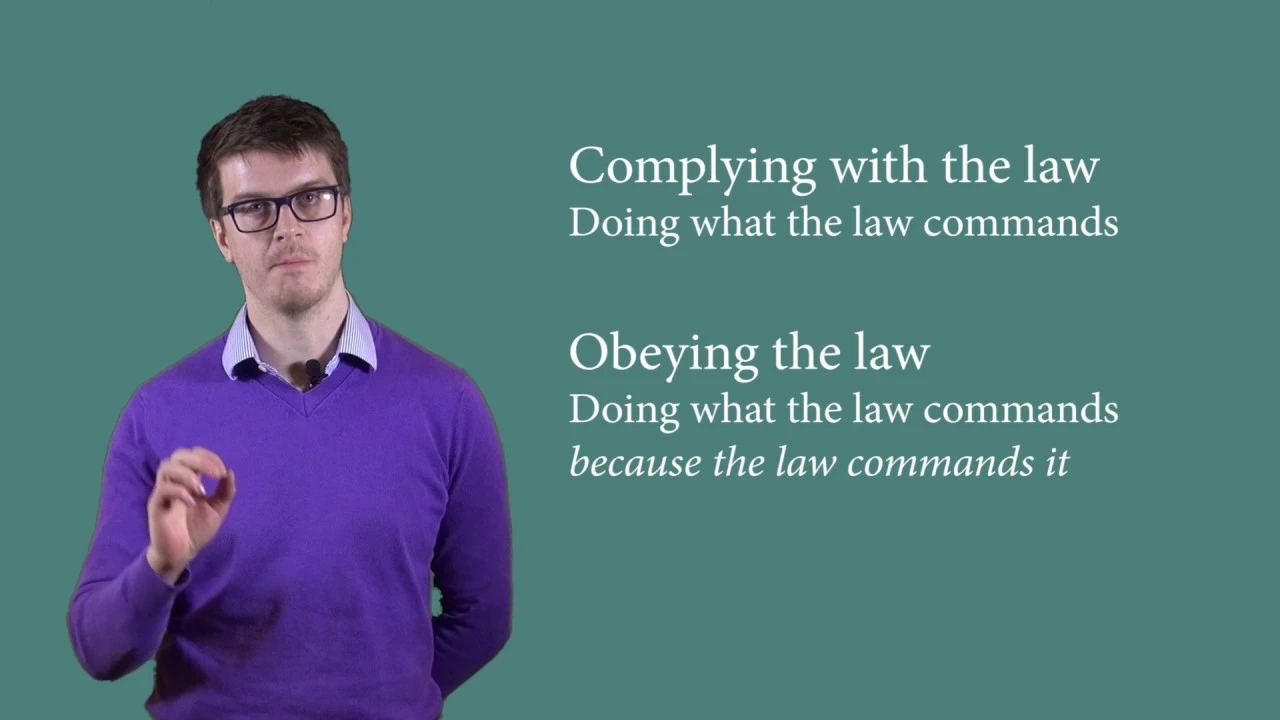
welcome back to carneades.org today we're going to be continuing our series dumbfounding definitions dizzying distinctions and diabolical doctrines a series sorting through some of the jargon of philosophy in this video we're going to be answering the question what is philosophical anarchism and the puzzle of authority well now let's take a look so one of the central questions in political philosophy asks where does the authority of our political institutions come from many of us take for granted that you should follow the law but where does that should really come from where do you get the moral Authority being a political institution to prescribe things for ordinary citizens does it come from the consent of the Govern does it come from divine right as some Kings may claim that it does does it come from natural law the philosophical Anarchist does not think that political institutions have authority at all basically they're saying it doesn't come from any of those things because they don't have authority in the first place or to be more specific they lack the belief that we have an ethical duty to follow the commands of the state or they do not claim that we have a moral obligation to obey the state now before you think of this in terms of General anarchists you should understand this doesn't necessarily imply kind of the usual chaos that one might associate with anarchists the philosophical Anarchist does not necessarily claim that the state is evil or it should be abolished and they surely don't claim that violence should be taken against institutions of the state though other anarchists May merely that it lacks the moral authority to rule that if you break the law you're not necessarily doing something wrong a philosoph iCal Anarchist might for example judge all of the laws of the state to be just or correct and therefore obey them but not because the state made them but rather because they're aligned with the philosophical Anarchist personal moral compass if the state were to make a law which disagreed with that Compass the philosophical anarchists would not claim that they have a duty to obey it to give a little bit of justification for this and to understand the puzzle of authority let's take a look so it was proposed originally by Robert Paul wolf and effectively claims that we have a duty to be morally autonomous in other words to act in accordance with our own moral compass and assess each situation individually basically what we're saying is that you have a duty to act however you feel is ethically right if you you act against your own moral compass you're doing something wrong that that action could be considered wrong because it's against your own moral compass but this Duty seems to directly conflict with the duty to obey commands from Authority regardless of their content because as we noted even though it might be the case that the authority only gives you commands that you already agree with if the authority gives you a command that you disagree with with then that seems in direct conflict with your duty to have moral autonomy if an authority tells us to do one thing but our conscience tells us to do another what should we do is the basic question here if the state tells me it's good to do X and my conscience tells me it's good to do y what should I do if X and Y are in Conflict what's morally right according to Wolf and the philosophical anarchists we must obey our our own morality and doubt the authority of state now as a skeptic I could be technically classified as a philosophical Anarchist not because I think that my morality is better than the states but because I'm skeptical of morality to begin with and the official definition aligns more with just lacking the belief that the state has moral Authority I lack any beliefs so of course I'm going to lack that belief as well what about you should you follow follow your own moral compass or do you have a duty to obey the state even when you disagree offer your answers to these questions in the comments below watch this video and more here at carneades.org and stay skeptical everybody
Up Next

4:57
Deep Ecology vs Shallow Ecology: Environmental Ethics Explained
@ryanhubbard3225
66.8K views•2019-03-07

164:01
John of Damascus on Holy Images: A Theological Defense
@BannedBooks
139 views•2026-04-25
6:07
Gottlob Frege: Founder of Analytic Philosophy and Modern Logic
@CarneadesOfCyrene
15.3K views•2016-12-08
4:57
The Myth of Sisyphus: A Greek Legend of Eternal Punishment
@TEDEd
8.6M views•2018-11-13
Related Study Plans & Knowledge Roadmaps
Structured learning paths in Philosophy
philosophy
Frankfurt School: Critical Theory & Culture
01Foundations of the Frankfurt School and Critical Theory
02Horkheimer & Adorno: The Critique of Instrumental Reason
03The Culture Industry and Mass Deception
+ 2 more learning modules
12h5 modules
Explore Roadmap
philosophy
Philosophy of Language: From Frege to Austin
01The Linguistic Turn: An Introduction to Language in Philosophy
02Gottlob Frege: Sense and Reference
03Early Wittgenstein: The Picture Theory of Meaning
+ 3 more learning modules
15h6 modules
Explore Roadmap
philosophy
Feminist Epistemology: Standpoint & Injustice
01Introduction to Epistemology and Feminist Critiques
02Sandra Harding and Standpoint Theory
03Donna Haraway and Situated Knowledges
+ 2 more learning modules
12h5 modules
Explore Roadmap
philosophy
Environmental Philosophy: Ethics & Deep Ecology
01Foundations of Environmental Ethics & Anthropocentrism
02Biocentric Individualism and Animal Liberation
03Ecocentric Holism and Deep Ecology
+ 1 more learning modules
10h4 modules
Explore Roadmap