


















![[FREE TRAINING] EMDR & Parts Work for Treating Complex Trauma](https://i.ytimg.com/vi/1NVcoY9dtkg/maxresdefault.jpg)

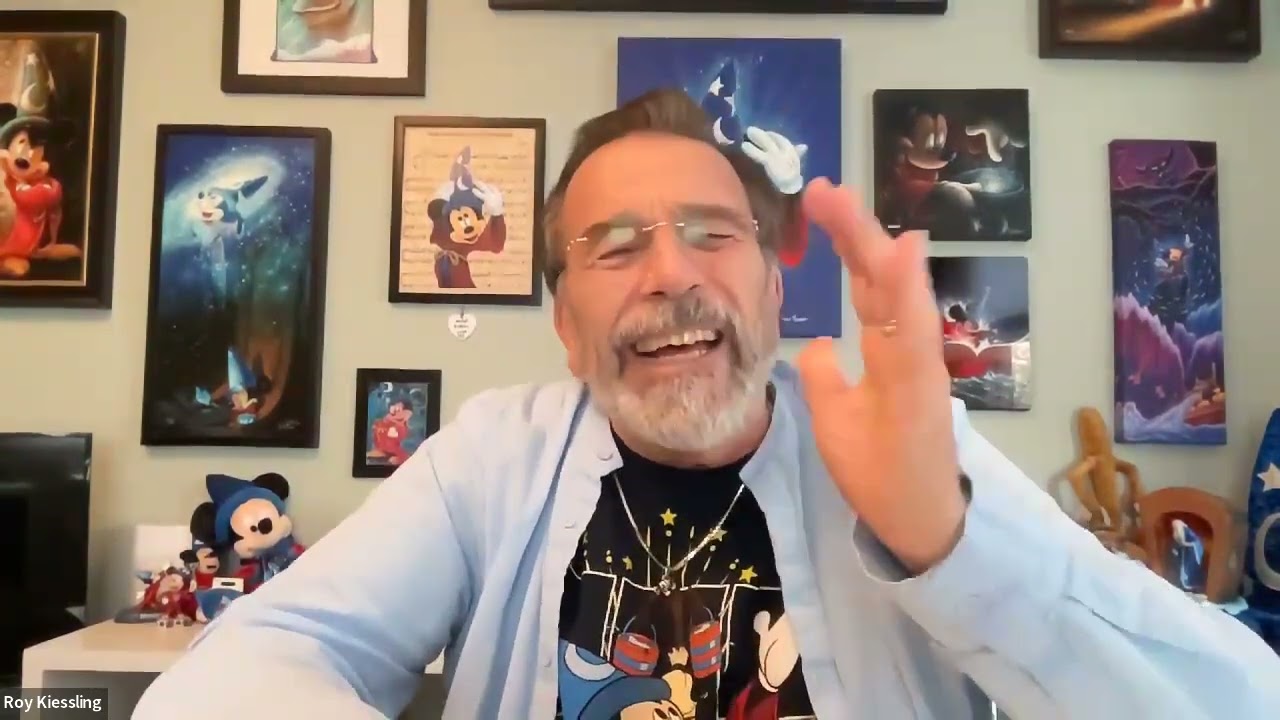

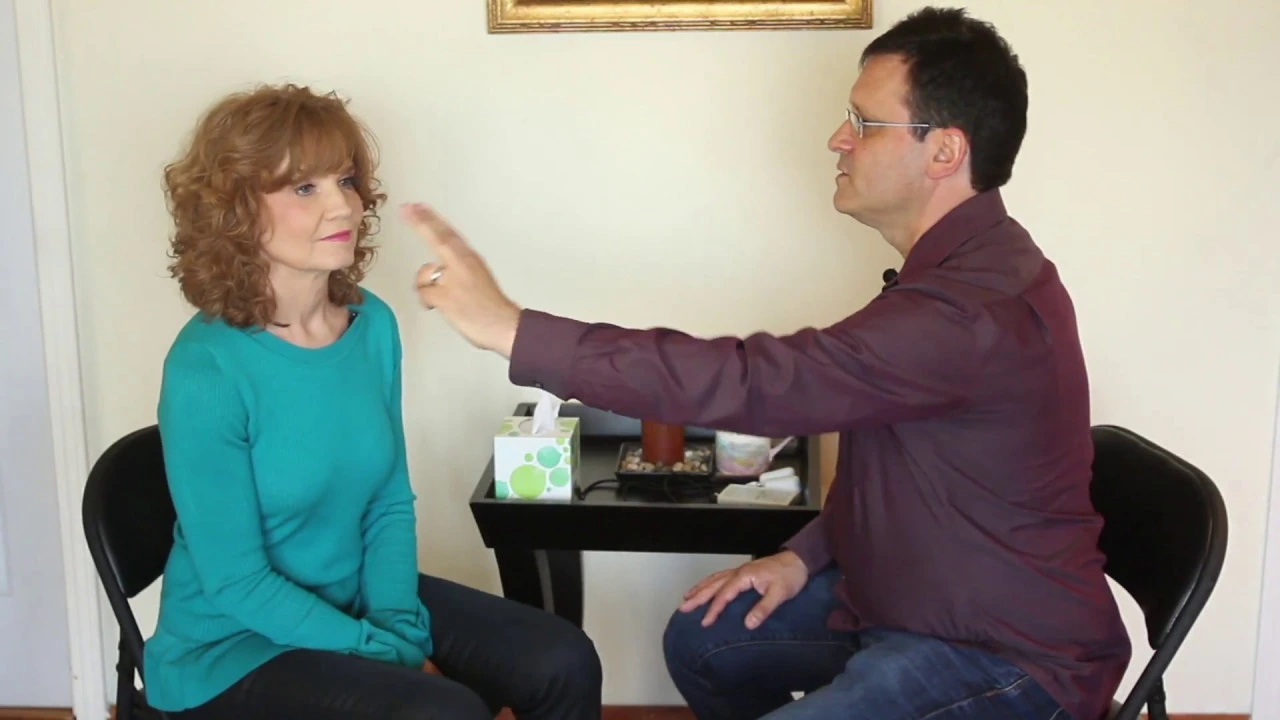
EMDR (Eye Movement Desensitization and Reprocessing) therapy is an eight-phase protocol for processing traumatic memories, demonstrated here through a single incident trauma case involving near-drowning at age six. The phases include: Phase 1 (History Taking), Phase 2 (Preparation), Phase 3 (Assessment), Phase 4 (Desensitization), Phase 5 (Installation), Phase 6 (Body Scan), Phase 7 (Closure), and Phase 8 (Reevaluation). Key components include establishing safety through breathing and visualization exercises, identifying the target memory and associated negative cognition, applying bilateral stimulation (eye movements, taps, or tones), and processing emerging thoughts and feelings until the negative cognition transforms into a positive one. The therapist guides the client to 'go with whatever you're noticing' during processing, allowing natural therapeutic insights to emerge.
EMDR Therapy Demonstration by Dr. Jamie Marich: Phases 1-8
Added:e okay I wanted to thank you for your willingness to uh join us today so what what's your initial kind of sense about being up here and how it's feeling um it's feeling fine I think I think I've had a little anxiety anticipatory to this I'm not I've never done this I'm not familiar with the technique um but I've worked on that before I got in the room and so I'm feeling really very comfortable with it okay anything you feel we need to do visually like I talked to you about to kind of put up a barrier between them and us I don't think so I think I'm just going to focus on you okay sounds good okay so uh for the sake of getting a little bit of History I know I screened you yesterday and I didn't mention this to the group that what you are seeing is a bit out of context in that the whole reason I even let her come up here is I'm pretty confident we can get get this done in a shorter period of time but if she were a client what you're seeing is likely three sessions of work kind of crammed into one here here cuz we may have spent a whole session doing the history slash clinical intake then a whole session just working on prep skills but a lot of why I brought her up here is I did a lot of the history yesterday when we screened and I have a pretty good assurance that she has a lot of prep skills already so we're going to just review them uh and we'll see where it goes okay so that being said uh working with this idea of History uh reminding you really throughout this process you can give me as much or as little detail as you feel you want to that's one of the things that defines EMDR is you don't have to get into this big long narrative about things but you know it's nice to check in it's nice for me to have a little bit of a sense of of where we're going with this work so to review from yesterday can you tell me a bit about the incident that it is you want to Target okay uh when I was about six years old I was out uh waiting in the ocean with my father okay and a wave knocked me down okay and I went underwater and I froze okay um the only thing I could think of to do was to raise my right hand and call for him MH not really effective when you're completely submerged okay so um the result of course as you can understand just I just had this inrush of water into my into me my lungs my my mouth everything um he did get the idea that I needed help and pull me up um and though the whole event still pretty pretty clear in my mind um and it's um it's been a barrier for me for for doing things like enjoying being in the ocean I've got I've made some huge steps recently I will say that um or I I grew up um not able to go in a swimming pool unless I had my feet on the bottom I'm not able to swim um get very anxious if I start getting that place where the water's rising and I just feel i' I've missed out a lot of things i' like to do and and do not have to wear you know a flotation belt to be in a pool sure you know I'd like to learn to swim so I can get some exercise there's just some things I'd like to do okay great so um I mean that gives me a pretty good go uh idea of what your goals are what you want to get out of doing this work which is which is an important part of this and I have enough of the memory that we can work with and just to affirm like we talked about yesterday um this is this is pretty single incident you're not identifying any developmental trauma any complex trauma issues so and that's one of the reasons I feel comfortable doing this demo style okay so let's review a little bit moving on to preparation um a bit about your coping skills so what do you use for what we've been talking about coping stabilization grounding tell me some of that I do a lot of um the breathing okay I I use mindful walking nice I I put myself through some not put myself that's not the way to say it I use that skill prior to my coming back in the room after lunch nice um stretching sort of some pressure points on my shoulders because I was feeling the tension come up here um and just trying to stay calm and watch my breathing and nice do you do any kind of visualization or no not as not as a routine no not as a routine no I've do that with clients but I've not done it for myself were you able to do the light stream that we did yesterday as a group I was so what I would like to do for this preparation is have you show me one of your breath strategies we'll do that first then I'd like to review the light stream exercise with you as a way to test out the the bilateral that we're going to be doing as part of the EMDR uh and then we'll also come up with a few other safety measures that if for example what you want to signal if you want to stop um we'll get there okay all right so let's uh let's start with the breathing so you can close your eyes or leave them open uh just come into a breath pattern that works really well for you and give yourself a couple sets to do that what are you noticing now I'm more calm more calm okay so just to orient you that is a question we use a lot in EMDR what are you noticing now so after I apply the stimulus it it's almost going to sound exhaust POS that I ask you that question what are you noticing now and it's intended that way to be very open-ended so whatever is there like you just said I'm calm it could be I'm seeing this image or I'm noticing this sensation so whatever is you're most aware of that's what I want and I'll help guide you to that through that if you have questions as we go okay all right so um let's go to I think it's awesome you did some mindful walking before this um that's a nice strategy you can take with you from the office so let's um let's go to that light stream imagery so I'll walk you through a couple points of it and then I'm going to use this as a chance to start testing out the bilateral stimulation so let's get a few things set before we even do that so the first thing we have to test is the distance so we'll start this with eye movements and if for some reason you can't track the eye movements we'll go over to tapping okay so tell me when it feels too close that's too close Okay is here good that's good that's good okay so let's just do a couple test sets to test the speed nice and I have the option to do them horizontally or diagonally okay were you able to track okay cool yes all right so let's come into the light stream and for the actual visualization Parts you can close your eyes or leave them open at a few intervals I'm going to invite you to to follow the fingers so you'll let me know when to open my eyes I'll let you know yep okay yep okay all right so take a moment and just allow that light that color to come into Focus maybe imagine it form at the top of your head and with your breath allow that light to begin moving either through your body or over your body whatever feels better for you and what are you noticing my heartbeat okay I can actually see in my eyes okay is that something what's that like for you it's nice to know it's beating okay it's it's calming it's calming it's comfortable all right so go ahead open your eyes and let's just notice that that my my heart is beating and it's calming nice deep breath staying with this idea of the light stream or the color stream begin to notice if there are any other sensory details is there a color you don't have to answer just these are just guidelines is there a color a texture a temperature maybe a sound or a smell warmth warmth all right let's notice warmth as you go ahead and follow my fingers breath and what are you noticing now relaxed relaxed all right let's do one more set to strengthen that relaxed breath so this light is available to us at any time if you want to stop while we're doing the processing on the target if we run out of time and we need to close the session down does this light feel like something we can come to that would help you kind of soothe again I think so yes all right any kind of Q name you want to put on it like my light my the you don't have to you can just say the light but some people like to name their light think pink think pink let's do one set here just with that think pink a nice deep breath all right nice work thank you so two other orientation things I want to cover the first is did you like the horizontal or did you think you might prefer the diagonal I think I like the horizontal horizontal okay and the other thing is I want to come up with the signal with you that might indicate I want to stop this this is too much it's more than I bargain for M now what's interesting is you held up the stop sign during the memory itself so I'm wondering if you can give me something else oh good point yeah interesting a different sign like Jamie this is too much I I want to come back to my light and a lot of people will tell us that they that they're done but some we like to have the signal there just to be safe would a gesture work yeah yeah yep we'll go with that if if you do need I don't want to repeat the other one because it's attached to it it is attached to it and I'll just clarify if I see you do this if you want to come back to light or not and the other thing I want to test is so when we're in the trauma processing here the speed is going to be a little faster so I want to do just a test set before I set this up to make sure you kind of know how it's going to change okay so go ahead and follow my fingers you weren't kidding yeah can you track it m all right and I can go wider too or narrower I don't know if you notice a difference either way we can do a little wider we can try that that's a little more difficult we may need a narrowed Stitch that's okay that'll work I think okay that'll work I think so all right and if at any time you're you're into this but it's just hurting you to do the eyes let me know and I would have to move my chair a little closer and touch you but I could come over to tapping okay so if that is what you want just let me know as we go okay I'll do that all right so let's get rolling so yeah going to take a sip of your tea that sounds good all right so bringing up your target memory MH of being age six this experience at the ocean that you told me about during your history MH in this this moment when you bring that into your awareness is there an image that's coming up for you that represents the worst part of this particular Target there's one that's the most candid I'm not sure if it's the worst part but it's the most candid one um as I'm laying on my back MH I can see out towards the ocean and I'm watching the Pebbles the sand move I can see the sunlight above me sort of but I can't it can these sandals these Pebbles can move I cannot move okay so holding that image what is a negative belief about yourself that you associate with that image it's usually an I am or an I am not statement examples might include I'm powerless I'm helpless I'm I'm trapped okay it's an identification phrase it's not not not an emotion phrase it's an identif very good way to distinguish I want to be sure um I'm powerless okay what would you like to believe now instead of I am powerless I'm powerful okay so how true does that St statement feel I am powerful at the gut level in this moment 1 to seven this is a weird Shapiro scale so one is completely false seven is completely true so that's the scale here's the question how true at the gut level does it feel that I am powerful even when you see that image so we're talking about when I see the image yeah so it's now looking back as a way I want to make sure I'm on the right time it's confusing no that's okay so one is powerless and seven is powerful yeah one well one would be if I am powerful is the goal one is completely false seven is completely true if powerful is the goal one is completely false in the moment I'm one okay so what emotions are you noticing right now as we bring up the image and that negative belief I am powerless feir okay um I think Terror might be a better descriptor okay all right so now another scale she asks us to use this is the classic 0 to 10 if zero is no distress or neutral 10 is the worst you can imagine where would you rate your distress in this moment as you see that image and hold that negative belief I am powerless an eight okay and what are you noticing in your body um my shoulders are Contracting okay I think they're starting to rise up to my ears I'm not sure but it's starting to feel like that yeah my breathing is getting more shallow okay um my facial expressions changing MH okay so notice all of those Body Sensations and we're going to get rolling now just going to read back a few things to you so notice those Body Sensations pair those together or notice those together with your image you're seeing out towards the ocean the Pebbles can move but you cannot so those Body Sensations that image and the negative belief that I am powerless and just notice whatever it is you notice mateline as I begin the stimulation for breath good idea what are you noticing now during that process right now in this moment you don't have to give me the whole thing just right now anxious okay um Frozen okay like I can't move okay so the phrase we use with the MDR is go with that so what I mean by go with that is just notice Frozen yeah continue to follow the stimulation and let's see what else happens okay for take a breath what are you getting now so like I'm panting okay really shallow fast breaths okay keep going with that keep noticing that for dad keep going are you okay to keep going M keep going go with that for take a breath I didn't want to breathe okay anything else you're noticing right now like my lungs can't take air in okay go with that really go with that e keep noticing for go with that whatever you're at I'm on my feet okay what else she noticing I want want to get out of the water okay I can't get out there fast enough okay go with that I'm crying okay can you notice that yeah and I am angry go with angry I have to take a breath take your breath okay for take a breath what are you noticing now confusion okay questioning go with that mhm for for breath what are you getting what are you notic missing I'm wondering I have a question okay of me or just you have a question coming up a question coming up this is not about you go with the question then just wanted to clarify for breath what are you noticing um it still gets back to that question okay I'm never going to get an answer to it okay I know that okay let's go with that okay for breath what are you getting an answer I heard mhm he thought I would sit up okay go with that go with that breath what are you noticing it wasn't intentional go with that it wasn't intentional mhm breath what are you noticing now mine he pulled me up MH go with that for breath what are you getting I'm here yeah go with that I survived I'm here I survived love that know yeah cool let go co we'll go with that one right okay cool for breath what are you getting at the end I was safe okay go with that for breath what are you getting no need to hang on to this any longer is that okay yeah like why yeah good with that like why you do that and then we'll check in on a few things just let's do a set with that okay breath what you getting starting to feel peaceful good um notice that I'm starting to feel peaceful and maybe see is there anything else that's still lingering or is it just we have to let ourselves sink into the peace BR you Le sink into the piece oh we do that yep keep going with that okay go with peace and what are you getting I don't need to be afraid of the water go with that and hold up your hands like that yep I love it I love it yeah and let anything else that needs to happen movement wise [Music] happen breath cool cool so let's go back to the original Target image where would you rate your distress with it in this moment zero to 10 if zero is nothing or neutral 10 is the worst you can imagine neutral nothing okay so let's go to yeah it's just a memory neat nice that's awesome that is awesome so that's the desensitization part now here's the reprocessing part okay so your positive cognition that you wanted to come to of I am powerful does that still fit or is there another one that seems like it's an even better fit let me think on that a minute sure take a moment I think what might be a better thing to work on is the feeling of safety in the water okay because I think we're going to do that yeah I'm going to do a little future template here but right in this moment I am powerful how true would you say that feels one to seven if one is completely false seven is completely true I think we're moving I think we're pretty much to like a five and a six okay so in this next pass I just want you to ask yourself what keeps it from being a seven I feeling completely powerful mhm feeling powerful let go with that just see what what keeps it from being a seven okay what'd you get I couldn't sit up go with that breath what are you noticing I was too afraid to sit up okay let's go with that it's okay that's okay breath what are you getting we did did the best we could at the time go with that we did the best we could at the time breath what you getting it's okay it's okay all right let's do a set with it's okay so in this moment I am powerful if one is completely false seven is completely true in this moment looking back how true does that statement feel to you in this moment yeah seven okay so go with that hold that true statement that completely true statement I am powerful together with the original image notice what you notice interesting yep e take a breath what are you noticing I could sit up I mean if if yeah go with that how simple yep no not simple breath what are you getting I'm sitting up I'm sitting up all right so scan your body from head to toe and if there's any odd or unusual disturbances let me know if it feels pretty neutral pretty clear how would you describe it check something okay you want to check something I'm checking something okay that's what am I FAS fting this is very fascinating my scientist eyes looking okay wow that's amazing what do you notice in there before we started uhhuh I had golf balls living in there yeah they're they're not there there's a little soreness from where they were this this was going on I was having almost like someone was taking a poker in in my muscle so this aurus there wow they're gone notice they're gone nice okay what are you getting I hope this lasts yeah well let's test it out let me just check our time real quick that would be nice yeah oh yeah we got plenty of time so hold this kind of clear body scan together with I am powerful let's start there so clear body scan together with I am powerful okay give me a second take your time uhu okay all right bre what are you getting I like the feeling I like the feeling cool all right so you said I hope this lasts so bring up a future scenario for me of maybe some place you would like like to go in the water but I've always kind of stopped yourself short you got a place MH okay not hard not hard all right so whatever that place is bring it up in your memory maybe picture or in your mind maybe picture what you would like to be doing there how true does I am powerful feel at your gut level in this moment 1 to seven as you notice that place and what you want to do there one is completely false seven is completely true probably about a five okay uh which is an improvement which is an improvement so we're going to do a set here but the same question what keeps it from being a seven what keeps it from being totally true okay let's go with that breath what are you getting I don't know that it's not that it's that is true that I'm the reality is MH is I can't sit here and know that that's truth because I haven't tried it is your intention to try it yes so go with that that is my intention to try this okay if you can maybe visualize it happening okay what do you getting I'm in the pool and the to my toes are not touching the bottom you're in the pool two of your toes are not touching the no my toes aren't touching just you can see that mm okay go with that I'm just there I'm just there mm breath what are you getting I can do this I can do this I am powerful how true would you rate it 1 to seven seven go with seven breath all right this feeling like a good place to wrap this up all right so anything you feel we need to do to close any breath strategies the visualization I think I just want to shake out some things here go for it shake out some things cobwebs love it I don't think so I think it's good okay so just a couple notes here like where I am sorry I like where I am like where you am nice so processing it's normal for processing to continue at least a little bit after a session like this is over so if you continue to have thoughts and feelings come up I would advise you to continue noticing them use your breath to help you support also possible that dream content tonight may feel similar to this because you spent so much work on this and I would advise you like I would a client to keep using your skills in between session now one thing I would do if this was more of a clinical setting this is the part we'd call reevaluation is I would really encourage you and say so when are you going to go and do this thing you want to do this weekend this weekend okay so next week would you be okay to check back in with me and let me know how it went this weekend since this is demo you can email me you can call me cuz I'd like to hear about it and if anything new should have surfaced during that experience because that's always possible to happen like wait I never considered this part of it then in the next session we can can go back into some of that um or come up with a plan since it'll be distance at this point for figuring it out right so want to thank you for your hard work and let's give her a hand thank you for your
Up Next
EMDR Therapy Phases 1-7: A Clinical Demonstration of Reprocessing
@Drdansiger
104.5K views•2018-06-14

Graphic Medicine: Comics for Collaborative Healthcare Communication
@nationalpatientadvocate
189 views•2023-12-04

Neuroanatomy: Central and Peripheral Nervous System Divisions Explained
@AKLECTURES
136.2K views•2014-09-20
Stages of Labor and Vaginal Birth | Childbirth Animation
@nucleusmedicalmedia
52.1M views•2017-08-18
Related Study Plans & Knowledge Roadmaps
Structured learning paths in Medicine