













![Copying the Qurʾān in North Africa/Andalusia : The Manuscripts preserved in Morocco [in Arabic]](https://i.ytimg.com/vi/_nG4ovKCJ-U/sddefault.jpg)




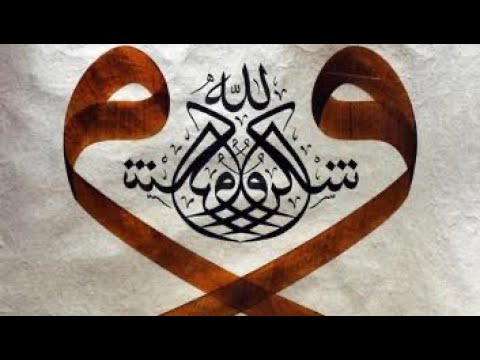
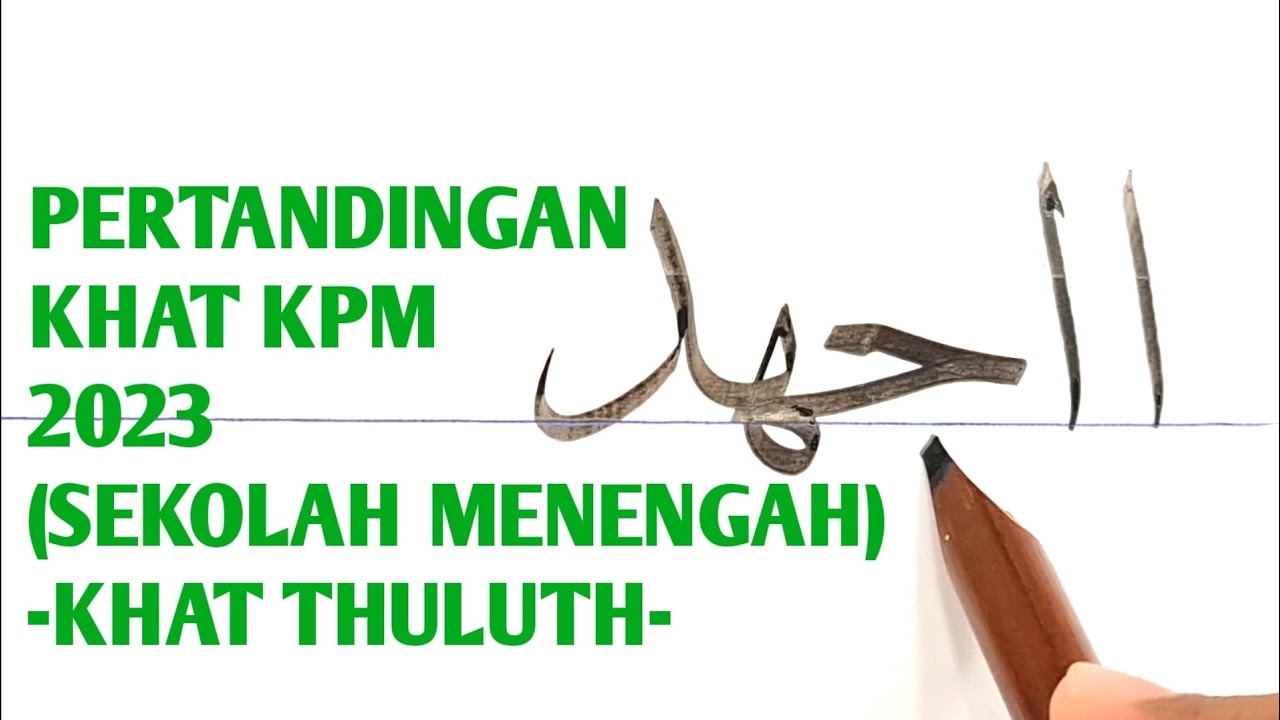
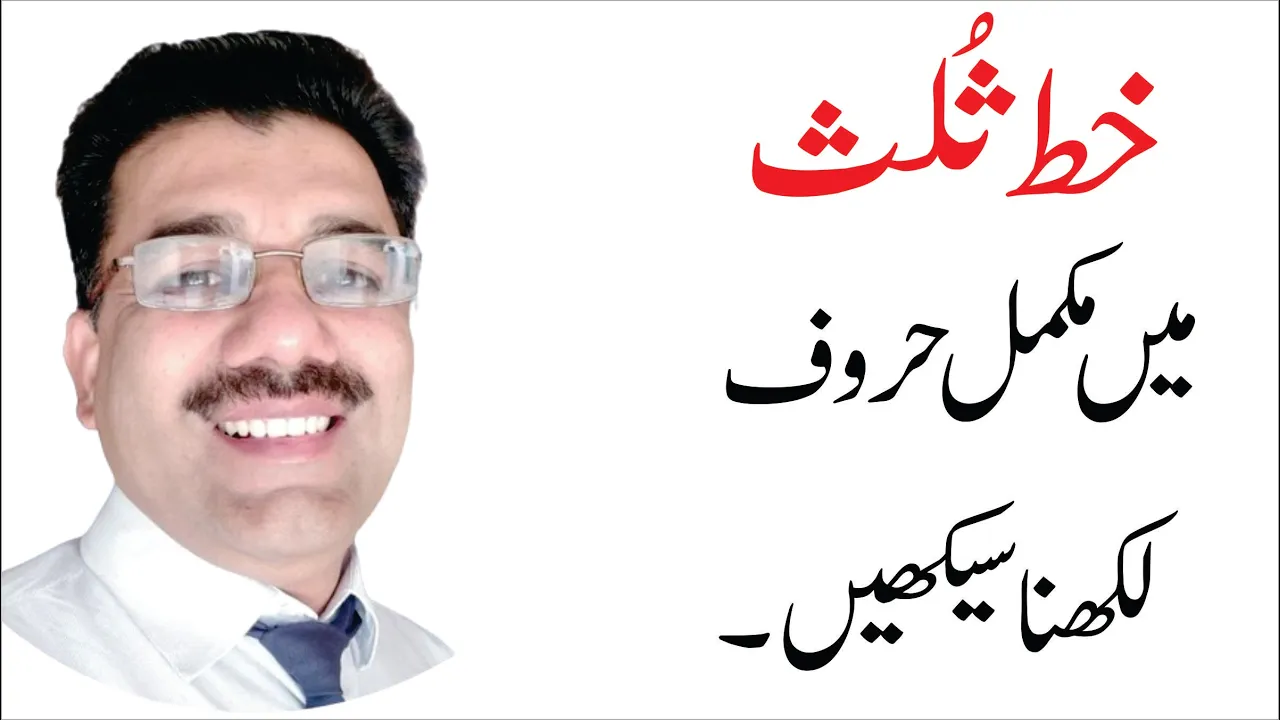
Arabic calligraphy encompasses six main styles: Roka (most efficient for note-taking, used in everyday writing), Naskh (most clear and commonly used in the Quran and most books), Thuluth (used for Quran chapter headings), Nastaliq (used in Pakistan, Iran, and Afghanistan for Urdu and Persian), Naskh (used in official writings by royals), and Kufi (one of the earliest styles, used in early Quran manuscripts). The two most essential styles for learners are Roka for efficient note-taking and Naskh for clear reading and teaching purposes.
Arabic Calligraphy Styles Overview for Beginners | Learn Khatt
Added:Familiarity with the Arabic alphabet (Abjad), including how letters change shape based on their position in a word (initial, medial, final, and isolated).
Understanding the historical and cultural significance of writing and calligraphy (Khatt) in Islamic art and manuscript tradition.
Basic knowledge of Arabic diacritics (Tashkeel) and short vowels, which are essential components of calligraphic composition.
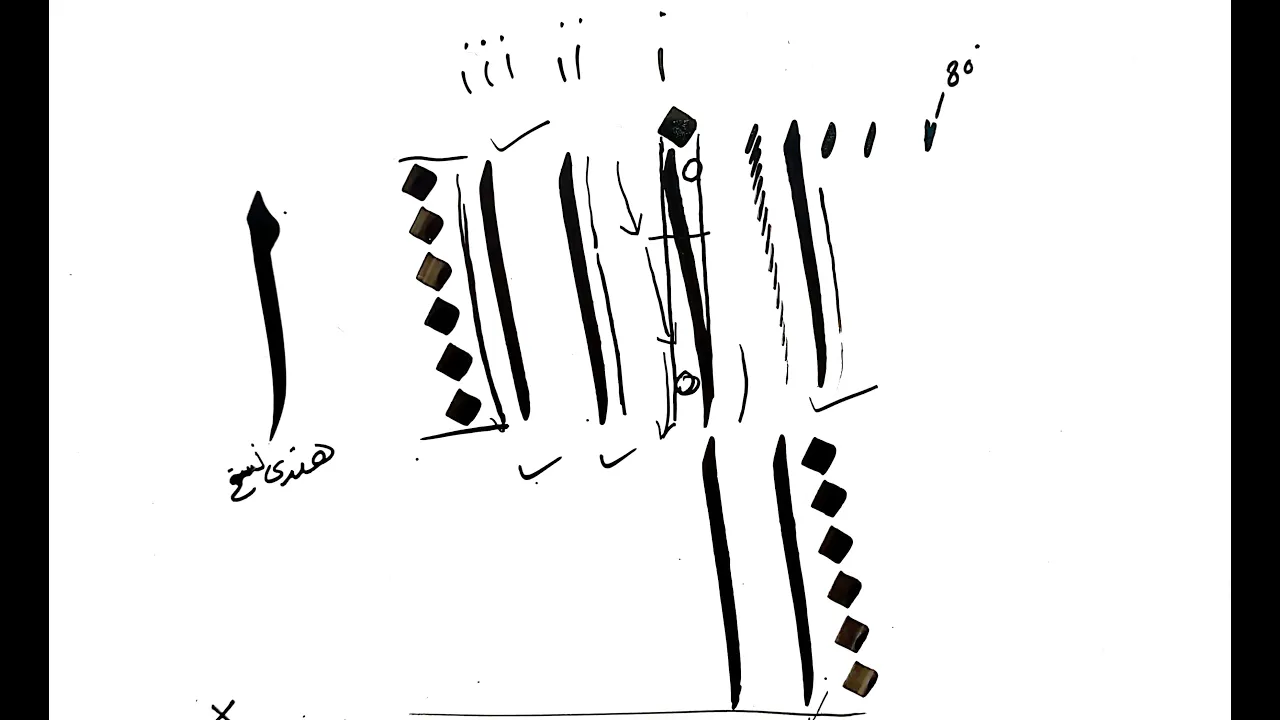
Practical training in the proportional measurement system (the Dot or 'Nuqta' system) developed by Ibn Muqlah to draft letters accurately.
Detailed study and hands-on practice of 'Ruq'ah' and 'Naskh' scripts, which are the traditional starting points for novice calligraphers.
Exploration of complex composition techniques (Tarkib), particularly in the 'Thuluth' and 'Diwani' styles, where letters are stacked and interwoven.
Analysis of regional variations and hybrid styles, such as Persian 'Nastaliq' or North African 'Maghrebi' scripts.
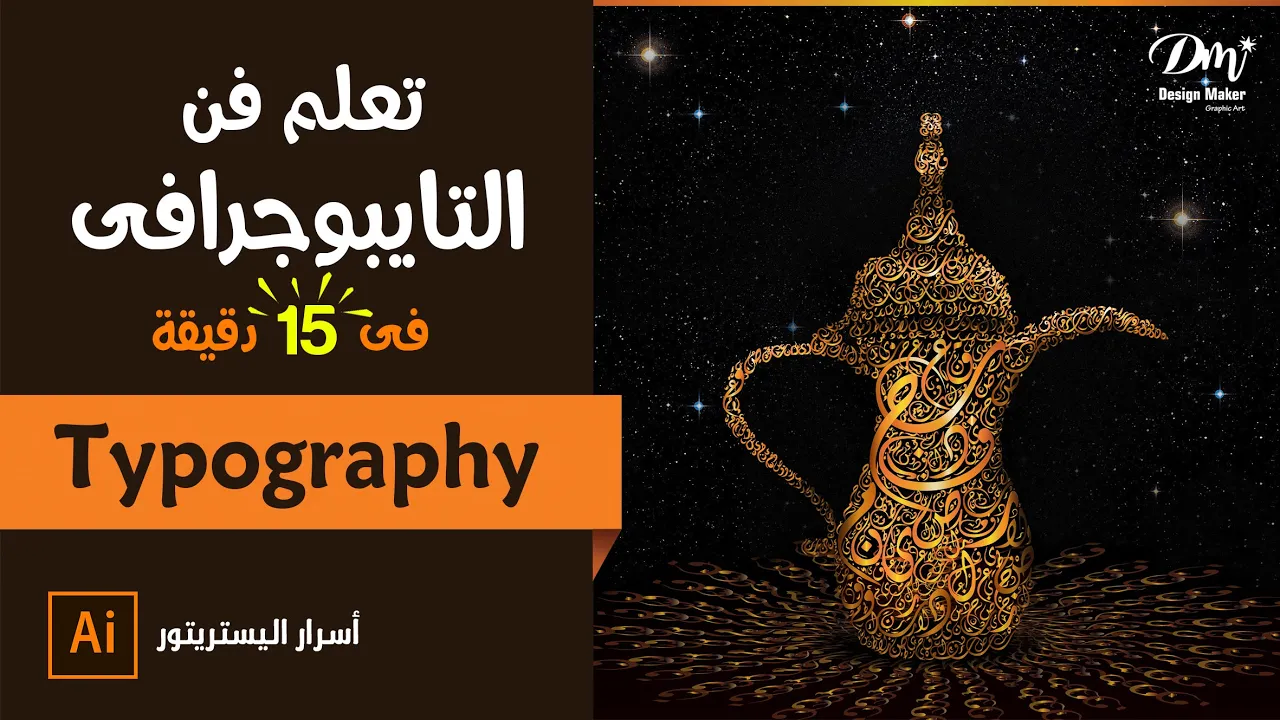
Applications of Arabic calligraphy in modern graphic design, typography, and contemporary public art (Calligraffiti).
7.2K views169likes25:59Original Release: 2020-08-05
today we continue with our series on the basics of arabic reading and writing in this series so far we have completed phase one where we studied the individual letter forms we learned how to write each letter in the arabic alphabet as well as their correct pronunciation and by the end of phase one it's expected that everyone is able to identify each of the 29 letters in the arabic alphabet and to also be able to pronounce them correctly so after phase one we moved on to phase two where we learned to join these letters together we learned the different forms of these letters how they appear when they are the beginning the middle and at the end of words so all that remains now is to practice and implement what we've taken and this is what we are going to be doing throughout the remaining lessons in this series inshallah but in today's class i wanted to give a short overview of the main calligraphy styles and the main reason for this is just as a benefit and a conclusion to phase two so this is the last lesson inshallah and phase two after this we're going to move on to phase three okay so we should know that there are six main calligraphy and this is the book that i've been using throughout the writing lessons we have been picking up some benefits and this book is written by mahadi assayed mahmoud so these are the six main calligraphy styles and i want to insha allah show you uh take you through this book the author he begins with a mukad which is an introduction where he mentions briefly what the book is about and then he speaks about preparing the pen how the pen is prepared in terms of the calligraphy um how it's cut the degree and angle at which it's cut because you use a a special pen when writing calligraphy this is how you begin anyway so that you can see how the angles of the curves are but you can also use a normal pen as he mentioned so we have our column asami the angle pen which varies in thickness and also from the pens that can be used is the alkali so after speaking about that then he mentions uh some advices for a person to become a good calligrapher from the things that he mentions is a person he should be talented to be a good calligrapher you need to have some sort of skill with you and this is from allah's front allah although a person can train now person can train his skills and reach a good standard so that's the first one then a person should be one who is able to take things in and be able to um copy and imitate what he sees so if you see uh the way something is written you're able to analyze and take that in and copy and exect this in exactly the same way okay that's the second advice then he mentions having a good pen good inc good paper all of these three things they affect the results of your writing also reading much and looking at the books of hat there's books which have been written in hath like this one and other than this one if a person he um goes over them frequently then obviously he's going to pick up every time he goes over them and the more he goes over them the more he picks up and finally he missing he mentions uh or not finally but he mentions having a teacher also from the things which help a person helps a person imperfect in his writing a person he studies alongside some of his colleagues or he has students he studies in a group that also helps and at the end the person he reflects and focuses and is determined and patient in the course of his studies and repeats his attempts he doesn't just try and then when he fails he gives up but he tries until he reaches perfection so these are the main advices he gives and then the author he begins speaking about the six uh calligraphy styles he begins with he begins with a rooker and when he begins each uh chapter he gives a brief overview of or introduction to the calligraphy style then he mentions or he gives a sample of how the writing style looks like so this is how a roka looks like it looks like this this is a writing style which is used in common day writing and not taken so this is um from the sixth uh one of the most important for a student of knowledge and a person learning arabic language because this is the the quickest writing style for you to take notes because it's so efficient you hardly lift your hand off the paper a lot of the things you can write without lifting the more you lift and put your hand back to right the more time you lose so you you want to minimize them so the more you minimize that the quicker you write and the quicker you are able to take notes so this is why this writing style is very efficient this and the one that we're learning so this is this is something which assume knowledge should learn after but it doesn't matter which which order you do in but usually this is the second that person he learns and if you don't know or if you haven't learned this it can be very difficult to read in fact this whole book is written using this font this whole book is written using this font so it's going to be quite difficult for a person who doesn't uh know how to read this or hasn't studied this for him to be able to read some of these words so the whole book is written using this hat this is the most common uh style that's used for writing notes everyday notes so what the author does he mentions the beginning after the introduction and giving you a sample he mentions uh some of the principles the main principles related to the writing style after that he goes on to mention how these letters look like mufrada how the letters um appear when they are written individually this is how the letters appear on the written individually after that he goes on to mention how it appears when it's at the beginning it will be darya so he will go phil bidaya and then he will speak about these letters how they appear at the beginning how they pay in the middle how they pay in the end and he'll do this with the rest of the letters he'll continue doing this with the rest of the letters until he comes to the end of the chapter and he'll mention obviously the different options you might have mentioned different options that a person has with the different letters so this is so he's come to the end now and he's he speaks about love how you write allah's name in this style or this writing style you have this option or this option then he moves on moves on to the second writing style in this book which is the writing style that we've been studying this is the writing style that we've been studying and this is the writing style that all beginners in the arabic language they study at first even though not everyone knows that it's called nasr but this is the one that most beginners or all are familiar with at the beginning of their journey learning the arabic language and the reason for this is because this writing style is the most clear to read from all of the six calligraphy styles this is the most clear hence this is the writing style which is used in the quran the writing style using the quran is because it's very clear and also this is the writing style which is used in most books and literature and which you find in most uh everyday arabic writing this is the most common because of its clarity and also because this writing style accepts the skill tashkeel as in fatiha their critical markings this is a a style which uh accepts that because not all of these uh writing styles except that like if you if you look it doesn't have any tashkeel it's a it's a it's a star which does not accept the skill this is why it's so quick you don't you don't do tashkeel you just carry on writing until the end and the same for katanas we don't this is also something which gives it more clarity the fact that you can put vowels on it makes it easier for a person to read and understand say so as we mentioned this book is written in hat all everything is except the parts where he's going to explain so this he gives the introduction to it then he gives a sample this is how looks like the sample that he's given is here this is how it looks like this is an ayah from the quran all of the quran is written in this font or in this arabic character then he goes on to give the main or general principles of this writing style and after that he begins by mentioning the individual letters so this is what we took in phase one these are the letters that we took in phase one as you can see you have two forms you can either write like this or you can write it like this all the things that we mentioned previously and this is the this is the book that i was benefiting from in preparing those uh lessons for phase one uh so then after that he mentions how the letters look like when they at the beginning phil bidaya phil wassot of nihaya how they look like and the options that you have and he does this throughout the course of this book with all of the different writing styles so this is how any the calligraphy books look like this how they look like so remember we mentioned assad you can join like this or you can join straight or you can join um any different ways now i'm like this also from the things regarding is that some letters you can stretch you can stretch some letters uh and you can and you write them in the original form where it's not stretched and the reason why you can stretch some letters they mention is that to fill in a void you might be left with a big space and you'll find this in the quran a lot where towards the end of the page or the end of the line there's a big space so to fill in that space they the letter is elongated the letter is elongated to fill in that space now okay so he continues uh until he gets to the end of the chapter and i'll quickly flick through so you can see he's going through all the letters individually and then he finishes here laughter these are the two main ones from these six that astronomers needs you need because this is how the letters appear in the and these are the letters up in the quran and this is how the letters are written in main or most of the arabic books and literature so familiarizing oneself with this writing style is important in fact this is what you're going to be be familiar with anyways when you first begin learning the arabic language but it's important for you to familiarize yourself with this also because as a teacher when you become a teacher inshallah which is the intention of which should be the intention of all students knowledge is to remove jail from one's own self yeah to remove ignorance from your own self and in future inshallah to remove ignorance from others around you around you beginning with your family and and so on this should be our intention so when you're teaching others you can't be writing you can't be writing on the board with hat or because not everyone's gonna understand it can be difficult for them to read which is why you need to have nasr yeah you should be writing on the board using for the beginners so that it's easy for them to to be able to read and understand but obviously for yourself you'll be writing with khataroka because this is the most efficient way of taking notes you save time and it's quick so after you've studied you should learn for your own benefit in terms of taking notes and so on so what i mean by efficiency um i'll give an example now when i say efficiency okay so for example this is uh bismillah i'm going to write bismillah according to bismillah is written like this look how efficient is you see this i went down then i had to go up down up down up down look at that and compare that to this this is ba this is seen this is meme that's bismillah you see how efficient that is this long line represents a scene and it can also represent a represent sheen allah's name the ha you could go up like that normally or you could do this to make it quicker another example of how efficient it is is with the dots usually we will do this and we'll do two dots like that the dots for ta is just like that this is two dots this is why there's not a skill because this looks like a father so if we were to put another on top of this it would be confusing a third instead of doing three dots like that we do this yeah we do this shane you could you could write like this or you could do the three dots but the point is the dots is that this like that known we do this usually but you could do this so look here we we lift our hands off to do the dot this every time you lift your hand off the paper you lose time this is what we're talking about efficiency with no one look one stroke i didn't lift my hands off the pen save time if you're doing that over a page obviously you're going to be saving a lot of time so this is what we mean by efficiency of hot this hat is used in the quran also for the chapter headings and the surah names let me get my mustafa i'll show you now quick okay for example here this is so the solar names and the the surah headings the chapter headings as well here i'll choose a third one and so on the headings that on the top and the surah names just be aware of the different writing styles so that and we're not confused uh we might see a different hat and say oh our teacher didn't teach us this is he been teaching us wrong things no he's been teaching you a different writing style so so this is a different writing style that you're looking at so he mentions the introduction to how to follow any its main features and so on and then he gives an example and then he continues with the principles individual letters and how it looks when it's joined and so on so that's the third um calligraphy style i'm just going to flick through and get to the end so i can show you the next one this is widely used in pakistan iran afghanistan areas where they speak persian pharisee and urdu also they use the same font introduction and this is how it looks like this is how it looks like so the brothers and sisters who are from uh pakistan afghanistan iran and these regions those who speak urdu and so on they're probably familiar with this you find this writing very common in that language and this is how it's written so this is this is a sample of how it looks like and as is the norm with the author he goes through the letters individually and how he looks like when he's joined and mentions the principles along the way so this is he trying to flick through so i can get to the next one okay the next hut which is the fourth uh it is the fifth one this is the fifth one is hop adiwani hot and this calligraphy style was used previously in official writings it used to be used in official writings and it is also known as and that is because it was used by the royals the kings and the princes and so on because it's such a beautiful uh writing style as you can see here this is how it looks like this uh and uh atholoth are very beautiful they look very beautiful all of these are samples of hat adiwani this is hot addy whiny very beautiful okay the final one trying to flick through to get to the final one is one of the first calligraphy styles that were ever any established and this is how the quran used to be written initially like this this is how it used to be written this is various forms it comes in various forms it comes like this this form but this is the main one that the quran was written in you'll find in manuscripts a lot of the manuscripts you'll find this kind of font in the manuscripts this version particularly although khattar kofi has different uh variations all of this these are all variants of hat al kofi the calligraphy style known as these are all variants okay so he goes through the chapter in similar fashion speaking about how the letters are written in the beginning middle end individually and so on but the point of today's lesson was to give you a brief overview of al hoto talarabia the arabic calligraphy styles so we have six these two are the main ones the one that we've been studying and the one we're going to continue to study inshallah until the end of this series this is the most plain and clearest of all of these roka is something that we should be aiming to study as students knowledge because it's the most efficient style in not taking you save a lot of time and you save a lot of effort because you move your pen off the paper very few times in comparison to the rest and the other ones it's good to be familiar with them at least thuluth you know that the surah names are written in through the quran and the jews the section headings and the chapters in the quran written according to pharisee our brothers in asia persia they're familiar with that the iranian coffee we spoke about these so this is the conclusion of uh phase two insha'allah on friday inshallah we're going to start phase three where we are going to begin learning the tashkeel beginning with fat devilization we're going to start with fatty inshallah foreign
Up Next
5:06
Islamic Geometric Design: A Mathematical Art History
@TEDEd
3.6M views•2015-05-14

12:54
Triumph of Orthodoxy Icon: Byzantine Art & History Explained
@BenCallan
2.1K views•2024-08-06

9:49
FastAPI vs Flask vs Django: Choosing the Right Python Web Framework
@TechWithTim
302.5K views•2024-05-26

1:42
Game of Thrones Opening Credits: A Cinematic Analysis
@gameofthrones
46.3M views•2011-04-18
Related Study Plans & Knowledge Roadmaps
Structured learning paths in General & Interdisciplinary Studies
general-studies
Elevator Engineering: History, Physics & Cities
01From Hoists to Safety Brakes: The Dawn of Vertical Lift
02Hydraulic vs. Traction: The Engineering Physics of Elevators
03Modern Speed, Safety, and Algorithms
+ 2 more learning modules
12h5 modules
Explore Roadmap
general-studies
Rubber: Material Science, History & Geopolitics
01Origins of Natural Rubber & Mesoamerican History
02The Chemistry of Natural Rubber & Vulcanization
03The Geopolitics of the Rubber Boom & Colonization
+ 2 more learning modules
12h5 modules
Explore Roadmap
general-studies
Containerization: Evolution, Logistics & Trade
01Ancient Trade & Bulk Cargo: Amphorae to Barrels
02The Industrial Revolution & Cardboard Packaging
03The Containerization Revolution: Malcom McLean
+ 2 more learning modules
12h5 modules
Explore Roadmap
general-studies
Textile Tech: Evolution, Labor & Global Impact
01Pre-Industrial Textiles: Handloom & Cottage Industry
02Mechanization: The Spinning Jenny to the Power Loom
03The Factory System & Global Labor Transformation
+ 2 more learning modules
10h5 modules
Explore Roadmap