


![[신년대토론] 2024년 한국정치 어디로? - 어벤저스 신년 토크콘서트](https://i.ytimg.com/vi/N6Ne3Gvr5YE/maxresdefault.jpg)
















![[Live Streaming(ENG)] 2020 WCIF](https://i.ytimg.com/vi/WUSthuKPwlw/maxresdefault.jpg)

![Beyond Japan [S2E4] 📸 Contents Tourism with Dr Philip Seaton](https://i.ytimg.com/vi/J-YoXzen2ao/maxresdefault.jpg)
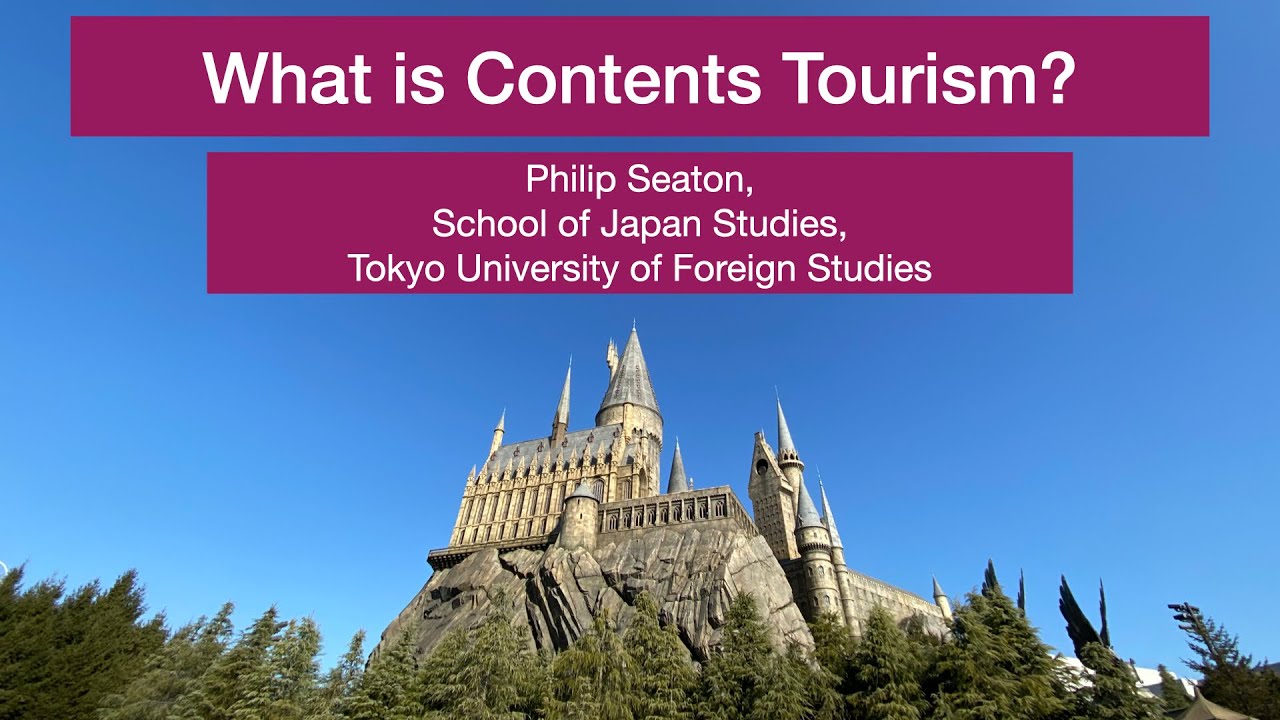



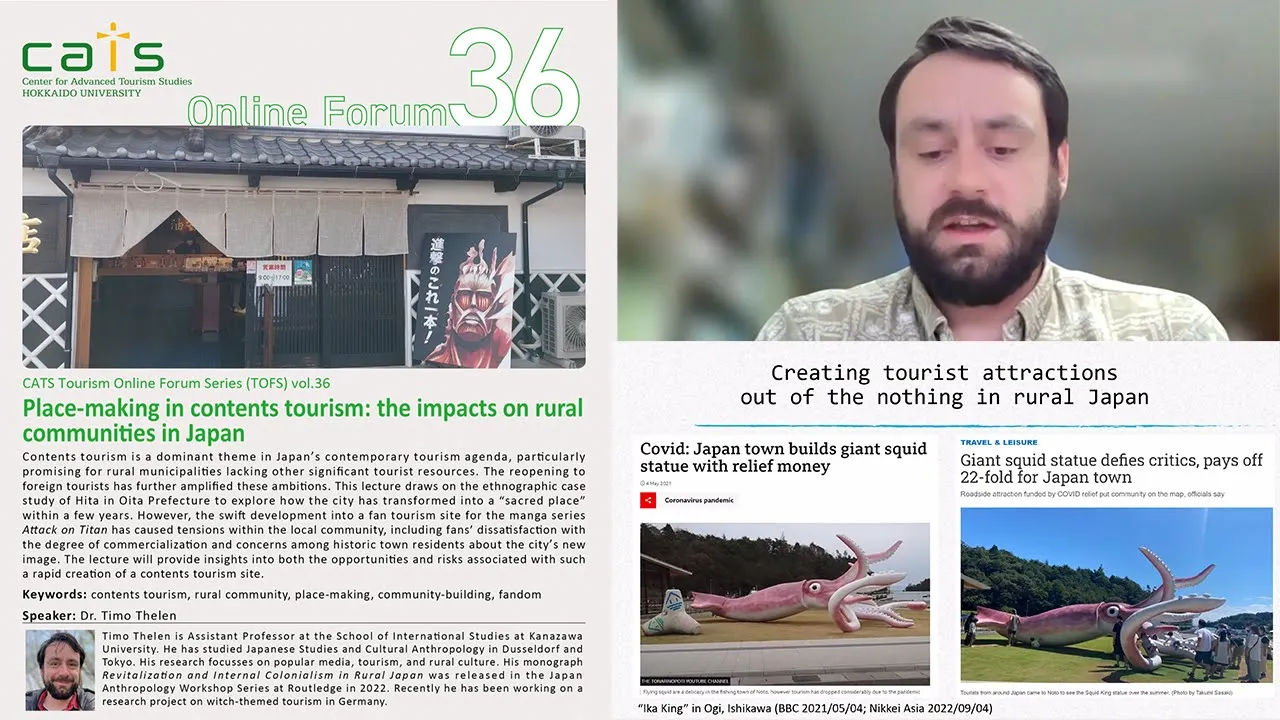
Japan's Cool Japan program demonstrates that nation branding through popular culture faces significant challenges including misaligned funding priorities, controversial content from creators, and the inherent difficulty of controlling fan-driven subcultures; while Japan has successfully leveraged anime and manga for cultural diplomacy, the Cool Japan Fund's allocation to non-media projects and the problematic nature of some popular cultural exports (like Attack on Titan) illustrate why soft power strategies require careful implementation and cannot guarantee positive outcomes regardless of initial popularity.
Soft Power Through Pop Culture: Japan's Nation Branding Strategy Explained
Added:Joseph Nye's theory of Soft Power vs. Hard Power in international relations.
The fundamental concepts of Nation Branding and how states actively manage their global reputation.
The basics of Public Diplomacy and how governments communicate with foreign publics to project influence.
An overview of Japan's post-WWII economic trajectory, particularly its transition from manufacturing tangible goods to exporting cultural products.
A deep-dive analysis of the official 'Cool Japan' campaign, including its policy execution, government funding, and public-private partnerships.
Comparative analysis of soft power strategies, specifically contrasting Japan's cultural exports with South Korea's 'Hallyu' (Korean Wave) and US cultural hegemony.
The study of 'Contents Tourism' (anime tourism) and its tangible economic impact on local Japanese prefectures.
Critical evaluation of the limitations of cultural soft power, such as the gap between pop culture appeal and diplomatic resolution of historical conflicts.
159 views4likes1:16:55Original Release: 2023-04-20
[Music] foreign welcome to the global dialogue organized by the Tokyo International University the Google dialogue is the seven series that we invite different policy enemies Scholars to present the latest research and topic that we're interested in and today it's our honor to have some students from Chinese University of Hong Kong and we also have the speaker here Professor Barbara green so uh Professor Papa Queen here would be the associate professor uh in our institutions she teaches courses in popular culture and also Japanese literature and she focused on different kinds of research but some of them would be the collective identity and also the consumptions of the popular culture in Japan so you can see in you know those research in the presentation today uh say puppies or not for example she published in the Journal of comic art intersection of comic art and also artists I'm not going to use all the time here to introduce her applications here without further delay I would like to introduce oh sorry let's hope that we need to start the seminar the topic today would be the Japanese popular cultural Nation branding and we focus entrepreneurs popular media Brands here so let's welcome Professor Green is my mascot so hello everyone um I hope you guys will enjoy today's lecture so I'm going to speak a lot about uh Nation branding today so I really kind of want to start kind of discussing there it is what is the idea of nation branding so everybody here has sort of an idea of Brands right so when you guys think of like Walt Disney World what do you guys think of like princesses you think of like dreams and Imagination right if you think about Chanel you think of like high fashion and so Nation branding is very similar to this practice it's basically taking the concepts of branding from private Enterprise and using it to create an image of a country there's a lot of reasons why a country would try to do Nation branding it already sort of exists I mean when you think of a country you already think of the way that it kind of represents itself or the way that it is perceived by Outsiders and the way that it perceives itself and this is of course kind of helps direct people's interest towards them so the primary use for nation branding this is something that's been more popular in the last 30 years or so is the concept of soft power So Soft power was originally kind of proposed by Joseph Nye and it is basically instead of using military power or coercion you use cultural influence economic influence educational influence to try to basically not impose your will on other countries but to influence them and so Nation branding is used as a part of the soft Power Practice it's usually used as a signal for outside investment and so if you're a nation that wants to attract investors having a nation brand that says like oh we are high-tech or we have a hard working uh Workforce who are well educated um please come build factories in our country please put out um like smaller if you're a multinational Enterprise please put an office in our country or one in one of our cities cities will of course use branding as well and this is the idea of trying to signal for outside investment please come pour your money into our nation um the other issue is of course export competition um there is an issue of course with different countries trying to compete in the global market and so if you're a country who's known for making for example excellent Pharmaceuticals you have a really good supply chain everything is pretty secure nobody really feels any negative emotions um when they purchase Pharmaceuticals from your country there are of course countries that have a bad Nation brand they are associated with um items of poor quality or they have poor supply chain controls and so maybe you're getting basically falsified or pirated Goods you're buying something that's supposed to be a pharmaceutical drug but it actually is ineffective or even dangerous to consume and so if you have that sort of image you really want to turn that around and if you have a positive image you really want to burnish that and kind of maybe put down your competitors we are a superior country in this particular sector of economy than another country it also is good for fostering cooperation and so for example one of the things Japan has worked really hard on in its Nation branding is the idea of Japan as an environmentally conscious and friendly country you guys might not be aware but historically Japan actually had a really bad image concerning its relation to the environment we have the outbreak of minamata disease which was basically the release of mercury into a bay in Japan we had yokachi asthma which was basically sulfur dioxide being released into the atmosphere and poisoning school children who are in next to the factory owner oil refinery actually but Japan's really turned that around since the 1980s it's worked really hard to Foster this idea of Japan being a zero waste Nation a heavy focus on recycling heavy focus on Green Technology and the idea is that this will Foster cooperation with countries in East Asia and Southeast Asia that I want to also start relying more heavily on Green Technology to have better environmental policies the idea is if well look how Japan turned itself around um and by Japanese technology work with Japanese advisors good grass in the Japanese government cooperate with Japan and this is something Japan really wants to Foster with us near neighbors because as you guys are probably very well aware Japan has sort of a dark history with a lot of its neighbors in East Asia and Southeast Asia due to imperialism and colonialism in the early 20th century so that is a major thing that can actually really help depends Nation brand with someone we're focusing on today we're not focusing on the idea of green Japan but green Japan is actually doing a little bit better than cool Japan right now um it also Fosters tourist attraction so this is something that you might not think but if you visit a country you meet as people you see its sites you tend to not hate that country you tend to have positive feelings towards that country so let's say if Japan brings in a lot of tourists who are young from the People's Republic of China tensions between People's Republic of China and Japan have been fraught and if you bring in a lot of tourists maybe in a generation the people who grew up and they're just like I had a really great time in Osaka um maybe things will get a little better things will get a little easier it's sort of this idea of this sort of Grassroots level Nation variety that can really help also Nation branding also helps just the identity of a culture so Japan has had a lot of issues since basically the the bubble bursting in the last decade of what is Japan now and so what is Japan what is the Japanese national identity who are we and what is our future Nation branding can actually help with that so internally Nation branding reflects back on a country when it really tries to work to create an image of a brand of itself it actually shifts its own national identity so it's if you try to have like an image of cool Japan maybe young people in Japan will feel cool and that's nice right um it also changes your external image and so we're going to talk a little bit about um prior uses of nation branding but we're going to talk about how Japan's had some issues with this in the past and so a lot of nation brands that we see historically are kind of organically developed Nation Brands when you think of like the United States what do you guys think of like I just hear like an ink going back which is actually not the sound of an eagle it's the sound of a red hawk uh an eagle actually goes like um it's not an attractive bird um but there's the idea of like Freedom an apple pie and when you think of Germany you think of schnitzel and you think of Russia you think of like the Kremlin you know the idea is that people have these sort of ideas of nation Brands and they're sort of organic So when you buy something that's a fashion item like you buy an expensive purse do you want to buy a Belgian expensive purse or do you want to buy an Italian expensive first yeah that's everyone laughed because everyone's Italian right no one's gonna buy an expensive Belgian purse you're gonna show it off me just like look at my fancy Belgian purse and people are going to be just like Belgian like the waffles um so it doesn't it doesn't work you want um you want the Italian one those are sort of organic Nation Brands these are ones that have been affiliated with sectors of their economy or with the way that they have tried to promote themselves internationally but in the 1990s we start having people try to do aggressive Nation branding essentially people are hiring States will hire PR firms we've had cases of that Japan actually hired a PR firm for to change their image in the United States in the 1980s um and the idea was that we're just going to act like a multinational corporation we're going to hire maybe PR or we're going to work in our own Diplomatic Corps and we are going to try to create a nation brand we're going to do a revamp campaign uh one of the big ones was the cool Britannia program it started off Circa 1990s you all are too young except for maybe the professors in here to remember the Spice Girls they were really popular and uh they said you have the Spice Girls you have the Beatles um eventually you'll have the reboot of Doctor Who Um and those were existing intellectual properties and the idea is that Britain in the 1990s it had a faltering economy it had incidents of terrorism involving the IRA and the conflict in Ireland it wasn't exactly a place you wanted to visit it wasn't a place you wanted to invest in but everybody really liked the Spice Girls and so the idea is that they use this sort of idea of the United Kingdom as a cultural Powerhouse the pop cultural Powerhouse to really drive people to invest into Britain to come to Britain um to visit and they built off of a history of Ip so they're like come to England and you can see a Spice Girls concert you can see downtown London it's not dangerous anymore we swear and you can go to Stratford on Avon and you can watch a Shakespeare play now the thing is this cool Britannia program it's actually relatively effective how many people have washed things like Sherlock or Doctor Who yeah these are things that were really really effective bolstering entertainment industry in the United Kingdom did it really help Britain though as a whole there's been a lot of criticism of the cool Britannia program because who really benefited from the the burst of interest in British popular culture primarily white actors and people connected the entertainment industry they basically called it a wealth funnel so if you are already relatively wealthy if you already had a pretty good connection to entertainment it worked out like gangbusters for you you had a lot of money flowing into your pocket for the general British population they didn't really see any of that wealth being generated from entertainment or tourism flowing into their pockets in fact it could be even annoying imagine if you lived in an area of London that suddenly had a huge uptick of traffic because your neighborhood was shown on the TV show fleabag that's great except now it's harder to get to work in the morning because there's too much traffic and also there's just a lot of lack of diversity this is actually a lot of reasons why actors will actually go to the United States because they didn't use race blind pasty casting in Period dramas and so if you're an actor of Indian descent or African descent you're not getting into that Jane Austen movie matches a lot of these adaptations and so go to the United States speak American with an American accent and take over um the one that was really successful was brand Estonia so Estonian none of you guys have really heard a lot about Estonia but Estonia doesn't care because they're not going for you guys um so this is a horrible thing to say they don't care about me they don't care about you they care about people who might be investing in them so they actually set up really good brand ambassadors and so this is actually a technique that Britain uses that Japan uses Japan's brand ambassadors are Hello Kitty and Doraemon yeah pretty effective and they also are fictional characters so they can't say something terrible on Twitter um so that's really good but the idea of what brown Estonia they had a really specific Clear Vision and unified action they're basically like if you're in the EU if you're in Europe do you know it's a beautiful place with lots of environment Estonia come visit Estonia enjoy our forests if that wasn't the big thing the big thing that they wanted was to become a digital major player um so they built server Farms they built icebeat internet a lot of people their entire baking system and voting system are online they have high security levels so if you are a person who's interested in high technology or internet technology in the in Europe Estonia so that sector their economy is really strong it doesn't matter if you've never really heard or thought or cared about Estonia but if you are using the internet in Europe you're probably filtering money into the pockets of Estonia this actually has really helped it's been really effective in promoting investment and tourism and this really helped sectors of the Estonian economy now it's not perfect I'm not going to say like Estonia is doing really great Estonia is doing really successfully with this one the thing is it's like with you can see here with strong policy with sort of good leadership this high-tech program Nation branding programs can be successful but you can see with Europe especially with the cool Britannia program it can't outstrip bad policy Clover Tania program was chugging along really well yeah it was a little funnel yeah lack diversity but it was really really strong and then brexit happened and covid-19 happened it was a double whammy tourism declined the economy is doing poorly when you hear about England now you hear about exorbitant high prices in the grocery store it's not really going to bring in investment it's not really going to bring in outside filmmakers right so this is an issue so let's talk about historical issues with the Japanese Nation brand um because we have a lot of historical complications in Japan image and so when Japan was forcibly reopened by America in the mid 19th century um Japan had been isolated from the world for a really long time and that in major has sort of this kind of exotic new place so a lot of people were really interested in images and consumptions of Japan now they were really deeply colored by racism orientalism and imperialism of the period so you'll have things that are like the Mikado by Gilbert and Sullivan don't watch that Opera you're going to watch Gilbert and Sullivan don't pick the Mikado it was banned in Japan until 1945 for a reason um but basically the Tokugawa government and the Meiji government worked really hard to try to change that image internationally they knew that they were Target for outward expansion they knew that they might have their government overthrown or disempowered by outside forces how do we do this we win over hearts and minds and so they had for example the Tokugawa Mission they even had a mission prior to that during the GAO Administration which is where fuksao yukiti actually went to San Francisco if you want to read something interesting read about fukusau yukichi's impression of San Francisco he talks a lot about carpets it's really great he he's just like he went to he was like in Japan if you get a carpet that this is this big you're rich but I went to a hotel and people were walking on floor to wall carpeting with their shoes on they're muddy muddy shoes and he's just like America must be just ridiculously wealthy people just not have much to spare um it really Disturbed him um it was great um but the idea was that with like things like the iwakura mission they brought um people young people from Japan and they would send them to Inner universities in the United States one of the first women the first woman actually in Japan to receive a bachelor's degree went to Vassar University she was part of the iwakura mission they dropped her off in Ohio they basically were just like look at this young lady isn't she nice and talented she's yours now America and America's just like for us uh we're very very pleased and they of course talked about her and of course Americans they really liked how this young lady she learned to speak with an impeccable American accent and she went to Vassar and then she went to Japan to found a educational institutions here and they're just like see Japan's a wonderful modern Progressive country they brought one of their women here for a good education they're not they're not backwards and primitive yeah we have to remember orientalism and racism in this period is very strong um they also brought people to Europe um they actually participated in a World's Fair in London um where they showed off improvements that they had made into steam and Mill technology so they're just like you know England is the center of textile industry during this period look what we did to this textile mill isn't it great and nobody in England cared because they also had people doing Kabuki in the tea ceremony and so Japan started really focusing a little bit more on like cultural issues but that's where Japan is and then Japan becomes a very modern economy and it becomes an aggressive expander into East Asia it annexes Taiwan um after the first sino-japanese war and then it Anna says Korea after the Russo Japanese war it eventually annexes Manchuria and then it begins the second sino-japanese war this is not a good image this is a bad image and this actually resulted in Japanese popular culture being banned uh South Korea banned the importation and performance of certain Japanese movies and musical artists until 1997.
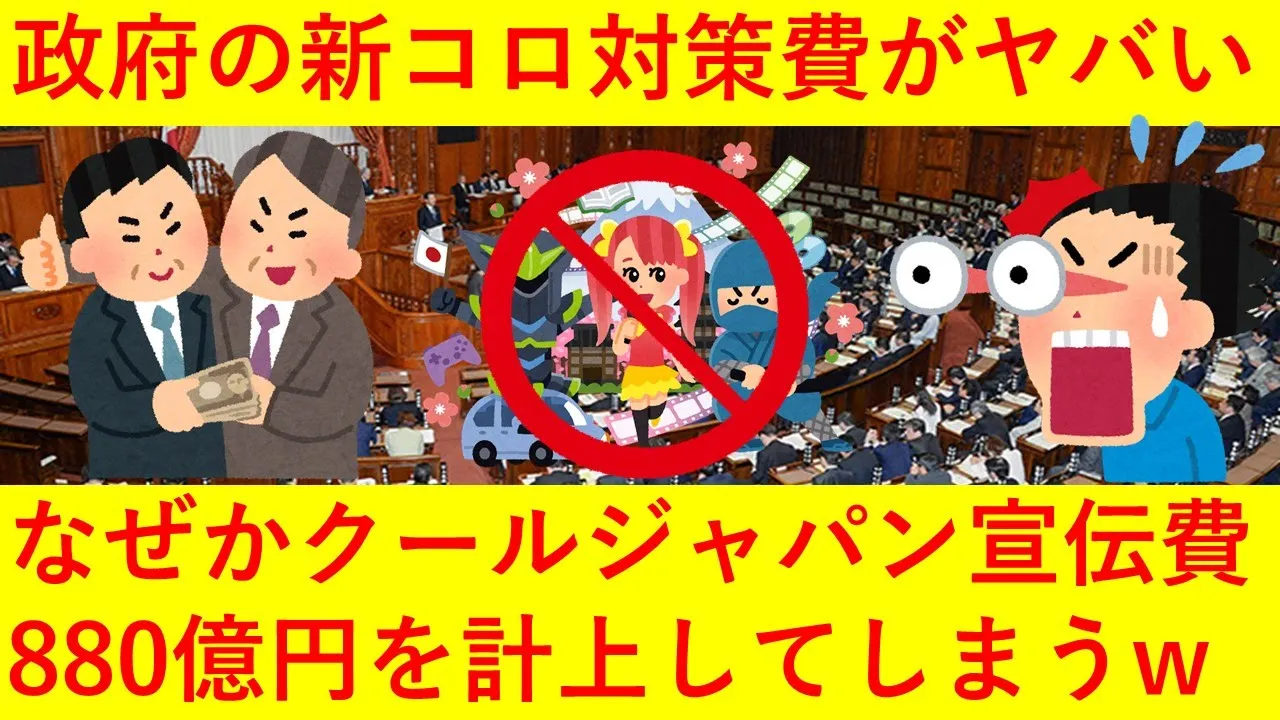
um there are still spot bands of Japanese media in the People's Republic of China and Japan for a very long time had to tread very lightly so it's cultural policy for much of the mid 20th century was focused on sending Kabuki troops of actors people who played the shakuhachi a very traditional Japanese cultural elements and they would send them to Europe and the United States they supported for example Yukio Mishima trying to start plays in New York they really tried to keep a light hand in basically exports only to East Asia we'll export concrete but we'll do nothing else because one of the elements of Japanese imperialism was the eradication of local cultures people would not respond well if enko was playing on the radio in certain countries um there's actually a lawsuit about a certain historical figure in a near Country listening to Anka his children sued because they were just like he hated Japan he would never have listened to enca so um we have this issue the thing was is that this really light-handed cultural policy didn't really help Japan's long-term image it just became this sort of aloof former aggressor who is now highly insular the economic image was initially also not very good in the 1950s and the 1950s Japan was known as a low quality consumer goods exporter you know it's a sign of thing like he had a five-year-old son and he really wanted a radio but he's also the Columbian child you've ever met in your life you'd buy a radio from Japan it's gonna break anyway and it cost you two dollars USD so that was the image I wasn't a really good image like yeah you can get concrete and fertilizer from Japan but everything else is not any good so in the 1970s the Japanese industry worked really hard to change their image do a high-tech innovator and by the 1980s if you're buying Electronics Goods you are buying a Japanese brand if you wanted a TV or a VCR or a LaserDisc player you're also young um laser discs are like big CDs CDs are little reflective discs anyway um they play music for you um if you wanted something nice um you would buy a Japanese brand you would not buy American this is where we start seeing actually huge tensions between the United States and Japan because Japan is overtaking huge sectors vital sectors of the American economy um we see this going through the 1980s we see the issues of the plaza Accords taking effect and then the Japan's economy collapses because there's a basically a real estate investment bubble bursting and then Japan has a stagnant economy investment and interest in Japan dries up when you think of high-tech things nowadays do you think of Japan not really nobody's buying Japanese phones nobody's really buying Japanese computers people internationally make fun of Japan for still using fax machines this is an issue so we have this issue with Japan of what is its brand internationally is it an aggressor is it an innovator is it a stagnant economy um it's a bit catastrophic so we have Japan slowly trying to revamp its image kind of not so well using popular culture starting from the 1980s now starting in the mid-1950s Japan actually has a really great image for highbrow Cinema so if you like the Palm Dior if you wanted to go to the Venice or can film festivals Japan was doing really really great that's a very niche very Niche sector the Japanese economy so Japanese Cinema doing pretty great not really being leveraged because the implications um for international art we also have Godzilla is doing pretty well you have Kaiju films you have tokuzakatsu films these are really doing pretty well internationally in the 50s the 60s and the 70s but these are considered sort of incidental accidents happy accidents essentially um going on but in the 1980s we actually have asadora doing incredibly well um in internationally in places like Vietnam and Singapore and I'll be enough in Iran uh the asadora ocean has anyone heard of ocean no you're all too young um go talk to your parents um or maybe your grandparents um and ask about ocean but ocean was an incredibly successful International TV show and this actually got Japanese uh television exporters really really highly interested in can we export more Goods internationally additionally um we have the anime adaptation of Akira which is a very successful manga series getting critical Acclaim internationally it's one of the first animated films to actually be taken seriously as a critical darling they were just like you cartoons are just not meant for kids you can actually do kind of interesting things with anime so we have accuta doing really well we also have Studio Ghibli doing well but the problem was it was really hard to leverage these things um a lot of the things was was the issue of exporting these materials ocean was kind of exported as like a happy accident it was somebody exported it the thing was is that when you export a television show especially in the 80s and the 90s you need to renegotiate all contracts so the actress contracts had to be negotiated so if you saw for example bootleg versions of a Japanese Drama being really popular in Manila and a local producer wanted to actually show it legitimately on like the television it could take six months to a year to renegotiate all these contracts so what Japanese media producers try to do was what they called glocalization I just call them localization here because that's what it is they would try to do remakes of Japanese TV shows that were popular in bootleg markets um which wasn't is still a thing it's just not online they're Distributing videotapes boot like videotapes um and they try to localize it so something was really popular in Indonesia they tried to make an Indonesian version of that Japanese TV show now everybody here has seen local remakes of like popular movies and shows right we've all seen that where like a movie was really popular in Hong Kong and they made a German version of it does a German version work not usually right it's usually kind of sad and terrible um this is what happened and so you had a lot of people talking about how maybe only some people can really get Japanese media and other people it's just it's not going to work so we have the Japanese government kind of throwing it aside but we have a lot of Japanese producers trying to work at densu for example is really trying to push this we also have the concept of cultural odorlessness and so we actually have some Japanese media um Scholars basically arguing that well Godzilla Akira these are things that aren't really Japanese they're Global brands so they're not really reflective of our culture our people we shouldn't really use popular culture because things that actually reflect Japan will never be understood by Outsiders they can never really appreciate Japanese culture so things like Manga and Anime and asadora those are culturally odorlessness those can work for a nation brand it stems out of like Nihon general which I'm not even going to get into here um but this is the issue in the 1980s that's really styming the use of popular culture now in the 1990s the thing is is that the Japanese media Market has stagnated we actually have due to the decline in the domestic economy a lot of failures of Major Brands and so we see magazines that have lasted for decades collapse we see a lot of Studios go defunct especially Animation Studios um so the idea was that for the Japanese entertainment economy to survive we have to become International we have to become exporters anyway so Studio Ghibli actually uh started working with uh Disney as a distributor they had a major International hit with Princess Mononoke or mononokehime um which actually had a really good English language dub um but the thing was is that Disney didn't know how to Market it well do you guys you guys know what happened with mononokehime with Disney distributed in the United States major hit in every country but the US they had and they they advertise it as a Kids film with a G rating so a guy gets dismembered in about the first 15 minutes of the anime and blood splits everywhere uh we had there was apparently a lot of parents taking screaming children out of the theater and demanding their money back so Disney and Ghibli no longer are tied we also have the creation of jamco which is the Japan media communications center which was trying to fix all these issues but the thing is is that what I'm going to say next is going to make it sounds like they fix these issues these fix you these issues fix themselves the audience did it for them this is actually really interesting we have the rise of cool Japan late 1990s what's also really really growing is it the internet so the thing was is that as I already mentioned even in the 1980s bootleg Japanese popular cultural products widely distributed not only in Regions near Japan but internationally so the thing was is with the rise of the internet we now had things called fan dubbings and fan subs and fan scannellations so we had scannellations basically people would scan manga and you would translate into English on the page and you could put it online Japanese copyright law allows that Japanese copyright law says if you buy a text and you alter that text and you put it online as long as you're not making money up of it totally legal so let's say you are a French manga fan and you found out like the new version of Dragon Ball wasn't being translated into French for a year that was a lot of delays in the day things weren't instantaneous when I was young um well those French fans would just translate Dragon Ball their own they get like a friend in Japan to scan it for them they translate the Japanese into French they put the French on the page put it online can't do anything about it then complain and suddenly Japanese metamunga and Anime which were really Niche internationally huge explosion of interests we also have rip Borders bookstores one of their big sellers was a huge manga fan suddenly we had an American major bookstore chain had an entire section dedicated to manga and it was selling it became mainstream it was started getting sold in the early 2000s at the frankfoot booksellers convention which is the largest booksellers convention in Europe and in 2002 we have Douglas McRae right gross national cool in foreign policy basically saying the kids they love Japan everybody else hates Japan because it's poor and his economy is faltering and it's still in the last decade and everything's going wrong what the children people your age they're watching anime pirated they're reading manga it's pirated um but gangbusters cosplay fan culture everything is spreading this is when the Japanese government is finally like huh really they like us the young people the young people in like South Korea and China they love us okay finally this is what we've been waiting for so in 2005 they actually write a white paper on South Korean youth really like Japanese popular culture maybe they will like us we can win them over um we can erase history doesn't work I'm going to spoil it alert it hasn't worked um but if you do surveys of South Korean youth they will say yes I really like Japanese culture and language and media I don't like the government um but you start somewhere right so in 2006 the next year uh then foreign minister future Prime Minister Taro asso gives a speech called a new look at culture of diplomacy they're going to redo their cultural diplomacy focusing away from historic aspects of Japanese culture really light-handed we're going to go all in on popular culture we're going to do anime and manga which is really great because they don't like it we're going to get into it a lot of these people are just like anime and manga okay that's like what my weird cousin watches he's 25 and he doesn't leave his room um so fun hey the foreigners like it so we have this idea of new culture diplomacy and then prime minister koizumi launches the cool Japan program so the cool Japan program they start putting uh anime characters on Japanese tourism marketing materials and so there's actually for like the last 15 20 years there's been a fascinating poster that keeps on getting revamped every few years it has a picture of like king kakaji and a maiko and like downtown Tokyo so it has like the Tokyo Tower and it hasn't made a maid Cafe made which is a girl dressed in a frilly dress holding like a cup of tea there's made cafes in Japan the girls pretend to be maids and they call you master and they play games with you um we're going to get into that because the government not so Keen um but they're on the poster and I'm going to talk about another group today that are also now being used on posters um in 2009 we had the appointment of Hello Kitty and draimon as cultural ambassadors drywall is considered really key Indonesia is a major potential trading partner and Drymon is incredibly popular Indonesia in 2013 and this is the one we're going to talk about as being somewhat of a catastrophe the creation of the cool Japan fund not necessarily the cool Japan fund's fault but Nicole Japan fund all right so let's talk about the cool Japan fun this is the basic idea of the cool Japan from the government of Japan puts in a lot of money into the cool Japan fund and private Enterprise can also invest and in exchange the cool Japan fund gives money to private Enterprises to expand Japanese cultural and business interests overseas with the idea of generating image of a cool Japan high technology good investment and lots of Pop Culture mostly pop culture was what it was supposed to go for but it's now mostly technology it doesn't work well um but the idea is that these would stimulate investment foreign investment in Japan so foreign direct investment but also Japanese Investments outwards that would be part of their soft power program uh the basic idea the investment criteria pretty solid this is pretty much kind of based off the Estonian model it works out pretty well um basic policy it's it's not going to really work so they're thinking about shutting it down so let's get into why they're thinking about shutting it down even though this is supposed to be around for 20 years it's currently at its Half-Life stage and they're thinking about rolling it into other pro programs um so basically the goal is it has to align with cool Japan policy it has to be profitable and perform well and it has to have a wider influence so far I would say none of these things are being met with some of these projects so let's look at some of the funded projects we have 38 major funded projects 10 are media focused remember it's all culture is what uh the cool Britannia program was the cool Japan program supposed to be based on pop culture 38 programs 10 are media focused that's already maybe not a great idea but the another 10 is fashion and lifestyle okay that kind of works right fashion and lifestyle that's associated with popular culture nine are food and services Services is defined really broadly um one of them is trying to expand a pizza chain in Vietnam Japanese style pizza when you guys think of Japan do you guys think of pizza no but that's one of the programs in this food and services in Vietnam where people are hankering for it's I don't know I don't know what they were thinking that's actually like not the worst one like some of the smaller funded ones were like make pottery in ibaraki no some of these are just really bad ideas and then three were General investment projects these are usually micro lending into neighboring countries like micro lending and Cambodia micro lending and uh Laos not necessarily a bad idea pretty good for a soft power program but is it really part of the cool Japan program micro Lending when you think of popular culture do you think of micro lending um I mean no so I have a few of these selected private companies that have received funding a 12.5 million went to a app called tastemade which I swear I've heard of on podcasts being advertised it's an overseas video producer so it's not even going to a Japanese company it's going to an American company I believe and they just basically made a section on Japanese Cuisine 12.5 million dollars that's not I'm not going to say it's like setting the money on fire but it's close um the next one is laughing peace mother KK this is a distribution platform for educational content and the app is designed in Japan I've got uh 10 billion yen if you want Japan to be known as a major App Maker yeah that's a pretty good project to fund is it really part of the purview of the cool Japan program maybe not uh then we have will Incorporated it's a manufacturer of Mobility devices and they use Japanese designs and technology that one got 1.5 billion yen also not a bad idea is focusing on Japanese Innovation and Technology but it isn't overseas manufacturer of Mobility devices such as wheelchairs um but it is using Japanese designs and Technology do people know that they're Japanese and designs and Technology that's the iffy part I mean if you buy a Mobility Aid made from a German company you think German right you don't really think like that really cool rotor system that really helps you get around and difficult and uneven terrain was actually designed in Japan you might not know that so also is it cool Japan I mean it's pretty cool the mobility devices but I just like Sleek wheelchair designs I guess um we also have Tokyo otaku uh mode Incorporated this one's actually interesting 1.5 billion yen to a company that primarily exists on Facebook how many of you guys use Facebook okay we have one two three four five how many people are the age of 25 and younger who use Facebook we got one yeah that's what I thought so it's a it's a Facebook focused a Facebook front company that is designed to inhibit the sale of pirated Japanese popular culture merchandise this is the one closest to the cool Japan policy basically goes piracy is bad please don't buy pirated Goods buy the official release here's links to the official release 1.5 billion yen I mean yeah it's called culture focused it's going to help the industry if you know anything about like fans of Japanese popular culture internationally they try to buy the official releases anyway and if they don't it's because they don't have the money to so guilting them is not going to be necessarily highly effective so this brings us to some of the issues with the cool Japan fund we have a lot of concerns domestically a lot of a lot of criticism about the suitability of the selective projects this is very well grounded so the thing is cool Japan fun it's really supposed to be focused on popular culture right so let's be focused on in trying to heighten Japanese entertainment internationally the thing is is that how many of those things are really kind of geared towards that a lot of those things kind of Fall Into The Umbrellas of other funds ran by the Japanese government as part of their larger cool uh soft power program so cool Japan is just one leg of Japan's soft power program they have green Japan they have like the national resiliency project they have a lot of things focused on the technology sector we have a lot of things going on with a lot of these Ministries why is it being put under the cool Japan fund is it just being used as sort of a slush fund to when basically the funding of other programs kind of starts faltering do they just switch to the cool Japan one from going oh well it makes Japan look cool I mean it's really questionable and it appears that a lot of companies are using this to kind of support projects that were considered highly risky and I'm going to how is how I'm going to put it basically projects I don't think will succeed but they think would be worth the risk if it's somebody else's money so we have some corporations that have been kind of accused of kind of picking out Pie in the Sky ideas and going well it's not our money at risk so if we don't make any money okay if we make money yay um a lot of the projects too they're failing to be profit goals now the thing is is that the cool Japan fund kicked off in 2013. it really started gaining steam around 2018.
2019 is the covid-19 pandemic and things have been rough since then for the last three years so some people have said maybe the cool Japan fund was just a victim of bad timing a lot of these projects might have made money a lot of the tourist ones probably would have but Japan only recently grew up into tourism about what four or five months ago so there was two years where anything kind of geared towards um bringing in visitors from overseas that wasn't really going to work um so we had that issue we also have a lot of things with issues of supply chain so a lot of those technology like for example the mobility devices well if you had to get semiconductors from China during covid you guys does anyone remember how computer prices went really Sky High that was because of issues with the supply chain they probably had supply chain issues right they had export issues they might not even have the ability to put workers into factories for those devices so that Mobility device might have been really great it might have really bolstered the idea of Japanese technology in regards to Mobility devices that would have been really helpful Japan is a grain economy the idea that people could retain their mobility and their independence longer that's really great right Japan actually has a pretty good reputation for persons for accessibility internationally um relatively speaking so that could have been that could have been a really good boost but did it experience hardships due to coven this is very likely um the other big issue and this is the one that is the reason why it's probably gonna be taken down it just loses a lot of money the cool Japan fund has never really pulled a profit um we have over 106.6 billion yen invested by the Japanese government and private investors by 2022.
by 2020 at the start of the covid-19 pandemic they had already lost 20 billion yet I mean that is technically like a drop in the bucket that is not a small drop right so the thing was that people had argued that covid-19 was one of the primary factors and that we would see a turnaround in 2022. when the economy the world economy reopened Japan didn't reopen but the world economy reopened but by the end of 2022 um and the start of 2023 31 billion yen that's a lot of money and Japan is looking towards expanding budgets in other certain areas that are considered pre critical to National Security or to the economy 31 billion yen could go a long way for some things so this is not great um we also have to kind of remember who and what prophet gross national pool in the first place and this is something that I think the cool Japan fund has lost sight of you didn't see this with like cool Estonia right you even with cool Britannia you didn't see this they already they always had their eye on the prize cool pretending it was just like we're going to make everyone watch Jane Austen adaptations and tell their mind ceases to function um and they believe they are in Regency drama um they kept really highly focused less than one-third of cool Japan funds are really media focused and the thing was is that it's hard to compete internationally in media because Japan has a very close competitor does anyone know about the Korean ways yeah there's a lot of Korean ways Japan it has anime and manga going for it but in pop music it's not really competing against Korea we have we actually have a K-Pop group that's already like sold out I think it's black pink is performing in Tokyo next month already major massive sellout um so like I could get tickets for sting easier than I could get ones for blackpink so um the thing is is that Japan's not really competing well against the South Korea entertainment Behemoth um and the cool Japan fund was a way for the Japanese government to really give Japanese entertainers and creative Industries an edge um but it's not really focused on that um which is not great if you're going to get just walloped internationally by the South Korean government who does know the strength of their entertainment industry and the way it can help them basically you have to remember that the internet propelled manga anime that was the spark of the gross national cool idea anime manga is where you really want to push it and so Demon Slayer is actually uh doing pretty well in American movie theaters we could leverage deep and Slayer I don't like Demon Slayer but we could leverage Demon Slayer but they're not going to um and we also have the question is does pop culture actually work at sparking wider interest in Japanese culture it does on a low level fans we have in internationally uh Japanese language programs have high levels of enrollment some are over subscribed we have a lot of interest in visiting Japan but the major issue is Japan's kind of in uh geographically inconvenient location for international travel especially now that ticket prices are very very high so we do have an interest in Japan but can we really leverage that to spark a wider interest like I mentioned we do have surveys of Youth in Hong Kong youth in Singapore youth in South Korea who are interested in Japanese pop culture very interested good image of Japan really positive image then you ask what do you think about Japanese history or the Japanese government flips very negative so does that really help and we also have Japan's golden age of Cinema as a potential warning Japan had a period in the 1950s and 1960s where Japanese films were doing great internationally we had Godzilla films we had Samurai films and we had highbrow films doing really well I mean that was part of the period where Japan really was focused on a very conservative cultural policy but if Japan did try to leverage that would that have worked maybe not really anime manga really good strength but maybe it's on auxiliary part of a larger strategy and not the entire grounding of a strategy or if it were maybe it should be the focus of the entire strategy instead of a subsection um the really big thing that has kind of benefited Japan is not just the entertainment industry but it's the spread of otaku culture so I'm sure a lot of you guys have heard the phrase otaku right kind of have an idea of what it is it's basically an Uber fan now fan culture and parasocial relationships is actually a really fascinating field of study and we actually do see that fandom has become kind of a form of identity for a lot of young people a lot of young people if you ask them like what do you really you know view as like the famous guiding your life a non-zero noun of young people will actually answer a pop culture thing like they'll actually people go like what really fulfills my values it gives me a sense of purpose is Harry Potter and you're like um historically you'd have people go like my nation or my political ideology and now they're just like I'm um that's not necessarily a bad thing like you know it gives people a sense of purpose it gives people a sense of community and you really do see this spread for example online and a chocolate culture is kind of an interesting sub-variant of this larger fandom culture um otaku are really focused on this idea of like a database they're considered to be one of the more post-modern versions of fandom they don't really want to consume texts they want to consume meta ideals within those texts that they can kind of play with and have an interesting idea with but if you think about it otaku culture the focus on metadatabases otaku don't really like the idea of like Grand ideas they like the idea of deconstruction do you really want to face the soft power Nation branding strategy on a fan culture that is focused on deconstruction subversion and irony not necessarily the best idea and also when you guys think of Japanese popular culture I assume a lot of you guys have consumed anime and manga what's the image of Japan you've gotten from anime and manga anyone want to kind of share an idea sometimes you only have a depressing and sacking yeah yeah so we have anime manga it tends to have a rather distorted and maybe unpleasant view of Japan especially contemporary manga manga from like 20 years ago pretty upbeat not necessarily a bad idea for National branding would you want to base a national brand likeyojin or attack on Titan not necessarily a great idea and like I said there's not it's really hard to compete with Korean waves really really hard they actually have a pretty solid strategy they know how to Market and brand themselves they know it appeals to International tastes there's a reason why blackpink is selling out and you know akb48 isn't internationally um and that's the issue we do have some issues with tourist Focus branding as well this is a major issue that Japan has had and one of the big ones that kind of defines the issue that they're having is akihabara's pedestrian parade so Akihabara used to have pedestrian parade they don't have it anymore got rid of it the reason why they had trouble with it is once again Japanese otaku focused on deconstruction cynicism and irony so one of the things The Pedestrian parade was Notorious for was having 55 year old men with beer bellies and uh basically like three day old no-shaped beards dressing up as like Hello Kitty and Madoka from Madoka Magica they're doing it ironically right there's something inherently hilarious about a 45 year old man dressed up as a tiny school girl going like yeah um he knows it we know it it's a joke he's being funny the thing was is Akihabara also had a lot of business offices and the business office has had an issue when they were bringing in especially foreign clients and they've been walking them to their headquarters in Akihabara and they'd have to walk through The Pedestrian parade and the German businessmen are just like what is with that man it's dressed like Son Goku who is probably actually a major Japanese study Scholars called Patrick Galbraith who actually did do tours of The akahaba Pedestrian parade as a graduate student dressed as Son Goku um and all the other people in his tour group had a cosplay too so um they had to get rid of it but the problem was is the international tourist office of Japan had been really told that the akihaba pedestrian parade was getting kind of massacred um so they actually had it on promo materials they were like come to Japan they've had like a picture of a maid that had a dude in Cosplay they were just like we love otaku and then you'd go to Akihabara and the police if you if you showed up with a cute little wig and you were just like um they would uh stop you for a bit um they would ask you very kindly to take the wig off um they are apparently they would actually like discriminate to if you're a foreigner doing it they wouldn't care but if you were Japanese and you did it they would care um this brings us to the issue of contents tourism contest tourism is actually fairly big in Japan I've actually had a student from Chongqing in China a former student actually come to Japan just to meet one of the guys who had played a major character in I kind of I can Envision the character in my head he's like Speed Racer but he's not um but content's tourism is just tourism based off of anime and manga and this is actually started off in Japan as like a otaku thing they would see pictures in their favorite manga it's supposed to be set in the small town in like iwate people would go visit that small town in iwate they're just like and they take a picture like there's a scene and had this bridge and they'd be at the bridge and they had a picture like Punk um who put it online all their friends would be like [Music] um so that's content tourism these are actually now really big in Japan and they've been very formalized tourist boards in chichibu will show you where you can go get sea scenes from like on Ohana we actually have a contest tourism in ogawamachi so after this if you guys want to take the tofu Tojo send to ogawamachi the school from nanan Biore is still up it costs 3 000 yen to go in per person it used to be free um covet changed that but contents tourism was really big but the Japanese government really didn't leverage it very well for international tourists so International tourists basically had to create their own contents tours um except for Akihabara like I said that didn't work out really well the one that Japan really did focus on was Heritage tourism go to Kyoto have a tea ceremony see Kabuki um that one was really leveraged but a lot of the people who were coming to Japan because they really like anime and manga which one would they go for tourism so that didn't really work and the last issue was tourism was working really really well up until about late 2019 early 2020.
and then it kind of uh stopped working because Japan remained closed until late 2022 to tourism um even today it is not necessarily very easy to get to Japan and Japan's flights to Japan because of the limited traffic to Japan for such a long period of time they've raised prices to try to recoup their losses from the last two or three years and so prices to visit Japan are stream we also have issues with tensions and missteps and this is why you picked Ramon as your cultural Ambassador and not an anime or Manga artist because we have creators who make controversial choices one piece there's actually cooperation between the Japanese governments the creators of one piece and the South Korean government to do a little Museum like a little pop-up shop in South Korea with the one piece and it failed because the creator of One Piece drew the Imperial Japanese Naval flag in one of the background scenes he thought it looked cool he didn't really think anything about it but the audience did and that's the thing we have Japanese creators who we have a non-therramount of Japanese manga artists who are basically otaku for military history they don't really think about the implications of using an an admiral from the russo-japanese war who helped with the colonization of South Korea as inspiration for a major character in their manga which is Shingeki no Kyojin that's controversial right you even get does anyone remember this series the one of the major creators died of a heart attack well heart issues about four years ago uh this is High School of the Dead this one became famous because it was controversial they famously killed a zombie who looked like a South Korean actor who was very popular at the time it was considered to be very harshly anti-korean ways and uh some of the major Heroes of the manga are Japanese ultra nationalists they thought it was really cool looking they could really put in like you know images of katana and cherry blossoms and it would really really work and the guy would look like Yuki meshima um not so well internationally this one he just I think after this one this one like I said sales really went up high and we started seeing artists who maybe are sales are declining and suddenly they make a very controversial choice and they talk about it openly on their live Journal which is isayama Hajime people were just like dot Prix this reminds me of a Japanese Admiral who is considered very controversial and he's just like oh no he is and I named the character Mikasa after the battleship Mikasa and then it explodes um and then when the sales start going down when interest in Attack on Titan declines he uses Holocaust imagery now he says he's just using it as creative inspiration is he maybe he's doing it on purpose because it Sparks Google interest people are searching for shinkeki no Kyojin again there's long hiatuses in the series and the more controversial it got the more it sticks into the public imagination so you have creators who are maybe even using international tensions as a way to boost sales because if you just stay on the line where you're clearly you're not overtly an ultra-nationalist you get the benefit of the doubt by Japanese fans Japanese fans will actually go online to South like Korean language forms English language forums and they will get into fights with International fans to defend these guys oh Japan doesn't really know that much about the Holocaust that was an actual defense I saw they were just like people in Japan don't know that much about the Holocaust it's okay to use Holocaust inspired imagery and Attack on Titan American fans you're just being too sensitive it's really great for sales it's really great for international controversy is it really great for self-power and Asian branding I would say it can be catastrophic um so you have to be really careful with the series you pick one series I would say that you can pick and never get in trouble with this says Ison does anyone here watch this ice on so you're trying to really sell it to the young people you can sell these to the young people but they're not good for nation branding while we do see something that might be a potential new outlet and we actually have seen these guys being used by the Japanese government for tourism some of these guys have actually been called National like cultural ambassadors this is V tubers all right let me see if I can't get it to play so this is my favorite one of my favorite clips from Sakura Nico who is a hollow alive [Music] um [Music] um [Music] there are there are an infinite number of YouTubers about 30 000 now they became incredibly popular during covet 19. this is not shocking what they do is that they they have basically um there's really good technology now that does motion cap live motion Captain so they get a character they animate different facial expressions as their face moves the character performs so they're called a Nako nojito or an inside person and this is called the Avatar and so the nakanokito which is different from a voice actor because it's full body performance it's full body motion capture they actually have 3D dance numbers like they'll have 3D dance concerts um where basically they will use something that can control the entire room and they basically dance and you can see their whole body move um they'll have full body animations you can't really see but she has an avatar where the hair moves with herself so if she moves like this her hair moves authentically they'll have skirts that move it's fascinating um and they can interact with each other and their live interaction was fans you can tell but she has a super chat going on so fans can message her life and she actually will hang out with fans on Grand Theft Auto she did like a grand theft auto sports day you know in Japan they have sports days at high school she did a sports day in Grand Theft Auto what when they have sports days yeah so she did a Grand Theft Auto one where it would basically just end with all of them shooting each other after they did a race um it's great um but this is the tubers and like I said YouTubers are now being used on tourism advertisements for the Japanese government and it's basically a pure outgrowth of otaku culture so virtual lighters we originally had virtual influencers which were completely fictional people uh we had things like Hatsune Miko uh which was basically a vocaloid it's a singer that wasn't ever a real person um there's actually a person on the Instagram who's a completely fictional Japanese woman who's a model um but the idea is that I remember how I mentioned mates Maids are really popular around Chaka culture because otaku culture has this Theory this is an actual fan Theory this is within the fan Community there's a three-dimensional the sanjigan that's this and the sanjigan is kind of meh slightly disappointing right you know you watch anime and manga anime and manga are 2D nijigan and they're emotionally fulfilling how do you get them to touch right that's a 2.5 and a maid is considered 2.5 you go to a May Cafe and you're dealing with not an actual human you're dealing with a performer who's a maid she's the be Shoujo she's a cute young woman she dresses and acts like an anime or manga character you pretend you are an anime manga character like you pretend that you are the protagonist of a Shonen comic and you go in there and you play Act that's the point of this the thing is is that YouTubers are considered the most perfect version of this we actually have a Japanese novelist arguing that they actually transform the entire world into the two-dimensional because you're dealing with a computer you're dealing with Virtual Worlds you're playing video games in a fictional Universe having fictional adventures with the fictional be Shoujo you've turned your life into an anime or Manga it's considered to be incredibly appealing and it is during the covid-19 pandemic just when we had just a few thousand of these YouTubers we now have 30 000 of these YouTubers we have four or five major companies making incredible amounts of Revenue each year how many of you guys would like to make a million yen a month you can make a million yen a month doing this you have people just they don't have full-time jobs one person last week streamed 17 hours straight oh she got paid a lot to be fair we don't know if they're she's 75 percent of YouTubers are men 65 are be Shoujo so you do the math um a lot of them are using voice augmentation they're they're actually male performers um they think the male performers actually give a little more authentic female performance um it's very akin to the concept of onagaka uh we have one that uh premiered in China last year she made a million Yuan in less than a day overnight not during the day she didn't start at night she started at like 8 P.M and by seven in the morning she had earned a million you want and they are Global now Hollow live has an Indonesian Branch an American branch and a branch in China so the idea is that they'll have YouTubers that are multilingual they have a German English YouTuber that also does Japanese she can switch and that's the point is that it's Global does anyone know that there's been scandals about these guys one of them famously got fired because she said Taiwan was a country um sakur Miko didn't get it's canceled for using a hard end but you know one person says one thing and she goes yeah that's the considered the major appeal of the 2.5 d but be tubers really really great for the Japanese entertainment industry lots of money being made by niji Sanji and Hollow live and V Shoujo but you see the risks right if we're going to use this for soft power like Sakura Miko did a poster right for like come to Tokyo meet Sakura Miko um who's not a real person we had a v tuber do uh news on the NHK once um but they are live performers right and remember what I said about controversial creators live performers make mistakes life reformers make errors life reformers get such a huge backlash from fans in the fields Republic of China she has to go into hiding um it's a risk right is this really what we want for a soft power program but this is the new burgeoning version of the Japanese entertainment industry you can't ignore it but can you really use it and then this is the big question was otaka culture in general a really effective tool for cultural diplomacy a taco culture cynicism lots of controversy loves debate they want to fight they want to fight online it's literally part of their subculture is they get into fights online is that something that can be controlled by a state and the thing is you can have really grateful culture strategy you can have a really great pop cultural image but it's not going to save you from Bad policy decisions see cool Britannia the cool Japan program really great idea but can it actually be implemented well that's the question you need the fossil planning and implementation but maybe you need the tight control that Estonia had it focused on tourism and digital technology very controllable very very little controversy um unless you have a tour that goes really horribly wrong and everyone gets eaten by a bear you're not going to have a huge controversy with tourism right as you can have so many with popular culture it's basically one of the driving forces of Japanese public culture is controversy so can you really plan around it so the next thing is what do you guys think is this feasible in your opinions what are your thoughts and I suppose I should open to questions if I went 10 minutes over sorry um so now uh yes q a do we have any questions from the phone is there anything that you can compare with the Hong Kong's popular culture if it depends one yeah well I guess one of the story now the Hong Kong Cafe is having to the audience uh what's the slogan Hong Kong actually to to those people that they're targeting what do they want right so I guess that um you can think about this you know um but any specific questions that you have foreign culture you study driving forces to speak how it goes to horticulture okay I guess that they would have questions in the afternoon okay online yeah on that yeah we have a few people online we have a comment that's very nice from Anna Martinez thank you and any comments or questions are you online Folk so far nothing okay it's uh well because the heart is one of them um let me introduce one on Spanish we have another one is content tourism only include anime and manga no actually uh one of the big contents tours you can go on a self-guided tour um it was created by fans um it's actually a murakami Haruki Haruki is a Tokyo based author and a lot of his books take place in parts of Tokyo so you can actually do contents tourism based off of um murakami Haruki there's also this is probably something that's a deep cut for like older people in Japan but there's a TV show called in English and there's actually uh in shitamachi there's a museum dedicated to that movie series so we also have contest tourism for movies anime and manga are kind of the big draws but we do have some for literature angel thank you will see we have two students from our only students we have a team and also we have uh they are the once president of our own Association in this relationship Association so maybe we can have a five minutes um as soon as you can just exchange probably about your own life reaching outgoing Japan and then we could have a small talk um with faculty staff here and then that's all for today all right I have one last question how often should you feel about the state government level I understand policy so the with Japanese government they actually basically said that they are too out of touch to really understand what's really going on in Japanese popular culture they don't really understand otaku culture and they're pretty open with the fact that they don't get it so they really try to let things kind of flow naturally so they pick out what's successful and they kind of glom onto that that's sort of been their strategy but as you can see that kind of had a backlash because they actually did have a huge push for like Shingeki no Kyojin and then became sort of radioactive to handle so um we actually do have things where they basically like they try to pick out things that are on the rise while I'm on to that use Edge try to create a positive image whether they guess correctly as you can tell they sometimes guess incorrectly and how recent development of the Japanese cultural program policy this is something they've been really working for for 20 years that's it's been 20 years they've been trying to do it since basically the 2002 article in foreign policy it actually got republished so you can read it online if you want Douglas mcgray's gross national pool it got republished by foreign policy online in 2009.
so if you want to read the 2002 article you have to read the 2009 article it's only slightly confusing um but that's how new it is okay okay [Music] [Applause]
Up Next

72:08
Bridging Marketing & Finance: Brand Valuation Insights
@DinisGuarda
39.5K views•2021-07-21

46:36
Retention Habits of Top DTC Ecommerce Brands Revealed
@SendItPodcast
44K views•2026-03-03

15:23
Decoy Effect: How Pricing Psychology Influences Consumer Spending
@bobinvestsUS
90K views•2026-01-05

17:30
The Planned Obsolescence of Light Bulbs and Tech
@veritasium
25.3M views•2021-03-26
Related Study Plans & Knowledge Roadmaps
Structured learning paths in Business
business
Pop-Up Retail: Strategy, Design & Execution
01Introduction to Pop-Up Retail & Strategic Goal Setting
02Budgeting, Site Selection, and Legal Essentials
03Experiential Retail Design & Visual Merchandising
+ 2 more learning modules
15h5 modules
Explore Roadmap
business
Reg CF: Startup Funding, Marketing & Launch
01Introduction to Equity Crowdfunding & Reg CF
02Platform Selection & Legal Preparation
03Crafting High-Converting Campaign Assets
+ 2 more learning modules
14h5 modules
Explore Roadmap
business
Productized Services: Scaling Solo Freelance
01Foundations of Productized Services
02Packaging and Scope Definition
03Pricing and Subscription Models
+ 2 more learning modules
15h5 modules
Explore Roadmap
business
Gov Procurement: Find, Bid & Win Contracts
01Introduction to Government Procurement & Business Setup
02Small Business Certifications & Set-Asides
03Finding and Analyzing Contract Opportunities
+ 2 more learning modules
14h5 modules
Explore Roadmap