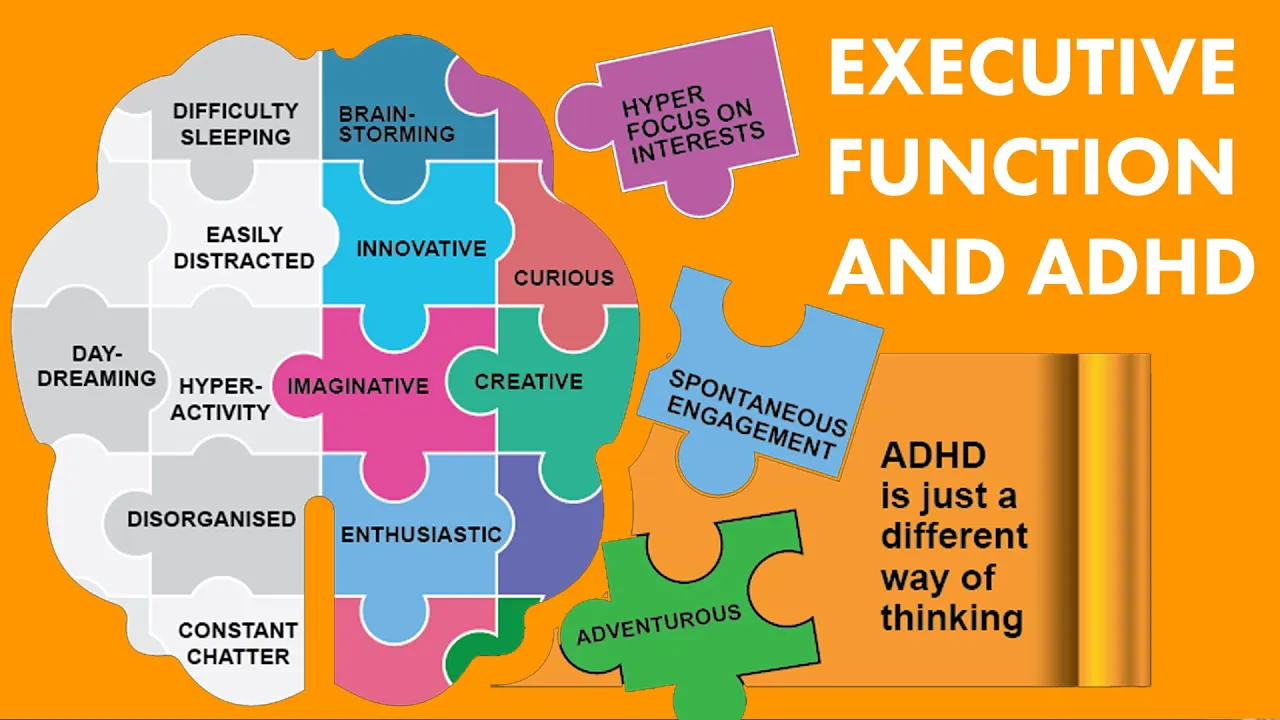














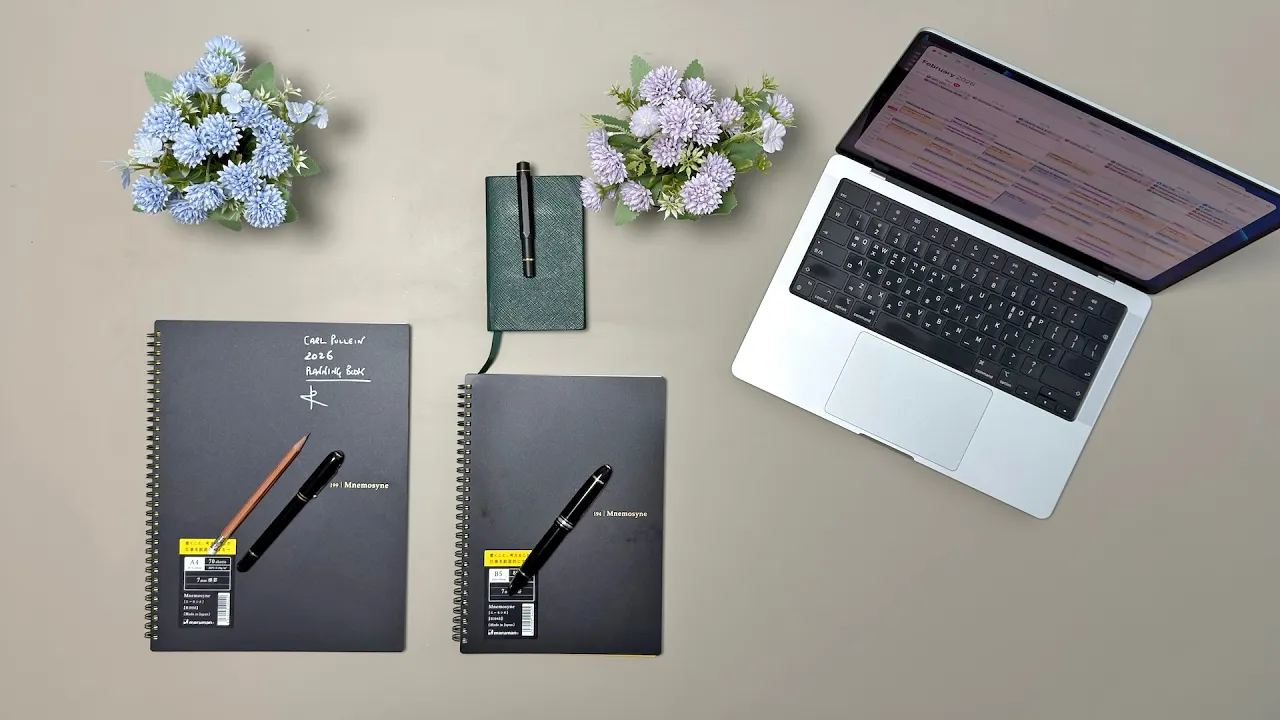





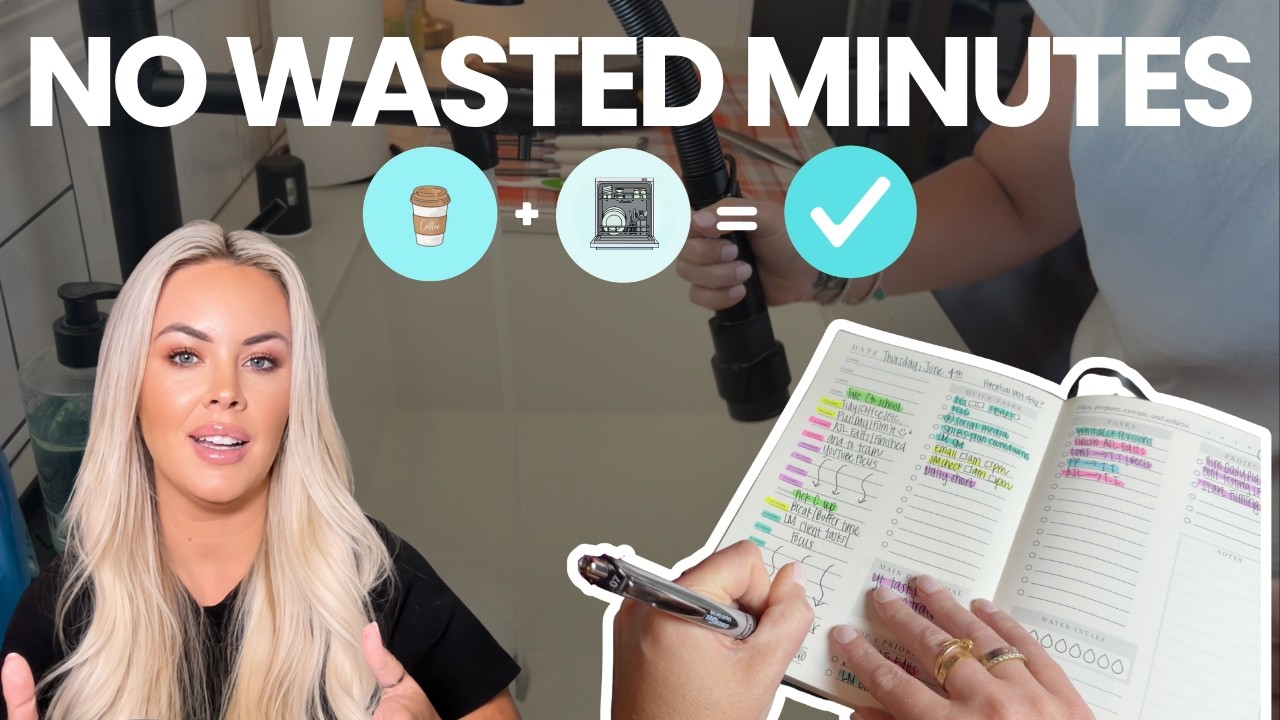

For individuals with ADHD, an effective planner system must be modular, simple, and visible; the key principles include using a disc-bound system that allows customization, keeping only three months of planning at a time to prevent overwhelm, maintaining minimal tools (one pen, highlighter, and dot marker) to reduce distractions, keeping the planner open to combat object permanence issues, and creating a consistent workflow with sections for goals, important dates, and personal priorities.
ADHD Planner System: Discbound Setup for Better Productivity
Added:Understanding of executive dysfunction in ADHD, particularly how it impacts task initiation, working memory, and planning.
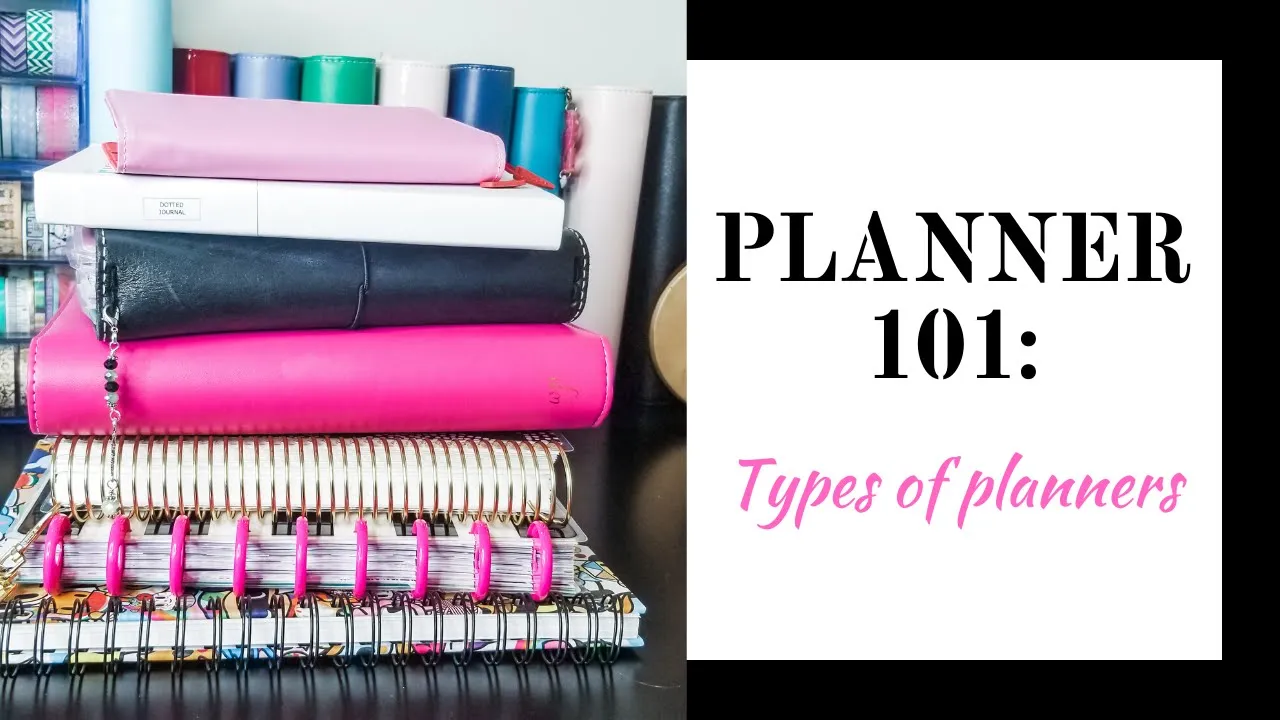
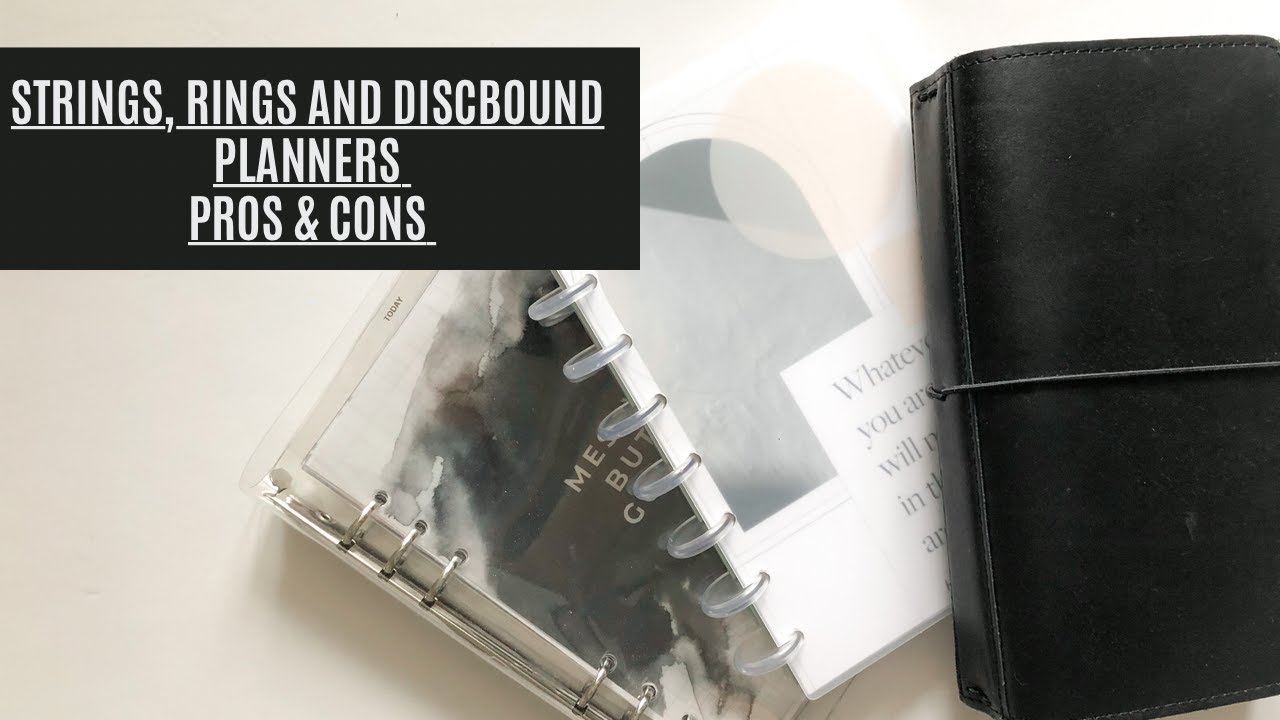
Basic familiarity with different planner formats (e.g., bound, ring-binder, and discbound) and how their physical limitations affect usage.
The concept of 'time blindness' and why external, highly visual cues are necessary for neurodivergent time management.
The psychological role of novelty and friction in ADHD productivity, explaining why rigid, pre-printed systems often fail.
Strategies for building a hybrid productivity system that seamlessly integrates analog discbound planners with digital calendar tools.
Designing and printing custom planner inserts tailored to specific cognitive needs, such as task-chunking or mood tracking.
Establishing low-friction weekly review and reset rituals to maintain system consistency and prevent planner abandonment.
Applying the concept of 'habit stacking' to integrate planner utilization into existing daily routines.
22.8K views786likes17:22Original Release: 2025-05-11
Let's talk planners, specifically why planners fail me. If you have ADHD, you probably know the struggle. You want to use a planner, but then you buy a planner and you use it for like a week or sometimes, if you're like me, not at all, and then it just goes into the void. the planner graveyard. Uh, personally, I have tried every kind of planner. I tried the the colorful ones with all of the stickers and pretty stuff because I thought, "Oh, give me dopamine and make me happy." I've tried the ones that you can just get at the big box stores. I've tried the really expensive ones that you can customize and spend a lot of money on. And none of it ever worked for me. So, after a lot of wasted money and effort, I just kind of gave up on it. I was like, I'm just I'm just not going to be a planner girly. and that's okay. But then I found this discbounce system and it completely changed the game for me. I'm going to tell you why I like the discbound system and how I make it work for me. So, first thing is it's completely modular. I can change anything I want. Like if something doesn't work for me, I can just be like like see you later. Bye.
Uh, if I want to add things throughout the year because I see something cool or new that I want to try, it's easy to do.
The one sizefits all like pre-made, just absolutely not. Doesn't work for me at all. Um, this allows me a lot of flexibility. You know, I only keep three months in my planner at a time. And this lets me set things up exactly how I want them to be set up. And that's really important if you have ADHD because everybody with ADHD is a little bit different. and different things work for us. Second, I can keep it simple. If you don't like keeping it simple, that's fine. Uh, but for people that have ADHD, I always recommend a simple planner setup because all if you do too many stickers and flourishes and colors and you've got 10,000 things, it can really lead to overload and you can get more distracted by the planner itself. So, it really loses its functionality and its purpose. So, for me, I keep everything really simple. I keep a highlighter, this awesome little dot marker, a pen, minimal stickers, and that works really, really well for me. The third thing that I do to make this work for me is that my planner is always open. People with ADHD struggle with what's called object permanence. So basically, that means that if I don't see something, it doesn't exist. Like if this is closed and it's on my desk like this, this no longer exists to me. This might as well not be here because nothing inside of it is real anymore. So by leaving it open, it becomes my external memory. So I'm not missing tasks just because I don't see them. So I'm just going to quickly take you through my planner and show you how I have it set up that works for me. But I do want to point out that if you have ADHD, it's really important to try different setups. That is one reason the disbound system works so well because you can try different setups. You can do different things until you find what works for you. It took me a few tries to get to the system that I have now. So, first of all, I love this this cover.
This is cactus leather. Um ADHD people, we have sensory stuff. So, I actually like the way that it it feels. Um, I don't like things that are overly smooth. This is smooth enough, but has like a nice texture to it. Um, you know, I keep it really simple in here. There's a lot of pockets right here. I know a lot of people love to keep um, you know, their page flags and and various things in here. For me, that can become really distracting. Normally, I actually don't have anything in here, but this journaling card is uh in the April intention box, and I actually really really love it because I like the way that it feels in my hand, which sounds silly, but again, if you if you know, you know, uh the grommets in it, which I think are so clever and so cute. Uh just it's like a fidget toy in my planner.
So, that's really what this has become for me. Uh and I actually sit there in meetings and do this. This is another way to engage your hands if you don't happen to have a notepad available. Um, so I do that a lot. So, I just really like that journaling card and that's why it's there. Normally, I don't really keep anything there. As you can see, I have a few dashboards. I do like the dashboards. I think they're fun. I often change them out. This is one of my favorites. Chaos Makes the Muse. I think that speaks for itself for somebody that has ADHD. Uh, so I keep that in there pretty much all the time and swap out the other ones. Uh, this is something that I actually added recently. I did have a regular annual spread, but I never used it. I didn't find it to be very functional. The layout just didn't really work well for me. And then this came in the January intention box. And I thought it was so fantastic because it's so I don't know. I don't know what it is I like about it, honestly, but I love the pull out and um that it's really easy to read. It's just great to get a a big picture overview. Works well for me.
Uh, I don't plan that far out. So, you can see that it doesn't have a lot on it. Just kind of what's going on right now if it's important, like I have my kids birthdays and um a trip on there, but I don't really use it for daily.
It's really just a great reference calendar. Um, then of course, we have these little doodads in here. You'll notice that I do just do three months of planning at a time. So, I've got March, April, and May. Uh, I was going to get the nicer tabs that have the months all preprinted on them, but I happen to have these at home already, and I'm impatient, so I just wrote the months on there. Um, it's not the most aesthetic, so, you know, it is what it is, though.
So, what we'll what I'll do when I get to the end of March and I'm looking at April, because I do try once a month to spend at least 10 minutes looking at the whole month. So, what I'll do when I get to April is I will go ahead and I'll add June in. I have the whole year of inserts. I just don't like having them all in here because I find it to be really overwhelming. So, I keep them on another set of rings that I keep in my office and then I just add a month as I take a month away. So, that's how I do it. And just to show you how I have it set up, I will give a little bit of a trigger warning. If you are very type A or bothered by uh handwriting that is not super aesthetic, this may be a bit of a jump scare for you because this is my real planner and you know I don't I don't usually show my real planner so or my planner at all. So it is what it is.
So at the beginning of the month uh I love this layout right here. Um, at the beginning of every month, I have the goals section, which I do find helpful.
Sometimes those can get a little overwhelming for me, but I do find this particular layout helpful. And I just write in work and then home across here.
Uh, because I always have a lot going on in both. So, you know, I've got my job here and then I have, you know, a big wonderful family at home. So, um, I try to leave space for goals for both. So, I just try to keep it simple. For work, I'm writing in the big picture things that I know I need to work on that I want to remind myself of throughout the month. Uh, and then for home, you know, we're doing a lot of spring cleaning stuff right now, trying to get things ready for spring and summer. I live in Florida, so we tend to do that just a little earlier than maybe they do in other parts of the country. So, you know, things like cleaning up our lai, finalizing summer vacation plans, all of that. Uh, important dates. Usually I write down like spring break for the kids when they're out of school. Uh birthday, you know, any traveling that I'm doing. Um I I don't think my life is that entertaining most of the time. So this is actually a lot for this section for me. Usually it's full of events that have to do with my kids. Uh because that's life when you have kids. And then I try to always make at least three priorities that are for myself or my family. Uh very often I'm bad at prioritizing those things and this little section here has helped me with that. So for this month I'm trying to do more meal planning because I am the queen of Door Dash and I really want to improve on that. So I'm working on more meal planning. And then I have a move goal with my job. I do a lot of sitting down, lots of meetings and I get really hyperfocused when I get going and then I forget to do things like stand up or move at all.
So, I've tried to make it a goal that, you know, I'm not sitting for longer than 30 minutes at a time without a break because that's really bad for your body. Uh, and then summer camp, just getting things ready for the kids for summer so that they have their things to do while I'm working and everybody gets to stay sane in our house. So, I try to keep it simple. Um, I will often write bills down here. I didn't do that this time because that seemed weird to do when I'm showing it to thousands of people on the internet. So, um, normally I'll write just bills that are not typical bills. I don't find that I need to write down things like rent, electricity, a lot of things are on autopay like that, but bills that are maybe unusual, um, you know, bills I get in the mail, things that are not monthly things, I will write them down here. And I'll also put an what I call a note to my future self, which you'll see here in a minute, uh, on the date that I need to pay it, cuz that helps me remember to pay those things that are not super routine for me. So then just moving on.
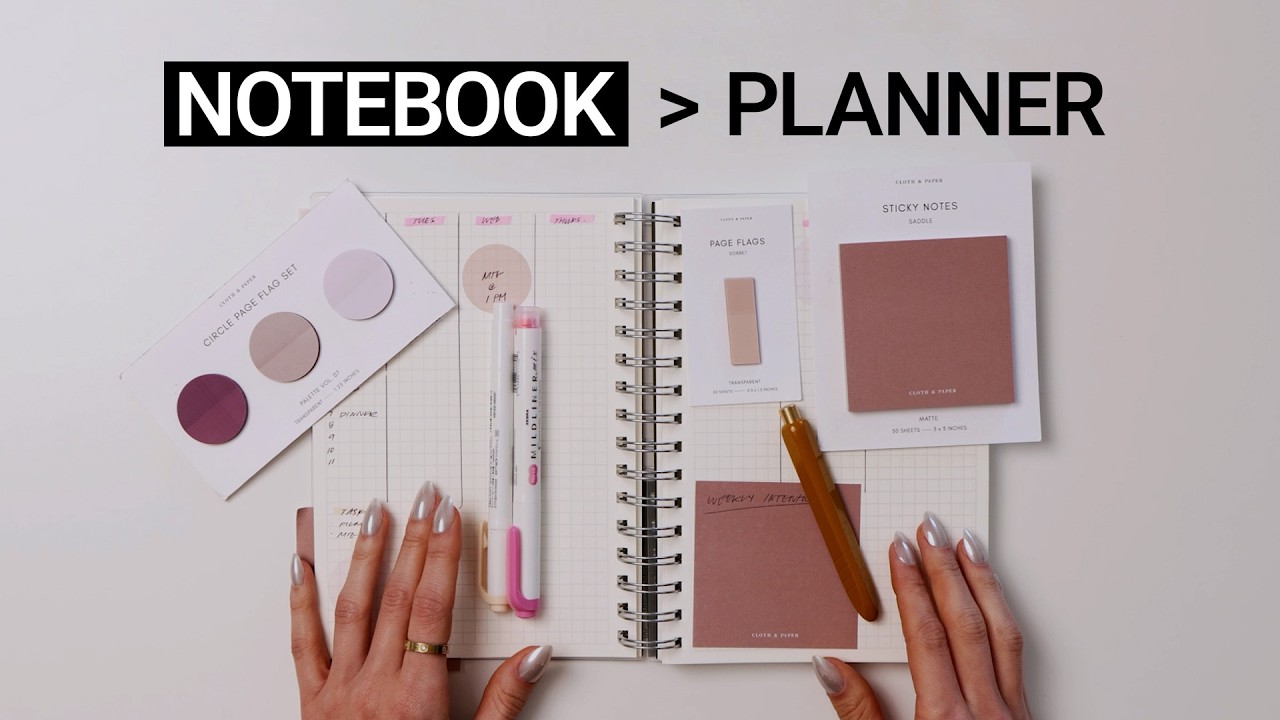
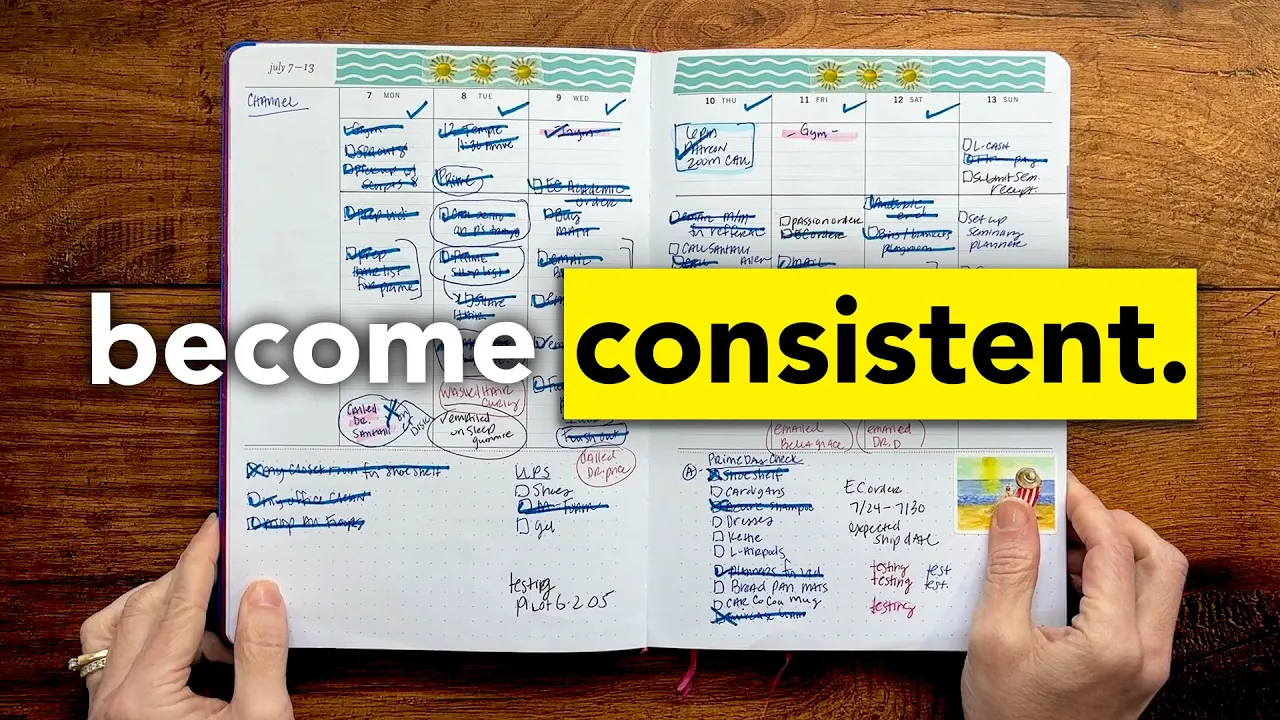
Um oh, you'll see this is um some of the doodling that I do. Uh there's a separate video actually that involves why I do this. Um but moving on from that, this is how I do my planner layouts. I try to keep it really simple, really clean. You'll notice I don't have a lot of different colors. I don't have lots of different stickers and page flags. And the reason that I don't do that is because for me it becomes distracting. Uh, and they almost become like toys because, you know, I like them and I think they're fun to play with and it's it's fun to make very aesthetic and pretty spreads. But functionally on the daily for me, this is what works really well. So, over here is um my task snowball. If you don't know what that is, uh there's another video about that that explains how I use that for productivity. So, this is like my weekly task snowball. This is where I start out. Um, this is actually another one that's for a larger project. So, you know, I write that down and then a lot of times I will draw a line and just write this is where I put like personal tasks that I need to get done that particular day or week depending on what I'm doing. Um, and I try to always make a line between the two because I do work from home a lot of the time and I I need some kind of separation so that I don't get things too mixed up throughout the day. Um, and then I'll make, you know, whatever memo is really important over here. It can vary from day to day. I don't really have a rhyme or reason to it. It's whatever makes sense. At that time, you know, on this day in particular, I needed to remember to check in for a flight. Um, the little the little dot stickers here, uh, they don't really serve a purpose. This is just one of those things that I love the way it looks and it calls it out. And, um, out of all the stickers we have, I will say that the dot stickers are probably my favorite. I love these stickers. I would buy them in 20 colors if we made them because I love the way they feel. I like the way they stand out. Um I really like the clear ones because as you can see over here, um I do the dot with the marker and then I put the clear button over it and it just makes it a little bit fun. So, you know, for me, like I said, I keep everything simple. So, I've got simple tools and then I have um you know, one pen. I only really let myself carry around or have on my desk one pen at a time. I'll have more more pens like I have more pens I should say. Uh probably a million of them, but they have to stay in the drawer. I only really let myself have one pen on my desk because again trying to keep things free from distractions.
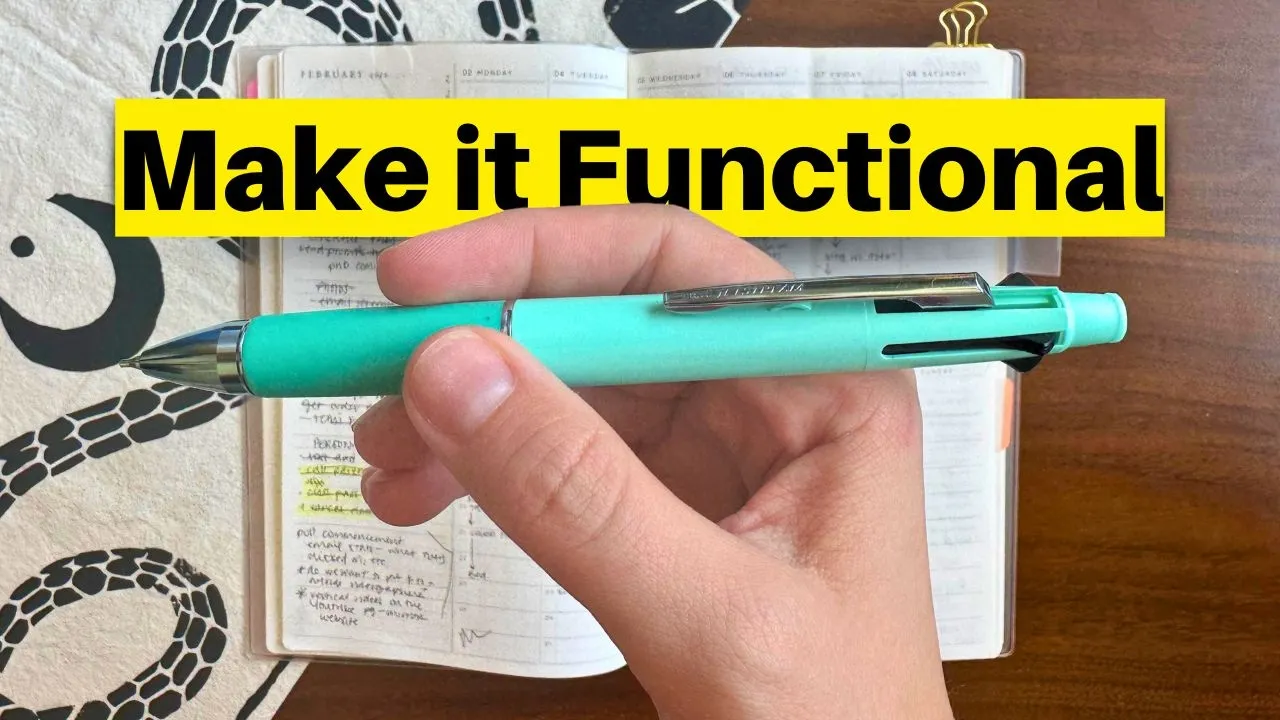
And I will tell you, I love this pen. I really was not a fountain pen person.
Um, as you can tell, penmanship is not super high on my priority list most of the time, but I got this in the December intention box. And I it's really heavy.
I feel like it actually improves my handwriting. Yes, this is the improved version of my handwriting, um, just in case you're wondering. And I really, really have enjoyed it. So, I switched to the fountain pen. This one in particular, like I said, I love it.
The quality is great. It's nice and heavy. That's my pen right now. And then I also use a gray highlighter. Again, some people prefer the colorful highlighters, but to me, when I'm using the colorful highlighters, it is to really highlight something, and that's not what I use my highlighter for. I use my highlighter for crossing things off.
For example, I just finished these, so actually cross that off. because to me it's like shading it and saying I'm done with it. So that's something that I use the gray highlighter for. This I use for pretty much everything. I love this little dot marker. Love it in different colors. Everything you can think of. Um I make my own little check boxes sometimes when I'm doing these smaller breakdown lists of big tasks. Um or like right over here. So that's the probably the most typical way that I use it. But sometimes I'll also use it like decoratively. Like over here for example, I made like a fun little marquee. So, um, these are really the only three tools that I keep on my desk all the time because they're the essential pieces of the planner. So, try to keep it really, really simple. Um, I'll swap them out, but I have a rule that if I add something, I have to put something in my desk drawer so that I don't become too overwhelmed with choices. It's really very simple and I keep it very simple intentionally. Uh the workflow, you know, really just flows throughout the week. I'll make this big list at the beginning of the week and then it kind of flows into the next pages. You know, obviously things crop up during the week that I didn't know were going to be happening on Monday, but typically I can predict a lot of the tasks that I have to do. So, I'll just keep carrying it over throughout the rest of the work week.
You can see I've already added some things here. This is actually what I'm doing right now. So, um I'm going to just cross it off. Even though I'm not all the way done, I'm just going to I'm going to cheat right now and just cross it off. Um and then this here, uh is another thing that I do that helps me a lot. This is what I call my notes to future self. Um I used to use Post-its all the time. I was somebody who had Post-it all over my desk. I had them all over my computer monitor. I used it to manage my tasks and to try to remember things. And what I learned is that that is a terrible system for me. So, I made a rule that post-it notes are only for temporary things. They're only for temporary reminders and things that are not super important. If something is really important, it has to go in here to remind me. So, my notes to future self, or at least that's what I call them, is basically when I'm sitting here and I'm thinking through my week and I'm like, "Oh my goodness, I need to make sure that I order groceries on Friday so that my family has food to eat this weekend." So, I will write it on a post-it and I will stick it in this part right here because I don't really feel like it needs to go in the main task list. So, then when I do order the groceries, I, you know, can take the note and I can throw it away. I'm not going to do that because I do actually need to remember to order groceries for my family. So, I'm gonna put that back in there. Um, and yeah, so I just do the same process week over week. I try to keep it the same mostly. I switch things up very slowly if I do because I don't want it to become something that is taking up too much of my time and, you know, negating the purpose of the planner, which is to be organized and productive. So, that's what works really well for me. Long story short, if you have ADHD, you need a planner, but you need a planner that works for you.
Something that's customizable, simple, and most of all, visible. That's a planner system that will work for you.
Uh, beyond that, get something that's modular. There's, you know, discs like this. There's also ringbound planners.
Some people prefer those. There's various sizes. This is a half letter for those who might be wondering. This works really well for me cuz it's not too big and not too small. So find what works for you. Try different things. Don't be afraid to say, you know what, this doesn't work for me. And try something else. That's how you find the system that works for you. And when you do, it's a complete game changer. So that's it. Let us know what works for you.
Happy planning.
[Music]
Up Next
10:33
ADHD Task Management with Toodledo and Notability | How It Works
@marblejarchannel
7K views•2017-06-23

105:00
The Internet's Own Boy: Aaron Swartz Documentary (2014) | Digital Rights & Activism
@moviemaniacs
2.4M views•2014-07-01

9:49
FastAPI vs Flask vs Django: Choosing the Right Python Web Framework
@TechWithTim
302.5K views•2024-05-26

1:42
Game of Thrones Opening Credits: A Cinematic Analysis
@gameofthrones
46.3M views•2011-04-18
Related Study Plans & Knowledge Roadmaps
Structured learning paths in General & Interdisciplinary Studies
general-studies
Elevator Engineering: History, Physics & Cities
01From Hoists to Safety Brakes: The Dawn of Vertical Lift
02Hydraulic vs. Traction: The Engineering Physics of Elevators
03Modern Speed, Safety, and Algorithms
+ 2 more learning modules
12h5 modules
Explore Roadmap
general-studies
Rubber: Material Science, History & Geopolitics
01Origins of Natural Rubber & Mesoamerican History
02The Chemistry of Natural Rubber & Vulcanization
03The Geopolitics of the Rubber Boom & Colonization
+ 2 more learning modules
12h5 modules
Explore Roadmap
general-studies
Containerization: Evolution, Logistics & Trade
01Ancient Trade & Bulk Cargo: Amphorae to Barrels
02The Industrial Revolution & Cardboard Packaging
03The Containerization Revolution: Malcom McLean
+ 2 more learning modules
12h5 modules
Explore Roadmap
general-studies
Textile Tech: Evolution, Labor & Global Impact
01Pre-Industrial Textiles: Handloom & Cottage Industry
02Mechanization: The Spinning Jenny to the Power Loom
03The Factory System & Global Labor Transformation
+ 2 more learning modules
10h5 modules
Explore Roadmap