




















The World Health Organization serves as the focal point for global public health experts but faces significant political challenges, including funding withdrawals and credibility questions, while working to coordinate international responses to pandemics like Covid-19 through guidance, testing support, and collaboration with 194 member states.
WHO Special Envoy on COVID-19: Global Response & Future Outlook
Added:The mandate and organizational structure of the World Health Organization (WHO) in coordinating international public health emergencies.
Basic epidemiological terminology, specifically the distinction between outbreak, epidemic, pandemic, and endemic phases of a disease.
The concept of global health governance and how national sovereignty interacts with international health regulations (IHR).
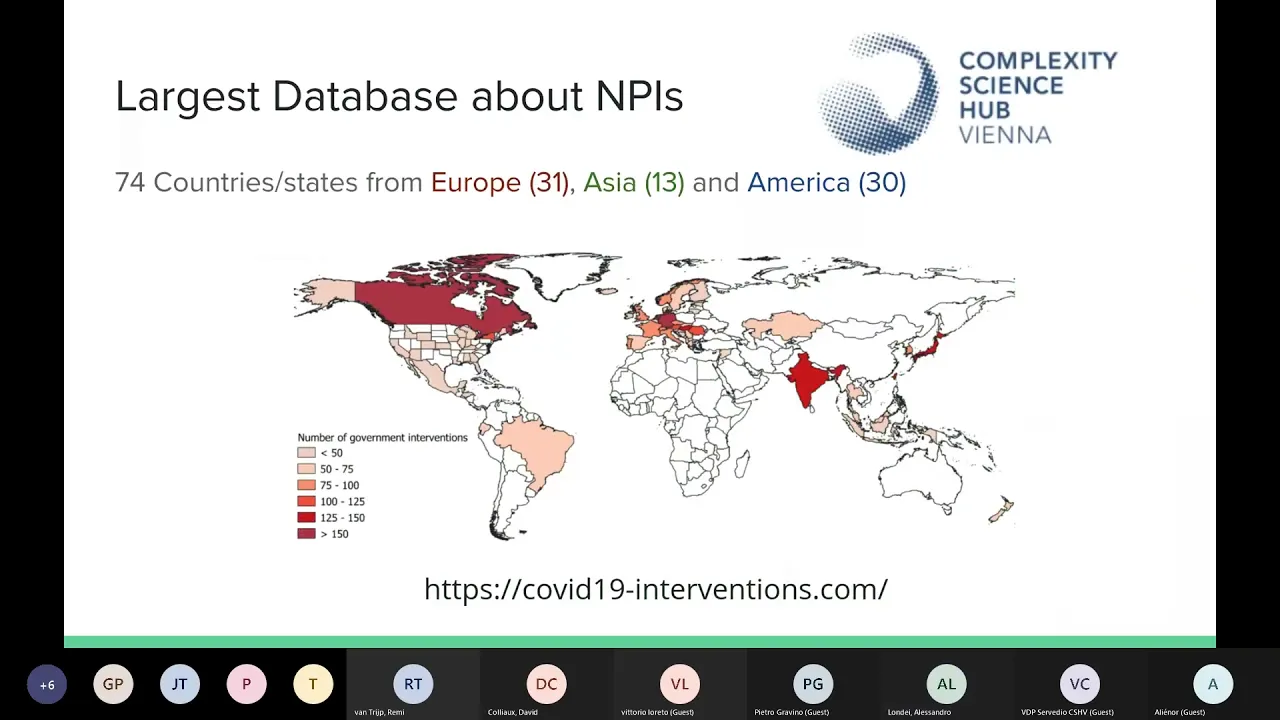
Fundamentals of public health mitigation strategies, including non-pharmaceutical interventions (NPIs) and vaccination campaigns.
Analysis of global pandemic preparedness treaties and policy reforms proposed to improve future international health responses.
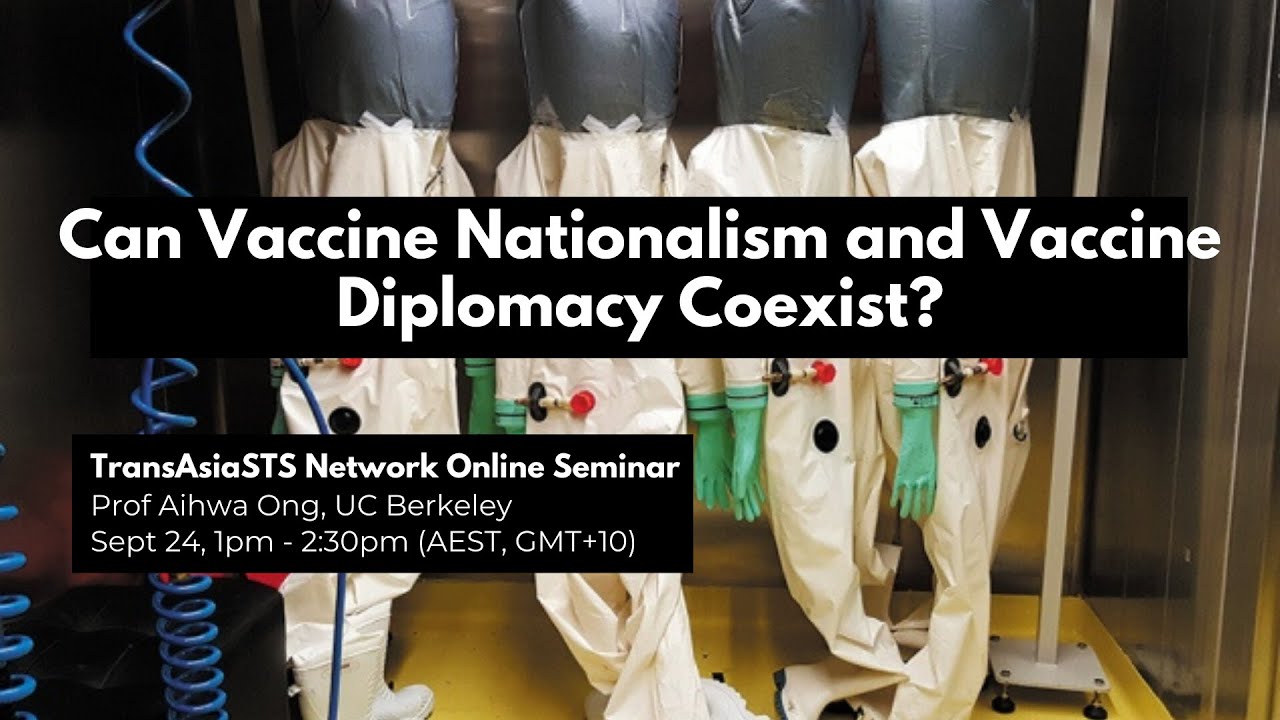
The study of vaccine diplomacy, global supply chain logistics, and the ethical implications of health resource distribution in low-income countries.
Evaluating the long-term socioeconomic and mental health impacts of prolonged pandemic-related restrictions and lockdowns.
Technological advancements in early-warning biosurveillance systems, such as genomic sequencing and wastewater epidemiology.
121.4K views1.5Klikes24:27Original Release: 2020-04-20
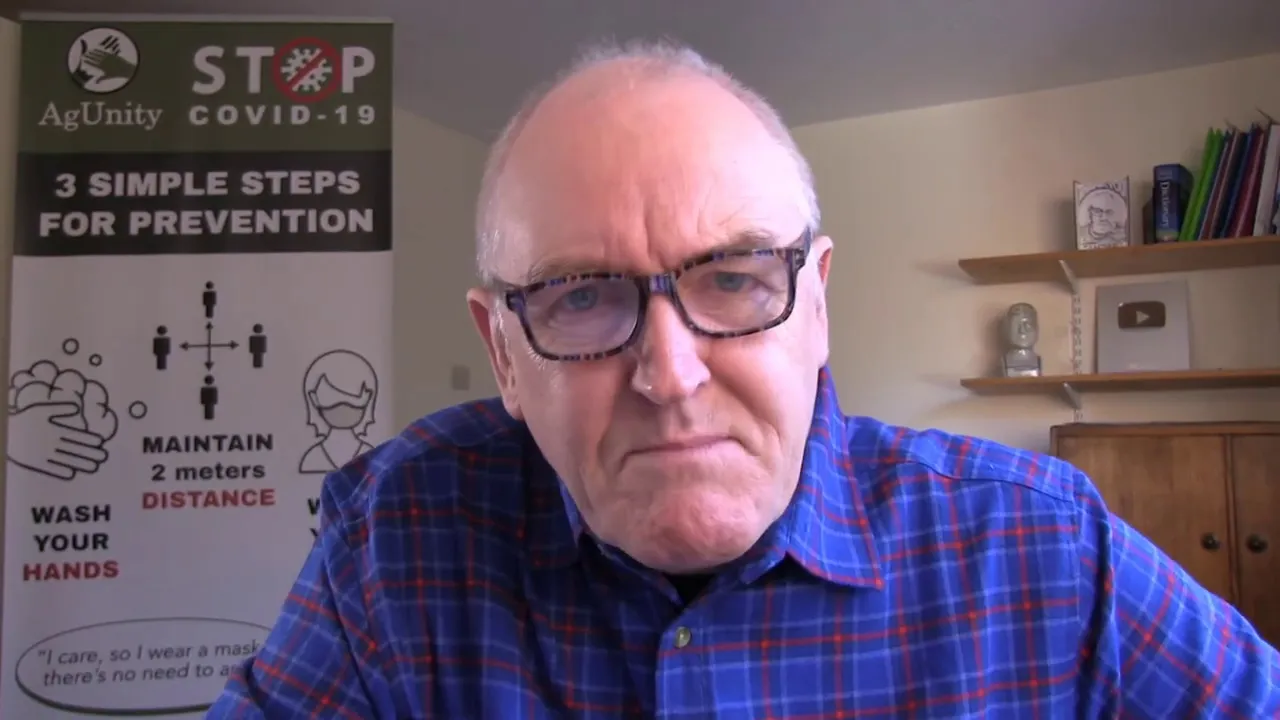
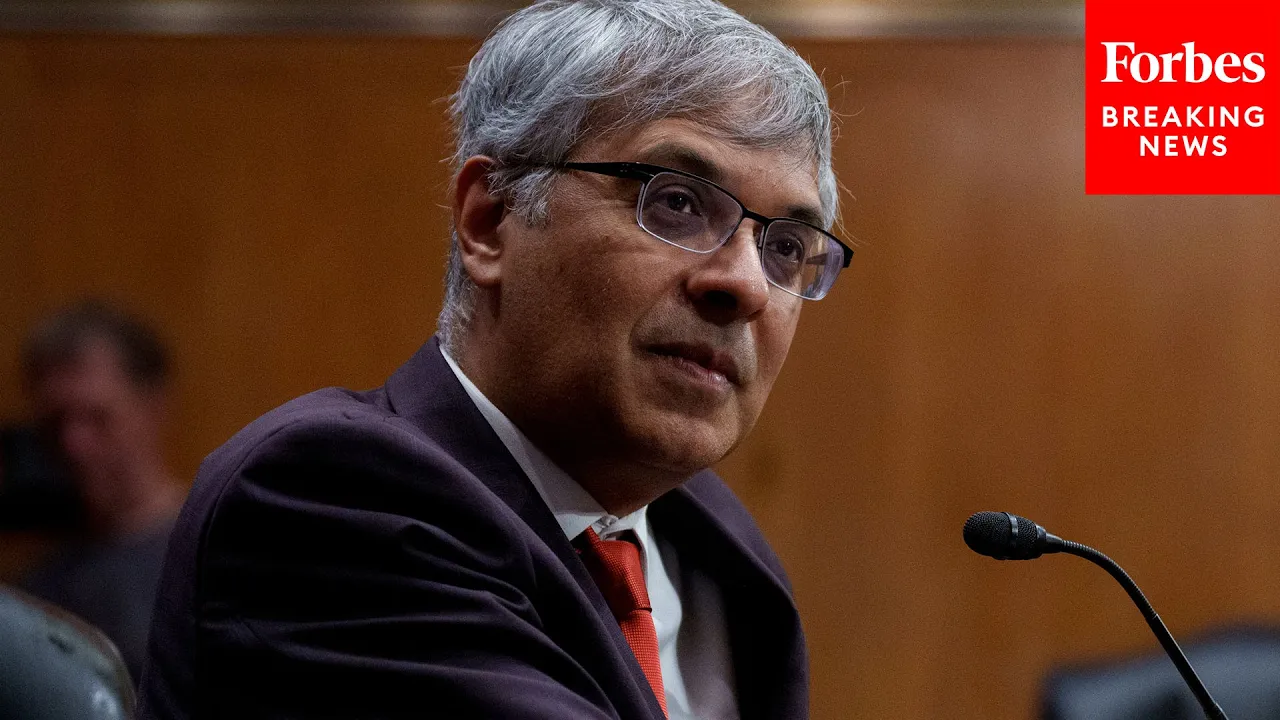
welcome to hard talk I'm Steven Sacco with nations across the world struggling to contain the corona virus pandemic there has never been a greater need for an internationally coordinated response and that is where the UN agency the World Health Organization should come in but right now the w-h-o is itself at the center of a political storm President Donald Trump has withdrawn American funding accusing the w-h-o of being China centric well my guest today is the w-h-o special envoy for covert 19 dr. David Nabarro is his agency failing its biggest test [Music] David Nabarro in Geneva welcome to hard talk thank you thank you very much do let us start with an overview as a veteran of fighting disease from malaria to cholera to Ebola you've now become the w-h-o special envoy on covert 19 are you more worried today than you were a month ago about the way it is spreading around the world I was always anxious about this ever since I first heard about it and I've got increasingly anxious as the pandemic has gone on you see we're beginning to get some sense that the outbreak can be controlled in Europe and in the US but that's as a result of very rigorous physical distancing through lockdown my concern is that the virus hasn't gone away during these lockdowns and that as the lockdowns are released if we're not fully defended that the outbreaks will build up again and I'm really worried about what's happening in poor countries on two accounts one is that they have really very weak health services compared with advanced countries and secondly that the lockdowns that have had to be introduced in so many countries now are also having impacts on people's food security people's nutrition and their increasing poverty over do you regard it as inevitable as some have said that ultimately this pandemic will sweep through the most vulnerable countries of all I'm thinking perhaps of Yemen of the situation in northern Syria of pretty broken countries like Venezuela will they all ultimately be hit hard by this pandemic it certainly will be a threat to every country in every population in the world so the only way we're going to be able to get on top of it and get ahead of it is everyth is that if every society everywhere is knowing about it and is able to interrupt transmission for themselves the really important point is to stress that it's not going to suddenly go away it's going to stay with us for the foreseeable future so this capacity to defend against it and to learn how to with the constant threat of the virus is going to be the key for the future of humanity in that context how disappointing is it to you that the World Health Organization right now far from being the sort of spearhead of a global attempt to control the virus right now the World Health Organization is riven with political division you have the United States withdrawing funding you have other politicians criticizing you and you have let's face it a profound credibility problem well first of all I want to stress that the way in which this virus is being tackled is through the most extraordinary network of public health experts throughout the world now the public health community sees the World Health Organization as its focal point we've all worked as either members of the World Health Organization or as parts of networks of the World Health Organization and for the public health community there's absolutely no question the World Health Organization is our lead organization we don't have a problem with its credibility if there are political leaders who have problems with the World Health Organization that's for them to sort out remember the w-h-o is governed by 194 member states as they're called and the w-h-o personnel operate under that governance that that is the bureaucratic sort of process behind the w-h-o I just want to get down to brass tacks there is a strong feeling in some quarters that the w-h-o colluded in a cover-up of the beginnings of the outbreak of covert 19 in China is that the case oh absolutely not I would like to say it a second time absolutely you know if you are so sure explain to me why we now have evidence that the Chinese authorities covered up for weeks knowledge that they had that this was an extremely dangerous new virus that was being transferred from human to human and the World Health Organization failed for week upon week to flag that up well I mean of course what we will do in the World Health Organization as always happens is a very detailed and forensic examination of exactly what happened on what days who knew what who told who what and that will be the right thing to do when I was working on Ebola in 2014 there were many accusations against different organizations of failure to act on time and necessary investigations were done and they but they were done after we've got on top of the outbreak what matters now and I want to stress this steven is that everybody everywhere focuses on the job that has to be done we have a massive global emergency and it's absolutely essential that we all focus on that for us to be distracted and asked to do an inquiry right in the middle of everybody working flat out to try to keep people together to do what's necessary to do with this virus is frankly in a protocol I understand that and it is a very important point you make but nonetheless it isn't just about investigations of the past it is about ongoing credibility because we all need to know that the w-h-o when it works with national governments is able to access all of the data that governments are being transparent are being honest about what is happening in their territory and that therefore the w-h-o is a network which is sharing genuine information and right now we can't be sure of that we've just learned the official figures from Wuhan for the numbers killed by kovat 19 were off by 50% what else don't we know about the way this virus is working Steven that is a super complex question to answer I hope you will give me the time to answer it and perhaps I have to ask you to repeat parts of it let's deal with the figures I'd like you just to check what's been happening in the okay in the recent past we were told I believe over last 24 hours that the UK death estimates have had to increase because they found that they hadn't got all the deaths that were probably covered related in their figures because they were dealing with them primarily on the basis of NHS results and then they found there were additional deaths from people in residential institutions the same for other countries as well revive revision of death numbers during an outbreak is very common and viewers should not believe that just because death numbers have been revised that means there's concealment secondly the World Health Organization is not a global international health Inspectorate it's a brilliant organization that works in the way that it was set up to deal with information that is provided to it by individual members it cannot compel governments to release information it doesn't have the power and that's the way in which we've always worked and that I presume is the way we're going to continue to work unless governments give us different rules to work by I understand that point and it is an important one but let us not forget that your boss table dr. Ted Ross the head of the w-h-o went to Beijing and in the course of his conversations with Xi Jinping and others he heaped praise upon the Chinese response to CO vyd 19 now knowing what we know that you deeply regret that can I interrupt you at this point it is really important that your viewers understand exactly what dr. Ted Rose was doing he was praising the way in which the Chinese government responded to the outbreak when they realized what was going on they did a number of things that every other country should be doing they informed their people what was happening they reinforced public health services they repurposed hospitals and they got the whole of government to focus on the need to stop movement out of Wuhan to stop the disease spreading elsewhere in the country that was praised because it was the right thing to do other countries have done the same particularly countries that were affected by SARS in 2003 that was what dr. Ted Rose was praising and he has encouraged other countries to read the report of what we've seen was happening in China during February and to apply those findings themselves that was correct as my view as a public health professional that was the right thing to do what do you say then to people and I'm will talk about Donald Trump in a minute but people who actually have a lot of time for the w-h-o Whovian worked alongside it people like David fiddler fellow in global health at the Council on Foreign Relations been a consultant to the w-h-o who says we have had a situation since the beginning of the year where it looks like the w-h-o doesn't want to exercise its authority when it came to its interventions with China what do you say to that well of course the inquiries will be done those of us who are working on this right now believe that the World Health Organization has acted within the authorities that it has and I'm going to continue to say that even if you push me to try not to say it I also want to stress the following the World Health Organization has been very clear since the middle of January that there was a sense that this was a major and serious disease on the 14th of January that that concern was expressed in press briefings and other communications and it's been the same ever since take this virus seriously act quickly when you've got cases within your country do not do not behave as though it's a mild disease do not treat it like it's flu and that advice has been the drumbeat that's come from w-h-o since January understood and we'll get to your advice to governments and people around the world in just a moment but just one more point Taiwan the government of Taiwan says that it sent information to you at the whu-oh in late December describing their fear that humans and transmission of kovat 19 we didn't call it that then but what is we now know as covert 19 was already happening they say they got no response from you and there are many people concerned that because of your cloak WH OHS close relationship with the Chinese government that anything that came from Taiwan was not taken seriously was that true well that's not true so let me just give you the facts as I understand them and I want to stress I was not working for WH o at the time I started working as a special envoy initially at the end of January now on the 31st of December China reported that he'd found a cluster of pneumonia like illness in wuhan hubei province and that report went to the w-h-o on the same day authorities in taiwan wrote to wh o saying we've heard that there is an outbreak of atypical pneumonia in Wuhan can you tell us anything about it that de WH o as far as I understand was not given any information from Taiwan that was different from what they received from the government of China so it will of course be an investigation and I'm sure there will be more to be found but that is the information that I have and so it doesn't indicate that WH o was given information by Taiwan did not have you know as well as I do dr. Nabarro the Donald Trump for one doesn't buy that but let's look at the bigger picture of the relationship with the United States Donald Trump tweeted out the w-h-o blew it for some reason i funded mostly by the US and yet they are he says very china centric he's pulled the four hundred million or so dollars that the u.s. puts into w-h-o funds every year you have clearly a fundamental problem now with the united states as a veteran fighter of global disease how do you respond to what Donald Trump has done you know I've worked in global health ready for more than 40 years and I've worked in the to national system with w-h-o and other organizations for more than 17 years the most significant supporter in terms of personnel in terms of partnership and funding is the United States of America we've always had an absolutely superb relationship with the US and we continued to have that relationship u.s.
experts participated in the mission to China us experts are embedded in wh o--'s emergency response program u.s.
experts have been constantly working with WH o even recently they particularly those who are responsible for the control of communicable diseases it's not true to say that WH o is anything other than very close to the United States of America okay as it should be because it had so many superb experts on whom we and the world depend you but you have to recognize reality Donald Trump has declared that he doesn't believe in the credibility of your organization today Gordon Brown described Trump's move as self harm an act of sabotage he said many would see it as do you see it in that way I really do not want to use any words to do criticize any president of any country that is part of the international system the way in which the international systems works is by consent and by cooperation when you've got a giant emergency like we have at the moment the most important requirement is that all leaders work together to make sure that the well-being of seven point eight billion people is maximized if one head of state decides that he wants to move away from that global consensus that's not a problem just for the World Health Organization it's a problem for the world and it's a particularly serious problem if it is the leader of the organization that provides the majority of funding to our system let us look forward then if we may dr. Ted Ross your boss said that the message to the world all governments had to test test test the truth is some governments and I'm thinking of South Korea and Germany have conducted mass testing which appears to have been very important to putting a lid on the curve of infections they've had success other countries including the United Kingdom have not tested in the same way and their curve has not yet come down in the same way are you ready to call out countries like the UK for a fundamental failure the World Health Organization is not enabled to call out countries and criticize them it's not how it works what the World Health Organization does is it identifies approaches that look as though they're being successful whether approach that seems most useful in dealing with this disease is to interrupt transmission it's easiest to interrupt transmission if you were able to test people to see if they have the virus many countries have made valiant efforts to upgrade their capacity to test it's a tricky test to do and those countries that have done so and and distributed testing widely have been able to get on top of the disease I'm interested in is poorer countries who are not able to rapidly upgrade testing and for then we're doing everything possible to help them get access to tests and also if they can't get access to tests to explain to them how best to interrupt your transmission on the basis of what we call symptom based diagnosis I'm interested in your contention that it is absolutely not the wh shows role or responsibility to call nations out but I've got two quick questions for you brief answers if you would when we see China it seems still happy to tolerate the so-called wet markets in cities like Wuhan we're live wild animals are sold in marketplaces alongside other foodstuffs and we believe that may well be the way in which kovat 19 transferred to the human population is nits time for you and others at the top of the w-h-o to say this is not acceptable it must stop we can't say it's not it must stop but we can say that all the evidence suggests that wet markets and the eating of bush meat and similar practices are contributing to an increased risk of zoonotic disease and we really discourage that and we need to redesign the w-h-o don't we to give it more teeth to give it real power otherwise what's the point Steven you might want to redesign the w-h-o I might want to redesign the w-h-o but the w-h-o is governed by the world's nations and they meet together regularly and they work out how the mandates that want to give to the organization they will no doubt review what's happened as a result of this and decide whether they want to change the mandate but at the moment the w-h-o has been given the powers to advise and to provide guidance and to review but it does not instruct will there be ah an easy exit from this I'm guessing your answer is no but I'm also guessing that actually you in the course of this interview have suggested that we have to think of this not in terms of weeks and months but maybe even years before a semblance of normality is restored to our global cultures and societies is it like that there are countries that are showing us that there are ways to continue with social and economic activity despite the fact that the virus is a continuing threat we build on the experiences of those countries to establish guidance for the world and that suggests that we can transition out of the present situation living with Kovac provided that we set up defenses in communities everywhere and provided we have clear protocols for how we're going to react of their outbreaks if there is a way forward this gets down to specifics one small point I'm confused about you in a previous interview suggested you thought people around the world would have to get used to work wearing face masks now that was your opinion but then the w-h-o official opinion is still that the general public shouldn't wear face masks only health care and other care workers need to wear a protective facemask so what is the advice the w-h-o position is clear there's a world shortage of the high quality masks that protect everybody properly against getting infected by this disease these are the n95 or ffp masks that filter out small particles we want to make certain that these masks are kept aside preferentially for health workers to keep them safe and we would like to make certain that health workers in poor countries are first in line for these masks and that they're not sequestered by people who are worried about their own safety secondly people who've got the disease ought to be able to wear face coverings to reduce their risk thirdly people whose occupations require them to be close to others and they can't avoid it also ought to be wearing face coverings fourthly and the w-h-o is being clear on this if the wider community is to start interacting and and not being able to be faithful physically distancing all the time the notion wear face coverings there's a bit of a difference I'm afraid between the very sophisticated masks that are expensive and face coverings that we hide ourselves we're not quite so effective but I believe and I think the w-h-o is increasingly the opinion that broader face coverings are going to be necessary as part of the collective strategy to deal with our own but we don't want health workers to be without protection and that's a key point to be realistic you're suggesting that as the United States Europe and we see it already start trying to find ways to selectively ease the so called lockdown you appear to be suggesting that Co bid 19 hasn't gone away and that there will be second third fourth maybe multiple waves of infection for how long will those waves last so this virus we think is not going to go away period so that means that we have to have one of two things either we have to have a situation where there's a treatment so that everybody who has the disease can take that treatment and then not be ill or not be at risk death or there has to be some kind of vaccine that enables everybody to be immunized and to be defended against the the virus as has happened for other virus diseases it's just we don't have a vaccine and we don't know how long it's going to take to develop one and we don't yet have a treatment and we again don't know how long it's going to take for that to come along so we've all got to learn to live with this virus to do our business with this virus in our presence to have social relations with this virus in our presence and not to be continuously having to be in lockdown because of the widespread infections that can occur David Nabarro I thank you very much indeed for joining me from Geneva thank you very much [Music]
Up Next

19:25
Forest Mensuration Lecture 3: Measuring Tree Diameter and Girth
@dr.bikramsingh2661
18.3K views•2020-10-18

12:54
Triumph of Orthodoxy Icon: Byzantine Art & History Explained
@BenCallan
2.1K views•2024-08-06

9:49
FastAPI vs Flask vs Django: Choosing the Right Python Web Framework
@TechWithTim
302.5K views•2024-05-26

1:42
Game of Thrones Opening Credits: A Cinematic Analysis
@gameofthrones
46.3M views•2011-04-18
Related Study Plans & Knowledge Roadmaps
Structured learning paths in General & Interdisciplinary Studies
general-studies
Elevator Engineering: History, Physics & Cities
01From Hoists to Safety Brakes: The Dawn of Vertical Lift
02Hydraulic vs. Traction: The Engineering Physics of Elevators
03Modern Speed, Safety, and Algorithms
+ 2 more learning modules
12h5 modules
Explore Roadmap
general-studies
Rubber: Material Science, History & Geopolitics
01Origins of Natural Rubber & Mesoamerican History
02The Chemistry of Natural Rubber & Vulcanization
03The Geopolitics of the Rubber Boom & Colonization
+ 2 more learning modules
12h5 modules
Explore Roadmap
general-studies
Containerization: Evolution, Logistics & Trade
01Ancient Trade & Bulk Cargo: Amphorae to Barrels
02The Industrial Revolution & Cardboard Packaging
03The Containerization Revolution: Malcom McLean
+ 2 more learning modules
12h5 modules
Explore Roadmap
general-studies
Textile Tech: Evolution, Labor & Global Impact
01Pre-Industrial Textiles: Handloom & Cottage Industry
02Mechanization: The Spinning Jenny to the Power Loom
03The Factory System & Global Labor Transformation
+ 2 more learning modules
10h5 modules
Explore Roadmap