

















Substance dualism, the philosophical view that human beings consist of both a physical body and an immaterial soul, is supported by several arguments: (1) The hard problem of consciousness explains why consciousness cannot be reduced to physical brain states, as mental states have properties (like intentionality and 'what it is like') that physical states lack; (2) Near-death experiences suggest consciousness can survive bodily death; (3) The myriological argument shows that persons cannot be divided into percentages like physical objects, yet our bodies constantly change cells and atoms while we remain the same person; (4) Free will requires a transcendent self that can act independently of physical laws, which physicalism cannot explain. These arguments collectively support the view that humans are embodied souls rather than merely physical beings.
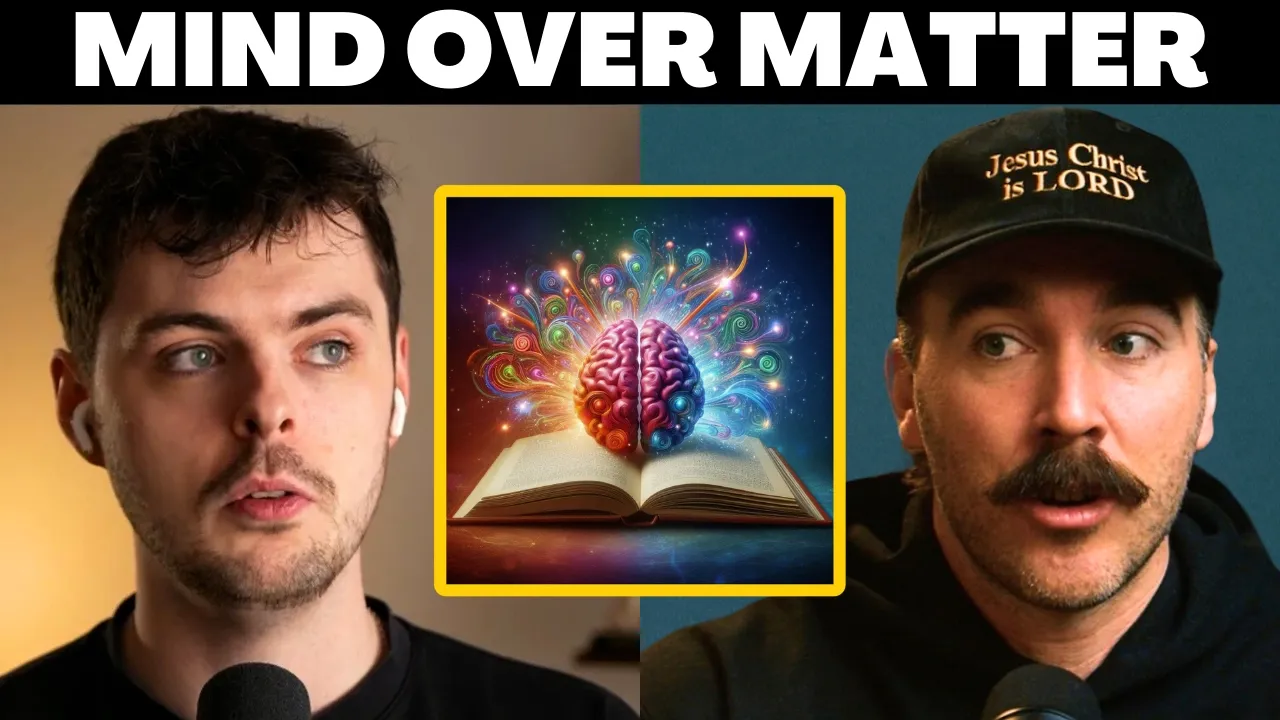
Best Case for the Existence of the Soul | JP Moreland
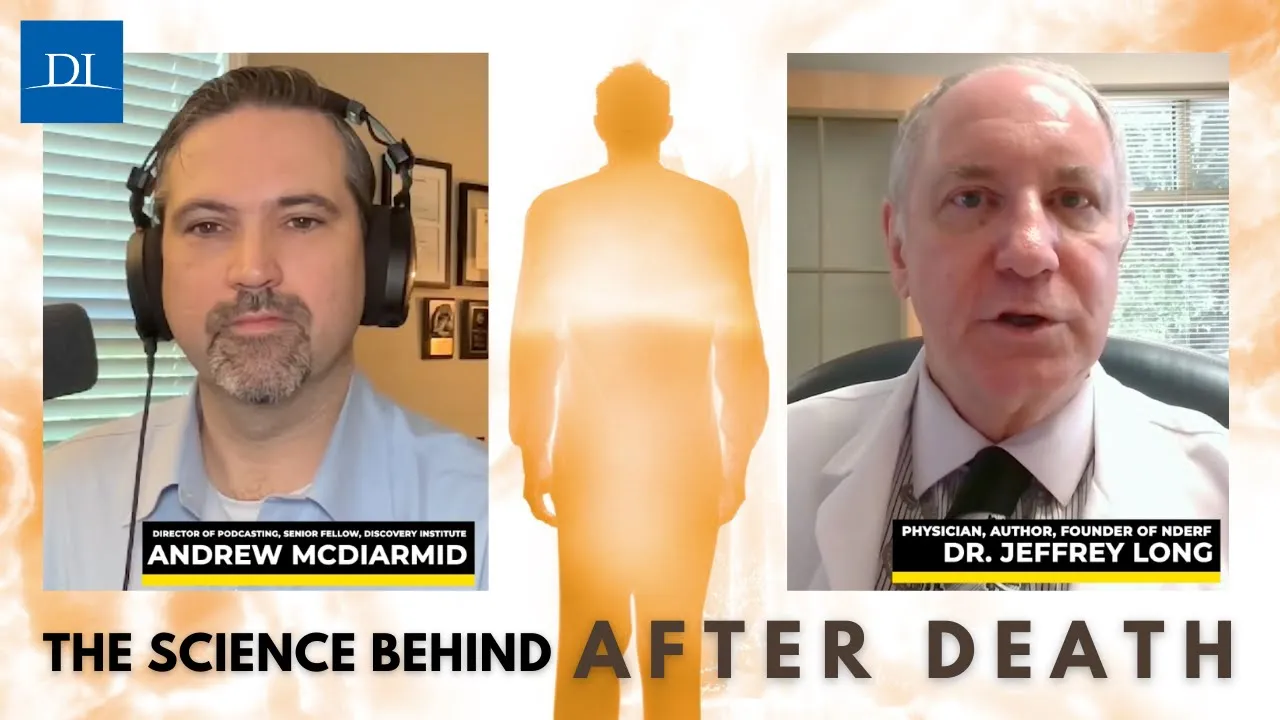
Added:buckle your seatbelts friends because we are about to go deep what things really exist Our Guest today Dr jpmoreland has written a comprehensive case for the existence of the Soul it's called the substance of Consciousness but it animates the body and it's what makes the body living the body was purely physical and was more or less just a physical machine then it's still a body some people might be thinking okay what is the soul JP you ready to go my friend well Dr McDowell it's always a privilege to be with you thanks well let's Jump Right In before we talk about your case for the soul let's define some terms what do you mean by substance dualism and then what you call mere substance dualism well historically substance dualism meant that there is a soul and a body and they are two different substances that causally interact with one another so that would mean for example that that my soul can cause my body to move if I will to raise my hand or if my body gets stuck with a pin I will feel a sensation of pain in my soul now in contemporary terms the notion of substance dualism has more or less given up the idea of the body being a substance in its own right so so I I'm trying to capture that when I uh defend in this book with my colleague Brandon rickabaugh uh what I what we call generic substance dualism and and that means the following that I am an immaterial soul I have a body and the two are not the same thing but are related to one another in some way so I am a soul that has a body the two are not the same thing and they relate to one another in some way or other and so that leaves the door open for several different versions of sub of generic substance dualism to still be a part of the family the bigger family gotcha we won't go into some of those particulars that you do in the book but at this stage Subs is dualism is that a human being is both body and soul and they interact in some fashion for simplicity's sake we'll we'll keep it there now I don't think there's a lot of questions about what people would mean by what is the body but some people might be thinking okay what is the soul maybe explain what you mean by the sauce we have Clarity on that that's a very very very good question um there would be two two views and one view would be if you follow the thought of the the early modern philosopher Descartes and the other view would be if you follow the thought of Aristotle and Thomas Aquinas so that the first view is that the soul is an immaterial substance or thing what I mean by substance is an individual particular thing so the soul is an individual thing that has the properties of Consciousness and so the soul would be a particular individual reality that that has the properties of having Sensations and having thoughts and having beliefs of different kinds perhaps having desires uh and being able to exercise uh willpower to to choose and act so in that definition the soul is what contains and unifies our consciousness now the Aristotelian uh to Mystic view goes beyond that and says that the the soul is a a sub an individual thing or if you want a substance or substance-like thing so let's just say it's a particular individual reality that contains the properties and the powers of Consciousness and the properties and powers of life so the soul doesn't just contain Consciousness but it animates the body and it's what makes the body living for Descartes the soul simply contains our powers of conscious uh thought and feeling and so on the body was purely physical and was more or less just a physical machine and as long as the body was functioning even if it was sustained by an artificial respirator of some kind then it's still a body it's a still a physical object that's that's moving in various ways but for Aquinas uh the the soul is is informs the body and gives it life and what that means is if the soul is no longer in the body it's not a body any longer it's a dead corpse so it is the soul that is responsible for the life of the body on that view so it's an immaturity particular thing that either contains the powers and abilities of Consciousness or Consciousness and the powers of life and animating a body so on this view death then is when the soul leaves the body and they're separated permanently yes that's right okay yeah there will be different tests for how when that happens but but the metaphysical fact of death is when the soul uh relieves the body uh permanently okay super helpful JP you're like me you talk with your hands and get excited it's rocking the the screen a little bit and tapping so you're gonna have to contain yourself for a minute I love the excitement about the soul do your best is all I can ask okay a couple more terms because we're going so deep it's important that we Define what is consciousness what is it like and how do we study it well a simple definition would be Consciousness is what you're aware of when you introspect so uh imagine a person waking up from surgery and he's in the recovery room and that dude is out and all of a sudden he's he starts feeling a throb in his knee and then then he has the thought I I I think I'm I think I'm home and I'm gonna go to surgery today because he's forgotten that he had surgery and then oh no he has this belief wait a minute I just I just had surgery and I'm recovering and then he feels thirsty and he chooses to to to yell out if anybody can hear my voice would you please bring me something to drink so what that person is regaining is consciousness and Consciousness involves things like Sensations of of pain or the taste of a lemon a thought or a belief or a desire or an act of free choice one thing that it seems conscious States have is that any state of consciousness so you're having a state of a thought or you're thinking about wants or perhaps your desire you're feeling a desire for uh something cool to drink or you're having a sensation of pain there is always a what it is like be in that state of consciousness so there's a what it's like to be a pain there's a what it's like to be a desire for ice cream but there is no what it's like to be an electron there's no what it's like to be negative charged so it seems like only conscious States have a what it is like uh to be in that state gotcha that makes sense that's helpful Okay so we've explained what we mean by substance dualism The Saul Consciousness and the what it is like that we really are aware of through introspection what is considered the hard problem of Consciousness now we're getting to the level of world view and now that we've described what this phenomena is we're asking what World Views can best explain it so maybe lay out for us what the hard problem of Consciousness is and maybe the challenge that it poses for certain World Views well the hard problem of Consciousness is why Consciousness appeared in the first place I mean if you begin with matter in the Big Bang and if you don't ask what caused it the history of the universe is just a history of the rearrangement of matter according to the laws of chemistry and physics and so on and so the history of the universe will be a history of matter forming uh larger complex Arrangements of atoms and molecules and so on now all of a sudden you get popping into existence something that has never existed before in the whole history of the universe and that is Sensations and thoughts and feelings and beliefs conscious States so the question is how could there be such a thing as consciousness coming from brute matter which doesn't even have the potential for Consciousness and and why are certain States Of Consciousness correlated with certain states of the brain so for example when a certain neuron called a c virus virus in your brain that is correlated with a sensation of pain but why isn't that c fiber firing correlated with the taste of cherry pie there doesn't seem to be that the relationship between the two appears to be contingent that means it could have been different and that raises the question which is the hard problem not only why is there such a thing as Consciousness to begin with but why are the specific conscious brain correlations that way instead of some other way so essentially a hard problem of Consciousness is where does this phenomenon come from in a purely Material World it seems to be qualitatively different not just quantitatively different so it it's a problem for World Views in particular that tend to describe and explain the world through physical interaction that seems to be the heart of it did I catch that you absolutely did I think the naturalist who believes that science and science alone tells us what's real will tend to reduce everything to things that exist that that physics and chemistry study well if that's true then then the existence of Consciousness would be a case of getting something out of nothing and you can't get something from nothing and so it raises a real pressure problem on naturalists who don't want to believe there's anything but the physical universe that's really helpful we're going to get to some of these explanations and your critique of them and your positive case for the soul but you have a pretty provocative statement of the book that I highlighted and I circled and it didn't surprise me because I've known you for probably almost three decades now which is pretty cool here's what you wrote In the book you said substance dualism again the idea that human beings are Body and Soul substance dualism has not been tried and found wanting so much as it has been judged unacceptable and left untried explain what you mean and uh defend that statement well in the 1800s you have in Europe the uh the emergence of a of a Doctrine called scientism and that's the idea that the only way that we can know what's true about reality is through the hard Sciences especially physics and then chemistry and geology and biology okay so the idea was that anything that cannot be empirically measured and tested in in the science laboratory and that is not a respectable scientific entity like an electron is respectable in a magnetic field and so on um you know you can believe it if you want to but there's no you there's no evidence one way or the other for it and probably uh things don't exist then aren't the things that we know are real through the hard sciences and so the idea that Consciousness was an immaterial uh phenomenon and that there was this soul that that uh contained Consciousness kind of went the way of the dodo bird it became extinct and it wasn't because it was argued against successfully it fell out of favor because you can't measure conscious states in the same way you can measure brain States and there were attempts in the first three decades of the 19th century to to because all the psychologists then were Cartesian Duelists and they tried to measure uh let's say pain uh in terms of whether it was intense or not the problem was the Laboratories all over the country got different results because they couldn't be precise enough in measuring consciousness well that caused scientists to want to just forget about Consciousness and start focusing on the brain and body movements and things of that sort so it was because holding that we are brains or are our physical nervous system was more amenable to Scientific measurement that the idea of a soul or immaterial Consciousness lost favor it wasn't argued out of existence it was more or less just dismissed because we're not interested in that kind of stuff that's essentially what I mean okay that's that's really helpful now you also make another provocative statement as you say that substance dualism is making a comeback what do you mean by making a comeback in what circles are you talking about and uh give us the evidence for that bold claim right well around 19 atheist you have secular material physicalist materialists who from about 1930 up until for 50 years had tried different forms of just complete physicalism that we are just totally physical and only physical the problem is that just didn't work because consciousness resisted stubbornly being identified with with states of the brain or the nervous system and that's because there are things that characterize Consciousness that don't characterize matter for example a thought has intentionality it's about something so I have a thought about the apple or a belief about the city of London but no brain state is about anything again a thought can be true or false but brain States can't be true or false uh there's a what it's like to conscious states which we already mentioned and not brain States and so it materialists like John Searle and and even jaguar and Kim a well-known materialist began to admit that at least Consciousness was no longer to be treated as physical and so it was treated as an emergent property in the brain and so the brain was still physical but somehow when the brain reached the right level of complexity a really brand new thing called immaterial Consciousness Rose into existence and uh so they were property Duelists that meant that they believed that conscious properties were not physical but they still believe that the possessor or the thing that had Consciousness was the physical brain and not a self the problem is that as we'll see later in our time there there are facts about us like the fact that we have free will arguably that cannot be explained if I'm a brain and so it there has been a renewal of scholarly work that is being done by substance dualists and this revival is being uh noted across the discipline and I think our book the substance of Consciousness at least the the critics are saying that this is going to contribute significantly to this new wave of substance duelist scholarship I think there's no debate about that as long as we can get the word out and that's in part what we're doing here so even if people disagree with you they need to wrestle with the force of the arguments that you make and help move the ball forward with conversation that would be a value in itself all right so we've defined our terms we've talked about what's at stake let's start start shifting towards your critique a little bit of other forms trying to explain uh Consciousness and your case for the soul so one question would be why can't we just reduce mental states to brain States so Paul Churchland has argued that sound is just a train of compression waves traveling through air light is just electromagnetic waves warmth is identical with low average molecular kinetic energy and similarly things like color can be reduced why can't we just reduce these kind of mental events and Sensations down to brain States well let's just begin with with color for example color cannot be reduced to or that just means identified with a brain a wavelength of light and the reason is that there are things that are true about colors that aren't true about wavelengths of light and so they can't be the same thing this is called the law of identity if x is identical to Y so that water is identical to H2O then whatever's true of water will be true of H2O and vice versa because they're not two things they're the same thing if you can find one thing true of water that's not true of H2O then they can't be the same thing so uh red is is darker than yellow but no wavelength is darker than any other wavelength one wavelength can be longer than another wavelength or could vibrate more rapidly than another wavelength but a wavelength isn't lighter or darker than another wavelength um wavelengths are rapidly moving and vibrating but colors are stationary they're on the surface of an object and they're just they're not moving they're just there so it's and I can add other things it's clear the color has features that wavelengths don't and vice versa so they can't be the same thing the only thing science has discovered is that there is a correlation maybe even a causal relationship between wavelengths and colors what I mean is that every time a colorist appears there might be a wavelength of light that's associated with it and that wavelength of light perhaps the Apple absorbs a wavelength and reflects another wavelength and that causes the surface to be colored red so redness may be caused by wavelengths but it's not the same thing as a wavelength now the same thing is true of brain States and mental state um take take a pain if you get if you have a severe pain in your knee there is a what it is like that is the very essence of that pain um it wouldn't if if you've experienced the pleasurable Taste of of Strawberry Shortcake after you got stuck with a pin on the knee uh you would be pretty wired wire weirdly wired but you wouldn't be in pain you would be experiencing a pleasurable Taste of Strawberry Shortcake so the very essence of a pain is the what it is like to be in pain there is no what it is like to be in a certain C fiber firing configuration neurons can be described exhaustively using scientific language if you want to describe a neuron is a cell in the brain and if you want to describe it you can appeal to things like calcium ions and how they flow down uh the uh dendrons and the axles of of the neuron and how the movement causes a little spark of electricity uh in a little gap between one neuron and the other called the synapse doesn't matter if you remember the words but we can describe Sean and neuron exhaustively in third person scientific language but one thing is left out and there is no description of what it is like to be in pain that is described by what we learn from first person awareness of what is going on within us whereas the neuron is described by a third person description of an object the neuron in your brain uh using scientific language and so the two are completely different but that doesn't show they're not correlated but that's the reason that you can't reduce pain to a neuron firing because there are things that are true of pains that aren't true of neurons firing and vice versa that's really helpful with and by the way you mentioned Strawberry Shortcake and Cherry when this is done I'm going to take you for dessert just so you know I'm ready to go okay now with so with with high school students obviously we're colleagues at Biola telescope theology but I still teach one high school Bible class and I'll say if Professor McDowell is Spider-Man we're gonna have all the same properties together both 150 pounds both five foot nine but if I'm from California and Spider-Man's from New York then I'm not identical to Spider-Man or Peter Parker so if light just is electromagnetic waves they will share all the properties in common but your point is light can be brighter and less bright but electromagnetic waves aren't going to have the property of brightness they'll have other kinds of properties therefore light might be correlated always with electromagnetic waves may be caused by it but not reducible to and not identical with electromagnetic waves now the same would be with pain this is really helpful with students I'll say Okay describe pain for me in physical terms and somebody will say a C5 or firing and then as I push back a little bit they begin to realize that the essence of pain is a feeling of hurtfulness yes it could have been experienced in potentially a different physical base if we had silicon bodies yes therefore pain cannot be reduced just to the physical state so what we've done so far is we're critiquing some of these naturalistic or physicalist attempts to reduce mental things down to the physical it doesn't work because they share different properties did I sum that up well a wonderful I couldn't have done it better myself that's exactly right and it's important for people to remember we are when we're asking can a conscious State be this reduced to a brain state we're asking the question of what a conscious state is we want to know what one is is it identical to a brain state that's very different than asking the question what causes the conscious state or what has to be working in the Brain before you can feel a conscious state so I mean if you give me uh anesthetize my gums at the dentist chair I will not feel pain when the dentist drills my teeth but that doesn't show that pain is identical to those nerves firing in my gums all that shows is that before a pain can occur within my conscious life certain things in my body have got to be working but this means that body and soul work together not that they have the same properties that's great that's very helpful now let's let's shift to another provocative claim in the book where we're starting to start moving towards the positive case for substance dualism you say quote here are two widely acknowledged even by steadfast detractors to widely acknowledge points physicalism seems false to nearly everyone while substance dualism seems obviously true now how much stock should we put in these c means that people have that I seem to be body and soul and it seems that physicalism is false especially because there's a lot of things that seem like they're common sense that like a table is physical all the way through or the sun is rising and the Sun is setting how much stock do we put in the fact that you say is nearly Universal that it seems like physicalism is false and that dualism seems obviously true I think that the word the word seems just means it appears to be this way to me that's the way it it seems or appears to me to to be okay I think that if cross-culturally so that this just can't be across a cultural phenomenon if human beings around the world and throughout their history if things seem a certain way to them and they're almost all in agreement about that then that doesn't show their to prove they're true that they're right about it but what it does is it places a substantial burden of proof on those who are going to disregard the way things seem because if it's you know if an object seems a certain way to me it usually is that way I don't my senses can be wrong sometimes but we generally trust the way things appear to us unless we have good reason to believe the opposite and so we did find a good reason to believe that the sun doesn't literally rise and set and so the way things seem to us has a very nice explanation that explains why it seems that way even though it's not that way but that's not true when it comes to the fact that um I seem to be different from my body and I seem to be the kind of thing that is capable of surviving in in some afterlife when my body is fragmenting in the grave and deteriorating and so what this does is that's not that's a prove it but it does place the burden of proof that physicalists have not yet met and so this is surfaced what is called the hard meta problem of Consciousness earlier we looked at the Hard problem of consciousness why is there Consciousness to begin with and this is called the hard meta problem of Consciousness and here's what the problem is if physicalism is true why does everybody in the world from neanderthals to the present believe that their souls that could survive the death of their bodies in other words why is everybody some kind of substance duelist there have been at least 30 studies that in our book the substance of Consciousness we document at least 30 studies Sean that psychologists have done on little children and they are naturally Cartesian Duelists one psychologist said they don't have to be taught that they're a soul by the time there are three or four they naturally recognize that they're different than their bodies and brains and there's an ins there's a little incipient belief that of survival after death that they already have this is true in atheist cultures this is true before they have religious training this is this is true before they're old enough to even understand religious Doctrine so it can't be due to indoctrination from the culture this this is a spontaneous formation of a belief about ourselves that little children automatically have all over the world they're Natural Born doulas is what the Studies have shown everybody believes that they're non-physical and different from their body except for a few people who have been indoctrinated that that is a stupid thing to believe and I think that the reason people might have questions about the soul is they've been told well that's not scientific and so you should give it up or in atheist countries when they start wanting to push a materialist agenda after a few Generations they they talk children out of believing in the soul so now the hard problem is where would anybody come up with the idea of a soul if physicalism is true I mean after all no one had ever experienced one it's an almost impossible thing to explain why everybody's a Cartesian duelist and and so they have got to answer that question and what they have to say is that our awareness of ourselves when we just focus on us when I'm trying to focus on my own self or maybe close my eyes and and wonder what's going on inside of me right now what am I feeling that I am systematically deluded about what I find because what I'm really aware of are is my brain not something that hurts or that is immaterial or not some ego or self but I'm just aware of part of my brain I will tell you Sean I'm 75 years old there has never been one time in my life when I've ever been introspectively aware of my brain in fact if I only relied on what I Knew by direct awareness I wouldn't even know I had a brain I know I have a brain because I know that other people have brains and I've seen when you open their heads they have a brain and surgery and I'm very analogous to them so obviously it's most reasonable for me to know I've got a brain but I'm not aware of it by introspective awareness the Duelist has an answer to the question the reason everybody's a duelist is because we have souls and we're just aware of ourselves it's kind of a simple Common Sense answer but I think that's in its favor but the physicalist doesn't have a good answer to that question and they need to offer us one because they have a fact that they've got to explain okay so that's really how oh I'm sorry and if they don't explain that fact and we do that's a problem hmm okay that's helpful so the c means that it appears to Children across culture you have examples of the book across time that yes human beings understand themselves as body and soul in some sense and that identity can continue after the grave that's after death that makes sense in a theistic worldview a substance duelist position but within physicalism it would seem to me that the only explanation could be some kind of evolutionary story wouldn't it be that's about the only thing you can come up with I mean you could say that people were indoctrinated by religion to believe this but one number one atheist country these little children are born and they they automatically are Duelists and uh little children are automatically Duelists without having understood any religious teaching it's before they even form those religious Concepts so you can't explain it by by religious indoctrination The evolutionary explanation is going to be the only one and here's where evolutionary explanations as as Thomas Nagel the famous atheist said embarrasses itself because it's used to explain every single thing in sight including things that are Beyond its ability to explain I mean how is having a concept of of me being a soul survival enhances I mean you would think that if if organisms began to believe that they would be less concerned about their bodily death because they would realize that they were going to be happier in an afterlife without their body so it might actually contribute to organisms not being concerned about being eaten or dying they they might want to in other words you can explain evolutionary advantage of the belief and the disadvantage of it both equally well so Evolution doesn't explain the origin of this belief at all in some ways if we do attribute it to Evolution then it raises the question if this belief that of substance dualism is so deeply ingrained during its strong and it's so diverse then what other beliefs do we hold that seem to be true are also mistaken if we give this one up now that is a very separate argument we don't have to go down to but would seemingly follow if we explain this away in a purely naturalistic evolutionary fashion well if you're going to be consistent you've got to follow the question you raised to its logical conclusion and you have to start asking about these other entities and so at the end of the day you've got to say well what is my what's left in my worldview I mean does it really explain the world in life as I experience it every day and the answer turns out it's pretty lean stuff it's pretty lean all right friends we're here with Dr JP Merlin who's committed his life to apologetics philosophy really in particular has a life Tome you might say called the substance of Consciousness we're going to unpack it more but make sure you write your comments in and your questions your toughest challenges uh he invites him and deals with his top critics in this book and we're going live on Friday to take these together so make them sweet and short and to the point best chance that we will take it all right now you mentioned we a couple times that death is the separation of the body from the soul do you think near-death experiences in any way contribute towards the case for substance dualism and if so how well they do so very powerfully and they do so uh Sean in two ways now let's go back to the law of identity it says that if uh if uh if you're identical to Spider-Man then everything true of you will be true of Spider-Man and vice versa if there's one thing that's true of Spider-Man that isn't true of you then you're not the same okay but it's also the case that if there's one thing possibly true of you that wouldn't be possibly true of Spider-Man then even if those aren't actual if they're at least possible then you can't be the same thing let me give you an example uh you said uh uh suppose that you're from California but Spider-Man was from New York well suppose that both of you were from California but suppose that we knew that there was something about your makeup where it was not even possible for you to have been born outside of California all right let's just assume there was something about your biology that that geographical location was essential for you to be born okay so you're not even possibly able to be born outside of California now let's suppose that Spider-Man is born in California just like you are but he could at least possibly have been born in New York okay so that means that there's something that's possible about Spider-Man even though it's not true but it's possibly true that's not possibly true about you and that's enough to show you're not the same thing are you with me yep okay so if if we had two little piles of grain and they both were the same color of white and had the same shape and the same weight and everything and and we were going to annihilate both of them but we knew that if we possibly put one in water it would dissolve but the other pile wouldn't dissolve it was put in water even though we would never put them in water because we're going to burn both of them up before we have a chance to the simple fact that one could dissolve if it were put in the other couldn't is enough well now listen to this argument I am the kind of thing that could at least possibly survive in a disembodied state after I die my brain and body not only do not survive the death of my brain and body but they couldn't even possibly survive in a disembodied state after the death of my body I have no idea what it would mean to say my brain could exist and disembodied so one thing I know about my brain is not all in my body I'll just save rain for Simplicity I know that my brain is not going to survive the death of my brain a body but I know that it couldn't even possibly survive now maybe I don't survive in the afterlife maybe all these near-death extra stories are false but they're surely possibly true I mean I debated I with two Christians debated three atheists on life after death for six hours over two days and the three atheists were all willing to allow the evidence to decide the issue and their argument was that there's not enough evidence for for uh life after death well I pointed out that the fact that they and everybody who watches at Dateline NBC that's going to talk about near-death experiences everybody who watches that even if they're completely disbelieving in near-death experiences they all have the attitude look I'll get off my back honey I know you believe in this I don't but I'll admit they might be true and I'll let the evidence said let's all watch the show we'll see what the evidence is well that means they're admitting it's possible because nobody would watch a show that was going to prove that archaeologists discovered square circles in Montana because I mean you're going to say I don't need to watch that because there can't be evidence it's impossible and just like those atheists who let the evidence settle the issue they were admitting that it is possible that I could survive in the afterlife but I don't think there's enough evidence that I do well what does that show it shows not that I survive in the afterlife that requires evidence but it shows that I can't be in my brain and body since I have the potential I and this kind of thing that could very well possibly survive without my brain and body but that's not true of my brain and body they're not even possibly such that they could survive so I cannot be identical to anything physical because I have a potential that that nothing physical has I could survive disembodied that's number one okay now hold on before you go to the second one I want to make sure people understand that you're making a point that even the concession that near-death experiences are possible not even actual is a recognition that a human being in principle could survive their identity intact in a disembodied state it wouldn't make any sense to say that my brain could survive in a disembodied state which shows that I'm not just my brain because there's a distinction here between body and between uh Soul so just not not even getting to the evidence which is where I suggest you're going next the very idea that people concede and even debate the evidence for near-death experiences rather than just stopping it in the past and saying such thing as absurd and not possible and can make sense concedes that we are not identical to our bodies that's the first one yeah okay not evidence for an afterlife but evidence that I'm not my body I'm a soul now the next one is that the that it is beyond reasonable doubt that near-death experiences are largely true there have been something like 300 million people that have had near-death experiences around the world due to statistical analyzes and we have cases where uh two research scientists at the University of Connecticut school of medicine studied 25 patients that were born blind and had never seen in their lives they had near-death experiences and they were able to describe in complete detail uh they did not have color words but they could say bright and dark uh they they can describe moles and things on on another person's on their mother's face that they couldn't feel or know any other way and so they they gain sight but once they came back into their bodies they lost their ability to see again and these were research scientists at the University of Connecticut school of medicine there have been hundreds of cases medically documented where people gain who who claim to have had a near-death experience and gain information about things that were going on in the hospital cafeteria or in the uh the Intensive Care Unit which is on the second floor and they were on the first floor or they could describe crazy details about what happened when they were dead that are later verified by the doctors and nurses and eyewitnesses that there's no way they could have known if they if what they'd experienced was just a loss of oxygen to the brain or some kind of dying brain phenomenon that that happens to people because their brain is dying there's no way that these could could be explained that way and so this provides evidence that people do survive at their souls depart their bodies and they're able to be aware and gain information that are factual and that it's verified and so that this is evidence that life after death is real and that we can't be our we are souls we're not our bodies or brains JP I've had her mutual friend Steve Miller on here a couple times and I'll link to his interview below we have gone into depth making a case for near-death experiences we don't hear but if they're even possibly true and then actual minimally we at least have evidence that a human being is more than matter and that there is a soul or conscience part of the self that continues after the body stops functioning so and one piece of evidence on the column for the soul let's move to another piece of evidence here and this word is Big some folks might not be tracking those just explain a little bit what it is it's called the myriological argument for the soul well yes um persons Are All or Nothing kinds of things either something is a person or it's not a person there is no sense to saying that my sister Susie is 75 of a person she is to be 85 but now she's down to 75 percent uh persons can't be divided I mean you can't take a person and divide them so you've got a third of a person over here and two-thirds over there persons can lose functioning I could be functioning 75 of what I used to but it noticed it's still me that used to function a hundred percent that's now functioning 75 I am the same In the comparison but brains and bodies and material objects can be divided into percentages and can come as two-thirds I mean in a table if you cut a third of it off and separate them you say where's the table and the answer is two-thirds of it's over there and a third of it's over there well your brain in many surgeries they take out 55 56 percent of the brain and you're only a 45 percent of a brain left And yet when you wake up from surgery you are a single whole person if you were your brain you would be a 45 person there's a syndrome called dandy walker syndrome which you can go online and actually see X-rays of of a person's head these are people that have 10 percent of a brain the inside of their skull is 90 percent a sack of fluid and the there's a little about a centimeter thick sheath the brain tissue on the inside of the skull these people have normal lives they can function 70 to 80 percent of a normal person they get married have jobs but they don't have but 10 percent of a brain now what we what we know then is that is that we can't come in percentages but physical objects can so we can't be physical objects another way to put that is to say that if an a physical object loses parts and gains new parts it's not the same physical object so I suppose I have a wooden Podium I'm lecturing on and every day one of the janitors comes in and takes a little piece of the podium off and puts it in a closet and replaces it with a with a green little piece of green plastic so I'll come in the next day and the desk is the same size and shape but there's this odd little green plastic part on it keeps doing that until all of a sudden the podium is entirely made of green plastic parts it's the same size and shape as the original podium but the original Podium doesn't exist there's just a bunch of little wooden Parts in the closet and if he takes those and puts them back together to form a podium that looks exactly like the first the original one and I have to choose as to which one's the original Podium it's clearly going to be the one that's reassembled because there's no way that you can take a wooden podium and say it's the same thing as one that's totally made out of green plastic so a physical object can't lose parts and gain parts and literally be the same thing it can for popular purposes but not really now my body is constantly losing cells including my brain my brain parts are moving uh atoms in my brain are sloughing off and new atoms are being absorbed and that's true of the cells and the and the atoms in my body so from one day to the next my brain and my body are not literally the same brain and body if we're talking about the whole brain and the whole body but I am the same person from one day to the next or one minute to the next how do I know that well first of all there's nothing more obvious than if I'm humming a tune and I'm halfway through the first verse that I am the one who just hummed the first half of the verse am now humming the middle of the verse and I'm anticipating humming the rest of the verse I be I'm just aware that I am the same Hummer through the process of singing That Tune and we are just aware that we are the same from one moment to the next the same self another thing would be this if we are not literally the same person from one day to the next I should never fear going to the dentist because it will not literally be I that goes to the dentist it'll be a a look-alike that has a lot of my memories but it won't strictly speaking be me that goes nor should a person be punished for something that they a crime they committed a year ago because they're not literally the same person that committed the crime but we all know that it's the same person and that's why we punish them because we know they stole the money and so my body is not the same from day to day because it gains and loses Parts even though it's pretty much it looks very much like it but strictly it's not the same but I am the same and therefore I cannot be my brain and body and I've got to be something that is not physical because I can survive the gain and loss of parts of anything physical that's connected to me my brain and body and so on I remember when I was in the M.A Phil program 2000 to 2003 I know it's been two decades plus since I started and I've told you this but my wife said it was one of the most and we're High School sweethearts just transformative time for me which is why I love teaching at bio and want to get as many students there as as I can but I remember in your metaphysics class you made a point about identity over time and even our Criminal Justice System assumes that I am identical to the person who committed a crime maybe six months ago it could be six decades ago it really could so the body changes and no one's going to be able to give a defense and say but it wasn't me because I've got gray hair I've lost some hair I've gained some weight lost some weight no you are identical amidst the bodily changes now some people will say things like what about memories why can't memories be the source of identity over time well because first of all I'm aware of being the thing that has memories I'm not aware of being a bundle of memories uh I just what I remember scoring a basket in my senior year in high school basketball that is a memory but I'm aware that it belongs to me and not you I'm having the memory so that means I'm also aware of me in addition to the memory because I'm aware of being different from but having the memory that's the first thing secondly I am constantly gaining and losing memories dude I mean uh as I get older uh I I have to be reminded of things by my my daughters because I forget them so if and I'm gaining new memories I mean two days ago I didn't have the memories I now have of yesterday because as I go on I have new memories so my memories are in a constant state of flux I'm gaining and losing new memories and they would not and I'm also my personality changes slightly I've I've over the years developed some new values and some of the values I used to hold I don't hold to as much anymore you know like you know physical appearance is not a value that I have like a perhaps I used to have so I I can't just be a set of memories and and personality traits because those things are in constant change but I'm not I'm the same person over time what about DNA DNA arguably is not physical from the moment of conception you had DNA and your DNA can't change could that ground identity over time well I think I think it's it DNA is very much like smoke is to fire smoke is not the same thing as fire but it's darn good evidence that fire is there and I don't think DNA is identical to is what my identity consists in because I am one thing but my DNA is all throughout the body uh each cell has DNA and but I would say DNA is a sufficient test that it's it's me okay but but and also you know a lot of scientists are starting to say that there's DNA is uh immaterial and really there's only one DNA and it's it's fully present in all the cells of the body uh so it's kind of fully everywhere well I mean that's not matter because matter is not in different places at the same time and it sounds an awful lot like Aristotle's Soul so what I want to say is that many of the modern uh analyzes of what information is makes it very very close to the essence of an Aristotelian Soul uh in the in in the ancient world and it's they seem to me to be almost interchangeable okay so let's shift to one more positive argument for the soul and then look at some challenges and objections that you also cover in the book uh you hinted at this one earlier the existence of Free Will what do we mean by Free Will how do we know we have it and why does that point towards the reality of the Soul well by free will I'm I'm using what philosophers call libertarian Free Will and which Studies have shown is the common sense View uh it doesn't mean it's right but it it is the common sense view of what free will amounts do and that basically means that if I'm deciding whether to raise my hand and vote or just to keep my hand down and not vote uh or maybe to go home and watch a ball game instead of sticking around for the vote at the moment of choice uh the choice is completely up to me I can do either I can either raise my hand or not raise my hand and there's nothing that determines that one happened versus the other the what I choose to do is to entirely within my control it is the result of me choosing it and nothing determines it because if it's determined by something then it's not a free choice that's what we mean by Common Sense libertarian Freedom the choice is up to me and I could have done otherwise without anything determining what I do one way or the other okay now the problem is that no physical object of any kind no matter how simple it is like just a simple tiny rock or how complicated it is like uh uh uh the the a fish's body and all the intricate cells that make it up if it's a physical object then it is not free to choose what it's going to do because physical objects behave according to the laws of physics and chemistry and what happens what impinges on the body so just a silly example but suppose you have some kind of projectile moving through space let's say it's an arrow now if if if that error was moving at a certain velocity and somebody throws a rock and it hits the arrow then that arrow is going to move in a specific Direction change directions at a specific new velocity depended entirely on the forces in the laws of the contact and gravity and how much mass The Rock had that hit the arrow it doesn't get hidden then and then somehow decide and I'm going to go a different direction this time sure now even if the laws of quantum physics are indeterminist that that's doesn't matter because a free choice has got to be self-determined it's not enough for it to be random because if I just randomly one day and my arm I had a nervous Twitch in my arm randomly just shot out and popped some guy in the face I wouldn't be responsible it would bet that would have been a random accident a free choice has got to be one I choose So Random Quantum events can't explain Free Will and responsibility because they're not self-chos and they're random the other thing is that if quantum events and Quantum laws are indeterministic then at least the universe at some time and the laws of quantum nature fix the probabilities of what's going to happen next at least they do that okay but but if I choose to act that's unless there's somebody holding my arm down that there's a hundred percent chance that's going to happen uh unless I'm disabled in some sense and so there's not it's not probabilistic once the choice is made now whether I Choose Or Not is probably going to depend upon how I see things and you know if I have weakness of will or what have you so the bottom line is this if I'm if I my brain or my body then I'm governed by the the laws of nature and and what impinges on me that's not self-choice or or self-responsibility in order to have that or libertarian freedom I have to transcend the laws of nature and be able to act into the natural world from a standpoint above and not determined by it and that would be possible if I were a Transcendent soul but if I'm not then then Free Will as we obviously self-evidently know it to be in my opinion is just ridiculous nobody's responsible for anything um so now of course it's possible that we live in the universe in which we just think that we have free will it's an illusion and we're not actually responsible for anything but I suggest I suspect you would push back and say but nobody really believes that nobody thinks that nobody lives that way so it seems like a world view that can account for free will at least has a check mark on its side versus one that can't is that where you would go in response I would absolutely say that and I would also add that if we don't have free will nobody could affirm that nobody could ever say it because if there's no free will then rationality is gone and here's why consider that you're deliberating about a problem you're trying to solve and you're you're looking at the problem and you're weighing the evidence on one side and the arguments on the other and you go through a process of deliberation and you end up drawing what you think is the best conclusion possible and you say I think the answer is a I don't think it's B I think it's a okay now when you're in that five-minute process of weighing both sides and the arguments for and against A and B you are assuming that you're in a process of reasoning towards the best rational most likely to be true conclusion you could possibly get right you're assuming that and that means that you're assuming that what you're going to conclude has not been determined yet if you thought that what you're going to come down on a or b was already determined before you started reasoning about it what would you be thinking yourself doing and reasoning about you're assuming that your deliberation is actually going to contribute to the answer you end up with right and that it hasn't that you're going to decide it once you've got all the evidence before you and make your best choice so if determinism is true or if there's no libertarian freedom then there is no such thing as deliberating about what you're gonna do that's what you end up is already set in concrete by factors before you even started thinking about it that were outside your controls so rationality presupposes a debt to freedom and so if a person denies libertarian freedom they can't do so rationally because they're undercutting a necessary condition for there to be rationality in the first place and thus they ought to remain silent because they can't trust anything they say to be true the entire moral Enterprise rests upon free will as well doesn't it absolutely we hold people to be worthy of punishment or praise I mean you take somebody who has a high paying job but they sacrifice and go into the inner city in a very dangerous area and they start teaching seventh grade uh math at a at a rundown uh kind of a rough School and they do that for 25 years and retire now that person is worthy of a tremendous amount of respect and praise right I mean I I think it would be a legitimate thing if they're a belief for the church to bring that person in front of the congregation and say Joe is retiring at the end of this year this is what this man's done let's have a celebratory theist for him but that is assuming that he's worthy of praise [Music] but that assumes that he could have done otherwise and the fact that he went down and did that for 25 years was due to a choice that he freely made and it wasn't that he was determined by forces outside of his control if we knew that he had been drugged and somehow these drugs that he was given every day determined that he would have to do that and it wasn't his choice we would no longer Praise Him same with punishment we only punish because we think that people had a choice in the matter and they made a bad choice and thus it's on them we've looked at a few positive evidences for the soul we've talked about the c means that is universal and strong talked about the muriological argument how identity stays the same over time which points towards something non-physical we've talked about the possibility and arguably actuality of near-death experiences and then we just talked about Free Will which is tied to the moral project and rationality each of these points towards the soul now in your book the substance of Consciousness you have other positive Arguments for the soul but for sake of time let's start moving towards some of the other explanations for the soul and why you would critique them what and by the way those of you watching uh we're going to come Together live on Friday this Friday take your toughest questions so if you write question or comment succinctly write your question in there and I will give to JP the toughest questions that are there as long as I can understand them and as long as they're on topic so one of the explanations you hinted at this earlier within a naturalistic worldview is what's called emergence that maybe Consciousness is just an Epi phenomenon I mean H2O when you have that when you have hydrogen or oxygen together you get this new property that emerges that is say wetness maybe Consciousness is a similar kind of thing your take very good well the the first problem is that Consciousness is not uh emergence is not a solution it's just a name for the thing that needs to be solved it it is what it's the problem and so by appealing to emergence all you're doing is naming the fact that Consciousness at certain point shows up but that doesn't answer why uh so it's really not a solution it's just a state a name for the problem another reason that's not a solution is because if you believe that emergence is somehow uh uh a fact about the world then it ends up being what philosophers and scientists call a brute fact a brute fact is a fact that has no further explanation it just is uh how why does emergence to of Consciousness take place at that time it just does that's all it just does there's no explanation so it's the announcing of a fact that in principle cannot be explained by science or by anything else so it turns out then to just be a hear ye hear ye emergence is a fact and that's all it is because no evidence can in principle be given on its behalf due to its nature as a brute fact third it's a case of getting something out of nothing if you start with brute matter which is the way what physicalists mean by brute by matter that means that matter doesn't even have the potentiality for consciousness so the question is how is it that you take brute matter that is fully characterized by the properties of mass and shape and size and positive and negative charge and all that and you rearrange it in space to make it a more complicated arrangement and all of a sudden out of nothing Consciousness emerges that's that's a case of X and the Hilo and if Consciousness appeared out of nothing then there would be no reason why a pain emerged as opposed to a thought about uh Abraham Lincoln because it's a fruit fact so it would be very it would be a miracle that every time your brain was in the same state the same conscious State showed up uh there there should be absolutely no correlations between the two because there's nothing to explain it's just a brute happening with no further explanation but here's here's another problem besides getting something from nothing uh and that is a a problem that the ancient Greeks called the sororities problem s-o-r-i-t-e-s and that worked these cases where you have a guy with a full head of hair and you say if I took one strand of hair away would he be bald no how about another one no no well it seems like you could keep taking another hair out of his head forever and he'd never end up being bald but we all know the difference between a bald head and a head a full head of hair the problem is that there is no it's hard to pinpoint a place where they go from being bald to not now let's suppose that as the emergentists believe that Consciousness emerges when the brain reaches the right level of complexity now let's call that level level n n is the level the brain has to be at before Consciousness emerges on the brain and is composed of literally trillions of atoms and molecules hundreds of billions of neurons multitudes of cells all in a very very specific structure with respect it's not just a scattered group of neurons that are scattered on a table they have to be put into the right structure now this is on the order of trillions of things that constitute the quote right level of complexity and let's add up all the subatomic particles and say they're n number of them and that includes the precise different parts of the structure they have to be in okay when n obtains boom Consciousness well what if we had one less electron so that the structure is now instead of a 3 trillion it's 2 trillion 999 billion 999 a blah blah blah it's one less than 3 trillion why couldn't Consciousness emerge at n minus one because those are so they're almost exactly identical I mean why one additional electron and you get Consciousness but with one less you don't so you say well okay there well how about one less from that you see where this is going right at some point the the emergencies is going to have to say this there is some point I don't know where it is but if you remove one single electron from the billions that are there you will have Consciousness disappear and there will be no consciousness at all now that is making a huge effect the presence and then the absence of Consciousness itself depend on the change of an absolutely minuscule cause the removal of one ultimate tiny particle which would be compared to the billions that would have to still be there because you can't have Consciousness with a hundred thousand you know brain cells so the point is that it it just seems utterly arbitrary to say that well this is the right level and that's when things emerge there's a better solution and that's to say that Consciousness always belongs to a soul or a mind or a self it doesn't emerge on the brain and though it needs the body to be functioning to some degree or other in order for the soul to work while you're in the body like a driver in a car if the steering wheel doesn't work he won't be able to get around town if he's locked in the front seat but that doesn't prove he's the car same with being in the body if it's broken down I might not be able to do certain things like remember yesterday but that doesn't improve on my brain so when we talk about emergence you've given a few critiques to this that you're getting something from nothing it's what needs to be explained it's not an explanation of how it does so the sobrieties problem but what if we concede that you do get Consciousness it would seem that whatever emerges is dependent upon its physical base and thus there's bottom up causation and you couldn't have top-down causation through thinking through rationality and acting which is the very thing Consciousness has to explain is that just another level of difficulty or challenge I'm so glad you brought that up because the problem of so-called top-down causation has been a horrible problem and it really has not been solved yet though some think they have but they really haven't because they they change what it means by the top causing things they fudge the word so no and if if Consciousness is epiphenomenal that means the brain causes conscious properties and states to emerge but then it's it it doesn't in turn cause anything then once again rationality has gone by the board I mean look at what we're doing right now we're having a discussion and we're presenting Arguments for and against things because we think that the contents of our thoughts and beliefs could change someone's mind it could bring about an effect somebody might change their position right because they grasp the content and they chose based upon the reasoning to hold to a new view now why would anybody waste time giving a talk or write a book or a journal article or give a college lecture if they believed that the contents of their thoughts and assertions had no effect on anybody what would be the point of making an utterance so epiphenomenalism makes what we do in arguing and reasoning and lecturing pointless because it doesn't do anything JP one of your critiques of emergence is that it just is turned into a brute fact now I think everybody in this discussion correct me if I'm wrong pan psychists naturalists at some point have to have certain brute facts yes I do believe in the book that you wrote with uh William and Craig philosophical foundations for Christian worldview when the question of causal interaction came up in terms of if we are Body and Soul how does this immaterial and material substances interact one explanation was that it might just be a brute fact so why is the brute fact not okay with emergence but then it's potentially okay when it comes to causal interaction that is a great question and um you what you do do not want what are what what are called contingent brood facts uh you uh except in in in in the case that they avoid a vicious infinite regress and and then you can postulate a brute fact because it involves it saves you having to be stuck with a vicious regress and so we postulate there's a first cause God who doesn't need another cause as a necessary brute fact because if we don't you end up with a vicious infinite regress where nothing would exist and I can't explain that in more detail sure but let's suppose that a situation involves a vicious infinite regress that's the time deposit a brute fact because it avoids an embarrassing rational problem a vicious infinite regress now this interaction of soul to uh mind to body suppose you say it has to happen through a physical intermediary well then how does the soul interact with that physical intermediary well there's got to be another intermediary that it operates you get a vicious infinite regress so establishing that the interaction is just a primitive root fact and it's direct and there is no further intermediary is the best solution to avoid an infinite week because we all know that I can raise my arm and when I get stuck with the pen I'll tell you I feel pain I don't know about you but so there is causal interaction and and if you have a vicious symphon a regress between mind and body they can't get to each other so that is when you do it but with emergence um there is no there is no problem of some intermediary because they just announced that it's it's just a when matter reaches a certain level of complexity Bingo it just emerges and it it is not postulated to avoid any kind of vicious infinite regress that has to take place between the brain and the conscious state uh so the these are not parallel cases uh and and that's what I would say and and by the way this out of nothing problem is why David Chalmers and others are moving to pan psychism um they're they're Consciousness emerges from little particles of matter already having Consciousness now at least that solves the problem of getting something out of nothing it raises other problems like how do you take a bunch of little conscious things and put them together into unified single watches but at least it solves the X and the Helo problem and the fact that pan psychism is on the Move shows that there is a problem with naturalism only to flesh this out a little bit because this is going to be one of the next questions I asked is pans psychism is this idea that kind of soulish material is built into matter on some level I heard Philip goth who's written some books on this and defended it he said we don't really know what matter is and there's something mysterious about it maybe there's this mental element so to speak that's a part of it okay so your first point that makes sense is this is a pushback against naturalism that everything is purely physical in the way we've taken it to be I want you to flesh this out a little bit because it seems to be one of the biggest problems with Pan psychism Is What You referred to not by name the combination problem explain in a little bit more depth what that problem is and why it's particularly pointed for pan psychism well well Consciousness comes in in a Unity uh right now I have a visual field and I can see a painting I can see your face I can see the closet over here and right now I am seeing 150 different things all at once in my one single visual field now it's not as though I am 150 different selves where oneself is constantly looking at that picture another self has the sad task of constantly looking at your face another is constantly looking over here at the base no I am one single self that brings all of these different objects into one unified experience we can put that by saying this whenever one has an experience of a let's say a table at the same time one has an experience of B the chair so there is a what it's like to see a and there's a what it's like to see B there will always be a third experience called a totalizing or unifying experience and that's what it's like to see A and B taken together now the best explanation for what unifies experience is that there is a simple single self or I or ego that unifies all of these different aspects of my experience into the experience of one single subjective substance a soul the the pan psychist has all these individual little Unified consciousnesses and somehow by bringing them together you end up with this big single unified conscious being and it's not clear why you wouldn't just have a crowd of individual Consciousness conscious beings just heard it closer together you know but there would still be a multiplicity of individual conscious subjects you can't get one from many that's interesting yeah that makes sense like it doesn't matter how close you and I get they're still distinct individual Consciousness but there's not one that unites us uh by the way I love that you gave me a hard time a minute ago I don't know if you remember this but our our first my first class of metaphysics was probably 2000 with you two of our colleagues now at Talbot Tim pick events and I think Kyle Strobel was in there and I raised my hand I made some contribution you said that's really good Sean I appreciate that and you paused you said something like it's about time you joined the class I was wondering when and you just wrote me humbled me and I thought man I got a long ways to go but it was all in love uh which was fun Tim reminded me of that the other day goes hey remember the time a couple decades ago I was like I remember I was scarred no you know who needs friends when you got enemies like damn you know exactly that was fun okay now you mentioned that there's this Unity of Consciousness that ties things together Hume had what was called a phenomenological report where he kind of said I don't see this enduring self Through Time rather it's just this series of experiences over time what did you mean and why do you think he's misguided there well Hume believed that the only thing that existed were little patches of Sensations like a little patch of bread and a little patch of sweetness and a little patch of round and when you put all those little Sensations together you ended up with with something like an apple so Hume said when I enter most deeply Within Myself that means when I go in within introspect I I always confront this sensation he called him idea this sensation or that sensation so a little taste of sweet or a little taste of salt or a sour or a little smell of uh pungency or a little patch of color what have you but I never come across any experience of my eye or my ego uh so I conclude that I have no since it's outside my experience I have no reason to believe in it and I must just be a series of sensory experiences through time without any self or solar ego sustaining and unifying them all right that's what he meant now the problem is how did Hume know whose stream of Consciousness he was entering into suppose he did this in a room with 20 people and you have 20 streams of Consciousness going on at the same time in that room you understand they're all awake there are 20 flows of Consciousness occurring in the room Hume says I entered most deeply Within Myself so he thought that he was attending to the flow of listen to this his consciousness but how did he know he wasn't poking around in some other person's consciousness instead of his own you see the reason the way he knew that he was looking into his Consciousness is because first of all he was aware of himself and subsequently he was aware of the states of Consciousness that belonged to him so in order for him to recognize of these 20 streams of Consciousness which one's mine I first have to have an experiential awareness of my substantial Bearer or or owner of conscious that is myself or I or ego or Soul call it what you want and then I'm aware of Which experiences belong to my self or soul Now hume's problem was that he limited experience to the five senses but we experience things that go far beyond that we experience our own conscious States for example when I'm having a thought I'm directly aware of what that thought is even though I can't see touched a smell or hear it we are aware of the laws of logic simple laws of logic and we are aware of ourselves and I think that explains the hard meta problem of Consciousness this is the reason everybody's Duelists is they're just aware of themselves I'm sorry but things happen to be aware of themselves and I think Hume should have expanded experience to count as anything we're aware of whether it's the senses we use the senses or not and I think that was that's what he meant by that and that's a problem with his argument that that that's really helpful I appreciate that pushback and that Clarity because there's a little line in your book it's almost so obvious but it's important is you said something effective there's nothing that would convince you dear reader that you are not the same identical person who started reading this book maybe it had different thoughts you maybe had different experiences maybe they set it down and we'll come back to it in months but there's an ongoing eye that continues through and it's just so obvious the other point that you make is sometimes people say well this this idea of the I or the self is invented and you say it's not that it's invented like it's not like human vented itself or will at some point go oh I have a feeling of hot now I have an experience of the eye the eye is the self that goes over time and has those different experiences and ties them together it's not an independent experience it's the the one that has the experience I thought that was really helpful when he said for example like mental things are not conscience they need a mind to kind of ground them so to speak experiences need an experiencer and I think the same thing would apply to Hume all right one last question for you on this and I have kind of a personal question for you and we'll we'll wrap up some might just in turn say JP naturalism is simpler why not appeal to Occam's razor and not multiply entities beyond what is required to explain reality you're adding all these spooky immaterial entities let's keep it simple well yes and we have to remember that Occam's razor or the epistemological problem of simplicity which is different than the metaphysical uh issue of Simplicity but you're stating it uh remember that's a tiebreaker it has to it is the last resort when all things are equal on both sides and it says if two theories do an equally good job of explaining the facts go with the simpler and the then the uh Theory and not the more complicated one and that makes common sense because what that would what if you're in that situation where two theories equally explain the facts then the excess baggage that one theory has is really not doing any good because you can do an equally good job of explaining without it so lump it off but what the Duelist is going to insist is that all things aren't equal this is not a cry uh and you can't appeal to simplicity at the beginning of the discussion to stop the debate you got to conclude it once you've made you've heard all the arguments on both sides and concluded This Is 50 50 equal I'm going with the simpler and so would I but I maintain in our book that the arguments for substance dualism are far stronger than the arguments against it and the arguments for physicalism and so Occam's razor never gets a chance to come on the table that's great so you're all for Simplicity when breaking a tie but absolutely if you have a natural squirrel View and it can't explain free will if it can't explain identity over time if it can't ground rationality if I can't explain certain phenomena that we know is a part of reality then Simplicity is not going to help you because it's not accounting for all the facts once all the facts are counted for then let's go with the simplest explanation that does so at that point that's really helpful JP here's kind of a personal question for you you've been studying this your whole life this book is a philosophical book with Blackwell Wiley Blackwell a leading academic publisher what is this personally mean to you especially you told me I hope this is okay you said you're 75 so I'm guessing as somebody gets older they think about the afterlife more and more you've expressed some physical challenges that you've faced even Beyond any of those questions what does this personally mean for you in your spiritual life well it means so much to me personally because I have I have believed for years decades actually that the church was being harmed because it did not give enough attention to developing the Christian mind and learning how to know why we believe the things we do and that was hurting us spiritually John you know me I believe in prayer and I believe in the emotions so I'm not just an intellectual type guy but I still think that we've neglected that so much and and one of the things that I felt like I could do would be to kind of hold down the fort at sort of the highest levels of academic inquiry whereas I believe in every level we're a team and every level's got got to be got to be filled I have kids in junior high they need stuff for them okay but but I'm talking about my calling and this is kind of my Magnus Opus I guess you'd say in Brandon rickabaugh their book would have never been done without him he would he was such a great colleague and just because you've been interviewing me we've been sort of talking like I wrote it but it really was the joint effort of both of us but it it is kind of my chance before I die to say that I believe I I I sort of left I sort of dropped this little bomb out there uh in in the other guy's territory and it's going to keep exploding you know and we're gonna have to deal with it and it's gonna strengthen Christians who go to grad school and or who are really thankful thoughtful Christians who like to read philosophy and I think I've given them a gift that is maybe the culmination of a lot of what my life has been about and so it it uh it means a lot to me to see the Lord honor this and I'm excited to see what he might do with it it's going to be exciting friends if you're watching this one way you can honor JP and his lifetime effort here is to get a copy of the book share it with a friend uh share this video in this interview with others Christians or with Skeptics to help spread the word it's a good time to be an apologetic JP we have Gary habermas making his lifetime contribution on the resurrection Bill Craig doing a philosophical theology from his lifetime these are very important contributions can't thank you enough now before we sign off and come back Friday want to make sure folks hit subscribe we've got some other shows on all sorts of topics related apologetics worldview culture sexuality the afterlife kind of you will not want to miss him and think about studying with JP and I at Biola I'm specifically in the Talbot apologetics program he's distinctly in the ma Phil Philosophy for religion program both can be done completely by distance there's information below check it out as I've said many times that Ma Phil program was life-changing for me and I hope folks will check it out JP I will gather up the tough questions for you and we will be back Friday to do this live thanks for joining me really really well done my privilege my friend
Up Next

Consciousness, Quantum Fields, and Free Will: A Theory
@essentiafoundation
3.1M views•2025-01-31

John of Damascus on Holy Images: A Theological Defense
@BannedBooks
139 views•2026-04-25

Should We Destroy the Machines? Big Tech Surveillance Critique
@TheStoriesWeTell303
167.9K views•2025-11-30
The Myth of Sisyphus: A Greek Legend of Eternal Punishment
@TEDEd
8.6M views•2018-11-13
Related Study Plans & Knowledge Roadmaps
Structured learning paths in Philosophy