













Quantum Information Panpsychism proposes that consciousness is not an emergent property of the brain but a fundamental aspect of reality itself, where quantum fields possess consciousness and free will; according to this theory, our physical body functions as a quantum-classical 'machine' operated by free will decisions of quantum fields, with qualia (subjective experiences) existing in the quantum field rather than in the physical body, and the collapse of the wave function representing free will decisions rather than mere probability collapse.
Consciousness, Quantum Fields, and Free Will: A Theory
Added:The Hard Problem of Consciousness and classical philosophical theories of mind, particularly physicalism, idealism, and panpsychism.
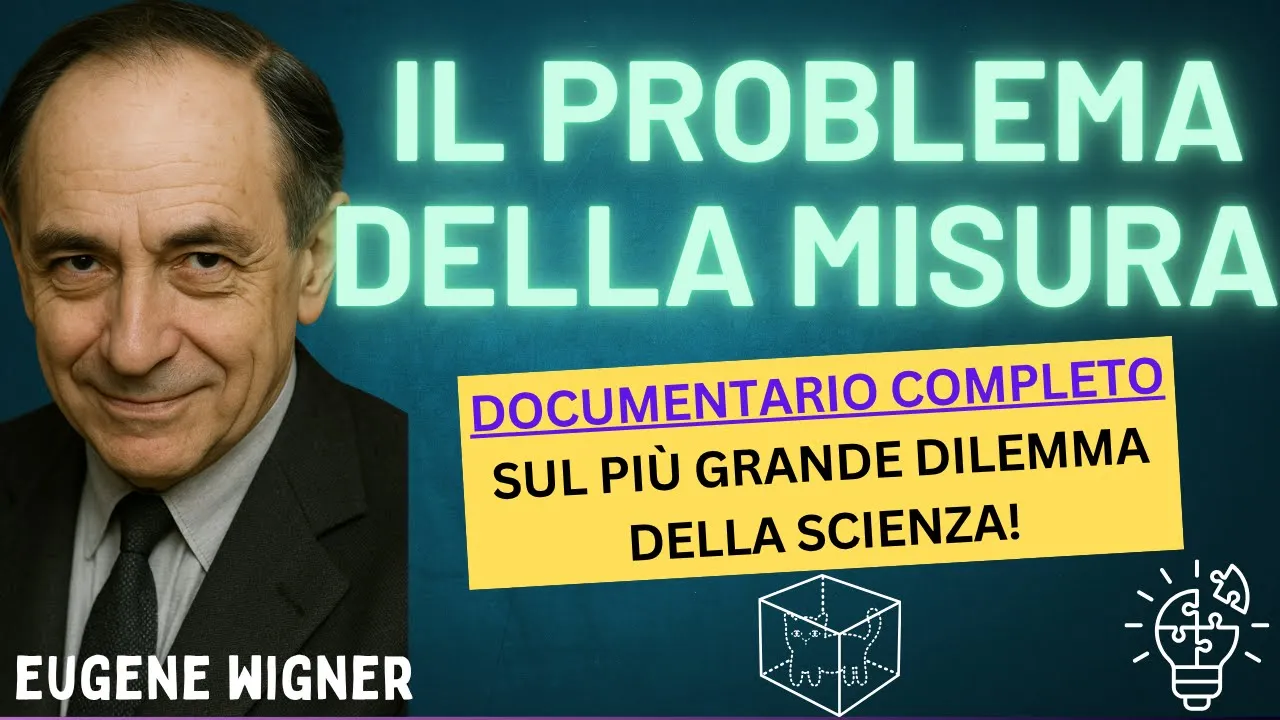
Basic principles of Quantum Mechanics, including quantum superposition, entanglement, and the measurement problem.
Fundamental concepts of Information Theory, specifically how information is quantified, transmitted, and represented as quantum bits (qubits).
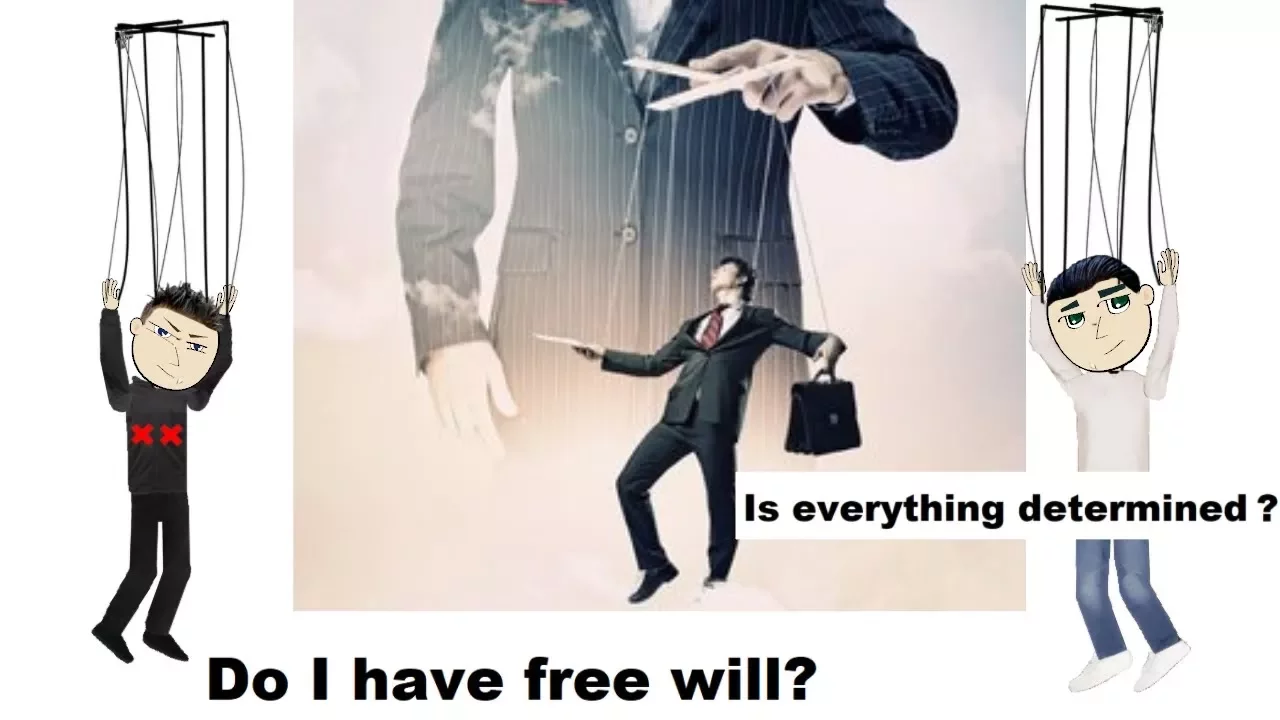
The traditional philosophical debate surrounding free will, determinism, and agency.
Advanced neuroscientific and physical theories of consciousness, such as Integrated Information Theory (IIT) and Penrose-Hameroff Orchestrated Objective Reduction (Orch-OR).
The field of Quantum Biology, exploring how quantum coherence and entanglement occur within biological systems.
John Wheeler's 'It from Bit' physical framework and the ontological relationship between information and quantum reality.
The limits of classical Turing-machine computation and the implications for the development of Artificial General Intelligence (AGI).
3.1M views97.6Klikes1:19:51Original Release: 2025-01-31
imagine that you control a drone the Drone looks at that reality where it is sends me information and I get the I get the conscious experience of what the Drone is seeing that conscious experience is not in my body is in my Consciousness a scientific theory that basically states that our body is operated like a drone from a conscious Quantum field which would mean that experience qualia is not in your head the qualia do not exist in the body they exist in the field okay people will find this um crazy idea it is crazy but it is much closer to the truth fedo Fen invented the first CPU the touch bad and worked on the first neural Nets which gave him the hope of creating conscious AI took me 30 years to figure out that mathematics is created by Consciousness and there therefore I cannot explain Consciousness with mathematics people many physicists think that there is emerging emerging properties in the purely classical World it cannot be emergentism requires quantumness like some other renowned physicists fajin is convinced that Consciousness cannot be a classical phenomenon and has to be Quantum but his theory of quantum Consciousness goes beyond any theories on the table we have to go Way Beyond sherer's equation we had to go into the Rocks equation but even beyond that we had to go to Quantum fields and Quantum information and Quantum information goes beyond the concepts of quantum fields in fact the only physicist that's been able to show the quantum physics derived from Quantum information is an Italian physicist ja Maro darano it showed that you can derive all the equations of quantum physics from Quantum bits federo Fen reached out to marod dariano and together they published a paper and federo wrote this book if they are right not only will they have an accurate Theory Of Consciousness they will also solve the mystery of the interpretation of quantum mechanics Quantum information is the representation of inner experience and the collapse of the wave function is the representation of my of the Free Will what more do you want that's crazy that's crazy um let's try and really understand this welcome to the asenia foundation YouTube channel thanks for watching and may I ask you to like And subscribe as it really helps us to grow our Channel now this interview was recorded when fedo visited the Netherlands to present his new book irreducible a link to the book and scientific papers are in the description below and in his book federo describes how a deeply personal experience led him to start investigating Consciousness therefore I found it interesting to start our conversation with this personal experience of course after that we go into the theory itself in the chapter marks below you can see the topics we discussed now without further Ado here is silicon hero and Consciousness Pioneer Federico fagin fedo can you tell us about a pivotal moment in your life namely the experience you had at Lake Taho do I pronounce it correctly y during your Christmas holiday days of 1990 yeah I wasn't happy you know and I reach everything that the world says that if you do all this stuff you should be happy and I wasn't I realized that I was faking being happy because I needed to because I was running a company I had to to be enthusiastic and everything else but I was dying inside so what's going on what's wrong with this picture and be so Consciousness then was you know the you know became center stage in my life understanding that this conscience is somehow was also connected with feeling you know desperate inside so what's going on so I wanted to understand what Consciousness is so that's when you know in and I wanted to understand it for my own sake for not not to do something about it not to monetize not to make a new technology because before it was all about you know doing something you know and now all of a sudden I turned my attention inside because of the suffering and it was in this climate that I had this extraordinary experience of Consciousness now I can go to this Tahoe night you know in 1990 during the uh the Christmas holidays we had a home up in Tahoe which is a lake Taho is a beautiful Lake 2500 uh meters and there are mountains and skiing is great U um and um and so you know one night I woke up midnight uh you know I was thirsty went to get a glass of water um and uh went back to bed and was just you know just waiting for you know go back to sleep thinking nothing and all of a sudden out of the chest just a you know Just Energy was coming out of my chest but it was love and it was love that was never felt before it was it was love that was coming from me how can love come from me I mean you know it was Unthinkable that love could come from me you know and it was 10,000 times more powerful than any love that I felt before I mean and in fact never felt that love because it was unconditional love now I have a name for it it was love period it was it yes it was coming from me but it was love and it was light was a white light scintillating it was you know like a like sparkles you know and he was coming out and then he he explodes and he everywhere but is everywhere but my Consciousness is there too so not only my Consciousness is within me but is also outside of me and all of a sudden I realize I am that so I Am The Observer and the observe simultaneously but I retain my point of view I retain my identity I was still the same kid 5 years old or three years old kid that I that I was then and so and that I am now and so that identity was so my the only thing on me that remain was that point of view and and and then I realized oh my God this stuff is the stuff of which everything is made everything comes from this stuff and my body was hot it was vibrating you know like the cells of my body were resonating with this thing the you know of course the the emotion The Feelings was love joy and peace because this this stuff felt like that's me I'm I'm at home this is me so I'm I'm finally home this is the you know this is home but and so it was all mixed up so you cannot separate this stuff you know love joy and peace and um and then the mind was aign saying this is the stuff of everything is made so I'm everything but also the Observer of everything so I'm I'm a point of view of one with which one knows itself and now is the centerpiece of this new Theory Of Consciousness that U we may talk later about yeah beautiful I'm a I was a physicalist I thought you know basically you know materialist because I study Physics you know and everybody knows the Consciousness comes from matter perhaps we don't know how but has to come from matter what else can it come from so I mean that was the mindset that I was so all of a sudden how can you know no this this is before matter somehow you know so this this must be the beginning of it so uh you know that changed it and that you know that started me in a completely different I went orthogonal in terms of my personal development and thinking while I was running synoptics so that was fine but I spent from that point on 30 to 40% of my time trying to understand what happened and studying doing meditation you know figuring you know anything that I could understand to understand what happened but that picture actually is the end is now I can explain with this new theory of conscious I can explain exactly what happened and exactly why that is correct every every single one of us is a field that is both The Observer the observe and the actor every one of us is a field and it doesn't exist in this field does not exist in space and time space time is exist within these fields that we are is us so this changes the Paradigm right but we need a change of Paradigm because otherwise if we are machines like scientism is telling us we are we are going to be taken over by the machines the artificial intelligence that people will control powerful people control and through those machines they can control us if we don't change our mind of who we are it will become a sort of self-fulfilling prophecy will become a self-fulfilling prophecy because we have not done the personal work to understand who we are and we are not machines the body is a machine but it's a machine that is infinitely more complex than the computers because it is a Quantum and classical machine is not a machine like a computer just to you know it's simple to understand that every cell of my body is a part hole of the body what do I mean by that every cell of my body has the Genome of the egg that created the entire organism so every part of my body has the potential knowledge of the whole in this case the whole is just the body so we are holographic we are holographic we are made of Parts all we have 50 trillion cells each has the potential knowledge of the whole organism so a cell which is a part can change within its own life by taking advantage of the potential knowledge of the whole that's why epigenetics exist 20 years ago if you said epigenetics they would you would have put you know into the into the corn as a you know as a crazy guy okay now we know that epigenetic exists why because every part is a part hole so we as human beings we are fields which are part whole of one the totality of what exists same pattern repeated at different scales very nice we we are going going deeper right now and I think good for people to understand this comes from from the architect of the first microprocessor if we have that cell that part hole as you mentioned and we have a modern-day microprocessor that many people attribute sort of the same intelligence or complexity to because that's the idea right because it's just um so many connections so many computing power so many people think we will achieve sort of cell like and then of course um organism like intelligence can you just on the ground level make that comparison the cell versus the microprocessor yeah a microprocessor is made of switches on off on off on off what does this switch know about the whole the old computer nothing it doesn't know anything the most all that it could possibly know is that it's open or close and but it can do nothing else every cell of my body is connected to the whole through this Quantum Fields because a cell is a Quantum classical thing is not a classical thing it has been studied as bio Chemistry by by biologist is an informational system of a kind that we have still to understand the foundation is quantum and classical Quantum and classical nobody understands how life works it goes Way Beyond what we understand we think is a mechanism and that's because those cells remain connected with the fields because they're made of particles and quantum physics is telling us that particles are not objects particles are states of a field they cannot be taken away from the field they're not separable from the fields they are like a wave of the sea cannot be taken out of the sea but what many people I think and this we really need to clarify I think okay in a Cell we have uh proteins bumping around which are in the end complex molecules in a computer we have electrons that are also particles what exactly makes the molecules the particles within the cell um Quantum classical and a computer purely classical because I'd say Okay aren't there Quantum effects as well in computers that connect them to that field you were talking about yeah but the quantum effects are incoherent and they cancel out so the quantumness is canceled out the bit the bit is the average of quantum phenomena they cancel out and then therefore is a first of all the bit is not a physical thing it's an obstruction that we have created what is zero and what is one we have determined and as long as within the system the zero and the one as the simplest possible symbols can be recognized as zero and one that's all that is needed so if you maintain that coherence but it's a classical coherence because the zero and the one are classical information that can be reproduced a Quantum bit cannot be reproduced a Quantum bit when you measure the quantum bit you get zero or one in the direction in which you measure it but you have to set the direction because if you don't know the direction whichever any direction that you choose you will find zero or one is the Olivos theorem says that the maximum information that you can get from a Quantum bit is a classical bit the quantum bit cannot be known the the not cloning theorem says that you cannot clone even a Quantum bit Yeah once we want to know the quantum state it will collapse in a state which is a zero or one and we are in a classical world class in classical so Quantum information cannot be reproduced Quantum information cannot be reproduced classical information can be reproduced we are quantum fields are what we feel within can be represented by Quantum information but the what we feel goes beyond the representation the representation is mathematics is the map what we feel is the territory is what we feel is only within the field that's how we know the meaning is within us is within the field is not in the information physics the information in physics has no meaning and the problem with with the current world view is that you if you start with this type of information there is no meaning then you cannot conclude that the universe is without meaning and purpose just because you have started that way but in fact if you start with Quantum information people cannot explain why you cannot copy Quantum information why can I not copy Quantum information then the new Theory says Consciousness and Free Will are foundational cannot be explained with anything simplers but if you start with that you can explain why quantum physics must be the way it is exactly the up the again a you know again the the you know the Silicon gate technology turning around the problem and you go from here to there instead of going from there to here and there is collapse of the wave function which are are free Will's decision of the field of the various fields that are interacting and creating this thing that emerges from this Fields the particle is not separable from the fields is is integral to the fields then they forget about it then they think of the particle little ball the people they study biology think that the cell is classical it is not classical yeah they think of the the rule of large numbers right because Quantum effects are on a sort of subatomic particle level and it filters out it cancels out and then we have the classical World which is out inside the cell they work together to create these structures that they don't even understand that that that is going on right now they don't understand how this cell works as a totality you know we are instructed not to understand and we are going through a blinders we don't understand I mean there is for example about 10 years ago you know so a few a few physicists and biologists but people with strong knowledge of physics started say hey but but you know life there must be something Quantum in life oh forget it not possible okay and they were ostracized and you know eventually there is a very small CER you know Quantum biology is called now people that's trying to understand Life as a quantum phenomenon they are still ostracized but at least now they have some money to do research but for 10 years it was like you know everybody knows the you know I mean these dogmas of the sort of the or Orthodoxy of science you know are you know impeding us to really make progress you know and it's time to stop this but you know there is a strong desire for the you know for this Orthodoxy to keep this materialist and reductionist framework that has shown that is no longer valid everybody knows I mean people they really think but they don't want that because it's power and how but but but if we go back I really like when you talk about sort of because I think that's the real not and bolts we go into the the the eukaryotic cell and we see the proteins we have the DNA we have we have all the action going on in a Cell which is tremendously complex but we think we can reduce it to First principles because we know what those molecules do to each other and then it's just a rule of large numbers which will give us sort of the action of the cell and will build up to the organism but you saying that on that level Quantum effects are playing a role which make action within the cell indeterministic and even a free will decision absolutely but the Free Will de is not in the cell is in the fields that control the cell see I was mentioning before right that a particle like an electron doesn't exist separate from the fields it's a state of the field the from physics point of view ontology is in the field it's not in the particles because the particles you know are inte grow to the field so they come and they go if if a particle existed it wouldn't disappear right but an electron can appear and disappear but it is a state of a field that appears or disappear there is nothing more the part there is no particle but physicist the the particle physicist but I see the particles no you don't see the particles you see the effect of the stat of the field on this classical world and then you see something but that is not a particle that is the effect of something that was Amplified and you know huge number of times to give you what you call a particle and and to to clarify this for people when we talk about Quantum and classical the classical world is the world of matter that we know that seems to behave deterministically um and the quantum world of course is a world of probabilities right of multiple States being possible at once and how exactly do they relate if you say Quantum classical so what bit of our body is classical of course my body it doesn't evaporate while I'm sitting here so that that would make it classical but my thoughts are quantum yes okay so first of all there is no clear boundary between classical and Quantum in other words we again want to put things into boxes that's the first mistake there are no separate boxes one is holistic the reality deeper reality is holistic means it's not made of separable parts and it's not made of separable Concepts which is even deeper so even true or false is a appr approximation of reality valid under certain conditions like one and zero are valid for a certain temperature and pressure of the computer if you change the temperature it doesn't work anymore because that distinction can no longer be valid in a world where there are you know there is a continuity there is everything is connected with everything else so but we don't want that world because you cannot control that world so the problem now is a problem of power and control behind this desire to have a deterministic and reductionistic World which is the materialist philosophy which is it's time to abandon that because quantum physics already saying that that doesn't work you know according to quantum physics the universe is holistic is not made of separable Parts everything is connected everything is connected from the inside but according to most physicist there is no inside because every you know they think that all that exists is actually what you can measure but that is not possible nobody can understand why quantum computers work because their actual operation cannot occur in SpaceTime it must occur in what is called hilber space but Hilbert space is supposed to be a mathematical obstruction so how can you do operations in a abstract space of mathematics you see is incoherent but nobody want to think deeply about this stuff because nobody has ever taught how to think deeply about stuff they want to solve the problem give me the equation I'll solve the equations but the equations are created by Consciousness it is consciousness that creates mathematics not mathematics that creates Consciousness it took me 30 years to figure out that mathematics is created by Consciousness and therefore I cannot explain Consciousness with mathematics and I realized that I was trying to do the same because I was taught that way I had to turn it around again turn it around and we can only touch let's say but we can touch sort of at the outer surface of Consciousness with mathematics it's our own understanding of ourselves so would the sheringer wave function which describes sort of the the the the the state of a Quantum system is that touching on the outside of Consciousness is that as close as we can get with mathematics oh of course of course in fact that you know we have to go Way Beyond sherer's equation we had to go into the Rock's equation but even beyond that we had to go to Quantum Fields so and Quantum information and Quantum information goes beyond the concepts of quantum fields in fact the only physicist that's been able to show the quantum physics derives from Quantum information is an Italian physicist jao Mao darano University of pava and it took me 15 20 years to to do that and it show that you can derive all the equations of quantum physics from Quantum bits so you remember probably about John Wheeler you know it from bit yeah he had the the original intuition that information had to be more profound more deeper than matter it from bit so the bit was deeper but it should should have said it from Cubit but never mind because the deeper information is quantum information and darano and his collaborators prove that you can derive quantum physics from Quantum information yeah so Quantum information now becomes the ontology based on daro's work what would be a way for people to understand what Quantum information really is so is basically instead of having bits you know Arrangements of bits you have Arrangements of quantum bits a Quantum bit imagine a Quantum bit as a one of an infinite possibilities that can be represented as a point on the surface of a sphere so you have a sphere every point on the surface of the sphere which would correspond into a direction in 3D is one of the possible States so a cubit implies an Infinity of States but when you make a measurement only you can find zero or one so and you cannot when you make a measurement you Disturb This Quantum bits so you don't you know you basically you disturb it in the direction in which you make the measurement and you get zero or one and that's it yeah in any direction that you measure you get zero or one but you don't get zero one repeatedly you get it with some probability so so the quantum physics doesn't tell you what the next state is it only can tell you the probability of all the possible states that you can measure so in the case of a Quantum bit it tells you if you measure in in this direction let's say it tells you the probability that you get a zero or one but it doesn't tell you that you get a zero or one so the fundamental difference between quantum physics and classical physics is that quantum physics is indeterminate meaning it doesn't tell you he only can tell you probability but not the probability of what you will measure no the probability of all the possible things can measure okay and and the the to go from this Pro probability field to what you will measure there is no physics there is the collapse of the wave function it's just a way of saying that we don't know basically you go from you have an interaction between the the fields and an instrument that does a measurement and somehow in this interaction you get one state but but that state that you get you can only know the probability and you don't know how you get that state not only that but we know that that state is random but also their Randomness is not algorith I mic is beyond algorithms and that's the rub that's where that's where Free Will is in this Theory with darano we say Free Will is what is happening we what we call collapse of the wave function is a free will decision of the field of whatever particle you're measuring and because that's interesting because I always thought because the the rule of large numbers when we do Quantum measurements over and over a thousand times then we get again a probabilistic or sorry a deterministic world because you then just get a a a wave function that will give you Sur but inside the cell you only you only get one you only one you do one thing at a time you don't do you don't repeat the things yeah now I get it that's that's crazy that's crazy um let's try and really understand this okay classical information is information we can share because it's like a written word that we can kind of show around I cannot show around what I'm feeling right now to all of you so the moment I speak a word I've made a feeling I had I've turned it into classical information that's right you take something which is private that cannot be reproduced can only be represented by Quantum information but the representation is not what you feel the representation of reality is not reality a theory of reality is not reality okay so what you feel only you f not not body you field can actually know and you know inside and what you can say about what you feel is a small part of what you feel Olivos theorem one bit per Quantum bit and the quantum bits are entangle so they're they have States in common with the bits don't have States in common zero or one there is nothing else but Quantum bits may have States in common meaning that the probability the two probabilities are connected and to show this connection you cannot do you you have to describe the quantum state in Hilbert space which is a nend dimensional space with complex Dimensions where the dimensions are complex numbers you know it's just enough to give you headache right but that's what you need you cannot represent them in this way so what does it mean that there is a deeper reality where where the feelings and the fields exist the meaning of information exist that and from that world you have this world that is a classical world where you can get classical information and we think that the only world that world that exist is this world but this world we have constructed with our bodies and is a way to look at it I think you have this metaphor yet in in in in Silicon that would it be like consciousness being the field writing a book and the book itself is our SpaceTime Dimension our body sitting here or a film recording a film and showing it the film shown on the screen of perception yeah but but but the book emerges into into this three-dimensional reality but but the writer of the book is in a deeper vaster reality not not in the book is not in the book and my body here my body here is a sentence in that book the body is a symbol it's a symbol of a complexity which is unfathomable for now okay people will find this um crazy idea it is crazy but it is it is much closer to the truth than what you get from the scientism yeah because that I wanted to ask if we it's crazy but quantum theory is crazy so if we have the other explanation if we don't want to go to Consciousness if we say no it still matter all the way down how then uh where do we then end up with in interpreting Quant mechanics then we have to go like many worlds or or how how do you there is no interpretation that anybody can agree on for the 100 years no I mean this problem has been discussed for a 100 years and there is no interpretation whatsoever about quantum physics couldn't we say there's a Multiverse with everything possible being possible in other dimensions yeah but but but but does doesn't explain anything what what what is it explaining when I say Consciousness and Free Will must be taken as foundational as a postulate okay but why do I say that because postulates ought to be self evident the condition to accept the posture is is a self-evident why is a self-evident because you and I are conscious you and I know that we have limited but we have free will limited but we have it so we know already that how can you explain Free Will and conscience with something that doesn't have either you cannot explain it how can you explain Consciousness with math when is conscious that created math when can you explain Free Will with something doesn't have free will you see it's foolish to think that you know that you can explain you know more with less and today we talk about emerging properties you know we explain everything with emergentism what does it mean emergencies how can you get more with less you cannot you can be you can get less from more you can get determinism from indeterminism you can get unconsciousness from Consciousness not the other way around and that's so simple and so common sense but science doesn't want to go there why scientism doesn't want to go there why because you lose your power because if I know the equations I'm know more than you and that's not acceptable because nobody knows the equations because they Reen know there is no equations that describe Free Will Free Will is an act that no laws can tell what the Free Will can give you and people want to predict the future their safety is in the prediction of the future their sense of power is in prediction the future you cannot predict the future because it's based on Free Will no no body wants to go there right now but that's the only way to go to be safe from this idea that we are machines and the artificial intelligence will best us your postulate of free will you experience Free Will isn't that Just an Illusion I mean does Free Will Truly exist or is it something we think we have why do you people that say this you have to ask them why why do you insist that there is no free will what do you get by insisting that there is no free will think deeply about that what do you get by thinking that there is no free will that you do not have any free will why do you want that and if you answer that question they have to answer that question but if they answer that question they will find out more about themselves and eventually they will have to agree that they are they have a hidden desire to control to have power because they know the equations they know more than you that's the point I mean I was there I was you know I had taken the same courses i' learned the same physics and if I did not have this experience that told me that I'm more I couldn't be here saying these things but now I can you know with this experience I was able to invert our understanding and pointing the way to a different way to understand so you know if it's it will be found to be but but don't say there is just because you don't want to even think about it and that's the problem today people the the first time they hear a wrong the wrong war from them they shut off and not you know they don't even want to think about it but actually the reason why we know is because we're conscious the reason why we know is be because we're conscious because Consciousness is what allows us to know computers don't know it's foolish to think the computers understand they don't understand there is no meaning in the bits the meaning can only be Quantum can only be something that exist in the fields it doesn't even it doesn't even exist existing Quantum information Quantum information can only represent what we know is meaning you see mathematics stops there for now but there is a new math to be developed to go from qualia qualia which is Sensations and feelings that can be represented by Quantum information Quantum information cannot represent the meaning they represent the qualia that's all they can do which is how we feel but qua is the beginning of the inner Journey qualia are the Bringers of meaning and we look for meaning first comprehension and then meaning comprehension gets you to meaning meaning is the essence of comprehension meaning is what you get after you got it you know I got it I understand it now that's you know that's beyond comprehension your comprehension is a path to meaning and meaning is the ontology the ontology is in the meaning in the experience and what we feel and what we know from within not outside if you say meaning is the ontology so meaning is what ultimately exists in our universe yeah yeah but in order to make it more understandable I start with a postulate I start this all basic reframing with the postulate because I'm joining science and spirituality I'm joining the outer and the inner science is about the outer world but meaning experience Consciousness Free Will is about the inner world and right now they are separate there is the spiritual people that you know think that this exist but you know phys you know the scientist say that doesn't mean the these guys look at those guys say matter doesn't care you know so so there is this separation now between science and spirituality this way of thinking brings them together they integrate them don't don't just oppose them they integrate they become one they become one so how do we start so if we want to start like a new Theory I start with a postulate because you had to because you can never you can never start with something that is true because you have shown to be true you have to start with postulate even in math you start with postulate taken to be true and they had to be self-evident yeah it's your ground assumption ground assumption but but that ground assumption has to be self-evident the ground Assumption of quantum physics they are so self-evident that you have to study 10 years before you say oh yeah there are they are evident not self-evident they are evident after 10 years so they don't pass the test of self-evidence to me okay now I'm going to tell you a postulate that is self-evident one the totality of what exist one the totality of what exist has three properties dynamic dynamic means is never the same instant after instant is holistic means it's not made of separable parts and so far I have described the universe describ by quantum physics yeah as all this three you know is all the resist Dynamic holistic I add one more thing one more quality one wants to know itself one wants to know itself now this comes from perennial philosophy knowing th know thyself was in the you know in the deli Dy you know Temple you know it was part of the you know part of the Greek some of the Greek philosophers but the vadas were saying the same thing all the basic experiences of the deeper the people that went deeper into the understanding of reality come to the same general conclusion that there is one that has those properties and they want to know itself if I look Within Myself what do I wanted to know when I was suffering who am I why am I here why am I suffering that's what does it mean I want to know myself so we all want to know ourselves we all deep down then we forget about it because we can do nothing about it so we go you know we go we try to solve the problem by you know going outside ourselves and then we lose ourselves like I did and then you know so if we start there as it you know is it self-evident it it was it is self-evident to me and if you think a little bit it's self-evident to you that that's what you want okay so wanting means free will because if if if you are a machine what what do you want as a machine the next state of the machine is already defined by the algorithm what do you want doesn't make any sense I don't want anything but the question doesn't even make there are no questions to a machine there are only answers to a machine so and know to know itself one must be conscious because conscious is what allows one to know itself so you have def I Define Free Will and Consciousness and and why are those self-evident because you are conscious and you have free will and I conscious and I have free will so more self-evident than that what is there and if I start there I can explain quantum physics by that postulate I can explain what physicist in a 100 years have not understood Quantum information is the representation of inner experience and the collapse of the way function is the representation of my free of the free will what more do you want I think it's a great Theory because in bridging as you say science and spirituality um the two are thought very distinct and very separate right because the the the um well it makes me think I interviewed Donald Hoffman who you know right I think your foundation supports his work right um for about five years and and he said something that stuck with me that he said that all these spiritual Traditions that in a sense are saying what you are saying that Consciousness is fundamental one wants to know itself and then we have all the Incarnation stories of the Gods who incarnate Etc so we know those stories but the fact that they've always remained so elusive so mystical he said is nothing to be proud of we should be like more concrete we have also our rational faculty we have science so we now need to approach this with our sort of scientific mindset so is that what you're trying to do here right what what is more concrete than what I just said yeah and can it lead I mean you know now with if you start here we can show the science that that not science the the quantum physics out of which everything else emerges in fact Quantum information because the quantum state that is representation of our experience is what then eventually determines the outer world okay so I show that by starting with the H something that is kind of haha you know but it doesn't get you anywhere actually needs the physics that exists and now from there we go we already solve the other problems I I'm not changing anything of physics I'm reinterpreting completely what physics has been talking about what do you want more is that is that Dawn wants to explain Consciousness with mathematics and you can not do that because Consciousness creates mathematics I wanted to do the same thing for many years and then I found out that I was wrong that it is consciousness that explains math and therefore you go from Consciousness to math you cannot go from math to Consciousness because where does math come from otherwise is what who created math God what come on yeah how does math exist it's our Creation in human mind you bet federo you have it was your intuition that led to your inventions that have uh changed the world um I think it's fair to say that or help change the world now you have this Grand uh intuition your theory about Consciousness how can this also lead to technology or to something Tang ible can we test it is it falsifiable of course it is in fact the next step for is to now that I have a theory which is absolutely perfect in meaning it can be falsified it can make it it can make you know predictions and you can test the prediction can you name one oh yes I can predict you know the trees are conscious and I can make experiments that show that trees are conscious okay and trees and no brain so Consciousness that is supposed to be coming off our brain it comes off a tree that has no brain look at that what do you think of that it's amazing yeah is this being done I will do that yeah I cannot tell you how because I you know I have to prove it and don't worry about it I will do that and um [Laughter] all right okay trees are yeah but you actually have a a a method a scientific method of of of testing this yes I I will not not discuss it any further I will say you know would you agree with me that if I do that I have disprove the Consciousness is a product of the human brain or of the animal brain def is that good all right I will do that that's a deal then you have proven that it takes Sals right then we are are sort of on a cellular LEL absolutely yeah yeah absolutely yeah absolutely I would prove that yeah you sure of that absolutely take me to task I'll get it I can guarantee you that I will get it the something that people say they don't they cannot say anything they will not have any objection anymore see entanglement took over 30 years to prove that entanglement exist after the first experiment showed it exist because people didn't scientists didn't want entanglement Einstein didn't want entanglement so everybody you know Einstein how can Einstein be wrong so for 50 years you could do the experiments okay finally when you could do experiments the first experiment that proved that Al aspe with got the Nobel Prize 3 years ago four years ago was anyways he did that okay then oh you did wrong you couldn't do you know blah blah blah it took more than 30 years after that to you know cancel all the objections you know show that the objection were not valid and finally everybody now has to accept that there is entanglement but nobody can explain it entanglement is what connects everything from the inside is what allows the world to be holistic which is already what quantum physics is saying yeah are you predicting I mean many people think of AI a sort of an invention that you were at the birth at right with the in in your work on neural networks that's yeah back in 80 in the 80s second part of the 80s yeah people now think that AI will cause a paradigm shift what what's your response to that do you think that Ai No only this Theory will cause a paradigm shift and not not because I'm is a theory that I develop but only by changing the the understanding of who we are can change can change a paradigm in fact the Paradigm ends with AI this Paradigm of scientism ends with AI because AI is saying we machines will be better than us which is crazy why does anybody want AI despite that why does anybody want AI to be better than us but AI cannot be better than us because creativity is non-algorithmic is not changing things randomly and you know because besides even if AI gives you a good idea AI doesn't know that it is a good idea you recognize the good idea of AI still needs your with your Consciousness with your understanding with your comprehension and that's why AI can help us and I I applaud what has happened AI but not the AI bests us and not the way AI unfortunately will be used to monetize us that's not acceptable I agree I agree I think you would also fully agree to that quote by Nicola Tesla right the the he has this famous saying that the moment science will start studying Consciousness more will be ACH achieved in a decade than in the whole history of science absolutely because we change the way we are you know thoughts are more important than stuff right I mean from the inside you get the outside not vice versa and and science doesn't recognize the existence of the inside because conscience is phenomenon of the brain the brain makes decision that informs your conscience we don't know what it is but it doesn't have any cause of power so who cares once we people are convinced that there is that we are conscious that we are filled that when the body dies we don't die I mean that's a good news right I mean you know people want you to discharge the your conscience and experience in the computer and live forever for Christ sake I mean you know you know about transhumanism I mean you know I mean why do we need to do that besides you know you need to have a lot of money to pay for a billion years of electricity to keep you alive in a computer so this is only a good recipe for very rich people right to live forever on a computer you know the computer has sucks energy right so to make you live forever you have to have a lot of money before you die to give to people that tell you that you continue to die are you sure that you will be continued to die in a computer you know a thousand years later I I fully agree where could this where could this lead to if that Tesla quote is true if we would fully dedicate ourselves in trying to understand Consciousness with your theory Even build technology with it where could we be in a decade I mean could we break out of SpaceTime could we sort of live forever what what are once you understand that that Consciousness is beyond matter Beyond this space and time we already know that we can explore this world by going out of body with our Consciousness and millions of people they go out of body explores other realities Consciousness is the tool for knowing in infinitely more powerful than any instrument that we have ever built we build billions of dollar instruments to find out what the particles you know are doing but Consciousness is far far richer so we we basically then we can begin to explore the universe the invisible Universe the invisible what Mystics and and sort of uh sages and and and in religions have been doing for thousands of years but also a bit in a way that sometimes led to um the waging of Wars because people want again sort of um use it for for politics can we transcend that then what is the ultimate dream you have for society but when you understand who you are you know that the only way to work together is cooperation not competition today there is only competition today the purpose of life is the survival or the fittest is there anything worse than that as a purpose of life besides if you ask me how do you define Fitness the only definition that would give you is oh fitter is the one that survives so what kind of a law is that the survival of the what survives I mean is it's it's toogy it's not even it's it's not even informative so we believe but you know that that definition of life is so wrong because it basically imped imps you to be cooperative impedes you impedes us to work together to understand but once you have a direct experience of who you are when you are the Observer and the observe you know directly who you are and when you know that you know that only cooperation is the game we have to work together that's the only way so competition will die off just by that experience I cannot be competitive after that experience I is imp possible you know competition this this not the competition the competition that is allowed is that competition that allows me not not me to win me to be better than what I was the day before yeah exactly because only competition that Mak wants to know itself and it's only one then also uh you're competing with with one is one yeah but that's not competition there is there is actually the the urge to self to be more than you were if we have one on the ultimate level and the in in in the quantum fields in unified field right how then do we have uh how do we get to the many how do we get to sort of on a still on a Quantum level you you call you talk about seties right how does one get to different or gazillions of seties yeah so so if we start from that uh principle that that postulate then one you know one wants to know itself right so the moment that one knows itself he has to know completely itself because it's not made of Parts it cannot know a part of itself he has to know the totality of itself but to know itself he has to you know he have a flash it cannot happen in different times it has to happen in in an instant that knows itself to in its own totality in that instant it creates a part hole of itself just like a myosis right the splitting of absolutely that's where life takes form life is the reproduction of one is so fundamental that it is the reproduction of one one knowing itself creates another one part all though because it creates many so it cannot be the totality so it cannot copy itself but it creates what is saw what he got what he understood itself to be that's the identity of the field the one is created it's not a copy you say but it is a part hole it's yes is one is looking at itself in One Direction and one is infinite direction in which he can know itself the next time that he look itself in a different direction is another part hole is another monad liess got it right liess was the only philosopher scientist mathematician technologist I mean it was incredible mind he got it right he understood that but it was before quantum physics it was you know it was way before you know we could make sense of it but he got it right and I call him you know before I knew you know of uh because I didn't study philosophy I got into what philosophers have been saying by Inner experiences and then thinking about it trying to understand them scientific ific Al and understanding rationally and I found that many people have said the same things that that I came up tube through this process to this inner process not by reading books and repeating what I read H so the sayy that is sort of the sey is what I call I call a field that is conscious and has Free Will and wants to know itself I call him s to distinguish them from the quantum fields which don't have Consciousness Free Will and don't want to know themselves so but they have all the characteristics of the quantum fields in in in in the terms of what you can explain of them based on physics but they go beyond that because their inner life you know is beyond physics so physics can only explain qualia which is the entry point to the inner world but from qualia to meaning as I said there is comprehension than meaning is all new physics and new physics can can only go up to a certain point and then you have to leave even physics it's got to go to what we now call metaphysics but it's what can only be known from the inside but you know it will take many centuries to go through but the the key thing though it shows that physics now is incomplete because it doesn't even allow the inner world to exist and the the reason why they struggle for 80 years to to unify quantum physics and general relativity is because the the fundamental concepts of time space matter and energy are wrong then they're almost right but they're not exact you know not close to the not so close to the truth that they allow you to bridge those you know to bring together into a unified physical field what is now two separate two separate you know one is a set of fields and the other one is the you know SpaceTime yeah and gravity yeah and if we say the saty is uh um the say is who we are yeah exactly it's who we are right and and and and is a Quantum field with with with this characteristic yeah but an identity the identity is the identity my identity is how one has seen itself when it created me yeah oh exactly you're like a a a like a frame at a c the universe yeah imagine you know it's a beautiful way to to understand this imagine that you have a multi-dimensional thing okay is a multi-dimensional object multi-dimensional meaning in N where n is potentially infinite Dimensions how can you know this object you can know this object by looking at this object through all the dimensions that are orthogonal that allow you to look at this object each each each look you see something then the next look you look so you're doing a tomography graphy of an end dimensional thing so is one doing a tomography on itself you see yeah and and what happens I mean for people to understand what happens when we die and the say we don't go anywhere because we never wear in the body it's the body that dies we don't we don't die but something something changes right so because the same of course yeah the Cy that see a portion of the S called ego is the portion of the s that thinks to be the body when the body and so it looks at the information that the body provides about what about this other world seen through the body so the the you know our senses our brain you know takes information from here but most small part of information I mean just just visual the visual thing that we see you know is this narrow band right I mean if I had cell phones instead of eyes I would actually now be able to listen in to the 30,000 conversations that are going on that are here here here here here they're all here yeah and I could see them I could hear them I I could you know do this but I only see this band there is no you know there is no communication in this band there are other stuff and we see this worldall we construct it with the body the body the output of the body which is in the cells is quantum that out that Quantum output is what the fields perceive as color for shapes sounds and so on the qualia the qualia do not exist in the body they exist in the field and the qualia is this are representable with Quantum State Quantum state is how the quantum field transform translates this information in this which is I call it live information is a type of information that has not been studied at all not even imagined at all which is in between Quantum information and classical information it is the the stuff that makes the cell work because if you take an electron take an electron an electron is matter energy and information can you separate these three in an electron is it element particles there you go so they are connected they yeah and it's like in in the cells There's no distinction between artware and software right they are like totally mingled that's right in in a computer they are separated because a computer is a deterministic reductionistic structure yeah not a cell not not the deeper aspa but basically you're saying so when the moment I die the the everything Consciousness remains just this narrow banded Avatar like uh VR hats said that expans like well basically you know I I look I kind of say in the book uh irreducible you know I I I explained this by saying imagine that you control a drone you know we are a body controls a drone there is in Afghanistan you know watching around and semi-autonomous so I don't have to worry about to you know I only have to to to express where I wanted to go so high level language you know say move right or whatever drop the bomb or whatever you know because that's what we do with drones in these days but you know so so but anyway so so now the Drone looks at that reality where it is sends me information and I get the I get the conscious experience of what the Drone is seeing that conscious experience is not in my body is in my Consciousness and based on that and based on my free will I tell the Drone what to do the Drone doesn't know anything now take this image oh and when they you know somebody shoot it down you know shoot it down you know you were so focused on that drone that you only saw what the Drone was seen because you were piloting it and you were concentrated then when the Drone doesn't send you in a you look around you say oh my God there is another world here you see yeah that's that's the same thing the egg the ego when the body dies you know it doesn't look at the signals of the body anymore and he looks around oh I'm wow look at this and is it then I mean is it then are we sitting there then say these level Quantum saying okay let's go in again here's another headset try this one on and there we are again and a baby and it perhaps but I cannot tell you what happens afterwards but but certainly but certainly there are lots of you know near-death experiences that are actually you know giving you evidence of what I'm saying you know people that arrive at the hospital heart doesn't beat brain doesn't have any electrical signals they are clinically dead they're not dead clearly if they are resuscitated but but they are for all practical purposes dead okay and they have an experience in the hospital they see themselves in the operating table they later tell what's going on while the brain has no electric signal the brain is not functioning so how can you be outside of the body looking down at your body in in the operating table as cannot be explained right but of course now people say the scientist say well it's a fantasy come on mean it's impossible so that's it but that's what they do then they move outside of the you know they move in a different environment they meet people you know their parents that were dead and friends that were dead in some cases they meet a friend that was that they didn't know that he was dead then when they woke up wake up they they find out that that he died the day before and they didn't know and they met this person in that reality vaster reality they have an experience of expansion of love and joy and peace and then somebody tells him here to go back because you haven't done what you were what you came to this world to do and then they wake up in the post but in that sort of drone metaphor trying to understand this i' I've always what sort of uh what I hard to understand okay so if my body is this drone or or Avatar or just a headset then say the moment it dies what headset are you putting on to have like just hover around and and in this this in between space is that another headset or another that's a good question I mean I I'm asking that question and there may be in fact it's likely that there is another body I mean people that have study this thing talk about a astral body exactly stuff like that or etheric body and and uh you know so clearly there is another body if this is true but I believe it's true I actually went out of body too so I know that is not imagination you you know that you are a body like when this energy came out of me it was energy it was it was physical it was not you know it was not imagination it was physical like a like a hydrant how can I make it up so there are lots of levels to uh to get to one there are oh my goodness oh my goodness I mean the the quantum field of electrons is in this theory is conscious and has Free Will and he and he and he knows itself look at the you know and the then what are the electrons doing the electrons are the symbols that the quantum field uses to communicate with other fields all the electrons in the universe how many electrons are in the universe 10 to the 82 83 85 I don't know but numbers that are imag you know unimaginable just the field of electrons and all these electrons are its communication to the other fields to know itself how many Quantum fields are there or can there be 17 yeah I'm I'm asking because people you also um call it quip right Quantum information pan psychism yeah and pan psychism is of course um I know your version of it is different but is sort of being criticized for the fact that you have the combination problem right why oh the there is no combination problem the combination problem Only In classical psychism people never have a theory nobody had a theory of quantum psychism the combination problem is not a problem in qu in Quantum psychism when you combine States Quantum States you create a new state which is more than the sum of the parts you can do that infinitely you can keep on do keep going you can keep on going of course you can so we have solved that problem and people that people that that say that they don't understand they don't understand what they're saying or they don't understand what we what we have developed this Theory Quantum you know the the combination problem is solved completely yeah it's it's classical psychism that doesn't solve the problem because in classical physics the the the the whole is only the sum of the parts you cannot create a hole that is more than the some of the parts and that's why I was criticizing emergentism before because people many physicists think that there is emerging emerging properties in the purely classical World it cannot be emergentism requires quantumness and they don't realize because there is no boundary between classical and Quantum and so there is a seing from Quantum you go to classical and then they call emerging property as if he came from the classical no it comes every creation comes from the quantum World from the inner world is there an end point to the universe in a sense that can one no you already said that the moment it knows itself it splits off again in another part hole so this will keep on going forever in this theory yes uh I you know but who knows right I mean but but certainly there is no you know there cannot be any end and the reason is that you know that yourself the more you know there the more there is to know because to know more you make connections new connections and as you make new connections you open up you open up other possibilities so it it is an explosive thing and in again purely this is hypothetical but I I think they has possible legs why is space expanding faster than light at the at the edges you know because is basically there is ever space is like a balloon that that inflates and this is the very you know inflation no the inflation was the early part of the universe this is not called inflation this is just the the you know this is just this is a consequence of having found that there is the university is expanding exponentially at the at the in the Orizon so which can only be explained if there is a the the the the universe is is growing the space is growing from within okay in in my model my model space is the memory of the self- knowing of one and because one knows ever more about itself space must inflate must grow exponentially and you know that you know that Quantum states only exist within a very narrow present so in order to remember your experience you must put it into long-term memory that's our Theory also is selling that very clearly so now this present enriches itself of all the past that you have experienced but when you want to experience the past you can only experience that in the present so experience can only exist in the present here you uh here you and Bernardo can shake hands as well and um okay so free will is fundamental Consciousness is and universe wants to know itself but does it also create a Consciousness a sayy in that as a sort of a purpose do you think you were born with a certain purpose or sort of that I think so yeah I think so and and the reason Reon why I am at peace with myself and happy about you know my life what I do is because I I know that I'm doing what I came here to do I know it you know because how can I you know I wake up with new ideas why you know but they all connect all this stuff that I'm talking to you about you know it's like my mind keeps on running around finding where there are holes and in understanding is is not complete or whatever you know why am I doing that it's beautiful and it and what it sort of rings with me is that that that the Universe then somehow is thinking to itself okay let's look to me because it's one from this different perspective and let's really do that let's become Federico let's become Hans let's become that's right and and really look at ourselves from that perspective from that perspective and then you know but then then you and I can know each other can and enter into resonance by communicating because I cannot directly give you what I'm what I know and what I feel right and likewise for you so we had to communicate and that communication brings into inner resonance and if we keep on doing that after a while we if we can create the same state internally you and I from that Unity of State then the just like the quantum superposition then you get a new entity but that new entity does not destroy who we are basically we we can create another Society like us like one create because we have the same properties of one right except with one point of view instead of the multiplicity of Point points of view of one so I create I can create another another Cy like myself but not copy myself so when the this when we reach that you and I create another society and the two join and they become one which is with the two points of view join the two points of view mine are yours you know that now become a new combined point of view that now has its own life and you know it proceeds what that takes what that takes is like truly connecting you said coming becoming into resonance which is something different than just exchanging classical information right yeah that's right but that that that resonance means is a new Quantum State we are building a new Quantum state which is the a common understanding the common understanding creates a new Society of a higher level so we create a higher cities so we are a very high level but there are still many levels above us and this is where things can take off because if we look at the world right now at AI we're talking classical information we're shutting ourselves off behind screens sharing classical information with our bits it's not this information you're talking about not all not at all and and and besides we gave that knowledge to the computer didn't build it itself I mean we we gave him the data we exposed him to that information even if it's oh in order do everything by itself yeah sure yeah tell me about it it's all I mean and yet is very useful so I'm I'm not I'm not you know I'm actually happy with if if AI was used properly it could speed up our our self- knowing and everything else very rapidly but I'm afraid that if we don't change it will not be used in this form yeah that's all thank you so much fredero um my pleasure yeah it's been a great talk amazing amazing thank you so much thank you so much [Music]
Up Next
20:22
George Lakoff on Frames, Metaphors, and Political Discourse
@Berggrueninst
14.3K views•2020-10-28

164:01
John of Damascus on Holy Images: A Theological Defense
@BannedBooks
139 views•2026-04-25

68:32
Should We Destroy the Machines? Big Tech Surveillance Critique
@TheStoriesWeTell303
167.9K views•2025-11-30
4:57
The Myth of Sisyphus: A Greek Legend of Eternal Punishment
@TEDEd
8.6M views•2018-11-13
Related Study Plans & Knowledge Roadmaps
Structured learning paths in Philosophy
philosophy
Frankfurt School: Critical Theory & Culture
01Foundations of the Frankfurt School and Critical Theory
02Horkheimer & Adorno: The Critique of Instrumental Reason
03The Culture Industry and Mass Deception
+ 2 more learning modules
12h5 modules
Explore Roadmap
philosophy
Philosophy of Language: From Frege to Austin
01The Linguistic Turn: An Introduction to Language in Philosophy
02Gottlob Frege: Sense and Reference
03Early Wittgenstein: The Picture Theory of Meaning
+ 3 more learning modules
15h6 modules
Explore Roadmap
philosophy
Feminist Epistemology: Standpoint & Injustice
01Introduction to Epistemology and Feminist Critiques
02Sandra Harding and Standpoint Theory
03Donna Haraway and Situated Knowledges
+ 2 more learning modules
12h5 modules
Explore Roadmap
philosophy
Environmental Philosophy: Ethics & Deep Ecology
01Foundations of Environmental Ethics & Anthropocentrism
02Biocentric Individualism and Animal Liberation
03Ecocentric Holism and Deep Ecology
+ 1 more learning modules
10h4 modules
Explore Roadmap