























Effective movie opening scenes (the first 5-10 minutes) serve three primary functions: establishing character through visual storytelling and subtle details, establishing tone through visual and auditory elements that convey the film's emotional atmosphere, and establishing the world through both practical and metaphorical elements that define the setting and character's environment. While each opening scene may focus on one primary function, successful openings typically accomplish all three simultaneously, creating a powerful hook that engages the audience and sets expectations for the entire film.
How Opening Scenes Establish Character, Tone, and World in Film
Added:Basic Narrative Structure: Familiarity with the Three-Act Structure and the role of the setup (exposition) in storytelling.
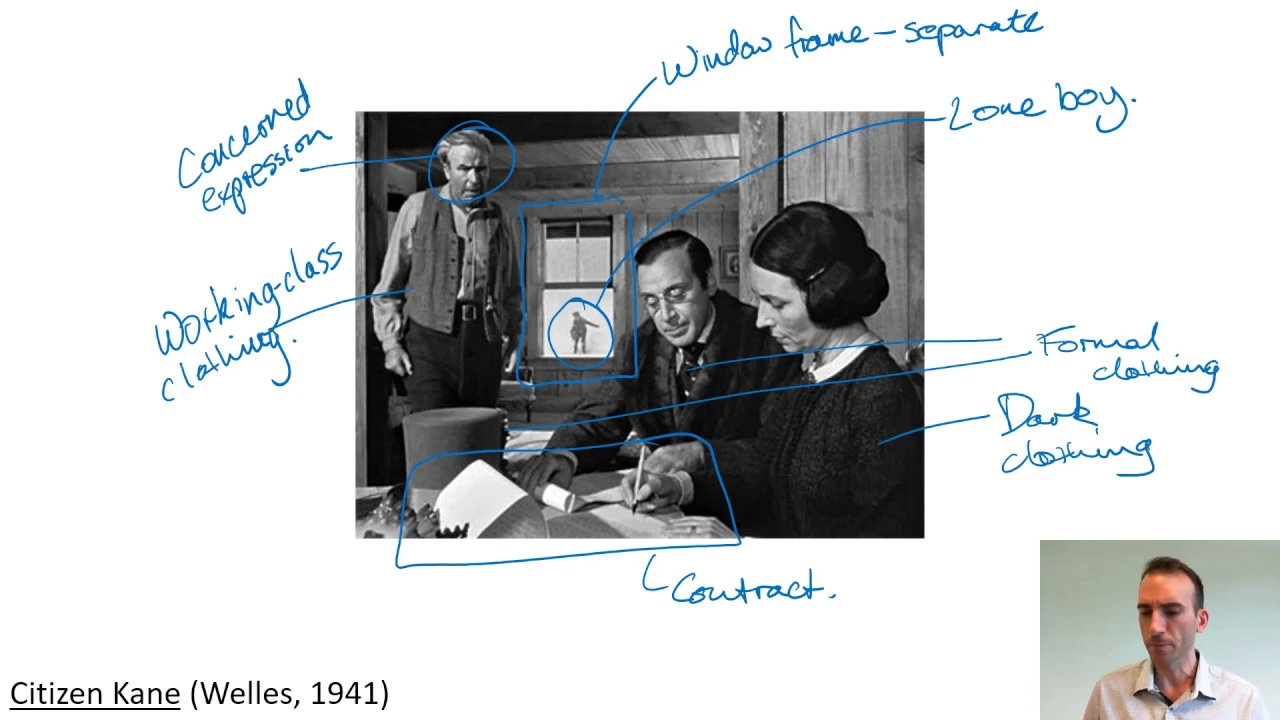
Fundamentals of Mise-en-scène: Understanding how visual elements like framing, lighting, set design, and costume design convey meaning.
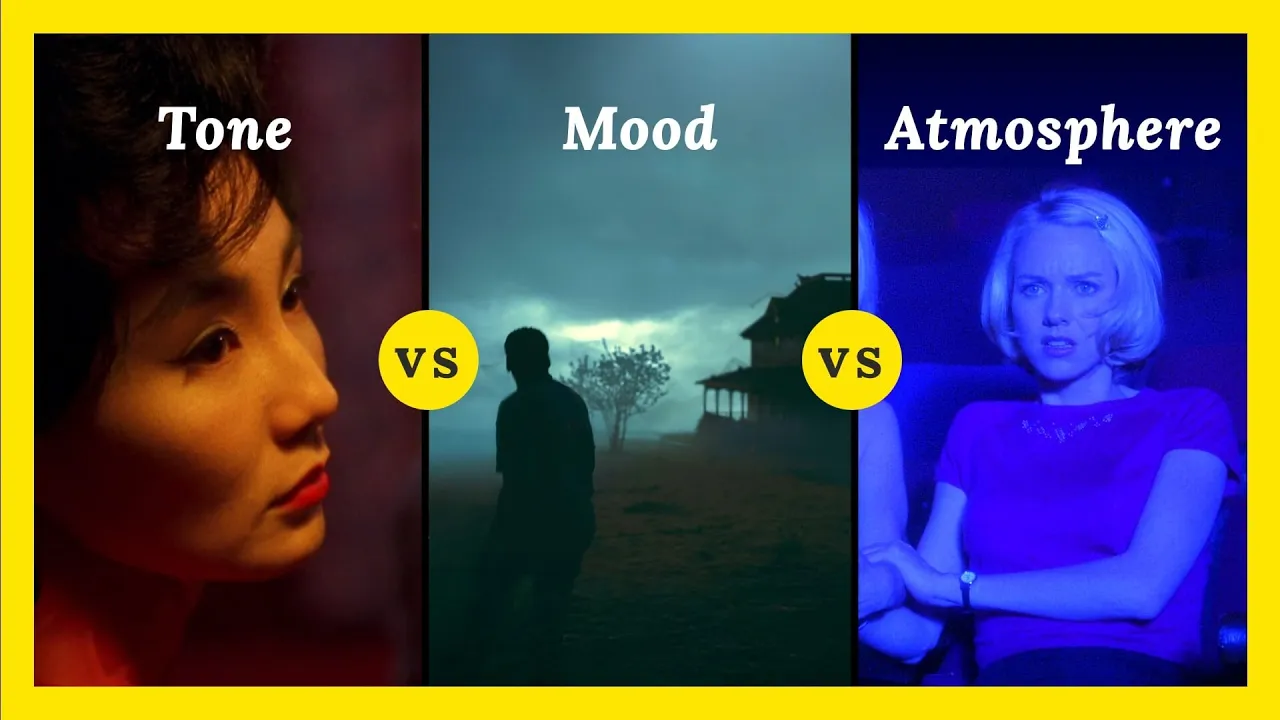
Introduction to Film Tone: Knowing how audio design, score, color grading, and pacing establish a movie's initial mood.
Characterization Basics: Understanding how a character's core traits can be revealed through their immediate actions, choices, and external environment.
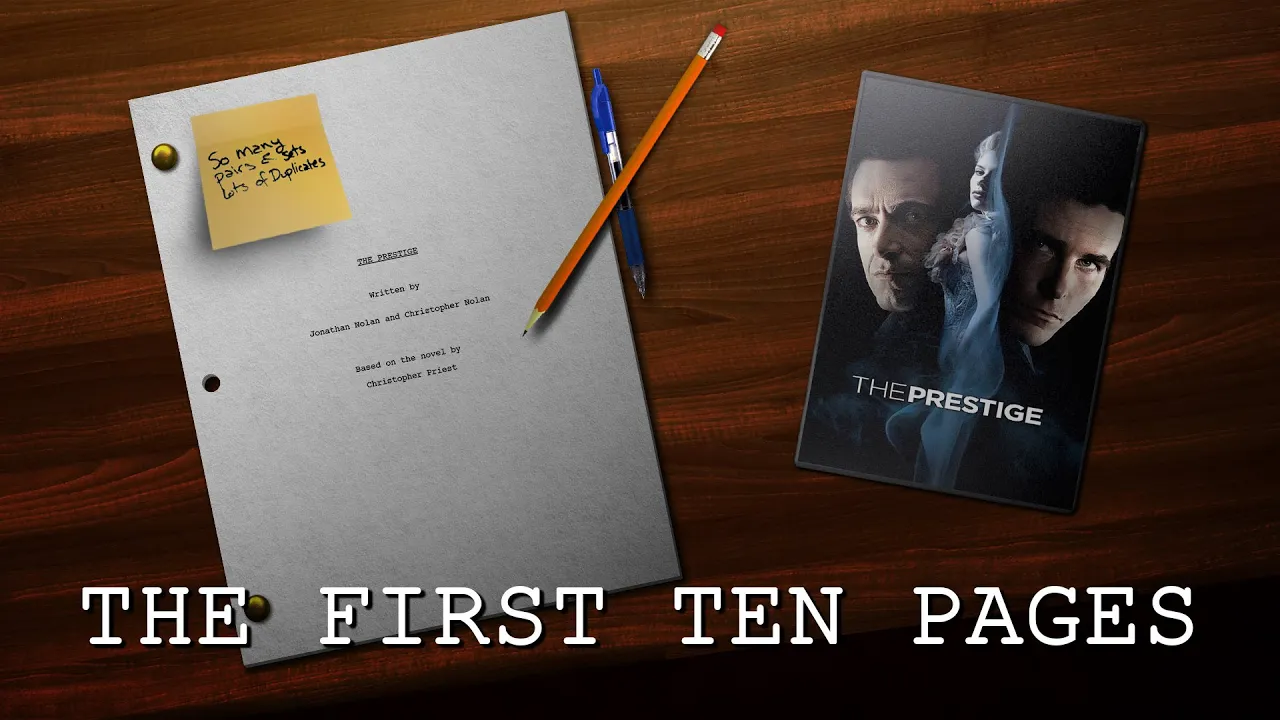
Screenwriting 'The First Ten Pages': Applying these visual concepts to craft compelling, industry-standard opening pages of a screenplay.
Auteur Theory: Analyzing how legendary directors (e.g., Alfred Hitchcock, Quentin Tarantino, Wes Anderson) use unique opening scenes as stylistic signatures.
Subverting Expectations and Narrative Misdirection: Exploring how films use deceptive opening scenes to set up plot twists or unreliable narrators.
Genre-Specific Conventions: Examining how opening scenes differ structurally and tonally across genres like horror, sci-fi, film noir, and romantic comedies.
247 views10likes5:23Original Release: 2024-05-16
so for those who have mastered the medium of film they know that the opening scene the first 5 to 10 minutes are debatably the most important 5 to 10 minutes of the film that opening scene should hook you from that first scene you should be saying okay I don't know what is going to happen in this movie but I'm here for it it sets a stage for your whole journey I be want to bet that any movie that you consider to be one of your favorite movies of all time has an amazing opening scene something that just catches you immediately when an opening scene is done right it accomplishes one of three things establishes character It establishes tone or it establishes the world and in this video we're going to go through an example of each one for establishing character we're going to look at No Country for Old Men this movie opens up with a monologue from Tommy Lee Jones over these large vast landscape shots over West Texas and it talks about one of the main themes of the film which is you know the fear and anxiety that older Generations have towards the younger ones because they don't understand them anymore after that monologue we have one of the most impactful character introductions maybe ever put on screen if this scene doesn't get you excited for what you're about to see then I don't know what will there's so many little character intricacies that are are shown here the way that Anton slips the handcuffs underneath his feet as if he's done it a thousand times just the closeup of his eyes and you can see his evil and and brutish nature and there's something really small that happens that I think counts for a lot and after the deputy accepts his fate and dies we see Anton let out a sigh and this is a sigh of release almost like after this kill Anton has gotten his fix and as we come to find out more about this character the more that becomes true this scene shows us pretty much everything we need to know about this character in just under a minute and right after it we go I don't know who this guy is but I'm going to find out and from that point on you're locked into this movie for establishing tone I want to talk about Apocalypse Now so for those of you who know this movie know that this is probably one of the most iconic introductions opening scenes to a film of all time we see our main character Benjamin Willard who is played by the late great Martin Sheen in this visual blender of of Chaos in hysteria that was the Vietnam War we see the rainforest we see helicopters we see fire we see ancient architecture and we see alcohol and we see Captain Willard laid out in his bedroom clearly drunk we also hear the end playing by The Doors which is debatably the most important part because it cues us into really the tone and the feel but also the time period also the kind of things that the characters and the soldiers at the time were listening to which helps us helps us learn a lot about them all of these things play into the tone of the film as an audience member we get the feel for what this movie is going to feel like it's going to be disastrous it's going to be chaotic it's going to be hectic it's going to be manic it's going to be scary Francis Ford Copa takes the time to be like hey guys this is what's coming this is what this movie is going to feel like and the tone of this scene carries throughout the film so for establishing the world we're going to talk about the opening scene for There Will Be Blood so There Will Be Blood which is directed by Paul Thomas Anderson is debatably one of the best films of the 21st century so in the opening scene we have Daniel de Lewis playing Daniel Plan View and in this scene what we do is we're establishing Daniel's World our main character's world we see the vast Landscapes contrasted with the claustro phobia of of oil mining from a practical standpoint we established the World by doing a few things we established the location which is in the middle of nowhere probably somewhere in the western part of the country right we established the time over a large landscape shot of Daniel alone and it tells us that it takes place in the 1800s but that's not really what I mean or what Paul Thomas Anderson means with establishing the world what we're doing in this scene is we are establishing Daniel's World metaphorically and that is a world of crippling loneliness and he will remain this way throughout the film and till the end of his life until his greed fully consumes him he's doing this task out in the Countryside by himself surely cannot be a oneman job for the rest of the film we know exactly what Daniel's world is going to look like practically and metaphorically and we want to find out how he navigates it so in conclusion we have gone over three different kinds of opening scenes opening scenes that establish character establish tone and establish the world the truth is however every one of these opening scenes establishes all three of these things as stated they have a focus but they all overlap No Country for Old Men establishes character but it also establishes the world of West Texas and the violent and brutal tone of the film Apocalypse Now establishes tone but it also establishes the manic character of Captain Willard and the world that is Vietnam there willby blood establishes the world but also establishes the character of Daniel plane view in the tone of loneliness that we see throughout the film and how that greed overcomes our character if you can achieve one of these three techniques you're going to be in a good place but if you have all three then you really have something special you're going to have something that glues your audience to the seat and makes them say this is going to be a great movie This is the End my only
Up Next

10:59
Movie Poster Remakes vs. Originals: Design Decoded
@VanityFair
286.7K views•2019-01-28

20:12
Unfriended (2014) Screenlife Horror Film Analysis and Review
@theboredcyborg
372 views•2019-08-20
4:55
Film Blocking Techniques for Directors: Space, Shapes, Lines
@StudioBinder
1.9M views•2018-07-23

4:00
Evolution of Darth Vader: Anakin Skywalker's Animated Journey Across Star Wars Films
@TellItAnimated
13.4M views•2019-03-30
Related Study Plans & Knowledge Roadmaps
Structured learning paths in Film Analysis
film-analysis
Sensory Cinema: Foley, Haptic Sound & Texture
01Introduction to Film Sound and Foley Artistry
02Micro-Sounds, Textures, and Extreme Amplification
03Haptic Audition and Film Phenomenology
+ 1 more learning modules
12h4 modules
Explore Roadmap
film-analysis
Breaking the Fourth Wall: Mockumentary & Satire
01The Invisible Wall: Basics of Cinematic Illusion
02Looking at the Lens: Direct Address & Character Glances
03The Mockumentary: Satire, Realism, and Complicity
+ 2 more learning modules
12h5 modules
Explore Roadmap
film-analysis
Analyzing the Long Take: Cinema, Space & Ethics
01Foundations of Film Grammar: Montage vs. The Long Take
02Choreography and Mechanics of the Simulated One-Shot
03Phenomenology of Film: Real-Time Spatial Continuity
+ 1 more learning modules
14h4 modules
Explore Roadmap
film-analysis
Anachronistic Music: Period Drama & Subversion
01Foundations of Film Sound and the 'Needle Drop'
02Traditional Authenticity vs. Revisionist History
03The Rise of the Anachronistic Soundtrack
+ 2 more learning modules
12h5 modules
Explore Roadmap