












![최악의 78년생 야유회.. 뭉치면 죽고, 흩어지면 산다. (feat. 배성재, 매직박) [라면꼰대4] EP.07 #라면꼰대](https://i.ytimg.com/vi/5kG22WDc6SQ/maxresdefault.jpg)









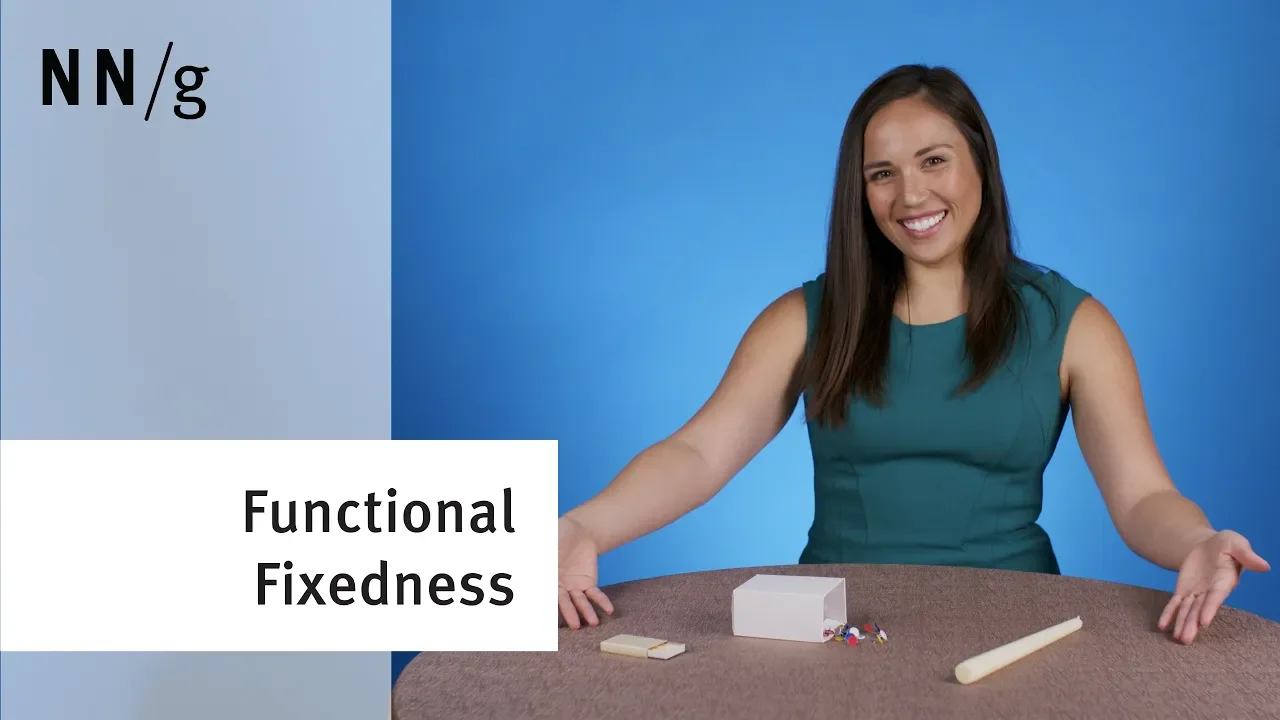







Functional fixedness is a cognitive bias that prevents people from recognizing alternative uses for objects beyond their intended function, while mental sets cause individuals to persist with familiar problem-solving approaches even when they are inefficient; overcoming these barriers requires questioning assumptions and thinking creatively, as demonstrated by classic puzzles like the nine-dot problem (connecting nine dots with four continuous lines by drawing outside the box) and the candle problem (using a matchbox as a platform instead of just a container).
Functional Fixedness & Mental Sets in Problem Solving
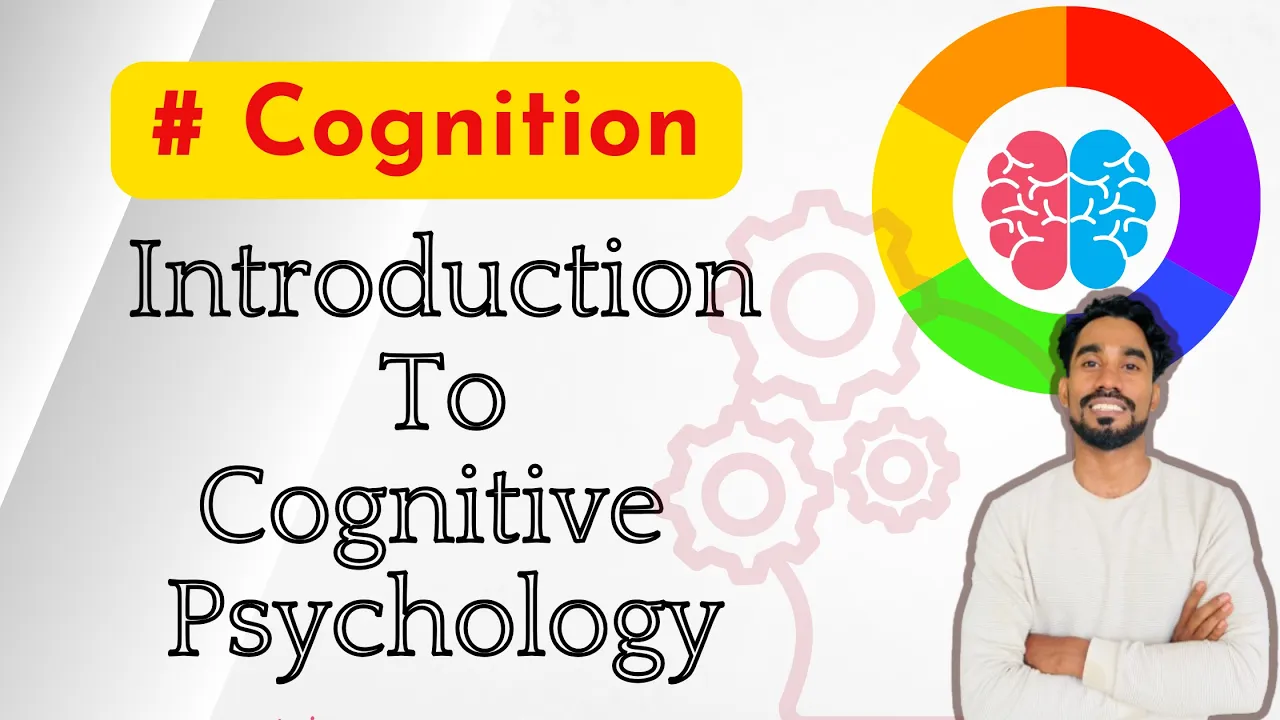
Added:Basic concepts in cognitive psychology, particularly how the human mind processes, stores, and retrieves information.
The distinction between algorithms (step-by-step procedures) and heuristics (cognitive shortcuts) in human problem-solving.
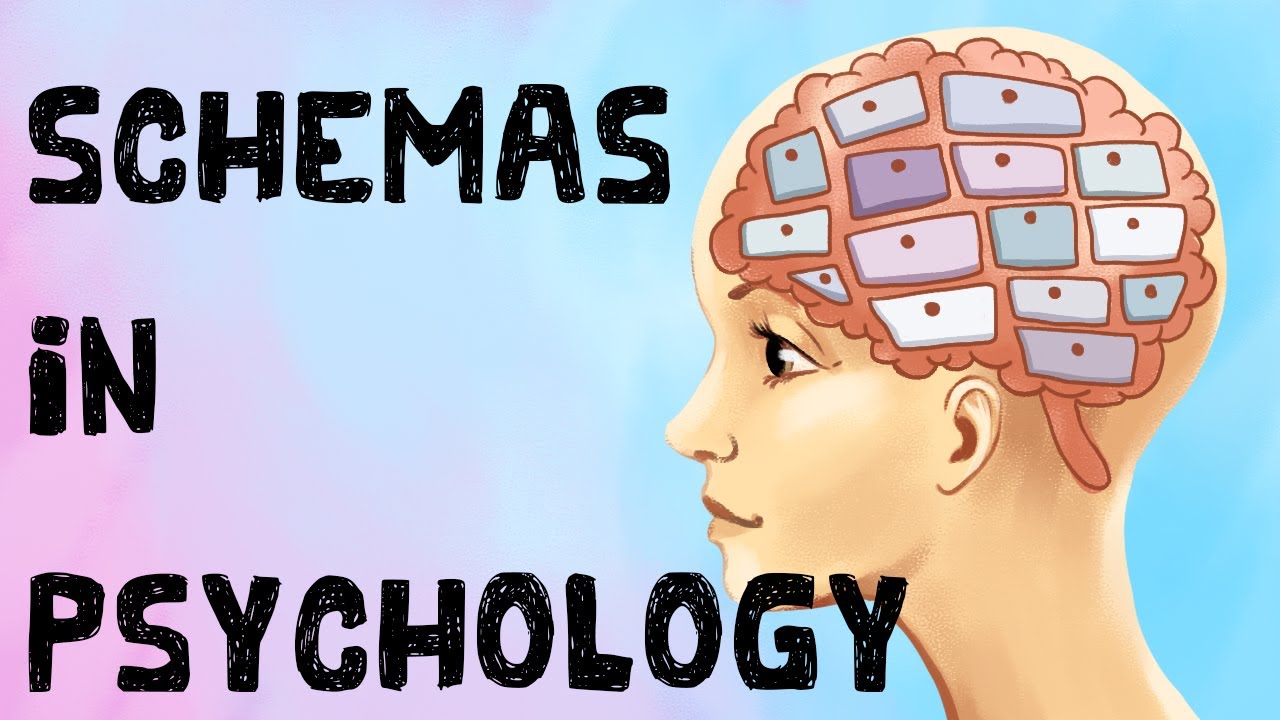
Schema theory, specifically how prior experiences and cognitive frameworks help us categorize and interpret new information.
An introductory understanding of cognitive biases and how systematic patterns of deviation from norm or rationality affect decision-making.
Methods for fostering divergent thinking and lateral thinking to actively overcome cognitive rigidity.
The psychology of 'insight' (the 'Aha!' moment) and Gestalt principles of perceptual and cognitive restructuring.
Applications of overcoming functional fixedness in 'Design Thinking' and product innovation to create non-traditional solutions.
How cognitive load, stress, and environmental factors influence a person's susceptibility to mental sets.
The challenges in Artificial Intelligence regarding machine flexibility and teaching algorithms to bypass 'functional fixedness' when solving novel tasks.
1.1K views10likes7:01Original Release: 2020-11-06
do you ever feel stuck in a rut getting stuck in a rut is really a problem if you're trying to solve a problem so let's talk about that getting stuck in a rut companies hate it when their employees get stuck in ruts in problem-solving ruts because we have this tendency it's called a mindset we have a tendency to try to solve a problem in pretty much the same way that we've solved that problem before you may have heard the phrase because we've always done it that way but just because a particular approach to a problem worked in the past doesn't mean that that approach or solution is the most efficient problem just settling in on what happened to work today is not the best way to become an efficient problem solver so companies are allergic to the phrase because we've always done it that way it's a mental set a tendency to approach a problem in the same old way that you've always approached it students it's really important that you pay attention to this nine dot problem because if you're applying to a cutting edge company it's entirely possible that you will see the nine dot problem at an interview so you gotta know how to solve it because solving the nine dot problem requires you to think outside the box so what is a nine dot problem well here you see it there's nine dots really easy task you're supposed to connect all of those dots by drawing four straight lines that's it and you can't pick up your pencil and move it someplace else so you draw four lines continuously and you have to connect all the dots now when people do that they typically come up with solutions like this where the lines are drawn from point to point and there's just no way to connect all the dots if that's your approach so what you have to do when you get stuck in a problem like that is you have to think what am i assuming how am i limiting myself or what assumptions am i making that aren't appropriate here that i don't need to make now i don't know if you grew up with coloring books or drawing books where you you draw figures by connecting the dots if so that's probably what's preventing you from solving this problem because there's nothing in the problem that says that you can't draw outside of the box there's when you draw you know your kid and you're drawing by following the points you have to you know stop and change direction at each point but you don't have to do that here you just assume people assume that that's what you have to do so the actual solution to the nine dot problem is the following you have to draw the line outside of the box as shown here and if you do that you can easily in a number of different ways connect all nine dots with four continuous lines actually i'll give you another solution that i've never seen in a book one of my studies students came up with it and i think it's just brilliant he got a really thick pen a pen that was as thick as the three dots are wide and he just drew a really thick line across the nine dots i think that's brilliant and shows you know um that he wasn't in a mental set right he wasn't stuck thinking about things in a particular way he could have a new and creative solution to the problem so when we get stuck thinking about objects as having only one function that's called fixation or functional fixedness functional fixedness when you can't solve a problem because you feel like you don't have the tool that you need to solve the problem but you actually do you just don't recognize it so for example sometimes if a flathead screw is loose and you think oh you know i'd really love to screw that screw in so nobody trips over it but i don't have a screwdriver well if it's a big screw you can use a dime i saw great picture ones of somebody blowing leaves by taking an indoor fan and an extension cord and use using that to blow leaves now nobody thinks of an indoor fan as a leaf blower nobody thinks of a dime as a screwdriver but they function that way so functional fixedness is when you don't have those realizations when you think of objects as having only their originally intended function and something called the candle problem is a great example of functional fixedness very simple problem you're standing there in a room waiting for the experimenter the experimenter walks in with those items a box of matches a candle or two and some tacks maybe a hammer and the experimenter says okay i want you to create a candle holder attach it to the wall and light the candle in a way that doesn't burn down the wall now what people typically do when they're given this task is to hold the candle against the wall and to try to push the tacks attach the candle to the wall by pushing the tacks or the nails into the wall it doesn't work the attacks are never long enough and even if you could get it to work once you light the candle you're going to burn the wall down so that's not a solution the solution is to think about the items that you were given in a new way now how do we know this well if you give the items in the way are originally presented the matches are in the box about 45 percent of people can solve the problem but you could use something really simple open the box of matches with the max matches on the table and present them separately from the box then that sort of loosens up people's minds and they can think about the box not as a container but as a platform because the solution to the candle problem is to use the container as a platform to attach the container or platform to the wall and the candle to the platform and then you can light it no problem but you have to overcome your functional fixedness right you have to think about the box that's holding the matches not as a container but as a platform come back and we're going to try a segment in which we apply problem solving to real issues that students have to figure out every day like who do you believe and why i promise you'll love it or hate it you'll find it interesting for sure
Up Next
39:20
Enhancing Creativity: A PhD Defence on Training Innovation Practitioners
@DTUbroadcast
584 views•2018-02-22

68:32
Cognitive Skills for Differentiated Instruction | Teacher PD
@BrainWareLearning
631 views•2017-12-17

9:55
Thinking, Fast and Slow: Daniel Kahneman Animated Book Summary
@FightMediocrity
2.3M views•2015-06-05

6:40
The Nocebo Effect: How Beliefs Can Cause Real Harm
@CGPGrey
10.4M views•2013-12-23
Related Study Plans & Knowledge Roadmaps
Structured learning paths in Psychology
psychology
Neuroscience of Creativity: Networks & Training
01Foundations of Creative Cognition
02The Cognitive Neuroscience of Insight & Fixation
03The Triple Network Model of Creativity
+ 1 more learning modules
15h4 modules
Explore Roadmap
psychology
Imposter Syndrome: Etiology & CBT Framework
01Defining the Imposter Phenomenon
02Socio-Developmental Etiologies
03CBT Fundamentals & Thought Distortions
+ 2 more learning modules
15h5 modules
Explore Roadmap
psychology
Adult ADHD: Executive Dysfunction & Scaffolding
01Neurobiology of the ADHD Brain
02The Core Triad of Executive Deficits
03Executive Dysfunction and Emotional Regulation
+ 2 more learning modules
12h5 modules
Explore Roadmap
psychology
Loneliness: Evolution, Neurobiology & CBT
01Evolutionary Origins of Human Connection and Loneliness
02The Neurobiology and Physiology of Chronic Loneliness
03Maladaptive Social Cognition: The Psychological Loop
+ 2 more learning modules
12h5 modules
Explore Roadmap