








![Guide to Kerbal Space Program...for Complete Beginners! - Part 8 [Maneuver Planning to Minmus]](https://i.ytimg.com/vi_webp/CnkrUU8zTPw/maxresdefault.webp)








![[Liftoff 32:54] Chang'e 5 Launch from the Moon LIVE | China moon mission | Chang'e 5 ascent liftoff](https://i.ytimg.com/vi/-uFtjQsxwjk/maxresdefault.jpg)


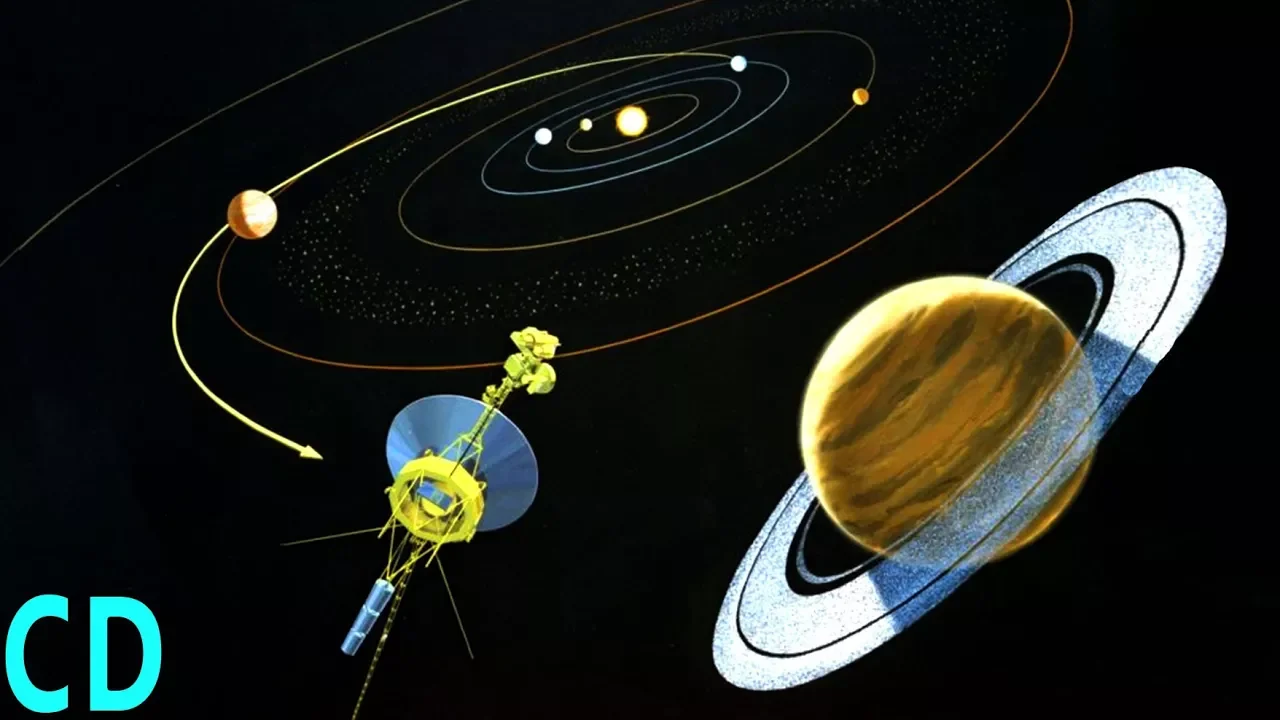
The Sphere of Influence (SOI) is a region around a celestial body where its gravitational dominance over a spacecraft's motion is sufficient to approximate the spacecraft's trajectory as Keplerian motion relative to that body; the SOI boundary is determined by the criterion that the ratio of disturbing accelerations to nominal Keplerian acceleration equals approximately 0.1, and for planets, this yields radii of approximately 924,000 km for Earth, 617,000 km for Venus, 574,000 km for Mars, and 66,000 km for the Moon, enabling the patched conic approximation for interplanetary mission planning where spacecraft transitions between spheres of influence of different celestial bodies.
Sphere of Influence & Lunar Orbit | Orbital Mechanics Lecture 14a
Added:The classical Two-Body Problem and Kepler's Laws of planetary motion.
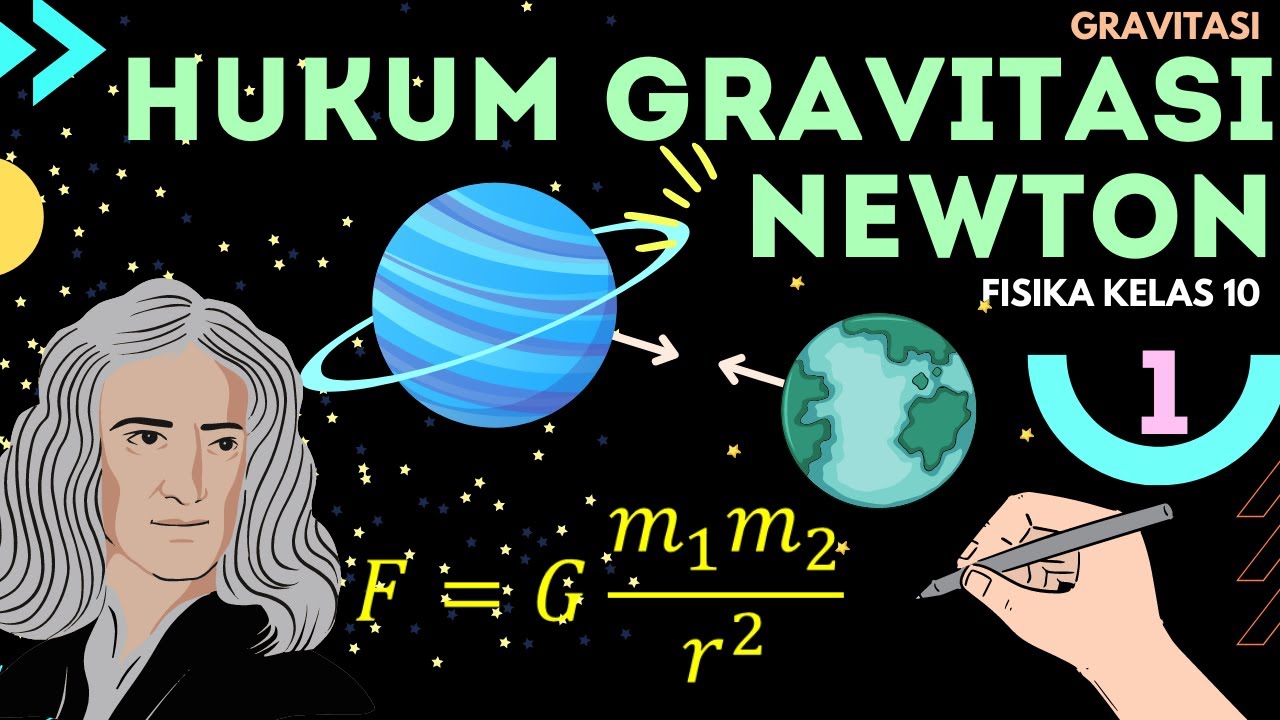
Newton's Law of Universal Gravitation and its application to calculating orbital trajectories.
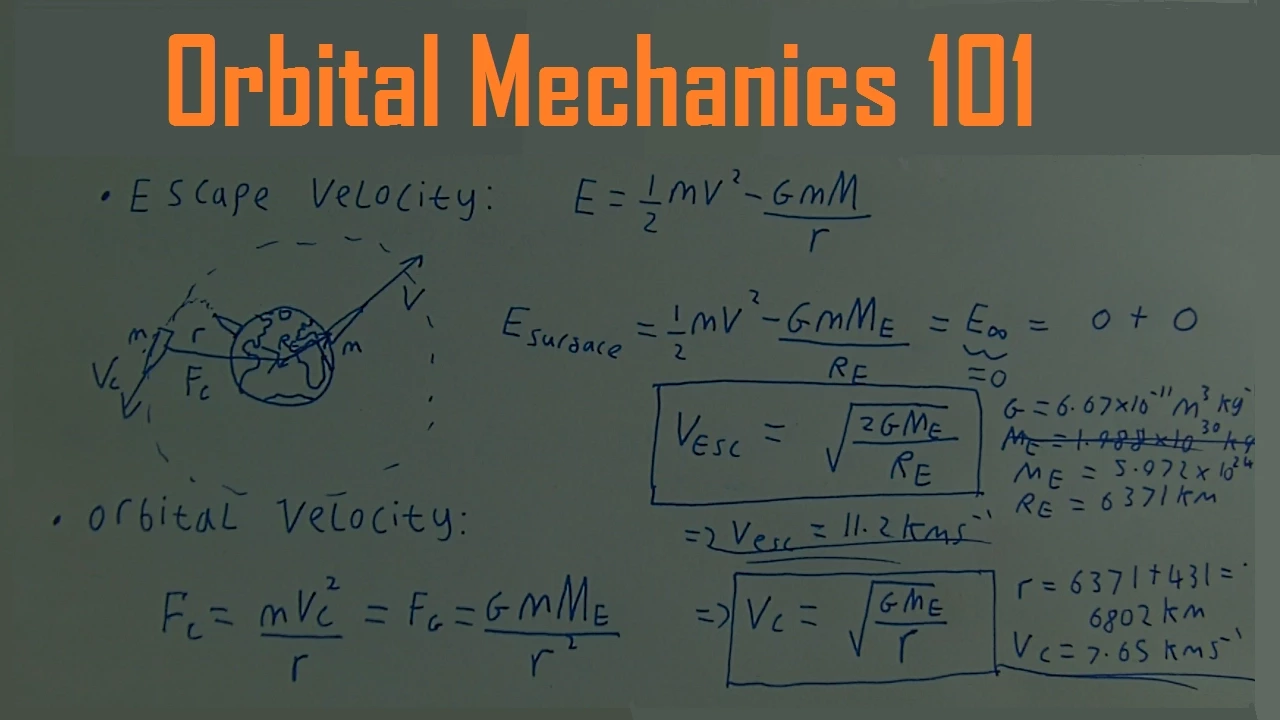
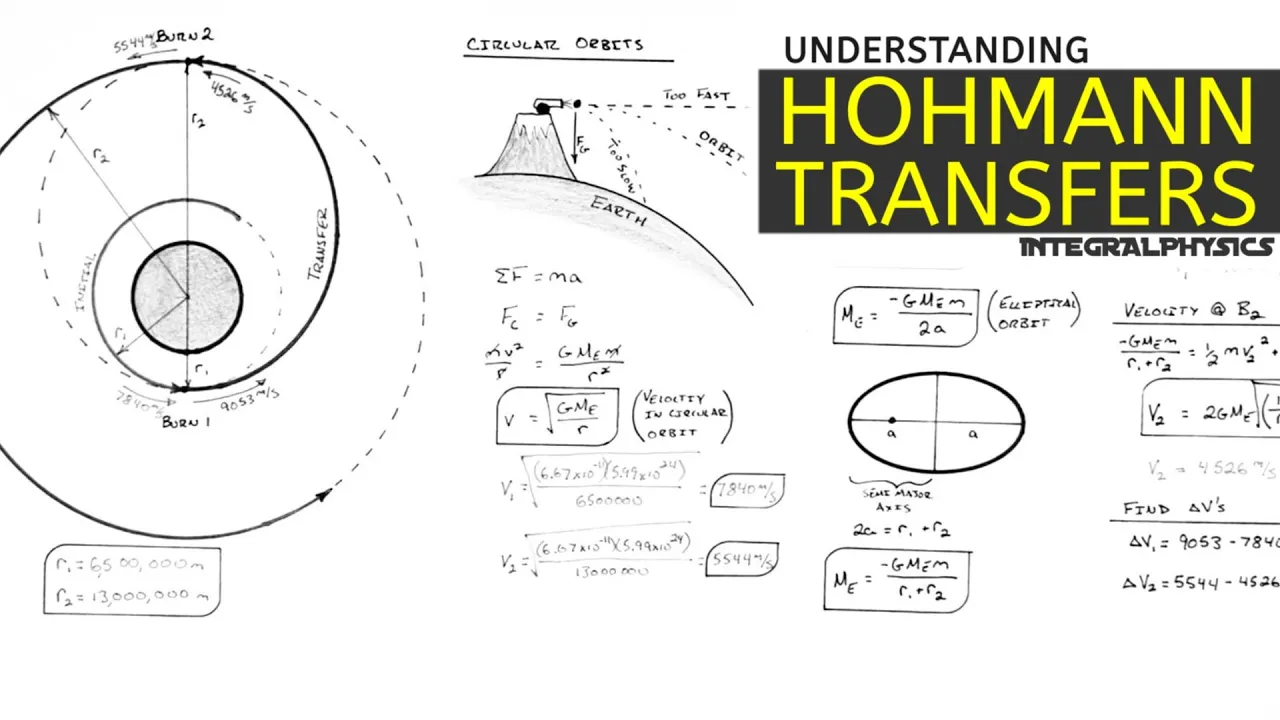
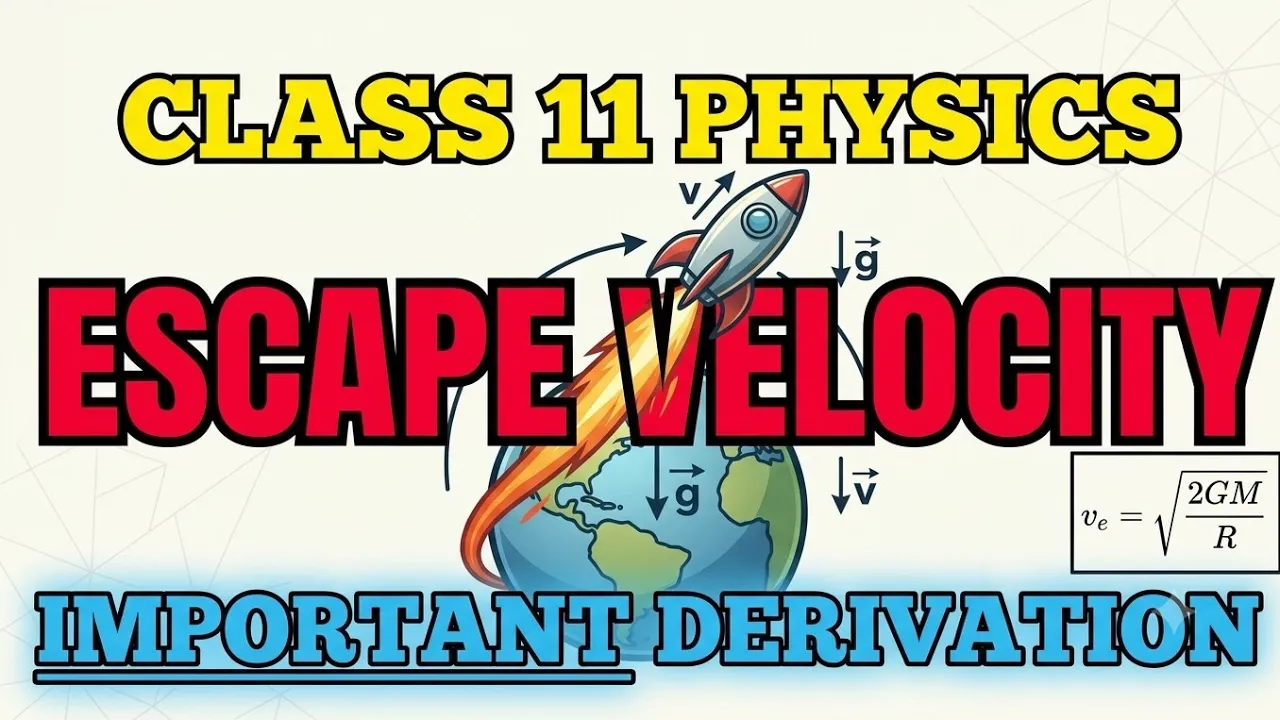
Basic orbital maneuvers, such as Hohmann transfers, and the mathematical derivation of escape velocity.
Standard coordinate systems used in astrodynamics, specifically geocentric and heliocentric reference frames.
Interplanetary trajectory design using the Patched Conics Approximation, including gravity assist (slingshot) maneuvers.
The Circular Restricted Three-Body Problem (CR3BP) and the derivation of Lagrange points (L1-L5).
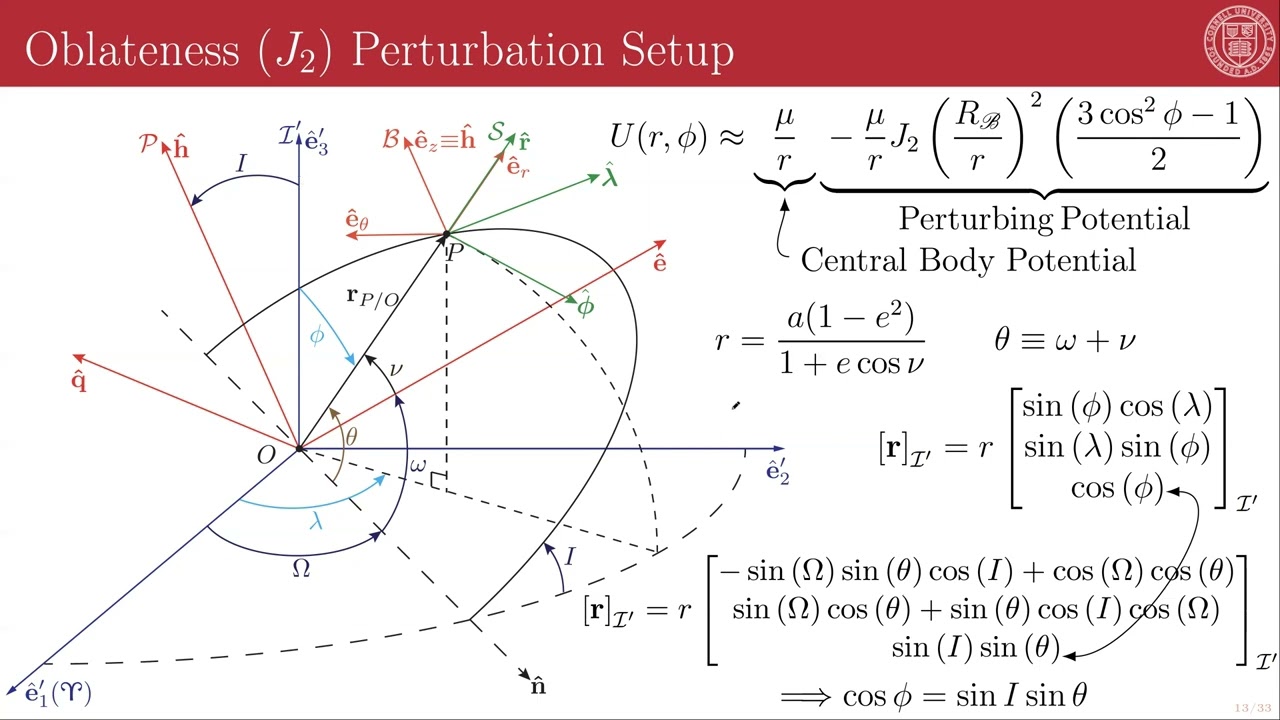
Advanced orbital perturbation analysis, incorporating non-spherical planetary mass distributions (J2 effect) and solar radiation pressure.
Practical lunar mission planning, focusing on Trans-Lunar Injection (TLI) and lunar orbit insertion maneuvers.
2.6K views25likes1:12:36Original Release: 2020-04-15
all right hello class welcome back so today we are going to be talking about well it's the last lecture in our section on orbital mechanics the next lecture will begin getting into attitude dynamics so spacecraft motion how these satellites move around and position themselves but in this lecture we're gonna be talking about sort of a combination of of all the things that we've talked about so far and its application to interplanetary space travel so how to get from one we've talked a lot about orbits of the earth and orbits of anything really single to body problem but in this lecture we're gonna we're gonna try and expand our horizons a little bit and figure out what the application of what we've learned is to traveling to other planets and I include the the moon in that sort of category now oh no say right off the bat that we're gonna do something a little bit different in this lecture to try and make things hmm I guess the word is digestible for for the audience and and so we're gonna I'm gonna break this lecture down into three sub lectures so see if we're going to talk about I mean I'm going to have three different videos and they're all I'm gonna record them all at the same time but there'll be three of them and the idea is just to make it a little bit more organized so the first lecture well the first sub lecture will be on on this one on the sphere of influence a proper definition of the sphere of influence oh you may think you know what it is but it's a little bit more complicated than you we think and we'll throw in actually I didn't talk about it here please throw in some stuff about the orbit of the moon as well so then I'll take a quick break and I'll come back and I'll talk about the second which is probably the biggest part of the lecture which is mission planning so how to leave the sphere of influence of the earth transit through the sphere of influence of the Sun here's the Sun here's the earth here's your destination planet Mars say there's the earth so I'll talk about leaving the sphere of influence of the earth transiting the sphere of influence of the Sun and what happens at arrival at the sphere of influence of the other planet so in this case it's Mars although actually the example which I'll be I'll be working through in the second part of the lecture is actually it transit to Venus so actually say that's the Venus well mention Mars and transits to the moon and stuff like that but be focusing on that and that Venus mission plan as is in pressing right they'll be following the pressing and conwy the pressing and Conway example that they use and then the third and a relatively short lecture so call this lecture fourteen point one this is fourteen point two and fourteen point three and the last one will be on gravity assist maneuvers and so how to use the gravity of planets through various through flybys to boost your velocity in heliocentric coordinate system so to give an absolute to Delta V boost to your spacecraft okay so that's the organization we're gonna be going through I'll get into the details here later on I don't wanna overwhelm you right now right so just to give some idea of what are the what are the pieces of a interplanetary mission right so how do you have you what are the essential features of any mission planning problem well there's several obvious ones and again I don't there's not much new in the way of fundamental mathematics or orbital mechanics so we're gonna be going over today it's more application of those from a sort of a practical standpoint how to how to put all the pieces together right so there's nothing here in this like in this these these these points which which is actually new that you'll learn but but putting all the pieces together and getting getting your mission organized as well be focusing on right so there's a you know there's various pieces again we've sort of mentioned them all at some point or another but I'll mention them again the first is of course launch right establishment of a parking orbit so you need a Delta V of about 10 or that launch an establishment in a parking orbit right little Delta beam boost right there right you hang out in your parking orbit until an appropriate time is reached at which you you do a Delta V verne to escape do a Delta V burn to escape so you reach escape velocity and that means essentially that you'll leave the sphere of influence of the earth right so that's the part where you're leaving the sphere of influence of the earth and then once you've left this fear of the influence of the earth well then things change a little bit cuz your coordinate system changes so here's the Sun right and it turns out right the earth is rotating about the Sun who knew and and so once you leave the sphere of influence of the earth you have some excess velocity and so your your your velocity gets added to the velocity never earth right and then you transit in some path in the heliocentric frame until you arrive at your destination so there's a Hohmann transfer maybe here in the middle and and then you arrive at your destination the steps are reversed and that's sort of interesting because we haven't really talked about reversing these steps right so you say sphere of influence of let's say Mars here there's Mars and then we're all this hyperbolic orbit right about Mars right and so you want to we want to get the the parameters of that hyperbolic orbit just right so that we you know we we we end up close to Mars here at Perry apps and so we get it we need something called a targeting radius right and then and then we get to Mars well there's a couple things we can do we can have a capture maneuver it's usually a retrograde burn so there can be aerobraking involved a delta v maneuver and that can either put us in a capture orbit so very elliptical orbit or it can put us in a parking orbit around the around mars and then at some point we need to well we can either circular eyes or we can just fly by and then if we want to do more than just circular as we can actually land we can get the Delta V for landing as well again that's a retrograde so it's sort of the reverse of the of the launch at arrival right instead of escaping to out of the sphere of influence we inject ourselves into the sphere of influence instead of establishing a parking orbit we get out of a parking orbit that kind of that kind of thing so as I said right there's really the the difference is is that before we were talking about a two-body problem right talking about this two-body problem where we have a single thing we're organizing which is very big and we've got our spacecraft which is small and so that was a that was a fairly restrictive case and now we're gonna be talking about well there's at least four bodies involved in this case what are the four bodies right well there's the the Sun there's one body there's the earth which is two bodies there's Mars or Venus the plan that we're going to which is a third body and of course don't forget there's us we are we are a body as well let's not forget us there's my spaceship alright so actually four bodies are involved here as opposed to just two and so that's like a relatively complicated problem so the I say three bodies in fact actually already we shouldn't really be saying four bodies right if we're thinking about this right so fortunately well unfortunately of course solving a four body problem like the just the dynamics of that are very complicated so it's just gonna be beyond us to actually calculate what those you know the acceleration and integrate that and it's it's not non capillary and very non capillary fortunately however we have a simplification that allows us to compute transfers and that's that's the sphere of influence model we're gonna be talking about in this first part election 14:1 this sphere of influence model so what is this sphere of influence model well it's it's not not terribly complicated basically it says that usually right and you know there are exceptions to this like binary stars and so forth usually one force one central body is in charge someone's in charge at all times and of course we're gonna lecture answer in this lecture is who who's in charge what do we mean by in charge mmm that's an interesting question what we mean by that is what I mean by in charge here in this case is I mean that the motion about that body looks like he's approximately like to body motion that is it looks kept Larry it's a two-body motions as an elliptic elliptic we are the these orbits this Kepler's three laws apply so we're gonna be establishing conditions on which the motion looks like Kepler II and elliptic motion and then we'll hope that the transition between between those points is relatively short right so for example like if we look at this picture here right this illustrates the sphere of influence of the Sun versus the planets right let's see what we got here I think this is mercury this is Venus that's Earth that's Mars and and so who's in charge well the point is when you're close to say Mars I'm just saying that using Mars is an example because it's like the farthest out and it's easiest to draw right it turns out if you are it within the sphere of influence of Mars the motion about Mars looks roughly Keplerian looks roughly elliptic or hyperbolic depending on how much energy you have now that the region where that that applies is not very big right I like he's my little highlight tool right it's just within this green little band right here about Mars not very big in the grand scheme of things of the solar system but accurate out to a few hundred thousand kilometers right so this is a these widths here right few hundred thousand kilometers I think what is this fear of influence of Mars I have to look it up spirit influence of the earth is about 850 thousand kilometers I believe and the so this one's right this width is 850 k kk mega meters if you will I forget the one about Mars I'm guessing Mars is smaller so I guess it's around maybe 400,000 so anyone not big in sort of you know solar system type scales but when you're closest looks sort of like okay look it looks big I guess that's the point so we have this idea of a patched conic right conics referring to right those that refers to the ellipses or of course the hyperbolas so packed comics and that means when you're in this band right here you are in an ellipse around Mars or hyperbola and Mars a conic around Mars and when you leave it you're in a in a conic around not Mars you're not close to be enough to be earth so what you're actually in an orbit around is the Sun in that orbit is also conical right it's a typically elliptic but it could be hyperbolic right so this this little section here in this little red section between the bands is conic about the Sun right and yes there is a transition period right so there's a transition period where the elliptic motion about one of those two bodies doesn't look very elliptic right patch points we call them right there's a patch point there's a patch point there's a test-tube patch points here of course one when you're entering and one when you're leaving and as I could draw those for all of them and I don't think we don't even draw this fear of influences mercury here guess cuz it's fairly small and so our first goal here is going to be talking about where those patch points are so we can we can propagate out we can use our elliptic like motion within that sphere of influence model and then of course we have to transition we hope we transition relatively quickly but of course there's that it's not it's gonna be some Corrections that need to happen and so right as I said in this lecture we talked about when where those patch points are and what what they mean right and how to find them so basically the patch points occur when you're when the capillary in motion fails the conic approximation fails right when does that happen well remember in the last lecture we talked about disturbances to the orbit right and those disturbances were approximated as just changes in our orbital elements assuming that the mean motion or the JED enlarge the motion of the of the spacecraft is a conic or is elliptical right what we're gonna be to'd so we're gonna be using well we're not gonna be using the equations very much but we use that same logic to find the point at which the disturbance becomes too large when is that disturbance become so large that the elliptic or the conic approximation of the orbit just fails entirely and and then of course picks up when we get to the other body and basically the criterion for a patch point sorry the criterion for a patch point is when is when does the the motion around one body look more conic than the other so which motion looks more conic right so the spacecraft around the Sun for example or the spacecraft about the earth so that's the sphere of influence that's what the sphere of influence means so who's in charge right so of course you know there's an obvious definition for the sphere of influence an obvious way of defining it which would be which with so as soon as you say yours you're the moon for example so whose sphere of influence is the moon in well the obvious answer to that would be that the moon is in the sphere of influence of whoever exerts the larger force right that makes sense right larger forces means larger accelerations so they're just the force on the moon due to the Sun right is larger say than the force on the moon due to the earth so therefore the acceleration on them of the moon due to the Sun it's gonna be larger and more disturbing than that of the earth that's a sort of a intuitive sense but it's completely wrong so don't don't use that no and why why is that well there's it's it's that is a that's what we're gonna be trying to explain mostly through mathematics but partly through intuition and well first of all you can see intuitively that it's wrong because the force on the moon due to the Sun is larger than the force on the moon due to the earth force moon Sun is much much greater than the force of the moon on the moon due to the earth right so that would imply if we use that definition that the the moon is in the orbit is it is orbiting the Sun which of course seems silly it's not that silly does the moon orbit the Sun so let's like take a moment and think about that for a second doesn't mean orbit the Sun hmm well I think we can we can agree that the Earth orbits the Sun yes that's I think we're safe with that but does the moon now put a nation there definitely we're okay with that but does the moon well if I look at this right I mean the moon is going around the Sun around the earth true hmm but it kind of looks like the moon also goes around I mean the moon goes around the earth and the earth goes around the Sun so technically the moon is also going around the Sun right so hmm what does that mean the moon is going right it just happens to be orbiting earth well it does so right so technically the moon is orbiting the Sun it just has this sort of perturbed right motion it is it is going around the Sun so that's an interesting observation and that gets to the heart of this question of you know why the this model of the sphere of influence is wrong why the maximum force model is wrong it's wrong of course because pretty much everything's orbiting the Sun right I mean everything's orbiting Sun but it doesn't tell us much right it doesn't tell us much about about what's going on so the sphere of influence is is really designed the model is designed to let us do this patched conic approximation and so well the moon Lieut motion of the Moon around the Sun right if we're gonna model that with a patched conic right that would just be the earth right and so if we wanted to Madol the motion of the moon about son right we could just take the position of the earth which we know pretty well and and then we could add the vector well of the moon with respect to the Sun to the moon to the earth right and get this right so this Plus this will get us this right and so since we already know this finding this is not very helpful right and so what we really want to focus on in is is this one right the motion of the earth of the moon relative to the earth right and the reason is that of course imagine that the earth exerted no force on the moon at all right then the the path of the moon and the path of the earth would look almost identical right baby you know they're a little bit off on their orbits but they'd be almost identical and so it's that identic allottee right that you know the the lack of sort of valid information that you're getting from this the motion of the Sun relative the moon versus the moon relative the Sun versus the earth relative to the Sun that that defines what piece of information is important which passed conic we should be looking at so that's that's me trying to give you the intuition behind what's going on so let's let's get to the mathematics oh come on so again right if we're gonna continue our so here's here's a picture right here's the Sun here's the earth earth and just why not let's make this the minute it says vehicle here but let's make it a minute so V is for vehicle or vehicle so we've got these this sort of this you know triangle here and intuitively so we see that we know that this this object here which is probably not the moon because it's it's much farther from the earth than that then the Sun right if we intuitively know that this is going to be in the sphere of influence of the song so so the vectors here are right we've got the motion of the motion of the planet do with respect to the Sun motion of the Sun with respect to the planet which is also turns out to be you know important there is a berry center here it's actually within this within the radius of the earth the Sun but okay more then and the motion of the vehicle respect to the Sun and the motion of the vehicle respect to the planet and lots of things going on here so because this particular vehicle happens to be closer to the to the Sun here than than the earth we're gonna start by analyzing the the ellipse or the the the capillary and motion of the vehicle with respect to the Sun so vehicle with respect to the Sun so that's that's this basically that's the acceleration pardon myself spelling so that's the acceleration and if we were to scratch off all this bit the disturbing forces right then the equations of motion would just be this one if there were no planet involved at all right we would just move this would be negative mu mu over R squared onto the right hand side and this is the this is the Kepler's Kepler a motion so that's the that's that's the conical approximation so now we have to look at right what's the disturbance to the cut to the capillary and approximation okay so this is the the Keplerian term right and this is the non Keplerian term no i'm kepler and so what we want to do is we want to figure out how much this how much these terms affect this right how much how much not like a conic this is going to make this look like so let's uh let's like look at the kana they the conical motion right if you change your color here conical motion and these are the the disturbances that we talked about in the last lecture so the extent to which our motion around the Sun looks conical or Keplerian is the going to be determined by the extent to which these can throw off our orbital elements these these terms right here in the extent to which they can throw off or orbital elements is determined by their relative magnitude with respect to this so specifically what is the ratio of the disturbance divided by the ratio of the sort of a conical part of the capillary 'n part of the of the of the of the motion so that's what we're gonna be looking at so let's look at these bits what are these bits well we know what this thing is this is the the relative sun moon vector or sun vehicle vector right and divided by the distance between the Sun and the vehicle right pretty pretty familiar with that all right so what are these terms right well so that's the effect of the Sun the object this is the effect all right this is what you would is what you expect to see this is the effect of the planet so the acceleration of the vehicle due to the planet right so this term gets drawn to there right so that's the that's the really the extent to which right this is gonna rotate or move back and forth right that kind of acceleration the next term however is a little bit more interesting right and you'd expect it I don't know I don't know what you'd expect it to be but this is what it is right that's the acceleration of the Sun due to the planet right so technically right this point this this term here accelerates a little bit so this term actually there is some small motion here right the planet does exert some relatively small motion you know acceleration on the Sun it's it's it's minor and of course if we're talking about other two body problems like say earth / moon right so this was a moon for example this was the earth right we were trying to figure out whose sphere of influence we were in there then obviously the earth does have a significant contribution to the motion of the moon so just FYI but anyway so this is the of the earth on that that this vector here and that's important right because if this write this vector goes all the way over here right that's going to change the length of this vector right so this this ax does act as a disturbance to the relative position of the vehicle with respect to the to the song so those are the those are the two contributions here to the disturbances they the mode the acceleration of the vehicle right due to the earth and the acceleration of the Sun also due to the earth now as I mentioned of course for if we were talking about like the the Sun who's influenced the moon is in right we're looking at the question of whose sphere of influence is moon in right then if we look at this right then the the acceleration of the of the Sun due to the earth is approximately zero right so that's approximately zero and so no matter what this term is the acceleration the moon right this it'll be greater than the acceleration of the of the Sun and so when we you know pop these things into the equation on the previous slide so just if I divide this acceleration disturbing acceleration due to the Kip divided by the capillary and sort of the nominal terms right then well this this term drops out and then we go through the previous slide we just ignore that term so we can just ignore that term there and so we can ignore that term there and so if we just divide this by this right well what do we get the Gees drop out we get the MP / NS and then we have a 1 / term here let's like just drop the magnitudes here or take the magnitude of these disturbances and then we have our son vehicle divided squared divided by our planet vehicle squared so that's what we see here so basically what this is telling us is if so we have a ratio of the planetary mass divided by the solar mass and a ratio of the distance of the Sun divided by the the distance to the earth right so basically if we if this is a large thing right if this is 0 approximately not 0 but small and it's even if this is not too small then this is going to be large so the disturbing force will dominate we haven't quantified that but it's just that's the intuition behind it right so now let's take the the alternative approach right let's consider the disturbance of the motion about the planet due to the due to the Sun right if you if you actually look in pressing and Conway they they actually when we talk about these disturbance models from the previous lecture right they they actually give this quantitatively but so to actually find the changes in orbital elements you can find the effect of the moon as well on the motion around the earth as well but we're not going to focus on that right so again this is going to be the moon maybe in our thing this is the planet this is the earth ok and now here's our again our standard Keplerian motion acceleration / conical terms and these are our disturbing terms now in this case there's something a little bit different I mean the equations look approximately the same right so this is the so what are these things right this is the here's moon there's ear all right so this is the that's that term right so that that's the standard orbit equation right this term right is the effect of the Sun on the on the moon right so that's this term all right so standard stuff right standard orbit about of the the moon about the Sun but and normally this would be much bigger than this right and this might be much bigger than this this term is bigger than this term right so if there was not this term over here you would think that the disturbance would always dominate and that the moon would be in the orbit around the Sun and in fact it's almost impossible for this term ever no matter what the orbit is right if you were just in parking orbit I believe this term would still be greater than this term the difference of course is that the difference is that the there's this third term right and what is this well this is right so there's the mote there's the orbit right this is the orbit of the moon with respect to the Sun but we get to subtract off that the orbit of the earth oh I guess I'm out of my shouldn't draw like something there prevent myself from like from writing in there so that's the orbit of the moon about the Sun right and here's the this part is the orbit of the earth about the Sun right so in this case there is a significant motion the the earth is in the orbit around the Sun right so there's this is a non significant non trivial term and the this difference right so just like this difference here right the the extent to which these two accelerations differ is going to determine the extent of this derp being force or disturbing acceleration so if we think about this right so get back our yellow right here's our Sun here's here's the earth and here's the moon right right the the acceleration of these two towards the Sun is going to be approximately the same right there be approximately same so when you subtract them right that's terms going to be approximately zero so if these two terms are if these two bodies are close to each other right then these two turn these these terms over here almost cancel each other out and so you don't get a big disturbing force right so that's that's the that's the key difference here right from the previous from the orbit about the Sun they're right next to each other than the two terms approximately cancel out and you don't get much of the disturbance at all because the Sun is disturbing the Earth's motion in the same way that it's disturbing the moon's motion so so we have to look again at what is the ratio now what is the ratio of dot disturbance divided by r dot dot Kepler's capillary and if we look at that right it's we're gonna have something similar we're gonna have a mess over MP right so this is a big term right and then on the on the numerator will have a R P V squared term and on the denominator well we get something a little bit different right we get this r sv minus r SP so the question is whether is this greater than what we had on the previous slide which was RS b or RP v NP r sv / RP v so and that is going to determine which sphere of influence for in which capillary and motion is disturbed more so again intuitively right when the vehicle is near the planet again we got this picture here right vehicle planet sun right and they're near each other right these terms the these vectors right RS v and r SP they're going to be approximately equal to each other vector wise and so if we look at this right then the disturbing motions cancel out right and so we get this the zero term here so when the the objects are next to each other right the disturbing force is not significant right then the Keplerian motion looks pretty Keplerian so now we define rigorously or I don't know formally our sphere of influence model which is basically what I was saying when the disturbance the ratio of the disturbing accelerations over the capillary and acceleration is greater than each a greater right when that ratio is is greater than your then if you're well you're out of the sphere of influence right so if the disturbance is if you're just that disturbance if it's small relative to the the general overall acceleration then you're in the sphere of influence of that body the question of course becomes how to how to determine those those numbers and it's fairly complicated and you know there are there cases where the sphere of influence is not spherical right okay so the best case I can I can think of right for example is the the earth-moon right so here's the earth here's mood and here's the sphere of influence of the earth and embedded within that right is the sphere of influence of the moon right and actually it would be extending a little bit non spherically that way so right so technically the sphere of influence of a body does not have to be spherical but we generally make that approximation and most of the time we you know if we're not thinking about the moon because moon is a little bit more complicated for thinking about the Sun and the earth then the spheres of influence sphere of influence of the planets are relatively spherical so here we have a rough-and-ready formulation or approximation for the as the sphere of influence of a planet obviously if you're not in the sphere of influence of a planet you're in the sphere of influence of the Sun so the carrot criterion is that your distance to the planet right should be less than the mass of the planet divided by the mass on to the power two fifths divided by the distance to the planet distance of the planet from Sun so distance of vehicle right the distance of the vehicle to the Sun to the planet has to be less than this number in order to be or in orbit around the planet as opposed to orbit around the Sun which is the converse case and you're not in orbit of the planet you're in orbit of the Sun so this is just a you know a pretty simple you know derivation of that little rule you know just to give you an idea of where it comes from right so our criterion is that we want the disturbance of the planet to be less than the disturbance to the Sun and so for that to happen well we just plug in our formula for the the disturbances all right and begetting write this criterion so we just multiply three these these probably look familiar and then so there's these are the disturbing forces and then we have a Sun thing here so that's the criterion now we make this approximation here right so that the so we make it approximation here that that our s V is approximately equal to our SP so that the distance so the the distance from the Sun to the vehicle is approximately equal to the distance like magnitude wise of the planet that's a pretty good approximation right so remember how small those little sphere of influence lines were right so this is a pretty good approximation there's my son so we do that approximation and so this is equal to that right on the denominator so we place that with SV and so that those common denominators plug down to right there so we got this vector or difference at the top we've got PV still down here our PV right here and and so we we simplify this expression by moving this term up here this term down here and what else are we doing oh yes and we move this term here right make it to the power v and this term it's an inverse of an inverse so that goes over there so plops up to the top and then we bring it back down to the dog bottom and that gets up to the power v so now our criterion then is is this one now we make the approximation here that again the the the this this vector difference because remember what this vector difference is well it's not actually an approximation it's actually correct the the vector right R s v RP v now we're in vectors not magnitudes and so you take that difference and that give you the vector from the planet to the vehicle so that's that's actually not approximate that's equal to one and so we just we divide then through its so for the RP v I want to find the distance to the planet under which this condition holds why's that so we just we just solve for our PV you divide by then take the fifth root of this term of course you take the fifth room is this term is just this itself and this is to the power squared so 2/5 so that's our rough-and-ready rule for we and you're in the sphere of influence of a planet and of course if you're not in the sphere of influence of planet you're in this very influence of the Sun so what are these numbers just you know just for intuition earth right we're out to 145 Earth radii which is the magnitude of nine point two four nine hundred twenty-four thousand kilometers venus six hundred seventeen thousand kilometers mars five hundred seventy four thousand kilometers now remember mars is much lighter than the earth and that's why it has a smaller sphere of influence than both the Venus and sun actually as you get farther closer to the Sun of course the radius sphere of influence diminishes in general so that's why when you get farther out and write your sphere of influence boost right although the math of the planet also plays a factor there so both those and then mercury is a relatively small planet only forty five mercury radii or one hundred and thirteen thousand kilometers so you have to be pretty close to mercury to actually be in orbit around mercury and that these are just applications of the formula except for this one of course which is a little bit different that's the moon moon sphere of influence of course not very big at all sixty-six thousand kilometers the sphere of influence of the moon but it's a it's a sizable chunk sitting inside the sphere of influence of the earth notice the distance right to the our earth to the moon is only I believe eight hundred and fifty thousand kilometers right so it's less than nine hundred and twenty four thousand kilometers right which is so the sphere of influence of the earth right if you add eight hundred and fifty to what is a sixty sixty six thousand right that's still less than right plus 66 it's still less than nine twenty four I believe and so sphere of influence of the moon is inside entirely the sphere of influence of the earth interesting so if you could you pass by the moon on their way to Mars you'll leave the sphere of influence of the moon of the earth enter the sphere of influence of the moon leave the sphere of influence of the moon enter the sphere of influence of the earth and leave a sphere of influence of the earth and enter the sphere of influence of the Sun so you don't really need to pass by the moon all the way to the onto Mars or wherever but you know just FYI oh yes so some of that information there I mean didn't mean to cross that home information inside yeah [Music] okay so that covers pretty much our sphere of influence I which is a little bit technical so now we're going to be talking about something which is relatively non-technical in a minute first of all though I'll just do a you know a really quick example Oh so I messed up actually on the previously so the distance distance to the earth-moon it's not 850,000 it's 350,000 now I messed that up so clearly 850 plus 66 is less than 924 my bad yes so we're at uh designing the lunar lander mission right just an example right one of the ways you do that right is you put yourself in a parking orbit there's your parking orbit then when the timing and the inclination are right and we'll talk about that in a second you you go on a transfer with an Apogee right if you didn't get to the moon or Apogee of what did they say so the sphere of influence of the moon extends down to three hundred eighteen thousand kilometers when you get to the sir the the sphere of influence of the moon right you just do a little Delta V here to put yourself in a circular orbit around the moon right you do inject into the you get close to the moon and then do an injection here retrograde burn you inject into the moon you descend to the surface you come back up and at some point here you do a pause e-grade burn to leave the sphere of influence of the moon and re-enter the sphere of influence of the earth and then you do a Delta V burn here to reenter the earth now the the moon is a bit of a tricky bit so the moon is not so the moon orbits the earth I think we can we can we can say if I say that I mean orbits the earth but its orbit is a bit odd and it's off or something from some perturbations main perturbation to the lunar orbit is due to the Sun so it's other some some perturbations its inclined it's not in the ecliptic but it's close to the ecliptic so it's not in the ecliptic it's not in the equatorial plane and so there's like this inclination of the moon's orbit which actually changes over time and so at some point you're going to need to transition to the to the lunar plane it's possible to do it depends on what year it is right so you know when you get to the to the lunar orbital plane so let's talk about the lunar orbital plane in just a second depends on the time of year so what is the orbital plane what does that plane change maneuver why is it required and that's because because remember this this is the economy is that is the moon orbiting the Sun or orbiting the Earth well the Sun the earth disturbs the motion around the Sun and the the Sun disturbs the motion of the earth so it's actually sort of an average you sort that you split the difference in a in a way in a weird way so remember that the the Sun is in the ecliptic right and so normally the orbital elements you have an inclination inclination is fixed in Keplerian orbits inclination is fixed now if the earth if the moon or orbiting the earth its inclination would be spit fixed with respect to Dirac and put a little question mark because it's not right it's not right so okay here's the geometry right so here's the earth right you have the equatorial plane here right equatorial plane you have your ecliptic plane here's the first point of Aries right there's a North Pole and here's the lunar orbit right so the lunar orbit is not in the ecliptic it's not in the ecliptic but for some strange reason it's fixed with respect to the ecliptic it's fixed it rotates a little bit processes a little bit it's fixed with respect to the ecliptic and not with respect to the equatorial plane but so so this is not true for the moon so the moon is this weird case where almost all the orbital elements of the Moon are fixed except one which is the inclination which is fixed to the Sun to the ecliptic plane so remember the ecliptic plane is the orbital plane around the Sun so the inclination of moon's orbit is fixed with respect to the ecliptic and it's fixed at an inclination of five 0.15 degrees or so but of course means that actually the inclination to the equator the inclination of the moon's orbit respect to the earth varies with time and its period is 18 years right so it goes up above right the ecliptic and it comes back down below the ecliptic and it does so every 18 years that's because it's processing about this ecliptic so it's like a top it processes every 18 years so some years consequently the in certain years the moon appears higher in the horizon for the northern hemisphere paper or the southern hemisphere people and sometimes it's lower than the horizon right so for on earth right and we're looking up at the sky right sometimes there the moon gets up there and the Sun times the moon stays down here and that's plus or minus that's a delta of ten or eleven point six oops I guess that's right you can't see that so I'll do this other hemisphere people right so the the the position of the moon above the above the local horizon varies by Delta I of or Delta declination of ten eleven point six degrees okay you still can't see that entirely can you sorry about that right so here's the right extension actually Elsa processes with also a period of 18 years for the same reason right that it's processing with respect to the ecliptic and that means it's also processing with respect to the processes with respect to the the ecliptic so this is also rotating in the ecliptic which means of course that it also rotates in the equatorial plane so these are right Ascension and inclination fixed in the ecliptic so in the in the solar orbit but not in the earth orbit which is a bit weird so just keep that in mind when you're going to the moon that actually there's some times that are better than others specifically if you're right if you're launching here right at a cape cannon Kennedy for example that's 23 degrees I think no way it was 28 degrees sorry 28 degrees inclination so remember if you launch from Kennedy you can't launch directly into an inclination of greater than 28 degrees so and and if you're high in the soul Saros cycle sometimes the inclination of the moon will be 20 what was it 23 plus 5 23 plus 5 X 8 is 28 so actually pretty much all the time you can get to the moon but you know if you're a if you're launching the rope from Russia for example right hiring at a higher latitude then you you want to pay attention to the to the Saros cycle so again this you know inclination of the of the Earth's orbit respect to the with respect to the the earth changes from a minimum of I don't know was it 18 degrees or something like that to a maximum of 28 degrees or 20 maybe 29 degrees or something like that it doesn't look like a degrees doesn't turn alright so that's pretty much what I wanted to show you I got some like this is the orbital plane of the moon as it processes around again being pulled by the Sun with respect to the to the ecliptic plane this is in the the they're centered inertial coordinate system and then again here's the orbital plane processing about the Earth centered inertial coordinate system the Saros cycle and these are for Wikipedia you can see the right ascension and the inclination change is going on there and finally I'll just give a little gift here for a mission to the moon so this is a continuous thrust cargo mission I see you're getting higher and higher into the into Earth orbit at some point however you transition to the sphere of influence of the moon and then your orbit looks non Keplerian from any Earth centered cordin respective right so you know here we're making actually a couple changes here today are elements in where and then we meet there's the moon we get to into the sphere of influence of the moon actually these are Delta V these these green changes and then we look distinctly non Keplerian from the from the Earth's perspective the spirally action going on there land on the moon and using our continuous thrust maneuvers we eventually decrease our energy and land on the moon so what did they have to say about this total Delta V going on here power 200 kilowatts I thought remember from our rocketry 200 kilowatts is for one of those electric thrusts ispf 500 seconds five thousand seconds sorry so what would that be that would be a mmm and ion thruster they can they can get up to about 5,000 isps anyway so at this point I will pause and restart in a minute to allow you to take a break and digest this bit of information we'll start again in a minute with the interplanetary mission planning part
Up Next
13:30
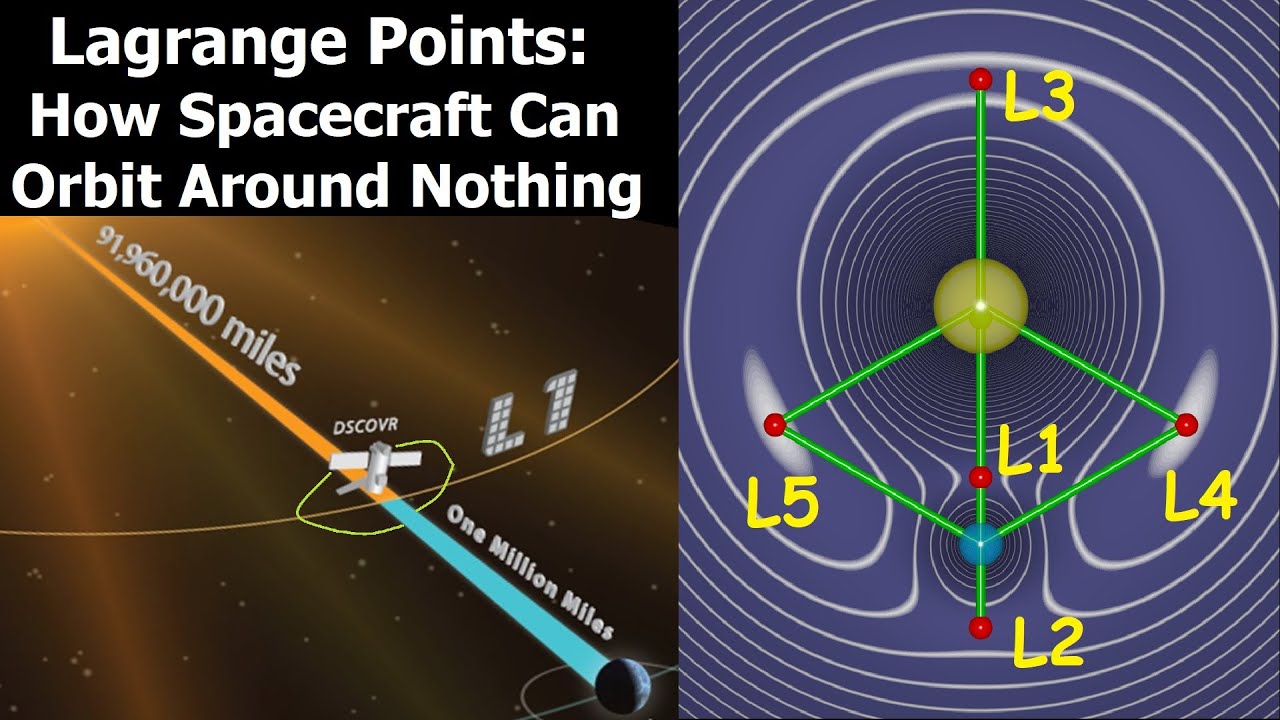
What Are Lagrange Points? Their Role in Space Missions Explained
@scottmanley
1.6M views•2021-10-15

12:53
21cm Hyperfine Transition in Neutral Hydrogen: Radio Astronomy Basics
@AaronRobertParsons
12.4K views•2011-10-13

31:22
Orbital Elements to Position and Velocity: ECI Conversion Explained
@MatthewPeet
8.8K views•2021-02-09

27:14
Entropy and the Second Law of Thermodynamics Explained
@veritasium
27.5M views•2023-07-01
Related Study Plans & Knowledge Roadmaps
Structured learning paths in Physics
physics
Nuclear Physics (Decay, Fission & Reactors)
01Atomic Structure and the Binding Force
02Radioactive Decay and Half-Life
03Nuclear Fission Mechanics and Chain Reactions
+ 2 more learning modules
12h5 modules
Explore Roadmap
physics
Soft Matter (Polymers, Colloids & Rheology)
01Foundations of Soft Matter & Thermal Forces
02Polymer Physics and Macromolecules
03Colloids, Surfactants, and Self-Assembly
+ 2 more learning modules
38h5 modules
Explore Roadmap
physics
Analytical Mechanics: Lagrangian & Hamiltonian
01Mathematical Foundations: Calculus of Variations
02From Newtonian Mechanics to Constraint Dynamics
03The Principle of Least Action & Lagrangian Mechanics
+ 3 more learning modules
28h6 modules
Explore Roadmap
physics
General Relativity (Spacetime & Cosmology)
01Foundations of Relativity: Special Relativity
02The Geometry of Spacetime: Equivalence Principle & Curvature
03Einstein's Field Equations: The Mathematics of Gravity
+ 2 more learning modules
55h5 modules
Explore Roadmap