










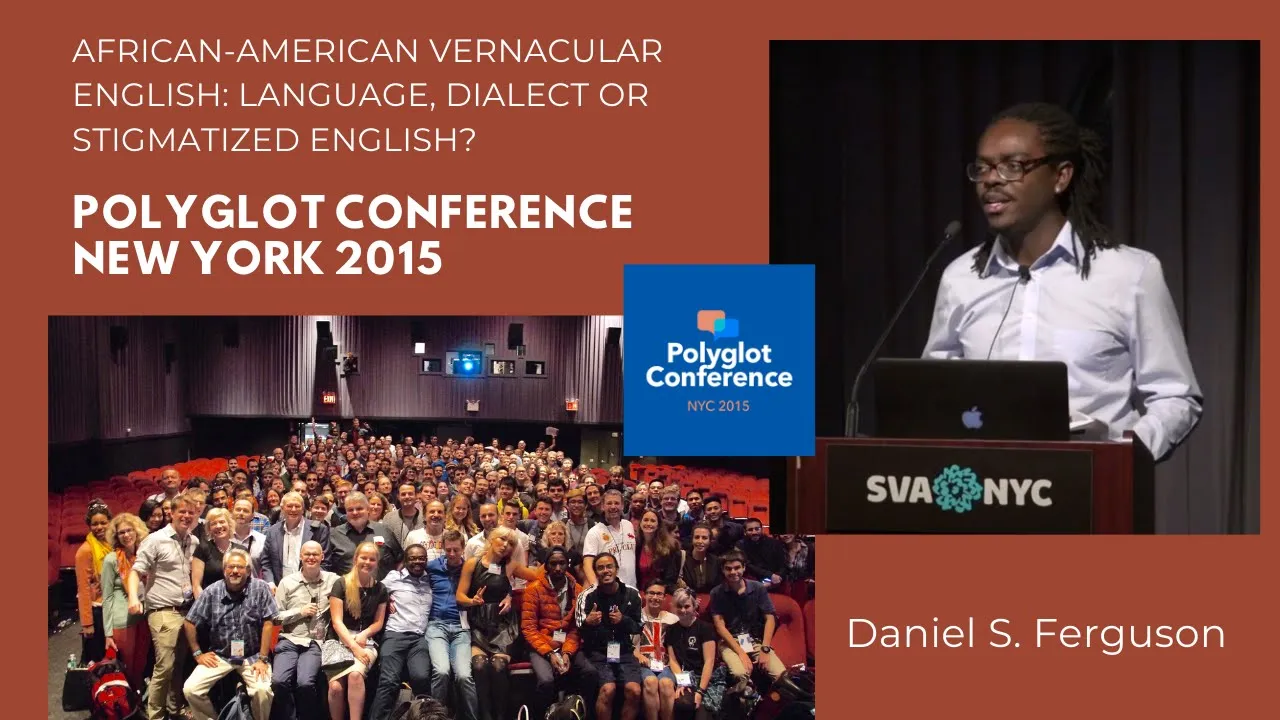





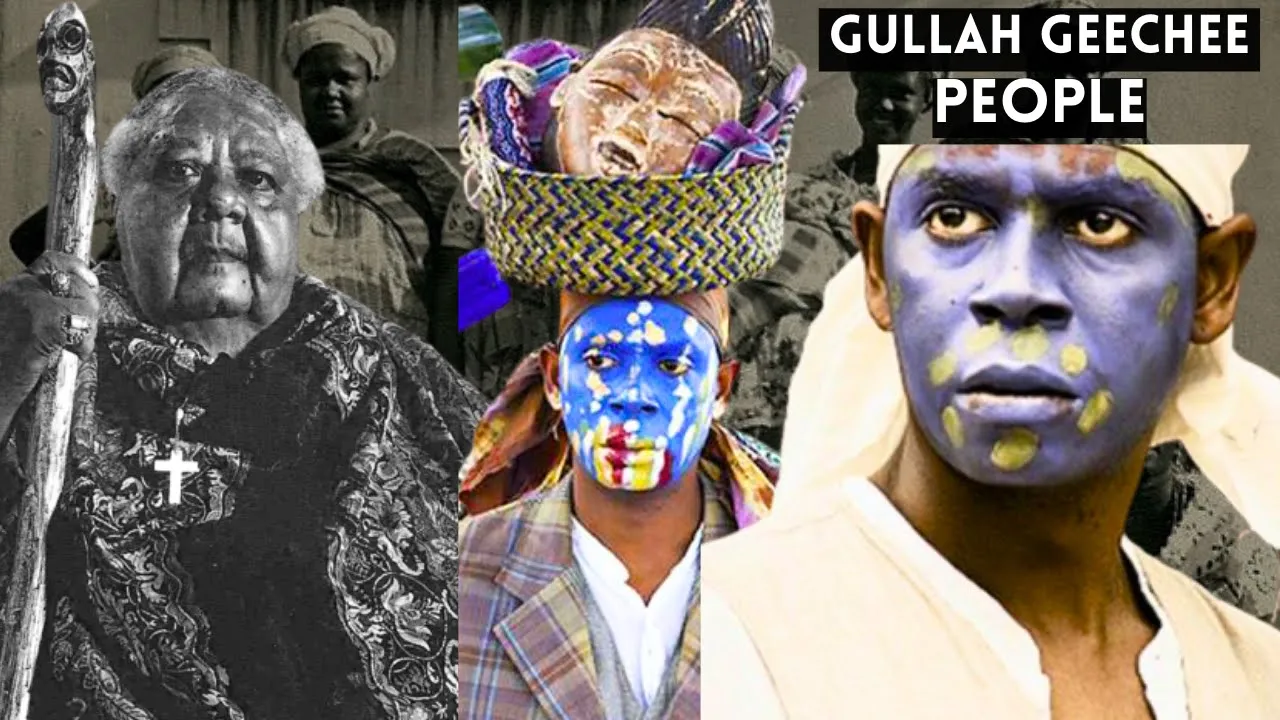




African-American Vernacular English (AAVE) originated when enslaved Africans from diverse ethnic groups (such as Mandinka, Yoruba, and others) were forcibly brought to America and isolated together, where they combined elements of their native African languages with Elizabethan English, creating a distinctive hybrid language that later influenced Standard English with words like banana, voodoo, zebra, and musical terms like samba and banjo, while also developing unique grammatical features such as double negatives and progressive tenses that were often misunderstood by white observers who incorrectly assumed these speakers lacked proper language skills.
Origins of African American English: Gullah & History
Added:Basic sociolinguistic concepts, specifically the distinction between pidgins, creoles, lexifier languages, and substrate languages.
The historical context of the Transatlantic Slave Trade and the demographic history of the West African diaspora in the American South.
An understanding of linguistic variation, establishing that dialects are systematic, rule-governed linguistic systems rather than 'incorrect' versions of a standard language.
Elementary knowledge of linguistics, particularly syntax (sentence structure) and phonology (sound systems), to comprehend grammatical evolution.
The academic debate between the 'Creolist' and 'Anglicist/Dialectologist' hypotheses concerning the exact origins of African American Vernacular English (AAVE).
The sociopolitical and educational history of AAE, such as the 1996 Oakland 'Ebonics' controversy and its implications for modern pedagogy.
The modern socio-cultural preservation efforts of the Gullah Geechee Cultural Heritage Corridor along the southeastern US Atlantic coast.
Advanced studies in code-switching, linguistic profiling, and the systemic prejudices faced by speakers of non-standardized dialects in professional and legal environments.
221.3K views1.4Klikes5:00Original Release: 2007-10-26
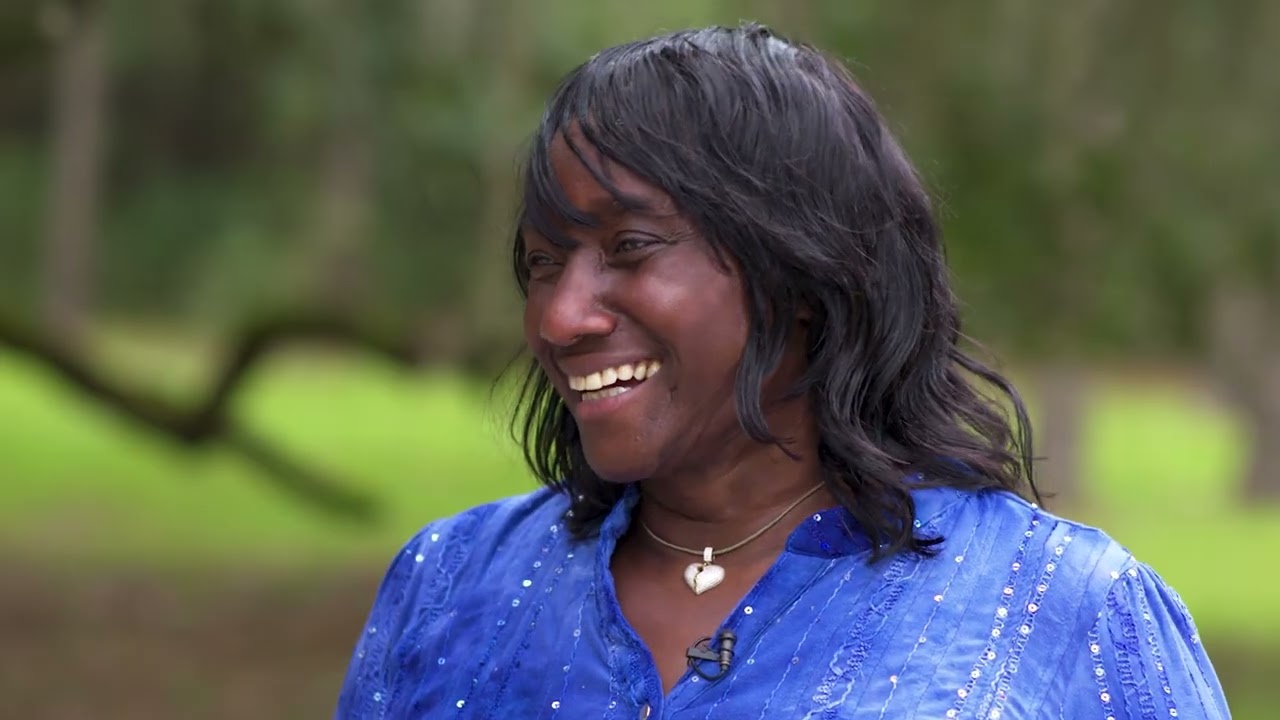
here around the South Carolina Islands this fell come here and walk up on the bank and say what you doing up on that bank there and he said don't you know it's thought by many people to be the closest we can get to the kind of language that would have been spoken by the slaves in the 18th and early 19th centuries and that this is the origin of modern afroamerican vernacular after John get off about 50t off John look over there yeah and he going to his boat and he look his boat done s down he's down hey help help I ain't rough yet we put together varying African words along with Elizabethan English and came out with something that sound like a this we talk like a this so sometimes people think maybe it's English then they go but not quite there were EOS mandas malink yuras ghas gidy aik M that were all kidnapped captured and then isolated together on these islands during enslavement once the slaves reached the plantations they lived in cabins like these beside the main house here many words that came into gulla from African languages are found their way into Standard English words such as banana which comes from a wallof language spoken in Sagal and Voodoo traceable to an African word for Spirit in the language spoken by the eura people other African words which have ented Standard English include the animals zebra gorilla and chimpanzee the musical terms samb Mambo banjo and Bongo and the food and plant names goba meaning peanut yam and gumbo meaning ocra African compound words were translated giving English terms like bad moue and nitty-gritty originated as a term for the grit that accumulated in the bues of slav ships as well as vocabulary gulla employs some grammatical features that differ from Standard English if someone say I be done do them okay so they asking are you going to do it I already did it and I did it a long time ago essentially is what you saying I've been done do them I done done do that you see so if you hear somebody say I done done do that that mean they did it and they did a long time ago and why are you asking me it or again basically so it's a lot more going into it so if someone said well over there over there I done yet that but it done do that too but I been there but did why it when I did it you see so it's like well you going over there yeah I already went there but when I went you weren't there but I was there but you right I wasn't there when you were there phrases like these have a rich and economical expressiveness in other ways gulla and other black englishes have stripped down their grammar they drop verbs like is use don't where Standard English says doesn't and omit the apostrophe and S that standard English uses as a sign of ownership this kind of simplification is common when languages meet and emerges a new hybrid it's exactly what Happ happened when Saxons and Danes dealt with each other in England in the 9th century and changed English grammar forever but in this case the changes were mistakenly taken by many white observers as evidence that black speakers just hadn't got the intelligence to speak the language properly that they were simply trying and failing to copy white speech in fact they were adding to the language now listen here you know some people say they your friend and but they always your friend like that bir Robert that boy know he ain't nothing to him you he what I say that cut it with slow motion and that bird rappit just as slick as he want to be I tell but black speakers had their own tradition of performances that showed just how flexible and expressive their language was they told stories and they're still told today and now H and oh I tell you br rabit kick off and look at his split I said rabbit is a direct descendant of animal tricksters who feature in African folklore you tell I say you to tell the truth but C he said yes said ma'am I said you lie you lie ain't no true in you ain't no true in you no way but folktales weren't the only thing that fueled dreams of Freedom with English the slaves had learned Christianity White Society thought it would teach obedience the Bible became essential to the lives of the slaves as it had been to the first settlers in New England but the message they found in it wasn't obedience it was Liberty once again the Bible in English became the book of Freedom call [Music] call and he's calling for the s for [Applause] [Music]
Up Next
11:40
African-American English: Myths vs. Linguistic Reality
@pbsstoried
768.5K views•2021-06-16
36:52
Constraint Interaction in Optimality Theory: Epenthesis & Deletion
@Vidyamitra
180 views•2018-08-20

8:59
Forensic Linguistics: How Language Solves Crimes | PBS
@pbsstoried
1M views•2024-01-25

21:32
Accent Expert Explains U.S. Regional Dialects | Part 1
@WIRED
9.3M views•2021-01-21
Related Study Plans & Knowledge Roadmaps
Structured learning paths in Linguistics
linguistics
Optimality Theory: Tableaux & Constraints
01Phonological Basics: Sounds, Syllables & Rules
02Foundations of Optimality Theory: GEN, CON, and EVAL
03The Constraint Inventory: Markedness vs. Faithfulness
+ 2 more learning modules
15h5 modules
Explore Roadmap
linguistics
Morphosyntactic Alignment: S, A & P Systems
01Foundations of Syntax: Transitivity and Arguments
02The Linguistic Variables: Mapping S, A, and P
03Nominative-Accusative Alignment
+ 3 more learning modules
12h6 modules
Explore Roadmap
linguistics
Analyzing Sign Language: Phonology & Syntax
01Foundations of Sign Language Linguistics
02Phonology: The Five Parameters of a Sign
03Morphology: Word Formation and Classifiers
+ 2 more learning modules
14h5 modules
Explore Roadmap
linguistics
Pragmatics: Speech Acts, Grice & Politeness
01Introduction to Pragmatics: Meaning in Context
02Grice’s Cooperative Principle & Implicature
03Speech Act Theory
+ 2 more learning modules
14h5 modules
Explore Roadmap