
















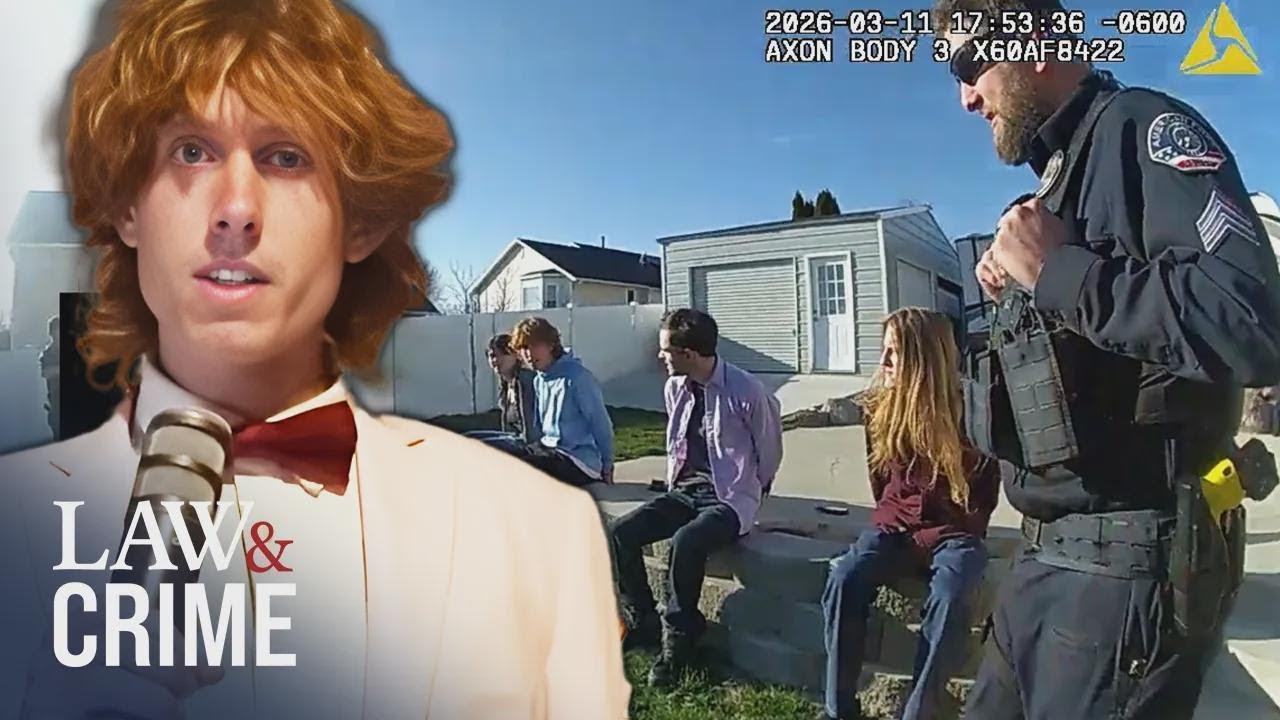
Publishing expunged criminal records can constitute defamation if done recklessly without verifying the accuracy of the information, as expungement legally wipes away the record for most purposes, and sharing such information without legitimate need may violate privacy protections and defamation laws.
Legal Analysis of Logan Paul's Claims Against CryptoZoo Developer Z
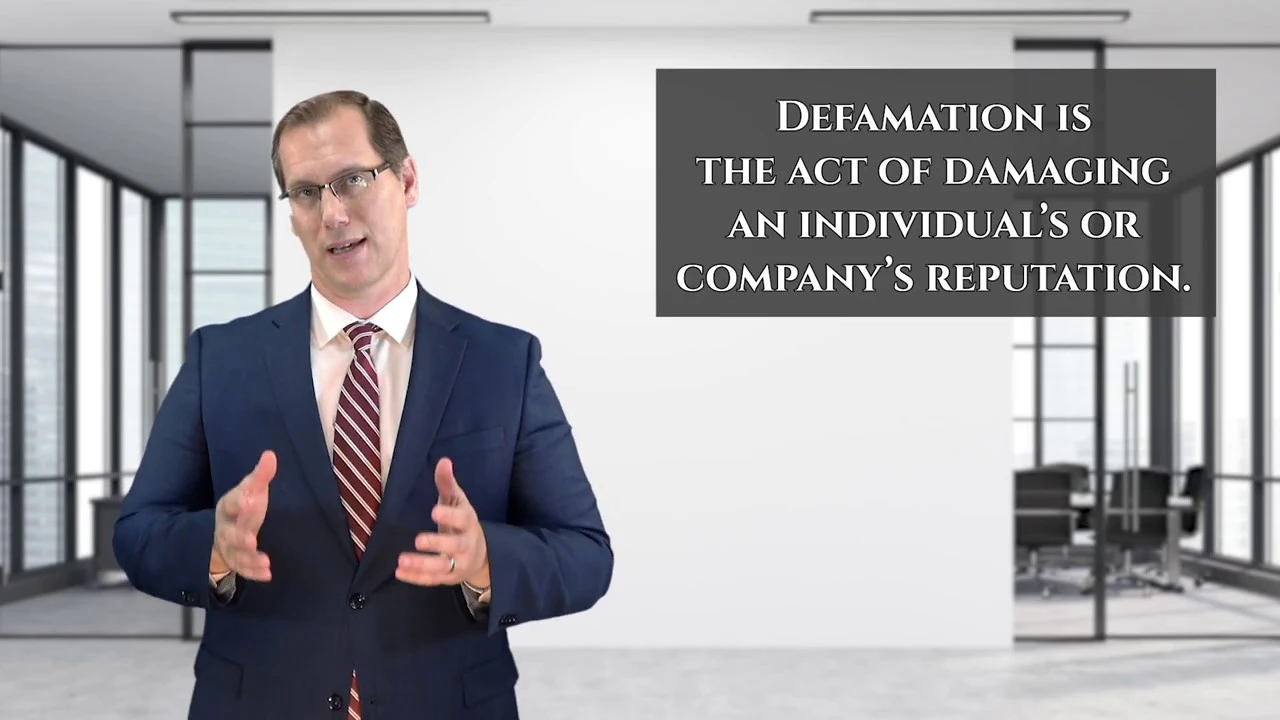
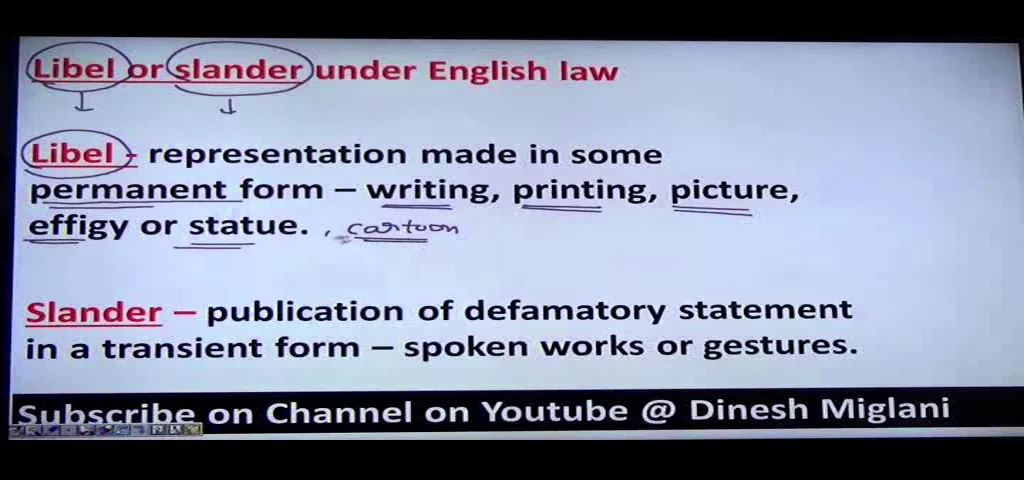
Added:The fundamental legal definition of defamation, including the distinction between libel (written) and slander (spoken) statements.
The legal standard of 'actual malice' established in New York Times Co. v. Sullivan, and how it applies differently to public figures versus private individuals.
A basic understanding of the cryptocurrency and Non-Fungible Token (NFT) ecosystem, specifically how project development and developer dynamics function.
The concept of 'reckless disregard' in tort law and how courts evaluate whether a speaker acted with a high degree of awareness of probable falsity.
An exploration of Anti-SLAPP (Strategic Lawsuits Against Public Participation) statutes and their role in dismissing meritless defamation lawsuits targeting public speech.
The regulatory framework governing influencer promotions, consumer protection, and potential liability for project failures in decentralized finance (DeFi).
The legal methodology for calculating compensatory and punitive damages in high-profile reputation-based litigation.
Comparative analysis of legal precedents where online content creators faced litigation for investigatory reporting, public accusations, or 'exposure' videos.
461.3K views13.9Klikes23:50Original Release: 2023-01-14
there's something else that struck me while watching Logan Paul's response video to Coffee Zilla series about him you see he throws out a number of allegations about a number of people that just for Logan's sake I really hope is true because it would be terribly ironic if in a video where he's throwing around the word defamation about coffeezilla if in fact in that very video he is actually defaming a number of people according to Logan's piece sorry this is uh crime details from the year 2002 so again I couldn't find anything under this name under that specific district court so it really made me wonder is this actually public information now I decided to get both sides of the story and ask Zach killing myself and according to Zach Kelling the record is in fact expunged according to what he has told me oh this is so much worse so I recently published a video talking about the legal mistakes that Logan Paul may have made in his response videos to coffeezilla's three-part series on him and crypto zoo and the possibility of them being an alleged scam and in response to that I got a number of questions from people asking for more information or more analysis on developer Z who Logan Paul outed as Zach Kelling first if you haven't seen that first video it's linked in the description below you might want to watch that first but otherwise let's continue on so specifically a lot of people pointed to a particular video that was put on the channel some ordinary gamers run by a guy by the name of mudahar in reviewing this whole mess mudahara actually reached out to and got in contact with Zach Kelling and upon further research I found that Zach has actually also posted some things onto Facebook in his own defense so in this video we're going to take and analyze this new information and see how it changes this whole situation and boy does it change things specifically in my opinion it makes things worse for Logan Paul we'll show some pieces from mudahar's video also linked in the description below but first let's take a look at this Facebook post by Zach Kelling so this is a post by Zach Kelling on Facebook on January 5th 2023 update Logan has finally removed the defamatory video thank you for all the support and then it goes to what looks like the original post which says dear friends and colleagues as some of you may have seen I have been personally attacked by blogger Logan Paul on his YouTube channel as I care deeply about the well-being reputations and continued success of all my colleagues Partners investors and our Associated work I am writing to address the core of his claims here firstly I made mistakes 20 years ago which I deeply regret and yes these gave me a criminal record I have since been granted an expungement and have worked very hard to move forward with my life and career I believe that everyone has the right to lead a dignified life and I have worked very hard to build a decent life for myself my family and everyone around me I speak openly with friends colleagues and investors about my history who have and continue to express support for me and my work I am writing a book this year about my entrepreneurial journey and how I was able to overcome adversity and build meaningful multi-billion dollar businesses and hundreds of Open Source projects and help millions of developers in my professional career secondly I am an investor in an original CTO of crypto Zoo the devs are still owed over 1 million dollars USD by crypto zoo and five percent tokens I am happy to share the GitHub which shows it was indeed a heroic effort by over 30 folks in fact Logan used my good name and reputation in the crypto Community to raise money for this project I worked really hard on cryptozoo and we all wish for it to be successful we quit the project because Logan didn't pay us for our services rendered in closing I would like to sincerely thank everyone for the outpouring of support that I have received in the past few days in light of these attacks my legal counsel will be following up with Logan and the crypto Zoo team to address their claims directly all my best Zach oh Logan what did you do so according to Zach there were some significant problems with some of the things that Logan was saying in his response video to coffeezilla so let's go through three of the main claims that Logan made here first was at Logan claimed that Zack had stolen the code or held it hostage coffee you interviewed the developer who stole the game code Fleck to Switzerland and held it hostage for a million dollars second was Logan claimed that the 30 developers that Zach claimed that he was working with or that he had hired for the project were actually only three I guess among many things it doesn't surprise me that he lied about having 30 engineers and a 50 000 a week burn rate which side note is how this delusionist landed on the million dollar code Ransom but it turns out he only had three engineers and finally Logan claimed that Zach Kelling supposedly had been convicted of a felony specifically armed robbery of a liquor store surely as the internet detective that you proclaimed to be you would know that he spent time in prison for multiple felonies one for aggravated robbery armed robbery at a liquor store and the other four surprise obstructing the legal process I can see why you kept him anonymous wouldn't someone with journalistic Integrity know their credible Source had not only an agenda but a fondness for orange jumpsuits or did you just hear what you wanted to hear and moved on so let's start with the first one the claim that he had stolen the code or held it hostage overseas now in coffeezilla's original series Zach was on audio saying that he had not been paid previously which was why he took the code with him now obviously the first thing I wanted to do was is hunt down this developer who will be calling Z here and find out the truth of what happened why did he steal Logan's code for a million dollars however I finally got a hold of him and when I did he admitted he took the code hostage but he says the reason for it was nothing like what Logan had said anything [Music] like I'm on my end I've seen a 30 units fifty thousand dollars a week on building this thing and um the only thing they brought to the table a bunch of Photoshop now it seems like one of the first issues here that happened was that there was no written agreement between the parties between Zach Kelling and Logan Paul and the rest of the team for cryptozo now in all seriousness I do want to acknowledge something which actually kind of looks bad a bit on the developers because it turns out very few written contracts were actually done so much of this were verbal deals like oh we'll take care of you we'll give you 350k we'll give you a million we'll give you whatever but then when it was time to actually sign the deals there's just always delays what kind of promises were made to you uh verbal promises basically so uh verbal promises and then we follow up with like a physical paper agreement but that's when communication broke down so it sounds like they didn't have anything reduced down to writing about the scope of work the payment for services or who owns the IP and at what various stages people own the IP side note we don't give legal advice on this channel but for anyone that needs to hear it this is just general life advice if you are going to go to work on anything for anyone else or if you are going to hire someone to work for you for anything for you at all please please go and get it down in writing in some form or another ideally in some kind of a contract that both have actually signed physically and do this before anyone starts any kind of work on the project it makes everything in the project flows so much smoother when everyone can have a clear understanding of what their expectations can be in that project and it can avoid a lot of these kinds of issues like what we're seeing in this case but I will say that even in this case where there apparently wasn't anything reduced down to writing for the scope of work and the payment of services that a good argument could probably be made that there was a common understanding of some sort of an agreement along a lot of those terms the evidence that would support that kind of an argument would be the communications between the two parties talking about the scope of work and then the actual actions by both parties that the other parties know that they are taking that are both in Reliance on and in Conformity with that common sort of understanding with those Communications but still it's a harder argument to make than if you have something actually down in writing and so if the court could find that there is some form of an enforceable agreement between the two parties where there is a dispute between the two parties where both sides say that the other side did something wrong the court is going to try to analyze who breached the contract and typically what we would look to is who acted outside of the terms of the agreement for first here Zach says that he took the code because Logan didn't pay him and refused to pay him he never really never gave me this is something that Logan has not disputed as far as I can see and so if that is true that would mean that Logan was the one who actually breached the agreement because of the fact that he was the one that was responsible for paying that was his end of the bargain was to pay for the services so if he didn't pay for the services and then he refused to pay for them that means that he's the one that's actually breached the contract first so is it defamatory for Logan to say that Zach held the code Hostage to be honest with you I wouldn't actually call that defamation because of the fact that in order for a statement to be defamatory it has to be a statement of fact and this to me sounds like it's more of a statement of an opinion it's a way that he has characterized the situation I completely disagree with that characterization personally based on the information that I've heard Zach did agree that he took the code but the characterization of the circumstances under which he took it are not exactly the way that Logan was describing them to be but I still think that that would be likely considered a statement of opinion more so than a statement of fact but I will say that that is enough of a gray area that I think a jury could potentially come to a different conclusion so if you found yourself in the jury what do you think do you think that that is defamatory do you think that's more of a statement of fact or statement of opinion let us know in the comments down below so let's turn to that second statement the statement that Zach didn't actually hire 30 developers but he only hired three Zach reaffirmed in that Facebook post that he hired 30 developers and he said that he is happy to share the information from GitHub Zack then further maintained the same thing when he spoke with mudahar over at some ordinary gamers now I decided to get both sides of the story and ask Zach killing myself who I found through his own website over here and his own GitHub projects so you can actually see that he's a pretty uh you know active programmer of course Zach even went down into the Facebook post that Logan had showed in his video and had shown that Logan had apparently cherry-picked it because says there was moments where he was contacting with an entire team how as you can see on Discord over here so there were about 20 different other programs at 30 something odd devs working on crypto zoo at the time of course this is just Zack's own statements as well too but of course I wanted to provide both sides and look into exactly what was happening so if things are the way that Zach says that they are it looks like Logan not only lied about this but did so in a way that was particularly sneaky and in my opinion quite possibly with actual malice as a reminder in the last video I said that in my opinion Zach would probably be treated less like a public figure and more like a private person for purposes of defamation and because of that I said that Zach would probably only need to show that Logan was being negligent in the way that he was lying about him in order to show defamation but let's take it a step further and assume that Zach is in fact a public figure for the purposes of this whole situation and can Zach show that Logan lied about him with actual malice remember first that actual malice is where the defendant has lied about the plaintiff knowing that what they said was false or with Reckless disregard as to the truth or falsity of the statement this is a significant jump up from negligence and it's very difficult for a lot of people to meet but here we have evidence that Logan potentially ignored some social media posts about Zach talking to these over 30 people and instead cherry-picked a couple other posts that show photos of three individuals or have three individuals tagged to me personally yeah that does look like cherry picking and that does look like he would have had knowledge that what he was saying was not true or at the very least enough in front of him to stop to ask a couple questions about whether or not what he was looking at was confirming what he was saying or whether or not the other information that was right in front of him actually was showing the truth so for this point yeah it's definitely possible that Logan could be looking at a defamation claim but then we get to our arguably the most important part of Logan's video and the most important part I guess particularly for Zach Kelling and that is in reference to Logan's claim that Zach was this felon who had committed an armed robbery of a liquor store now according to Zach he says yes he did have a criminal history but he says that he never robbed any liquor store he was a teenager at the time this was over 20 years ago and most importantly this has been expunged this is super important for our purposes so let's talk about expungement expungement is essentially the process of wiping clean someone's criminal history so that it's as if the criminal history doesn't really exist different states treat expungement differently for as an example California doesn't even really fully have expungement so it's important to look at the state where the criminal history was to see the process of expungement and what it really means here in this case it looks like Logan Paul flashed on the screen green a criminal history that was based in the state of Kansas so let's look at Kansas law on expungements so to begin there are different Pathways towards expungement depending on whether the conviction was a juvenile conviction or an adult conviction in this case we know that Zach was a teenager we don't know if he was 18 or 19 or younger than 18.
but it does sound like he was suggesting that he was a minor at the time so let's go in that direction so if he was a minor this is the process of expungement for his particular record so under Kansas law juveniles with a criminal record can have both the arrest and the court records expunged however expungement is not available for certain serious or violent offenses here's how the process works for juveniles in Kansas first the person has to be at least either 23 years old or at least two years have passed since the final discharge once that time period has passed the person can file a petition with the court where the court will have a hearing on it at the hearing the court checks for the following conditions first there can't have been any subsequent convictions or adjudications against the person second it has to be the case that no other charges are pending against that person and third the petitioner's circumstances and behavior have to Warrant expungement basically all of this points to a circumstance where someone has done something wrong in the past but has clearly learned from it and hasn't fallen into the same sort of pattern of behavior that makes it likely that they are going to return to prison now regardless of whether we are talking about juvenile expungements or adult expungements in Kansas even with an expungement of a criminal record the custodian of records has to disclose the existence of those records to various state agencies upon request so there is some part of this world where those records still continue to exist but for very limited purposes now because of the sensitivity of these kinds of Records there are some very strict rules about sharing that information it can't be shared except for in strict accordance with Kansas state law and the state agency that is requesting the information can only request it if they have a legitimate need for the information and what's more the penalties for an improper sharing of expungement information like this can be pretty serious according to Kansas law any individual violating or causing a violation of that provision in other words improperly sharing the information is guilty of a Class A non-person misdemeanor let me say that again they are guilty of a Class A non-person misdemeanor for improperly sharing this information so okay then the question comes down to Logan Paul's use of this expungement information is that a permissible use my gut tells me no but on this channel we don't just go with our gut we try to look to case law research statutory research whatever we can find to see if that can illuminate the path forward and here's one case that that I found from Kansas it's a case from 1996 called Patrick V city of Overland Park in that case a Kansas police chief got into some serious hot water for disclosing the expunged criminal record of a political opponent during a political campaign this was according to the court a long closed and highly sensitive non-public file does that sound familiar the plaintiff in that case alleged that the purpose of that search was to find damaging information to use against him in the political campaign and according to the court opinion the defendant did not claim a legitimate need to search the plaintiff's criminal history so the court on a question of whether to dismiss the case or not decided to allow it to proceed further than litigation so in other words the court agreed that using it for political Oppo research is not a legitimate purpose for use of this particular information now there are some important distinctions between that particular case and this case in front of us with Logan Paul and Zach Kelling most notably is the fact that this was a civil rights case against a government actor and a government entity acting on behalf of the government or under color of law Logan Paul is obviously not a government official and not a government entity so there are some differences between this case in that case but the important part of that case to note for purposes of this case is the determination that use of an expunged criminal record for political Oppo research is not a legitimate purpose and that's especially where the information is from a long closed and highly sensitive non-public file and while Logan Paul is not running for any political office here we can thank our lucky stars for that it nonetheless can easily be argued that it's a very similar situation here essentially because he's running sort of a public relations campaign with this video the whole purpose of Logan Paul's initial reaction video and his statements on his impulsive podcast afterwards was to convince the public at large that this person developer Z also known as Zach Kelling is not someone who is to be trusted now I don't know how or from whom Logan got this information it could have been someone in law enforcement or it could have been an attorney with access to those kinds of tools and resources on something like a Westlaw account if you're not familiar Westlaw is a very commonly used legal research tool that is subscription-based that lawyers use for really some of the best legal research that you can get and it has a lot of different tools that you can use to help in litigation including getting background checks on all kinds of things now if the person who gave Logan this information is an attorney there is a decent possibility that they could be facing a license suspension or at the very least some sort of Ethics violation ruling but the question really is about Logan himself is he under any sort of potential liability under this kind of Statute arguably given the breadth of the language of this particular statute I think Logan actually could face some legal issues here now here's a final question on this issue is that defamation well if we're going to say yes first we have to spot the lie in the statement based on what Zach said it is true that he had a criminal record although it has been expunged at this point but as far as I've seen Zach has not admitted or denied anything about that criminal record Being a felony and importantly we don't know what that conviction is actually for Zach has flat out said that he never robbed a liquor store so if we take what Zach is saying is true then Logan lied about Zach being a felon for a conviction for armed robbery of a liquor store and if that's true let's take a look at the requisite intent that's needed for defamation like I did earlier in the video let's see if this meets the actual malice standard to answer that let's turn first back to the criminal history sheet that Logan shared in his reaction video he points out how one charge appears to show obstruction of legal process he spent time in prison for multiple felonies one for aggravated robbery armed robbery at a liquor store and the other four surprise obstructing the legal process so we would expect this supposed other charge to also be on a sheet just like this one Logan doesn't show it and if Zach says that it didn't happen and Logan is saying that he got that information about the first charge from this sheet where did he get the information for the second one this one was invented by a writer pure fiction we made it up okay but seriously if Logan is pointing to this document and he just assumes that Zach robbed a liquor store even if Logan was given that information by someone else and he just trusted it it does seem pretty reckless not to ask where these background check records say that Zach was convicted of armed robbery of a liquor store especially if he can see on this document that there is a charge on the document for the first one so to me this does look like he's being at least Reckless about the truth or falsity of the statement that he's making which would be actual malice but that said I am open to all facts here because I want to have this analysis be as objective as possible so I would be curious to see if Logan Paul had any sort of defenses on that point that I simply don't know about at this point but those are my thoughts this is insanity and a complete legal dumpster fire in my opinion what do you think let us know in the comments down below special thanks to members of bike club who are supporting this channel whether through YouTube memberships or supporters on locals supporters on patreon we often talk about subjects that YouTube does not like to monetize so your support means so much to this Channel and to everybody else watching thank you so much for watching and I hope you enjoyed this or at least found it interesting or informative and if you did I would love it if you could hit the like button it does help us with YouTube algorithm gods and if you're new here and you want to see more content like this and you haven't done so already be sure to hit the Subscribe button and the notification Bell so you can find out when the next video is uploaded see in the next video [Music]
Up Next

122:50
Anti-SLAPP Motion Analysis: Legal Strategies
@RunkleOfTheBailey
53.8K views•2024-04-17

6:55
Understanding Copyright and Fair Use in the Digital Age
@techquickie
144.1K views•2016-07-22
5:27
Forensic Phonetics: Speaker Identification in Legal Cases
@nptel-nociitm9240
539 views•2025-03-19

24:42
Police Interrogation Tactics: False Confessions & Legal Reform
@LastWeekTonight
7M views•2022-04-18
Related Study Plans & Knowledge Roadmaps
Structured learning paths in Law
law
Analyzing Mergers: Clayton Act & FTC Rules
01Introduction to Antitrust Law and Market Competition
02Corporate Mergers and Section 7 of the Clayton Act
03Defining Markets and Measuring Concentration (HHI)
+ 2 more learning modules
10h5 modules
Explore Roadmap
law
Self-Defense Law: Imminence & Castle Doctrine
01Foundations of Self-Defense Law
02Imminent Threat & Reasonable Belief
03The Principle of Proportionality
+ 3 more learning modules
12h6 modules
Explore Roadmap
law
Defamation Law: First Amendment & Actual Malice
01Introduction to civil torts and the First Amendment
02Elements of Defamation: Libel and Slander
03Public Figures vs. Private Individuals
+ 2 more learning modules
8h5 modules
Explore Roadmap
law
Hearsay Rule: Trial Evidence & Exceptions
01Introduction to Trial Evidence & Courtroom Basics
02Demystifying Hearsay: The Core Definition
03Non-Hearsay: Exclusions Under FRE 801(d)
+ 3 more learning modules
14h6 modules
Explore Roadmap