












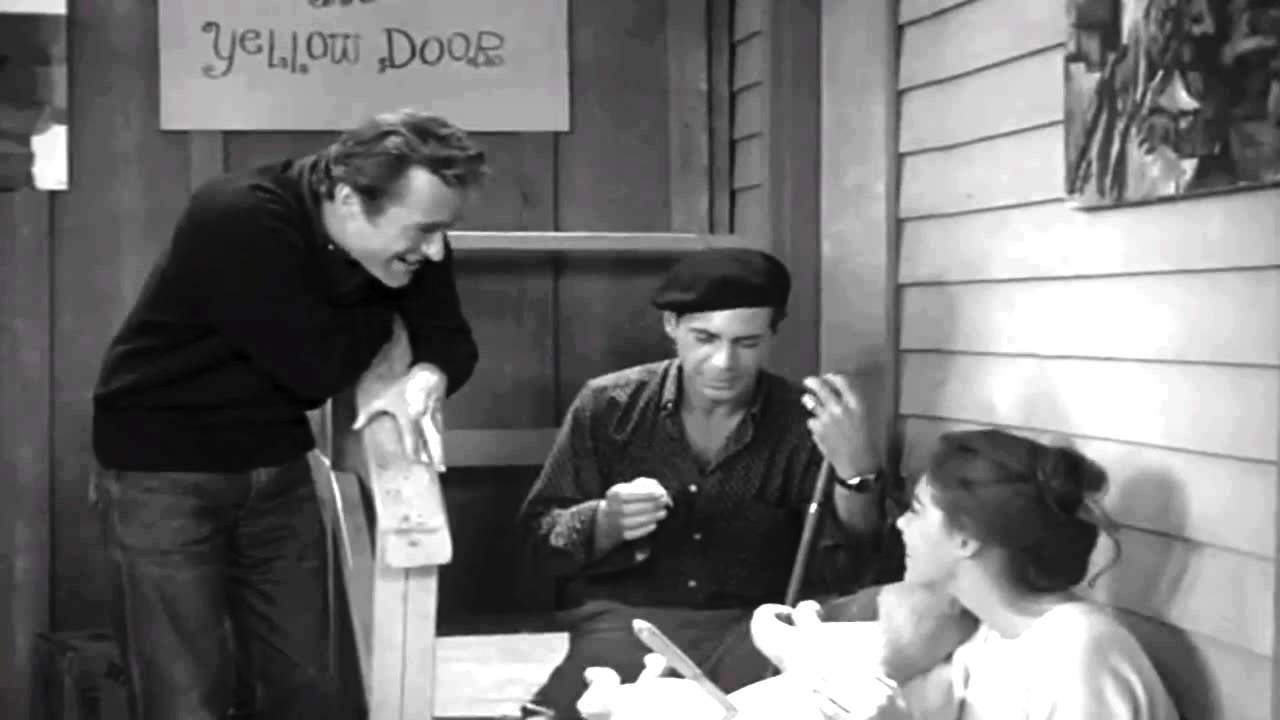



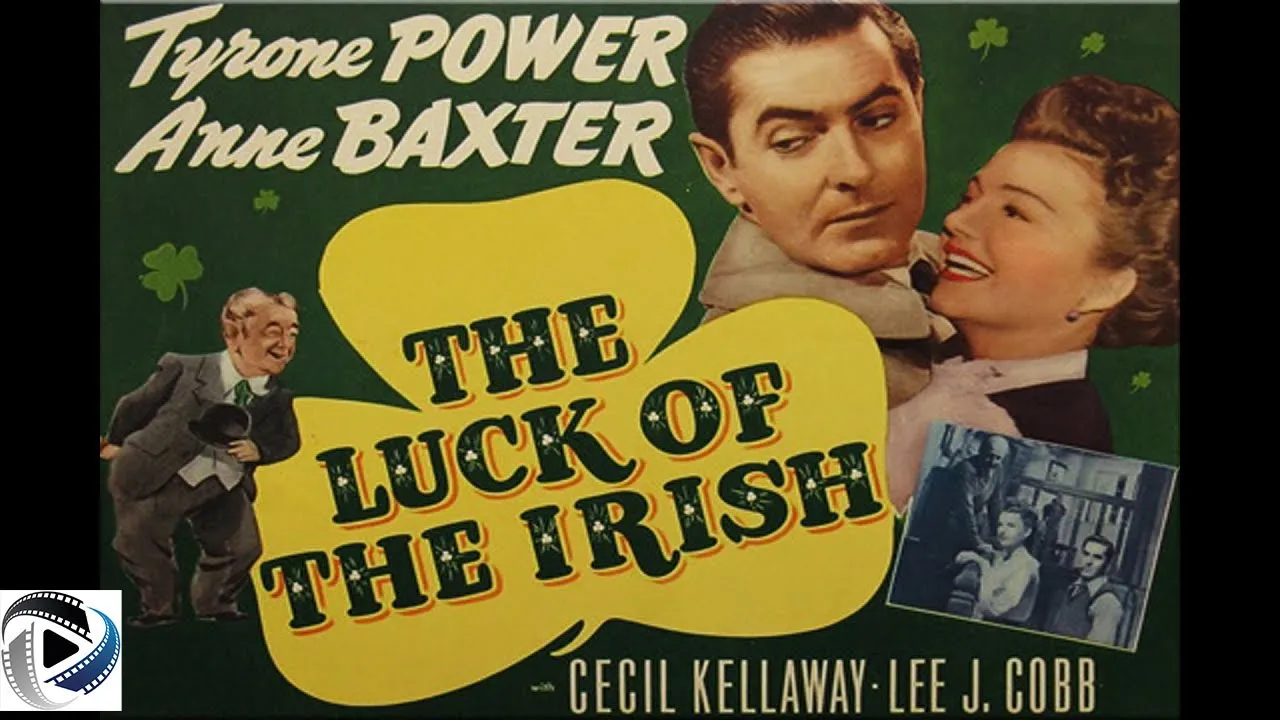







In this classic film, a free-spirited American journalist named Steven Fitzgerald finds himself trapped in rural Ireland after his car breaks down, where he meets the enigmatic Nora and encounters supernatural elements including a leprechaun who challenges his materialistic worldview; through a series of adventures involving political ambition, personal relationships, and encounters with Irish folklore, Fitzgerald ultimately learns that true fulfillment comes from embracing freedom and authenticity rather than pursuing wealth and power, leading him to reject a lucrative publishing position to remain true to his values and love for Nora.
1948 Film The Luck of the Irish | Classic Romantic Fantasy Analysis
Added:Familiarity with the historical context of post-WWII Hollywood, specifically the popularity of escapist fantasy and romantic comedies in the late 1940s.
Basic understanding of traditional Irish folklore, particularly the mythology surrounding leprechauns, gold, and the cultural idiom of 'the luck of the Irish'.
Awareness of classic Hollywood narrative structures, especially the trope of the cynical urban professional finding redemption in rural or magical settings.
A foundational grasp of literary satire and how filmmakers use whimsical elements to critique modern materialism and societal values.
Critical analysis of Irish representation and cultural stereotyping in mid-20th-century American cinema.
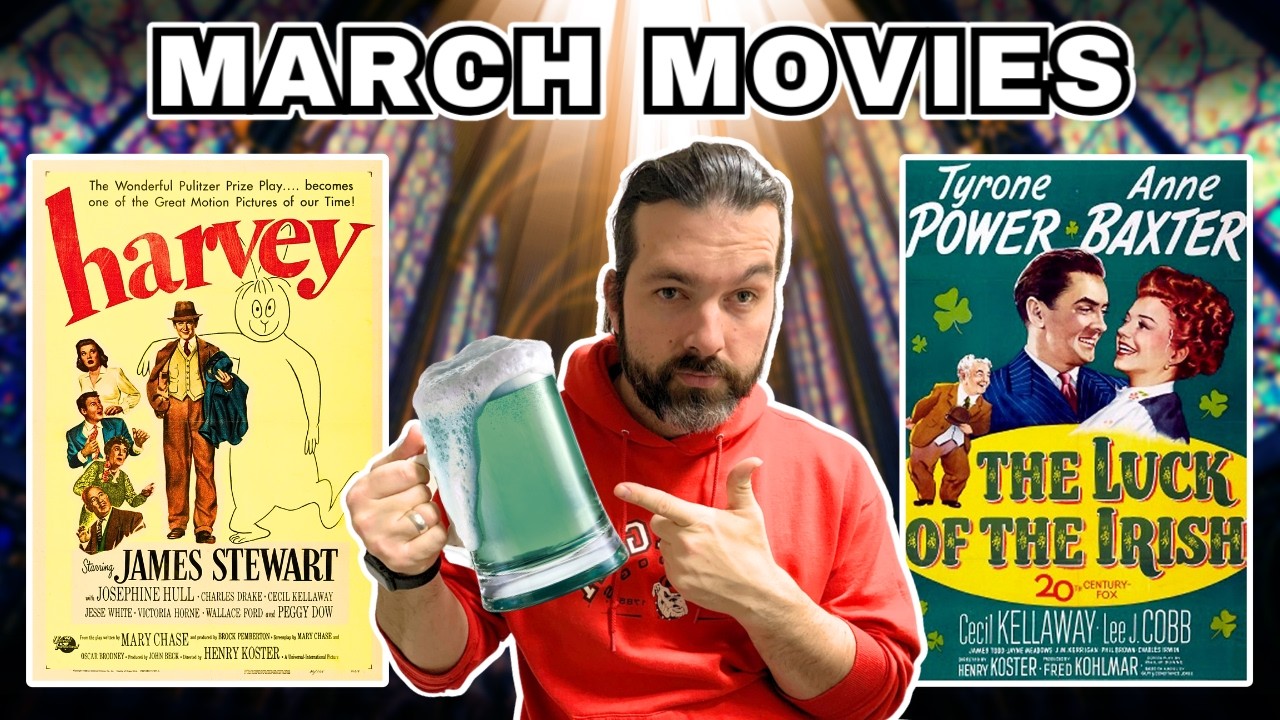
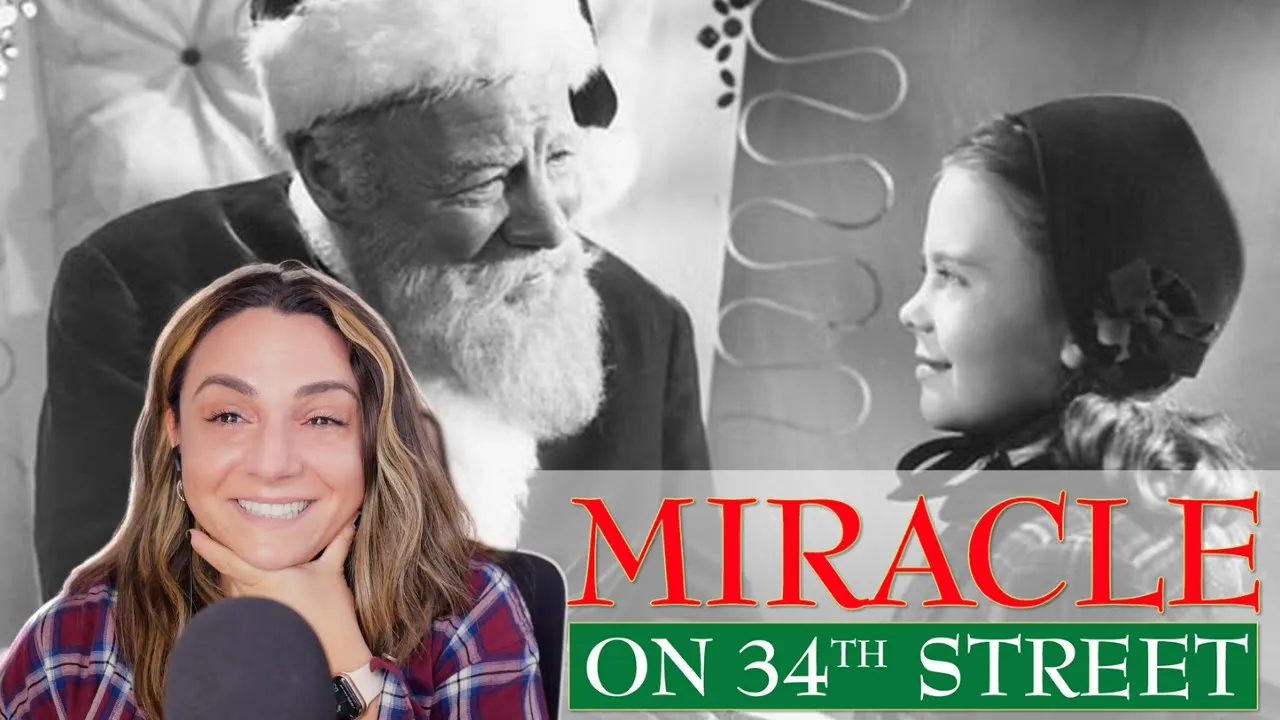
Comparative study of *The Luck of the Irish* with other films of the era that blended fantasy and realism, such as *Miracle on 34th Street* (1947) or *The Bishop's Wife* (1947).
An exploration of the 'cynical journalist' archetype in Golden Age Hollywood films and how it reflected postwar skepticism toward media and institutions.
Investigation into the evolution of magical realism in cinema, examining how 1940s whimsical fantasy paved the way for modern urban fantasy genres.
22.2K views190likes1:36:18Original Release: 2026-01-12
[music] This can't be right. [music] Let me see that map.
The road isn't even marked. No, that's the Irish of it. Well, as long as we [music] stick to the sea coast, we can't miss Shannon. Oh, >> jewelry, not mine. Now, look, Fitz, take it easy. You won't [music] be much use to auger if you break your neck.
>> Well, it's my neck.
>> Hey, I'm fond of mine, too.
[music] >> [music] [music] >> Now this will hold it. All right.
Well, you stay here with a car in case someone comes along. I'll scout up the road a bit. Must lead somewhere.
>> Don't be too sure. Irish paths are whimsical like the Irish character.
[music] >> [music] [music] >> Hey.
[music] Good afternoon.
>> My friend and I were lost. Can you direct me to the nearest town?
>> Oh. Oh. Then you didn't come here looking for me. [music] >> For you? Of course not. I'm looking for a town where I can hire a car.
>> Indeed.
>> What might your name be?
>> Eh, >> your name? [music] >> Fitzgerald.
Maybe if I knew why you were needing a guitar. [music] Look, if you don't mind, I'm in a terrible hurry. Hurry. It's a strange word. Hurry. Why would you be in [music] a hurry?
>> There's a very important man waiting for me in New York. And he's not the kind that you keep waiting. Important.
There's another one of your words.
>> Stand to see that you're impatient with me, Fer. [music] I've enjoyed our conversation. I not any longer.
>> Thank you very much.
>> Then you'll not be wanting my direction.
>> Oh yes, that's right.
>> The water from the mountains comes into my pool with a roar.
Goes out [music] with a whisper.
Down the hill it goes till it quietly reaches the sea near a little village called Balinabu. [music] You sir may do the same.
>> I'll go get my friend. Thank you very much. [music] >> You're entirely welcome.
Good day to you, sir.
>> Oh, good day. [music] >> [music] >> Oh, is there um [music] Heat. Heat.
[music] >> [music] [music] >> This will be yours, sir.
>> Thanks.
>> And this over here, sir? This will be yours. I can take Perhaps the land lady will know some way out of here.
>> I'm beginning to think the whole thing's a conspiracy.
Never should have listened to that old lunatic up by the waterfall.
>> What waterfall is that, sir?
>> The one up the stream a mile or so.
>> The gentle border it's called. There's no waterfall on it.
>> I suppose we wet our feet in the mirage, huh?
>> Begging your pardon, sir. But I've traveled to enter that bord and many of the time when I a young land and there's no waterfall on it.
>> I guess that old fellow must be a friend of yours.
>> What old fellow?
>> The old shoemaker with a green coat and the brass buttons.
>> Shoemaker with the green button. It's him.
Look at this mess here.
>> Is everybody bombing in this country?
>> You saw that waterfall, didn't you?
>> No. You told me it was up there. Oh, yes, that's right. We hit the stream below it.
>> Wonder what's wrong with our friend.
>> Oh, he probably thinks you saw a pixie.
They're quite common in Ireland. Yeah, >> well, I'll be glad to get back to New York where things make sense. It's >> because people like your new boss have taken all the agreeable nonsense out of life.
>> I'm beginning to think you don't like Mr. Augur.
>> I don't don't like his type. I don't like him personally. And above all, I don't like what he does to good newspaper men who go to work for him.
I'm going to take a bath.
>> Sure. In a fine tub. What for? They forgot to put in the water pipes. And there's not a plumber the side of Limmerick town.
>> Don't take it so hard. I like the Irish.
>> Yes. Well, you can have all of them, including myself.
>> I wish I could still have your fits, but I just haven't got the price to compete with Augre.
>> Come in.
>> I've brought you some towels.
>> Thank you. Just put them right here on the bed. All >> right. What time is dinner? in an hour or so if Miss Stove doesn't dig it into its head to start an argument.
>> It will if it's like everything else here.
It >> mustn't be too hard on us. We're not used to having such grand guess all the way from America.
>> Oh. Uh, would you tell the old lady I'd like to see her, please?
>> There's only one old lady here. You're seeing her now.
>> I beg your pardon. Are you the [music] Oh, and Mrs. Uh, >> is there a chance of transportation out of here?
>> If he can wait.
>> Oh, I can't.
>> Well, you see, the trouble is we're sealed.
>> There must be boats, >> fruits and such, but they're not much good in any kind of a sea or if the wind's wrong. But sure, Sha Fairly be glad to take in his boat when he comes here. And when is that likely to be?
Well, >> he'd be back any day now.
>> Any day?
>> Tomorrow, perhaps. By the end of the week, surely.
I hope you'll be comfortable, sir.
>> Oh, that was a good still fit. It was all right. You like lamb stew?
>> I do. Well, why don't you pour one for yourself?
>> Oh, no. She said wouldn't like it. She said a long dress means a short life.
Oh, that's a lot of bunk, isn't it?
>> Why, when I was a Cub reporter back in Tennessee, I once interviewed a man on his 110th birthday. He swore it was the result of drinking a pint of corn liquor every morning before breakfast.
>> Yeah. Tell me that.
>> That's the truth.
>> You know, you do me a great favor if you'd mentioned that to yourself somewhere.
>> I'd be delighted anytime.
>> 110 years.
>> 110.
Hey, take a glass of whiskey with you as she insisted and there's your guests in the house.
Well, >> sit down.
We want to uh ask you something.
It's about this waterfall and the old man, Mr. Fitzgerald, had words with.
>> There's no waterfall on the gentle bord.
And it was no mortal man himself had words with.
>> Who was it then? Oh, >> I mind well who it was. Oh, well, who?
Don't keep it to yourself, man.
>> It was him.
>> The leprechaorn of the gentleman.
>> Oh, no. [clears throat] >> Come now. You don't believe in those old superstitions.
>> I believe what me father knew and his father before him. It was a great opportunity had the saints forgive you for not taking advantage of it. 110 years of age is here.
>> What should I have done?
>> Seized them. and made him give you the pot of gold. What else?
>> I wish I'd thought of that. Has anyone else ever done that around here?
>> Mrs. Daly's own father, Mr. William, and lived to curse the day.
>> Oh, why should he curse the day?
>> He forgot to spit on the gold. A handful of pebbles was all he had for his trouble and bad luck for the rest of his life.
>> Well, that's the rule, is it? You have to spit on the gold.
>> So, any little baby could tell you that.
>> You'd better be careful who you talk to, Fitch. Oh, he invested in that when you hear the end of it. I was here one night. Miss Norah was away at school. I was alone with Mr. William and he here with a drink raging in him. He started to curse every leprechaorn that ever cobbled his shoe and he took the bottle and he threw it into the fireplace and he stood up swaying on his two feet. T he says, I'll have it out with them dibbles if it's the last thing I do. And with that out through the door, before I could raise a hand to stop him, I heard the name gently.
Come on. Come on, man. What's the rest of it?
Well, well, I stood in the door calm and then I heard the banshee.
It was the first time I heard. But I knew [clears throat] it was all over.
And so it was the next morning the founder be the gentleman and he struck dead altogether the way that he the way that he never moved again.
Well gentlemen as I was saying drink is the curse of the human race you get it. Well, I think it's past me bedtime. Say good night, kids.
[music] >> [music] [music] >> Katie.
>> Hey, Mary P. Whoever you are, come on. I have Fitzgerald.
>> Oh, Mr. Fitz, you give me a start.
>> What are you doing with that bottle of whiskey?
Themselves have sharp ears, and they might have heard us taking their names.
You know, it's a good thing to leave a little something on the doorstep.
>> But I always thought the traditional thing for leprechauns was a glass of milk. Milk.
Good night, Mr. Fitzgerald.
Good night, Ty.
Heat.
[music] Heat.
>> [music] [music] >> Heat. Heat. [music] >> [music] [music] >> Let me go, you baston, or I'll pat your bones with fever.
>> Oh, no, you don't. I've got >> Take your hands off until you showed me your pot of gold.
Yeah.
>> What would a poor simple old man like me be doing with the pot of gold?
>> None of that. Now I'm ready for your lies. Of course you got a pot of gold.
No right-minded leprechaorn will be caught without one.
>> Quickly telling you such stories.
>> Your friend Tatie.
>> Tat.
>> Put you up to this trick here.
>> And the biggest lawyer in our country.
>> Be true. But we're going to play this game according to the rules. Come on now. Where's the gold? The gold.
Gold.
>> Not so fast, my friend.
>> Let me go, you armor.
>> Come on. The gold. Where is it?
>> They telling me I have no gold. Where is it? I mean business.
>> Where is it?
>> Yes. Where is it? Why don't you take a little look at the waterfall?
>> Oh, no. You Oh, no you don't. I've been warned of your tricks. Where is it?
>> I don't I don't know.
>> Where is it?
>> I don't know.
Oh, isn't that the st bush?
Right under nose.
>> That's right. It's always buried, isn't it?
>> Dig. Come on. Come on. Dig.
>> Come on. Hurry up, man.
Is there a wicked thing you're making me do?
>> Well, you certainly do it up brown.
props and everything.
>> They're real.
>> Really?
They're a lifetime savings. Several lifetimes as you record these.
They are real.
I don't know who you are or what sort of a game you're trying to play. Did you steal these? I never stole anything in life except what it's mine.
That's one thing we have in common.
Here, take this back.
But I don't understand you, sir. Now, >> you didn't really think I'd steal your savings or whatever they are. Here.
>> You wouldn't be playing tricks on that porter's man, would you?
>> I'll leave the tricks to you. Here, >> take it back. Bury it again. Go on. Bury it now.
He g it back to me.
He gentlemen, I never forget you for this.
You earned my undying my undying gratitude. Here, take take this little bit of a tipsy to remind you of our meeting.
>> No, no, take it. Take it.
>> Thank you.
>> No thanks are necessary. It is even about you from the bottom of my heart.
All the luck in the world to you, Mr. Steven.
You have a way of twisting things in the most perplexing manner. It is easy. I'm saying all the luck in the world to you.
So sir, good boy and good luck to you.
Oh, [music] >> [music] [music] >> Oh yeah.
>> [music] [music] >> You're up early, Mr. Fitzgerald or >> the morning? I couldn't sleep very well.
>> Oh, I hope it wasn't the bed.
>> No, no. I think I just had one drink too many last night. Kept having dreams.
[music] >> Good ones, I hope.
>> Strange ones, anyway. Perhaps it was Taty's wild stories. It might have been the old man who gave me the advice up by the waterfall.
>> What waterfall is that?
>> The one up [music] the brook there. The gentle burn it's called, isn't it? But there's no waterfall on the gentle burn.
Come on.
>> Mr. Jack, >> we're going to find out once and for all if there's a waterfall [music] there.
[music] Now listen.
>> Sure it was here.
>> Hey.
>> Who are you calling?
>> Well, he's a a rather peculiar friend of mine. He But you must know him. He's about the um uh Well, it's it's easy to imagine things here in the woods, >> but I couldn't have imagined that waterfall. I saw it and I heard it, >> but maybe it maybe it is further upstream.
>> Yes, that that that must be it. I suppose I could have forgotten about it.
>> Yes, >> I used to come bird's nest in here when I was a little girl.
>> There's a grand view of the sea. [music] >> [music] [music] >> I wish that boat would come.
>> Is it so very important to you?
>> Oh, it's the chance I've been waiting for. Ever since the war, I've been kicking around Europe, writing freelance stuff, mostly for Bill Clark. Now, I'm ready to settle down to a real job. Oh, but you shouldn't give up your writing now.
>> Oh, I didn't intend to. The only difference is that from now on, I'm going to be paid for it. Sick and tired of beating my brains out for nickels and dimes.
>> It'll come. You mustn't fret, Mr. Fitzgerald.
>> My friends call me Fitz.
>> Fitz?
I'd never call you that.
It sounds like a bottle of soda water.
Well, >> a few My mother called me Steven.
[music] David.
>> Oh, I like that better.
Everyone calls me Nora.
>> Nora? Oh, that's very nice. That's always been a favorite [music] of mine.
Nora. If I ever had a daughter, that's what I'd call her. Nora Fitzgerald.
[music] Nora Fitzgerald.
[music] >> You're not married, Stephen.
>> No, I'm too fond of my freedom for that.
>> Oh, don't say that. A man should marry.
It's the natural rule and a good thing altogether.
>> What about you? Doesn't that same rule apply to you?
>> And who would I be marrying here in Val?
>> Michael the fishmonger or Teddy Bird?
[laughter] Oh, look. It's [music] a boat.
It's the Ariner. Sean's [music] twer.
Your wish has come true, Steven. If you start at once, he can have you and Shannon in the morning.
What's wrong?
>> You ever seen anything like this?
>> Oh, sure. It's a deloon. 16th century Spanish, I think.
>> How could I have gotten it?
>> Very easily. [music] There have been many of them in Ireland since the Armada was wrecked here. The farmers bring them in from time to time. That's a nice one.
>> [music] >> We better be on our way.
[music] >> Well, keep in touch with me, fella. I'll let you know if I can salvage the car.
>> Fine. Look me up if you ever get to New York.
>> Well, not me. I'm the poor but honest type. Well, good luck, Fitz.
>> Bye.
Goodbye, Nora.
Now that I'm going, I have one to stay.
You mustn't be looking backwards, Steve, but forward to what you want from me.
[music] Heat.
[music] Heat. [music] [music] >> [music] [music] >> Sorry he's gone.
>> He's a wonderful man, Mr. Clark.
>> It all depends on what you call wonderful. He's a nice fellow. He has brains. He's a first class writer. Well, he's willing to throw it all away for money, to subordinate himself to an eagle maniac, to become just another bright young man who's [music] made good.
>> When you call yourself his friend, saying things like that about him the minute his back is turned.
>> Said the same things to his face.
>> He knows what's best for himself.
>> Don't waste your fine Irish temper, my dear. It isn't worth it. [music] [music] >> [music] [music] >> How? Hello. Ruth.
>> Oh, Mr. Fitzgerald.
>> Mr. Auger in.
>> I haven't seen you in a long time.
>> Is he in?
>> Yes.
>> Mr. Fitzgerald to see Mr. Aug.
>> All righty. [music] >> Mr. Fitzgerald.
>> Yes.
>> Please sit down. Mr. Or said he will see you in a few minutes.
>> You mean you said keep the so and so waiting 10 minutes and then show him in?
>> Yes. No.
>> Tell him I'll be back in a couple minutes.
>> Mr. Fitzgerald, please. Please, [laughter] Mr. Fitzgerald. Time out.
Time out. Time out.
>> Mr. Or Mr. Fitzgerald won't wait. He's on his way out.
>> Uh, let us come in.
>> Please come in, Mr. Fitzgerald.
>> Hey, DC. You You kept me waiting for 48 hours. Gosh, it's good to see you.
>> See you.
>> Come in. Make yourself at home. You know each other?
>> Yeah. Hello, Higen Bottom. Higenths.
Hey, you've had the place done over, haven't you?
>> Yeah. It's my daughter's idea. Cost a fortune. Sit down. I want to talk to you. Haven't seen you in years.
You know, I uh didn't you have something to do this afternoon?
>> Oh. Uh yes, I'll do it.
>> He's invaluable. Absolutely invaluable.
And he drives me nuts.
>> Don't disturb us. [clears throat] >> Now, what do you think I sent for you?
I'm not very good at guessing games.
>> Hold on to your chair Fitz.
I'm going to run for the Senate.
>> What for? I thought Senator Ransom owed his election to you.
>> Oh, ransom's all right, but it's not the same as holding the reigns yourself.
Pitch, there comes a time when a man reaches the top of the ladder in his chosen field. There's nowhere else to go. Well, I've reached that point. Other men go in for breeding thoroughbredads, collecting paintings. They're just toys.
So, you know, the oldest and the noblest occupation of them all.
>> I think so.
>> I mean, politics.
>> Well, you'll admit there's certain points of similarity. A >> Don't be cynical. Politics in a democracy.
>> Well, where do I come in?
>> You're going to put me in the Senate.
>> Oh, no. I'm no politician.
>> Exactly.
>> Yeah. I read every one of your articles in the American Spectator. Not that I agree with your conclusions or the rabble rousing policy of the paper, but one thing stands out. You know people, you understand the issues. Take this piece you wrote about my Paris speech.
Called it boneheaded.
>> Dunderheaded.
>> Dunderheaded? Yeah. What? What difference does it make? Point is, you were right. You put your finger on the weakness of my argument.
>> I could have put my foot in it.
>> Well, that's exactly why I want you on my side. Of course I was 99% right. Have some of this?
>> Nothing.
>> Well, here's my proposition.
Come in with me. Write my speeches. Be my right hand. Be my brain, my conscience.
>> Frankly, I want the money. But there's one thing we ought to clear up first.
You may not like what I write. We may disagree.
>> But of course, we'll disagree. I hate people who agree with me. Is it a deal?
It's a sale.
Good. We'll show them who's a done underhead. That's what I'm afraid of.
All those schooler journalism boys. Oh, how's Francis?
>> Francis? Francis?
>> Oh, she wants you to call her. I'm glad you reminded me.
>> Probably should have done it, sir.
>> You don't mind if I use one?
>> No, that's No, it's a private line. That one over.
>> What's my home number?
>> Rander 45813.
>> Rlander 45813.
Uh, >> never mind that. Bring in Mr. Fitzgerald's keys and his address. Yes, sir.
>> Hello, Miss Auger. Please, Mr. Fitzgerald. I don't have any address.
>> I got you an apartment. You know how hard it is to find a place, even for me?
>> Hello, Francis.
>> Fitz? Yeah, about an hour ago.
>> I'm with him now.
[laughter] No, the devil himself doesn't have enough money to buy it.
>> What? Dinner tonight?
>> Fine. I'd love to if if I don't have to work too late at the office.
>> You don't sell till tomorrow morning.
All [laughter] right, I'll tell him.
Fine, I'll pick you up.
>> Good.
>> Okay. Bye-bye. She says I can't work too late. Takes for a mother.
>> Now, here are your keys.
>> Here's the address, Mr. F.
>> And find out where Mrs. Or hire servants and get him one.
>> Yes, sir. It's the Acme agents.
>> What do you do with a servant? I never had a servant before in my life. I can't have you bothered with trifles. Got to keep that brain of yours on ice.
We're going to do big things together, my boy.
>> Yes, big things.
Cream.
>> Mhm.
>> What was her name?
>> Whose name?
>> Your reason for being 2 days late.
>> Oh, Nora.
>> Pretty, I suppose.
>> If you like the Irish.
>> I always have.
I'm glad you're back, Fitz. And I'm glad you're going to be sensible, >> aren't you?
>> Mhm. You know what I mean. It's a shame to waste your talent on the kind of writing you've been doing.
>> Well, some people didn't think it was entirely wasted.
>> Oh, but it was as far as you yourself were concerned.
>> Maybe you're right at that. I only started [music] being sensible today and already I have a big salary and an apartment.
>> See?
>> Yeah, I see. [music] >> I've missed you, Fitz.
>> I've missed you, too.
>> You're a liar. [music] You never even gave me a thought all the time you were away. I'm surprised you even called me.
>> Well, I was only trying to be sensible.
After all, the boss's daughter.
>> Is that the only reason?
>> How can you be after asking a question like that? And yourself as pretty as a bay Philly [music] in a field of clover.
>> Fitz after only 5 days in Ireland.
That's rank affectation.
>> Hello, Fitz. Well, >> well, look who's here. Mary's little lamb. How are you, Higen Bottom?
>> Uh, Higen Bam. I just rode up town with DC. Uh, he'd like to get your thinking on the Labor Management Act. Now, my idea of the of the proper kind of statement is this. I'm really quite sure that we'll get to business. Never mind.
We're half an hour late for the curtain already.
>> Hurry. [music] Have you paid the check?
>> No, I haven't. Just sign Bob's name.
Will you please take out it? What do you think about him?
>> Bam.
>> Oh, yes.
>> We were a little rude, weren't we?
>> Yes, we were. But I want father and all his stooges to understand that their jurisdiction does not extend beyond office hours. Here you are, sir. Thank you.
>> Thank you.
>> Come on. You needn't smile quite so cordly when you tip hatch checkck girls.
Give them ideas.
>> Well, she gave me a couple.
>> Oh.
>> Thank you, sir.
>> Yes, please.
>> Well, where are we going?
>> Home.
>> Oh, but it's so early.
>> Listen, I got no sleep on that plane.
It's me for that modernistic little nightmare that your father picked out for me.
>> Just what do you mean nightmare?
>> Oh, wait till you see it. And I'll tell you, there was a painting over the fireplace.
You don't mean to tell me that you had something?
>> Yes, darling. I do. That's all right.
Don't apologize. It's nothing to me that I slay for three whole days to make a nice place for you. I What did you do with the painting?
>> It's in the bathtub.
>> The bathtub? What else?
>> Well, I I just rearranged a few things.
There was a table by the fire that I moved around on the other side. And then there was a lady in general standing.
>> We'll just go right up there and re rearrange them back again. The table and chair. The lady.
>> I don't think you need to do that.
Really? You don't. I'm quite tired.
>> I do.
>> Really?
>> You heard her, brother.
>> Yes, sir. I heard the >> little more to the right. That's right.
>> There.
>> There. That's fine.
Now, really, Fitz, don't you like it?
>> It's absolutely breathtaking. What's it supposed to be?
>> It's called German 19 48.
>> It's the cold strike.
>> Oh, really?
>> Mhm. I thought it was Venus rising from the waves. Oh, >> Fitz is by a very promising young artist. I'm arranging a show for him.
>> You're a busy little thing, aren't you?
>> Just what do you mean by that?
>> Oh, arranging shows, decorating apartments, convincing your father that he needed a ghost rider.
[clears throat] >> I didn't say I had a thing to do with that.
>> No, I know. But I suspected it as soon as I got his cable.
>> So, what are you going to do? Resign?
>> No. No. I'm going to do the job that I was hired to do. But I would like to know what it's going to cost me.
>> It's not a thing, darling. It was sheer altruism on my part.
>> Altruism? All of a sudden, you're an altruist.
>> Well, don't you think that?
>> I think that I need a drink.
>> Shall I tell you why I hate you?
>> No. I >> Because all the time you were away, you kept coming between me and whatever I was doing. Because I saw your face in crowds, in the street, in my mirror when I was alone in my room. Because I ate, dreamt, slept, lived you. You and your black magic. I hate every interview. I hate your superiority, your black Irish eyes, and your arrogant nose.
>> What was that?
>> Oh, it must be the door.
>> Must be the door.
>> Oh, yes.
>> I'm from the Acme Employment Agency, sir.
>> Okay. Yeah.
Okay. Come in. Come in. Yes, sir.
>> Kitchen's right in there if you don't uh mind waiting for a minute or so.
Fine time of night to be sending people over.
>> Well, did you say you wanted him tonight?
>> No. Must have been your father's secret.
>> Oh, well, that explains the well-known augur efficiency.
It's >> What is it?
Kids, [music] >> haven't I seen you someplace before?
>> I wouldn't directly lose sir. It [music] depends on where you've been.
>> I've been to a great many places, including Ireland.
>> Indeed, sir.
>> Where'd you come from?
>> The Acme Employment [music] Agency, sir.
>> Before that, >> the last day.
Where was that?
Oh, there were no complaints. No complaints at all. I take great pride in my work and joy in my service.
[music] >> What on earth is the matter? That man. I have a feeling I've seen him someplace before.
>> Oh, he probably worked for one [music] of your friends or something. You know, these servants get around.
>> Yes. I guess it must be.
>> I'm going to have that drink.
>> Good. I bought your [music] favorite brand of scotch here.
>> Well, >> I'll find it for you. It's right down here.
>> There it is.
>> You think of everything, don't you?
>> Mhm.
>> Bourbon, too.
>> Bourbon, too. Two cases in the kitchen.
[music] >> What else? this.
>> Can I help you, sir?
[music] >> Uh, yes.
Makes us a drink. [music] Drink. Yes.
Hallelujah.
[music] Don't mind the drinks. I'm going.
There's too much traffic in here.
>> Is a little crowded. See you home.
>> No, don't bother. I'll take a cab.
I'm sorry about that man of mine.
>> Oh, everyone's having servant problems these days. Take me to lunch tomorrow.
>> I'll stop by your office tomorrow.
>> Fine. Good night.
You can throw that one away now.
>> Yes, sir.
>> Throw it away. So, >> couldn't you drink it yourself? So, that is a great pity. One should not waste good food. One should not.
>> It's only one drink.
>> Still, you can save a man from freezing to death or dying from fatigue. It could.
>> All right. All right. Drink it yourself.
If you insist. So, we'll go ahead. So, sit down. Yes. So, sit down. Sit down.
The agency sent you.
>> Yes. So, what can you do?
>> Oh, anything you have in mind for me to do, sir. I can cook, clean, take care of my clothes. Anything at all. At all.
>> What would one call you?
>> Well, you might call me Horus. I've always had a fancy to be called Horus.
>> Horus? Is that your name? We'll call you Horus.
>> Thank you, sir. What about your salary?
>> Oh, that's all been taken care of, sir.
Oh, Mr. August, [clears throat and cough] you made that too strong.
>> Oh, I'm sorry, sir. You'd have to be patient with me till I know your taste.
And another thing, I don't like to be disturbed when I have visitors. Always knock on the door before you come in.
>> Yes, sir. I'll keep it in mind.
>> I think that's all. You can finish your drink and then go to bed.
>> Thank you, sir.
That's his drown for you.
I throw it away.
>> [music] [music] >> Heat. Heat.
[music] >> [music] [music] >> And what can I do for you?
>> I'm from the Acme Employment Agency. I was told there's a position for a gentleman's gentleman.
>> You're too late.
The position's filled. Demand to see the master.
>> And what would you be telling him? Since you got the sack from your last place for getting into the port, not to mention pinching the pallet made through the port Gilbert's black and blue which arador or you'll feel the back of my hand.
>> Good morning, sir.
>> Good morning, Horus.
Who was that? Oh. Oh, nobody at all. At all. Just make yourself comfortable.
I'll have your breakfast here before you can say Michael McGillic.
>> Horus, has the paper arrived?
>> I get it if I saw it.
Horus.
What are we doing with all this milk?
>> What milk? Sir, >> the milk?
I thought you might have a cut [music] now. Horus, there's your papers. Look here, Horus.
Yeah, I'll go off it.
>> I'll answer that.
>> Sorry to disturb you, Mr. Vzgerald. Was your milk delivered this morning?
>> Yes.
>> Too homogenized? One coffee cream and a pound of butter?
Yes, I guess so. Why do you ask? Well, everybody else missed the deliveries.
>> I don't get it. I left it on every doorstep as per >> Thanks, Mr. Mr. Everything.
Hello, Acme Employment Agency. Uh, this is Mr. Fitzgerald, Steven Fitzgerald, speaking. Yes, I'd like to inquire about a man servant that you sent up here to me.
That's right. What do you know about him?
>> He came to us very highly recommended, Mr. Fitzgerald.
>> Oh, yes. We've had him in several positions.
>> Stealing?
No, sir. You might consult his references. I could give you the names if you'd like.
>> No, no, never mind. That won't be necessary. Thank you.
You stole that milk, didn't you?
>> Why would I be doing such a thing, sir?
>> I can think of one explanation.
It would mean I'd be losing my mind.
Have you ever seen this before?
>> I'm a poor man, sir.
>> Answer. Yes or no?
>> I've never seen it before. Nor, sir.
>> Well, there's one thing certain. You can't stay here. You're too disturbing.
I'll give you a month salary, but you'll have to leave. or sir.
>> Yes. Right now.
>> Here. [clears throat] Here. Stop that.
[laughter] [snorts] [laughter] >> I said stop it. Horus.
>> I can't have it.
Life and I wanted so much to serve you.
[laughter] For heaven's sake, stop that crying.
>> The best master I ever had in my life, and I ruined everything. I'm a failure.
[laughter] >> All right. All right. I take it back.
You can stay. Only stop that balling.
>> I know you didn't mean so. You never regret your decision. I >> And the first thing you're going to do is to turn that milk back. You understand? Every bottle of it. Every bottle of it.
Hello.
>> This is the Agne Employment Agency. Is this Mr. Fitzgerald?
>> It is.
>> You don't say. Well, I've changed my mind. You may consider the matter close.
[music] Should [music] have kept out of this bridge traffic.
Horus, I'm late as it is.
plenty of time, sir. I have a very tight schedule today. I have lunch with Miss Augur at 1:00. I want you to pick me up at Two Sharp and drive me to campaign headquarters. After that, I have a press conference back at the office at 3. And then the women for Augur.
>> What many are these?
>> The women for Augur, a group of public spirited citizens.
What's the matter?
>> Slight disposition of the machine, sir.
Nothing more.
>> No.
>> What are you going to do? Spend a weekend? Did you hear me blow the whistle?
What do you think you're doing here?
>> Hey, stop to admire the view. What is >> your back talker? I'll run you in.
>> You're dead. You were 10 more like it.
>> Is that so? Come on, get that car out of here.
>> What must your name be?
>> My name's Morning.
>> You do say so.
>> You just said so.
>> Say, you have a sharp enough tongue to be a carry man.
>> Tell me that you say from County Clare.
County Clare is >> But I'm relatives who live with the legs of Kani.
>> You do indeed.
>> I do indeed. You know, it's it's 30 years since I left the old country. You don't see.
>> But perhaps I know some of your people.
It's likely I do, you know.
>> No. No. You and simple humble people.
[music] Do something.
>> Do something. Get out. Get out.
>> I can't wait around any longer, Horus.
I'm going to have to take a taxi. May I suggest that you take the subway, sir?
What you lose the dignity you'll gain in time saved. Oh, very well. Put this thing back together and pick me up at the restaurant at two sharp.
>> Yes, sir. I hope you enjoy your lunch, sir.
[music] >> I'll give you a little push to the curb.
Be necessary. Thank you, Move right in. Come on.
Step by. Come on. All right. Step right in. Yeah. One more. Come on. Step right in.
Oh, I'm terribly sorry. You know how it is with the with the rush hour. It's it's it's just terrible here because the car goes around a turn.
>> It's all right. I >> And you know, Pardon me. Let Let me brush your path.
>> No, no, that's all right. I have it.
>> I'm terribly sorry. It's all right. In such a beautiful hat, too. Thank you very much. Feels really good.
Step back. Let the people out. Let them out. Come on in, mister. Let them in, mister. Plenty of room in the back. Come on in, back.
Plenty of room in the back.
Nora.
Dara, you hear it? It's impossible.
>> Oh, I didn't expect to see you.
>> But you're in New York. It's a miracle.
Oh, hardly that. That's a perfectly reasonable explanation for it.
>> It's still a miracle. A succession of miracles. You see, my car broke down after a very important lunchon engagement. My chauffeer advised me to take the subway. It's the first time I've been in one since I got back to New York. Well, if I hadn't taken that particular train, I never would have found you today. So, just tell me, where are you staying and how long have you been here in New York?
>> I can't answer everything at once, Stephen. I I've been here about a week >> and you haven't called me.
>> Oh, but I didn't know where you were.
I'm stopping with Teddy's Bridget's cause and Mrs. Crims up the street a bit.
>> True.
>> Oh, it is.
>> No, no, no. You you I mean you're being here in New York. Oh, >> here. Let me take those packages from you.
>> Oh, thank you, Steven.
>> Oh, >> I hope there's nothing in there that'll break. How long are you going to be here?
>> Oh, as as long as my business takes me.
>> Take hold of my arm. I don't want to risk losing you again.
>> You'd think it were something unnatural and wonderful that I should be here.
>> Well, it's wonderful whatever else it is.
>> Oh, wait, wait. I uh I promised little Dennis I'd bring him some candy. How much is this?
>> Oh, 50 cents.
>> Half four beats.
>> Well, I'm sorry. I couldn't change that.
I just send the boy out for some change.
>> Oh, dear. Steve, would you mind?
>> Yes, I'll let this one. My man must have let me go out without my wallet this morning.
>> This is all I had. You couldn't change a dloon, could you? What?
>> Oh, no. Not your lucky piece, Stephen. I I wait for my change.
I was thinking of having my lunch. You know, Mrs. Grim's cousin son-in-law, Cornelius, has a bit of a bar and grill on the corner. You wouldn't care to join me, would you think?
>> Oh, I'd like to, Nora, except that I have a very important lunch and engagement. And after that, three or four conferences. You know how it is.
The usual thing.
>> Sure. Sure you have. I I I will impress you, though. I hate to eat alone.
>> Yeah, I wish I could. Sorry.
>> You wouldn't refuse me out of pride. You see >> pride?
I don't understand.
>> What do you want, lady?
>> Thank you.
>> Forgive me for speaking of your affairs.
I could cut my tongue out for it.
You mind if I change my mind and accept your invitation?
>> What you see?
>> I was never a man to argue with miracles.
>> Good.
>> Excellent. Oh, no more for me. Thank you.
>> Oh, now Steven, you had hardly any time.
>> Just be on an Irish juicer.
>> And that light it wouldn't distress a canary.
>> Well, just just a very little bit.
>> A little bit.
>> You'll have some beer with it.
>> No more beer. Thank Just a small one.
And yourself, Miss Nora?
>> Oh, no. No. My tea be plenty. Are you Are you expecting many people?
>> Well, if I'll come, then me old lady has invited. Indeed, the place will be running over into the avenue itself.
>> Card's daughter is getting married Friday. The celebration.
>> Congratulations.
>> Thank you, sir. If you come to attend yourself, sir, >> I'd like to time's pretty well taken up right now. Well, >> if you change your mind, you're entirely welcome. The more the merrier.
>> Thank you, Cornelius. I'll take the check.
Oh, yes.
Now, you still haven't told me why you're here.
>> Oh, well, it's it's very simple. Teddy's uncle Peter died here in New York and left him a bit of money.
>> That's Mr. Kreman.
>> No, no, his Driscoll uncle from Galway.
The one that married the youngest Brady girl while his father had the farm next to Sweeney.
>> Oh, that one.
>> Yes. You see, Mr. Driscoll had four sisters and the eldest was married to Francis Coran that had a public house in Limmerick with his brother Sheamus.
Well, that failed for drinking with the customers. So, my father took Teddy on as a lad to help with the horses and then he came to America.
>> Coran?
>> No. No. Uncle Grisley, I'm telling you.
You see, his favorite sister was Kathleen. That's Taty's mother. And when young Patty went to see in 1920, he changed his will and everything to Ted.
He never cared much for Rory, that little witchful Ryan girl. he married.
There was some trouble with the Oes. Of course, >> of course.
>> They think that her mother being the eldest was entitled to a share. But Martino had done well in marriage with the Odulies from up and it was only a bit of an inheritance.
Few shellings a month. So there was no trouble to persuade them not to make any complications.
>> That made everything very simple.
>> Oh, well it would have been. But for Uncle Driscoll being a bit hazy in his notions and thinking that Teddy was a girl, so he left his money to his beloved niece. Can you imagine?
>> I can't think what confused him.
>> But anyway, someone had to come to straighten things out, and Taylor wouldn't budge. He mistrust the sea and refused flat out to set foot on the Atlantic. He said, "I'd rather die a poor man with a try one."
>> So that's why I'm here.
I'm uh I'm very glad you made it plain to me and I'm very glad you're here.
>> Oh, Steven, I never thought I'd see you.
When I knew I was coming, I I wrote that nice Mr. Clark in London for your address, but he didn't answer.
>> He's probably on the continent.
>> He did tell me one thing though before he left that anytime, [clears throat] whatever might happen, he'd be glad to have you back with him.
Did he say that?
>> If it's a question of passage money, I'm I'm sure he'd advance it.
>> Oh, a bit more than nice to me.
>> Oh, no. No, really. I could not.
>> But you had very little before.
>> But I Oh, come on. No. A drop of this will do you good. Make you strong as a horse.
>> All right. For any do your duty >> and another potato.
>> Another potato.
Potato.
>> Mr. Talk a personal question. As a former newspaper man, how does it feel to be against the wall instead of on the firing supply?
>> Well, it feels awful.
>> I know you fellas will give me a break.
>> Do you think there'll be another wall?
>> I answered that a few minutes ago.
>> No, you didn't. But then nobody else has either.
[laughter] >> Mr. Auger, I understand you support the Crawford proposal for Germany.
>> Absolutely. That's a must as far as I'm concerned.
>> I'd like to read your comment on this proposal. Quote, "The Crawford proposal is a fraud on the German people, death sentence for European democracy, and a betrayal of American interests and ideals." Unquote. This appeared in the American spectator on June the 6th out of the by line of Steven Fitzgerald.
The same Steven Fitzgerald who is running your brain trust today. Would you like to comment? Or perhaps Mr. Fitzgerald would like to discuss it?
>> Well, boy, well, the answer to that very simple. When Fitz wrote that, it was working for someone else. Now he's working for me.
>> Oh, Mr. >> F. Let me change my shirt, will you? I haven't sweat this much since my first job carrying a heart.
>> You got any pictures of yourself carrying a heart?
>> Sorry. I didn't know I was going into politics then. [laughter] >> So long, boss.
>> See you.
>> Bye.
>> Good to see you, Fitz. Why don't you drop the club sometime?
>> Well, they keep me pretty busy.
>> Yeah, we all have to make a living.
Give me a ring. Right.
>> Goodbye, sir. Goodbye.
>> Thank you.
>> You're welcome. Thanks a lot, Mr. Not at all.
>> See, you handled that perfectly, DC. You know, I was afraid for a minute that >> Do you want anything else, Mr.?
>> No, thank you. Should have told me about that piece, Fitz. You read it, didn't you?
>> Yeah, I read it, but I didn't remember it was so strong. It'd be embarrassing if the opposition made an issue of it.
>> But you knew those were my views when you hired me.
>> Well, this is politics, Fitz. Where'd you put that bottle?
>> Here, let me do it. DC, >> this is politics. Got to keep one jump ahead of him.
>> Right away, DC.
>> Not you. I've got it. You'll do a piece for New Era. We don't go to Prele tomorrow night on foreign policy. Second thought since you had a chance to study the situation. You know, one of those on the other hand, the Crawford proposal is not as bad as you first thought it was.
A pretty good thing in the long run.
Pretty good.
>> My agreement with you calls for perjury, but not under my own by line. Bits.
>> Have that thing on my desk by tomorrow noon.
>> Here you are, DC.
What are you doing here?
>> I need to go out this morning. Well, I had a clean handkerchief or so. I hope you forgive me. I was thinking about it all the time I was dusting. I said to myself, there's poor Mr. Fister writing all those important political speeches and him without a handkerchief to put to his nose. It's very good of you, Horus.
Now, if you don't mind, I have some work to do.
>> Yes, sir.
>> And after this, if you forget anything, you don't need to come chasing after me.
There's such a thing as taking one's job too seriously.
>> Oh, no. So, not when your hearts need work.
>> It's just a job, Horus. No, he's more than that. He's a life indeed.
>> When a man enters the personal services of another man, he must be prepared to surrender himself to his vocation.
It is the master of matters, not the man. And soon, if the man takes to his work, the master's wish will become his wish. The master's thought, his thought, the master's soul, his soul. When the master gets hurt, the man will cry out.
When the master's nose itches, he'll be the man who sneezes. He will live for his master, not for himself.
Perhaps you find it difficult to understand, so because you you are the type that wears no man's collar.
You are a proud free man.
It is for that reason that I'm proud to serve you.
Will that be our sir?
>> Yes. Yes, Horus.
>> Thank you, sir.
>> Mr. Fitzgerald, >> where's Mr. Auger?
>> He's gone out, sir.
>> I'll leave you back.
>> I don't expect him back this afternoon.
>> Where can I reach him?
>> I don't know, Mr. Fitzgerald, but if it's important, I know he'll be home for dinner tonight. He's expecting some guests.
Have some more steak, Senator.
>> No thanks, DC. I lost my appetite 20 years ago.
>> You'll find out.
>> I already have. I'll pay for this in the morning.
>> What is Jenkins?
>> There's a Mr. Fitzgerald to see you, sir. He says it's important.
>> Ask him to come in. Yes, sir.
>> Were you listening to the judge's >> conversation?
[laughter] >> Come on in, Fitz.
>> Come in. So good to see you. I believe you know everyone here, don't you?
>> Yes, Mr. I'm sorry I thought you'd be finished, but quite all right.
>> Senator Ransom, this Mr. Fitzgerald, my good right hand.
>> Ah, yes. I've heard of this young man.
>> Senator, have some dinner.
>> No, thank you. I'd like to see you alone if you don't mind.
>> Oh, well, sit down. We'll be throwing waiting to study if it's all right. Oh, >> sure. Make yourself a drink while you're waiting. Thank you. Excuse me.
>> Oh, I'll help him. Will you excuse me?
>> How much do you want from Mr. Fitzgerald, DC? He's not for sale.
>> Really? I understood he was. [laughter] >> Well, I hear father's been his usual sweet tackler self again.
Never mind the drink, Francis. I'm not in the mood.
>> Oh, now really, >> you were instrumental in getting me this job. Perhaps you'd like to be the first to read my resignation.
>> I hope you know what you're resigning from.
>> I think your father made that quite clear this afternoon.
>> I guess I shouldn't tell you this because it's still supposed to be a secret, but I happen to know what he has in mind for you. Well, >> he hasn't let me in on the secret yet.
If he wins the election, he's going to have to find someone to run the publishing house.
>> Naturally, he'd prefer to promote somebody in his own organization.
Somebody who understands the or way of doing things.
>> Go on.
>> Of course, it would have to be somebody he can trust >> or manage. What about Higenbottom?
>> Oh, no, Fitz. This isn't a job for a yes man. It's for a man who has the intelligence to recognize his big chance, patience to wait for it, and the resolution to seize it. Father's a bit of a fool to go into politics. He has more power right now than a dozen senators. The man who sits in his office will inherit that power.
>> Not if he's still running things by remote control.
>> He won't be. I'll see to that.
>> You how?
>> Leave that to me. DC Auger will be perfectly happy making speeches in Washington. Uh Steven Fitzgerald makes history here in New York.
Well, it's a very alluring prospect.
>> Of course, you'd use the power for good, Fitz, but the important thing is to have it.
>> It's all very well to have ideals, but what good are they if you can't reach the people with them?
>> Yes, but I'm not sure that's what I want.
>> It's what I want.
>> You have it now.
>> No, I haven't. I can weedle certain things, but I'm not a partner.
>> You go with a job.
>> If you want me, Fitz.
There's some cigars here. Oh, excuse me.
Oh, >> here they are, Senator.
You need to wait it up for me, Horus. I thought you might require something, sir.
I'd like a drink.
>> Yes, sir. Actually, fix one for yourself, too.
>> Yeah, thank [music] you very much, sir.
I'd like you to drink my health, Horus.
I'm going to be married.
>> Ah, indeed, sir. Would it be the tall lady, sir? H. Oh, Miss Augger. Yes.
You're a fortunate man. She'd make a fine mother for your children.
There's more to marriage than just having children, you know, Horus. Oh, indeed there is her in riches and poverty, sickness and health, love, honoring and obeying.
She make you a fine wife, sir. It's a very important decision. Probably the most important that a man makes in his life.
>> Oh, you did kiss her?
May I ask what prompted you to make it?
>> Well, one doesn't stop to analyze one's behavior when one's in love. No sir, but there must be something about the tall lady [music] that made you select her as your partner for life.
>> Well, she's beautiful for one thing. She is indeed. So, with a man's courage and a man's brains.
>> Yeah. [clears throat] Is there anything wrong with a woman's courage and a woman's brains?
We won't discuss it any further. No, sir.
>> You have something against her, haven't you?
>> Me, sir? No, sir. Nothing at all at all.
>> No one's forcing you to stay here and keep on working for me, you know. No, sir. After the wedding, I'll be looking for another place.
>> Well, you don't have to make up your mind right now, Horus.
>> You'll have no further need for me after that. So, will that be all, sir?
>> Yes, that'll be all.
Good night, Horus.
>> Good night, sis.
[music] >> Oh, dear. Forgive me, sir. I forgot to tell you that I'd waxed the floor.
>> Yes, Horus. It was very thoughtful of you, Horus.
[music] This is good, Fitz. It's great. I think I like the adlib finish. I think it's just perfect for the journalist club.
Sort of one newspaper man to another.
How would it be if I put my hands in my pockets, you know, sort of informal, homespun? Yeah, >> I wouldn't get too homespun. You're liable to unravel.
>> Yeah, mustn't overdo it. But this speech can be one of the most important in the campaign if we don't make any mistakes.
You're >> certainly right there, DC.
>> Of course I'm right.
>> Don't you have anything to do this afternoon?
>> No. No. I'm all finished for the day.
>> Finish for the day.
Well, this is our chance to recapture the working press.
>> If you don't have any further suggestions or criticism, I'll see if I can get that debtless document mimographed. Oh, by the way, I've arranged you to sit at the speaker table tonight. I wasn't planning to attend.
>> I'll change your plans.
My agreement with you doesn't cover the way I spend my evenings. In this case, it does.
>> Take it easy, Fitz. These were normal conditions, I wouldn't insist. But you're a member of this journalist club.
What do your friends say if you don't show up?
>> Assuming that I have any friends left.
>> You're oversensitive. There aren't 50 newspaper men in this town who entirely agree with their papers policy.
>> Our relationship's a little different, isn't it?
>> Well, sure. But this is politics, Fitz.
Politics makes strange >> strange bed fellows. I know. I know. I haven't been sleeping very well lately.
>> Well, if I'm not complaining, why should you? Consider what Lincoln had to put up with. Here, have some of this.
Thank you.
is a gentleman to see you, sir.
>> Well, Bill, you won't go. It's good to see you. What brought you? Sit down. Sit down.
>> Can I fix you a drink?
>> No. No. It's early in the day.
>> How about a cigarette? You >> Oh, I keep forgetting. You came up.
Well, tell me, what brought you to New York?
>> The spectator is calling in all its foreign bureau chiefs. You know, consultation.
>> You live here, Fitz?
>> Yeah.
>> I see.
>> Oh, I I'm not responsible for the decoration. Friend of mine did those, but I'll be giving the place up soon anyhow.
>> Sure. Sure. I understand. But pretty expensive keeping a man, eh?
>> Huh? Oh, I don't pay him.
>> Oh, I don't pay him.
>> Oh, >> no. No. Augur. Augger does it.
>> Auger? You're still working for Augger?
>> Well, of course.
>> Look, fella, you don't have to put it on with me.
>> Hey, what did you do? Tell him where to head in.
>> Sure. Then he passed the word round. I know.
>> You've been drinking or something?
>> It's I have returned plane reservations for Monday. I've got some for you, too.
You're going to Italy for us.
>> Bill, I >> It's a break for me. Whatever happened.
>> Norris Cable arrived just as I was leaving for the airport in London.
>> Norris Cabled?
>> Sure. She's a girl in a million.
>> What did she say?
>> I got her right here. Now, Wyatt Bronson, it got his okay to sign you.
>> I had no idea. No idea she'd do anything like this.
>> Like what?
>> Well, she got it into her head that I was broke. I should have told her the truth.
>> The truth?
>> Yes. I'm still working for Augur, Bill.
>> You?
>> Yeah, of course.
>> Oh, I should have known it was too good to be true.
>> Can I explain that to Nora?
>> No, I should have done it before this, but you know, I've been busy.
>> Well, you'd better make it good.
>> Better make it good. I'll be on my way.
>> Let's get together before you go back, Bill.
>> Well, I'll see you tonight. I'm going to hear your boss.
>> Oh, don't waste your time.
>> Why not? I hear he makes a good speech.
>> Yeah, that's yours.
>> Oh, where can I reach you, Bill?
>> The Nelson. So long, Fitz.
>> Bye.
>> Excuse me, sir. The tour lady calls her.
She wants you to take her to the Jennison reception. She said she'd call back.
>> The tall lady.
>> Oh, yes. Yes. Well, you talk to her, Horus. Tell her I'm tied up or something. Make it sound good.
>> Yes.
[music] >> [music] >> Stephen.
[music] >> Stephen, you came after all?
>> Yes, Bill. Hart came to see me.
>> He's here.
[music] >> [music] [music] >> Now you say that Bill is here.
>> Yes, Bill's here. He came to see me in my apartment and he offered me a job.
>> Oh, I'm so glad. When will you be coming back? [music] >> Listen, Nora.
>> What's the matter with you? This is the second time. Why don't you [music] >> [music] >> Nora. [music] Nora.
>> Oh, Steven. Steven. Visettle. This is Terren Flity of Hooken Company 38, the pride of the New York Fire Department.
>> Oh, Mr. Flareity. How do you do? How do you do?
[music] >> What's the matter? Do you smell smoke?
>> Smoke? Yes. Back room, perhaps. [music] Back room. Yes. Definitely smells smoke from someplace. Might very well be back there. I'd have a look if I were you.
[laughter] >> Oh, >> come on. Let's try it over here again.
>> Now [music] look, uh, tell me tell me about that job of >> just what did you say to him in your cable?
>> Oh, he got it then.
>> Yes, he got it then. A [music] >> you'll forgive me for that. I had no right to interfere in your affairs. But Steven, it it rung my heart to see it like that. I hope I haven't offended you.
>> Well, you couldn't offend me if you tried.
>> Welcome to the party, sir. Well, I'm certainly glad you were able to make it.
Here, drape that over your tonsils.
[laughter] >> Nora, I I have a confession to make. I have a job.
>> You have?
>> A very good job. I'm well on the way to being a very rich man.
>> You lied to me.
>> No, I didn't lie to you.
>> You did. So, that it was the truth. All that about the motor cars and and drivers and important appointments.
>> Yes, but it was the truth. How could I be lying to you?
>> Oh, now don't try to wrigle out of it.
Just go tell Terren Flouty that I'm not busy. [music] >> You're not angry, are you, Nora?
>> Of course I'm not angry. You made a fool out of in broad daylight.
>> Well, I tried to tell you that >> he did not.
>> There's no smoke out there. But you better try upstairs.
>> Oh.
Oh, Steven Fitzgerald, you're a wicked and deceitful man and me filling you up with Irish stew.
>> Well, it was wonderful stew.
>> It was not. She put too much flour in the grave. But I'm glad you got what you wanted from life.
[music] >> Do you still smell smoke, Mr. Fitzgerald? I can certainly don't you [cheering] Leave him alone. Leave him alone.
Steven. Oh, Steven, are you all right?
Oh, this is terrible. I'm so sorry. Oh, speak to me, Steven. Oh, open your eyes.
Somebody please get him out here now.
Oh, Ste. Oh, this is terrible.
The rose [singing] of drawing.
[music] Steven, it was all my fault.
>> Oh, Steven, please be alive.
>> Oh, darling. [clears throat] >> Oh, nice. Nice friends you have. Don't be safe against that.
[music] >> You all right?
>> Oh, no. You mustn't move. Your poor head.
>> I'm all right. Have to go.
>> She should rest for a little. I'm >> late as it is.
I'll see you home.
Good night, honey.
>> Good night, child. God keeps stay with you.
[music] I live here, Stephen.
Goodbye, Nora.
>> Goodbye.
Why? I was hoping you'd see me off on the steamer tomorrow.
>> I'd like to, but I I'm going to the country for the weekend with my fiance.
>> I'm being married in a month.
I wish you happiness, Stephen.
Goodbye.
[music] Heat. Heat.
[music] >> [music] >> Hey, [music] [music] come on.
Good evening, sir.
>> Perhaps you can explain this [music] to me.
>> It's a bit of an old pebble.
>> A half an hour ago, that was a coin from your pot of gold.
>> What sort of wire talk is that?
>> I know very well what sort of talk that is.
>> You ask what's on your mind, Taurus.
>> The truth. I want the truth.
J. [music] [music] Come clean now. I don't know what you're talking about. All right. No, you don't.
Hey, >> what about the shoe?
>> Take your hands off me, General. I'll be happy to give you any information you require.
You are the leprechaun, aren't you?
And and I'm crazy.
You've been crazy ever since that first night in Ireland.
I'd answer your questions in turn. I am.
But you say I am. Now, the term perhaps is not quite the best usage.
asked your mental condition. He's true you're a bit on the weak-minded side, but you're as sane as you'll ever be.
>> Aren't you a a little large for a leprechaun?
>> That's a page of your family history we won't go into. If you don't mind, I'm a patch from all the exercise you've given me. You mind if I have a drink?
You mind sir?
>> You brought Norah over here, didn't you?
No, you brought a he himself long ago in your mind. A physical presence alters nothing.
What are you trying to do? Ruin my life?
Let us discuss the matter calmly if it's here. You mind? You must believe me when I tell you that I was prompted by the noblest of motives, simple gratitude and affection for yourself. It was for that reason that I left my greatest waterfall to come here and dwell in your your cold inhospitable city.
And I don't mind telling you I'm a little bit homesick. My no it is for the smell of peace in me eyes water for the sight of a black dawn and bloom.
It's sad indeed that I've been unable to complete my mission as a mislavian failure.
But I didn't ask you to come.
>> To be sure you didn't.
But then you don't always wait for an invitation to follow the brave music of a distant drum. You see, I had learned to like you.
Still I suppose it be philosophical.
There would be other centuries to come.
Another young man with a nose for treasure.
I offered you gold.
It is not my fault that you prefer a paper.
>> [music] >> Partisan.
>> [applause] >> Well, I've tried to give you as sincerely as I can my view with the issues of the campaign. Not that I expect you all to agree with me.
Frankly, I'd be a little worried if you did. As long as a good, healthy disagreement is the essence of [snorts and clears throat] a free press.
[applause] Well, I hope you won't be too hard on me. Remember, I used to be an honest newspaperman myself. [laughter] Off the record, I wish I still were.
[applause] But I'd like to make a little announcement.
If I'm lucky enough to win the election, I intend to resign from Augur publication.
I've given a good deal of thought to the selection of the man who'll take my place, but I didn't have to look far.
For the past couple of months, I've been honored to work with one of the best newspaper men of our time. You all know him as a first rate reporter and a whale of a good fellow, Steve Fitzgerald. [applause] Come on up, Heat up >> [applause] [music] >> here.
>> [music] [music] >> Go on, say something big, [applause] >> Well, I'm I'm very grateful to Mr. Augger for his his very flattering offer, but I can't accept In the first place, I wasn't cut out for the job.
And in the second place, Mr. Augger should have someone in charge of his publications who agrees with him on the issues.
>> Is this on the record, Fitz?
>> Can we quote you?
>> Well, I own plans, Fitz.
>> I I haven't any I haven't any except to sit under a waterfall with an old friend of mine.
Come back.
Give us more.
Mr. Tell us more than this.
>> Wait a minute. Wait a minute, fellas.
I've said enough. You heard it all. Was there any chance you'll change your mind?
>> No. Well, I'm resigning as of right now for good.
>> Well, what about the engagement fits? Is it on or off?
>> I'm afraid that's up to Miss Augur.
>> How about that, Miss Augur? Are you going to share that waterfall?
>> I don't think I'm invited. But even if I am, as Mr. Fitzgerald would say, I'm afraid I wasn't cut out for the job.
Goodbye, Fitz.
>> Goodbye, Francis.
Goodbye.
I can't [music] h >> It's well written, Fitz, but I don't agree with a word of it.
What's wrong with it?
>> Well, anyone who who knows a thing about conditions in Italy.
>> Listen, I was there. Were you?
>> Oh, I should have gone myself. I know.
>> All right. All right. You don't like it, I'll turn it over to DC Augurt now that he's safely back in the publishing business.
>> Who [clears throat] said I didn't like it? Yeah, we'll run it as a series. The usual rates.
>> Are you two going to sit here all night, arguing? Oh, >> it's this pigheaded husband of yours, Nora. He has no respect for my gray hairs.
>> He He's getting an augur complex.
Don't you want a night cap, Bill? No, thanks. I'm going to bed.
>> Good night, Teddy.
>> Good night, Mr. Come on, honey. Tat, would you just leave that bottle on the table?
>> I had no intention of touching it. I can assure you. [clears throat] >> Good night, [clears throat] Bill.
>> Good night, Bill.
>> Good night. If you wanted anything, just sing out.
>> Thanks. I want a wife like Nora. There aren't any. It gets all together unmanageable. I'll remember that bill.
>> [music] [music] >> Look, what's that here?
You >> What were you doing with the body?
It's for an old friend of mine just in case he needs something to keep out the cold, you know.
[music] Good night.
All >> [music] >> right.
>> Good night.
[music] >> [music] [music] >> Heat. Heat.
Up Next

65:00
Younghill Kang: Pioneer of Korean American Literature | East Goes West
@TheKoreaSociety
1.7K views•2020-09-17

12:54
Triumph of Orthodoxy Icon: Byzantine Art & History Explained
@BenCallan
2.1K views•2024-08-06

9:49
FastAPI vs Flask vs Django: Choosing the Right Python Web Framework
@TechWithTim
302.5K views•2024-05-26

1:42
Game of Thrones Opening Credits: A Cinematic Analysis
@gameofthrones
46.3M views•2011-04-18
Related Study Plans & Knowledge Roadmaps
Structured learning paths in General & Interdisciplinary Studies
general-studies
Elevator Engineering: History, Physics & Cities
01From Hoists to Safety Brakes: The Dawn of Vertical Lift
02Hydraulic vs. Traction: The Engineering Physics of Elevators
03Modern Speed, Safety, and Algorithms
+ 2 more learning modules
12h5 modules
Explore Roadmap
general-studies
Rubber: Material Science, History & Geopolitics
01Origins of Natural Rubber & Mesoamerican History
02The Chemistry of Natural Rubber & Vulcanization
03The Geopolitics of the Rubber Boom & Colonization
+ 2 more learning modules
12h5 modules
Explore Roadmap
general-studies
Containerization: Evolution, Logistics & Trade
01Ancient Trade & Bulk Cargo: Amphorae to Barrels
02The Industrial Revolution & Cardboard Packaging
03The Containerization Revolution: Malcom McLean
+ 2 more learning modules
12h5 modules
Explore Roadmap
general-studies
Textile Tech: Evolution, Labor & Global Impact
01Pre-Industrial Textiles: Handloom & Cottage Industry
02Mechanization: The Spinning Jenny to the Power Loom
03The Factory System & Global Labor Transformation
+ 2 more learning modules
10h5 modules
Explore Roadmap