



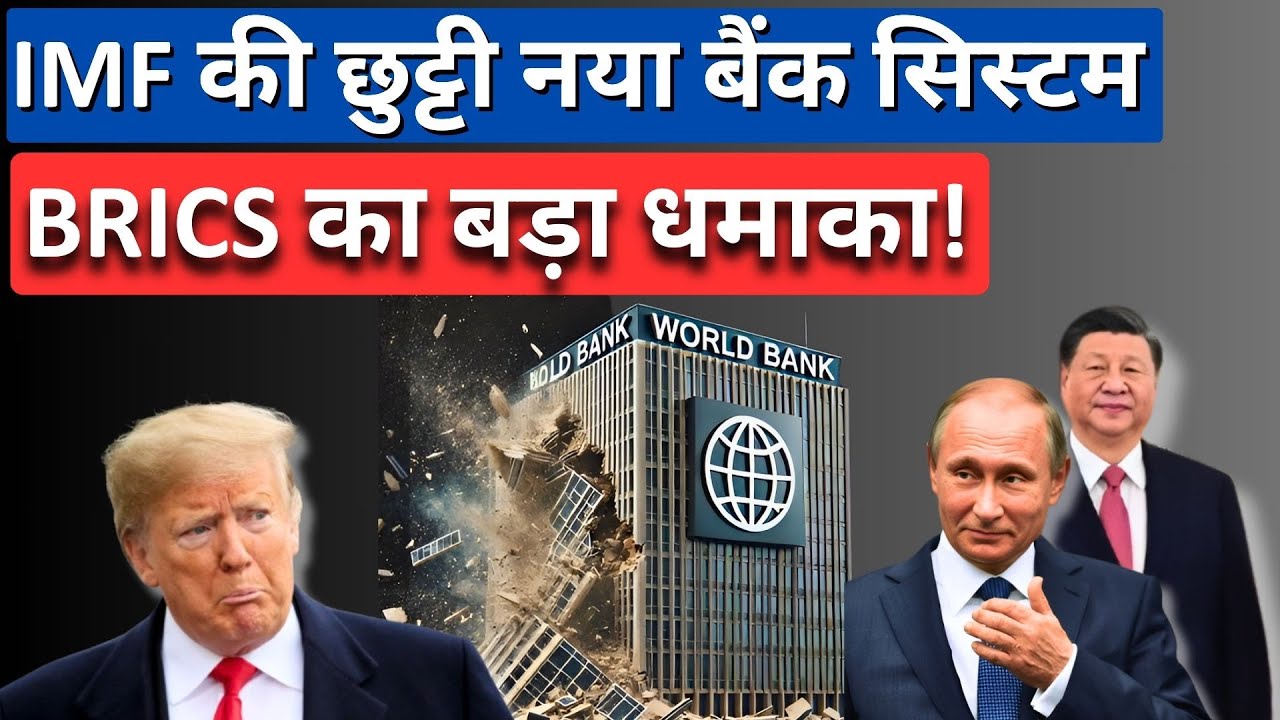
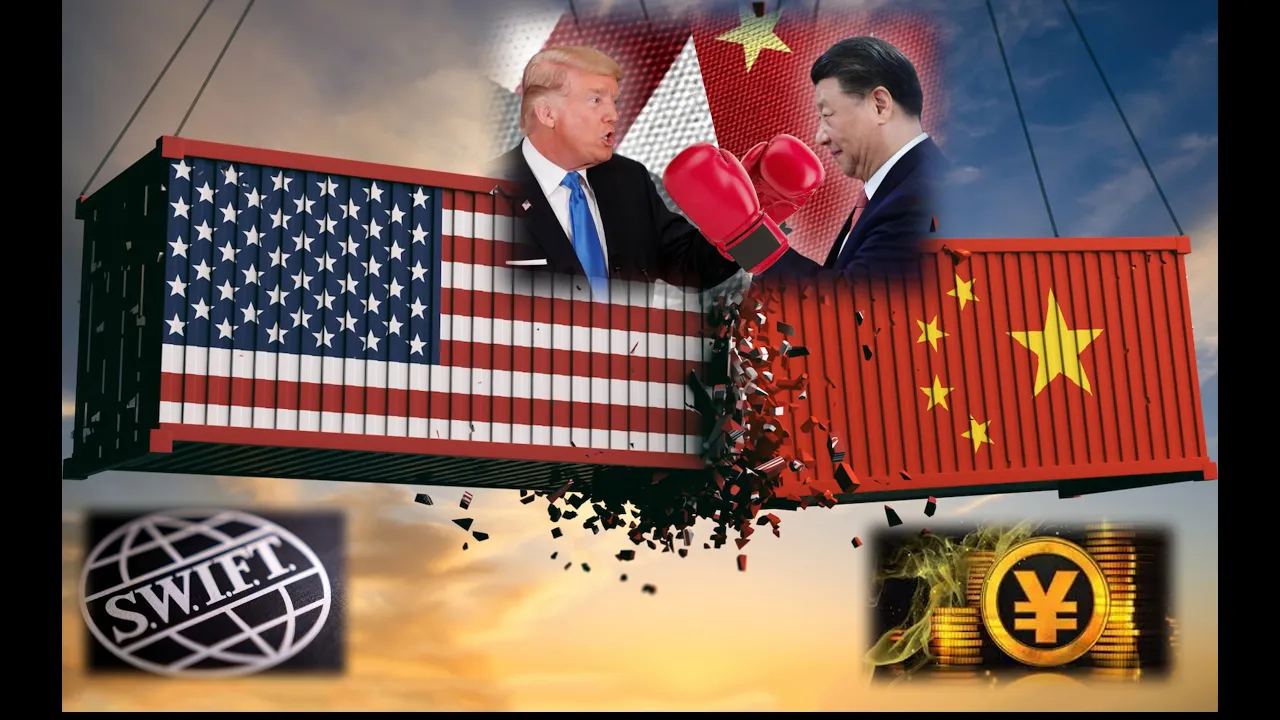
















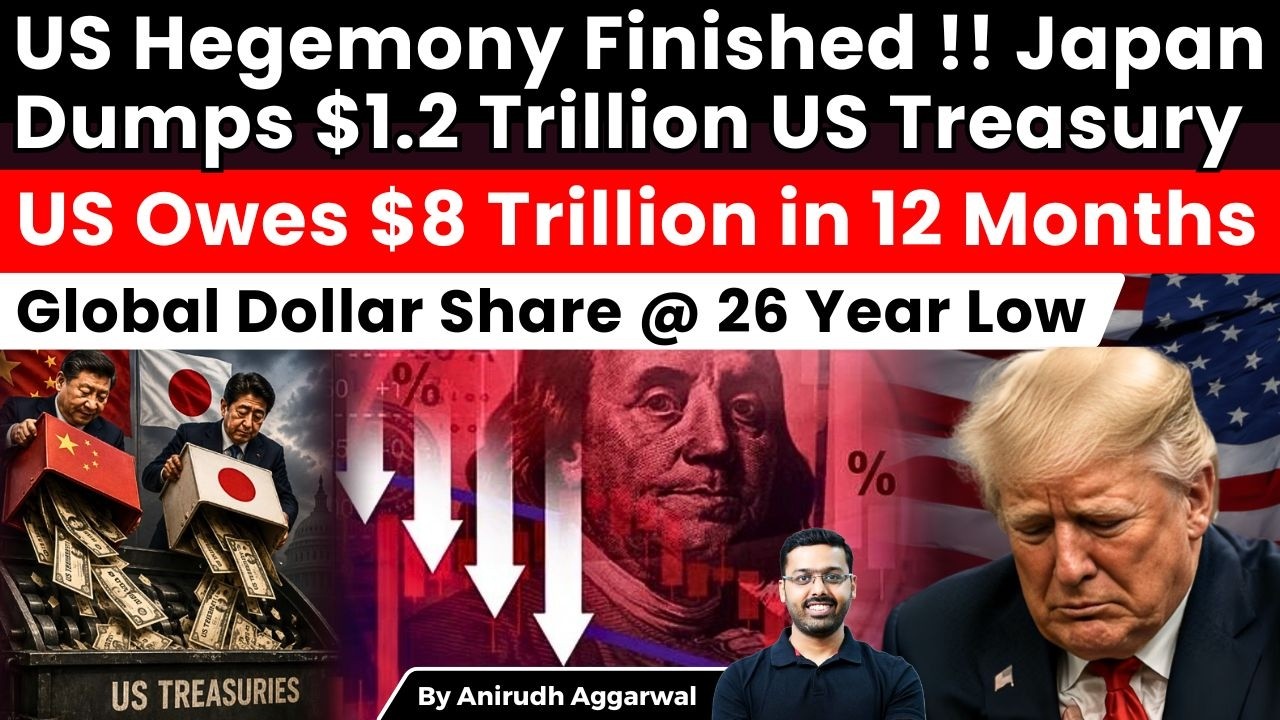

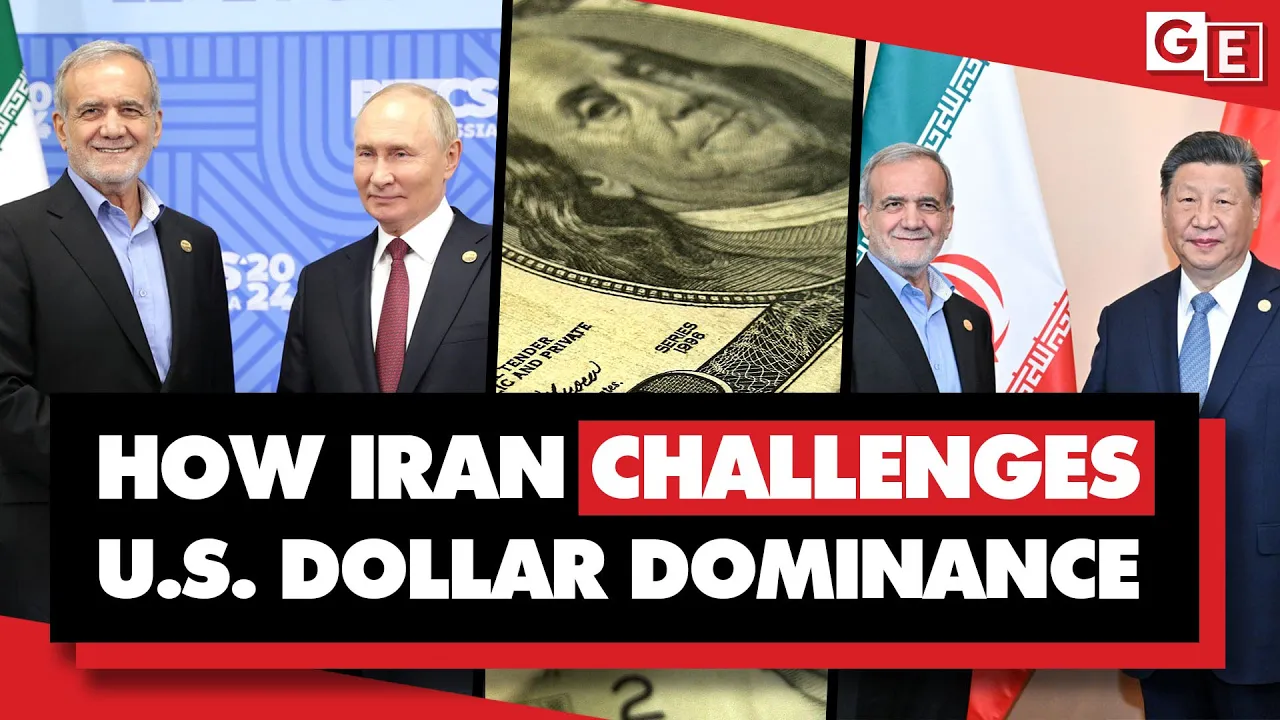








BRICS nations are developing a new digital payment system called BRICS Bridge to challenge the dollar's dominance as the global reserve currency and reduce reliance on the Western-controlled SWIFT system; this platform uses decentralized blockchain technology with distributed ledger nodes to enable secure, low-cost cross-border transactions in national currencies, thereby bypassing traditional Western financial infrastructure and enhancing financial independence among member nations.
BRICS Alternative Payment System: Implications for Petrodollar Dominance
Added:The mechanics of the Petrodollar system and how pricing global commodities in USD sustains U.S. financial hegemony.
The role of the SWIFT network in international banking and how financial sanctions are used as foreign policy tools.
The composition and geopolitical objectives of the BRICS alliance (Brazil, Russia, India, China, South Africa, and recent expandees).
The concept of a global reserve currency and the economic advantages it grants to the issuing nation.
The technical architecture of Central Bank Digital Currencies (CBDCs) and multi-CBDC platforms like Project mBridge.
Analyzing empirical data on de-dollarization, including shifts in global foreign exchange reserves and bilateral trade agreements.
The geopolitical and economic consequences of a fragmented global financial system on international trade stability.
How multinational corporations adapt their treasury management and currency hedging strategies for a multi-polar currency environment.
130.8K views1.3Klikes5:30Original Release: 2026-01-30
To challenge the dollar's dominance as the global reserve currency, BRICS nations have laid the first tracks for a new and alternative digital payment system called bridge. And this payment platform is still in its infancy stage, but it is a start. Our next report telling you more about how the BRICS country's alternative payment system in a way challenges the western controlled Swift system.
China and Brazil already have an agreement to enable trade settlements in domestic currencies. That includes the trading in the red hot commodity soybean, which has been making headlines recently.
The agreement allows for payments in Chinese yuan and Brazilian real. The system aims to reduce transaction costs, minimize exchange rate risks associated with the dollar, and enhance the financial independence of both nations.
This bilateral agreement is part of a broader effort by the BRICS nations to create alternative financial systems.
This is to facilitate trade in local currencies and reduce reliance on western controlled systems like swift or the society for worldwide interbank financial telecommunications.
The proposed bricks pay or bricks bridge digital payment platforms are one example of those efforts.
First, let's look at Swift, the current backbone of the global messaging system for international payments. Swift works as a secure messaging network. It is not a money transfer system. Swift allows banks globally to send standardized instructions for payments and other financial messages. A bank sends a Swift message with details of the recipient and amount to another bank. The system uses unique codes to identify institutions.
Funds move separately through corresponding bank accounts either through nostro or vastro accounts. It's like sending a secure letter with instructions not the actual cash. This ensures fast reliable communication for crossber transactions.
Let's look at how a swift transaction works. You tell your bank, let's call it bank A, to send money abroad. Bank A debits your account in rupees then converts to dollars and creates a Swift message. Then bank A sends the secure message via the Swift network to the recipient's bank. Let's call it bank B.
The next step, bank B receives the message and credits the beneficiary's account. Meanwhile, separately, bank A settles the dollars with bank B through their [music] corresponding accounts.
In other words, Swift is the secure post office for banks. The system delivers payment instructions while the actual money travels through underlying banking relationships.
This makes global finance efficient and reliable. However, the US and its western allies have used Swift to sanction and cut out countries like Russia from the global payment system.
Also, if China buys soybeans from Brazil, the US can see this transaction and the money exchanged between those countries through swift.
So, the bricks payment system is the answer to avoid that. The bricks pay or bricks bridge is a developing digital platform for crossber transactions among member nations Brazil, Russia, India, China and South Africa.
This is to reduce reliance on swift and the dollar. The system will use national currencies and feature decentralized tech like blockchain. It aims for secure, lowcost and independent settlements.
Let's look at the key features and goals of the bridge system. It facilitates payments in member count's own currencies avoiding dollar dependency.
This also aims to bypass traditional western controlled financial infrastructure.
Bridge uses distributed ledger technology and nodes for secure interferences resistant messaging called the bricks DCMS.
Blockchain nodes are individual computers or devices which run blockchain software that connect to a peer-to-peer network. So unlike Swift, the information including the money exchanged will stay between the parties involved and cut out interference [music] from a third party. It is designed as an open platform to integrate with existing systems and allow countries to run their own nodes and messages. The system aims for efficient lowcost crossber payments potentially with optional fees.
Last year, Trump warned 100% tariffs on Wix countries if they moved ahead with their own currency to rival the dollar.
However, there has been an increase in mutual trade agreements and settlements in domestic currencies. BRICS members are slowly but surely moving away from the dollar. That suggests Trump's warnings are falling on deaf ears or tariffs as a threat do not yield the same kind of concerns as they did before.
Business Bureau Weon World is one.
>> To stay up to speed with the latest news, download the Weon app and subscribe to our YouTube channel.
Up Next
14:50
Digital Yuan vs US Dollar: CBDC Impact on Global Finance
@CNBC
386.5K views•2021-07-25
5:07
Impact of Yuan in Indo-Russian Trade Amid Sanctions
@WION
261.9K views•2022-07-01

10:33
Behavioral Economics Explained: Rationality, Nudges, and Risk
@crashcourse
1.1M views•2016-03-12

113:18
The Age of Easy Money: Fed & Inflation | Full Documentary
@frontline
21.2M views•2023-03-15
Related Study Plans & Knowledge Roadmaps
Structured learning paths in Economics
economics
Sovereign Debt: Defaults, IMF & Restructuring
01Introduction to Sovereign Debt & Government Bonds
02Debt Sustainability & Credit Ratings
03Anatomy and History of Debt Crises
+ 2 more learning modules
12h5 modules
Explore Roadmap
economics
Market Design: Matching Theory & Gale-Shapley
01Introduction to Market Design and Price-Free Markets
02Two-Sided Matching & The Gale-Shapley Algorithm
03School Choice Systems and Mechanism Design
+ 2 more learning modules
10h5 modules
Explore Roadmap
economics
Impossible Trinity: Forex, Capital & Policy
01Introduction to Monetary Policy and Central Banking
02Exchange Rates and International Capital Flows
03The Mundell-Fleming Model
+ 2 more learning modules
8h5 modules
Explore Roadmap
economics
Healthcare Economics: Market Failures & Systems
01Introduction to Healthcare Markets and Market Failure
02Asymmetric Information and Adverse Selection
03Moral Hazard and Insurance Design
+ 2 more learning modules
12h5 modules
Explore Roadmap