

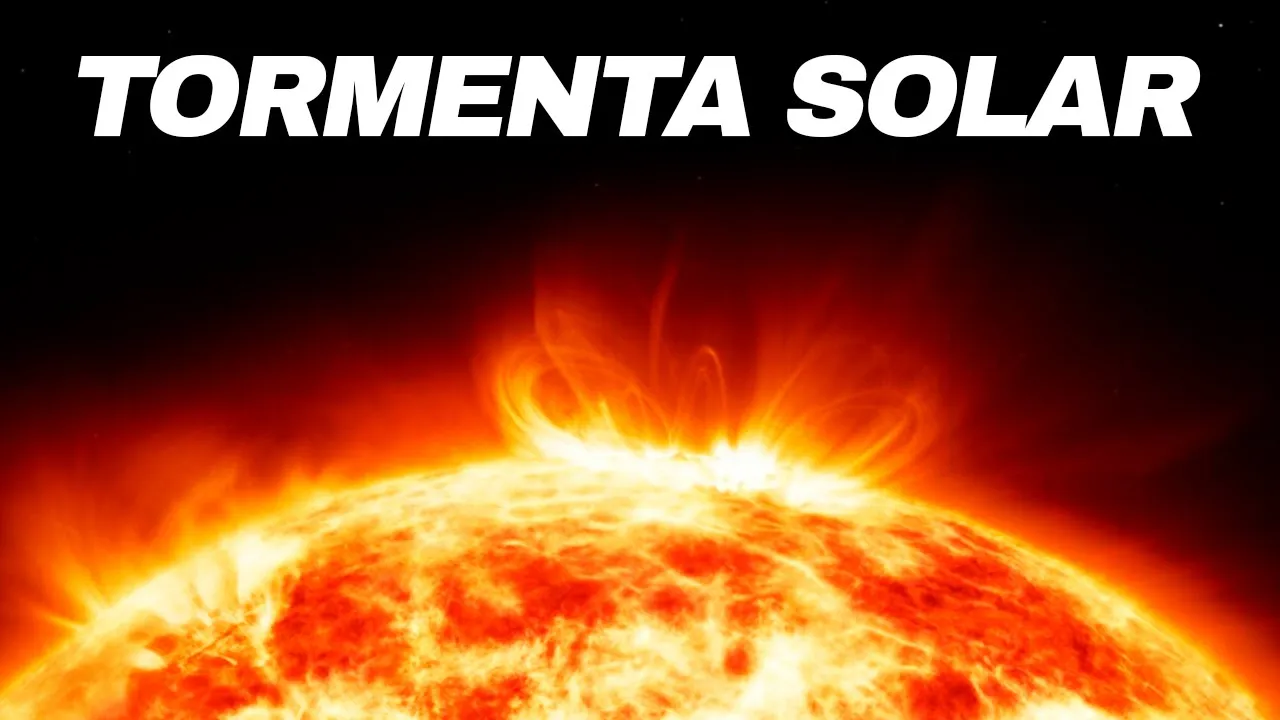

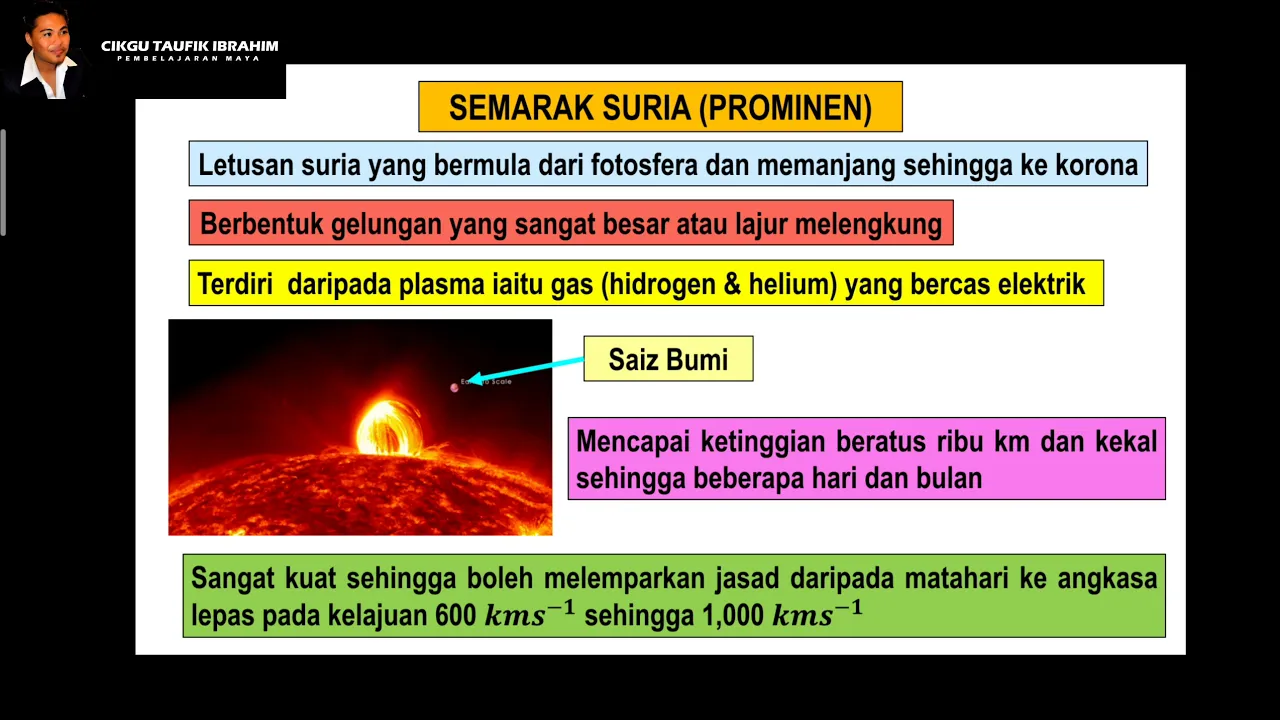

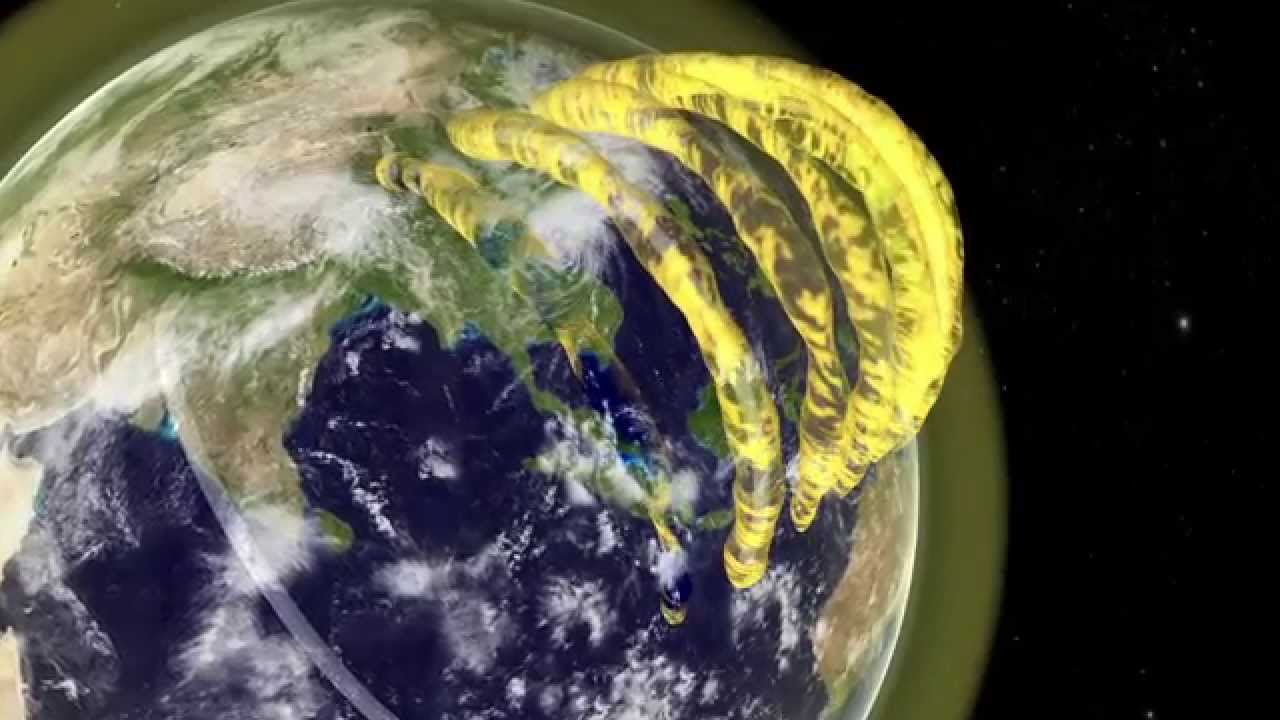

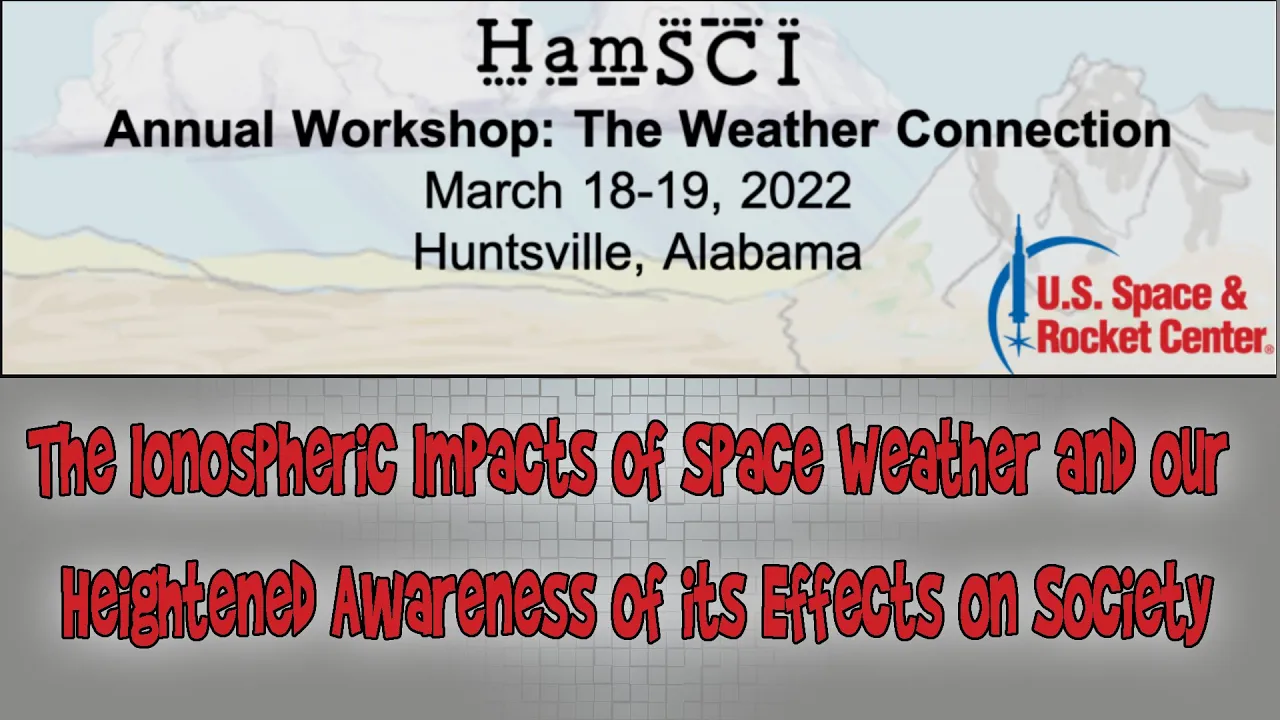





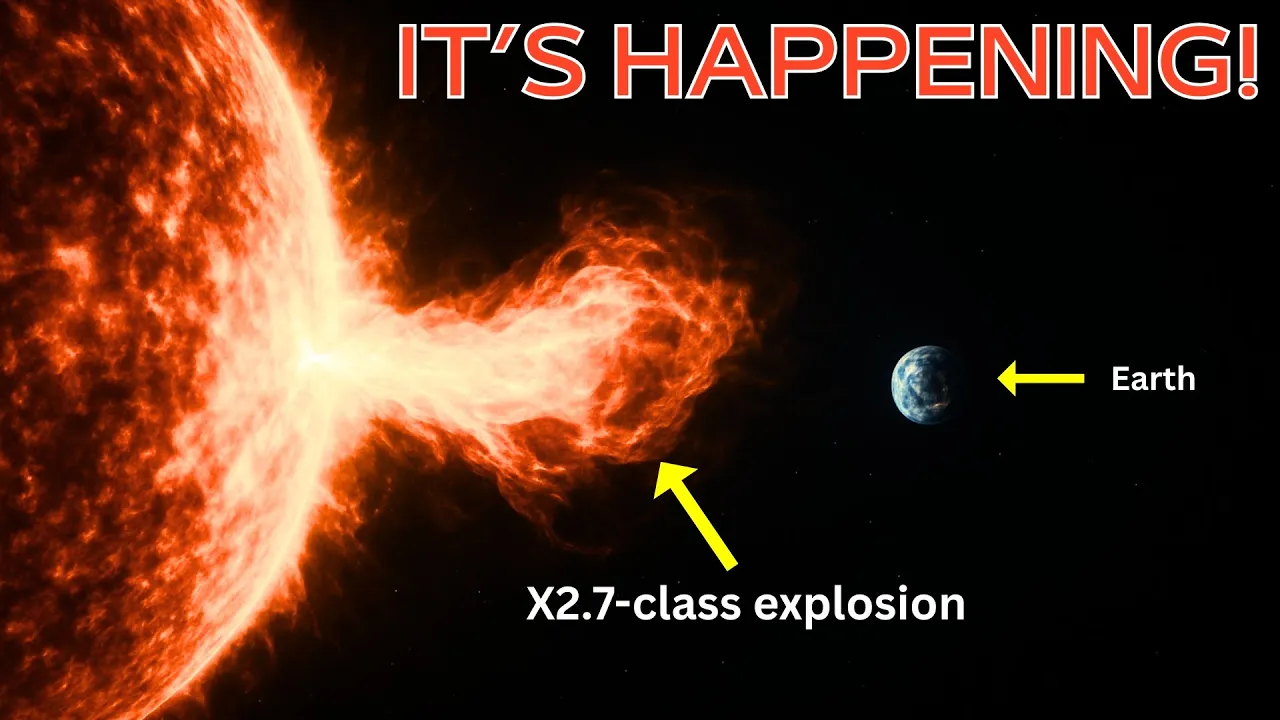


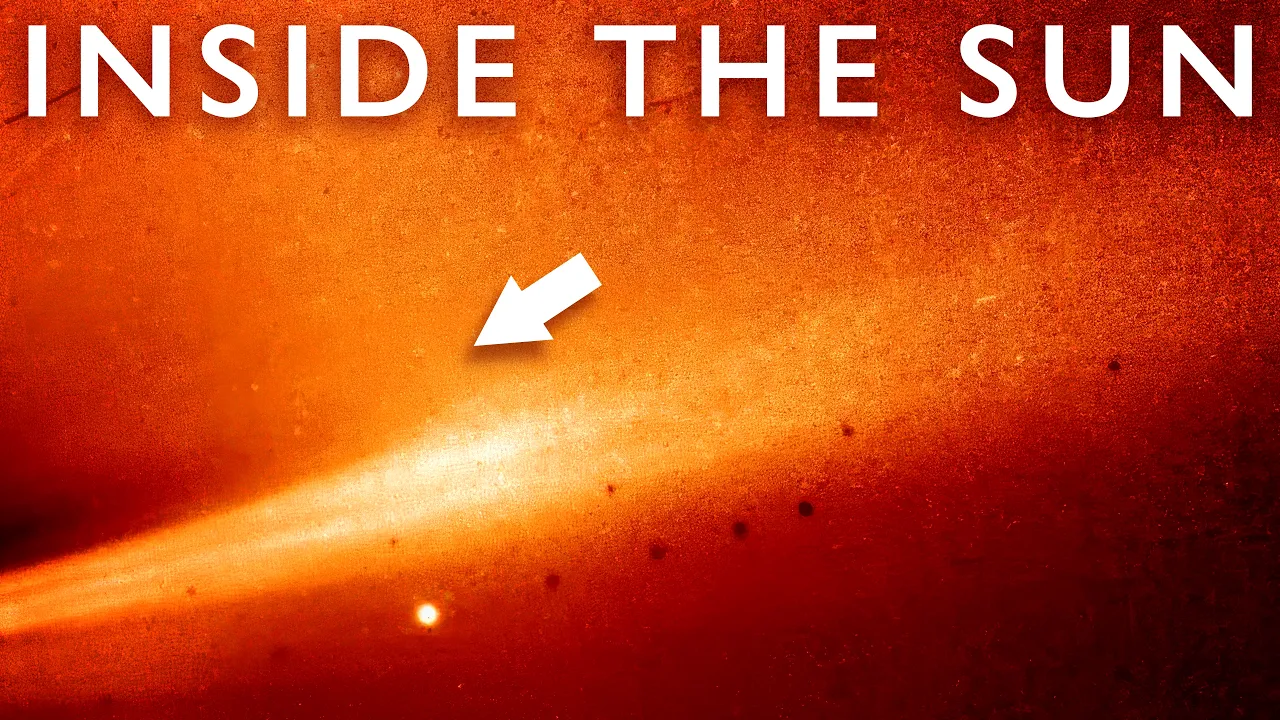





Space weather consists of solar emissions like coronal mass ejections and solar wind that can disrupt Earth's technology, including satellites and power grids; the sun follows an 11-year cycle with solar maximum bringing heightened activity, and NASA's Parker Solar Probe will reach within 10 solar radii of the sun in December 2023 to study these phenomena.
Solar Cycle 25 Impact: Space Weather & Satellites
Added:The basic anatomy of the Sun, including the solar corona, solar wind, and the 11-year magnetic solar cycle.
The structure and function of Earth's magnetosphere and ionosphere, which shield the planet from solar radiation.
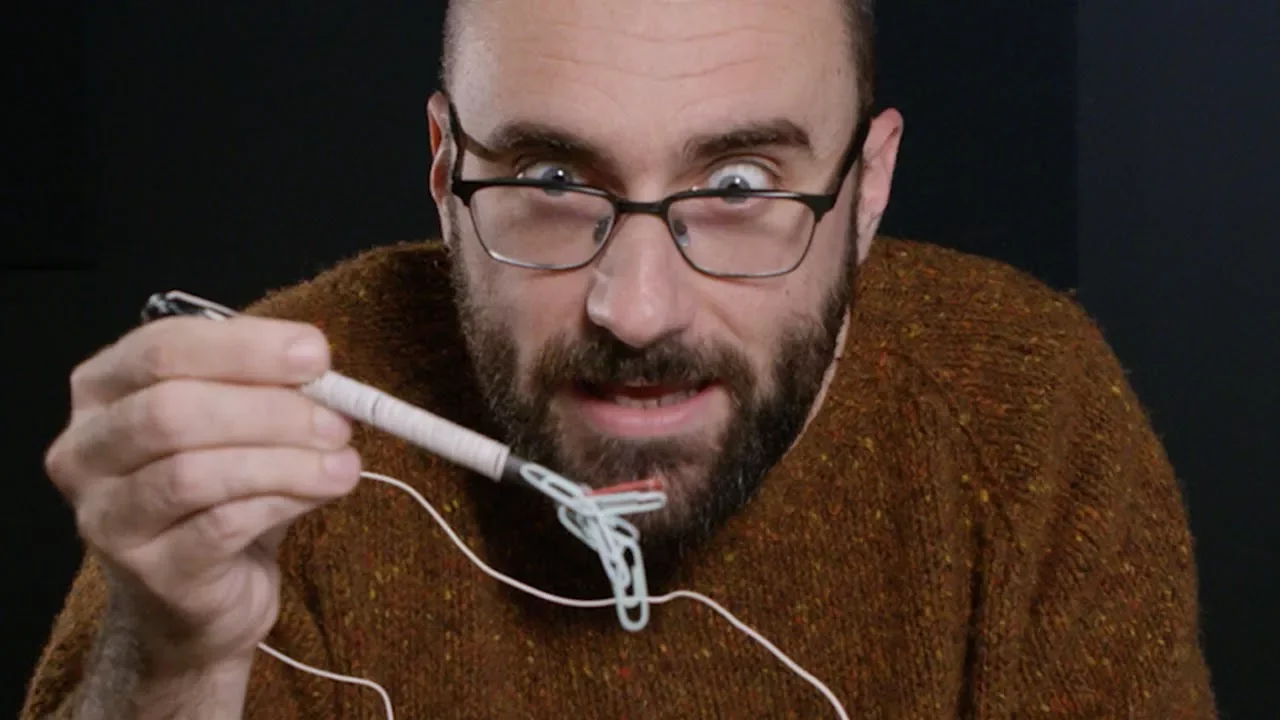
Fundamental concepts of electromagnetism, particularly how fluctuating magnetic fields can induce electrical currents in conductors.
The basics of satellite operations, including orbital paths and how radio waves are used for communication and GPS navigation.
Engineering strategies for space weather mitigation, such as satellite hardening, radiation shielding, and electrical grid resilience.
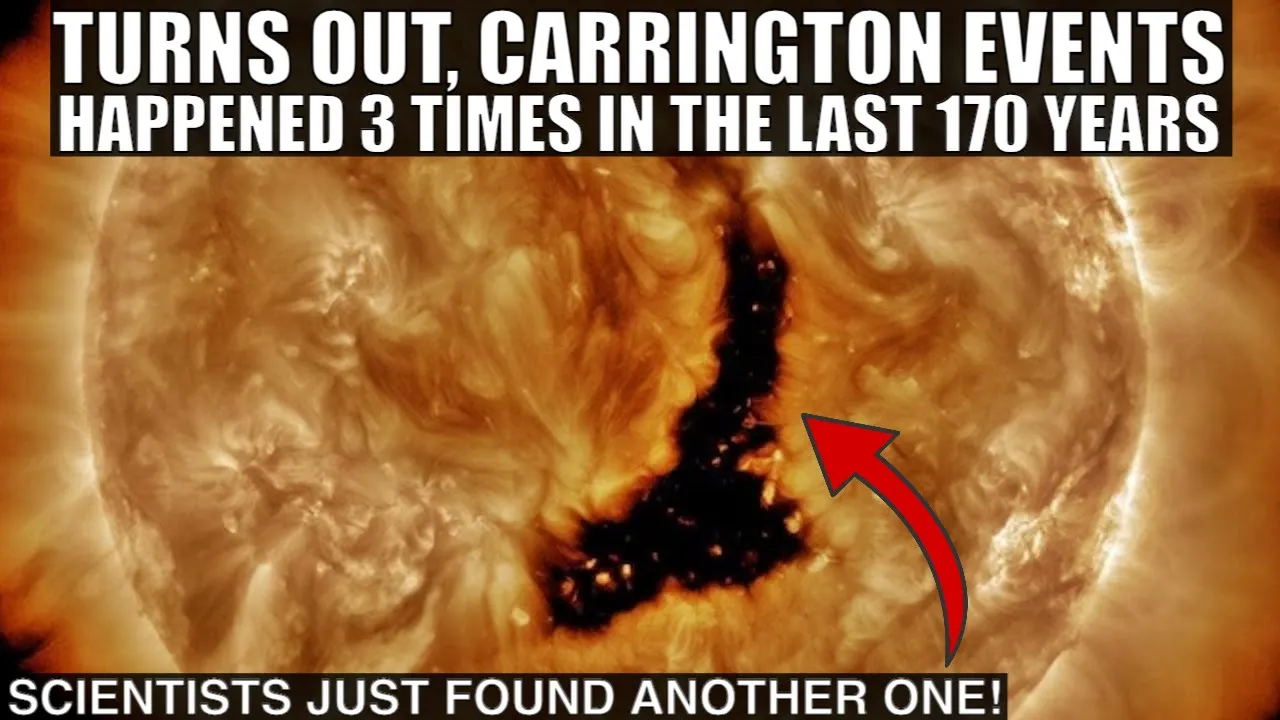
The historical impact of extreme space weather, including the 1859 Carrington Event and the 1989 Quebec power grid collapse.
The science and technology behind active heliophysics research missions, such as NASA's Parker Solar Probe and the ESA's Solar Orbiter.
Space weather forecasting methodologies, predictive modeling of coronal mass ejections (CMEs), and national early-warning protocols.
147.8K views6.7Klikes13:18Original Release: 2023-08-29
Chuck yeah man look who I found wandering on the hallways outside my office I this is what goes on at your place of work this is Lia gatura who's a program scientist at NASA's Helio physics division yeah living with stars right well one star in particular uhhuh Helo physics that would be our star right thank you that's kind of our star right know the only star that really matters when you think about it hey you said it the only star that counts that's it the person who For Whom the sun is the object of her research yes okay how about the other 100 trillion squillion stars in the universe yeah we we inform them of our knowledge you know and so we understand them better it's some base knowledge that's coming from the sun we got to I got to hand it to you so we only have you for a couple of minutes just tell people what space weather is that's a new term that's working its way into the public and and I don't think people know what we mean when we say space weather space weather is interesting and it's it's kind of difficult to explain but think of terrestrial weather right I mean terrestrial weather we have storms we have hurricanes you know we have rain we have similar kind of terminology for stuff that goes on in the interplanetary space so the sun kind of spew out particles and radiations and solar wind and sometimes the solar wind is Gusty and sometimes it's gentle we have flares or coronal mass ejections these are humongous storms actually but all of these basically all the particles electrons protons these are charge particles Tangled with magnetic field start traveling towards our planet all other planets but we are most kind of really uh thoughtful about our own planet and these particles essentially start interacting with our Electronics spacecraft um you know sensitive equipment they start producing radiation on um astronauts in space if they are exposed to it we are very careful sort of monitoring the sun passing the information to Noah who can give the prediction and forecast for all of these we have so Noah the uh the National Oceanic and Atmospheric Administration that monitors our weather satellites that's right they are also in charge of uh predicting uh space weather forecasting fed I not know we at Nasa really create the knowledge the understanding the satellites are mostly ours and we pass it on to our sister agency Noah who then pass it on to all the customers essentially so how come I how come I where can I get this weather report space weather report not WEA report not weather yeah the space weather report that would be a title of some album or something yes the weather report yes I remember that I remember them we're giving our age away so uh if you go to the Noah website you can find that um just do Google you know I even sometimes if I forget my name I do Google to find myself the whole thing Google is amazing so yeah so you casually said in there that we have all these particles ejecting from the Sun and oh they interact with our satellites this could be devastating to Modern civilization where so much of our it and communication assets are vulnerable in space right now I I don't like to scare people but there's a scary s to the sun there is well that's why we walk and we try to understand someone I don't like to scare people but this is right exactly you you know what's happening I I don't is coming wait wait so tell me about solar Max so uh sun is you know sun has a cycle every 11 years the magnetic field of the Sun goes from being minimum to maximum and so we are in the rising phase of the solar cycle right now and the the interesting part is that you know it's not going to be out of the ordinary active Sun but this is the first time in the history of humankind we have as many satellites in space and we are launching like think of Starlings every other month we are launching satellites right these are all vulnerable to what happens on the Sun so so these charged particles interact with the electronics yes the Machin and there's no telling what effect it will have that's right so that's why when you when when you know it's coming we sort of send a warning to operators to turn this off but it's not just Electronics remember what happened uh last year early part of last year Starling launched some 4050 satellites and lost a bunch of them because of drag issue because they were like ordinary small coronal mass ejections but it happened one after another and it created an environment you know that essentially increase the drag and therefore these satellites couldn't live wait you said increase the drag so if I understand what you're saying the more active the sun becomes the warmer Earth's atmosphere gets and the Earth's atmosphere expands creating air molecules that wouldn't previously be uh interfering with the movement of a satellite WTIC energy right right right right okay so they so basically they kind of mov the goalpost what a wonderful way to say that yeah I'm going to launch here and it kind of moved it away right and you thought you'd be safe so right so basic they were taken out by space weather we don't say that so loudly because you know I mean we were not there to measure everything so what we are doing is creating the understanding and theorizing and saying yeah that's what it looks like we don't have satellites they're measuring it hey folks apologies for the interruption but we wanted to take a quick break to thank our partners at delete me for sponsoring today's video if your experien is anything like mine I'm sure you see it all the time creaky ads that feel like you're being spied on malicious links sent to your email and your text messages it's almost impossible to trust anything than you see online these days and it's even worse that these things are being directly targeted at US based on the personal information we thought we were sharing privately if you're unfamiliar with delete me it's a service dedicated to protecting your online identity by scouring the internet to remove personal data from data broker sites and online directories the leete Le ensures your privacy by minimizing the trace you leave behind reducing the chances of identity theft scams and those annoying unwanted solicitations so if you're looking to regain control of your digital footprint then I personally recommend that you check out delete me to help you get your privacy back if you're interested in learning more head to join delet me.com StarTalk for 20% off all consumer plans and use code code StarTalk at checkout for your discount that's join delet me.com StarTalk code talk at Cheo all right so we are as we are more susceptible than ever before so if if you say all right we see some particles coming because they don't move as fast as light does right so you can see the explosion but to feel the particles there's a delay there's a delay depends on the speed with which these uh particles are launched and then you make the announcement but isn't everybody just a Sitting Duck unless they have special protecting Shields and where can I get one of those Shields oh you want one too yes so basically uh anything that affects Electronics you know when a player happens a flare produces the fastest kind of um you know particles energetic particles right but the radiation travels at the speed of light right so X-rays and all traveling at the speed of light and it's it's this radiation that essentially energizes the ionosphere so there are many different components of space weather just like terrestrial weather but the difference is that it is driven by magnetic field and charge particles nothing like Earth's neutral atmosphere right it's not gravity it's not wind it's whole other forces in the portfolio of physics right and that's why it's so difficult to explain but that's why it's so fascinating to study I I thought the magnetic field of Earth was protecting us from all this stuff yeah yeah I thought what's going on we are doing a good job that means we are giving out information I'm so delighted to hear that is very true very true so if you compare Mars and our planet you know we are a habitable planet what do you think happened on Mars something bad purely theorizing something bad happened on Mars because they don't have a robust magnetic field like ours all right the solar wind can continuously strip off now was Exxon ever located on Mars I'm just asking I'm just I'm just asking I'm not saying anything I'm I'm just asking I'm innocent of that outside my PO viiew okay okay quick before just we run out of time so NASA has some very good satellites that monitor the sun close up right what are a couple of those satellites oh my God the one closest to my heart is Parker solar probe that's the one that moves really fast really fast and real close so I believe December 24th is Parker solar probes perhelion it's going to reach within 10 solar radi of the Sun what why doesn't it just why doesn't it just vaporize what you what you make it out of we bad we bad stupid question I'm sorry sorry but that sounds really is that the closest we've ever been to the sun yes okay closest that anything has ever been uh to the Sun the fastest that any spacecraft has moved because the Sun's gravity helps speed it up as it comes in right wow okay so we should watch for that oh that's going to be a big thing we call it heliophysics Big Year we are celebrating the eclipses coming up right yes okay anular Eclipse 14th of October total solar eclipse if you haven't seen it you have to take yourself to the path of totality 8th April 2024 and then The heliophysics Big Year sort of ends with a big bang when Parker reaches oh so that's 2024 2024 so we have time to to get tionally ready for it right right okay all right I can't wait I can't wait there's just a lot going on Under the Sun that's what I okay so so when is when is NASA going to send astronauts to the sun oh when it's dark on the back side on the back side yeah we can send them at night at night that's right that they'll be safe if we send them at night okay Leica thanks for stopping by I don't know what you did to me if I get fired all right we we'll get you a job on the on the on the on the street corner here I promise all right this has been another star talk explainer with someone who lives on the Sun or at least works on the sun on sun he wants to live as a star oh that's even that's beyond where I was even taking that there you go so Leica thanks for stopping by absolutely pleasure meeting you NE grass Tyson Chuck Nice always good to have you man always a pleasure all right Star Talk explainer signing out keep looking [Music] up
Up Next

65:52
Tao Te Ching: Full Audiobook Read by Wayne Dyer
@Serenex81
66.9K views•2023-07-31

12:54
Triumph of Orthodoxy Icon: Byzantine Art & History Explained
@BenCallan
2.1K views•2024-08-06

9:49
FastAPI vs Flask vs Django: Choosing the Right Python Web Framework
@TechWithTim
302.5K views•2024-05-26

1:42
Game of Thrones Opening Credits: A Cinematic Analysis
@gameofthrones
46.3M views•2011-04-18
Related Study Plans & Knowledge Roadmaps
Structured learning paths in General & Interdisciplinary Studies
general-studies
Elevator Engineering: History, Physics & Cities
01From Hoists to Safety Brakes: The Dawn of Vertical Lift
02Hydraulic vs. Traction: The Engineering Physics of Elevators
03Modern Speed, Safety, and Algorithms
+ 2 more learning modules
12h5 modules
Explore Roadmap
general-studies
Rubber: Material Science, History & Geopolitics
01Origins of Natural Rubber & Mesoamerican History
02The Chemistry of Natural Rubber & Vulcanization
03The Geopolitics of the Rubber Boom & Colonization
+ 2 more learning modules
12h5 modules
Explore Roadmap
general-studies
Containerization: Evolution, Logistics & Trade
01Ancient Trade & Bulk Cargo: Amphorae to Barrels
02The Industrial Revolution & Cardboard Packaging
03The Containerization Revolution: Malcom McLean
+ 2 more learning modules
12h5 modules
Explore Roadmap
general-studies
Textile Tech: Evolution, Labor & Global Impact
01Pre-Industrial Textiles: Handloom & Cottage Industry
02Mechanization: The Spinning Jenny to the Power Loom
03The Factory System & Global Labor Transformation
+ 2 more learning modules
10h5 modules
Explore Roadmap