









![[講義] 食品学2-12 褐変(メイラード反応、ストレッカー分解、カラメル化など)について](https://i.ytimg.com/vi_webp/IcdGMzlFnsA/maxresdefault.webp)




The Maillard reaction is a non-enzymatic browning process that occurs between amino acids and reducing sugars (sugars with free aldehyde or ketone groups, such as glucose, fructose, lactose, or maltose) at temperatures of 142-165°C, producing brown pigments called melanoidins and characteristic flavors; the reaction begins when the amino group nucleophilically attacks the carbonyl carbon of the sugar, undergoing the Amadori rearrangement to form preliminary products that eventually develop into complex aromatic compounds, with pH affecting the reaction rate by increasing the nucleophilicity of the amino group.
The Maillard Reaction: Chemistry of Food Browning
Added:Basic understanding of organic functional groups, specifically carbonyl (C=O) and amine (-NH2) groups.
The chemical structure of carbohydrates, including the definition of reducing sugars and the presence of open-chain forms.
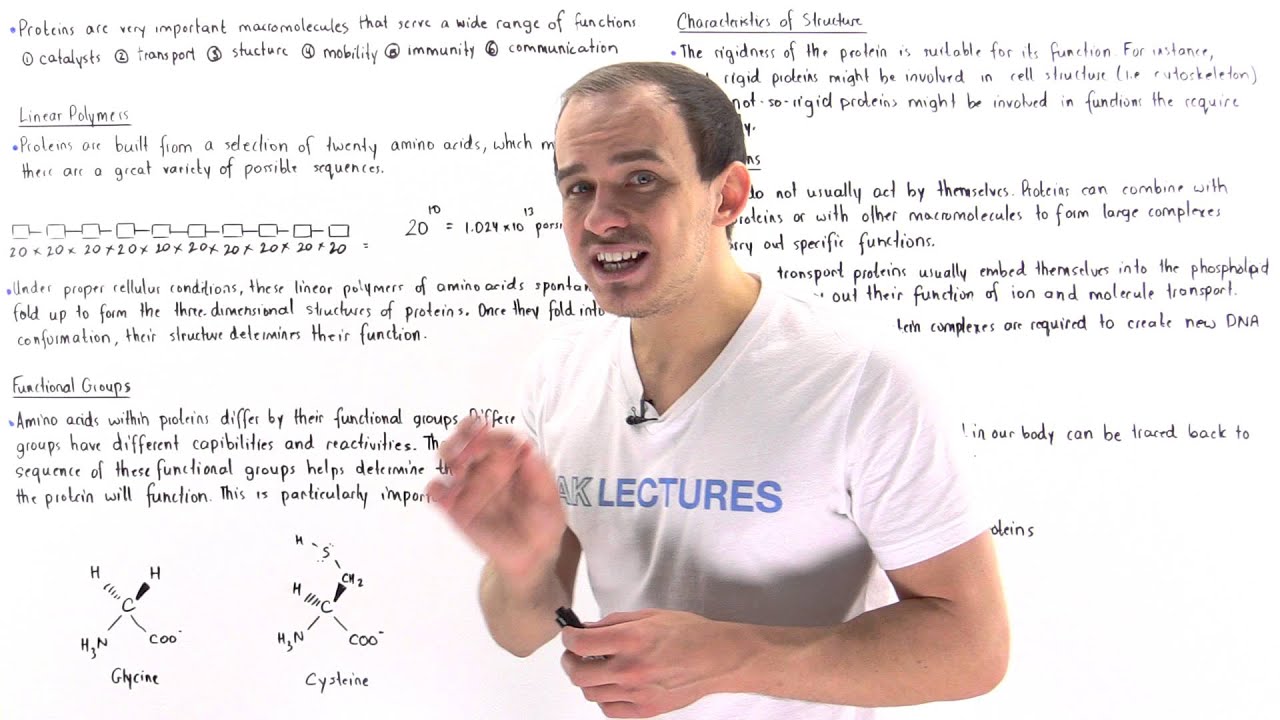
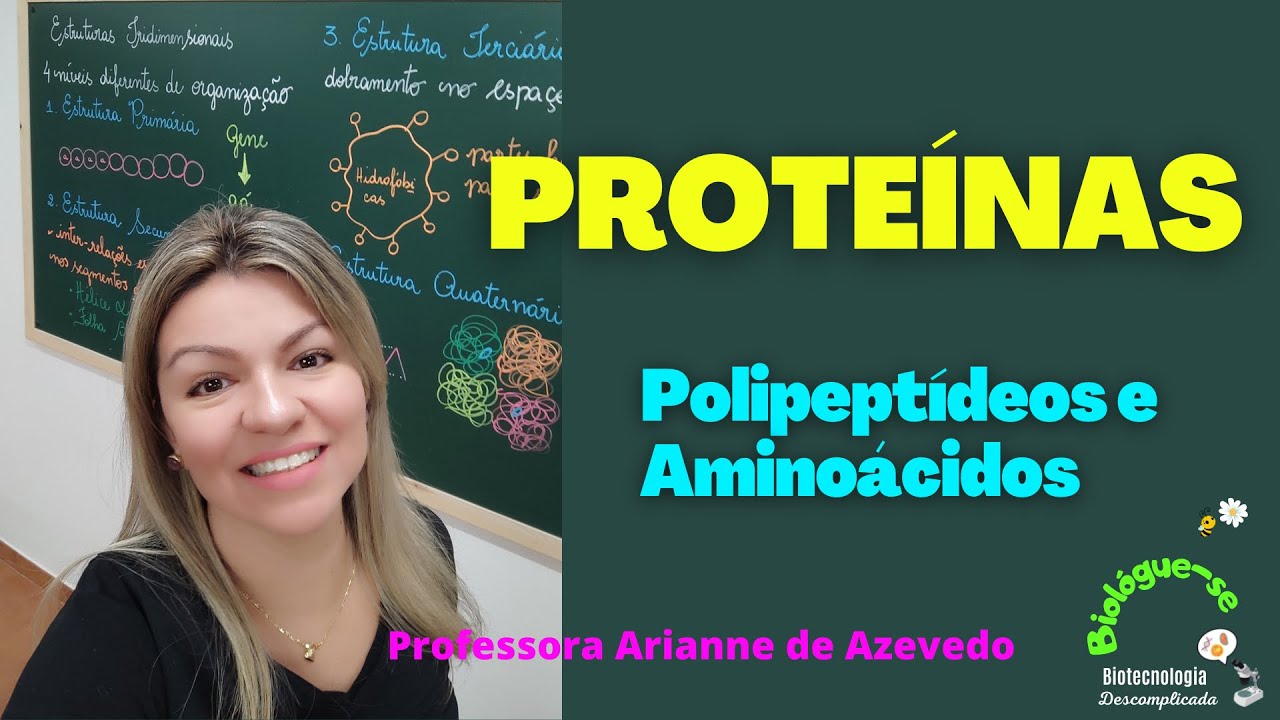
The fundamental structure of proteins and amino acids, focusing on how their side chains react during chemical processes.
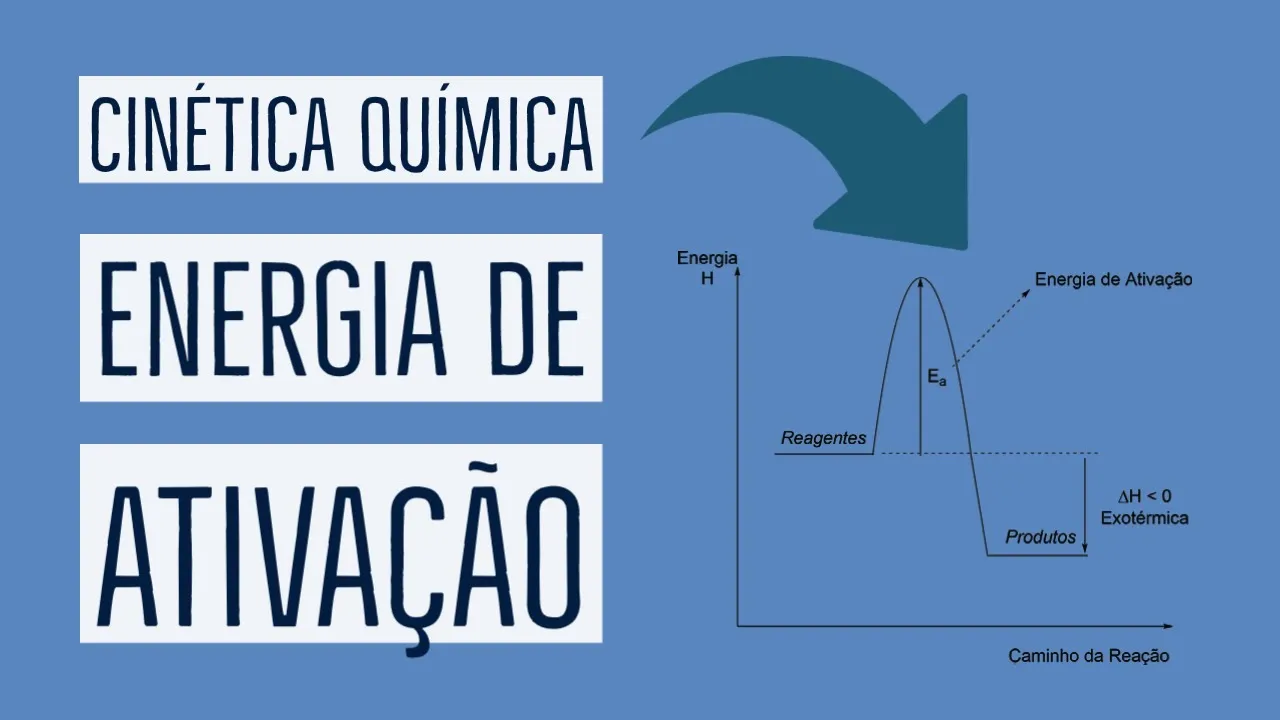
The role of heat and activation energy in driving chemical reactions and determining reaction rates.
A comparative study of non-enzymatic browning (Maillard reaction and caramelization) versus enzymatic browning in fresh produce.
The biological and health implications of dietary advanced glycation end-products (AGEs) and the formation of potential carcinogens like acrylamide.
Techniques for controlling the Maillard reaction in food preservation and manufacturing by manipulating pH, water activity, and temperature.
The organic chemistry of flavor and aroma profiling, analyzing how specific volatile compounds like furans, pyrazines, and pyrroles are generated.
24.8K views947likes9:52Original Release: 2021-01-24
hi there and welcome to PhD at living you ever wonder why bread gets that nice brown crust on it and steaks have that delicious sear well it's all because of our topic for today the my yar reaction not my yard or my iord or god forbid Mallard hey even I pronounced it incorrectly before but from this point forward let it never be said you weren't told technically the my yard reaction is a type of non-enzymatic browning and yes it begs the question what's enzymatic browning well think of a cut apple slice turning brown or the peel of a banana turning brown happy the non-enzymatic browning of the my your reaction happens between amino acids and proteins and reducing sugars this separates it from carmelization which is a process purely composed of sugar molecules the sugar specifically has to be a reducing sugar meaning it has a free aldehyde or ketone group when the sugar is projected in its linear form now that I say that it makes no sense so let's just go to the board in order for a sugar to be able to reduce something it needs to have a free that is unreacted aldehyde or ketone group let's look at it by way of example here's the Fischer projection linear form of D glucose and we can see in fact we have a free aldehyde group the problem with looking at the D glucose in the cyclic form is that the aldehyde group here is going to react with the O H group on the 5 carbon so it doesn't look like there's a free aldehyde group and truthfully in the cyclic form there isn't however you can just as easily isomerize blow that structure back open and have a linear form where again we can see the aldehyde is in fact free and able to react slash reduce stuff alright smarty pants how is a ketone gonna reduce anything for that let's take a look at the Fischer projection of d-fructose instead of having the aldehyde up here in glucose we instead have a ketone on carbon number two essentially what happens here is we tautomerize meaning we move from one form to another by this reaction where the oxygen comes over here plucks the hydrogen the hydrogen gives its electrons back to the carbon the carbon moves it from one knit two to make a double bond and then the electrons from carbon number two move back into the oxygen leaving us with this intermediate here which you can see has neither an aldehyde or a ketone and in fact has an alkene double bond between carbon 1 and carbon - we can play ring around the electron again and leave or final tautomerization product of this final product here and hey what do you know it's got a free aldehyde here we can see two big things about monosaccharides first they're all reducing sugars because they will have in their linear forms either a free aldehyde or a free ketone and even for the free ketones the ketosis of monosaccharides they'll be able to Tom arise from that position up into creating a free aldehyde that again does the reducing with disaccharides things get a little bit dicey I don't have six fingers on my hand so you'll just have to forgive me if I take something like glucose which has a one aldehyde and I have a fructose which has a two ketone and link them together via a glycosidic bond I end up with the disaccharide sucrose the problem with this is because I am linking the aldehyde carbon of glucose and the ketone carbon of fructose together in my glycosidic bond I can't reduce anymore the reason is because I can't blow apart this glycosidic bond the same way I can easily switch from a linear to the cyclic form in the monosaccharide in my glycosidic bond formation I'm losing water through a dehydration mechanism that creates that glycosidic bond therefore because sucrose is reacting the monosaccharide anomeric carbon meaning the one with the aldehyde or the ketone of glucose and the anomeric carbon of fructose together I can't reduce on the flip side if I look at something like the disaccharide lactose I see that I still have a glucose with the one aldehyde an americorps v'n but instead of a fructose that has a two ketone and Emeric Arbonne I have a galactose which also has a one and Emeric aldehyde carbon the difference between glucose and galactose is in that four carbon there and enantiomeric Li kind of makes sense but that's not important the difference between sucrose and lactose that makes one a reducing sugar and one not a reducing sugar is how the anomeric carbons are glycosidic Li bonded in sucrose I have my glucose and my fructose they are glycosidic we bonded at the end Americ carbons which means they can't reduce because you can't expand them to the linear form and have a free aldehyde or ketone in lactose however I still have my one aldehyde glucose but it bonds with the four carbon on galactose so I have a 1-4 glycosidic bond which leaves the one and Mayr carbon from the galactose able to react reduce when you expand it into the linear form and that is why some disaccharides are reducing and others are not cool huh all this is a super long and winding explanation to essentially say in order for the my yard to happen you have to have a reducing sugar such as glucose fructose lactose or maltose on the other half of the reaction is our amino acid composed of an amino group here and an acid group here go figure descriptive name there's also an R group in the middle here on this second carbon and that's what differentiates one amino acid from another link a whole pile of these together and you get a protein that's the other half of what reacts with our reducing sugar in the my R if you're interested in amino acids and proteins and some additional chemistry that they're involved in check out my video on the Gibbs Marangoni effect in wine and whiskey and that all brings us finally to the myau reaction you see we have our amino group here with its r substituent and our aldehyde group with its R Prime substituent the first step for the reaction is the nucleophilic nitrogen attacks the carbonyl carbon the carbonyl carbon kicks the electrons back to the oxygen the oxygen attacks the hydrogen on the amino group it kicks its electrons back to the nitrogen and through a series of intermediates like this one which uses perhaps the craziest instance of the water lasso mechanism I have ever seen pluck it out and connect the ends giving us this guy with the cool C double bond n amine bond we have to expand the R Prime on the outer hide group here to include a second carbon in the hydroxyl group because eventually these electrons want to bounce over and give us an alkene group C double bond C and then pop over into the oxygen here giving us our final product of this thing here starting at that alpha hydroxy a main group that whole process is called an a Midori rearrangement to end up with this and it's one of the preliminary reactions in our my arm mechanism do this a thousand different times a thousand different ways and you end up with bigger and bigger molecules getting into aromatic compounds and a class of molecules called melanoidins which are those wonderful beautiful brown tasty molecules that we get at the end of our my our this whole reaction happens at 142 165 C 282 330 Fahrenheit for those playing in the United States or Myanmar or Liberia at higher temperatures we can create the molecule acrylamide this is bad because acrylamide is toxic let's say we start with our linear glucose here six carbons with an aldehyde at the end and the amino acid asparagine over here we create this amide bond where there was none before our next step is that we decarboxylate so we find carbon dioxide co2 pluck that out it ends up creating this C double bond and here and through another couple of reactions we take this entire chunk off and end up with a C double bond C here giving us the villain of our video acrylamide interestingly in a high temperature may our scenario something like potatoes or another cereal grain are more likely to create the acrylamide because that asparagine amino acid content is higher finally if you ever watch a cooking show you'll see the self-righteous host talk about how cool ask some amazing wonderful hashtag science bro it is that if you increase the pH you increase the browning in the miley larger reaction and the reason the browning happens is because you increase the pH circular reasoning aside let's look at what the hell is actually going on here in our amino acid knowing that that's half of our my our reaction we have an acid group and an amino group both of these are susceptible to pH changes but we're going to look more at the amino group because that's the one that's actually participating in our my are in a very very low pH environment we might even be able to protonate this NH 2 amino group what we mean by that is we add another hydrogen proton and we eliminate this electron lone pair in addition because the nitrogen has four single bonds it has a positive charge therefore for the nitrogen's nucleophilicity that is the ability for that nitrogen to want positive charges and for its electrons to attack it with a positive charge already that nitrogen is absolutely not going to be nucleophilic at all going back to a neutral pH scenario as the pH increases we remove that proton we get rid of the positive charge that electron lone pair comes back and we have a nice wonderful neutral amino group here this is our normal scenario where we get a decent amount of that money happening when the amino attacks that reducing sugar at a very very high pH we can make the nucleophilicity of this amino group much much higher and that my friends is the hashtag science of why increasing the pH increases the my our reaction you make the amino group more nucleophilic it is more likely to attack the reducing sugar and give you more my are interestingly the Browning and bread making is predominantly from the my our reaction we tend to think of breads as being very carb heavy but they also have a decent amount of protein namely gluten in addition most baked goods that have a lot of extra sugar added have a combination carmelization and my our reaction happening but at the end of the day if your stuff turns brown there's probably a good chance than my yar is happening and that my friends is the chemistry the my are reaction the delicious delicious my are see y'all next time firm but with a little give yep these are medium rare what if somebody wants theirs well-done we ask them politely yet firmly to leave
Up Next

25:27
Introduction to Food Chemistry | Food Technology
@sprabha10
26.4K views•2018-12-13
83:56
Biocatalysis and Catalysis in Islatravir Synthesis | Merck Webinar
@SCIwheresciencemeetsbusiness
675 views•2020-10-08
10:06
1H NMR: Determining Number of Peaks from Structure
@MSJChem
59.2K views•2017-04-06
17:31
Edible Water Bottles: A DIY Guide to Sodium Alginate Spherification
@ryan
10.5M views•2019-06-21
Related Study Plans & Knowledge Roadmaps
Structured learning paths in Chemistry
chemistry
Nuclear Chemistry: Decay, Meds & Fuel Cycle
01Introduction to Nuclear Structure and Radioactivity
02Decay Dynamics and Kinetics
03Radiation Interaction and Detection
+ 2 more learning modules
24h5 modules
Explore Roadmap
chemistry
Supramolecular Chemistry: Forces & Machines
01Foundations of Chemical Bonding and Intermolecular Forces
02Introduction to Host-Guest Chemistry
03Thermodynamics and Dynamics of Self-Assembly
+ 2 more learning modules
16h5 modules
Explore Roadmap
chemistry
Photochemistry: Excited States & Reactions
01Foundations of Light-Matter Interactions
02Molecular Orbitals and Electronic States
03Photophysical Processes and Jablonski Diagrams
+ 2 more learning modules
18h5 modules
Explore Roadmap
chemistry
Coordination Chemistry: Bonding & Properties
01Introduction to Transition Metals and Ligands
02Crystal Field Theory (CFT) and Geometry
03Magnetic Behavior and Spin States
+ 2 more learning modules
14h5 modules
Explore Roadmap