
















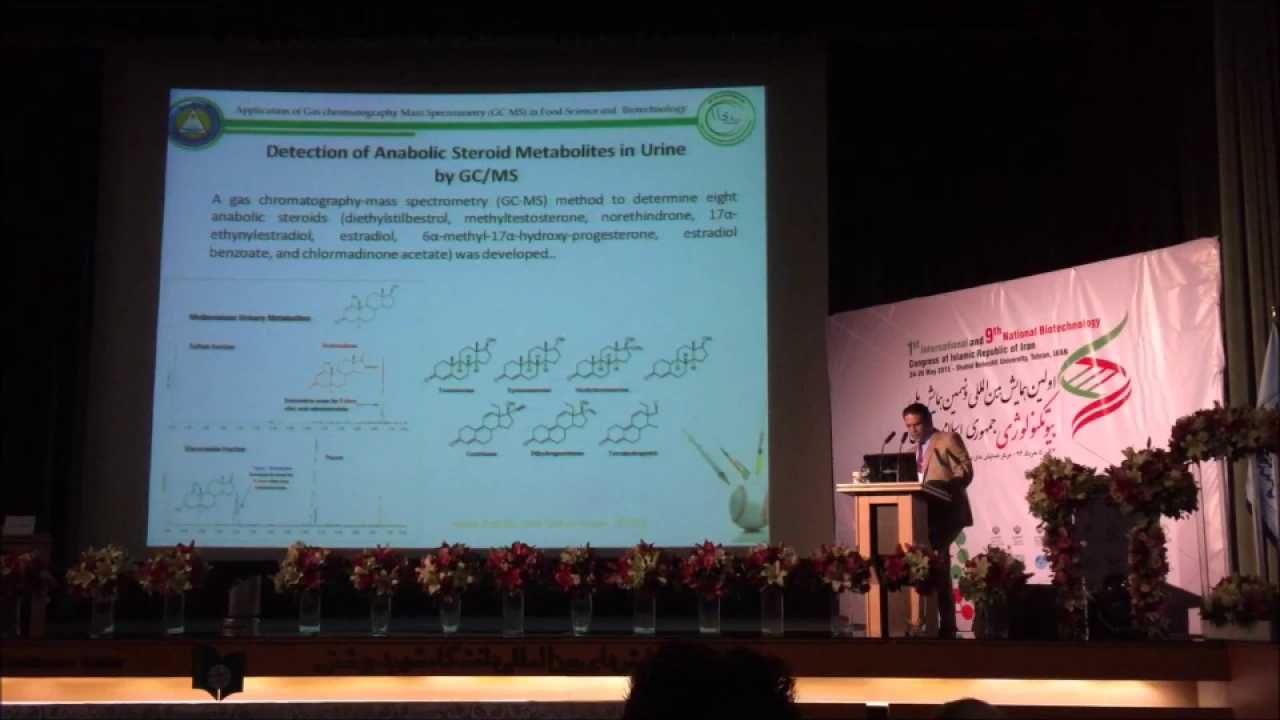


Food chemistry is the study of chemical processes and interactions of biological and non-biological components of food, focusing on understanding how to control chemical systems to improve nutritional value, safety, and culinary presentation of food; it examines major food components including water, carbohydrates, proteins, lipids, vitamins, minerals, enzymes, and additives, while analyzing chemical reactions like non-enzymatic browning, hydrolysis, and oxidation that affect food quality and safety during processing and storage.
Introduction to Food Chemistry | Food Technology
Added:Basic understanding of general chemistry, including chemical bonding, pH, and chemical reactions.
Familiarity with organic chemistry functional groups and structures (such as carbonyls, hydroxyls, and carboxylic acids).
Fundamental knowledge of biological macromolecules (carbohydrates, lipids, proteins, and water) and their basic properties.
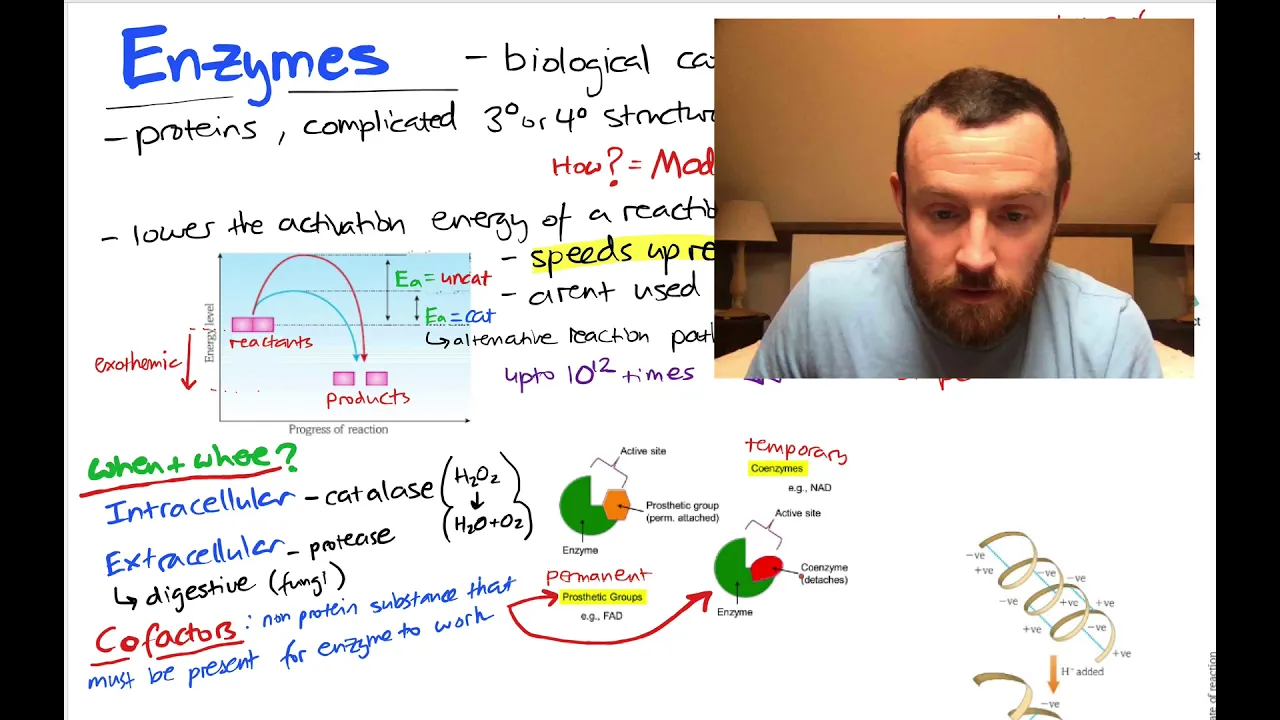
An understanding of basic enzymatic activity and how enzymes catalyze biochemical processes.
In-depth study of specific chemical reactions in food processing, such as non-enzymatic browning (the Maillard reaction) and lipid oxidation.
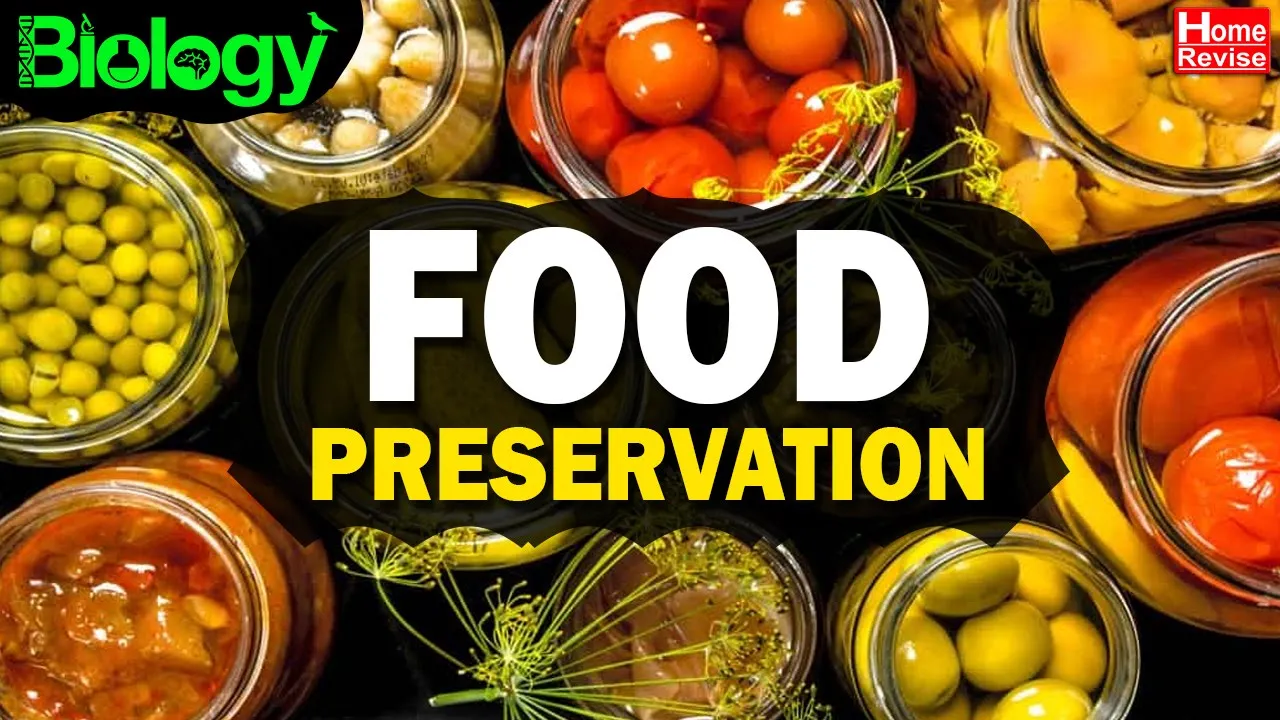
Exploration of food preservation technologies (like fermentation, pasteurization, and dehydration) and their chemical effects on food stability.
Analysis of food additives, stabilizers, and emulsifiers, including their chemical functions, interactions, and regulatory safety standards.
Application of analytical chemistry techniques (such as chromatography and spectroscopy) for food quality control and safety testing.
26.4K views532likes25:27Original Release: 2018-12-13
[Music] [Music] dear students I welcome you all for a lecture series on food technology in today's lecture let's make an attempt to know about food chemistry introduction to food chemistry food chemistry is the study of chemical processes of biological and non-biological components of food the history of food chemistry dates back to 1700 when many chemicals of importance in foods were discovered food undergoes numerous changes during the process of handling processing and storage studies in the field of food chemistry focus on food safety food quality and studies related to flavor texture aroma effect of temperature etc food chemistry is intimately related to chemistry biochemistry botany zoology and microbiology food chemistry involves the application of chemistry to understand how chemical systems behave in order to control them to improve the nutritional value safety and culinary presentation of food food chemistry thus forms the molecular background to understand food in its entirety and its interactions within the human body the following aspects will be studied on an introduction to food and nutrition so the first topic will be what is food chemistry the second one will be history of food chemistry the third topic will be components of food the fourth will be determining the properties of importance in food quality and safety five determining the chemical reactions influencing quality and wholesomeness of foods and six cause-and-effect relationships pertaining to the alteration of food quality and safety during processing and the last topic will be application of food chemistry so let's learn what is food chemistry first it is important to understand the definition of food science before learning about food chemistry food science deals with the physical chemical and biological property of foods food science is a branch of biological science and an interdisciplinary subject involving primarily microbiology chemistry biology and engineering now let's learn what food chemistry is food chemistry is a major aspect of food science that deals with the composition and properties of food and the chemical changes it undergoes during handling processing and storage it is the study of chemical processes and interactions of all biological and non-biological components of foods food chemistry is intimately related to chemistry biochemistry physiological chemistry botany zoology and molecular biology it is similar to biochemistry in its main components such as carbohydrates lipids and protein but it also includes areas such as water vitamins minerals enzymes food additives flavors and colors the facts in food chemistry rely on the knowledge of the aforementioned sciences to effectively study and control biological substances as sources of human food the primary interests in food chemistry include reproduction growth and changes that foods and their constituents undergo under suitable or unsuitable environmental conditions this discipline also encompasses how food products change under certain food processing techniques and ways either to enhance or to prevent them from happening an example of enhancing a process would be to encourage fermentation of dairy products with microorganisms that convert lactose to lactic acid an example of preventing a process would be stopping the Browning on the surface of freshly cut apples using lemon juice to the contrary professionals in food chemistry are concerned primarily with biological substances in food that are dead or dying or the post-harvest physiology of plants and post mortem physiology of muscle and changes they undergo when exposed to a wide of environmental conditions in addition food chemistry also involves the study of chemical properties of disrupted food tissues such as flour fruit and vegetable juices and manufactured goods and single-celled sources of food such as eggs and micro organisms and milk in summary food chemistry has a common aspect with biology as well as other specific components which are of utmost importance to mankind we'll move to the next topic history of food chemistry the 18th and the 19th centuries were a period of big changes not only in the economy and society but also in the field of science food science as a separate science was formed only in the second half of the 19th century the developments in the field of chemistry in this period laid the foundation of food chemistry as a separate branch of science the French chemist Lavoisier established the fundamental principles of combustion and organic analysis made the first attempts to determine the elemental composition of alcohol and reported on organic acids of various fruits feel a Swedish pharmacist discovered chlorine glycerol isolated citric and malic acid from several fruits Liebig in addition to discovery of new food components perfected the analytical methods and first classified the foods as either nitrogenous or non nitrogenous he published in 1847 what is apparently the first book on food chemistry entitled researches on chemistry of food discovery of microorganisms by Louis Pasteur and the knowledge of fermentation processes was a further step in development in the end of the 19th century development of new chemical analytical methods along with the progress in the field of physiology and nutrition led to the availability of knowledge on the main chemical constituents of foods the Industrial Revolution saw tremendous expansion in many fields which had a particular bearing food quality control this period created many public health problems due to bad hygienic conditions low quality of foods and also adulteration of food such a situation led to the establishment of institutions to control chemical composition of foods firstly in Amsterdam later in many countries in Europe and North America the growing importance of food chemistry favored the establishment of agricultural experimental units food control laboratories research institutions foundation of scientific journals dealing with food chemistry and education of specialists in food chemistry next we'll move on to the next topic composition of food food is composed of water carbohydrates proteins lipids known as major components and vitamins minerals colorants flavors bioactive substances and food additives which are added we look at the first component water water is a major component of food ranging from 50% in meat products to 95% in tomato products it is also an excellent place for bacterial growth and food spoilage if it is not properly processed one way of measuring this in food is by analysis of water activity which is very important in the shelf life of many foods during processing one of the keys to food preservation in most instances is to reduce the amount of water or alter the waters characteristics to enhance the shelf life such methods include dehydration freezing and refrigeration and the next component thus carbohydrate carbohydrate is a biological molecule consisting of carbon hydrogen and oxygen atoms the simplest version of a carbohydrate is a monosaccharide which possesses the properties of carbon hydrogen and oxygen in the ratio of 1 is to 2 is to 1 under a general formula of cnh2n Oh n where n is a minimum of 3 numbers glucose is an example of a monosaccharide and also fructose a chain of monosaccharides formed to make a polysaccharide such polysaccharides include pectin dextran agra and xanthine and the third food component is protein proteins are macromolecules consisting of one or more long chains of amino acid residues they also play a fundamental role in the structure and function of cells consisting mainly of carbon nitrogen hydrogen oxygen and some sulfur they may also contain iron copper phosphorus or zinc foot proteins may be defined as those that are easily digestible non-toxic nutritionally adequate functionally usable in the food products available in abundance and sustainable agriculture Lee protein is commonly obtained from animal sources such as eggs milk and meat nuts grains and legumes provide vegetable sources of protein and protein combining of vegetable sources is used to achieve complete protein nutritional quotas from vegetables the next food component are lipids the term lipid comprises a diverse range of molecules and includes relatively water insoluble or nonpolar compounds of biological origin which includes waxes fatty acids including essential fatty acids and fatty acid derived phospholipids sphingolipids glycolipids and opioids such as retinoids and steroids some lipids are linear aliphatic molecules while others have a ring structure some are aromatic while others are not some are flexible while other surgeon most lipids have some polar character in addition to being largely nonpolar generally the bulk of the structure is nonpolar or hydrophobic otherwise water fearing meaning that it does not interact well with polar solvents like water another part of the structure is polar or hydrophilic meaning water loving and will tend to associate with polar solvents like water this makes them amphiphilic molecules which means having both hydrophobic and hydrophilic portions lipids in food include the eyes of such grains has gone so I mean from animal fats and are parts of many foods such as milk cheese and meat the next food components are vitamins vitamins are organic compounds which are vital nutrients required in small amounts for essential metabolic reactions in the body these are broken down in nutrition as either water soluble or fat soluble vitamins are necessary for normal growth and good health of an individual and shortage of one or more vitamins in the body results in deficiency diseases in individuals from a food chemistry point of view several of the vitamins influence the chemical nature of food by functioning as reducing agents radical scavengers reactants in browning reactions and as flavor precursors the main interest of food chemistry is to maximize the retention of vitamins in food the next component is mineral minerals in foods are naturally occurring inorganic substances that are large and diverse with many of them required for the normal functioning of the body mineral elements are presenting foods in many different chemical forms these forms are commonly referred to as species and include compounds complexes and free ions minerals are present in low concentrations in food compared to carbon hydrogen oxygen and nitrogen nonetheless they play key functional roles in both living systems and foods minerals are found in foods such as meat serials including cereal products such as bread fresh milk and dairy foods vegetables fruits especially dried fruit and nuts the next food component of interest is enzymes enzymes a biochemical catalysts used in converting processes from one substance to another they are also involved in reducing the amount of time and energy required to complete a chemical process many aspects of the food industry use at lists including baking brewing berry and fruit juices to make cheese beer and bread the next food component is color food coloring is added to change the color of any food substance it is mainly for sensory analysis purposes it can be used to stimulate the natural color of a product as perceived by the customer such as red dye used in ketchups caramel is a natural food dye the industrial form known as caramel coloring which is the most widely used food coloring and is found in food from soft drinks to soya sauce bread and pickles the next food component is flavor flavor in food is important in how food smells and taste to the customer a consumer especially in sensory analysis some of these products are collaterally like salt and sugar but flavor chemists develop many of these flavors for food products such artificial flavors include lactic acid which gives milk a tart taste and the next components of food additives food additives are substances added to food for preserving flavors or improving taste and appearance the processes are as old as adding vinegar for picking or as an emulsifier for emulsion mixtures like mayonnaise these are generally listed by a number in the European Union or gr s which is generally recognized as safe by the United States Food and Drug Administration the analysis of chemistry of foods includes the following major aspects which will be dealt one by one the first aspect under analysis of chemistry of food is determining the properties of importance in food quality and safety safety is the first requisite of any food in a broad sense this means a food must be free of any harmful chemical or microbial contaminant at the time of its consumption steps taken to prevent microbial growth may or may not interfere with other quality attributes of a food a list of quality of foods and put alterations that can occur during processing and storage is shown on the screen the various attributes are listed against the alterations that can be possibly happening so texture is one attribute where loss of solubility loss of water holding capacity toughening or softening can be seen coming to flavor development of rancidity cooked or caramel flavors and other of flavors can be seen among color darkening bleaching or development of desirable colors can be seen in terms of nutritive value there can be loss degradation or altered bioavailability of proteins lipids vitamins minerals and other components can happen in terms of safety generation of toxic substances development of substances that are protective to health or inactivation of toxic substances can be seen let's move on to the next component determining the chemical reactions influencing quality and wholesomeness of foods many chemical and biochemical reactions can alter the food quality and safety some of the more important classes of these reactions are shown on the screen in table number two each reaction in this table can involve different substrates depending on the specific food and the conditions of handling processing or storage these reactions occur due to the general nature of the substrates present in food and are not limited to individual foods looking into the table there are many types of reactions that can happen along with examples which are given as follows one type of reaction is non enzymatic browning which is seen in baked goods dry and intermediate moisture foods enzymatic browning seen in cut fruits and some examples hydrolysis seen in lipids proteins vitamins carbohydrates and pigments metal interactions are complex ation or loss of magnesium fur from chlorophyll or catalysis of oxidation lipid oxidation which is in mono-cyclic fatty acids protein denaturation seen in egg white coagulation protein cross-linking which can lead to loss of nutritive value during alkali processing polysaccharide degradation which is seen in plants post harvest stage and glycolytic changes seen in animals postmortem or in plant tissues post harvest another instance of such reaction is non enzymatic drowning which involves reaction of carbonyl compounds which can arise from existing reducing sugars or from diverse reactions such as oxidation of ascorbic acid hydrolysis of starch or oxidation of lipids now oxidation may involve lipids proteins vitamins or pigments and more specifically oxidation of lipids may involve triacylglycerols in one foot or phospholipids in another let's move on to the next topic which is cause and effect relationships pertaining to alteration of food quality and safety during processing we have learnt about the attributes of food and possible alterations same in them now let's learn about the causes of such a change the changes in foods comprises of a series of primary evens followed by secondary events which in turn become evident as altered attributes of a food a single quality attribute can be altered as a result of several different primary events such examples of primary and secondary events and their respective effect on the quality attributes are shown in table number three on the screen one such primary causative event is hydrolysis of lipids which will lead to generation of free fatty acids which is the secondary event these free fatty acids react with protein and the quality attributes which are influenced include texture flavor and nutritive value another example for a primary event is hydrolysis of polysaccharides which can lead to reaction of sugars which with protein which is a secondary event ultimately the quality attributes influenced a texture flavor color and nutritive value another instance is oxidation of lipids which can lead to reaction of oxidative products with many food constituents ultimately affecting texture flavor color and nutritive value another instance is heating of food products which can lead to the loss of integrity of cell walls and membranes or it can release acids and inactivate many enzymes which ultimately affect texture flavor color and nutritive value another instance is heating of muscle tissue which is a primary event leading to denaturation of protein and inactivation of enzymes ultimately affecting texture flavor color and nutritive value the sequence of these events can be understood in two directions one by considering a primary event followed by The Associated secondary event and the effect on a quality attribute another is by considering the observed change in the attribute and then determining all the probable primary events leading to such a change followed by isolation of the particular event by appropriate chemical tests construction of such sequences encourages implementation of analytical approach in assessing food alterations let's move on to the next and last topic which is applications of food chemistry food chemistry uses analytical techniques to study the chemical components of food items in order to detect the nutritional and non nutritional compounds knowledge of the nutritional value of food is essential for developing a food product with essential nutrients food chemistry helps in transformation of food into nutritious safe and materials of commercial value varieties of flavors preservatives emulsifiers thickeners stabilizers sweeteners and colors are some of the materials that are produced as a result of application of food chemistry food chemistry is credited for the birth of numerous natural and artificial food preservatives the study of some conventional preservation methods has resulted in the synthesis of industrial food preservatives research in the field of food chemistry has led to the design and development of new products for industries the study of the component of various food substances are used to initiate an array of chemical reactions leading to the formation of either new or improved food products the improvement could be taste enhancement new aroma color or increased shelf-life of foods thus we can conclude that the science of food chemistry is important in making the food we eat as safe nutritious and appealing from the production area through the processing and handling stages till we consume them it is an integrated subject involving application of knowledge from various other related subjects such as chemistry botany microbiology and engineering the main objective is to understand the innate properties of food components their interactions with the environment right from processing storage handling and manipulating them favorably for human use thus food chemistry is a major aspect of science dealing with the chemical properties of food components as they relate to stability cost quality processing nutritive value wholesomeness and convenience thank you [Music] [Applause] [Music] [Applause] [Music] [Applause] [Music] [Applause] [Music] you
Up Next

0:55
Caramelization vs Maillard Reaction: Key Differences
@kitchenconquest
4.3K views•2024-11-03
83:56
Biocatalysis and Catalysis in Islatravir Synthesis | Merck Webinar
@SCIwheresciencemeetsbusiness
675 views•2020-10-08
10:06
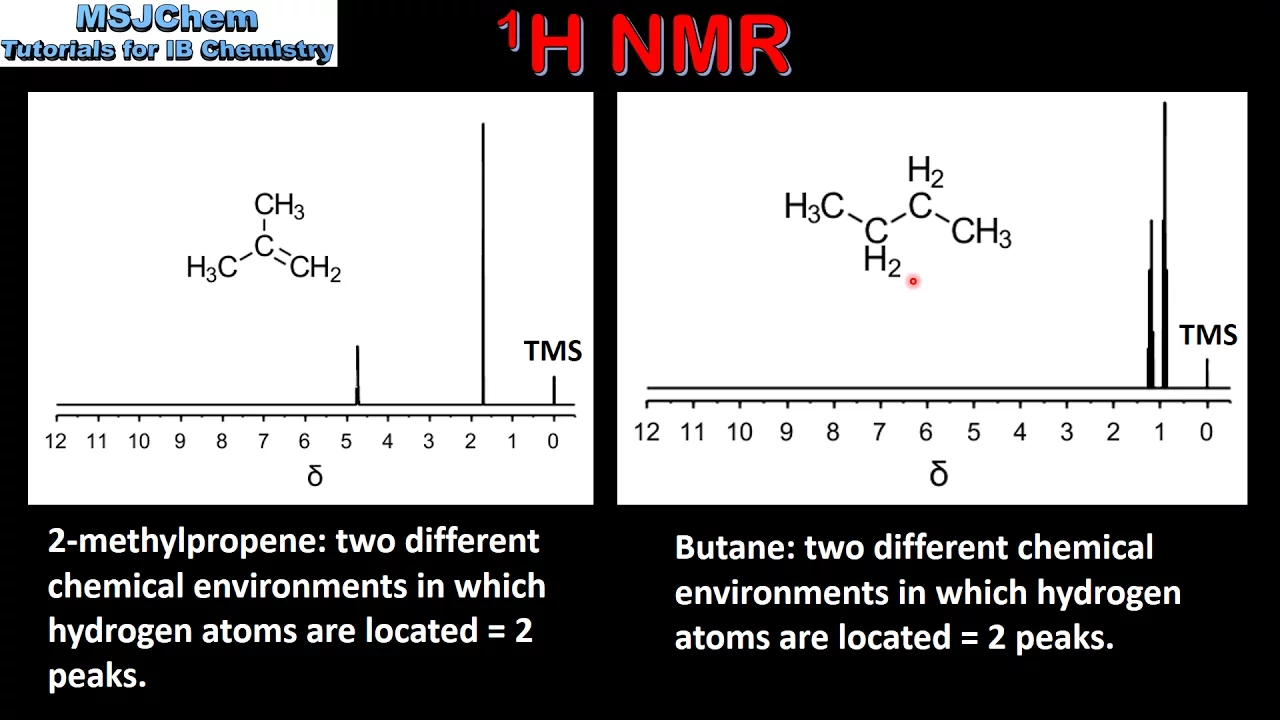
1H NMR: Determining Number of Peaks from Structure
@MSJChem
59.2K views•2017-04-06

17:31
Edible Water Bottles: A DIY Guide to Sodium Alginate Spherification
@ryan
10.5M views•2019-06-21
Related Study Plans & Knowledge Roadmaps
Structured learning paths in Chemistry
chemistry
Nuclear Chemistry: Decay, Meds & Fuel Cycle
01Introduction to Nuclear Structure and Radioactivity
02Decay Dynamics and Kinetics
03Radiation Interaction and Detection
+ 2 more learning modules
24h5 modules
Explore Roadmap
chemistry
Supramolecular Chemistry: Forces & Machines
01Foundations of Chemical Bonding and Intermolecular Forces
02Introduction to Host-Guest Chemistry
03Thermodynamics and Dynamics of Self-Assembly
+ 2 more learning modules
16h5 modules
Explore Roadmap
chemistry
Photochemistry: Excited States & Reactions
01Foundations of Light-Matter Interactions
02Molecular Orbitals and Electronic States
03Photophysical Processes and Jablonski Diagrams
+ 2 more learning modules
18h5 modules
Explore Roadmap
chemistry
Coordination Chemistry: Bonding & Properties
01Introduction to Transition Metals and Ligands
02Crystal Field Theory (CFT) and Geometry
03Magnetic Behavior and Spin States
+ 2 more learning modules
14h5 modules
Explore Roadmap