Caramelization is the oxidation of sugars where sugar molecules break down and rearrange into new compounds, creating sweet toasty flavors in foods high in sugar like onions and carrots; the Maillard reaction is a chemical reaction between amino acids from proteins and reducing sugars that results in browning and adds savory, nutty, and meaty flavors to foods like grilled meats and baked breads. The key difference is that the Maillard reaction requires both sugars and proteins to develop its savory flavors, while caramelization involves only sugar and results in sweet toasty notes.
Caramelization vs Maillard Reaction: Key Differences
Added:Deep Dive
Understanding the basic chemical structure of carbohydrates (specifically simple sugars like glucose and sucrose) and proteins (amino acids).

Complete Organic Chemistry Part-1 in One Shot | CHSE 12th Board Exam 2026 | AMAR SIR Marathon Class
17.3K
Carbohydrates are classified based on the number of monosaccharide units: Monosaccharides (single units like glucose, fructose) cannot be hydrolyzed further. Oligosaccharides (2-10 units like sucrose, maltose) hydrolyze to 2-10 monosaccharides. Polysaccharides (many units like starch, cellulose, glycogen) hydrolyze to many monosaccharides. Reducing sugars (monosaccharides and some disaccharides) reduce Fehling's solution, while non-reducing sugars (like sucrose) do not. Glucose and fructose have the same molecular formula (C6H12O6) but different structures. Glucose is an aldohexose (contains aldehyde group), while fructose is a ketohexose (contains ketone group). Proteins are polymers of alpha-amino acids connected by peptide bonds. The general structure of an alpha-amino acid has a central carbon bonded to an amino group (-NH2), a carboxyl group (-COOH), a hydrogen atom, and a side chain (R group). Peptide bonds form between the carboxyl group of one amino acid and the amino group of another, releasing water.
Click to watch →

Most Powerful Lecture of Complete ORGANIC CHEMISTRY in 1 Shot (PART - 2) | Concepts + MIQs | NEET
446.9K
Carbohydrates are polyhydroxy aldehydes/ketones with formula Cx(H2O)y. Classification: monosaccharides (glucose, fructose), oligosaccharides (sucrose, maltose), polysaccharides (starch, cellulose). Based on carbon: triose (3C), tetrose (4C), pentose (5C), hexose (6C). Based on functional groups: aldoses (aldehyde) and ketoses (ketone). Reducing sugars reduce Tollens' and Benedict's reagents; non-reducing sugars (sucrose) do not. Glucose reactions: bromine water → gluconic acid; nitric acid → saccharic acid; phenylhydrazine → osazone. Glucose forms cyclic anomers (alpha and beta) via intramolecular reaction. Epimers differ at one chiral center. Glycosidic linkages: sucrose (alpha-1,2), maltose (alpha-1,4). Starch: amylose (linear, 85%) and amylopectin (branched, 15%). Cellulose has beta-1,4 linkages. Tests: Molisch's (purple ring), Fehling's (red Cu2O), Benedict's (quantifies reducing sugars). Amino acids contain amino and carboxylic groups: acidic (extra -COOH), basic (extra -NH2), neutral. They exist as zwitterions. Proteins have four structure levels: primary (sequence), secondary (alpha-helix, beta-sheet), tertiary (3D folding), quaternary (multiple chains).
Click to watch →

Up board chemistry unsolved paper 2020 | केमिस्ट्री अनसोल्ड । केमिस्ट्री मॉडल पेपर । kmd saharanpur
19.1K
This segment covers two important chemistry concepts. First, differences between glucose and sucrose: glucose is a monosaccharide (C₆H₁₂O₆) with aldehyde group (reducing sugar), while sucrose is a disaccharide (C₁₂H₂₂O₁₁) with no free aldehyde group (non-reducing sugar). Glucose gives positive Tollens' test while sucrose does not. Second, amino acids are building blocks of proteins containing both amino (-NH₂) and carboxylic acid (-COOH) groups. Proteins are polymers of amino acids joined by peptide bonds. Sources include dal, milk, eggs, meat, and soybeans. Functions include muscle building, tissue repair, enzyme and hormone production, and antibody formation.
Click to watch →

NEET: Biomolecules | L1 | Manthan | Unacademy NEET | Seep Pahuja
280.5K
This segment covers simple carbohydrates and the molecular structure of glucose. Simple carbohydrates are the most basic form of carbohydrates that cannot be broken down further. The instructor explains that glucose has the chemical formula C₆H₁₂O₆, consisting of 6 carbon atoms, 12 hydrogen atoms, and 6 oxygen atoms. The general formula for carbohydrates is Cₙ(H₂O)ₙ or CₙH₂ₙOₙ. Glucose is classified as an aldose because it contains an aldehyde functional group. The instructor demonstrates how to construct the molecular structure of glucose by showing how carbon atoms bond with hydrogen and oxygen atoms. Glucose can exist as alpha or beta anomers, distinguished by the position of the hydroxyl group on the anomeric carbon. Alpha linkages (alpha-1,4 and alpha-1,6) are found in starch and glycogen, which are storage polysaccharides. Beta linkages (beta-1,4) are found in cellulose, which is a structural polysaccharide.
Click to watch →

المحاضرة الثانية علوم مُتكاملة - الكربوهيدرات والليبيدات والبروتينات والأحماض النووية🫶🏿🖤
359.9K
Carbohydrates are classified as simple (monosaccharides) or complex (polysaccharides). Simple sugars include glucose (grape sugar), fructose (fruit sugar), galactose (milk sugar component), and ribose (nucleic acid component). Disaccharides form when two monosaccharides bond: maltose (two glucose), sucrose (glucose + fructose), and lactose (glucose + galactose). Complex carbohydrates include starch (plant energy storage), cellulose (plant cell wall structure), glycogen (animal energy storage), and chitin (arthropod exoskeleton).
Click to watch →
Deep Dive
The concept of thermal decomposition or pyrolysis, where heat breaks down chemical compounds.

TYPES OF CHEMICAL EQUATIONS-1 II Chemistry Class 10th ll By Akash Kushwaha Sir
144
Thermal decomposition or pyrolysis is a type of decomposition reaction where a compound breaks down when heated. The symbol 'Δ' (delta) is used to indicate heat in chemical equations. For example, potassium chlorate (KClO3) breaks down into potassium chloride (KCl) and oxygen (O2) when heated. Calcium carbonate (CaCO3) breaks down into calcium oxide (CaO, quicklime) and carbon dioxide (CO2) when heated.
Click to watch →

MANUAL OPERACIONAL DE INCENDIO URBANO - AULA 1
2.1K
Pyrolysis is the decomposition of matter due to heating, where heat breaks down molecules into simpler, unstable molecules that tend to combine with oxygen to seek stability. This process occurs without direct contact with flames - heat transfer alone is sufficient to trigger chemical decomposition and vapor release. For example, when paper is heated, it releases gases different from its primary molecular composition. The released molecules are smaller and simpler, mostly unstable, with high capacity to combine with other molecules like oxygen. Pyrolysis is fundamental to understanding how solid fuels burn, as most solids must first decompose into vapors before combustion can occur.
Click to watch →

Live Jharkhand Polytechnic Exam 2026 Chemistry vvi question|jharkhand polytechnic exam 2026|H2Ostudy
116
Thermal decomposition (pyrolysis) is a chemical reaction where a compound breaks down into simpler substances when heated. This is an endothermic process that requires heat energy.
Click to watch →

MP Forest Guard, Jail Prahari Science Class 2026 | MP Jail Prahari Science Practice Set 03
820
Thermal decomposition, or pyrolysis, is the breakdown of compounds by heating in the absence of oxygen. Unlike combustion which requires oxygen, pyrolysis breaks down molecules through thermal energy alone. This process is used industrially for various chemical transformations.
Click to watch →

How Alkanes Break Down: Pyrolysis Explained with Visuals
490
Pyrolysis is also known as thermal decomposition or cracking. Thermal decomposition refers to the breaking down of molecules into smaller components due to heating. The term 'pyro' comes from Greek and refers to high temperature, while 'lysis' refers to the breaking of molecules into their lower components.
Click to watch →
Deep Dive
Distinguishing between enzymatic browning (such as sliced fruit oxidizing) and non-enzymatic browning in food science.

Reacción de Maillard y Pardeamiento en los alimentos
151.9K
Food browning occurs through two main mechanisms: enzymatic browning, caused by polyphenol oxidase transforming phenols into quinones when fruits and vegetables are cut and exposed to air, which can be prevented by acid treatments (like lemon juice) or heat (blanching); and non-enzymatic browning, including the Maillard reaction requiring reducing sugars and amino compounds that creates desirable flavors and colors in foods like bread and roasted meats, and caramelization involving only sugars at high temperatures, as seen in coffee roasting.
Click to watch →

Enzymatic vs Non enzymatic Browning reactions:Maillard reaction & caramelization rxn special
353
Browning reactions in food are chemical processes that affect food appearance, flavor, and quality, occurring through two main mechanisms: enzymatic browning (enzyme-driven by polyphenol oxidase, requiring oxygen and phenolic compounds, common in fresh fruits like apples and bananas) and non-enzymatic browning (chemical-driven by heat, including Maillard reaction between reducing sugars and amino acids, and caramelization of sugars, common in baked goods and roasted foods). The key difference is that enzymatic browning occurs at room temperature in fresh foods, while non-enzymatic browning requires elevated temperatures. Prevention methods include adding acid (like lemon juice) for enzymatic browning and controlling cooking temperature for non-enzymatic browning.
Click to watch →

Browning Reactions in Foods Animation
88.2K
This segment covers the fundamental classification of browning reactions in food chemistry. Enzymatic browning is an undesirable reaction causing discoloration in fresh cut fruits and vegetables when polyphenol oxidase enzymes react with phenolic substrates in the presence of oxygen after cutting or bruising. In contrast, non-enzymatic browning produces desirable aromas and flavors through two main mechanisms: the Maillard reaction (requiring reducing sugars and amino groups) and caramelization (requiring sugar and heat). The video explains how these reactions differ fundamentally in their mechanisms and outcomes, providing a comprehensive framework for understanding food color development.
Click to watch →

ගුණාත්මක ආහාර නිශ්පාදනය BST 2026 part 01
646
This section covers enzymatic and non-enzymatic browning and rancidity mechanisms. Enzymatic browning occurs when fruits and vegetables are cut, exposing them to oxygen. The food contains polyphenolic compounds and the enzyme polyphenol oxidase. When oxygen reacts with these compounds, it produces quinones (ඕතොක් විනෝන්), causing brown color. Non-enzymatic browning occurs through caramelization (heating sugars causes water evaporation and color change through stages: caramelization, caramel, humification) and Maillard reaction (reaction between reducing sugars and amino acids under heat produces brown-colored compounds). Rancidity occurs through autoxidation (reaction with oxygen, where oxygen dissolves in fats 8 times more readily than in water) and enzymatic oxidation (reaction with water, activating lipase enzymes that break down fats into glycerol and fatty acids). Factors accelerating rancidity include catalysts, temperature, water presence, time, and light exposure.
Click to watch →

What is browning reaction in food //enzymatic or nonenzymatic reaction in food // FSO exam question
6.1K
Food browning occurs through two distinct mechanisms: enzymatic browning, where polyphenol oxidase enzymes catalyze the oxidation of phenols to form melanin (brown pigment), and non-enzymatic browning, which includes caramelization (sugar dehydration and polymerization) and the Maillard reaction (interaction between amino acids and reducing sugars). Enzymatic browning typically affects fresh fruits and vegetables, while non-enzymatic reactions enhance flavor and color in cooked foods like caramelized sugar and roasted meats.
Click to watch →
Deep Dive
Basic thermodynamics, specifically how activation energy and temperature thresholds drive chemical reactions.

Class 9 Chemistry | Chemical Kinetics / രാസഗതികം | Oneshot | Exam Winner
34.6K
Temperature affects how fast a reaction occurs. Higher temperature means particles have more kinetic energy and move faster, leading to more frequent and energetic collisions. For example, when ammonium chloride and sodium hydroxide are heated, the reaction to produce ammonia gas occurs much faster than at room temperature. Threshold energy (or activation energy) is the minimum amount of energy that reactant particles must have for a reaction to occur. For a reaction to take place, particles must collide with sufficient energy to break existing bonds and form new bonds. If particles don't have enough energy, they will bounce off each other without reacting.
Click to watch →

MMU-ET 2026 / AIIMS 2026 | रासायनिक बलगतिकी (Chemical Kinetics) Part-2 | Marathon Class | By Raj Sir
734
Activation energy is minimum extra energy needed for reactants to transform into products. Threshold energy is minimum total energy reactants must possess. Threshold = Activation + Average Reactant Energy. For reactions to occur, molecules must collide with energy ≥ threshold and proper orientation (effective collisions). Temperature coefficient (2-3 per 10°C) describes rate increase with temperature.
Click to watch →

Chemical Kinetics Class 12 One Shot | NEET 2021 Preparation | NEET Chemistry | Ujjwal Sir
45.8K
Activation energy is the minimum energy required for a reaction to occur, analogous to minimum money needed to buy a car. It is the extra energy required by reactant molecules to convert into products. A catalyst lowers the activation energy without being consumed, providing an alternative pathway with lower activation energy. For heterogeneous reactions, increasing surface area increases reaction rate by exposing more molecules for collision. Increasing temperature increases reaction rate because more molecules have sufficient energy to overcome activation energy. For every 10°C increase, rate approximately doubles. The temperature coefficient is typically 2-3. The Arrhenius equation (k = A × e^(-Ea/RT)) relates temperature to reaction rate and allows calculation of activation energy from rate constants at different temperatures. The Maxwell-Boltzmann distribution describes molecular energy distribution at a given temperature, explaining why reaction rates increase with temperature.
Click to watch →

Threshold energy and activation energy
16.2K
For a chemical reaction to occur, reactant molecules must collide with sufficient energy. Only molecules possessing threshold energy (minimum energy requirement) can convert to products. Activation energy is the extra energy provided to reactant molecules to reach this threshold. There is an inverse relationship between activation energy and reaction rate: lower activation energy means faster reactions, while higher activation energy results in slower reactions. This principle explains why some reactions proceed rapidly while others require significant energy input.
Click to watch →
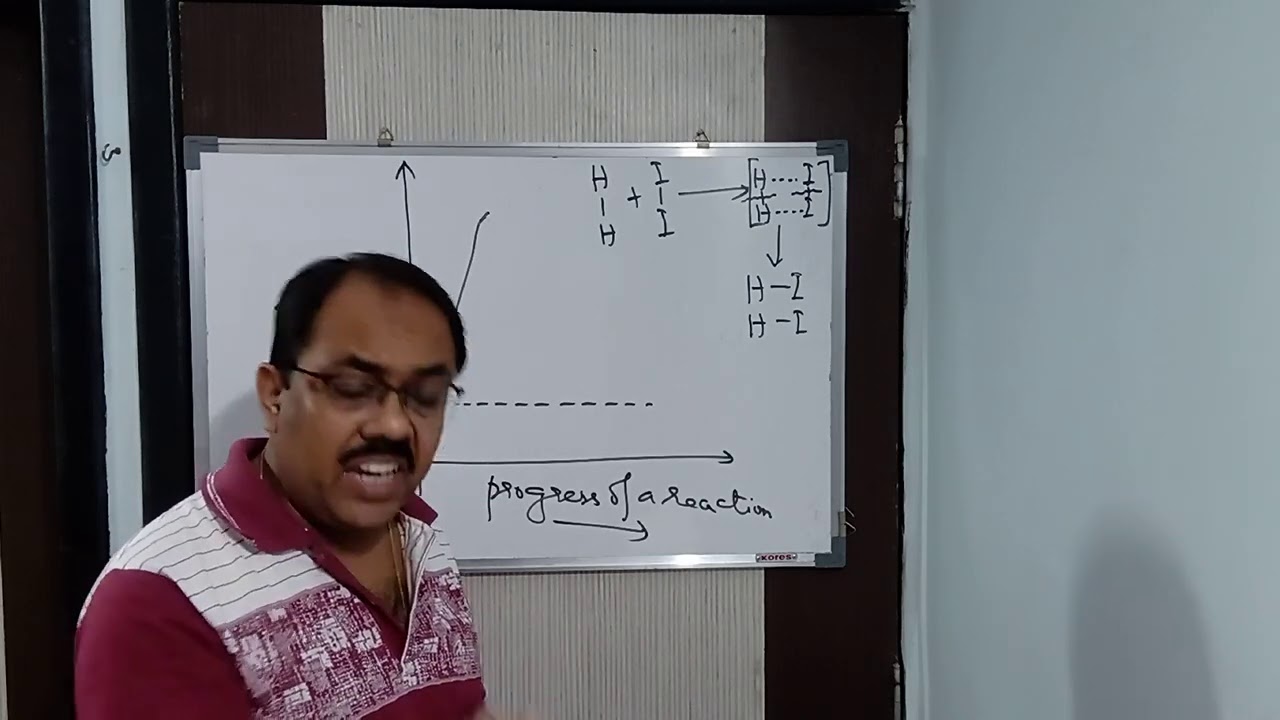
Chemical Kinetics part 13
149
The activated complex is the high-energy intermediate where old bonds break and new bonds begin forming. The energy difference between products and reactants determines reaction type: if products have higher energy (ΔE > 0), the reaction is endothermic; if lower (ΔE < 0), it is exothermic. Activation energy is the minimum additional energy reactants need to reach the threshold energy level. Threshold energy equals activation energy plus reactant energy. This explains why reactions require elevated temperatures and how energy barriers control reaction rates.
Click to watch →
Prerequisite Knowledge
- Concept 01Understanding the basic chemical structure of carbohydrates (specifically simple sugars like glucose and sucrose) and proteins (amino acids).
- Concept 02The concept of thermal decomposition or pyrolysis, where heat breaks down chemical compounds.
- Concept 03Distinguishing between enzymatic browning (such as sliced fruit oxidizing) and non-enzymatic browning in food science.
- Concept 04Basic thermodynamics, specifically how activation energy and temperature thresholds drive chemical reactions.
Subsequent Learning
- Step 01Exploring the specific multi-step chemical pathways of the Maillard reaction, including the Amadori rearrangement and the formation of melanoidins.
- Step 02Analyzing the role of pH, water activity, and temperature in manipulating or accelerating browning in culinary applications (e.g., using baking soda).
- Step 03The study of volatile organic compounds (such as pyrazines, furans, and thiols) produced during browning and their impact on sensory science and flavor profiles.
- Step 04Investigating the health and nutritional aspects of high-heat cooking, including the formation of dietary advanced glycation end-products (AGEs) and acrylamides.
Defining Browning
Sugar Oxidation
High-Sugar Foods
Protein-Sugar Reaction
Savory Flavor Profile
Food Examples
Key Difference
Usage Guide
Defining Browning
0:01Playing Section
- 1
Explains two distinct browning processes in cooking.
- 2
Introduces caramelization and the Maillard reaction.
The Interconnected Overlap of Non-Enzymatic Browning
While educational resources often present caramelization and the Maillard reaction as a strict dichotomy—distinguished primarily by the absence or presence of nitrogen—this division is an oversimplification of real-world food chemistry. In actual culinary applications, these two non-enzymatic browning processes rarely occur in isolation. Instead, they happen simultaneously and dynamically interact within complex food matrices, such as roasting coffee beans or baking bread. Furthermore, both pathways share common intermediate chemical species, such as dicarbonyl compounds and furfurals. Thermal degradation of sugars (caramelization) can produce reactive carbonyls that subsequently participate in Maillard reactions with available amino acids. Conversely, Maillard intermediates can undergo pyrolysis-like degradation. Viewing these reactions as entirely distinct processes overlooks their synergistic relationship, which ultimately dictates the complex flavor, aroma, and color profiles of cooked food.
Deep Dive
Exploring the specific multi-step chemical pathways of the Maillard reaction, including the Amadori rearrangement and the formation of melanoidins.
The Maillard Reaction: Chemistry of Food Browning
24.8K
The Maillard reaction is a non-enzymatic browning process that occurs between amino acids and reducing sugars (sugars with free aldehyde or ketone groups, such as glucose, fructose, lactose, or maltose) at temperatures of 142-165°C, producing brown pigments called melanoidins and characteristic flavors; the reaction begins when the amino group nucleophilically attacks the carbonyl carbon of the sugar, undergoing the Amadori rearrangement to form preliminary products that eventually develop into complex aromatic compounds, with pH affecting the reaction rate by increasing the nucleophilicity of the amino group.
Click to watch →

BROWNING OF Chicken, Egg and Onion While Frying (Maillard Reaction: Demo and Mechanism)
184
The Schiff base undergoes amine-enamine tautomerization and keto-enol conversion to form the Amadori compound. Through numerous subsequent reactions involving various intermediates, melanoidin is produced—the complex compound responsible for brown color, taste, and aroma in cooked foods. This multi-step process generates the characteristic flavors in bread, roasted meats, and baked goods.
Click to watch →

UGC NET Home Science Unit 1 | UGC NET Home Science Food Science By Aditi Mam | UGC NET 2025
8.4K
The Maillard Reaction is a non-enzymatic browning process that occurs when amino acids (from proteins) react with reducing sugars under heat. The reaction proceeds through stages: (1) Initial reaction between sugar and amino acid in the presence of base and water, forming Amadori compound; (2) Amadori rearrangement producing ketosamine; (3) Ketosamine breakdown releasing flavor compounds; (4) Formation of HMF (hydroxymethylfurfural) which causes browning; (5) Polymerization forming melanoidin pigments (brown-black color); (6) Strecker degradation producing characteristic aromas. This reaction is responsible for the color, flavor, and aroma in baked goods, toasted bread, and roasted foods.
Click to watch →
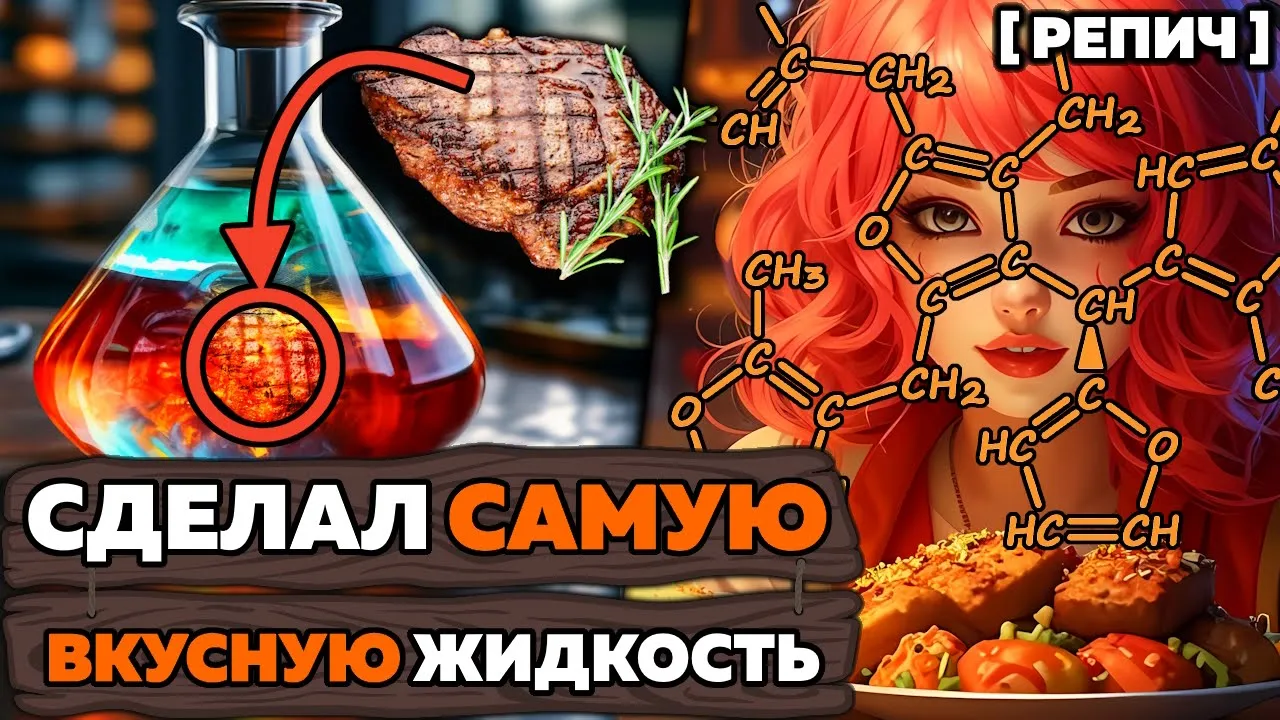
Сделал самую ВКУСНУЮ жидкость 🧪
108K
This segment explores the later stages of the Maillard reaction and introduces caramelization. The second stage involves further breakdown and rearrangement of Amadori compounds, producing various intermediate products including ketosamines and reductones. The third stage involves polymerization reactions forming melanoidins—large brown-colored polymers responsible for food browning. The video then transitions to caramelization, a separate sugar decomposition reaction occurring above 170°C. Unlike Maillard reactions requiring amino acids, caramelization involves pure sugar breakdown producing characteristic coffee, chocolate, and burnt sugar aromas. Both reactions generate complex volatile compounds that create the rich flavor profiles of cooked foods.
Click to watch →

Maillard Reaction | Mechanism of Maillard Reaction | Tgt Pgt LT Net RPSC classes by Divya
2.3K
The Maillard reaction is a non-enzymatic, non-oxidative browning reaction between amino acids and reducing sugars (carbohydrates containing a free carbonyl group) that occurs at temperatures of 140°C to 165°C, producing brown color and enhanced flavor in foods like bread, biscuits, and khoya; the reaction proceeds through three main stages: (1) condensation where reducing sugars react with amino acids to form glycosylamine/Schiff base, (2) Amadori rearrangement where the unstable glycosylamine rearranges into a more stable compound (Amadori compound for aldose sugars or Heyns compound for ketose sugars), and (3) Strecker degradation where dicarbonyl compounds break down to produce flavor and aroma compounds, ultimately forming melanoidins responsible for the brown color.
Click to watch →
Deep Dive
Analyzing the role of pH, water activity, and temperature in manipulating or accelerating browning in culinary applications (e.g., using baking soda).
![[講義] 食品学2-12 褐変(メイラード反応、ストレッカー分解、カラメル化など)について](https://i.ytimg.com/vi_webp/IcdGMzlFnsA/maxresdefault.webp)
[講義] 食品学2-12 褐変(メイラード反応、ストレッカー分解、カラメル化など)について
1K
Non-enzymatic browning can be controlled through multiple strategies: (1) Temperature control—lowering temperature, especially below -20°C, significantly reduces reaction rates, though freezing may cause freezer burn; (2) pH adjustment—the Maillard reaction occurs more readily under alkaline conditions and is inhibited under acidic conditions; (3) Oxygen exclusion through vacuum packaging, nitrogen flushing, or oxygen absorbers; (4) Water activity control—browning occurs most readily at aw 0.6-0.8, so foods can be dried below 0.6 or kept very moist; (5) Metal ion chelation using chelating agents; (6) Addition of radical scavengers like cysteine and glutathione; (7) Sulfite addition as a reducing agent. These strategies are commonly used in food preservation to prevent unwanted browning.
Click to watch →
Episode 37: Ian Fretheim of Cafe Imports
64K
Water activity controls Maillard browning reaction rates in coffee. At very low water activity levels, there isn't enough free water for chemical constituents to interact and undergo browning reactions. As water activity increases up to approximately 0.6 aw, reaction rates optimize because fluidity allows chemicals to move and react. Beyond this optimal range, higher water activity dilutes the system and slows reaction rates. This relationship applies to various degradation processes including lipid oxidation and constituent breakdown, though heat-induced browning during roasting operates differently from spontaneous spoilage reactions.
Click to watch →
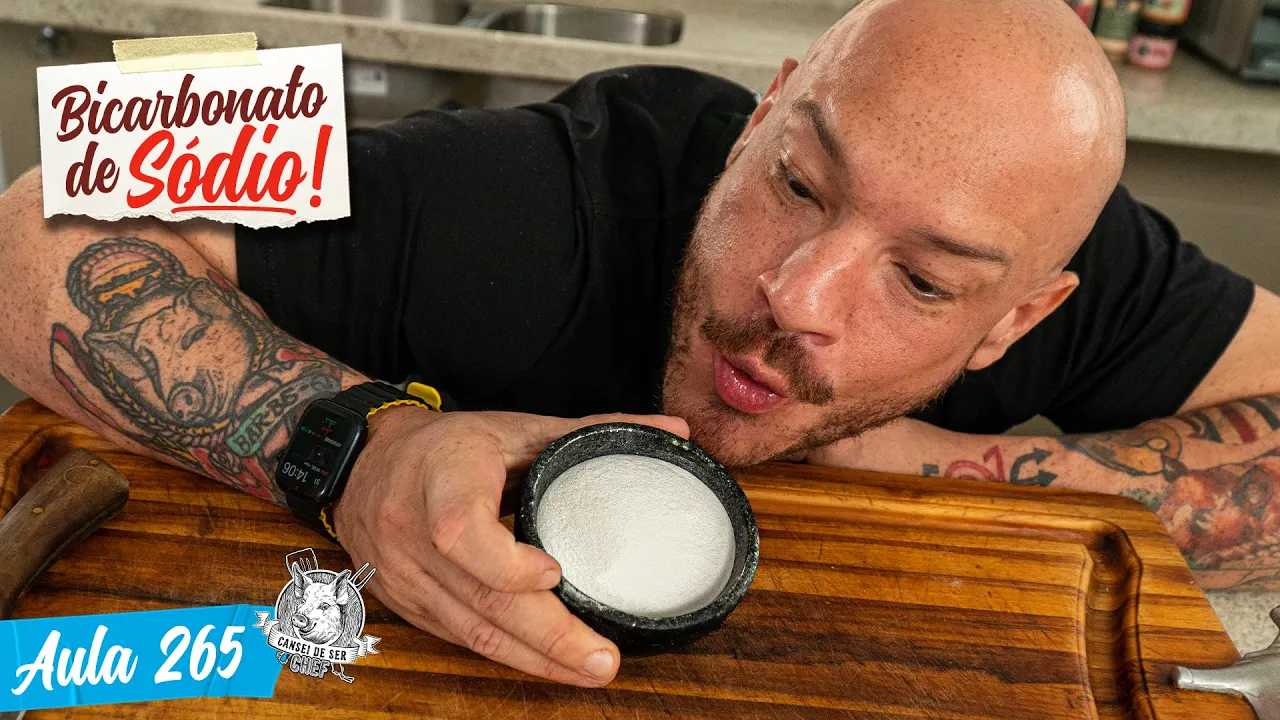
Pra que serve o Bicarbonato de Sódio? Benefícios na cozinha! - Efeito Delicious / Cansei de Ser Chef
181.4K
Baking soda transforms meat preparation through two mechanisms: enhancing caramelization and improving juiceness. For caramelization, it lowers surface pH to promote Maillard reaction at lower temperatures for more uniform browning. For juiceness, it raises internal pH to alkaline state, causing muscle fibers to repel rather than contract during cooking, preventing moisture loss. Practical applications include: adding ½ tsp baking soda per 160g ground beef for smash burgers, massaging it into steak surfaces before searing to prevent contraction and pooling juices, and using it for any protein or vegetable to achieve superior browning and texture.
Click to watch →
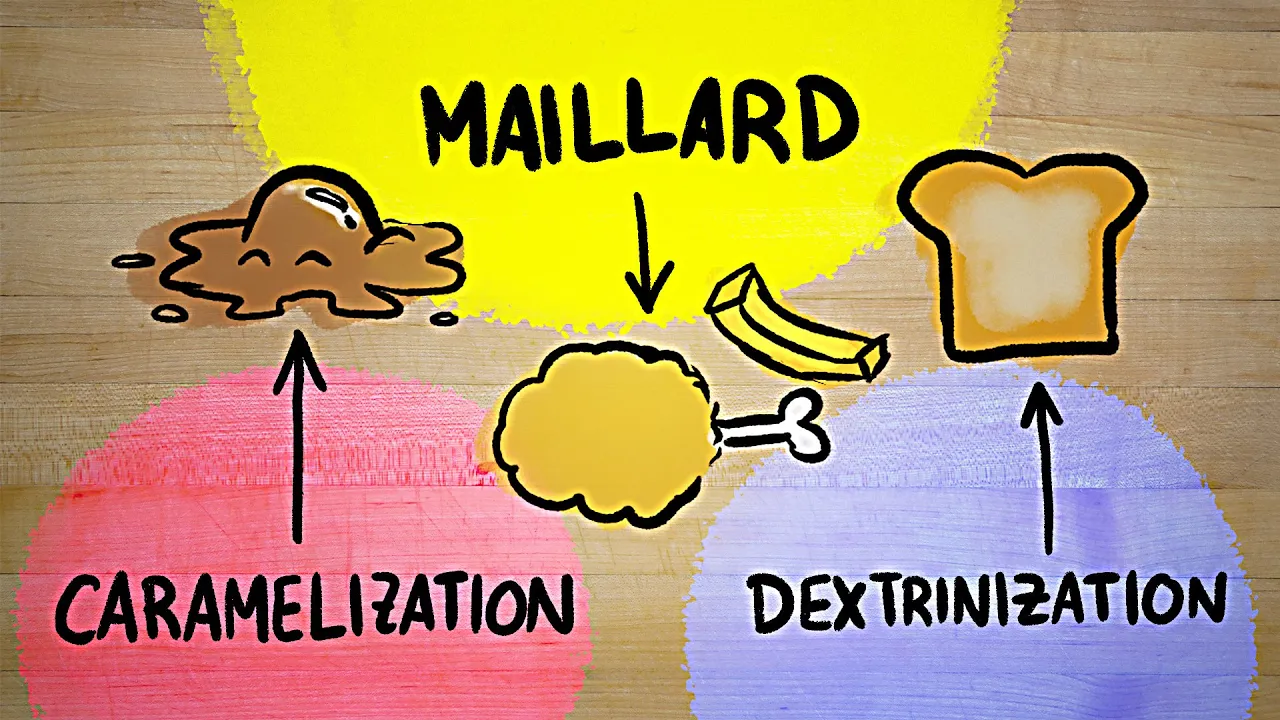
I FINALLY understand the Maillard reaction
362.2K
pH level significantly influences Maillard reaction speed. Higher pH environments accelerate the reaction because basic conditions make the reactive parts of amino acids even more reactive, kickstarting the domino effect. This explains why sourdough bread, which has a relatively low pH, often browns less effectively than other breads. To maximize Maillard browning, raise pH by boiling bagels in baking soda solution, dipping pretzels in lye, or rubbing chicken wings with baking powder.
Click to watch →
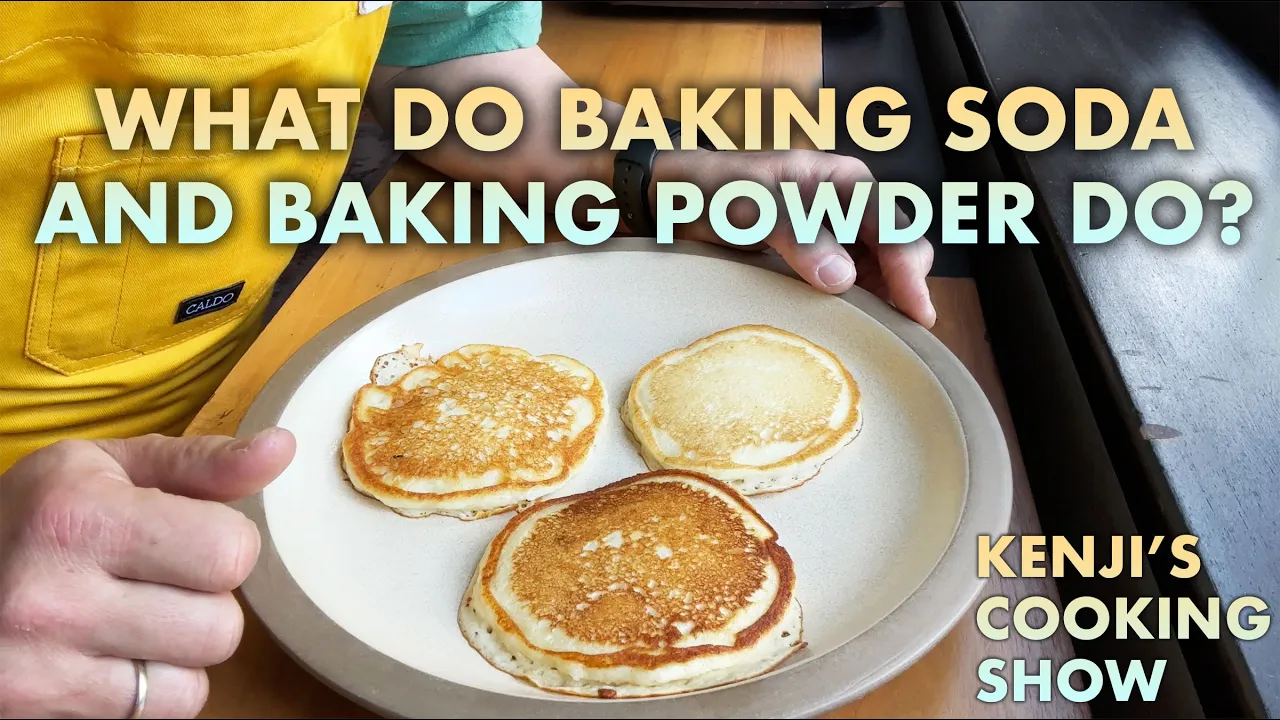
What Do Baking Soda and Baking Powder Do? | Kenji's Cooking Show
350.9K
Baking soda (sodium bicarbonate) functions as a base that raises the pH of pancake batter, making it more alkaline. This alkalinity enhances Maillard browning reactions, causing foods to brown faster and develop more caramelized flavors. When added to pancake batter, baking soda produces darker, more browned pancakes compared to regular batter. The same principle applies to caramelized onions and chicken wings, where baking soda accelerates browning but may also increase mushiness due to alkaline environments breaking down cell structures. In chocolate chip cookies, baking soda contributes to darker coloration and toffee-like flavors while maintaining chewy density.
Click to watch →
Deep Dive
The study of volatile organic compounds (such as pyrazines, furans, and thiols) produced during browning and their impact on sensory science and flavor profiles.
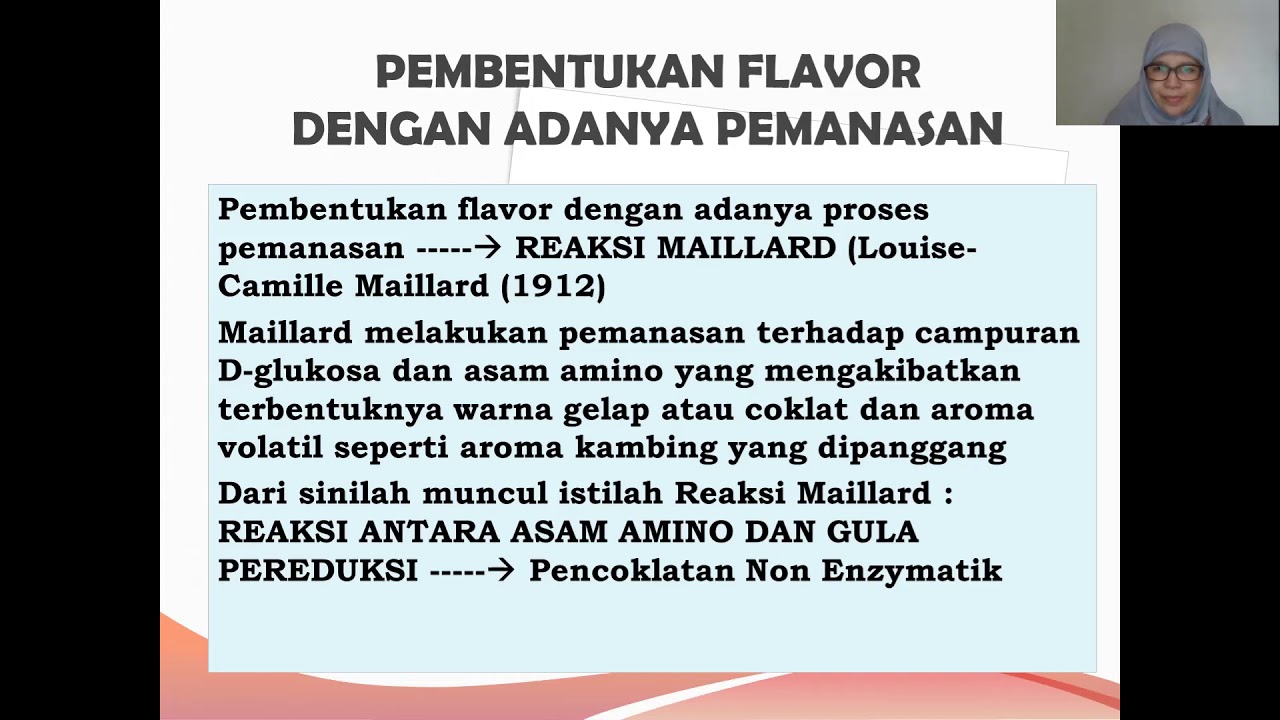
Flavor Reaksi Maillard #ULM
774
Flavor compounds from Maillard reaction have distinctive characteristics: (1) They contain nitrogen (from amino acids) and sulfur (from sulfur-containing amino acids like cysteine), (2) Key compounds include pyrazines, pyridines, pyrroles, and thiols, (3) These compounds can be identified through gas chromatography-mass spectrometry (GC-MS), (4) Different foods produce different flavor compound profiles - meat contains sulfur-containing compounds (causing 'hot' sensation), while fruits and vegetables have different compound profiles.
Click to watch →

Can an Air Fryer REPLACE Your Oven?
578.5K
The Maillard reaction is the chemical process responsible for the browned color and enhanced flavor in cooked foods like steaks. It occurs when sugars and amino acids on the surface of food break down and rearrange into amadori compounds. These unstable compounds then break down into hundreds of smaller flavor molecules including stones, aldehydes, pyrazines, and furans. Each compound contributes different sensory experiences—some provide nutty aromas, others deliver roasted flavors, and collectively they create the complex taste profile associated with well-browned foods. The specific combination of ingredients, temperature, pH, and cooking time determines which flavor compounds form.
Click to watch →

The Reaction That Connects Your Kitchen To the Cosmos
57.2K
The Maillard reaction explains why cooked foods develop appealing brown colors and complex aromas. Named after French chemist Louis Camille Maillard, who discovered it while studying protein synthesis, this reaction occurs when sugars and amino acids interact at temperatures above 140°C. Below boiling point, cooking involves mostly physical changes like starch swelling and protein denaturation. Once surface moisture evaporates, melanoidins create brown color, while pyrazines, thiazoles, furans, aldehydes, ketones, and oxazoles generate diverse aromas from roasted, nutty, and meaty notes to caramel-like sweetness and buttery richness.
Click to watch →
Сделал самую ВКУСНУЮ жидкость 🧪
108K
This segment explains how chemical reactions during cooking produce characteristic food aromas and flavors. The Maillard reaction generates numerous volatile organic compounds including pyrazines, furans, and aldehydes that create specific sensory experiences. Different amino acid-sugar combinations produce distinct aromas—for example, glycine-glucose produces baked good notes, while other combinations yield roasted meat or coffee scents. The instructor emphasizes that natural foods contain nutrients locked in large indigestible polymers (proteins, starches), making them difficult for the human digestive system to process. Cooking breaks these polymers into smaller, more digestible fragments through hydrolysis, increasing caloric availability and nutritional absorption. This connects molecular chemistry to practical nutritional benefits of thermal food processing.
Click to watch →

Kuliah Kimia Pangan - Flavour (18 Mei 2024)
108
Flavor is the combination of taste and aroma compounds. Volatile compounds provide aroma, while non-volatile compounds provide taste. Aldehydes contribute fruit-like aromas, esters provide fruity notes, and amino acids, phenols, and sugars contribute to sweet, sour, and bitter tastes. Coffee Arabica contains numerous flavor compounds: furan compounds create caramel aromas, keton and lactone compounds contribute sweet and spicy sensations, pyrazine compounds provide roasting notes, and sulfur compounds create fresh roasted aromas. Flavor research faces challenges: large number of compounds, varying volatility, sensitivity to chemical changes, and compound interactions. Concentration critically affects sensory perception. Flavor development is influenced by varietal differences, environmental conditions, processing methods, and synergism/antagonism between compounds. Thermal processing creates flavor through caramelization, Maillard reactions, lipid oxidation, and sulfur compound formation. Food processing transforms complex components: carbohydrates hydrolyze to sugars, proteins break down to amino acids, and these react via Maillard reactions.
Click to watch →
Deep Dive
Investigating the health and nutritional aspects of high-heat cooking, including the formation of dietary advanced glycation end-products (AGEs) and acrylamides.
먹을 때마다! 뇌 세포가 줄어듭니다! 평소 식습관 점검하세요!
3.4M
Advanced glycation end products (AGEs) are modified proteins formed when proteins react with sugars during high-heat cooking. Unlike simple sugars, AGEs accumulate in tissues over time and cannot be easily broken down. Research from Mount Sinai Medical School analyzing 549 foods revealed that grilling, frying, and high-heat cooking methods dramatically increase AGE content—potatoes showed a 100-fold increase when fried versus boiled. The top 10 highest-AGE foods include grilled chicken skin (16,668 units), bacon (11,905 units), and fried beef steak. Scientific evidence links high AGE consumption to Alzheimer's disease through increased beta-amyloid levels, cognitive impairment, and motor dysfunction. Additionally, AGEs contribute to metabolic syndrome including hypertension, diabetes, and obesity. Prevention requires limiting high-heat cooked foods and choosing boiled or steamed preparation methods.
Click to watch →
What Dark Spots on Your Skin Really Mean!
330.1K
High-heat cooking methods such as grilling, toasting, and roasting dramatically increase the formation of advanced glycation end products. Charred or burned meat, particularly the crust on steaks, contains concentrated AGEs. When consumed, these compounds are absorbed into the body. Other offenders include toast, grilled sandwiches, sweet marinades, barbecue sausage, and processed high-protein snacks.
Click to watch →

Eating For Life. Designing An Optimal Diet by Brenda Davis
136.5K
Advanced glycation end products (AGEs) impair immune function, accelerate aging, contribute to chronic degenerative diseases, and damage organs. Highest concentrations are in cooked processed meat (broiled frankfurters), then boiled frankfurters, then grilled/fried meat. Fried tofu and snack foods like chips and cookies also contain AGEs. Fruits and vegetables are very low in these compounds. Acrylamide forms when high-carbohydrate foods are heated above about 248°F, forming easily even with dry heat. Highest amounts are in potatoes (high in amino acid asparagine needed for acrylamide production), rye crisp breads, and anything cooked long at fairly high heat.
Click to watch →
Eating for Two: Nourishing Yourself and Your Gut Microbiome
1.1M
Advanced glycation end products (AGEs) form when sugars bind to proteins, causing dysfunction. Diabetics develop widespread AGEs damaging organs. High-heat cooking (baking, grilling, caramelizing) creates 90% of dietary AGEs. Moist cooking (stewing, pressure cooking) minimizes AGE formation. Vinegar marinades reduce AGEs. Microwaves create fewer AGEs than conventional heating.
Click to watch →
How Not To Age: The Longevity Book That Blew My Mind | Dr. Michael Greger
301.2K
The Maillard reaction (protein-glycation) and caramelization (carbohydrate browning) create different compounds. The Maillard reaction produces advanced glycation end products that increase systemic inflammation. Acrylamide forms when carbohydrates are cooked at high dry heat temperatures (like French fries and potato chips) and can suppress autophagy (the cell's house-cleaning mechanism). Reducing intake of acrylamide-containing foods is recommended.
Click to watch →
Defining Browning
Sugar Oxidation
High-Sugar Foods
Protein-Sugar Reaction
Savory Flavor Profile
Food Examples
Key Difference
Usage Guide
Defining Browning
0:01- 1
Explains two distinct browning processes in cooking.
- 2
Introduces caramelization and the Maillard reaction.
The Interconnected Overlap of Non-Enzymatic Browning
While educational resources often present caramelization and the Maillard reaction as a strict dichotomy—distinguished primarily by the absence or presence of nitrogen—this division is an oversimplification of real-world food chemistry. In actual culinary applications, these two non-enzymatic browning processes rarely occur in isolation. Instead, they happen simultaneously and dynamically interact within complex food matrices, such as roasting coffee beans or baking bread. Furthermore, both pathways share common intermediate chemical species, such as dicarbonyl compounds and furfurals. Thermal degradation of sugars (caramelization) can produce reactive carbonyls that subsequently participate in Maillard reactions with available amino acids. Conversely, Maillard intermediates can undergo pyrolysis-like degradation. Viewing these reactions as entirely distinct processes overlooks their synergistic relationship, which ultimately dictates the complex flavor, aroma, and color profiles of cooked food.
Understanding the basic chemical structure of carbohydrates (specifically simple sugars like glucose and sucrose) and proteins (amino acids).
The concept of thermal decomposition or pyrolysis, where heat breaks down chemical compounds.
Distinguishing between enzymatic browning (such as sliced fruit oxidizing) and non-enzymatic browning in food science.
Basic thermodynamics, specifically how activation energy and temperature thresholds drive chemical reactions.
Exploring the specific multi-step chemical pathways of the Maillard reaction, including the Amadori rearrangement and the formation of melanoidins.
Analyzing the role of pH, water activity, and temperature in manipulating or accelerating browning in culinary applications (e.g., using baking soda).
The study of volatile organic compounds (such as pyrazines, furans, and thiols) produced during browning and their impact on sensory science and flavor profiles.
Investigating the health and nutritional aspects of high-heat cooking, including the formation of dietary advanced glycation end-products (AGEs) and acrylamides.
4.3K views113likes0:55@kitchenconquestOriginal Release: 2024-11-03
what's the difference between caramelizing food and the myed reaction let's talk about it first caramelization is oxidation of sugars in this process sugar molecules break down and rearrange into new compounds creating sweet toasty and complex flavors this mainly occurs in foods high in sugar like onions carrots and sugar itself on the other hand the mared reaction is a chemical reaction between amino acids from proteins and reducing sugars this process results in Browning and adds a distin Savory nutty and even meaty flavor to foods like grilled meats and baked breads so what exactly is the difference though they both involve Browning the myed reaction needs both sugars and proteins to develop its Savory flavors while caramelization involves only sugar and results in sweet toasty notes in short if you're after depth in Umami think my art for sweet caramelized flavors go with caramelization
Up Next

4:06
Enzymatic Browning in Food: Principles and Control Methods
@foodscienceacademy
153 views•2025-01-24
83:56
Biocatalysis and Catalysis in Islatravir Synthesis | Merck Webinar
@SCIwheresciencemeetsbusiness
675 views•2020-10-08
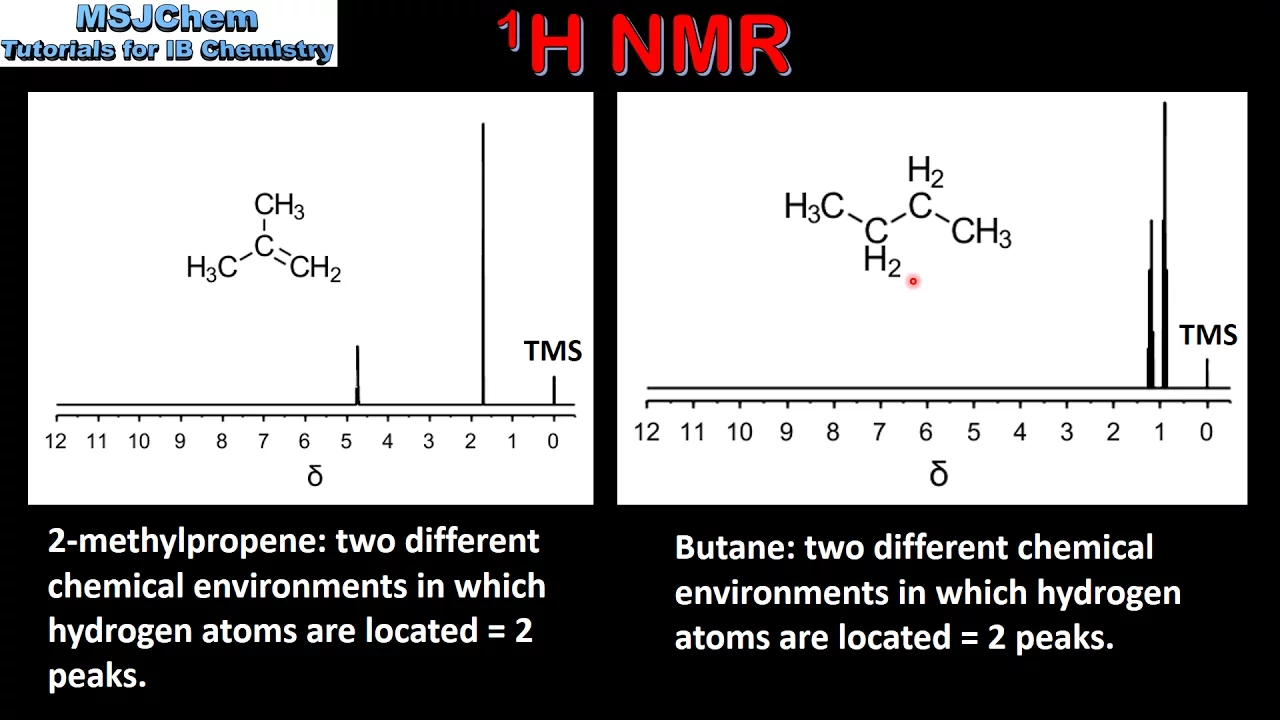
10:06
1H NMR: Determining Number of Peaks from Structure
@MSJChem
59.2K views•2017-04-06

17:31
Edible Water Bottles: A DIY Guide to Sodium Alginate Spherification
@ryan
10.5M views•2019-06-21
Related Study Plans & Knowledge Roadmaps
Structured learning paths in Chemistry
chemistry
Nuclear Chemistry: Decay, Meds & Fuel Cycle
01Introduction to Nuclear Structure and Radioactivity
02Decay Dynamics and Kinetics
03Radiation Interaction and Detection
+ 2 more learning modules
24h5 modules
Explore Roadmap
chemistry
Supramolecular Chemistry: Forces & Machines
01Foundations of Chemical Bonding and Intermolecular Forces
02Introduction to Host-Guest Chemistry
03Thermodynamics and Dynamics of Self-Assembly
+ 2 more learning modules
16h5 modules
Explore Roadmap
chemistry
Photochemistry: Excited States & Reactions
01Foundations of Light-Matter Interactions
02Molecular Orbitals and Electronic States
03Photophysical Processes and Jablonski Diagrams
+ 2 more learning modules
18h5 modules
Explore Roadmap
chemistry
Coordination Chemistry: Bonding & Properties
01Introduction to Transition Metals and Ligands
02Crystal Field Theory (CFT) and Geometry
03Magnetic Behavior and Spin States
+ 2 more learning modules
14h5 modules
Explore Roadmap