


















![[유선배 - 소방기계실기 - Part25] 부속실 제연설비-2](https://i.ytimg.com/vi/gNQYwbCh3dY/maxresdefault.jpg)

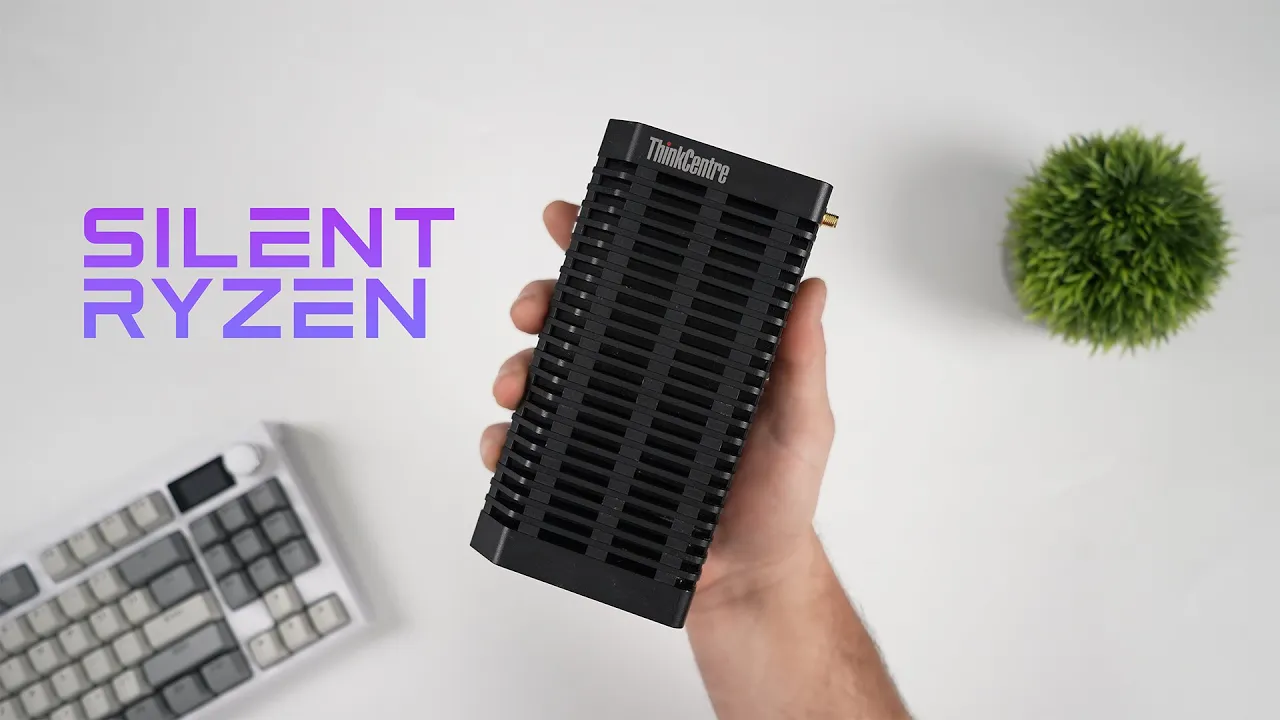
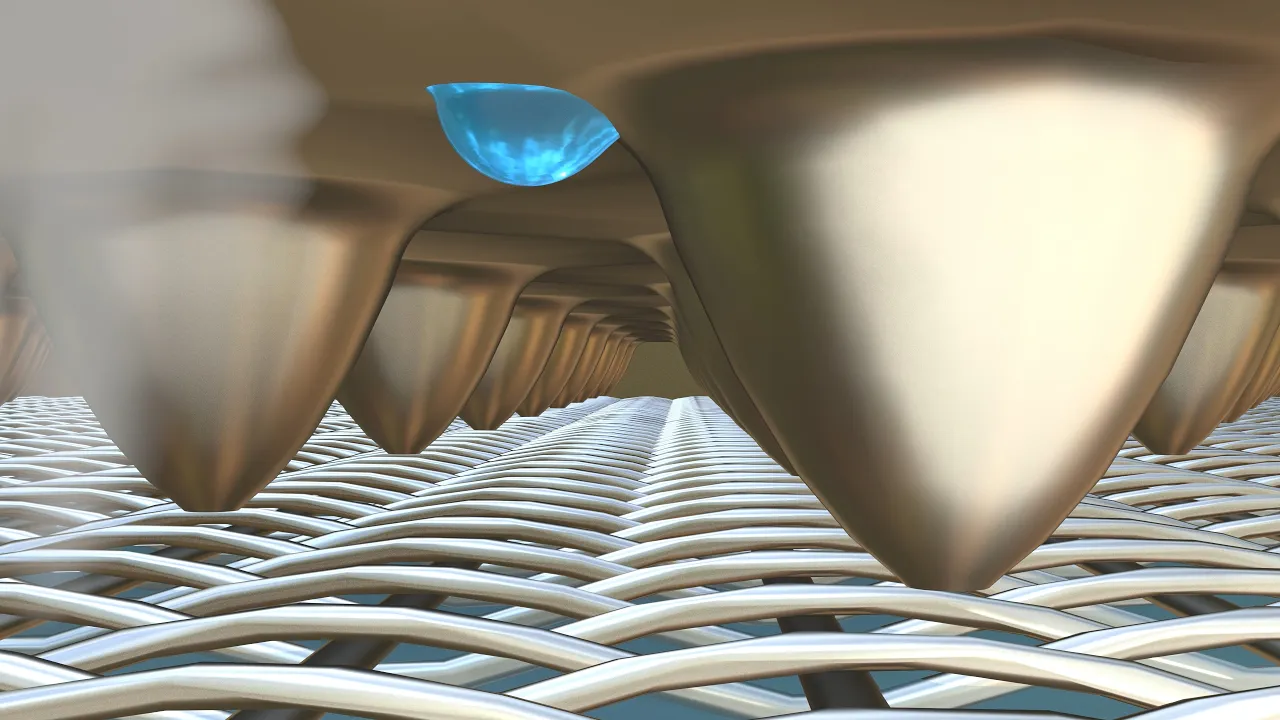


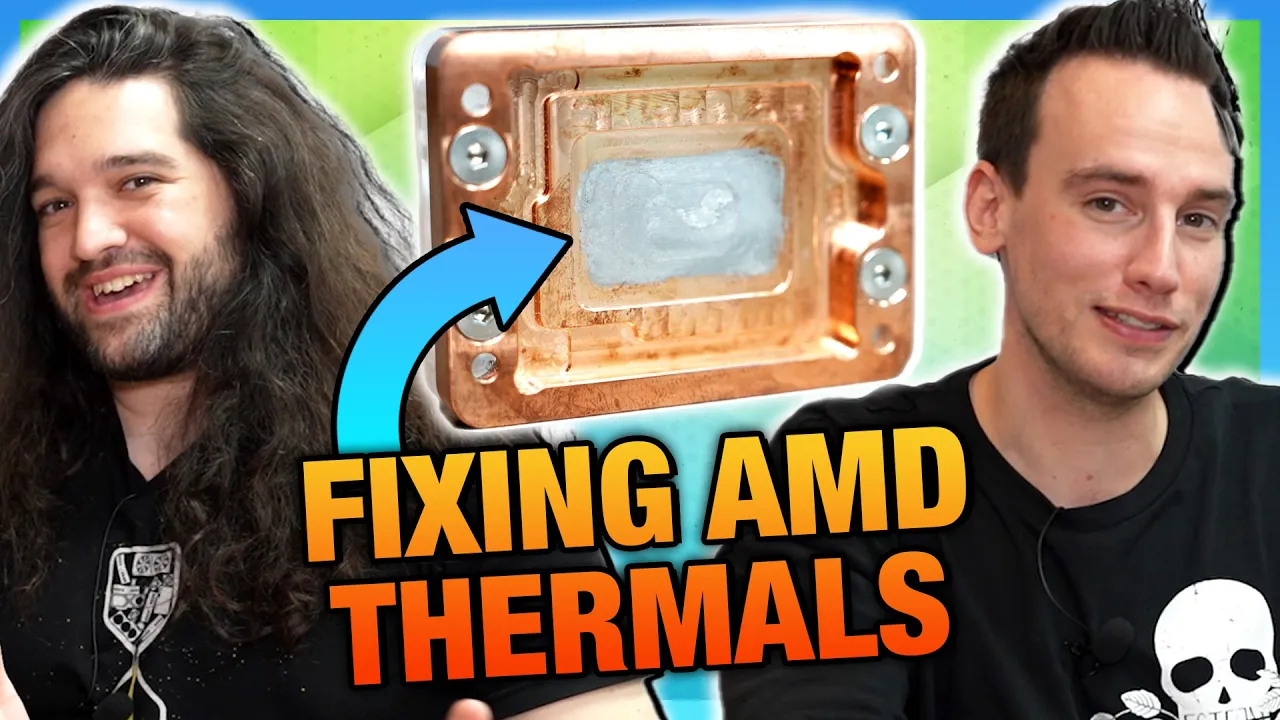
Passive CPU cooling relies on natural convection rather than active airflow, requiring specific design trade-offs such as reduced fin density (only 13 aluminum plates in the Noctua NH-P1) to allow adequate air circulation, which fundamentally limits thermal performance compared to active cooling solutions; the NH-P1 demonstrates that passive cooling is effective only for low-power workloads (around 65W) and excels in noise-free, low-maintenance environments, though it cannot match the thermal efficiency of active coolers even at premium price points.
Noctua NH-P1 Passive CPU Cooler Review: Benchmarks & Schlieren Imaging
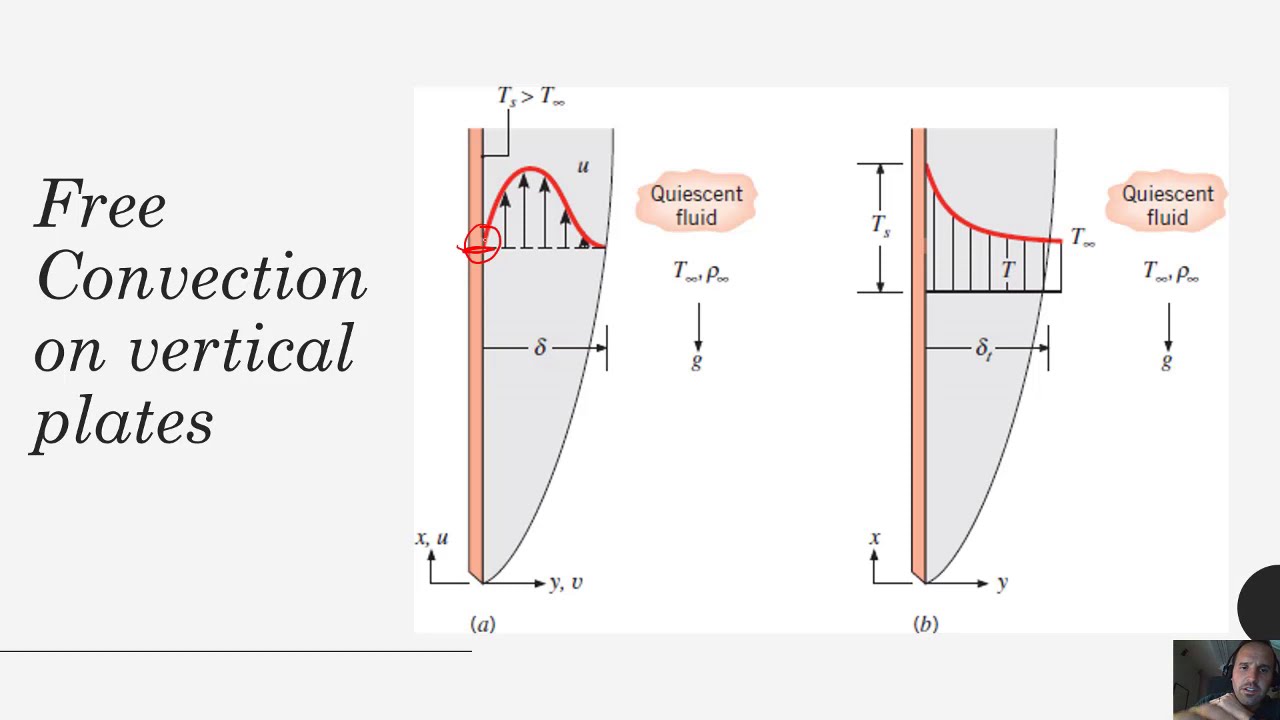
Added:The three modes of heat transfer, focusing specifically on the differences between natural (free) convection and forced convection.
Basic computer hardware architecture, specifically CPU thermal design power (TDP), operating temperature thresholds, and thermal throttling mechanisms.
The optical physics principles of refraction and how air density variations due to temperature gradients alter light propagation.
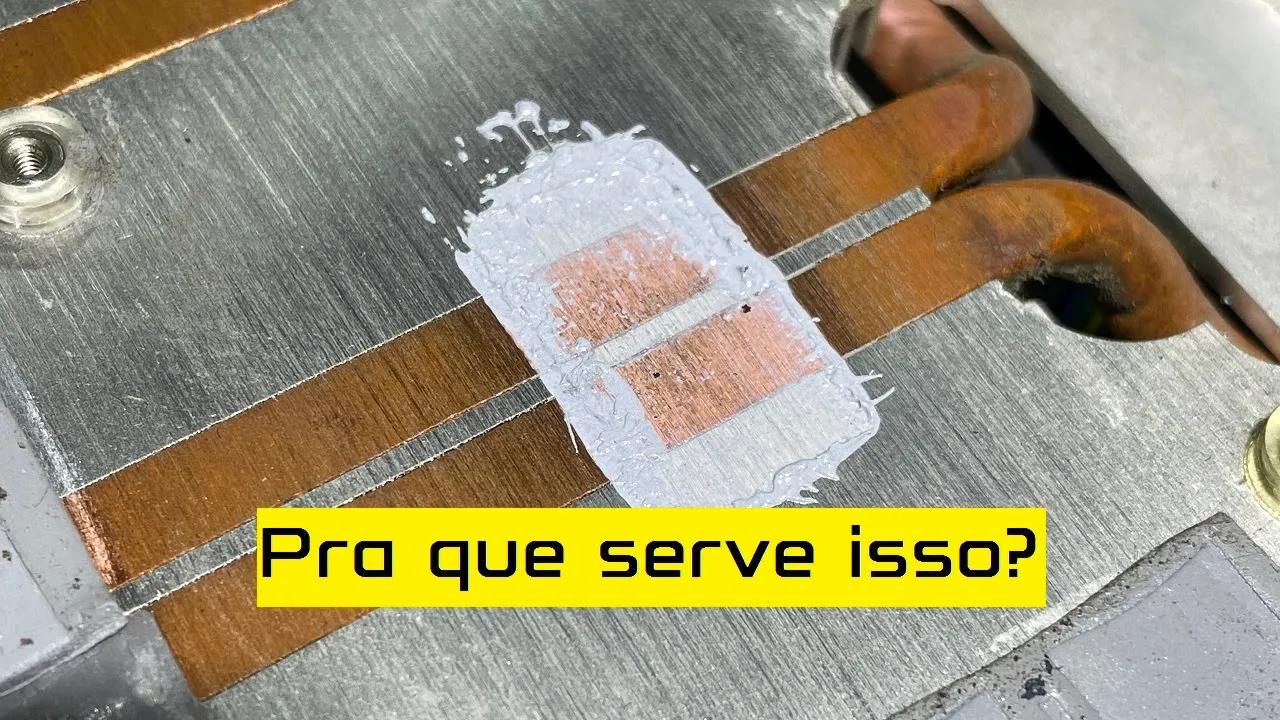
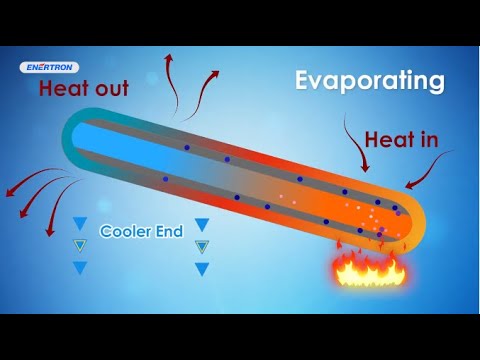
The function and design of heat pipes, including phase-change cycles (vaporization and condensation) used to transfer heat away from a silicon die.
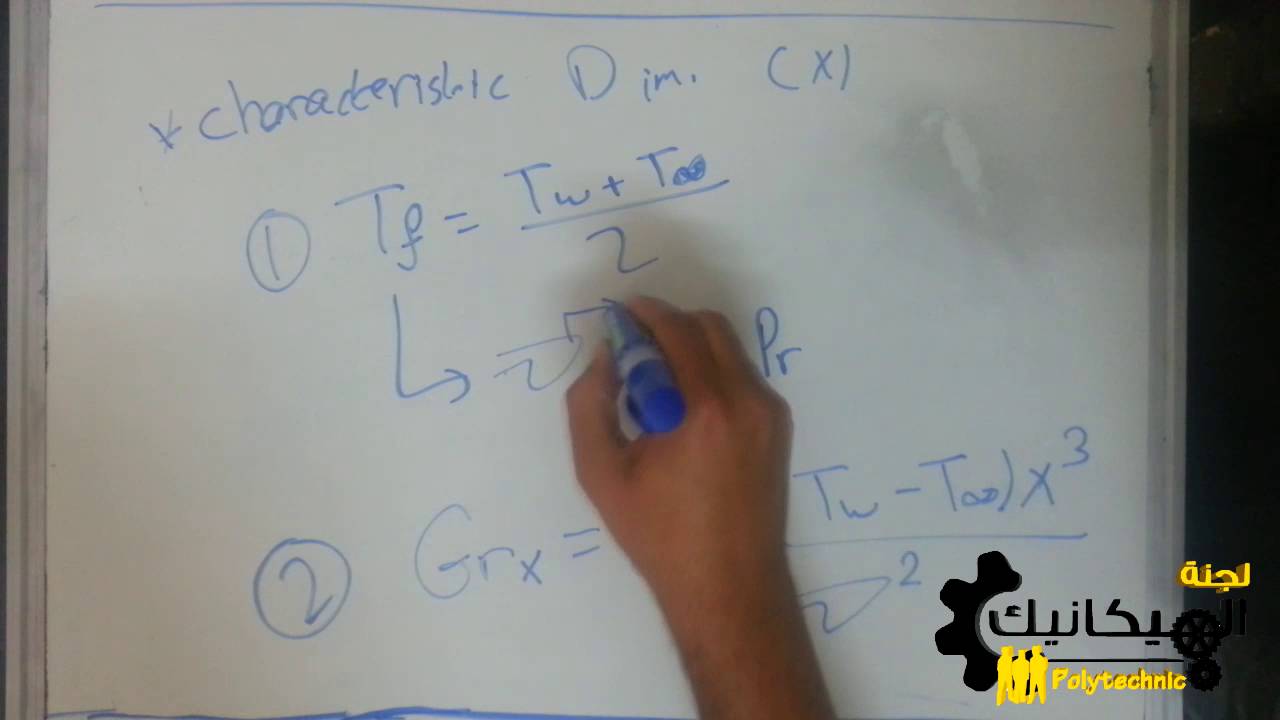
Advanced fluid dynamics, specifically calculating the Nusselt and Rayleigh numbers to model natural convection in confined spaces (like PC cases).
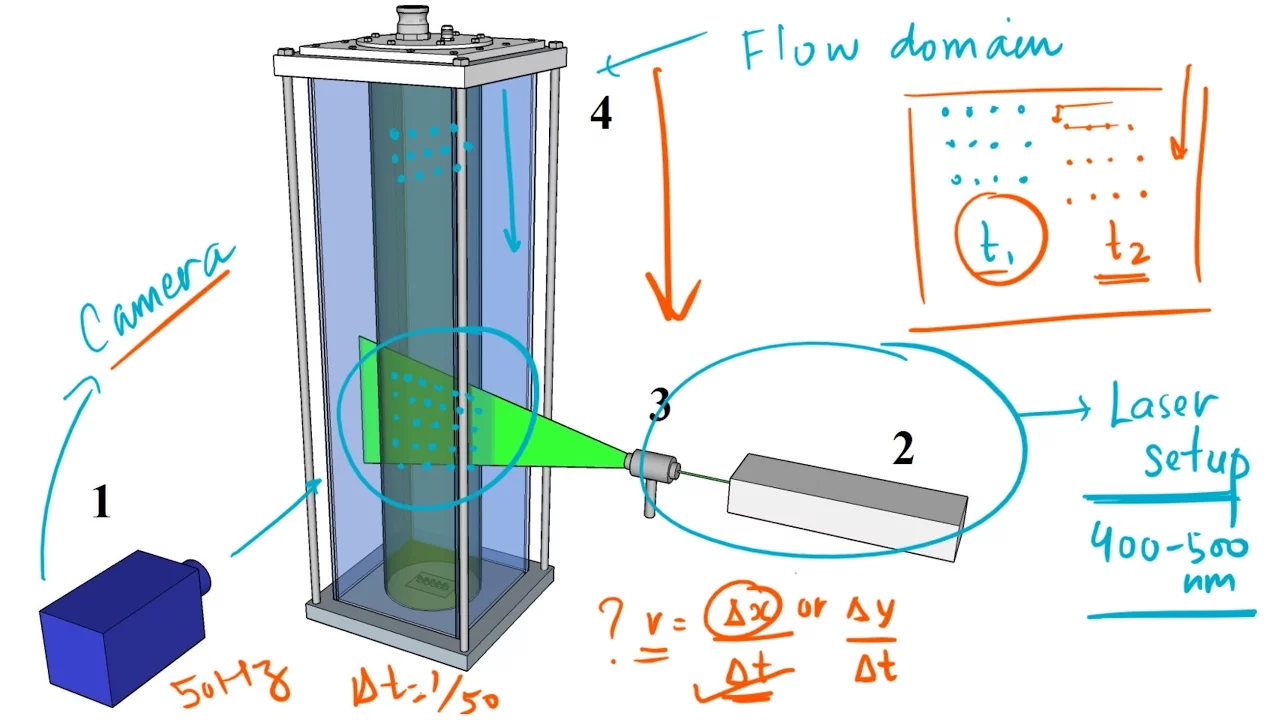
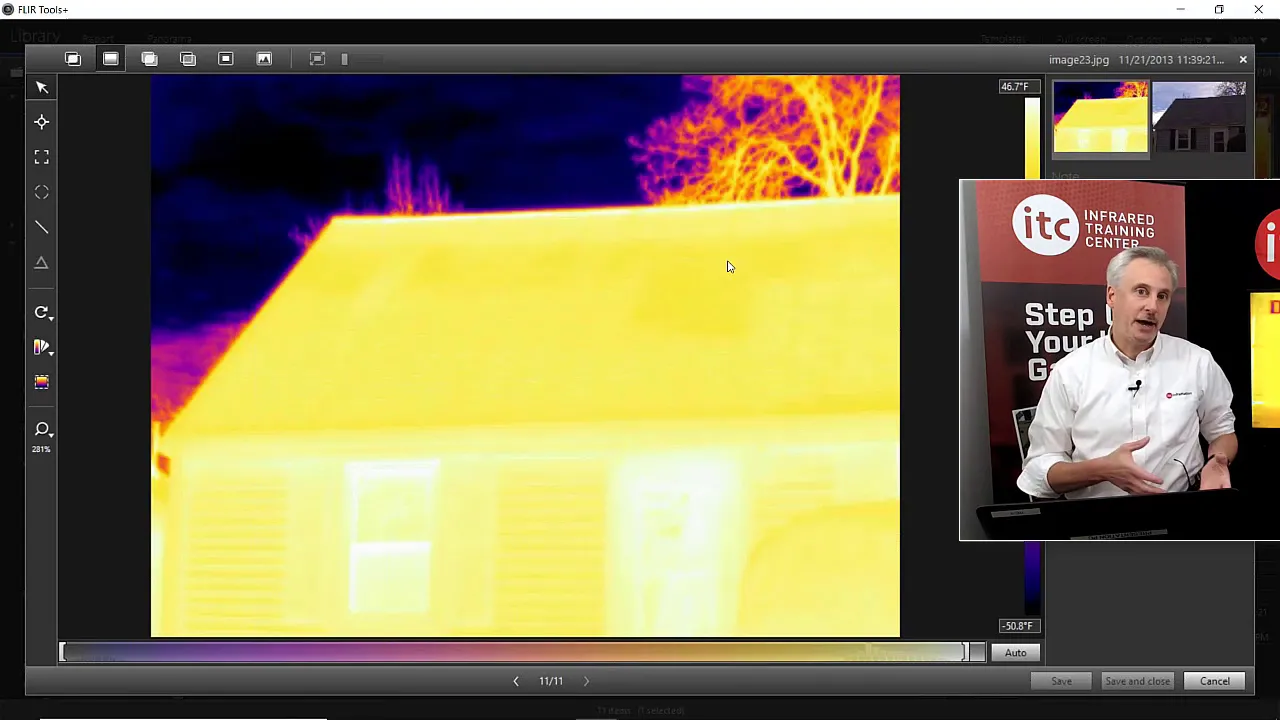
Other scientific visualization techniques such as infrared thermography (FLIR) and Particle Image Velocimetry (PIV) for thermal analysis.
System integration engineering, particularly designing fully fanless systems and leveraging the 'stack effect' (buoyancy-driven ventilation) in chassis design.
Materials science innovations in thermal management, such as vapor chambers, graphene sheets, and phase-change interface materials.
401.7K views14.4Klikes26:05Original Release: 2021-06-29
[Music] today we're doing some really cool stuff this is the noctua nh p1 passive massive cooler it is huge and no fan is needed sometimes we'll be going over what this can handle today looking at it in depth for thermal performance i was about to say acoustics out of habit but there's not a fan so there's no acoustics to look at but we going over thermals we'll also be looking at schlieren photography of this cooler which is really cool because it allows us to see the air density gradient change surrounding the cooler so that we can study how the heat well you'll see how heat arises which is a known thing but being able to see it happen off of this lets us determine sort of what areas the heat concentrates and what patterns it follows when it rises off of the cooler and these fins being that far apart is intentional and it's you'll be able to see why in our schlieren photography so really excited about that as well let's get started before that this video is brought to you by squarespace we use squarespace for our own gn store and juggle complex multi-piece orders all the time with it squarespace makes it fast for us to roll out new products with detailed pages full of galleries videos and descriptors it's also useful for your own resume sites for photographer or project portfolios or for starting your new small business idea there's never been a better time to try and start your new business than right now and we can vouch that squarespace makes it easy visit squarespace.com gamersnexus to get 10 off your first purchase with squarespace okay so some basics this cooler is 110 on amazon and newegg right now listed by knock to us so that should be the the final price it was briefly listed for 100 hundred bucks cm2 110 now noxus sent this over for review after we saw it go live on newegg a while ago and it's interesting because reviewing this required us to change our testing methodology a little bit for cpu coolers we're still following the basic principles of it that we published in a previous methodology video but the differences are that this can't handle 200 watts it really isn't meant to handle 120 watts either and that's what both of our existing cpus run at for cooler testing this meant we had to introduce something new and that's a low end cpu that's fine there's no sort of shame for the knock to an hp1 it doesn't have a fan after all but we had to change things up and that finally allowed us to get some amd stock coolers on our test charts so we're looking forward to sharing that with you because it's been a long long time coming a lot of people have requested that now scenarios where you would buy a passive cooler would be one you are absolutely neurotic about noise you can't take it any noise at all and so you want to eliminate more or less all fans in the system that's very difficult to do there's a good chance you're still gonna have a fan somewhere it might be the video card or it might be the power supply but you're probably gonna have a fan somewhere and when you're talking about the difference between no fans versus quiet fans there's not much of one so if you ran something like an nfa 12 which knocked to a cent alongside this but which is not included with this for retail if you use something like that that's quiet enough it's low speed enough that it's functionally silent in most homes so if you have air conditioning running or anything like that if you have any amount of street noise you're probably not really going to hear a quiet fan but for some people or for use cases where you don't want dust because maybe it's going to be a long running server with constant uptime low maintenance then passive really starts to make a lot of sense it does extremely well in low maintenance environments where it's a relatively low power load that's going into the cooler and especially in environments where dust might be a concern because now you don't have to worry about a fan sucking the dust in and clogging up a cooler with dense fins in it and this does not have dense fins we're going to talk about why in this review now at 110 this competes most directly in price with something like the arctic liquid freezer 2 280 which has two fans and water inside of it so it performs a lot better thermally it's not a surprise though this doesn't have fans and it's made entirely and only of copper and aluminum so the target market's clearly different and something like an assassin 3 or the noctua nhd15 on the air cooler side for both of those they're about 90 to 100 they will also far and away outperform this we want to make sure that expectations are very clear here as we get into the review this is not magic in fact when mike our test technician started working with this he picked it up and sort of marveled at the engineering of it and the first thing they said was what magic do you hold and he told me later as we progressed through the testing the answer was none there's no magic and that's not to insult the nhp one it's to keep it real it's not magic it's passive coin but it's done in a way that's actually pretty good so let's get into it we'll talk about how this is made look at the schlieren imaging and go over thermal performance as always this section will talk about the mechanical aspects of the noctua nhp1 if the years of delays weren't evident enough the design of the cooler makes it clear that most of the choices were deliberate and informed rather than consequential or accidental passive cooling plays by different rules than active coin we're relying on natural convection here and basic physics so the fin density has to be low that means that the p1 only has 13 fins or maybe more appropriately named these are aluminum plates up from 12 on the prototype we saw in 2019 the limited plate density is necessary to allow room for air movement and passive transfer of heat from the plates to the air especially without assistance of a fan with a fan tighter fin density is preferred up to the extent that it creates a high flow impedance this is because the higher surface area is more valuable on an active cooler whereas the specific heat benefits afforded by the p1's design is more appropriate for obviously a passive cooler passive design also means that fins or plates have to be oriented so that one plate doesn't obstruct the heat that's rising off of another plate below it noctua built the p1 in such a way that it can be installed either horizontally as in a test bench or vertically as in a standard tower and given the case compatibility it was important to accommodate both of these uses the plates remain perpendicular to the upwards direction in both configurations this means that you don't end up with a plate sitting above where heat would naturally rise too so that's a good thing each plate is one and a half millimeters thick that's the same as the 2019 prototype and each plate has six holes that are numbered in sets of one two or three which are used for mounting fans if desired although active cooling can work on this keep in mind that you're best off with either a truly passive or a truly active cooler hybridizing the approach is less sufficient in both use cases than something dedicated but it does mean that you can mount a fan whose fan curve stays at zero percent until under a heavier load so if you wanted to use this at the higher end of power consumption limitations of the cooler you could strap a fan to it and tell it to stay off until it's at 100 load or something six of the plates run down towards the heat pipes but they don't actually physically connect to them they aren't welded together as we often see and so you end up with the heat pipes being fully responsible for transferring the heat from the cold plate to the plates noctua is using six six millimeter heat pipes and this is somewhat standard for most coolers really the nickel plated copper coal plate is about 39 by 40 millimeters it's suitable for intel or amd desktop cpus but it's not a good fit for high-end desktop or hedt parts those have high power consumption in excess of what this can handle anyway and they also have a larger ihs which would be a better fit for a larger cold plate the cooler is about 149 millimeters wide from the protruding heat pipes to the sealed end of the heat pipe on the other side and is about 160 millimeters tall from the bottom of the cold plate to the top of the aluminum fins and that's not counting the mounting hardware or the socket height clearance at the overhand is in the range of 40 to 42 millimeters part of the manufacturing difficulty that caused the delays on this product has to do with the plate or the fin thickness in 2019 knoxville's primary supply side factory had a press which stops at 0.5 millimeter thickness meaning that 1.5 millimeters would require a new solution that was either manual assembly or a new machine costing in the millions of dollars the automatic interlocking of the fins was part of this challenge we've seen in factory tours that we've done in the past that fins often get stamped by say this 150 ton machine for example and then fold it into themselves to automatically assemble the entire fins deck there are smaller versions of this machine as well this is typically more useful for something like a large case but it's the same idea just scaled down we've seen this at cooler master with its quadro heatsinks where the fins get stamped by a machine in sequence and then automatically assembled at the end of the run that's what caused the delays and it's also what caused the knock to us to briefly consider a 0.5 millimeter fin thickness instead of the 1.5 that they went with they were considering up to 1.9 originally but settled at one and a half we'll start with some schlieren imaging we took a few hours of footage in various configurations for this and we'll get to thermals too but first we want to try and compress the photography down into some interesting stuff our saloon photography setup uses expensive and high-end parabolic mirrors and kinetic mounts and the purchases of these are made possible by support from our viewers buying from store.gamersnexus.net most recently that'd be from those of you buying our wireframe mousemats which are in stock and shipping now and from those of you on patreon.comgamersnexus thank you for the help in buying this stuff schlieren photography splits light to image the air density gradient this doesn't show heat and it's not infrared but rather it shows sort of the movement of the air as the density changes in this clip we're showing how the heat passively rises off of the p1 while it's under a 68 watt r5 3600 heat load at steady state if you look closely between the fins lower down especially you'll see very little density change in the wide gaps between the plates but you can see the air drifting closely to and cleaning to the plates these wide spaces between the plates ensure that enough space is available for passive cooling without heat getting trapped by the other plates nearby at the top of the fins we can see where the hot air pools and drifts up naturally following the basic physical law of heat rising we often remind everyone that heat rising stops mattering when you talk about equipping a case with multiple 2000 rpm fans or one attached to a cooler but in passive cooling it becomes important because the fins need to remain vertically unobstructed including by other fins in the stack that's to enable natural dissipation of heat the left side of the cooler is interesting this is where the heat pipes protrude through the plates and you can see the highest change in air density in this area we also tried mounting a fan to the top of it just for perspective and this overpowers any natural processes obviously and funnels the air conically upwards when set as updraft this was using the noctua a series fan but we also set it into noctua's recommended downdraft configuration where you can see the fan actually pulling air in that's originally drafting up and off of the sides of the heat pipes sending it back into the cooler so it's pushing warm to air into the cooler but it's still a net positive versus just the passive cooling alone it's just less efficient the benefit is that it would help vrm components when pushing down but that's out of scope for this imaging mounting a fan to the side and pushing the air through the cooler resulted in chaos in the schlieren photography the only thing interesting we saw here was the speed at which the air density above the heat sink changed despite the fan being directed through the cooler we were seeing a lot of change above it this is one part knocked to a fin design and one part fan speed this fan is relatively low speed so a lot of the air makes its way up and out rather than making it through the cooler so it's all pretty cool but let's move on this section will cover installation and mounting hardware on amd the stock backplate is used as is typical and four gray spacers are placed on top of the threat next two brackets get installed for am4 hardware with an included torx driver to secure the screws through the brackets we're up to 10 pieces of hardware once the four screws are threaded into the back plate securing all the pieces together the noctic cooler can be oriented two different ways in this clip we have the heat pipes toward the ramp allowing the cooler to overhang the vrm heatsink we have another clip with it overhanging the ramp just to give perspective of size optimal orientation will depend on the height of the ram the size of the case and the clearance on either side of the socket including the vrm heatsink clearance from here the same torx driver is used to thread two spring tension screws onto standoffs from the mounting bracket this is all pretty straightforward and the included manual does an excellent job to explain the steps knockout doesn't skip any steps and it provides both visual and written instruction mike our test technician working on this one said that the manual quote gives everything an ocd user would want or close to it so that's good praise from him this goes down to the diameter of the thermal paste dots that noctu was recommending and just for sake of saying it just get full coverage on the ihs and you'll be good for intel lga 115x and 1200 an included metal backplate and standoffs get installed first followed by four black standoffs the plastic spacers and then two brackets that get installed next these bow outward from the socket at which point the cooler sockets on and has its spring tension screws tightened onto the standoff on the bracket it's mostly the same as for amd just with different hardware onto compatibility so this cooler will naturally pose challenges with compatibility video card placement and size especially those with large backplates will affect the behavior of the passive cooler and also the fit some may need to move down a slot depending on how packed the motherboard is ram clearance isn't too big of an issue since the cooler can be mounted to overhang the vrm heatsink instead and if you're running something that does have tall stuff in that area you can flip it around the other way and run lower profile ramp we haven't seen any tall enough vrm heat sinks to cause a problem with this cooler though case compatibility will be a problem installed height is about 158 to 160 millimeters and most cases stop at 150 millimeters depth if that noctua has provided a list of compatible cases including some from technically its competitors in the cooling market so that's something we actually appreciate from noctua and notably it names the cooler master sl600m that we've reviewed the corsair 680x that we found extremely subpar the jonesbow u5 and umx4 lee lee's 011 dynamic xl thermal takes core series and fractals mesh of i2 including the xl among others and several of these we've reviewed positively of course several negatively as well if you're planning to mount a fan to the cooler though it'll need to go on the side mounting it in a downdraft or an updraft configuration will increase the effect of stack height so that'll limit your case compatibility even more but if it has a side panel it'll also obstruct the fan with a panel probably very close an open air configuration would be a good solution for the p1 as well especially considering dust is a less of a concern when fans aren't really present time to get into some of the testing this pressure map illustrates how the mounting pressure gets applied to the surface of two different integrated heat spreaders from our amd cpu pile pseudo color pressure maps are mostly useful for evaluating the distribution of contact pressure from the mounting hardware and keep in mind this isn't the flatness of the cold plate but rather it's the efficacy of the mount the flatness is next because the mount is two points for the contacts from the cooler itself we'll see a bit of a pattern forming remember that thermals aren't taken during pressure mounting it's done with the system off so the cpu itself is irrelevant to the test mounted to our 3950x ihs which is you wouldn't want to put one of these on those for active running we noticed overall excellent contact except for a few problem areas notably the edge closest to the ram was lacking in pressure as was its opposite side since this isn't a four point mount those are the two sides where pressure would be a little bit less there's a small hole in pressure formed here the 3800x through two mounts had less consistent results than we typically see but it was consistent in its gaps at the edge towards the ramp our surface flatness testing uses a depth needle to analyze the distance from a known zero point in microns this one has the nocto nhp1 cold plate as overall very flat within the average of most other coolers it's not magic but it's doing well the median had us at about 10 microns with excursions to 24 and to one knock to us sticks with the rest of the pack for this one that's not a bad thing noctua hasn't reinvented the wheel here we're first going to show a chart of our 200 watt heat load test just so you have a good understanding of how the coolers line up we're doing this because we have the most data for this heat load so it gives the most perspective noctua does not advertise the p1 as being capable of cooling this much power and in fact it markets actively against this use so the fact that it doesn't do well here is expected it is good engineering once applied to the right use case the p1 gets a dnf for our 3950x test it didn't finish and it hit tj max within seconds of the load starting this isn't meant to be seen as a negative just a reality of passive cooling this chart is normalized to 35 dba with the p1 at noise floor so if you wanted a very quiet cooler that is capable of cooling something like 200 watts then the scythe fuma 2 the arctic liquid freezer 2 280 or even knocked to his own nhd15 would make sense here the fuma 2 and the liquid freezer 2 are among the most efficient though at their price brackets and performance levels with the expectations set we stopped that test nearly immediately to preserve the integrity of our test platform and then we moved on to a 123 watt heat load from our 3800 x and fixed frequency and voltage settings for test consistency as a reminder the 120 watt heat load isn't high enough to differentiate several of these coolers in the stack so everything starts to look about the same when we measure the top performers you need that extra heat to really differentiate them this one also is too much for the passive cooler but we'll show the chart for perspective as before the noctua nhu 12s at 35 dba held 61 degrees celsius over ambient meaning it's in the 80s for t die here that's near the cutoff for what will run although there's some room for slightly worse coolers below it with the a series fan strapped to the nhp1 and at 100 the cooler still couldn't handle the 3800 x heat load with our settings we're running about 90 c before we abandoned the test or 70 degrees over ambient so it's high enough that we shut it down before hitting steady state just because we don't want to abuse the test platform more than necessary it obviously failed this test it's not advertised to pass this type of test so again it's fine but we're trying to give you some perspective to everything else it's quiet thanks to the fan but the nf a12 fan just isn't powerful enough for this use case and finally now we get to the r5 3600 this is where the data actually starts to matter knoxville technically marks the cpu as unsupported in this list but our benchmarking has a custom vcore set that's lower than most auto settings the cpu remains stable at 4 100 megahertz locked and it follows our cpu testing methodology that we published previously for the other cpus it's just with the lower end cpu at 68 watts heat load instead of 3950x the cpu did end up working with the p1 with these settings this is new to our bench suite so it'll enable us to test lower end hardware going forward of course this also means that it's the most barren of all the charts since we only just added it here's the chart at 100 fan speeds the noctua nhp1 is finally in a workload it can handle we measured it at 64.6 degrees celsius over ambient steady state or about 8486 or so factoring in the ambient temperature we have a couple degrees of room here for going hotter but not much it's barely doable at this power load and the voltage it is overall working but once you start putting this thing in a case you might want to bring down the heat load a little bit more with some settings tuning or using a lower end cpu or of course trying to make sure you accommodate the cooler with fans in the case the cooler produces no noise so we're at a noise floor of about 26 db the scythe fuma 2 at about 60 dollars is a great example for a cheaper thermally superior aftermarket cooler but this is with a noise level at 34.4 dba at 20 inches distance into 26 db noise floor that's quite enough that most people probably won't notice it but we know that some of you looking at this video want the p1 because it makes zero noise and you don't get that with these other coolers even if they're better thermally the fuma 2 ran at 37 degrees over ambient versus the p165 so we're nearly 30 degrees different here the wraith prism ran at a comparatively deafening 47 dba thanks to the 90 millimeter fan at high rpm but it did benefit from a 43 degree result the fuma 2 is significantly more efficient than the wraith prism as too as the noctua p1 with an nf a12 mounted to it at 30 dba for the same temperature the wraith spire ran at about 39 dba with a setup measuring 51 degrees the p1 can do it and with the fan mounted at a low rpm it remains quiet but drops us staggering 21 degrees off of our test results still if you're going active a true targeted active cooler will be more efficient both cost wise and performance the fuma 2 could have its rpm reduced to meet the p1 a12 noise level if you wanted and it would still be cheaper this chart will show the time to max temperature at steady state under the r5 3600 heat load this is plotted at t die not delta t over ambient so you're looking at cpu temperature for one pass we had to adjust our measurement time for the p1 because it took about 25 minutes to be within one degree of our final steady state measurement the initial ramp to 58 degrees happened within 10 seconds perspective so there's really not much soak capacity for short bursts here finally some vrm thermals with the more doable heat load of just 68 watts on the r5 3600 vrm thermals are basically a complete non-issue on most motherboards even the lower end ones it's still interesting though the noctua p1 has a clear deficit here made obvious by the fact that there's no fan to blow air over the vrm heatsinks it's not a surprise the downdraft prism does relatively well although it's acoustically inefficient compared to the fuma 2 or the p1 with a fan and fortunately because the p1 can't really handle overclocking and high power scenarios to begin with the vrm cooling deficiency is unimportant you'll run into other issues before vrm issues with most of the motherboards couple final notes here as we close out packaging was done fairly well it's mostly cardboard there's not a ton of single-use plastics like we've seen with the ek aios for example so that was good to see and everything was fairly straightforward in terms of the manual the installation that was all good there's an included torx driver torx strips a little bit less easily than phillips and it's a lot less likely a user is going to use the wrong size torx driver than they will a wrong sized phillips driver so engineering's pretty good overall it's expensive though it's so expensive and at 110 obviously if you're okay with some noise you don't need a novelty you don't need the functionality of being basically dust free or you don't need the functionality of being basically noiseless then don't buy this because it's not for you it doesn't make sense at 110 it's far too expensive you're gonna get much better thermal performance out of something like a liquid freezer two or if you want air you don't wanna use water cooling then a knock to an hd15 you still get an octa you still get brown if that's what you're after you want your fans to be beige and brown get the d15 but if you or the assassin three for that matters is not bad despite having erroneous marketing at the beginning of its life cycle but for performance what this can handle is something closer to an r5 5600 x we were able to get it running a 3600 we do tune the voltage on that though so if you have a board that runs high v core auto then you're going to ha you'll be borderline for sure and in a case with poor cooling or ventilation especially because this is passive so you need the the area above it to be unobstructed where heat won't build up in a case like that where it's obstructed you have no fans this will be a bit of a stretch on some of the r5 cpus we haven't tested it on intel but for the most part if you're around the 65 watt marker with amd you'll be borderline okay noctwa actually has a pretty good cpu support list and case support list on their website huge amount of credit knocked out for that because they list competitors technically although they don't make cases they do make coolers and so does cooler master for example but credit to noctur for that they've done a good job at building out the spec list we weren't able to find anything we strongly disagreed with in those lists uh so except for cpu support they're a little more conservative on than they need to be which is a good thing if you're going off of that list so this quarter has been a few years in the making we went over some of the differences versus the prototype a while ago but a couple of other ones the square holes you see here through the plates through the fin stack they've gone with a much denser count of holes they're at 33 per plate now i think it was 19 or something like that maybe 12 originally in the prototype from 2019 and then some of the l-shaped bends internally are gone as well so this has gone through a lot of design revisions in the last couple of years performance overall is what we would call good for a passive cooler but it's obviously not competitive for 110 if you're looking for thermals and if you if you don't care about noise or you don't care that much about dust you can manage it yourself then obviously buy something else but that's it for this one for a passive cooler from what we've seen so far it's one of the best we've tested some of the older ones most of them have not been brought forward for compatibility like the older zalman ones so that leaves you with something like this at the high end of passive cooling and that's it for the nhp one review thanks for watching subscribe for more as always you can go to store.gamersnexus.net if you'd like to grab one of our mouse mats which are in stock and shipping now or patreon.com gamersnexus we'll see you all next time
Up Next

8:12
How to Build a Buoyancy Engine for Seaperch Underwater Gliders
@byusplashlab
5K views•2013-07-16

30:32
Ultrasonic Transducers: Resonant Frequency Measurement and Horn Design
@imajeenyus42
229.9K views•2017-02-22
20:57
Thermal Paste Quantity: Benchmarking Application Methods on CPUs
@GamersNexus
3.3M views•2018-07-27
33:39
How a Student's Question Saved a NYC Skyscraper from Collapse
@veritasium
22.8M views•2025-04-26
Related Study Plans & Knowledge Roadmaps
Structured learning paths in Engineering
engineering
Building Acoustic Levitators: Physics & Arduino
01The Physics of Sound and Standing Waves
02Piezoelectric Transducers and H-Bridge Drivers
03Arduino Programming: Generating 40 kHz Signals
+ 2 more learning modules
14h5 modules
Explore Roadmap
engineering
Building Peltier Cloud Chambers: Particle Tracks
01Cosmic Rays & Cloud Chamber Physics
02Thermoelectric Cooling (TEC) Fundamentals
03Custom Liquid-Cooling Loop Design
+ 2 more learning modules
18h5 modules
Explore Roadmap
engineering
Yagi-Uda Antennas: Modeling, Build & VNA Test
01Introduction to RF and Antenna Fundamentals
02Yagi-Uda Antenna Design Principles
03Antenna Modeling and Simulation in 4NEC2
+ 2 more learning modules
18h5 modules
Explore Roadmap
engineering
ECG Monitor Design: Op-Amps, Filters & Noise
01Electronics & Breadboard Basics
02Op-Amps and Instrumentation Amplifiers
03Bioelectricity and ECG Fundamentals
+ 2 more learning modules
18h5 modules
Explore Roadmap