
























![[Résumé] Le deuxième sexe partie 1 de Simone de Beauvoir : Les bases du patriarcat](https://i.ytimg.com/vi/ieE6PXbN1NU/hqdefault.jpg)


Existentialism is a philosophical movement that emerged from the 19th-century revolt against reason and scientific rationalism, emphasizing passionate individual involvement in life over systematic philosophical frameworks; it focuses on human existence, freedom, authenticity, and the search for meaning, with key figures including Nietzsche, Heidegger, Sartre, and Camus, who developed personal philosophies based on their own experiences rather than abstract metaphysical concepts.
Contemporary Philosophy: Introduction to Existentialism | Lecture
Added:Familiarity with the philosophical debate of free will versus determinism, as existentialism heavily emphasizes radical human freedom and responsibility.
A basic understanding of traditional metaphysics, specifically the classical view that 'essence precedes existence' (e.g., in the philosophies of Plato and Aristotle).
Awareness of the historical and cultural shift in the late 19th and early 20th centuries, including the decline of absolute religious authority and the rise of secular thought.
An introductory grasp of Nihilism, particularly the concept that life lacks inherent, pre-ordained meaning.
In-depth study of seminal existentialist philosophers and their primary texts, such as Jean-Paul Sartre ('Being and Nothingness') and Søren Kierkegaard.
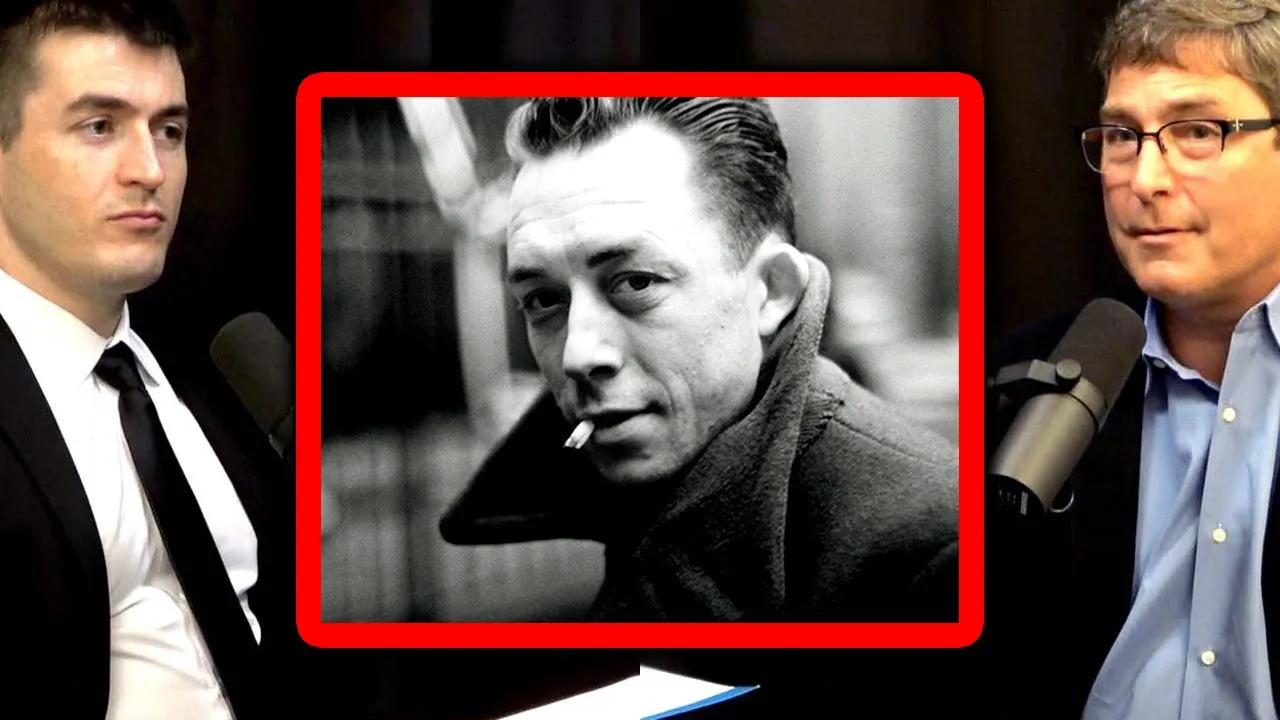
The philosophical distinction between Existentialism and Absurdism, examining how Albert Camus proposed living in a universe devoid of objective meaning.
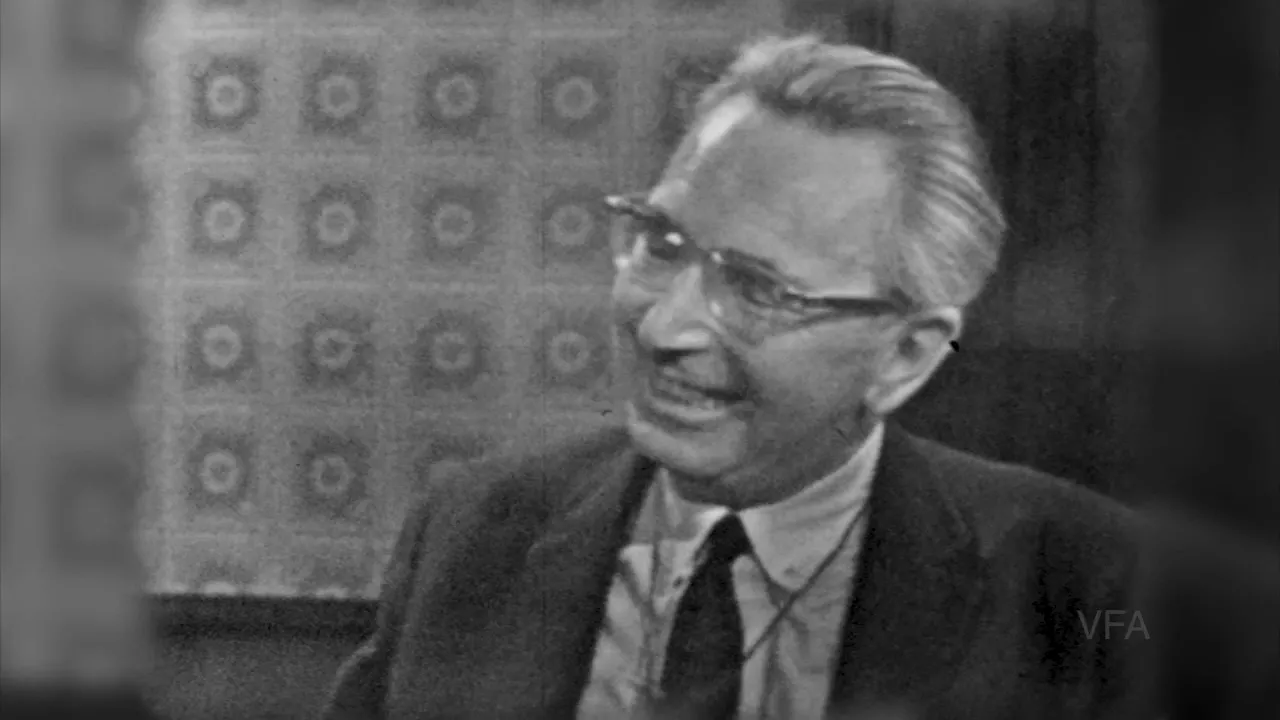
Exploration of Existential Psychology and Therapy, analyzing how practitioners like Viktor Frankl ('Man's Search for Meaning') applied these concepts to mental health and resilience.
The profound influence of existentialism on 20th-century literature and drama, such as the works of Franz Kafka, Fyodor Dostoevsky, and the 'Theatre of the Absurd' (e.g., Samuel Beckett).
An analysis of the critiques of existentialism from subsequent intellectual movements, including Structuralism, Post-structuralism, and Feminism (e.g., Simone de Beauvoir's 'The Second Sex').
388 views8likes28:28Original Release: 2022-01-27
[Music] let's discuss now existentialism so what is is what is existential philosophy what is extensivism existentialism stems from the 19th century romantic revolt against reason in science in favor of a passionate involvement in life terminal what do you mean by this revolt against jesus well historically if you're going to see the last important philosopher during the modern era was eagle okay so hegel in the philosophy of hegel we saw the you know the glorification of reason they say reason fulfilled its promise the the real is the rational and vice versa and of course together with reason the advancement in science okay scientific discoveries and then the application of science to in the combination of science and technology and so on and so forth but what is the result of this advance of research and science the result is that we focus more on the big you know the systems like for example in the case of of eagle how history progresses to you know to the advancement of the absolute according to hegel if we have to understand the whole okay understand the whole but with this focus on the system on reason and science i've forgotten that hey we have life from individual lives man is not just all recent recent reason according to take a guard we have passions it's not just about the will the absolute will or the absolute spirit we have our own individual wills we're not just you know we are not just logs in the stream of history where we are just following or flowing with this man has an individual will he has a life so there is this revolt against this season in favor of this passionate involvement in life okay developed this philosophy that many would characterize to be anti-systemic and anti-reason anti-systemic because of course the philosopher before him hegel developed a system everything falls into that system and we're just following this system and this system is guided by reason and said we don't need to follow all these systems we have our own individual decisions and that is not just on recent reasons reason infinite passions we have we we can we love we feel anxiety excitement anger joy so kick a god focus and emphasize on the more personal or individual side of math so that idea of kicker got became very influential in with the philosophers all the succeeding philosophers niche heidegger jaspers sard marcel buber camus they all engage they all develop a kind of philosophy that is more personal and more subjective they develop a philosophy that is based on their personal experiences that's why nietzsche would say something like that the philosophy is a kind of memoir of a philosopher a person memoir of a philosopher your philosophy reflects your experiences and truly enough many of these contemporary philosophies especially extensionists they develop their thoughts based on their personal experiences and some of the philosophers that we've studied like for example the modern philosophers hardly are they their philosophies are reflections of their personal lives but when you talk of zard marcel berta ichi the philosophy starts our very core our very lives and that is why perhaps many people identify with them because they can see their lives the personal experiences in the thoughts and the philosophies of these thinkers so they have developed their own different approaches in doing this existential philosophy heidegger combined the phenomenological approach of without of kicking guard regard stressing on the intense emotional experience and heidi combined that with you know with this conception obligation of of hegel so they develop these different notions of human existence and some of them of course they talk about god but when they discuss god it's not about talking of god as a being a being that is somehow detached or disconnected from human experience for them god is the source of values or god so it's it's like this it's either they they connect god to human experience into human values or they just deny that idea of god as personal but the thing is that the consideration of god is something that is personal not the substance that spinoza okay or the mother of monarchs that laziness is talking about so for them philosophy should be something that is personal so what they did was to focus philosophy not on the metaphysical concepts but on the more personal subject or topics like freedom human existence human values authentic existence meaning of life that's why many of these philosophers are called the philosophers of man because they focus on human existence okay human existence and that's actually where you get the word existence and listen because they focus on human existence now of course although many of these philosophers we call them to be existentially some of them never liked the idea of regarding their philosophies as existentialists so some of them are quite adverse to the term existentialism of course we can trace the term existentialism from the works of tsar particularly because of such victims about which says existence perceives essence but the fact is sard tried to avoid the term but he became associated with the term existentialism people are talking about his philosophy as a kind of existentialism she became he became famous because of existentialism and therefore even if he does not like didn't like the idea of the term existentialism he had to explain to people what he meant by it clarify what he meant by it and eventually of course he accepted the term existentialism as a description of his philosophy but there are other philosophers we call to be essentially who would not be comfortable with the term existentialism take for example surrender god the father the acknowledged father of contemporary existentialism of course the term existentialism was coined way after god but he never considered himself to be an existentialist or at least that he was talking about existence because he wrote he said i am a poet nietzsche one of the precursors of the existential stock would have probably rejected the idea of existentialism as a kind of description of his philosophies heidegger denied the description of assad of his philosophy as a kind of existentialism or an atheistic existentialism so for heidegger the term existential or atheistic existentialism is not a uh it's not a appropriate description of his philosophy number one he said he's not an extensionist his philosophy is one of ontology why anthology because he was talking about the unknowns about me and we can never regard heidegger as a kind of an atheist because he never publicly denied guide god's existence okay well he said man is a is a being in time and beyond time you don't know much about what is beyond time what is beyond temporality he doesn't talk about what is beyond our temporal existence and for not talking about what is beyond our temporal existence which is god it does not mean that he is an atheist if you don't talk about god does not mean that you are an atheist or if you don't talk about for example uh about americans that you are already anti-american because you don't talk about them does not follow so marcel for a time allowed himself to be called a christian extensionist but in the end he opted for the more you know the term neo-socratic for a christian society for him he's a more accurate description of his of his work or his philosophy jaspers for a time he talked about the philosophy of existence sometimes it's spelled as with the z existence but he rejected the terminology in favor of the term reason philosophy of reason because there are so many things to talk about cardiasperse now let's go to the next point medieval and contemporary velocity so although we talk of existentialism today which we regard as contemporary existentialism but in the course of history of western philosophy there was another existential philosophy that emerged way back during the time of this classicism and this is the existentialism of saint thomas aquinas many writers expressed the opinion that saint thomas's philosophy is the first articulation of existentialism because it was saying thomas who made existence as the pivotal point in his entire philosophy because we talk about existence and essence so essence is the nature of the thing it makes to think what it is but existence provides the actuality for that essence so existence provides the actuality actuality for that particular essence so for saint thomas existence is a crucial element in this philosophy although we we recognize the importance of the quid trinity of essence but this quality this nature becomes actual when it exists so for many fingers the original existentialist is saying thomas but let's just call it domestic existentialism and the other one is a contemporary existentialism okay so the neothon which of course would say while shane thomas is the original extensionist but maybe because she was ahead of the contemporary or continental excellentialist but let's just say that both are extensionalist but they are extensionalists in different senses okay so and of course we know that the more popular type of existentialism is the continental or contemporary existentialism of course some pharmacists would argue that well the authentic existentialism is the extensionism of saint thomas of oneness well we don't know what is the meaning of authentic if by authentic we mean the first then it will be considered the first but authentic in one sense we have to define what we mean by authentic existence anyway and then aside from this we make a distinction between theistic and atheistic existentialism the main question here is what is the source of values of meaning some philosophers would say that the source of value and meaning is a higher being and that is god so god is the source of the values source of the meaning therefore many philosophers look up to him as a source of meaning and values they recognize his existence not only do they recognize his existence they relate and communicate with this higher being these are the theists so keke god when he talks of the single one will talk of the religious life the leap of faith of course there is gabriel marcel when he talks of hope in that being martin buber when he talked of the eternal dao it was the class very eff when you talk of the absolute and of course carly aspers but there are also philosophers who would say that well the source of meaning in value of life is man himself let's do away with this being with this divine being as a source of values let's remove that from the picture because the real source of meaning and value of life is man himself man creates his own values or discovers his own values he creates its own meaning there's no need to recognize the existence of this higher spiritual being with god and of course the representatives of this are niche among other things well i have already mentioned about heidi and he belongs a different class of song so somebody we can neither can consider the 80s or things so we have two groups of philosophers the excessive philosophers who are who believe in god the faith and the existentialist philosophers who deny god's existence we call them the atheistic philosophers okay now of course if you talk of contemporary existentialist philosophers more people recognize the atheistic philosophers like camus and sard the reason for that is well these philosophers especially sart and kamu they wrote in a way that more people can identify and can understand them their literary style appealed to a lot of people as compared to the more rigid more academic style of writing of the other philosophers like like uh say uh uber is more poetic but it's difficult to understand okay as compared for example the the novels and the plays of sarg and kamu who actually won nobel prize for literature although as you know sart did not accept his award well marcel also wrote in literary forms some literally writing aside from his you know straight philosophical writings let me talk about phenomenology although i will be discussing this in my subsequent lectures but let's say that phenomenology is one more of a method phenomenological method okay it's a method developed by first by hustle to understand reality to understand things so it's more of a method in epistemology how do we know things how do we know the essence of things so if we want to know the essence of things first we have to perform epo hey we have to bracket our prejudices okay and then we have to focus on the eidos the essence of things there are many layers many levels of the phenomenological method so phenology we have to go back to the things themselves it's a method of going back to the things themselves and how do we go back to things themselves bracket our prejudices because with our prejudices we cannot see the things in themselves and then of course we have to focus or rely on our first person standpoint by first person stand by from our own personal experiences and one inspiration this first first personal experience was what descartes did in the cartesian in his meditation he relied on his own thoughts and his own personal experiences okay so it's more of a method but some of the existentialist like for example let's use for example heidegger he used the phenomenological method but he used the phenomenological method in order to understand well of course he talks about being but before he talks about being he talks about the design and the data is man you want to understand what man is so let's focus on the personal experiences of man the other the other extension list also focus on the personal experiences but they use phenomenology not in order to understand what a particular object is but in order to understand what one is their focus is anthropology or focus is existence that is why we have a combination of phenomenological existentialism or existential phenomenology to distinguish it from the phenomenology of whosoever which is mainly epistemological but there are also other philosophers like scheller who use the phenomenological method of user not in epistemology not in anthropology partly in anthropology but mainly in axology in understanding our values so there is a a deep connection between existentialism and phenomenology because of the method of existentialism or of phenomenology now what is essentialism for me it's more of an attitude towards man how do we understand math what what should be our main priority what should be our main concern with math should we consider man as a substance or should we consider man in his own concreteness man as a loving being man as a freedom-seeking being man as a self-determining being those are the concerns of existentialism and they use the method of phenomenology in order to articulate what their concept of what matter is phenomenology can start on its own it can it has stood in its own with whosoever and there are many other philosophers who were influenced by hustlers like for example the the the polish philosopher roman and garden were influenced by and even of course edith stein was influenced because he is she is the editor or assistant of hussert right so it's a very complicated connection between existentialism and phenomenology and hopefully i can discuss more of that in the other lectures whose earth was influenced by brentano brentano's training is in scholasticism who served as a connection with the scholastic method the the the metaphysics of brentano is anchored on the scholastic no this glass philosophy and one of the central pieces of scholastic philosophy especially if you go back to thomas aquinas is obstruction and there is a very significant there are significant similarities in connection between the phenomenological method of research and the process of obstruction of symphomous minus almost the same almost the same when you do for example for example the endetic reduction the ended reduction of hustle is very much similar to the obstruction of saint thomas but what is the way what is the connection between thomas and husserl brentano
Up Next

48:21
Existentialism: Existence Precedes Essence & Freedom | NPTEL
@iit
36K views•2015-04-30

164:01
John of Damascus on Holy Images: A Theological Defense
@BannedBooks
139 views•2026-04-25

68:32
Should We Destroy the Machines? Big Tech Surveillance Critique
@TheStoriesWeTell303
167.9K views•2025-11-30
4:57
The Myth of Sisyphus: A Greek Legend of Eternal Punishment
@TEDEd
8.6M views•2018-11-13
Related Study Plans & Knowledge Roadmaps
Structured learning paths in Philosophy
philosophy
Frankfurt School: Critical Theory & Culture
01Foundations of the Frankfurt School and Critical Theory
02Horkheimer & Adorno: The Critique of Instrumental Reason
03The Culture Industry and Mass Deception
+ 2 more learning modules
12h5 modules
Explore Roadmap
philosophy
Philosophy of Language: From Frege to Austin
01The Linguistic Turn: An Introduction to Language in Philosophy
02Gottlob Frege: Sense and Reference
03Early Wittgenstein: The Picture Theory of Meaning
+ 3 more learning modules
15h6 modules
Explore Roadmap
philosophy
Feminist Epistemology: Standpoint & Injustice
01Introduction to Epistemology and Feminist Critiques
02Sandra Harding and Standpoint Theory
03Donna Haraway and Situated Knowledges
+ 2 more learning modules
12h5 modules
Explore Roadmap
philosophy
Environmental Philosophy: Ethics & Deep Ecology
01Foundations of Environmental Ethics & Anthropocentrism
02Biocentric Individualism and Animal Liberation
03Ecocentric Holism and Deep Ecology
+ 1 more learning modules
10h4 modules
Explore Roadmap