




![Free will and determinism - Issues and debates [A-Level Psychology]](https://i.ytimg.com/vi_webp/MMcI-yoqsP8/maxresdefault.webp)






![What do Undertale and Deltarune Say About the Meaning of Life? [SPOILERS]](https://i.ytimg.com/vi/GbtQJsNjldY/maxresdefault.jpg)




![Rick Roderick on Heidegger - The Rejection of Humanism [full length]](https://i.ytimg.com/vi/sDqDJJcJAOg/hqdefault.jpg?sqp=-oaymwEmCOADEOgC8quKqQMa8AEB-AH-BIACsAOKAgwIABABGGUgUShGMA8=&rs=AOn4CLB_OJR6N949IVOsZZ8Fhieh9sXAZg)








Existentialism is a philosophical movement emphasizing concrete human existence over abstract universal concepts, characterized by the core principle that 'existence precedes essence'—humans first exist and then create their own essence through choices and actions, distinguishing them from objects whose essence precedes existence; this approach focuses on individual freedom, responsibility, and lived experience rather than predetermined human nature.
Existentialism: Existence Precedes Essence & Freedom | NPTEL
Added:An understanding of traditional philosophical Essentialism (e.g., Plato and Aristotle's views that everything has a predefined purpose or 'essence').
Familiarity with the basic debate between Determinism (the belief that all events are predetermined) and Free Will.
A foundational awareness of the distinction between theistic worldviews (which center on a creator God) and atheistic or secular worldviews.
Jean-Paul Sartre's concept of 'Bad Faith' (Mauvaise Foi) and how individuals deceive themselves into avoiding personal freedom.
Albert Camus and Absurdism, exploring the human search for meaning in a silent, inherently meaningless universe.
Simone de Beauvoir's 'Ethics of Ambiguity', which translates existential freedom into interpersonal ethics and social responsibility.
Existential dread, anxiety (Angst), and how confronting the void leads to authentic living.
The clinical application of these concepts in Existential Psychology and Logotherapy (pioneered by Viktor Frankl).
36K views676likes48:21Original Release: 2015-04-30
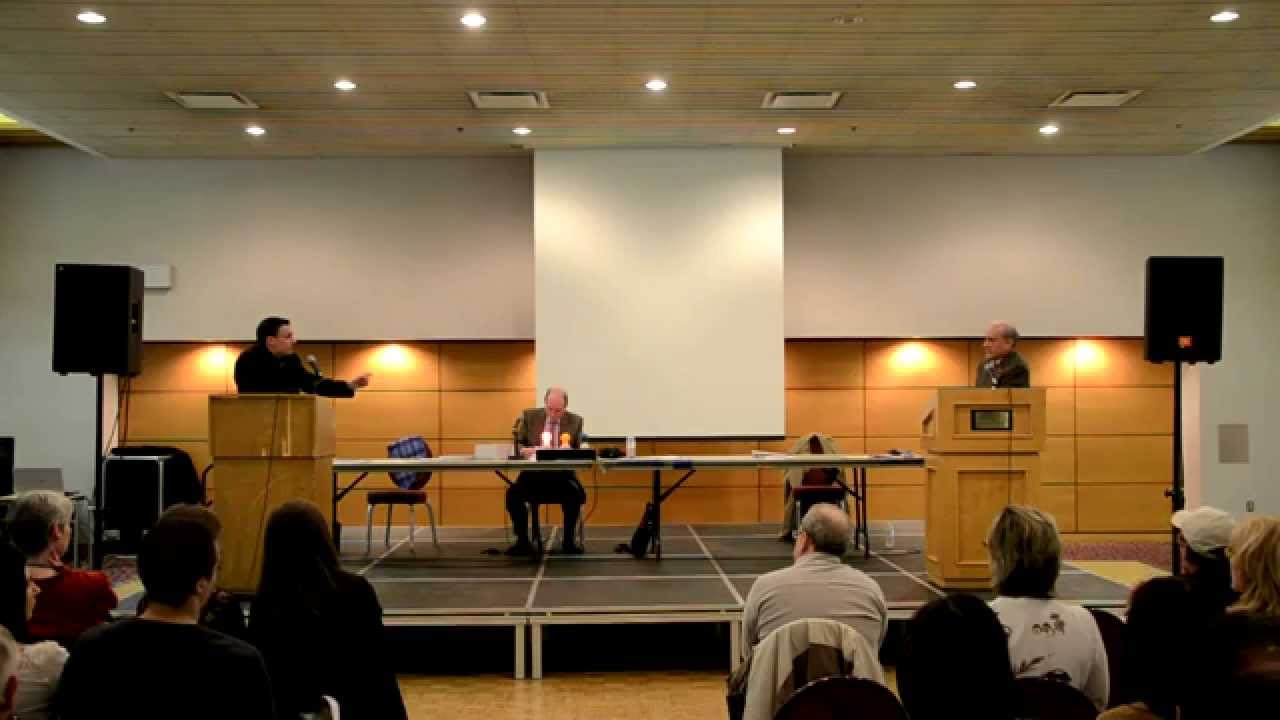
welcome to this lecture series on aspects of western philosophy module 36 and lecture number 36 so this lecture is going to introduce existentialism focusing on its main features and some of the important concerns of existentialism as a i don't want to call it a philosophical moment because there was not such a moment as such in that sense existentialism is a very unique and a very different approach to philosophy or has a place in the history of philosophy because these pictures you can see that if you can identify them the the first one is nietzsche we have already examined some of his views this is heidegger and third one is this is saath ranpal saath and here comes uh this is uh soren kirkegaard so they are all different types of philosophers for instance kirkegaard is south would call him a theistic existentialist and sartre would define himself or understands himself as an atheistic existentialist and heidegger is one person who would not probably like to associate himself with existentialism he rather hated that label of existentialism and nietzsche is the one person who was active in philosophy when the movement called existentialism was not was yet to come up so in that sense you know you can see all these diversity in existentialism and probably one philosopher who claimed himself as an existentialist in this picture is sartre who who actually claimed that he is an existentialist and he has also written a book existentialism and humanism which is a defense of existentialism a defense in the sense you know it's an answer to various critics from various directions from the communist from the christians from various other directions so in this lecture we will see some of the important features and try to situate it in the context of a historical development both in philosophy as well as in western history so it's very difficult to say that existentialism is the result of the works done by a group of philosophers who agreed upon certain common notions and all that very difficult to identify such such common themes yet there are there were atoms even including saath try to sort of identify something which can be understood as the most important feature of existentialism which is according to sartre the dictum existence precedes essence we'll discuss that later so here there is some sort of a definition or some sort of a description of existentialism which is given by charlesworth he says i quote it was one could say more an intellectual mood or atmosphere than a coherent creed or body of doctrine more an outlook or mindset than a philosophical party line more a method or approach than a school of thought and it was very much a creature of the wasteland that was europe during and after the last two last world war so this is uh uh this keeping this in line this is mind this this particular description of uh existentialism in mind let us move on to identify some of the important features though uh as i mentioned earlier this is not an attempt to identify some of the common features which which are said to be essential for all philosophers who would identify themselves as existentialists but just to see some of the features first one is characterized by a reaction of the philosophy of man against the excess of the philosophy of ideas and the philosophy of things so the in one sense this statement implies that traditionally western philosophy has been mostly a philosophy of ideas and philosophy of things where in that process man get neglected so existentialism can be seen as a kind of a response a reaction to this this feature it understands existence in a concrete sense of living or lived reality so this is another there are certain terms like lived experiences or living reality these are some of the terms which you will find uh repeatedly figuring in when you read existential literature because the focus is on the individual and the concrete manifestations of human existence what i mean by uh concrete manifestations are like you know the kind of experiences human concrete human beings have rather than problems of humanity or universal humanity there are problems which each individual a concrete individual faces in his or her life day-to-day life problems in relationships and various other issues traditionally philosophers have never dealt with such issues traditional philosophy has always been a philosophy of ideas or philosophy of things but here these thinkers these 20th century philosophers sort of try to argue that what's more important is man himself or herself accuses philosophical traditions of ignoring the concrete man and his problems so this is what i mentioned the concrete man and his problems are ignored completely by these traditional thinkers now let's see what is meant by understanding human existence when existentialists say that what is important is existence of man they are not interested in an air priori an impersonal conception of human reality this is again a very important aspect of existentialism there is a kind of turn towards concrete human existence the man who exists the man who lives his sleeved experiences his anxiety his dread his worries and problems so these are the concerns of existential thinkers not an a priori an impersonal conception of human reality they are concerned with again it's not to understand man in terms of some fundamental rational concepts like what was advocated by philosophers like plato uh descartes kant hegel etc for example in the case of plato you have this notion of essence so plato as a philosopher conceived what is philosophically relevant what is philosophically significant is uh the idea the essence of man is important not concrete human beings concrete human beings say conceived are imperfect copies of that idea of man so all substantial philosophical problems uh deal with these abstract universal ideas for plato where does the concrete human being figure in in such a situation again descartes where he begins with the thinking the kojito the thinking i which is again not a very concrete individual who lives in a world but it is a very abstract entity can't and hegel all of them you know there is a emphasis on structures of universal rationality in kant the structures of mine the 12 categories and hegel talks about an absolute in which everything is consumed under everything is brought under that absolute for heckle where there is no scope for anything which is concrete and particular so this overdose of universalism and absolutism and abstract theorization would uh eventually neglect the human situatedness the human worries the concrete human being what heidegger would term as the being in the world the world where the medics of you know things and objects and other human beings with a lot of problems and worries focus on the concrete living individual in his actual preoccupation with himself and the world so this is what i said the the actual relationship between the world of objects and other people and again you know how i preoccupy myself i mean when i live in this world my self-conceptions what i do the kind of worries i have i mean the kind of being i create out of this world in which i live so through my lived experiences i can put it in that way so these things are the focal concern and to derive the meaning of the individual man from living or lived experiences of concrete individuals and their surroundings now let's come to some important concerns again not to identify common concerns but some important concern which appear here and there in the work in the writings of these thinkers live one's life this is very important because the moment you emphasize on concrete existence of man you know what you mean by each each individual's concrete existence is unique so this is what heidegger means by authenticity when he says that when he distinguishes authentic human existence from by inaudib through his concept of bad faith which is which is where you inauthentically exist so where the emphasis is that you should leave your own life don't try to imitate others you live in a concrete situation you have to take decisions you cannot blame others for your life what is happening to your life take responsibility these are some of the important concerns associated with this then again existential questions are important death meaning of human existence god and man values in life nature of relationships etc so these are considered as existential problems rather than universal problems concerning human essence or universal human nature or anything anything of abstract nature these problems are very concrete you know when i say i'm concerned about that it's about death which affects me my death or death of those people whom i know so it's a concrete reality for me it's not an abstract philosophical concept again meaning of human existence what is that meaning when i raised this question i would eventually have to find an answer to this question from the context in which i live in this world so what things happen to me all those things that happen to me my historicity is very important in finding answers to these questions like values in life for instance my relationship with other people my relationship with god all these are problematized and in all such problems you can see the concrete human being comes to the forefront rather than an abstract universal humanity questions on the universal and objective values are suspended like essence of man value and meaning of life etc and concern for human freedom and choices and other issues related to this like direct anxiety etc concern for human freedom and choices like what do you mean by freedom freedom is essentially understood by existential thinkers as something which the ability and the freedom to make choices in your life so when you make a choice naturally you know you know that you are making the choice and you are anxious about what's going to happen so there is anxiety there is dread there is a lot of anxiety about what would be the impact or the result of the choice which you are going to make this is a quote from jasper's book who himself is a very important prominent member of this existential moment the book's title is philosophy of existence i quote already in the 19th century moments with this turn of mind kept recurring people wanted life wanted reality to leave wanted really to leave they demanded realism instead of wanting merely to know they wanted to experience for themselves everywhere they wanted to genuine wanted the genuine searched for origins and wanted to press on to man himself superior men became more clearly visible at the same time it became possible to discover the true and the real in the smallest particle unquote so the catch word is instead of wanting merely to know they wanted to experience for themselves i would rather identify this as the most important statement in this paragraph which i read out so here ah existentialism ah has been divided into two classes two types of existentialism mostly done by uh sartre it is theistic and atheistic so the the theistic existentialists are uh people like sauron kirkegaard who is also being understood as the founder of which is not a real apt expression the most important thinker in the existential movement in that sense kirkegaard has been regarded by many as the founder of existentialism martin buber paul tillich gabriel marcel and karl jaspers these are some of them they for them god exist and the atheist people prominently are ron paul sartre then simon de boa nietz nature is again as i mentioned you know it's very difficult to classify nietzsche as an existentialist but still martin heidegger this is also another uh very contentious issue because whether heidegger can be treated as an existentialist he himself which he doesn't want to be categorized as an existentialist then there are others like albert camus who are absurdist and also shared a lot of other concerns with the existentialist preferred to distance themselves from the existential movement and for them god does not exist or is not problematized for heidegger for for instance it's not problematized at all hence no values and meaning since people like nietzsche and sartre since they are visibly atheistic they would deny the conception of values which are transcendental or metaphysical there is no such transcendental and metaphysical values or meaning for human life which is fixed a prayer right so they would emphasize or rather sat would do it more explicitly emphasizing on you know creating one's own essences through existence the way one the exist the choices one makes in one's life and essentially you know one exists by making choices so by making such choices one exists and through which one makes oneself so that's the process which these people would prominently identify as part of their existentialism and absurdity is another concept which i have already mentioned people like albert camus and many others again let us come back to common features once again existentialism was not a rational philosophical system like rationalism or empiricism i've already mentioned this it was uh existentialist ideas were popularized through art and literature as well philosophers philosophizers not with reason alone see for instance sort was a novelist and some of his very important philosophical ideas were articulated through novels and short stories for instance his famous novel nausea which is probably his first philosophical novel is nausea and there are prominent stories like the world and all where he expresses the ideas of existentialism through these media and albert camus is another prominent literary figure who is a nobel laureate for literature he is his novels and short stories are they contain a lot of existential elements and and another very important aspect as i mentioned you know uh existentialism is not something which originated with one thinker in in in the classical sense of the term it has always been there and you know these philosophers particularly sartre and camu and many others they were all inspired by uh not only by philosophers but also by other kinds of intellectuals like poets and artists and novelists and others for instance shakespeare was a major inspiration uh dostoevsky is a very prominent inspiration for existentialist kafka france kafka his short stories particularly his very very famous story metamorphosis these are all very important literature for the existential moment and in that sense it's a very different form of philosophy there is no common doctrine which all the existentialists would be arguably advocating begins from man as an existent subject and not just a thinking subject so this is this is a very important concern you know it begins with man man is a not just a thinking substance like descartes conceived to be but a kind of existent subject not a substance subject which means you know you you are living in this world that's why you know this emphasis on lived experiences and lived reality they call it the man who feels wills loves hates and do many other things in this world so it's a being in the world where i exist as a concrete human being by relating myself with others and other objects and the world the the world of objects where i hate them love them and do many other things again philosophers who were identified with it were very different from each other as i already mentioned you know kierkegaard was a theist for his philosophy was predominantly a system where his one of the major concern kirkegaard was to to the relationship between man and god and for sarth for that matter there is no god so you have totally different contradictory kind of views and perspectives but still they there are certain very important features which put them all under the umbrella of existentialism theist atheist phenomenologists harmonouticians absurdist etc all these are philosophers who i mean different kinds of people who participated in the moment there are atheist and phenomenologists heidegger is a phenomenologist for that matter and hermeneuticians heidegger again is versus hermeneuticians absurdists like people like albert camus unesco samuel beckett all these people were not academic philosophers beckett and uh for that matter they were they were artists but they were and there were a lot of painters and other people against metaphysics that is purely speculative see this is one common feature we can say that you know the overdose of metaphysics which you would find in the philosophical systems of all almost all traditional thinkers you won't find uh in the these philosophies against systematization of reality because the major aspect of reality which these people are concerned with is the human reality which is a lived human reality which is a concrete human being and it's very difficult to systematize concrete human being because each human being is different and unique emphasis on individuality again it's a reaction and response to certain important historical and political development like any other philosophy there is a kind of very creative negotiation that happens between what is happening in the historical political and cultural domain and in the domain of ideas and thinking so here also we can see that it is a reaction and response to certain very important historical and political developments a response to certain dominant approached in ancient and modern dominant approaches in ancient and modern philosophy the importance given to essence over existence and it's a reaction against the totalizing philosophy of hegelian idealism which we have already seen hegel consumes everything under the the absolute becoming as a passage from non-existence to existence hegel advocates the absorption of existence into essence everything is absorbed under one entity which is the absolute for hegel now uh with regard to the social and historical factors the loss of faith is a very important uh catalyst or rather not just a catalyst very actively you know it contributed to the to the existential temperament emergence of this this kind of a philosophy religion losing it power which is being described beautifully by nietzsche in his expression death of god then again the two world wars gave rise to feelings of despair and disbelief in all established social political and moral order so the two world wars shattered european what you call foundationalist values system and this ultimately you know resulted actually in that sense nietzsche was predicting it the kind of faith in this death of god that what is eventually going to happen and then again this is another important aspect the rise of ideologies like fascism narcissism and communism none of them reserve a space a respectable space for the individual in it so they are all totalizing systems and you can see the way in which political power is so centralized in these systems in fascism and nazism you know the fascism which originated in italy mussolini was the sole leader of fascism and in hitler's germany nazism hitler was the soul leader and communism again we had seen you know what has happened in russia like people like again dictators like stalin have emerged they have crushed suppressed all free thinking and there was no respect absolutely no respect for the individual freedom or concerns of the individual or any of those things and modernity is all absorbing absolutism characterized by hegelianism and industrialization and urbanization which eventually made many tools see the one of the impacts of industrialization is it's separating man from nature or the kind of relationship man had with nature has been substantially revised drastically redefined with industrialization and urbanization because that kind of an intimate association with nature complete dependency on nature was revised to a kind of domination relationship where emphasis was more on controlling nature and changing it to one's own requirements so this has resulted in a kind of change of value system complete change of value system which ultimately resulted in this kind of you know social political and cultural you know events which europe has witnessed in 20th century so here uh let's see this uh figure this talks about thinking about human existence traditional and modern philosophical categories are inadequate to understand human reality so what happens in traditional systems is say for instance here man is understood as a thinking substance or a rational being for instance thinking substance by descartes rational being which is largely by modern philosophers epistemological subject by rationalism and prism mind body kind of dualism union whatever which was problematized by the modern philosophers again and then there are this materialistic tendencies which would identify man essentially as a physical entity so in all these things you know where is the man the concrete living man who is in the world relationship with things and other people in this world where is that concrete man in this whole picture so that's the question existentialists we're raising so the uniqueness of the concrete and real as over against the abstract and possible and not on existence as such to our way of encountering existence and not an objective interest in an existence which is indifferent in regard to the multiple existence but a subjective interest in the peculiar existent which every one of us is so this is what when you talk about existence focus of existence does it not i mean it doesn't mean that you know philosophers are concerned about existence as a very abstract philosophical problem or a philosophical idea but their concern is not on existence as such but our way of encountering existence and each one of us encounter our existence differently that uniqueness is being emphasized each one of us so it's not an objective interest in existence but which is indifferent and uh you know there are but the subjective interest in the peculiar existence each individual what is that kind of concrete human self is the locus where existence is discovered so when we talk about the precursors of modern of this uh existential movement i've already mentioned their names you have uh sauron kirkegaard who is uh the danish philosopher then you have fed fedor dostovsky who is a russian writer and novelist whose novels like crime and punishment brothers caramels or more prominently they contain a lot of existential ideas frederick nietzsche which who whose philosophy we have already discussed and kafka is another very important writer so when you talk about kirk god he pitched it against the hegelian absolute system which absorbs all individuals and particularities so which doesn't reserve any space for the individual concrete particular human being so this is something which he he challenges for kicker guard genuine philosophical experience is a personal experience it's a subjective experience opposes the rational explanations to justified god's existence because as i mentioned for kirkuk the relationship between man and god is a central problem of philosophy and this relationship cannot be theoretized it is something which needs to be experienced by every individual it's an experiential problem rather than a theoretical issue in kirkuk so this is from anderson's book it's a i quote faith constitutes a sphere of spear all by itself and every misunderstanding of christianity may at once be recognized as its transforming it into a dog trying transferring it into it to the sphere of the intellectual so this is his complaint about the established christianity though he himself was sort of concerned about the biblical god christ experience of god etc and emphasis was on subjective and personal choice personal things are more important than objective and universal realities everything is subjective and personal and objectivity is a myth and subjective and personal choice is the crux of human existence there are and and in this context he refers to three spheres of existence in an individual individual's life which an individual might undergo it's not necessary that each one of us would be undergoing all the three stages but these are the three possibilities according to him where one or two one has to make choices whether to continue in one particular sphere or move on to the next one and these are the choices the aesthetic uh the ethical and the religious so the aesthetic is where live for physical or intellectual pressure pleasure like don jo annuals who is completely immersed in the world of pleasures and uh where it seeks the most immediately pleasing thing there is absolutely no concern for something which is uh deeper and in one's on life so the second one is ethical where there is a recognition of some certain common uh ethical norms accept moral responsibility and lead a life of duty of moral duty to moral law so there is recognition of duty recognition of a moral law which is binding to the individual but even this stage it also has its problems so the next stage is the religious stage where life is completely devoted to god and give up everything ethical standards and the universal good everything is given up complete devotion to god so that's the highest stage and here uh the interesting point which kirkegaard's philosophy tells us is that these peers of existence are stages of life space each containing its own system of values when you are in that particular sphere you follow certain value system and to move from one to another is a personal choice there is nothing like a common a priori given strategy or requirement that you should go i mean there is no teleology that binds you to make a choice in a particular way it's a personal choice which each person has to experience and do actually make it a choice not guided by any meta principles and a rational leap so he says that from one stage to the next is an irrational leap it's not it cannot be based on certain rational calculations of free choice which cannot be further defended and the individual passionate and discontinuous proceeding by sudden leaps and crisis which he encounters in his life owing to his very peculiar historicities and situatedness and dostoevsky as i mentioned is another very important figure very important influence in the extension moment problematized human limitations agonies anxieties and helplessness the human confusions and problems through his novels this is his uh masterpiece novel brothers karamazov it's a conversation between two characters intellectual ivan and his brother alyosha alyusha is more a kind of a god intoxicated man while everyone is visibly an intellectual who lives who theoretizes so let us see the conversation so this is what ivan tells alyosha i quote you know thereby there was an old sinner in the 18th century who declared that if there were no god he would have to be invented and man has actually invented god so this question whether man has invented god or god made man that's a question that's a problem and again it says and what is strange what would be marvelous is not that god should really exist the marvel is that such an idea the idea of the necessity of god could enter the head of such a savage vicious beast as man again dostowski again one more passage from brothers karamazov and this is again said by evan to alusha and so i accept god and i'm glad to and what's more i accept his wisdom his purpose which are utterly beyond our kin i believe in the underlying order and the meaning of life i believe in the eternal harmony in which they say they shall one day be blended yet in the final result i don't accept this world of gods and although i know it exists i don't accept it at all it's not that i don't accept god you must understand it's the world created by him i don't and cannot accept unquote so this situates a man a concrete man in a context and kafka is another very remarkable writer isolation of the individual is so prominently characterized by him the individual's place in the world the anxiety and guilt experienced by individuals all these things are highlighted by him and nietzsche we have already seen you know the way in which he was declaring that all truth is perspectival and again with this declaration of the death of god how he propagated a kind of nihilism of morals everything is permitted as truth is perspective there is nothing like the path okay so in that way you know he was also advocating a very unique kind of philosophical position knowledge and truth are provisional and change over time and with the ruling class and there are many kinds of truths and consequently there is no truth unquote this is from will to power so uh so you have a very interesting concept of truth here by nietzsche he says truth is an edifying name for what are really vital lies and what kirk god says is objective truth is existentially irrelevant and what saath says is no universal truth so with this you know let us revisit the key themes of existentialism there is an emphasis on freedom where we are condemned to be free this is by saath very famous statement by saath i will address this problem in the next or some of the subsequent lectures then the concept of responsibility because we have freedom in our fundamental projects and attitudes we are responsible for the people we become so this is again a very concrete problem not a problem which which is an abstract philosophical issue which human beings are facing but a concrete problem which every individual would be faced differently or the intensity would also be different there are different types of people right there are different types people's temperament differ from each other so accordingly you know the way in which they conceive their problems also would change emphasizing individuality his or her search for authentic selfhood is a major issue ideas of self-creation and authentic existence become important in this context we have already examined how haidakar problematizes the problem of authentic existence then again the the this problems like asked dread anguish anxiety when we reflect on our freedom we experience this kind of an inescapable anxiety and inauthentic existence and bad faith we have already made reference to those who refuse to take responsibility for themselves and living an inauthentic existence in bad faith they are self-deluded and again finitude guilt alienation despair death they are not topics of discussion in traditional philosophy but these thinkers take up them with some very remarkable originality acknowledgement of the tragic elements of human existence some are even pessimists and absurdists while some are some others speak about hope see for instance albert camus begins his famous book the myth of sisyphus with the statement that the most serious philosophical problem of 20th century is that of murder and suicide see the kind of tragic element is being highlighted and there are of course philosophers like kirkegaard who talk about hope so you can't say that you know all of them belong to one particular school but they all reflect certain common concerns the best one the i mean probably the the ideal candidate for a common theme uh in the works of all existentialist philosophers would be this existence precedes essence which is actually i believe it is coined by tsar because it is in this book uh in his various articles he has written about it we do not have a standard existence but we create ourselves there is a lot of emphasis on personal freedom there is nothing like you know i model myself on a universal humanity but there is nothing like a standard norm given to me on which i can model my existence but my existence is a very concrete process where because i find myself in a very unique situation which is not there for others and my historicity is different my relationship contexts are different everything is different so the way in which i create myself since i have freedom to create myself is definitely going to be different from the ways in which other people would be creating themselves unlike other entities where their essential properties are fixed air prey or i human beings make themselves through their choices and actions and again there is no air priori essence like human nature or essence that determined man we'll uh probably discuss this again in the next lecture when we analyze when we try to understand sarth's position again human beings have no moral blueprint no idealism or perfect nature for humans man makes his or her essence first man exist and he or she create the essence so this is uh something which characterizes human existence from other the existence of other objects that he first exists and then creates his essence unlike other objects say for example a pen which initially i mean which first the essence of this pen is already there before its creation the man who created it the man who produced it must be having a blueprint an idea about it what he's going to produce but in the case of man there is nothing of that sort passions emotions and instincts are not really irrelevant when i create myself see it's a process in which i create myself through living through various things i do through my actions and thoughts and feelings and emotions all these things play a very important role in this process of self-creation and there is you know this niche's concept of will to power becomes extremely relevant in this context and passion to exist kierkegaard says heidegger says that design is mind and is being in the world and saath says being in itself and being for itself we'll explicate what this is in the next lecture but just to mention being in itself is the things which uh where essence precedes existence but being for itself is where you know the being of man where existence comes first and then through living through choices he makes he creates his essence so when we try to distinguish these two important terms essence is what a thing is that which is definable in a thing we call its essence so when we define an object we often isolate the essence of that object and say that this is what the object is so what is intelligible about an object and many considered essence as superior to existence and even absorbed into essence like hegel on the other hand existence is that the thing is not easily definable because it's something which keeps on changing again existentialism gives priority to existence of our essence and see it's very important to note this distinction that man is rational animal or a thinking substance there is all an a tendency to essentialize man that man is a thinking being or a thinking animal rational animal where which denies man a freedom narrowing down human existence to that but what sartwood's argue is that it's not so so there is no uh in the case of man the existence precedes essence and then i make myself whether i'm going to a painter or a musician or whatever it's my choices which would enable me to achieve my essence existence is characterized by concreteness and particularity it implies givenness of a fact the existence of a camera or a pen or whatever you have its existence is not my creation for instance it exists as something it is it is there the camera the pen the book the computer they are all there and to exist is derived from the latin word existiare which means to stand out or emerge to stand out from nothing to exist is to have a place in the world real world concreteness is asserted existence is concrete and particular while essence is abstract and universal so in this context i mean it's important to distinguish existentialism from essentialism or essentialism from existentialism we have seen that you know all these traditional philosophers have been emphasizing a lot on the problem of essence the problem of abstract essences and essences have always been a central idea in traditional philosophy and where predominantly you know these traditional philosophers considered existence is illusory essences are universal and are unchangeable they're notable i mean a striking example is that of plato everything is a copy and essences alone are real plato conceived only essences as realities and treated existence of particular as illusory contingent and changeable and hegel's totalizing philosophy everything is absorbed into the absolute so his absolutism and now when you try to uh understand the concept of existence in existentialism it is to distinguish the unique way in which man exists in the world only man exists in the case of other objects as i already mentioned essence is prior but in the case of man existence is prior highlights the ontological peculiarity of man's being the being of man is understood in terms of facticity throneness and particularity we have already discussed these concepts when we discussed heidegger's philosophy what do they mean like facticity somewhere throneness i find myself in a world in a world of objects and other people middles of this world and particularity all these are my experiences limitations and scopes of man being are the problems here facticity throneness transcendence on the one hand there is facticity i find myself in a particular situation and to some extent i am constrained by i'm limited to that situation but at the same time there is a transcendence like i have certain projects objects have certain meaning for me so i approach the world with certain projects i have plans aspirations desires and then again there are problems like alienation and authenticity must be understood in this context so existence for kirkegaard is the contingent the particular that which refuses to fit into some system constructed by rational thought and heidegger calls it man's being a dozen and saath concept of existence unfolds with the explication of being in itself being for itself and being for others this will these concepts will uh examine in detail in subsequent lectures so these are this is uh let us now wind up this lecture we will just summarize the topics which you have discussed today we have seen the emphasis the kind of emphasis existential philosophers giving to individuality particularity and subjectivity and there is no conception of objective truth subjectivity disclosure and concealment are concepts which were emphasized we have seen this when we discussed heidegger how heidecker conceives truth as disclosure or unconcealment and when it comes to nature needs says that all truth truths are lies truths becomes truth become perspectival so and a perspective truth is not true at all so these are some some kind of things which we have examined and emphasis on lived experience like passions emotions fears anxieties confusions etc and then we have seen the kind of tensions between universalities the situatedness of human experience and the kind of universality which will be further explicated in the next lectures and throners versus absolute essence existence precedes essence which is probably arguably the most important concept and freedom and responsibility are emphasized in this context so we will wind up this lecture here this lecture on existentialism and introduction it was basically and now we will see in the next two lectures about the philosophy the existential philosophy of jean-paul sartre who is probably can be considered as the most important philosopher among the in the in the existential moment so we will see that in the next lectures this lecture will wind up here now thank you you
Up Next

9:14
Kierkegaard's Knight of Faith: Existentialism & The Absurd
@PhilosophyVibe
14.4K views•2021-10-13

164:01
John of Damascus on Holy Images: A Theological Defense
@BannedBooks
139 views•2026-04-25

34:18
Adorno & Horkheimer on the Culture Industry & Mass Deception
@IITRoorkeeJuly
11.3K views•2019-03-01
4:57
The Myth of Sisyphus: A Greek Legend of Eternal Punishment
@TEDEd
8.6M views•2018-11-13
Related Study Plans & Knowledge Roadmaps
Structured learning paths in Philosophy
philosophy
Frankfurt School: Critical Theory & Culture
01Foundations of the Frankfurt School and Critical Theory
02Horkheimer & Adorno: The Critique of Instrumental Reason
03The Culture Industry and Mass Deception
+ 2 more learning modules
12h5 modules
Explore Roadmap
philosophy
Philosophy of Language: From Frege to Austin
01The Linguistic Turn: An Introduction to Language in Philosophy
02Gottlob Frege: Sense and Reference
03Early Wittgenstein: The Picture Theory of Meaning
+ 3 more learning modules
15h6 modules
Explore Roadmap
philosophy
Feminist Epistemology: Standpoint & Injustice
01Introduction to Epistemology and Feminist Critiques
02Sandra Harding and Standpoint Theory
03Donna Haraway and Situated Knowledges
+ 2 more learning modules
12h5 modules
Explore Roadmap
philosophy
Environmental Philosophy: Ethics & Deep Ecology
01Foundations of Environmental Ethics & Anthropocentrism
02Biocentric Individualism and Animal Liberation
03Ecocentric Holism and Deep Ecology
+ 1 more learning modules
10h4 modules
Explore Roadmap