

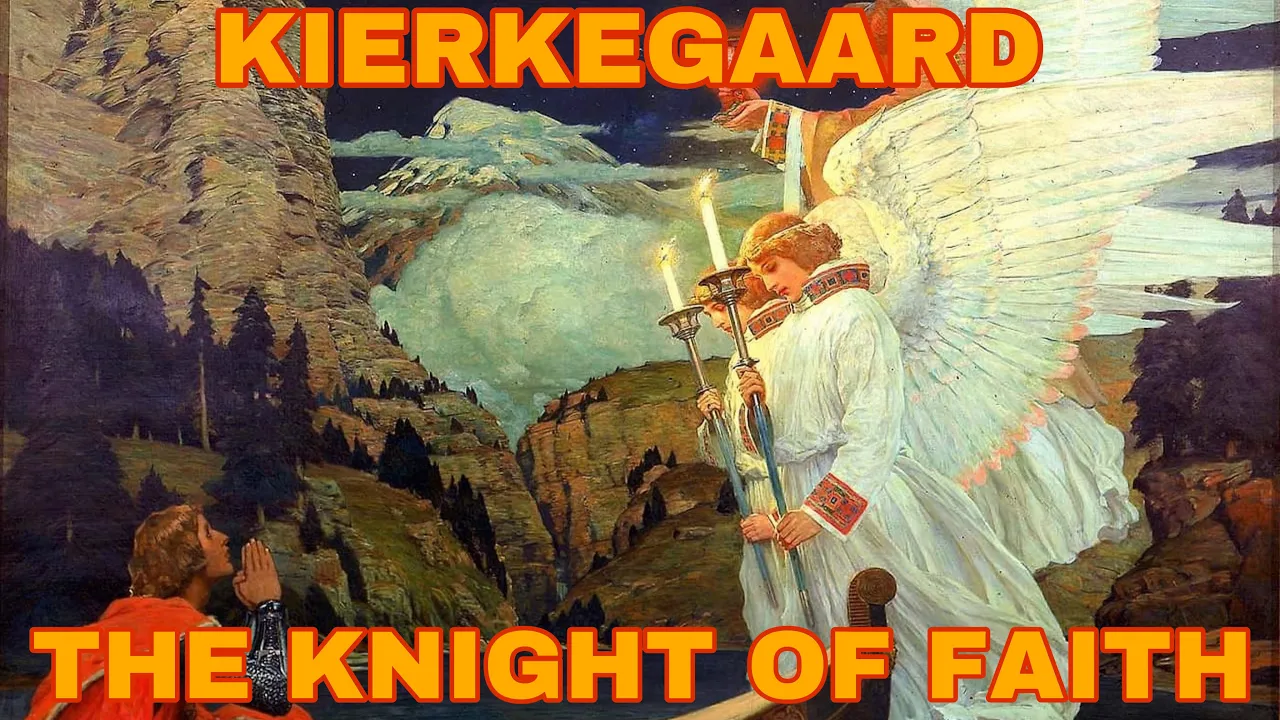


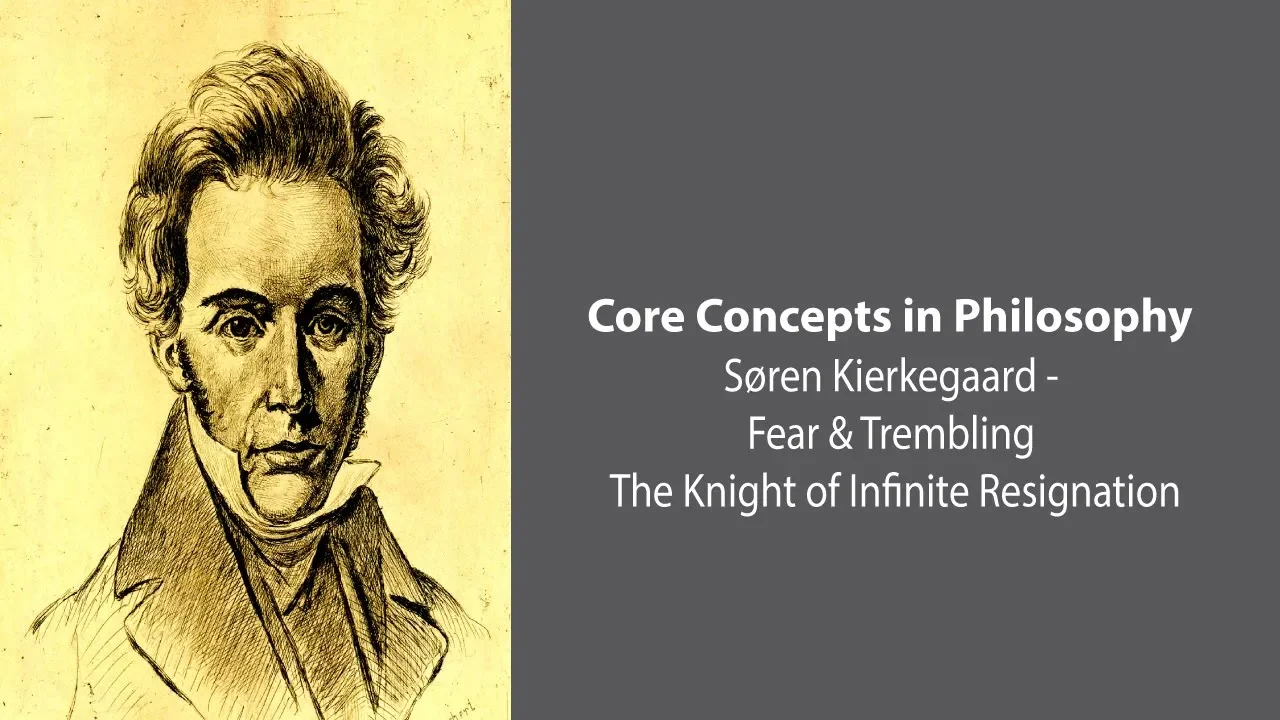


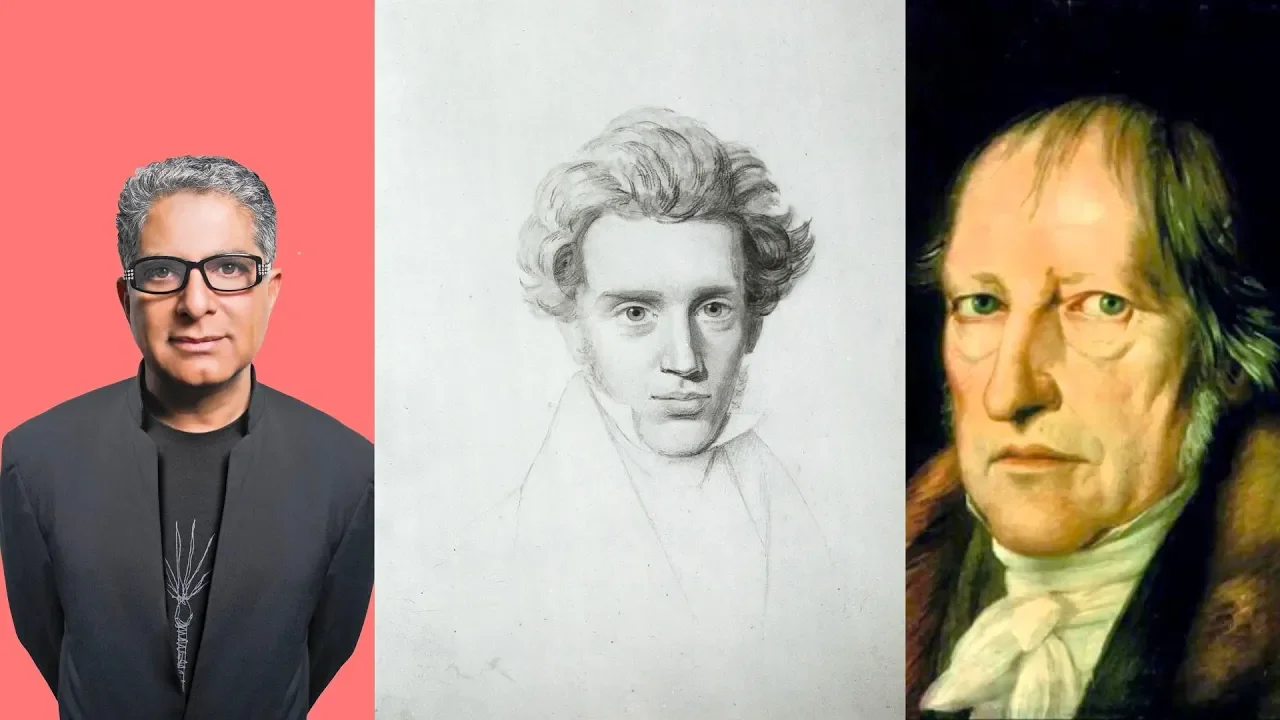









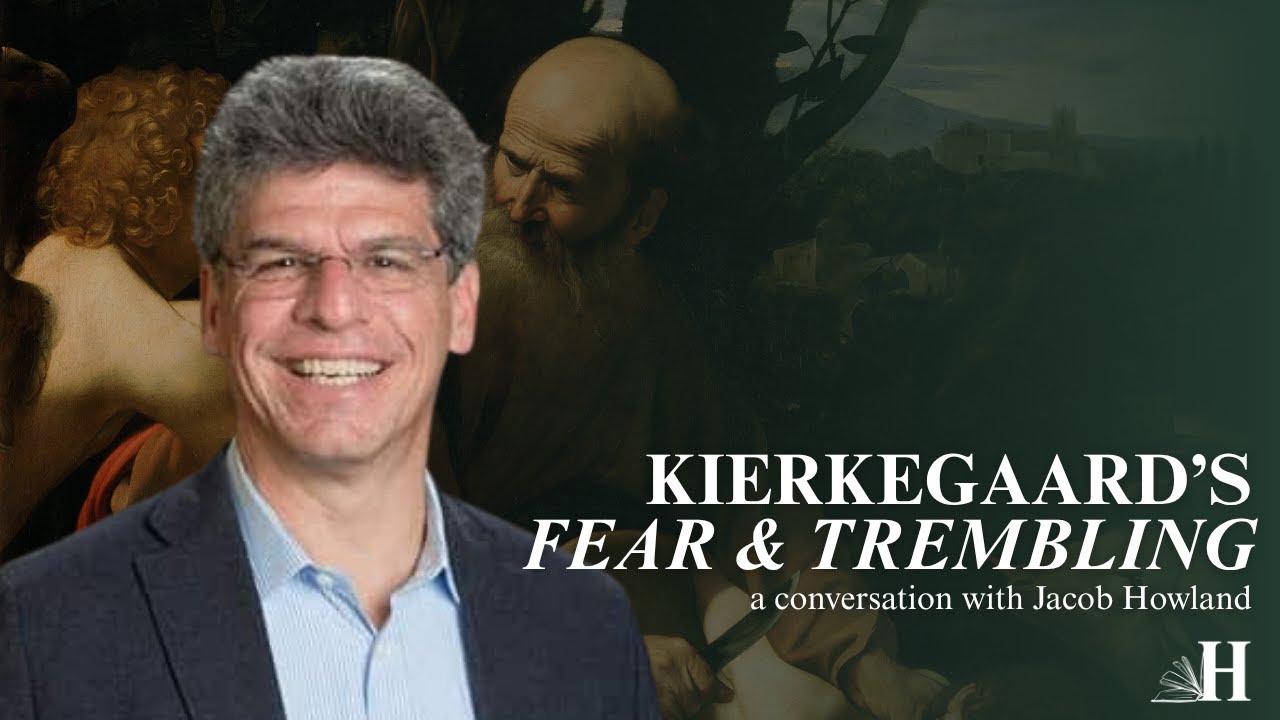



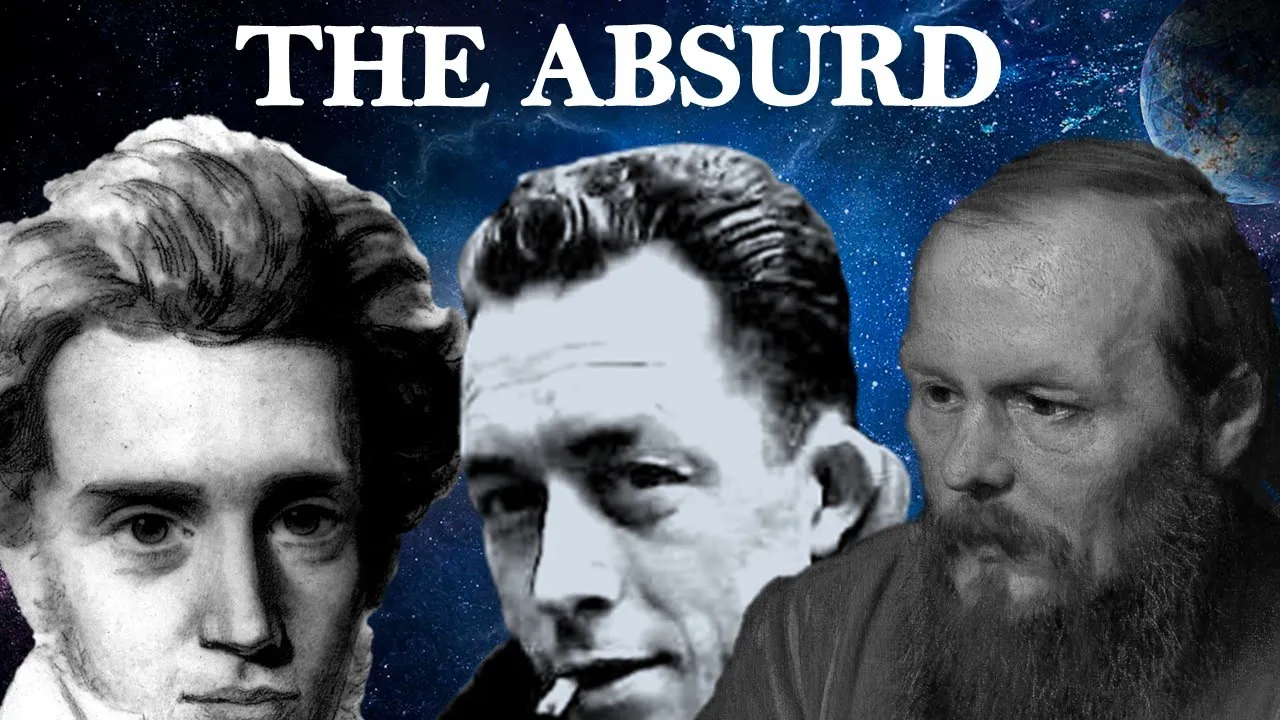


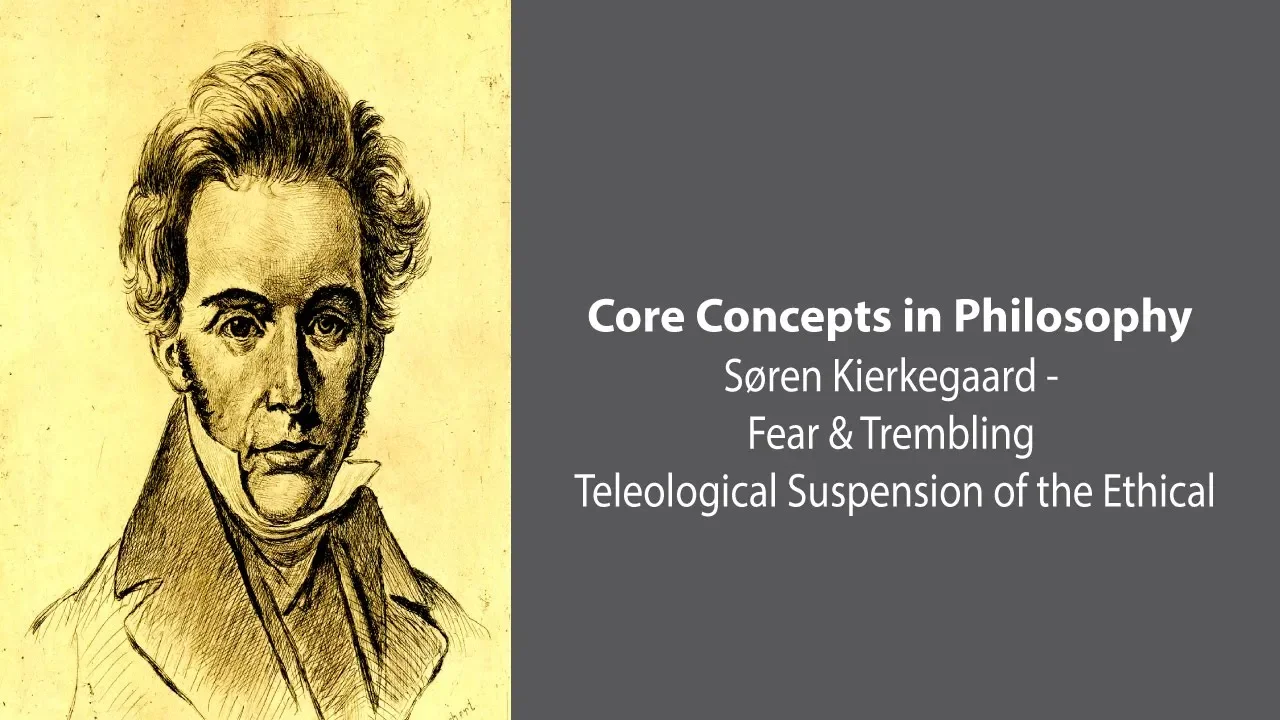





Søren Kierkegaard, considered the father of existentialism, introduced the concept of the 'Knight of Faith' in his work 'Fear and Trembling,' describing it as the highest form of faith where one maintains complete devotion to God even when faced with logical contradictions and paradoxes; unlike the 'Knight of Infinite Resignation' who merely accepts reality, the Knight of Faith embraces the absurd through a 'double movement'—simultaneously resigning to impossibility while maintaining unwavering faith that God will grant what cannot be achieved through natural means, exemplified by Abraham's willingness to sacrifice Isaac despite knowing it was both morally wrong and logically impossible, though critics argue this concept can dangerously justify extreme religious behavior when taken to its logical conclusion.
Kierkegaard's Knight of Faith: Existentialism & The Absurd
Added:[Music] hello and welcome to philosophy vibe the channel where we discuss and debate different philosophical ideas today we're going to be looking into the works of sauron kierkegaard and discussing the concept of the night of faith interesting so soren kikegod was a 19th century philosopher often seen as the father of existentialism we have covered some of kicker god's works around the three stages of life which may be worth a watch however in kicker god's third and final stage of life he describes this as the religious when we develop a personal relationship with god the knight of faith is one who develops the highest form of faith in god we shall now look closer into this concept fascinating now we all understand what it means to have faith in god to devote one's life to a higher being however in kierkegaard's book fear and trembling where he was in fact working under the pseudonym johannes celentio the knight of faith is explained as someone who possesses the highest form of faith that one can have the night of faith is the epitome of the religious life no matter the situation the circumstance the outcome no matter what the night of faith will have complete and utter faith in god even when faced with logical contradictions when one's faith is challenged by all reason and rationality one will still fully devote themselves to this faith kicker god refers to this as the absurd when all reason and logic cannot explain the knight of faith will still hold on to this faith no matter what i'm not sure i understand this fully ok to make things clearer kirkegaard gives the example of a knight of infinite resignation versus the night of faith in life we are met with challenges we are met with pain with suffering we want things we can't have and we can have things we love taken from us etc etc now when faced with such a challenge the knight of infinite resignation will be resigned to the fact of reality they will accept that what they long for they cannot have in this life they will be resigned to this fact they will be resigned to their reality it may cause them pain and trauma but they will accept it the night of faith will go through what the night of infinite resignation goes through however they will go one step further they are resigned to the reality of their situation however they still believe what they want will be granted to them through the will of god even though it is impossible even though they are resigned to the truth of the matter they still have faith that in this life they will get what they long for their faith continues even in the face of impossibility this kicker god refers to as double movement the knight of faith knows that they cannot achieve something they give up on what they hold there yet at the same time they embrace the absurd they embrace the illogical they rise up and they say no matter the impossibility no matter the irrationality no matter the paradox with faith in god anything can happen and what i long for can still be mine i see to illustrate this further kierkegaard gives the example of the pauper falling in love with the princess there is no way that in this lifetime the pauper will ever marry into the royal family and so marrying the princess is a complete impossibility now as a knight of infinite resignation the pauper will give up on marrying the princess he may still hold on to this love it will cause him pain and depression he may even believe that they can be together in another life however the pauper is resigned to the fact that they can never be together in this lifetime however as soon as the pauper takes the final step the double movement he rises up and says i know i cannot marry the princess i know it is a complete impossibility yet i still have faith that i will marry the princess in this life i believe nevertheless that i shall get her in virtue that is of the absurd in virtue of the fact that with god all things are possible then the pulpa becomes a knight of faith the pulpa has embraced the absurd kicker god refers to this as taking a leap of faith among all the impossibility and the paradox the pulpa still believes this is a night of faith this is what it means to have complete faith in god very interesting kierkegaard believed that the one person who has been the true personification of a night of faith was abraham and this was made evident in the biblical story of the binding of isaac in this story abraham was instructed by god to sacrifice isaac god commanded abraham to murder his son ok but how does this make abraham a knight of faith because abraham was prepared to do this abraham was prepared to put his full faith in god and commit this sacrifice even in the face of all the paradoxes and absurdities abraham knew that murder was wrong yet abraham knew that murdering his son was also right because he had the faith abraham loved his son and wanted the best for him yet he was going to murder him it was absurd illogical it was pure faith abraham was prepared to murder his son yet at the same time he believed that everything would be fine that his son would carry on living and would be blessed this is the double movement being prepared to murder your son but still believing they will survive this is embracing absurdity this is being a knight of faith truly fascinating so there we have the knight of faith a complete faith in god even against all contradictions and reason one carries on having the faith and believing that with faith in god everything will be okay everything will be as it should quite inspiring actually i do get glimpses from religious people practicing this night of faith concept when they're going through difficult times even in the most troubling of times they will say god works in mysterious ways they will keep their faith intact if anything it helps them carry on yes indeed from a philosophical perspective i actually find kierkegaard's night of faith difficult to argue against i'm always ready to debate using logic and reason but this particular theory specifically goes against logic and reason it is actually the foundation of being a knight of faith double movement and absurdity is by their very nature illogical and that is the point no matter what logical arguments i can throw to discredit the knight of faith it doesn't really damage the nature of the theory because it is an illogical theory you are supposed to have faith in the unreasonable and contradictory this seems difficult to argue against granted i would never be convinced to be a knight of faith as i value logic over faith but i cannot use logic to argue against a theory that values faith over logic interesting point the only thing i would say not from a philosophical point of view but more from a societal point of view is that the knight of faith concept can actually be quite dangerous how so if someone is willing to give up all reason and rationality for their faith then what else are they prepared to do abraham was willing to kill his son his faith allowed him to discard all morality and emotion and do what god commanded can this not be used to excuse any evil behavior what if someone truly believes that god wants them to commit acts of terrorism or murder or genocide no matter how you argue on a moral level on a logical level on an emotional level on a human level it will not matter as they can simultaneously think that their evil acts will be fine as they have faith i think this can open the door to religious extremism of the worst kind and can justify just about anything as long as you have faith good point if you would like the script to this video and you would like to help support the channel then please check out the philosophy vibe existentialism ebook available on amazon this script is also included in the philosophy by paperback anthology volume 1 philosophy of religion also on amazon the links are below and finally please take a look at our merch store on spring some great philosophy theme merch there that we are sure you would love and thank you to everyone who has supported us so far but that's all the time we have for now thank you for watching we hope you enjoyed the vibe and what does everybody else think are there any nights of faith out there let us know in the comments below don't forget to like and share and for more philosophical debates please subscribe to the channel take care and we look forward to seeing you all soon
Up Next
Sartre: Existentialism Is a Humanism Audiobook
@echobookofficial
156.3K views•2020-05-03

John of Damascus on Holy Images: A Theological Defense
@BannedBooks
139 views•2026-04-25

Robert Nozick's Entitlement Theory: Free Market Justice Explained
@PhilosophyVibe
19.6K views•2023-11-15
The Myth of Sisyphus: A Greek Legend of Eternal Punishment
@TEDEd
8.6M views•2018-11-13
Related Study Plans & Knowledge Roadmaps
Structured learning paths in Philosophy