














![(2. Bölüm) Aeneis: Roma Destanının Analizi [Pietas veya Sadakat]](https://i.ytimg.com/vi/HB_tDUuXdTQ/maxresdefault.jpg)

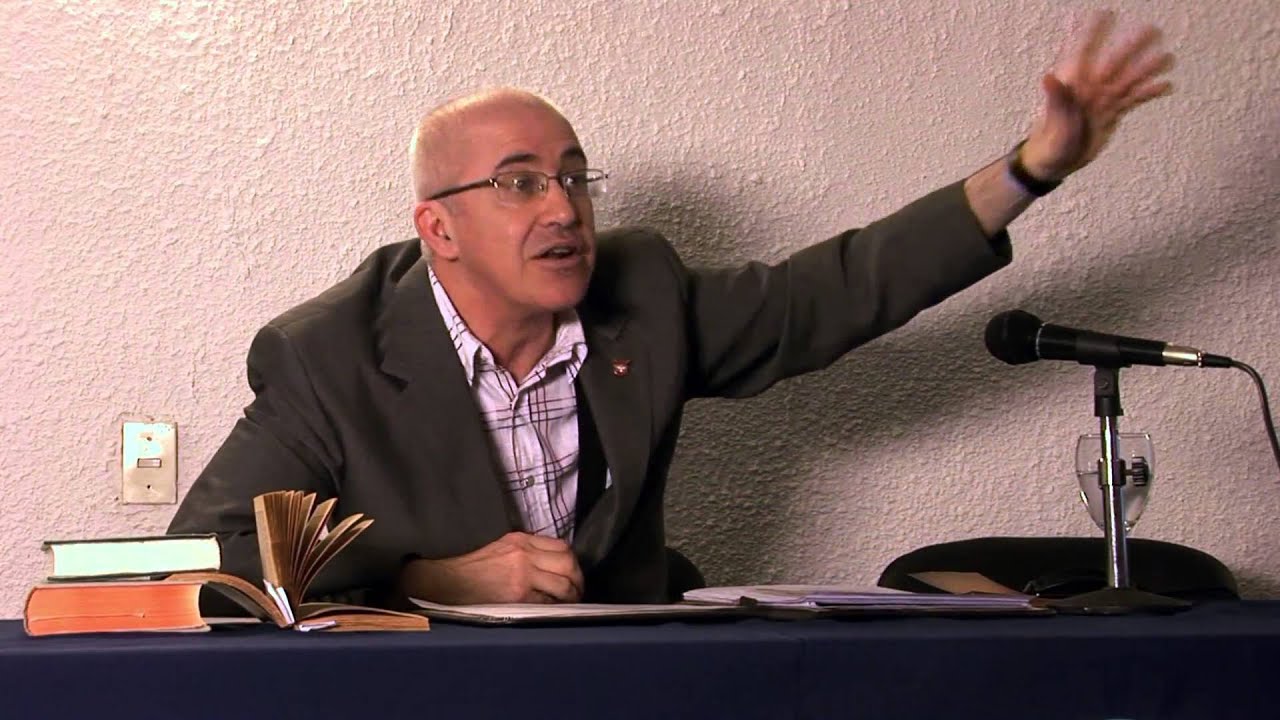








Pietas, the central Roman virtue, encompasses religious duty to the gods, loyalty to one's fatherland (patria), and responsibility to one's family, requiring individuals to subordinate their personal desires to the welfare of their household, country, and divine obligations, as exemplified in Livy's moral historical writing and Virgil's Aeneid where characters like Aeneas sacrifice personal happiness for duty.
What Is Pietas? Roman Virtue Explained by Anthony Esolen
Added:The concept of virtue ethics in classical antiquity, specifically how ancient cultures defined moral excellence and character.
The structure of the traditional Roman family, particularly the absolute authority of the household head (patria potestas).
The civic and contractual nature of Roman polytheism, where religious practice was deeply intertwined with state duty and public order.
An introductory familiarity with Virgil's 'Aeneid', as Aeneas serves as the mythological archetype of 'pietas' (pious Aeneas).
The political utilization of 'pietas' by Emperor Augustus during the transition from the Roman Republic to the Empire to legitimize his regime.
A comparative study of other cardinal Roman virtues, such as 'gravitas' (dignity), 'virtus' (manliness/courage), and 'fides' (trustworthiness).
The adaptation and synthesis of Roman 'pietas' into early Christian theology and the medieval concept of duty to God.
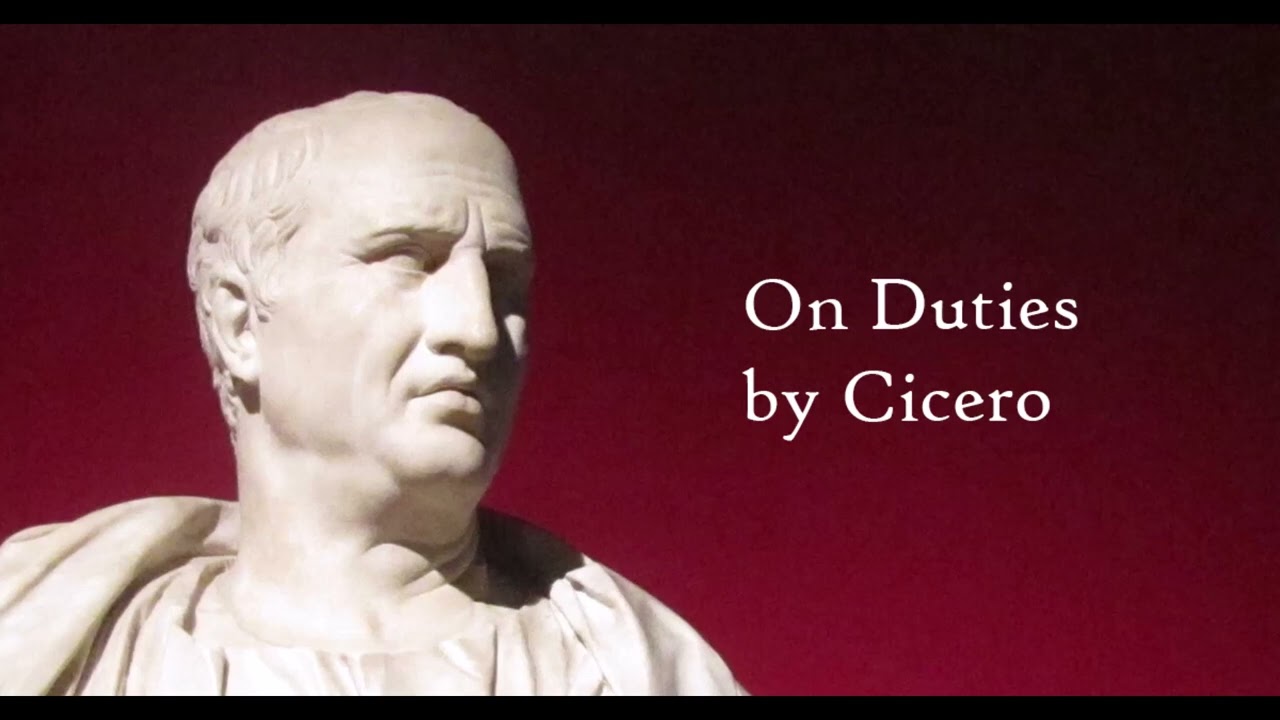
A close reading of Cicero's philosophical treatise 'De Officiis' (On Duties) to analyze the civic obligations of a Roman citizen.
3.7K views101likes6:43Original Release: 2019-01-18
well his patron Augustus Caesar who was in fact an autocrat Rome though he considered himself as the savior of the Roman Republic right Livi's project was after Augustus heart that as Augustus asked him and Virgil and others to try to do things in Arts and Letters that would restore the old Roman virtues because he thought and I think he was largely correct about this that certain kinds of vices that rich people are prone to had gotten into the upper classes in the city itself and they included they included the sexual vices that the for instance Augustus passed a law that required men of a certain age to get married by then right and not to remain unmarried not to remain like free radicals in the state getting getting girls pregnant and otherwise not being responsible fathers of families anyhow so uh so Livy writing his history of the Roman people which i think of also was a task that he he loved he genuinely wanted to do this is writing in part as a moralist so he he wants to show not simply what happened but what we can learn morally from what happened and it's not that the Romans of old were always virtuous they weren't and Livy doesn't cast them as always virtuous but he does it is a kind of moral drama in that the old-fashioned virtues if we follow them really do lead to success prosperity victory in war and order in in the state so what exactly they'll all grow on virgins the quintessential virtue for the Romans was PA toss which is now translated into English as piety but as I told my students this morning when we think of piety an image comes to mind of your grandma lighting a votive candle at the side of the sanctuary and saying Hail Mary it's something that very nice grandmas do it doesn't seem in our minds to have to do with your duty to your country or your duty to God or your duty to your father to the your parents but in Roman mind in a Roman mind all of those things went together right so the virtue of piety meant that you did your religious duty you didn't if they love the gods nobody loved the gods why would you love the gods but you didn't your religious duty by the great gods and then your patria which is your fatherland your country and your family which is governed by the paterfamilias the father in charge of the family right and to your household gods and the household gods were your ancestors deceased and after they're after the death they become gods of your household and you honor them but they you make little figurines of them or you have death masks made of them and from those masks you can get maybe a sculptor to sculpt the bust or you can you can cast something in wax and have it on your mantle for special days for holy days so that uncle Vinny will be there and uncle Vito and all these others and they they they remind you of where you came from and they exert kind of powerful conservative influence upon you you have to measure up to your forefathers and they're still there with you they're watching you they're beneath your hearth they are centered upon the good of this household as you should be it's a powerful virtue and I think it's a natural virtue it's one that the Christians saw and they said to themselves well yes they've named the virtue correctly but they don't have the right God okay they've gotten some things wrong about how this virtue applies to us in life but the virtue itself virtue itself was a powerful natural good our Livy and Virgil in agreement with their understanding of yeah I think so yeah yeah one of the things that in it requires that we would find uncomfortable is a subordination of your individual desires to the welfare of your family and the welfare of your country not to mention your duty to the gods okay when it comes to any kind of conflict between these things if a conflict should arise it's not that you put your individual desires second your individual desires don't get put at all they are of no consequence what's important is your duty to the gods and your country your city and your family right that's what's important and the household gods you don't enter into it you take what you should desire from the requirements of the virtue and not the other way around and that means sometimes as we'll see we see in Virgil's Aeneid that means sometimes that you're not going to have a happy life right Aeneas Virgil's hero does not have a happy life he can't have a happy life if he if he pursued his own delight he would be doing none of the things that he has to do in the poem but you have to do what you have to do when that's all there is to it you
Up Next
92:52
Mahabharata and Indian Philosophy of Values | Swami Tattwamayananda
@SFVedanta
863 views•2025-12-01

164:01
John of Damascus on Holy Images: A Theological Defense
@BannedBooks
139 views•2026-04-25

68:32
Should We Destroy the Machines? Big Tech Surveillance Critique
@TheStoriesWeTell303
167.9K views•2025-11-30
4:57
The Myth of Sisyphus: A Greek Legend of Eternal Punishment
@TEDEd
8.6M views•2018-11-13
Related Study Plans & Knowledge Roadmaps
Structured learning paths in Philosophy
philosophy
Frankfurt School: Critical Theory & Culture
01Foundations of the Frankfurt School and Critical Theory
02Horkheimer & Adorno: The Critique of Instrumental Reason
03The Culture Industry and Mass Deception
+ 2 more learning modules
12h5 modules
Explore Roadmap
philosophy
Philosophy of Language: From Frege to Austin
01The Linguistic Turn: An Introduction to Language in Philosophy
02Gottlob Frege: Sense and Reference
03Early Wittgenstein: The Picture Theory of Meaning
+ 3 more learning modules
15h6 modules
Explore Roadmap
philosophy
Feminist Epistemology: Standpoint & Injustice
01Introduction to Epistemology and Feminist Critiques
02Sandra Harding and Standpoint Theory
03Donna Haraway and Situated Knowledges
+ 2 more learning modules
12h5 modules
Explore Roadmap
philosophy
Environmental Philosophy: Ethics & Deep Ecology
01Foundations of Environmental Ethics & Anthropocentrism
02Biocentric Individualism and Animal Liberation
03Ecocentric Holism and Deep Ecology
+ 1 more learning modules
10h4 modules
Explore Roadmap