










![shrimad bhagavatam 3.27.21 day1 [ 3-4-2026 ] ( for zoom link pls contact 9870792069)](https://i.ytimg.com/vi/8lVkyZ__780/maxresdefault.jpg)






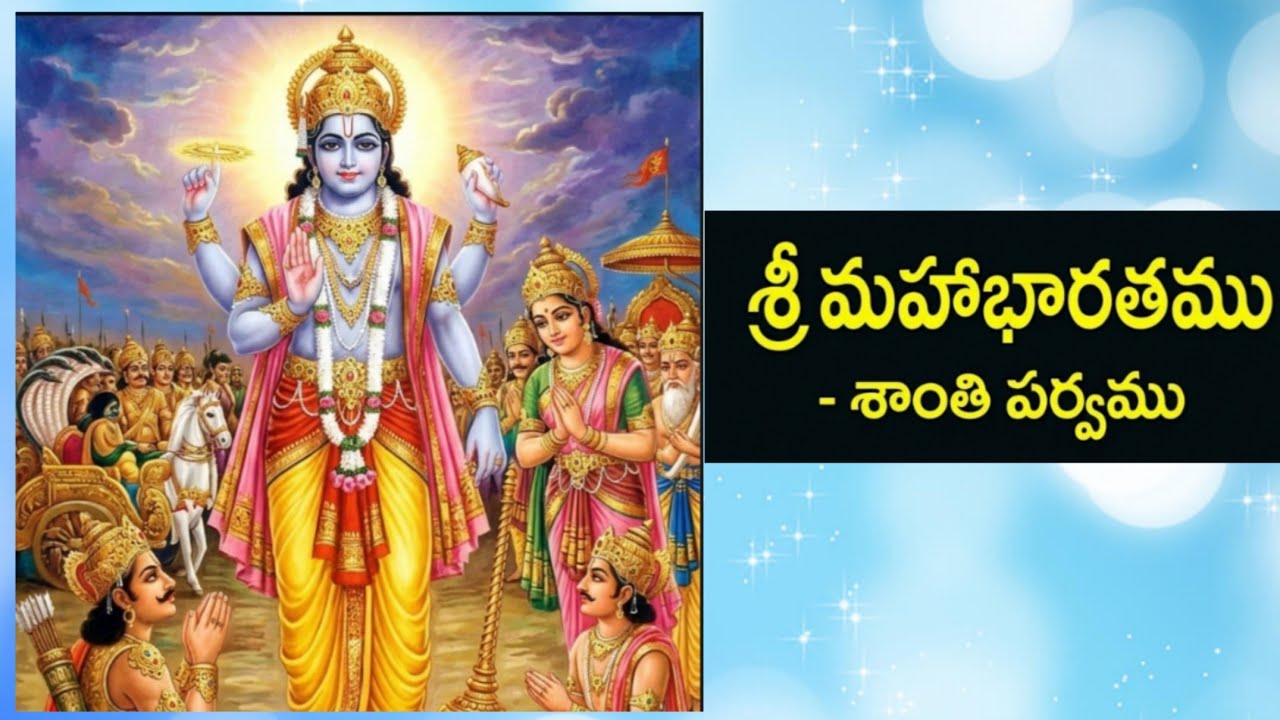
Dharma in the Mahabharata is not merely rigid idealism or nonviolence, but a practical principle that preserves and protects society; rigid adherence to nonviolence (ahimsa) can paradoxically lead to greater violence, as demonstrated by the inaction of elders during Draupadi's humiliation which led to the great war, and the historical parallel of appeasement policies that enabled World War II.
Mahabharata and Indian Philosophy of Values | Swami Tattwamayananda
Added:Understanding of the core concept of 'Dharma' as cosmic order, moral duty, and righteousness in Hindu philosophy.
Basic familiarity with the narratives and primary characters of the two major Indian epics: the Ramayana and the Mahabharata.
An introduction to the Purusharthas (the four classical goals of human life: Dharma, Artha, Kama, and Moksha).
Fundamental concepts of Karma (action and consequence) and how they govern moral choices in Indian philosophical traditions.
In-depth study of the Bhagavad Gita, specifically the concepts of Nishkama Karma (selfless action) and Svadharma (personal duty) situated within the Mahabharata.
Comparative analysis of Indian virtue ethics (Dharma) with Western ethical frameworks such as Kantian Deontology, Utilitarianism, and Aristotelian Virtue Ethics.
Exploration of modern applications of Dharmic ethics to contemporary global challenges, including business ethics, environmentalism, and governance.
Advanced study of the 'Shanti Parva' of the Mahabharata, which contains extensive discourse on statecraft, societal laws, and personal liberation.
863 views38likes1:32:52Original Release: 2025-12-01
Welcome everyone to the continuation of our class on the foundational text of Indian philosophy. The class will also be recorded and posted to YouTube afterwards. During the call, please keep yourself muted. After the call, there will be a Q&A session assisted by Bobby Coleman. At that time, please use the raising feature of Zoom to maintain a queue and please stay on mute otherwise unless it's your turn. Thank you.
>> Thank you, N. I was asked I was asked to give a brief introduction to the class before Swami Tamina that begins and um let me just add that it's an honor to help uh co-host this uh series of classes on the foundational text of Indian philosophy for the Stanford Hindu Students Association. This series has been going on actually for for decades and online um in recent years to reach an even larger audience uh not only during the pandemic but continue doing thereafter and u we're very [clears throat] grateful that we have the ability to to do that. So thank you again. Now we've reached a point of starting a new series and it's really a great honor to to make an introduction of this sort because this is such a towering world classic Mahabharata and it's timeless for a reason. There are great profound insights in it, timeless wisdom and its applicability is not just that of a dusty old tome but that of a living a living breathing work of great philosophical and spiritual insight that's relevant for today. And I'm pretty certain that in each and every class session that relevance will be obvious and brought to light by the swami's u extrapolations and commentary on the text. The idea that we're able to do this with such a master instructor who is completely authentic and well-versed in the original Sanskrit language and the entire body of [snorts] commentaries throughout time is a great blessing for us. The goal of the class uh I'm I'm pausing to mute the u to mute the mics. the the the way this will work is that the mics will be off so that we don't have this audio bleed through and then the mics will be turned back on as people ask their question and answer. So I'm muting as people join for that reason. Um the goal of the class I think will be to uh bring out the um the value of the text in terms of its ability to illuminate the questions of how to live with good values, how to have a philosophy of life that produces inner harmony and ethical living. So those of us who are um great uh appreciators of the Gita will now turn to the parent text the great work of the Mahabharata.
So without any without any further elaborations I'm very eager to uh turn it over to Swami Tawa Mayan G for the class. Thank you. [clears throat] Thank you Bobby for that wonderful introduction and uh we are now starting uh this new series. So Bobby was talking about a parent text is a very apt word because Mahabharata is the parent text of the most uh important representative work of Hindu tradition called Bhagur Gita. Bhagavar Gita is only around 700 verses divided into 18 chapters.
Mahhamar in his uh standardite edition is almost like 100,000 verses and uh it's one of the grandest creations of human imagination uh an epic of staggering size uh depth and complexity.
And uh if you look at the number of characters, episodes, debates and discussions, it is absolutely staggerous.
Now um uh to begin with, I would say the most compelling uh theme of the entire text is dharma.
Dharma is a very uh complex word. In actual practice is very simple but it very difficult to understand and if you compare these two great epics Ramayana and Mahabharata I'm just trying to compare Mahabharata with Ramayana but that's the only work that could be compared you know Ramayana is around 24,000 verses in size it is very very small compared to Mahabharata but it is supposed to be the older of the two great epics. Ramayana story is supposed to be much older and in many ways it is more of a family story than Mahabharata.
uh the central theme of Ramayan and Mahham Bhar uh both he is dharma in Ramayana the main character Rama is called the physical embodiment of dharma vigrahavan dharma it's very important to understand something before in Mahabharata because there is a close link a connection and in many ways there is some relationship also. So rahma is the embodiment of of dharma and this uh definition doesn't come from a saint. It comes from one of the demon characters of Ramayana Marija who is an uncle of Rahana the main villain of Ramayana story.
The most important character of Mahabharata is the same spiritual person who is who are supposed to have incarnated later. So Rama and Krishna both are supposed to be the incarnations the manifestations of the same spiritual person called Vishnu.
There are interesting uh comparisons you know Rama stood for truth.
Uh he stood for all conceivable human values but he was very rigid in his practice of dharma.
You often find Rama doing things that we may not be able to agree with in modern times. Krishna on the other hand was also an embodiment a practitioner of the same dharma ideal but in a much more practical manner. Krishna defines dharma in a much more uh practical way. When I said you know the famous verse is there in the definition of dharma in Mahabharata what it says is Krishna is trying to give an explanation of dharma in his most practical manner.
He says this ancient value system dharma was practiced by ancient sages and ancient warriors and ancient gods and goddesses.
Now they practiced in such a manner that the main purpose of the dharma was to preserve society to protect society and not to practice a rigid idealism.
This is very important to remember the rigid idealism. You know what it means actually rigid idealism in Ramayana Rama renounces gives up his own wife.
Apparently his plan was to stick to truth but you don't accept you don't you cannot uh you cannot really support Rama for giving up Sida even after the Ramayana battle in Sri Lanka or you know the way he uh treated some of his own uh people just to protect the exalted ideal of dharma. So Rama was rigid and literary in his interpretation of dharma. Krishna on the other hand you find doing things which Rama could not even thought of. You know when Krishna found that there were some evil characters in Rama in Mahabharata and they were they were on the verge of being victorious.
uh and if they if they become victorious then it would led to the uh the liquidation the wiping of the entire P of army to give the example.
Mahabharata contains one of the most heinous uh scenes in uh world literature that is the humiliation of a of a humble woman draupadi in the mahabhara quote which is totally a horrible scene in the entire world literature you don't find anything like that in the uh mahabha in the kawa court when the wife of the pandas she was humiliated in much a horrible manner. I don't want to give a little description of that.
And at that time the pandas kept quiet and many of the other elders in the cow family kept quiet. That's the that time Krishna alone came to the rescue of Drahubati. And then you can find in the name of Dharma interpreted in a very literary in a very rigid manner even the Yudishta the great character the elder brother of all the four Pandavas the eldest of the Pandava brothers he kept quiet in the name of Dharma and then what happens you know uh that lady was humiliated in the Kawa court that actually led to the uh big war in which large percentage of the population of those times were completely wiped out. So you can imagine one man practiced nonviolence and who who was heishta ydishta was primarily responsible for the inaction uh on the part of pandas.
Uh they they did not try to they did not attempt to stop the humiliation. As a result of this, there was a big war in which a huge percentage the population practically wiped out. So one man practically practiced nonviolence that led to so much of violence, so much of bloodshed almost uh wiping up the entire population of those times. On the other hand, you can find the Ramayana.
Rama and a Rama also practiced dharma uh in a very he interpreted dharma in a very idealistic manner.
uh he he had to honor the promise given by his own father at some point of time in the past and for that he had to uh he gave up the kingdom and which led to the kidnapping of his own wife which actually led to the war and eventually there was a huge bloodshed.
So but then Krishna says as I mentioned early at the end in one point Krishna says if uh dharma is interpreted as p as physical nonviolence and if that interpretation leads to greater violence as it happened in the context of mahabharata as I mentioned earlier the practice of nonviolence and the practice of interpretation of dharma as non nonviolence on the part of the Yudhisha and other elders in the Kawa court that was the cause of the war and blood later and but actually because they tried to avoid doing violence to defend humble woman in Kova court that led to much greater violence. So frequently you can see this happening when we try to avoid a problem when we try to avoid an unpleasant responsibility when we try to run away from an unpleasant duty actually it leads to much worse consequences in the second world war in 1938 I frequently compare this you know in the second world war uh there was this called the treaty treaty of appeasement many of you must be aware of this 1938 Hitler Hitler had already become the most powerful man in Europe and uh he was was a waronger and to appease Hitler. The British prime minister, Navy Chamberlain, the French prime minister, then the Italian leader Mussolini and Hitler they all met in Munich and they came to an agreement. They want to interfere if Hitler attacked Czechoslovakia trying to annex certain land because of Germanic speaking population and Hitler was in in a way given permission to indirectly permission to attack and annex certain land in Czechoslovakia.
And Hitler felt uh encouraged in that he felt free to attack Czechoslovakia and eventually instead of stopping war with annexation of one small territory he he expanded his hostile activities entered Czechoslovakia then Poland was attacked and that was how the second world war began. Why? because they try to avoid practicing violence uh thinking that uh by not doing duty by running away from an unpleasant responsibility of facing Hitler standing up to Hitler but Britain and France are in responsible in that way by allowing Hitler to begin the second world war. So we can imagine the same thing happening in Mahabharata.
Bishma kept quiet and then karna kept quiet. Dona kept quiet and Yudhisha even kept quiet. When a humble woman was humiliated in the Kava court and they did not react, what happened was that led to eventually the big bloodshed. So you can imagine uh the importance of how the importance of doing duty is very often overlooked by some characters and they led to much greater violence. There is a well-known verse in the mahabharai comes in vishna praba uh that actually underlines this important point I'm just giving a just a a bird view of some of the complexities of these two text and then I will come to mahabharata straight there's a well-known vers in the in the mahabharata bishma What it means is so mean the three Vedas which indirectly means uh all concepts of duties, responsibilities, justice and so on. Maj it will be drowned when when when a king when a when when when when a king fails to do his duty.
Actually means the idea or the concept of justice sometimes you know sama ba danda etc. So when justice fails what happens is all the three vedas which indirectly means all concepts of dharma all concepts of duties and responsibilities justice and fire plane society that also will be drowned when when uh dendidi when stagecraft is stagecraft phase All dmas, all concepts of dharma, righteousness will collapse.
It means proper justice and proper stage craft or proper rule in say political stage craft. When they collapse then all dmas all ways of life also will collapse because Raja is very important politics. It means stage craft.
It means sense of justice. It mean doing what is necessary to make sure that justice prevails in society. So you can find in in the in the mahabhara mahabhara indirectly refers to large number of great lawgivers of ancient world in India.
Great teachings in cowashatastra can be found expressed in different ways in mahabharata bhja narada vida vasista and of course see Krishna. So the greatness of Mahabhar is that it has so many conflicts, so many inner conflicts, so many uh situations where uh people feel their helplessness because the stage crowd fails, the the the administrative system fails. But then Vasa in one context makes a very famous statement in in the Mahabharata. The statement is very very famous. What it says is dharma, ara, karma and moka four values.
Dharma is the underlying principle. The regulating principle is dharma. Arta and karma represent our desire for enjoy this world and our efforts our efforts for acquiring means to enjoy this world.
So dharma is the regulating principle.
Ara are the means for enjoying this world different objects of enjoyment in this world.
Karma represent desires. So our efforts to acquire means for enjoying this world should not deviate from the path of dharma.
If you stick to dharma which also means if you stick to dharma in it most comprehensive sense that means one should be willing to do duty no matter how unpleasant it is. Then what happens is dharma moa all other values will follow.
different are so viasa is said to have made the statement in utter despair in one context at the end of mahabharata.
See if humanity sticks to the principles of dharma then they will automatically be able to enjoy ara karma and moaka.
But unfortunately people do not follow dharma either due to viciousness and wickedness. In the raayana you can find characters like duryotana duchasa and so on. In the yeah in in the Ramayana sorry there's a confusion in the Ramayana you find characters uh like Rahana and other demons in the Mahabhar you find characters like Duryodandu chos and so on. So many of these characters they deviate from the path of dharma in their attempt to enjoy the fruits of their labor the fruits of this world. So what happens is they lose dharma ara kama and moxa. This is a very important principle that is underlined again and again in both these epics. In the Ramayana you can find uh characters like Rahana who do all sorts of terrible things and they did all that to enjoy this world for ara and karma. So they deviated from the path of dharma. As a result they lost dharma ara karma and moa in the raayana. In the mahham the characters like duchasana and so on they also deviated from the path of dharma as a result they lost both but then there is another problem that mahabhar reveals that is the tendency to deviate from the path of dharma on the part on the part of good people they are not themsel practitioners of adharma see there is a character by Bishma. One of the most sublime characters of Mahabharata is Bishma. He the is the grand the great ancestor.
Uh and Dona was a great teacher of of the martial arts who taught all the chitrias. Both kawas and pandas were taught their duties and responsibilities with the fighting techniques by by Dona.
And Karna another character he was himself a great man in some ways he was a great idealist but then they always were reluctant to do something which they consider to be unpleasant and they ran away from their duties and responsibilities as a result they lost dharma karma and mosha that's why Krishna says dharma should be a sustaining a preserving ideal.
It is not a one-sided ideal. It is a situational is a practical dimension. That's why so very often you know the popular interpretation of dharma for example you know so dharma is something that preserves that doesn't give full picture but Krishna says dharma when practiced it should preserve certain values certain concept concepts, certain ideas, it should also sustain society.
So these are the two important aspects of Ramayana and Mahabharata. I shall try to give a few more uh flashes from both the scriptures and then I shall uh come to the subject again.
There is also there are great statements in the Mahabhar There again it comes in the comes you know if you deviate from dharma that dharma from which you deviate itself will destroy you.
But other hand if you practice dharma that dharma when properly practiced will protect you.
Therefore we should not give up dharma.
Dharma should be preserved at all stage.
So you can find many such statements in the mahabhar. I shall make a few more important uh observations before entering habarda street. Frequently while talking about Mahabhara, I'll be speaking with Ramayana also.
There is a very well-known statement that comes in the in the uh Mahabharata uh where Duryodhana makes a statement which is frequently quoted. It's not found in the Mahabharata standardized versions but it is found in some of the local versions. you know see uh I know dharma but I'm not able to practice it.
I know dharma but I am not able to resist the temptation to practice.
But I'm not able to practice it because my samscaras do not permit me to practice it. So you can find in the mahabhara this helplessness. Sometimes there are people who want to do great things, who want to practice great things but they are not able to bring them bring their own mind to practice it because they are not able to uh their mind will not permit them to do that.
they're fighting against their own inner forces, their own tendencies.
So such uh situation you find in Mahabharata. On the other hand, there are also sublime saints in Ramayana, the other epic where you can find Rama shows great uh compassion, great understanding uh even uh while dealing with his enemies. I shall come to that you know see the in the Ramayana for example in many ways it it can be compared with Homer's Iliot in Homer Iliad you find Hector the Trojan prince was uh he was the villain and he kidnapped Helen the uh the Greek princess this is how the story goes and then Akilus killed Hector this this how the story goes. But there is a great contrast uh which in a way shows the sublime interpretation the sublime nature of dharma is practiced maybe in the days of Ramayan and Mahabhara.
In the Iliad you find uh Akilus uh killed Hector. Hector killed Petrolos, Achila's friend. And then Achilles took revenge. He killed Hector, the Trojan prince. And then he tied Hector's dead body to the tail of horses. I mean they tied the chariot and then went round the battlefield three times uh in the presence of the wives and children of Hector and he had dishonored the dead body of his fallen enemy whom he had killed.
This how the story goes in Iliot.
In Ramayana there is a interesting scene how I mean you can see the difference between Rama on the one hand Rama of Ramayana and of Iliot Iliot.
Yeah you know you can find the beginning of Wiggi Ramayana which original book the story begins like this. Um one once when was sitting after his evening oblations Rama Naruda came there and when we found the great sage had arrived then put a question to Narada like that put this question the great philosopher of that time is a great saint who is the most wonderful human being living in this world today.
Uh who is who all conceivable human qualities? This question that was put to Narada by Miki. So uh in answer to this question Narada says so that great man the embodiment of all conceivable human qualities is Rama is born in the dynasty of Viku.
So Rama is called you know the embodiment of uh dharma dharma the certificate as I mentioned came not from one devotey of Rama but from a demon who was an enemy of Rama how that Rama reacted uh how he responded how he treated a fallen enemy you know at the end of the war in Langa Rahana was killed Rawana was the evil person, the villain of Kamayana.
Vibishana was his younger brother who had deserted his elder brother. He were disgusted with the evil evil activities of Rahana.
So Yudishida refused he was a bit reluctant to uh do the after death ceremony of his elder brother because he was an evil person. He kidnapped Sida.
He is the great villain of Rama and I pick. So Vibishna thought well I won't do his after this death ceremony.
Then Rama says he is addressing he says it comes in the in the critical edition it comes in the sixth chapter sa Ramayana Rama says all hostilities come to an end with death. We are not fighting with Rahana the the evil man. We are fighting the evil the rahana represented. We are not fighting against a human being against a living being but we are fighting the evil tendencies that represented that that found in Dana's character. So all hostilities come to an end.
Our purpose was to destroy the evil for the preservation of humanity. Therefore, you should perform the after the ceremony of of Rahana. If you do because if you don't do that, I will do that was the implication. He's as much my brother as yours and Vishna had to perform the after that ceremony. So you can find sublime uh scenes in Ramayana which shows the great contrast between this ancient culture the preserved in ancient India.
I mean just compare that with with um with Iliad. We can see the there is of course the similarity but we can see the exalted nature of the of a civilization that was uh that is cultivated by the idea of dharma. So I'm today I'm not going much further. I will after this I will open for the Q&A. You are most welcome to ask questions. To begin with uh today we are uh discussing the we are taking we will have a longer uh discussion Q&A with regard to the two epics and I'm bringing Ramayana because he's very important to understand the greatness of Mahhamara we should compare with the Ramayana to understand the greatness of Ramayana we should compare with Mahabharata these are two great classics that represent the philosophy of values, how people lived, how they resolved their inner conflicts, how they respond to different situations, how they even solve their problems. All examples you find in the in Raman and Mahabhara. So you can have an interaction. Now you are most welcome to begin questions. Bobby, today I want to spend more time for interaction.
>> Excellent. Thank you. Thank you.
Shri Ram's hand is up first.
>> Yeah.
>> Uh Shri Ram please unmute yourself and >> um for the rest for the I see one moment please.
>> Yeah.
>> Rest of you um >> you uh can help the um you know the sequence of questions by using this raise hand feature which is often available on the the controls listed react or reaction. If you go there you'll see a raise hand feature and uh feel free to use that and then I'll be able to see you and call you in sequence. Also, those of you who might might be uh streaming on YouTube live, not later, when it's uh uh you know on demand, but when it's live there's a live chat and I'll look for questions there as well. All right, thank you Shiran. Please go ahead.
>> Thank you so much. Thank you for initiating this wonderful series on Dharma. Could you could you tell me could you >> Thank you for initiating this series on the Mahabharata and Dharma.
>> Mahabharata and Dharma.
>> No we are you know Dharma is the central theme of both these epics that yeah >> you gave a definition.
>> Oh yeah yeah. Okay I will explain. Thank you. Thank you.
I just want to make a comment observation that it is similar to the English phrase virtue is its own reward >> similar to >> English English saying virtue is its own reward.
>> Yeah, it it can be it can be marginally considered to be a definition but dharma I shall try to explain this you know.
So, so uh the Sanskrit root is dare that holds, supports, sustains, protects and preserves. That's a literal translation of the of the root dhhatu.
So how does dharma support society, civilization, our own individual life? When we stick to certain principles uh in our life, it takes care of lot of our problems and inner conflicts.
Again, it goes far beyond the simple definition that you find in the Mahabharata akimsa dharma. That's a very popular interpretation in in Mahabhar. I thank you. In fact, I wanted to uh have a longer discussion at the first session. You know, aimsa paramu dharma.
Aimsa is the most supreme form of dharma. This also in Mahabharata.
But is aimsa literally interpreted the supreme dharma? In fact, ni chamberlain was practicing aimsa. What happened? It led to so much of himsa.
Yudhishtra was practicing aimsa even when that most humiliating scene took place in India's court. So AIMSA uh is aimsa literally interpreted the absence of physical violence the not doing anything that may involve any kind of physical activity that could be interpreted as violence that is not that is not dharma. Dharma is something that preserves and protects and for preserving dharma sometimes violence also may be needed to avoid greater violence from happening.
So second world war I give the example of second world war.
See I I gave as a student of European history when I compare this mahabara I cannot see a better example from world history.
Second world war did happen because navy chamberlain and French minister they refused they were not willing to stand up to Hitler's evil intentions. That's how Hitler got felt emboldened to begin his war. So there was certainly a himsa on the part of uh the British prime minister the allied politicians but then that led to greater violence. It doesn't support dharma should be something that supports society that preserves that protect society. So the actual implication of dharma goes far beyond nonviolence interpreted as interpreted in physical terms. This is very important. Krishna was not reluctant to use physical force to destroy evil forces because if Krishna had not punished them they would have destroyed the world. That's the that's how Mahabharata story unfolds in course of time. You're going to find out that Krishna used what we now call tactics and strategy to destroy evil forces which are we which is the only reason why society was preserved some people remained alive after this after the Mahabha war because thanks to Krishna's wisdom so dharma in its literal implication means something that preserves, protects, sustains which involve doing things when that is necessary for the preservation of society. So you should contrast this definition with the other definition aims.
So that's a very important point. So I think it's clear to you the >> can you can you can can you be little slow in your in your conversation that be very helpful can you >> in the cited that in the Raayana Rama is called VRA Vikrahavan of Dharma >> yeah yeah >> in the Mahavara is called Dhar comment on him >> yeah I I tell youishta in the Mahabhara there are scenes where Yuddish A was questioned by his own mother count for becoming an imbeile for becoming timid on the face of serious challenges and there are scenes I'm going to discuss that where bhima challenged his darata and then that's why the most magnificent discourse on the subject of dharma happens in in In Shanti Parva and also Bishma Prava where Bishma who himself admits that he did make mistakes because he was because of his dependency on the evil king Duryodhana.
Uh he had to support uh Duryodhana and all his evil activities indirectly though it was within his power to correct him. He did not do that. Bishma meets that. So uh Yudishtira is not the ideal character of Mahabharata.
Krishna is the ideal character of Mahabharata not this you follow this >> he's called daddy he's a son of dhar that is a mythological story but the real character in Mahaba he was a great man he did certainly display many great qualities of dharma but then uh he in many ways he was a failed example of Mahabharata with This was a failed example. If there was no Krishna to support him, uh the war would have ended in favor of the Kawiraas who did most terrible obscene crimes against humanity in the Kawa court. You have to read Mahabharata properly.
Understand? That's why that's why Viveanandha in modern times says Krishna is praising Krishna. Krishna had no cobwebs in his brain.
You know that is no cobwebs means doubts and confusions and perplexities doing things which you should not do and not doing thing that you should do. That sort of confusion Krishna never had.
That's why the ultimate explanation of dharma is given by Krishna.
This ancient path, this ancient path of dharma is practiced by our sages which actually helped us to preserve our civilization.
So Yudishta is not the most ideal character of Mahabharata. Krishna is the most ideal character of Mahabharata.
Krishna was kind and compassionate while dealing with humble people, helpless people who are in need of protection. He gave them protection and also he he was but he was not so kind and compassionate when dealing with monsters, cruel men. Remember because when you are compassionate towards a villain you are indirectly becoming a friend of the evil. Remember as human beings every person has to follow certain principles.
We should not assume that we are going to control entire universe. So Krishna says in individual life in Raja Dharma he's mentioned a dharma he says when whenever there is a there is a degree of raja dharma stage craft all other dharmas will collapse. So there are in fact Mahabhara is a wonderful book uh that discusses stage craft diplomacy uh dharma in different situations life situations a king how he practice dharma etc. Okay is that clear to you?
>> Yes.
>> Yeah. Thank you. Thank you.
>> Thank you. Thank you. Um I'm going to um ask Charles uh to wait just a moment because Thematically there's a question on the YouTube uh live chat.
>> Yeah.
>> That's tied to what this discussion is.
Can Maharaj elucidate the famed Yaka Praashna?
>> Yeah.
>> In the Mahabharat in light of Hiddishra's slips from Dharma for in Yaka you can see the sublime wisdom of Yudhishta. Yudhishtara as a great wise man a great philosopher uh he answers all the questions and he fully s he gives 100% mark in his yaka yaka is a very interesting scene the a celestial being called yaka suddenly comes and is testing yudish's wisdom in those context you can see yudish in his most sublime stature but that yudhishira who was such a wise Man while discussing higher subjects with a celestial being was not able to successfully confront a life-threatening critical situation in his own family life in his own uh in his own life situations. Udishra failed miserably. In fact uh his own mother Kundi him herself had to scold him for being timid and for being uh slow to re respond to situations which are necessary I mean which was his duty to respond properly. So that's why in some ways was a very wise man. He's a great philosopher. Exa underlines this important character of Yudisha. That is true. But at the same time uh the same Yudishta failed miserably. I shall give an example this Yudhisha and Pandas were you know they living in forest at that time that time a great saint called Maitraa. So Maitraa says you know whenever somebody is doing an injustice against you and your own people and when it's your duty to defend and protect them and then you try to interpret your own inaction in the name of higher principles and you run away from your own duty. you avoid doing what you are supposed to do that doesn't become dharma maitraa corrects yudisha so these are there are many many interesting situations in mahabharata that's why again you have to come back to Krishna Krishna was the very embodiment of compassion kindness and humility while dealing with draupati the the helpless woman character in Mahabhara Kundi the mother of Pandas and there are many others like that you know in Mahabhar also there is another character I can give you the example Gandhari Gandhari was the was the mother of the Kawiraas Gandhari her greatness can be seen from this context when Kavas went to her for her blessings In the warfare, Gandhari doesn't say you will become victorious because she was a great woman, a great woman of great character and great chastity. Her blessing would have a great effect. He didn't say she she didn't say that you know you know what says wherever there is dharma there'll be victory there'll be prosperity. So she knew that her own son Dyodhana was an evil character.
was a terrible villain. She was not willing to bless him with victory.
Remember and she almost went mad with grief at the end of the Mahabhada battle because her children were killed. But still that lady did not bless his own sorry her own son Duryodhana saying that you'll be victorious. No he she didn't say that what she dharma wherever there is dharma there be victory. So you can imagine the greatness of that character Ganti.
So she knew that they're all her own children. You know out of 100 children only one vika dared to question the evil activities of Duchasandura court all supported.
So Gantari says wherever there is dharma there be victory.
She did not openly bless her own evil son with victory. That shows a greatness. What does it say?
So that's a very important point remember.
>> Thank you Maharaj. Thank you.
>> Uh Charles Felman thank you for standing by. Thank you Maharaj.
>> Yeah. Um, your talk on dharma makes me think of an issue in my personal life.
Yeah.
>> Which has to do with food and I know Takur ate fish and swami ate whatever people around him were eating. What is the right thing to do when it comes to dharma in should we be vegetarian or or what what's the right thing to do? Yeah, I I I would say uh vegetarian food is certainly helpful for uh for developing spiritual qualities. But again, I want to I I want to add that vegetarianism doesn't ensure spirituality.
But uh you know, I'm a vegetarian because that's the culture I'm born into. I can't stand anything like egg or fish or meat. But I don't say that because I'm vegetarian I'm spiritually better than others. I can't say that. So often Christ was a non-vegetarian.
Buddha was a non-vegetarian.
He died of eating pork meat. Pork Buddha was a great spiritual person.
Hitler became a vegetarian to end of his lifetime. They say was he a great spiritual person. So it doesn't define spirituality but in individual life what you said is correct. Being a vegetarian will be certainly helpful for controlling our emotions and feelings and lower biological drives.
Vegetarianism is certainly helpful for a beginner in spiritual life. But we should not get away with the impression that being vegetarian alone defines spirituality. That will be that will be a very lopsided interpretation.
>> Thank you Marj.
>> Thank you. Thank you.
>> Thank you Charles.
>> Um while waiting for more questions I'll I'll ask a question.
>> Yeah.
>> And u Maharaj you know >> in in um in literature of all times um >> all the stories that have import >> raise the stakes. The stakes are always very high. The conflicts are very extreme and the um necessity of action is always dire.
>> Yeah.
>> Um especially in what we would regard as an epic in modern times. So-called genre fiction uh mysteries and space stories and wild west stories, especially the Wild West stories always have these strong ethical imperatives.
>> Yeah. Um there's a lawless uh town that doesn't have a marshall or a sheriff.
There's a need for some order to emerge.
And it just strikes me as a very universal matter that some order is sought in the vacuum. you know that if there's going to be um all of that chaos that some some positive actor some positive force needs to come into play in order to uh preserve and protect the conduct of the village and it's not it's not necessarily somebody who's aggressive. is not necessarily somebody who is um eager to use that authority.
In the western stories, it's often a reluctant ti.
>> Yeah.
>> Uh who is very judicious about uh uh wanting to keep the peace um as nonviolently as possible. Do you think that these modern stories are just part of the u the universal um um topics that um um [snorts] you know um the hero with a thousand faces so to speak? you know, uh, Joseph Campbell, uh, had that theory about these these myths emerging from some, uh, deep consciousness or do you think that maybe it starts with epics like the Mahabharata that inspire the the treatments that we see today?
>> Yeah, that's true. Mahabharada puts us in certain situations where we would be uh we would be forced to compelled to question some of our conventional understandings and definitions of ethics and morality. For example, morality and ethics and spirituality means inaction even in the face of uh an absolute responsibility or necessity to do things. If you just avoid doing that that itself constituted a mult spirituality then we are morally spiritually in a superior position.
There is an element of hypocrisy in that I tell you.
And to drive home this idea again I'm quoting a verse that I actually a part of that I quoted just now Duryodhana is you know the evil villain of Mahabharata he does every conceivable terrible things he does if he didn't do or he compelled his own brothers to do terrible things in the kava's court it is I tell you again I want to repeat the this scene in kav in the mahabha A is apparently the most heinous, the most most horrible or horrifying scene found in any world literature where a helpless woman, a wife Draadi is being humiliated in the court in the presence of his own husband Yudishta. And this man keeps quiet doing nothing and all in the principles of dharma justifying dharma also the elders who could have single-handedly stopped this crime they kept quiet again they were swearing in the they were talking about higher dharma. So this duryodhana makes a statement It means is what he says is again I want to tell you this is not found in the standard standard editions of Mahabharata but it is frequently quoted in many of the local versions of Mahabharata this one but there should be some reason why this came this verse was preserved in human memory in you know in in the in the legends for thousands of years. So I tell you duryodhana is the evil man. He says I know dharma but I cannot practice it. I know adha the opposite of but I cannot resist the temptation to practice adha.
Then he say that's much more terrible hypocritical.
Oh God, you are also cheating my heart and making me do terrible things. So I'm helpless.
>> [laughter] >> never remember. So the the last line is oh Lord you are sitting in my heart and just as you directed me so I do. So he gives entire responsibility for all these criminal things to Krishna.
Krishna is the all pervading you in a divine principle in the higher interpretation. God you are sitting in my heart. I want to do dharma but I cannot do that. I'm helpless. I want to avoid doing a but I cannot receive the temptation to practice and you are sitting in my heart making me do all things. So you can imagine this is a common problem with humanity.
So you said that you know the wild stories. So you find many people sometimes show a tendency to refu to take refugees in the under the garb of spirituality and morality and ethics either to uh to hide their hypocrisy or as an attempt to hide their timidity or the unwillingness to take risk.
That's why Krishna says again and again Krishna says by running away from an unpleasant duty you cannot escape from your responsibility. The responsibility will chase you.
He he tells if you run away from your duty people start telling you that you are a worthless man your reputation will be lost.
So like that people do have a tendency uh to avoid taking a responsibility and taking a duty be slightly unpleasant which is uh which very difficult to practice and then instead of saying that openly they say well I would rather not do that because it's not proper for me to do that.
So in this context you can find suddenly a a wild a good man good naturatured man suddenly emerges and there is no shar there is no law in in the mid 19th century American society in wild story suddenly a strong fellow who ruthless griml looking and talking in a very very rough language and he comes and does some good things so I think The very imagination of the writer who conceive such a character, he wants somebody to come and put in a a state of law and harmony, some degree of you know social harmony so that there will be peace in society.
some the creative writer, the novelist who could conceive or who could create such a fictional character it comes he could do that because he's thinking in terms of the dire need to have somebody who will do something good for society.
Thank you Maraj.
Uh there are um that's clear. There are uh there are raised hands.
>> Yeah. I see three of them. Um, another question in the chat and a question on the YouTube live chat as well. So, let's take Chitra first. First stand first.
>> Yeah. [snorts] >> Um, namaste Swami G.
>> Thank you for doing this uh uh lecture.
I just have a question that when I was younger, now I'm past 60. When I was younger, I used to be subject to a lot of anger. I had anger issues and because of that I have not acted in a very in a manner that was consistent with dharma.
Now I realize the error of my ways but because of that I have hurt a lot of people their feelings and also uh caused lot of anguish to other people. So now I am tormented by regret. My whole uh like days are filled with regret for what I was in the past. So I would like to know how I can find peace.
>> Oh yeah, you you can you can of course G itself G is part of Mahabharata.
Bhagita says there's a quick mechanism to escape the inner torments the feeling the memories the samscaras that again again come haunting you disturbing you.
I did something wrong which I should not have done.
I will say it comes in the 18th chapter 66th verse the Lord Krishna says well if you feel totally helpless if you feel at the end of your own resources you did your best you would succeed you did not succeed well when such a situation arises what do you do you uh you surrender yourself to the lord to god that will help you uh on the one hand to be a better human being to restrain our senses and tendency to become angry or like that you know we can some kind of self-restraint we can practice and also more importantly from a psychological perspective to uh face this uh unpleasant memory memories, disturbing memories of past mistakes when you feel I should not have done it, I should have done it differently. These memories frequently, you know, drag human mind to very very difficult situations. To avoid that, there's only way close the bargain and surrender to God's will. When this becomes a sincere self surrender, it it brings in lot of tranquility and peace.
Thank you. Thank you, Swami.
>> Yeah.
>> Thank you, Chuchra. Um, I'm going to select owner now because there was a question that I saw earlier in the meeting chat and now I see that you're ready to ask it with your hand raised.
So, if you can unmute yourself, go ahead and ask your question, please.
>> Hi, I'm >> Yeah. Can you hear me?
>> Yeah, I can hear. Yeah, please, please, please.
>> Maharaj, >> I think you clearly explain the greatness of Krishna in the Mahabharat and his acts especially with regards to adheric characters in the Mahabharat.
For example, he lectures Karna at the very end when Karna is dying, he said, you didn't you didn't act properly in the sabha with rope.
>> Yeah.
>> But then Bishma was also there.
>> Yeah. But Krishna seems partial to Bishma instead of Karna because Bishma also despite his greatness when Dropi was being >> Bishma did not act. So why is Krishna partial to one character against the other character and then also when you look at the bigger picture Krishna and Arjun go and destroys the Kandava forest. So Krishna is it is he allowed to be to be uh liber libertarian with his acts because he's god because he seems to be a little bit adheric also in some cases.
>> Yeah. Okay. So on the one hand there's a clear reason why he was a bit unpleasant uh towards karna karna um karna's response his reaction when the pangali humiliation took place in kawa's court was different from that of bishma bishma's only mistake was that he kept quiet he did not encourage but karna did at some point he did even encourage uh dishasana who was responsible for terrible thing.
So karna was bishma on the other hand by basically wise man. Bishma's character is a metaphor and a warning to modern human civilization. You know Bishma was the embodiment of all conceivable imaginable good qualities that you can think of. But at the same time he himself admits that his dependence on Duryodhana the evil prince and Dharashtra uh who was his helpless father that he was eating the food offered the com he enjoying the comforts offered by this evil king that made him dependent maybe against his own will a feeling of dependence dependency on an evil person that polluted that defiled his own sense of justice and fair play. So that prevented him from doing something he should have done from doing his duty in Gowa's court and of Bishma's greatness is that he actually admits that when he was lying in the in the bed of arrows that is something Bishma was a great philosopher he was a wise man so many of the greatest teachings in Mahabharata come from Bishma Krishna [snorts] and then Bishma two great characters. Vishnu Parva is very extensive. Shanti Parva and so on. So Karna on the other hand he was a great warrior. He had certain many qualities very man of charity but there's something in him that made him blind in his hatred for Arjuna not for other pandas Arjuna. So that I think that may be the reason why Krishna was less happy with with Karna than with Pishma.
It's a very important point to remember you know.
>> Thank you ma'am.
>> Thank you. Thank you. And you another thing I want to add about you said Krishna see you find well there are many interesting things in world history you know uh to give an example in Indian history when Muhammad I think the first invasion battle of terrain it's called put chawan defeated the invader I think Muhammad uh uh gori somebody and then he was imprisoned and he was let off and he came back and destroyed he came back at night and destroyed that's how the sutan it began in Delhi so very often you find acts of charity to evil people will always have uh most unpleasant consequences that is recorded mystery. Maybe that's the reason why Viveandanda said there was no cap in Krishna's brain. You know Krishna never doubted. So you can this man who was so compassionate so helpful in protecting Draati and the kundi even compassionate while dealing with Gandhari who blamed him for the great war and so on. That Krishna actually he was not hesit he never hesitated to take strong action against evil men because he knew that any feeling of charity towards evil people will have very unpleasant consequences. As you can see again you have to remind yourself of this appeasement uh the treaty of appeasement it's called the treaty of Munich 1938.
So if you can ever people don't remember those things you know Hitler was permitted to attack certain land which is to a small part in Chikoslovakia which is Germanic people as a concession so that he will keep quiet after that but he was not going to keep quiet after that he felt emboldened he took the entlovakia then finally there was a treaty between Stalin's Moloto and Hitler's foreign minister uh bantro treaty and that is how the second world war unfolded.
On the other hand, the French and British forces could have stood up to Hitler and you know what happened later on when the French when German army attacked France. They went around the Maginote line and French military collapsed in I think very quickly and the entire France was occupied by German forces.
That is how the second world war unfolded.
So we can see many interesting things in history. Now Krishna never made those mistakes. So not not making mistakes sometimes can be interpreted as being too tough or being unjust. No Krishna that's why Krishna makes those statements in the Gita. He tells Arjuna by running away from a tough situation and then interpreting that as spirituality is absolutely gibberish.
I can again quote to Mahabhar that is a Gita Krishna says I tell you the context Arjuna Arjuna is telling Krishna I would rather be a beggar means the food that you get by begging Well, half the kingdom belongs to Kaandas.
They were warriors and Arjuna says, "I would rather become a beggar and subsist by begging instead of fighting for my rights."
So here uh Arjuna is talking like a Gandhi.
But Krishna was different.
Krishna knew it was hypocrisy. There's timidity. Arjuna was trying to give a spiritual justification for his own timidity and and and imbeicility.
And Krishna uses some strong language also calls him he calls him hypocrite you know in a way. So what do you mean to say? So even Abjuna tries to justify his timidity and his eagerness to run away from unpleasant responsibility and trying to give a spiritual justification. I would rather be means the food that you get by begging.
I would rather be beggar than fighting for my rights. But remember if a great man of renunciation had talked like that maybe Krishna would have congratulated him. Gandhi G was a great man of renunciation but Arjuna was not Gandhi. Arjuna was a warrior. Suddenly because of fear he says I would rather be beggar. Krishna could see through the game. That's why Swami said Krishna had no his brain. Krishna called it Arjuna.
You are a very average human being.
You're a soldier and you are fighting for your rights and you say because you are not you are afraid of fighting Bishma and his own masters. So but you wanted to hide his fear and his humility his imbecility. So Krishna says no that won't work. If you run away from an unpleasant responsibility, don't think you are solving your problem. You are increasing the problem.
Krishna could see through that. Remember Krishna, that's why Krishna used his craft, tactics and strategy in the Mahabhada battle. Krishna had to use it.
Otherwise, what will happen? People who humiliated grabi will be victorious like Hitler becoming victorious in the second world war. You can imagine what will happen in the world or the great tacticians like the master suku mastery or the great military supreme commanders of allied forces. They had they had to use their own tactics and strategy to become victorious second world war. So Krishna was a statesman. He was a warrior. He was a general. There's a saint. He's a philosopher. Humble philosopher, saint to helpless people, but absolutely uncompromising enemy towards evil. These two combined for what? Preserving dharma.
Follow Bobby said you know the human impulse to see a good strong man maybe somewhat rough-looking person emerging to put in a sense of order and justice in a wild society you know you talked about I think that human impulse is always found in the mahabhara settings different places that's why that's why you know mahaba viasa created character who was completely all round without any any any any any scope of doubt or weakness or imbecility or confusion or conflict.
>> Yeah. Brilliant. Brilliant. There [laughter] Maharaj there are there are four more questions. There's some sound bleeding through. I'm going to ignore that. Um I called on owner [snorts] uh earlier um and I don't see the hand up anymore. So I'll read the question on the same subject. My question which has intrigued me which is is why the ideal characters like Bishma Androna sided with the Karavas in Kuruketra. An explanation which impressed me most was by the eminent astrophysicist Rajesh Kbar. He says because the heredity of the pontivas is questionable as their births are shrouded in mystery. Bishma and Drona were duty bound to support the legitimate claimants the caravas. What do you think about that?
>> Oh that is absolutely an unjustified command. You know you often find a tendency uh to become conspicuous by uh support by saying something which actually outrageous to say that Krishna Bishma and Dana were supporting Kawra was because they they thought that Kav was a greater justice on their absolutely wrong absolutely wrong you know you don't you don't think you don't support a man like Duchas humiliating the wife of another person in the Kawova court and then Duryodhana encouraging him and old man sitting and supporting and by by the way I want to emphasize one point Bishma and Dana did never supported Kawavas for that remember they censured them they scolded them they were Vura Bishma Dona they were they were did not support or encourage uh Duryodhan in this evil terrible things. Never Bishma was a great man. Dona was a great man. Vidra actively came and supported Pandas. Please remember that never imagined that Bishma and the only point that Bishma said was because their dependence on Duryodhana their own mind was deluded their own mind was polluted.
So if you stay uh leaving, if you stay depending upon an evil person for a very long time, taking help from him for all purposes, then naturally you'll be emotionally you become somewhat dependent upon that person out of gratitude.
Well, Bhishma could have easily got out of that sense of uh sense of obligation because because of his renunciation only alone all the kayas and pandas got this kingdom because Bishma renounced his own right to own to become a to he he renounced his own right to marry he took to the life of a hermit and that is why and that's how both the kowas and pandas eventually got the right to rule the kingdom. So it is totally wrong to assume that that Kavas had any more legitimate rights than Pandas. That's absolutely wrong.
>> Well, the questioner has unmuted so the dialogue is uh an option. Owner, do you want to speak?
>> Yeah.
So Okay. Okay. Okay.
>> No, I don't I don't hear an answer.
>> Yeah.
>> Um I'll move on.
>> Yeah. There's a very important uh very important question on the YouTube and then I'll get to the raised hands if there's time. Are there any tips to those wanting to read along or listen to an audio book of the of the Mahabharata? Is there a specific approach or mindset to to keep while absorbing the text? And what are the type of questions you would like from us? [snorts] Well, I do I have no idea if there is an audio book available because Mahabharata is a very huge literary classic giant of a book. So I don't think there is any audio dealing the entire Mahabharata.
There may be some lectures on Mahabharata in some Indian vernacular but I'm not aware of any such anything like that available in English language.
Maybe most people have come to know about Mahabharat and Ramayana by watching this movie I think. So that may give some idea absolutely but they can not the complete idea.
So >> Maharaj which which movie are you referring to? I think Mahabhara Hindi there's a movie in Hindi >> there's an Hindi version that with >> I think so with English I I don't know maybe there could be uh an English subtitle somebody has already registered I don't know I don't but I think there is some something yeah >> um I uh I know the questioner uh by email and I'm going to copy the there is a 45hour version on audio book has downloaded and there's another link.
>> Yeah.
>> In the chat which I'm going to screenshot.
>> Yeah. Yeah.
>> So I'll uh James I'll send you that uh as well. Uh it may be the same audio book. Yeah.
>> So uh for those who absorb their information that way. Yeah.
>> And also Oh thank you. Thank you Shri.
>> Uh uh see it go Gopy. Can you can you unmute and pronounce that for us?
C Rajop.
>> Yeah, it's S. Raj Gopal Aachari who was a senior statesman in India.
>> Yeah.
>> He has a translation of the Mahabharata which is in a paperback and it's uh published by Barha Vidya Bhavan. It's in English and it's a it's a nice short readable version that gives the basic story.
>> Yeah, that that's right. That's right. I I I I I know there are quite a few books in English available but uh I think they were asking about audio book that uh I don't know Hindi maybe there may be available yeah Raji's book on Mahabharata and Ramayana both you can find he has written on both both published by Vidya Ramayana and Mahabharata this okay >> okay thank you and Ratan I see your listing also I can send that out.
>> Yes. Yes. Y >> there are uh Thank you. Thank you both.
>> U there are questions. Um one hand was lowered. He was first I think. And then there's Sonia.
>> Um David, if you if you still have a question, raise your hand. And meanwhile, I'll go to Sonia.
>> We [snorts] almost close 727.
Uh yeah, 7:30 I think. 7:30.
>> Okay. Sonia, do you have a quick two more question? Just two more. Just last two questions. Yeah.
>> Yeah, these are the last two.
>> Yeah, please. Please.
>> Sonia, are you still with us? Can you unmute, please?
>> Please.
>> Okay. No, Sonia yet. Uh, David, are you still there with a question?
>> No. Uh, I do see that there's a critical edition prepared by scholars at Bandakar oriental research.
>> Oh yeah, that is Sanskrit. That is Sanskrit. Yeah, critical.
>> I was able to get unmuted if um at the time slot.
>> Yes, go ahead Sonia. Go ahead, >> please.
>> Um so Swami G, I wanted to ask your guidance um on something that has been on my mind for many years now. Um I am a mother of three kids. I'm a daughter and I'm also an individual with my own life goals.
I often feel very torn between these three responsibilities.
Caring for my children, supporting my aging parents, and then also honoring my own path and purpose.
All of these three seem to conflict with each other from a dharma perspective. How should I understand my priorities?
How can I balance these duties without feeling like I'm doing one and failing in another?
>> So I think you have three responsibilities. You cannot sacrifice one for the other. So you sincere attempt to do whatever is whatever you're supposed to do and then not worrying not not becoming worried when you feel you are not able to do as much as you want to do. So uh you know in life there are two things. One doing everything wonderfully well. Secondly, second try to do everything wonderfully well. Of course making an attempt to do everything properly that we can do without difficulty.
Whether we are able to do it everything to complet it complete fusion that's a different matter there's a matter of interpretation but when we face conflicts from our own mind when our own mind ask question what are you doing how are you doing properly this inner conflicts mahabhara himself answers this question when we face inner conflicts the only way we can solve the problem to face the conflict is try to do sincerely whatever we are supposed to do and stop there don't go beyond that am I doing doing successfully am I doing enough that question we need not take seriously mind will ask you doing it properly no don't listen to the mind when mind ask those questions but try to do our our own attempt to do something properly. That itself is enough this not in business. I'm talking about facing conflicts. Remember when you actually do a work you have to do it completely you know external work you're writing or speaking or cooking or doing your office work you have to do perfectly well that's a different matter but the question of facing inner conflicts resolving conflicts there's only one way do our best and then stop the don't look beyond that this is very important Because in this world we can only try to do our best. We cannot 100% ensure success is a reality. In all undertakings, all that we can do at the most is to try to do our best and don't look beyond that.
Again, I mean really doing it. mind will again try to taunt you to uh torture you. This this happens inner conflict. You need not look beyond that.
You need not bargain beyond that. Do your best and stop.
Otherwise there is no there's leave no peace of mind.
>> Thank you Maharaj. Thank you very much.
Thank you for that question Sonia. I I I texted uh to David I uh in the chat to see uh but he has dropped his hand. So um I think that's it. Maharaj and thank you for >> so thank you. Thank you.
>> Thank you for a great first session.
Yeah, today I was only trying to introduce Mahabharata and I brought Ramayana because uh these two are equally important and Ramayana is an earlier work much earlier than Mahabharata. Mahabha is much later work but still uh there are many common um common scenes, conflicts and situations which are disc which are dealt with differently. Rama as his own approach he was very idealistic, very regimental and very literary. He was very literal in his interpretation of dharma. Krishna was more fluid, more situational based on different context.
Again, that's why Krishna's uh understanding and definition and practice of dharma uh come closer to the actual meaning of dharma. Dharma is something that preserves, sustains, protects and makes sure that there is harmony in society. By practicing himsa, you cause so much of bloodshed in the world. Krishna was not for that.
Krishna won't stick to this ideal of aimsa and thereby cause so much of violence in the world.
Rather Krishna will try to remove the little bit of a problem so that there will be less violence in this world in fact so that's why thank you so much shanty shanty shantrishna thank you Maharaj looking forward to next week at the same time >> thank you thank you thank you thank you next thank Thank you.
>> Thank you, D. [snorts]
Up Next

77:24
Ramayana and the Limits of Dharma | Arshia Sattar
@bicblr
1.5K views•2020-11-01

164:01
John of Damascus on Holy Images: A Theological Defense
@BannedBooks
139 views•2026-04-25

68:32
Should We Destroy the Machines? Big Tech Surveillance Critique
@TheStoriesWeTell303
167.9K views•2025-11-30
4:57
The Myth of Sisyphus: A Greek Legend of Eternal Punishment
@TEDEd
8.6M views•2018-11-13
Related Study Plans & Knowledge Roadmaps
Structured learning paths in Philosophy
philosophy
Frankfurt School: Critical Theory & Culture
01Foundations of the Frankfurt School and Critical Theory
02Horkheimer & Adorno: The Critique of Instrumental Reason
03The Culture Industry and Mass Deception
+ 2 more learning modules
12h5 modules
Explore Roadmap
philosophy
Philosophy of Language: From Frege to Austin
01The Linguistic Turn: An Introduction to Language in Philosophy
02Gottlob Frege: Sense and Reference
03Early Wittgenstein: The Picture Theory of Meaning
+ 3 more learning modules
15h6 modules
Explore Roadmap
philosophy
Feminist Epistemology: Standpoint & Injustice
01Introduction to Epistemology and Feminist Critiques
02Sandra Harding and Standpoint Theory
03Donna Haraway and Situated Knowledges
+ 2 more learning modules
12h5 modules
Explore Roadmap
philosophy
Environmental Philosophy: Ethics & Deep Ecology
01Foundations of Environmental Ethics & Anthropocentrism
02Biocentric Individualism and Animal Liberation
03Ecocentric Holism and Deep Ecology
+ 1 more learning modules
10h4 modules
Explore Roadmap