







![緊縮財政のせいで我々は一人6500万円の所得を失ったんだよ![三橋TV第241回]三橋貴明・池戸万作・高家望愛](https://i.ytimg.com/vi/bgEZQ00DWp0/maxresdefault.jpg)
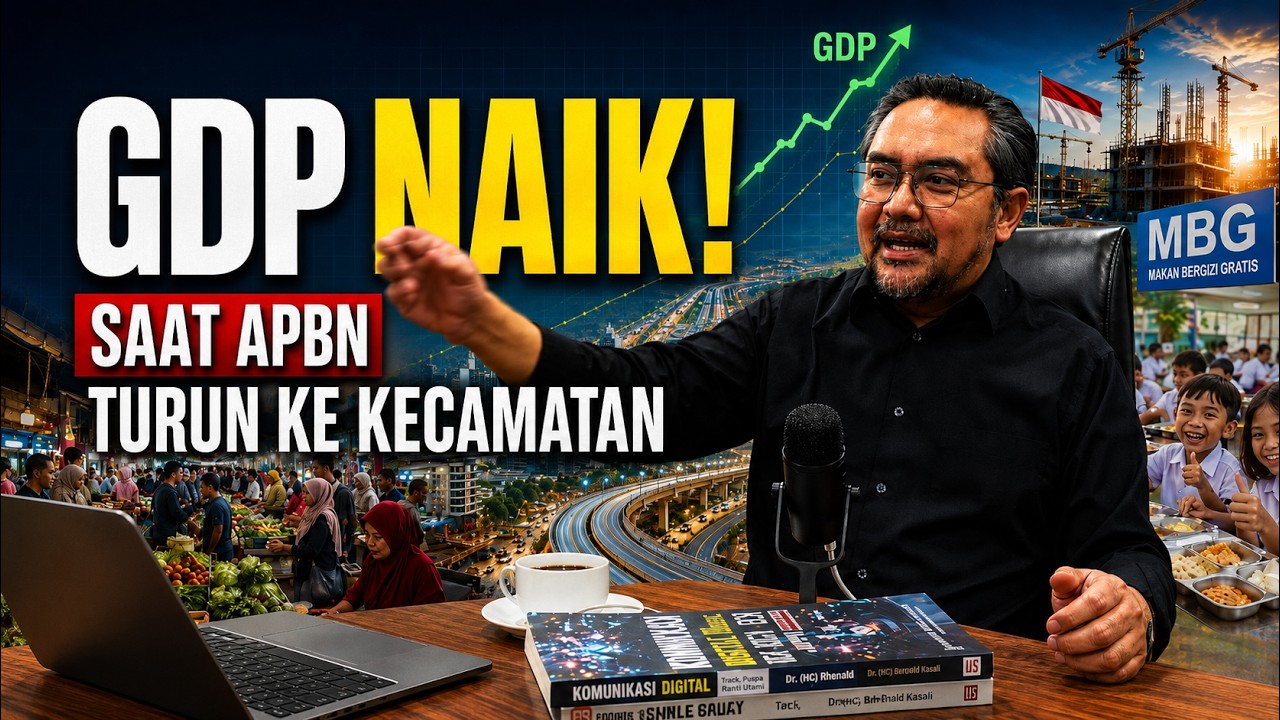



















Austerity policies are fundamentally self-defeating because when multiple countries simultaneously cut government spending, the denominator (GDP) shrinks while the numerator (debt stock) remains constant, causing debt-to-GDP ratios to increase over time; historical evidence from Britain (debt rising from 10% to 264% of GDP in the 18th century yet still growing economically) and post-WWII Germany and Japan demonstrates that austerity never reduces debt—it always increases it, making austerity an ineffective solution to fiscal crises.
The Austerity Delusion: A Political Economist’s Critique
Added:Basic principles of Keynesian Economics, particularly the role of government intervention and public spending during economic recessions.
The concepts of Sovereign Debt and Budget Deficits, including how governments borrow capital and the meaning of debt-to-GDP ratios.
The 'Paradox of Thrift'—the macroeconomic theory that collective attempts to increase savings can lead to a decline in aggregate demand and economic contraction.
The basic components of Gross Domestic Product (GDP), specifically how government spending (G) directly influences economic output.
An analysis of the Eurozone Sovereign Debt Crisis (e.g., Greece, Ireland, and Spain) as a real-world case study of austerity policies in action.
Modern Monetary Theory (MMT) and other heterodox economic frameworks that propose alternative approaches to national debt and currency issuance.
The political economy of inequality, focusing on how austerity-driven budget cuts disproportionately affect different social classes and public infrastructure.
The interaction between fiscal austerity and monetary policy, such as how central bank policies like Quantitative Easing (QE) attempt to offset fiscal contraction.
49.7K views920likes22:22Original Release: 2013-08-22
anyone who believes in indefinite growth on a physically finite planet is either mad or an economist we don't want to focus Politics on a notion that involves the rejection of principles around which a large majority of our fellow citizens or organize their lives we are not as endlessly manipulable and as predictable as you would [Music] think why did I decide to write a book about the the basic story is this I grew up in Dundee on tail end of the 60s and end of the 70s and I grew up on the welfare state I was brought up by my grandmother and because of that and because things like schools worked at least back then and opportunities were actually opportunities you're now looking at one of the greatest examples of social mobility within one generation you've ever seen because I'm an Ivy League professor in the United States now that's what's meant to happen and all across the developed world that's broken it doesn't work and we have chronic youth on employment and we have ladders of social Mobility which are simply broken and for capitalism to work and actually I am a sort of like a bit of a fan I have to admit that's it but for it to work it actually has to have some sense of legitimacy there has to be some sense that opportunities are not a win or take all game for the people who already have all the assets and the hidden story of Hysteria I want to share with you today is how this is basically about reinsuring the assets and incomes of the people who already have the assets and the incomes and how they're trying to put the bill for doing that on everybody else and that's the first part we're going to talk about so as you know Europe is not in great fiscal health so we have all this debt and the story of course is well there's been this orgy of public spending and we've all spent too much well is that really the case is that how we got into this fine mess right I do like that picture just for the sake of it well really what's going on and this is the core of the first part of the book is this so the story of bond spreads in Europe right pretty dry technical topic is actually quite fascinating because because the official story goes like this back in the day when you were buying a 10-year greatek bond you were getting paid 25% why because they haven't run a budget surplus in 50 years they don't make anything the country's empty once you gets out of outside of Athens and there's a pretty high default risk well the Italians the French and everybody else jump around the same thing 15 to 12% because basically we know they cook the books and so on and so forth so when you're buying their bonds you actually are buying risk and that's why you're getting paid for holding but look at this convergence well what happens here well the Euro comes in and the official Story Goes By basically giving up your print and press and handing over to the Germans in Frankfurt you become Germany in the following sense you don't have default risk anymore because your exchange rate risk in terms of devaluation right taken off the table you can't do it anymore you can't inflate your way out of trouble so if you can't devalue and you can't inflate you out of trouble the only thing left is guess what balanced budget structural reform we're all going to go forward now if you're a bank you like that story but it's also a bit of a problem because back in the day you got 25% for holding Greek bonds that were thinly traded but but they were nice if you could get them and when those countries have their own printing press and their Banks get into trouble the chances are they're going to bail them out so you kind of have an insurance policy on your debt implicitly now imagine that you know there's this thing called the Euro coming in and you know that there's a way that all those yields are going to compress and you're not going to make money anymore off these bonds and you do fixed income what are you going to do well what you want to do is take the balance sheet of your bank and turbocharge your bond buying you want to get rid of all your German debt all your Dutch debt all the stuff that's already low yield and you want to get your hands on as much periphery as you possibly can and you want to pump up your balance sheet and run massive massive leverage so your average European bank today is twice the size and three times the asset footprint of its American counterpart Deutsche Bank for example has 86% of German GDP and runs a leverage ratio operationally of about 44 to1 which means that a 3% turn against its assets effectively renders it IL liquid if not in solvent so you're turbocharging this Landing project why because this is how you make money on a declining spread now what happens in the periphery when you're buying all those bonds you basically flood their local banking circuits suddenly the price of money collapses these guys have got more money to know what to do with them what do they do they buy German products and so long as the Savings in the north are going into the capital flows that emerg in the banks in the South and you borrow against them and everybody's borrowing against assets such as real estate you have one hell of a party but it's a credit bubble and when the Global Credit bubble goes bang you then have a problem and that's why periphery Europe falls off a cliff because cuz essentially all the capital flows dried up now if you're a bank sitting in the middle of this is really bad right because this obviously means that all those assets you've got are crap but you've did a game on this you've done the greatest moral hazard trade in human history and why is this a moral hazard trade because ultimately I'll get bailed out by my state right you go but well no you can't you gave away your printing press you're in the Euro remember that's why the whole trade happened yeah but there's a thing called ECB they'll bail me out right because after all I've just become a systemic risk generator I don't take down the greatek banking system I take down the whole godamn law so I use systemic risk as a banking model to basically turbocharge my profits cuz the ECB will bail me right wrong they were serious about that no bail out clause and more to the point the ECB doesn't have citizens they have volunteers this is why they can't do a Ben Bernan flush it with liquidity swap out the assets delever and recapitalize because ultimately the money pump is called Germany and you know what they're not big enough to do it you could take all of Germany's liquidity and flush it down the sister of the European banking system and it won't clean up the mess so if you can't inflate and you can't deflate and you don't want to default because you'll have a bank run around your bond markets all you've got left is austerity add liquidity squeeze and prey and that's what they've been doing since 2009 so given this little bit of an example there is the GDP of the EU that's the banking footprint good luck if it's G if that goes bad it's game over for the Euro and the core Banks which is why you keep greasing no matter watch and you keep squeezing and adding liquidity it's pretty much all they've got now here's the fun part of this what does this mean it means about keeping the periphery and at all cost it's all about stopping that bank run around the bond market the problem is you can't solve a banking problem with budget cuts in fact why would you even think you could you can slash Greek public spending to Neolithic levels and it's not going to do a damn thing for C generals balance sheet next one you can't run a gold standard in the Democracy well you can try and essentially if you think of the Euro as a hard money constraint like a gold standard without gold cuz you can't inflate and you can't devalue because you give away your print and press that's where you are we tried that in the 1930s it didn't end too well you can't solve a solvency problem with the liquidity instrument you can keep pumping liquidity into dead Banks but at the end of the day either the assets are coming back or they're not anybody want to buy some collateralized Spanish real estate loans I didn't think so and finally and this is the real austerity lesson you you cannot all cut at once and expect to grow it's really simple it's a simple numerator denominator problem right so imagine the following so you got an 80% debt to GDP ratio European average and let's say the government spends 40% of GDP so that means that if you're going to cut half of government expenditure you're going to take basically 20% of the economy out with you now imagine a constant stock of debt turn 80% point8 into 4 over 5 and then take 20% out of the five you now went to 4 over four so when you cut and every every body does it simultaneously what happens is the denominator gets smaller and the numerator reciprocally gets bigger so a constant stock of debt gets bigger over time the more you cut this is why every European country that's undergone an austerity project now has more debt rather than less and the ones who have cut the most are the ones who have the biggest pile of accumulated debt it's not that it just doesn't work it's actually self-defeating now if this is the case why did anybody especially in Europe ever think this is a good idea first one John Lock go all the way back to the fifth chapter The Invention if you will of property because the thing there's a dirty little secrets here basically that you need the state to make markets right what was the English Revolution about if not the establishment of civil maistry the establishment of private property enclosure the right to dispose of one's property breaking the contract of the medieval period that's what the game was and the problem was of course is when you let markets do What markets do you end up with huge amounts of inequality I'll jump to Smith in a minute but let me give you a great line from Smith on us for every rich man there will be 500 poor and were it not for the strong hand of the civil magistrate everywhere he would be attended by jealousy and his assets would be insecure another line from Smith civil my favorite line from Smith civil government in so far is instituted it instituted for the defense of the rich against the poor or for those who have property against those who have none not Carl Marx Adam Smith Wealth of Nations back end the book to go check it out now what is it you get with lock the first inclining that there's a problem here here because any state that's strong enough to protect your property can come after your property hence the American Second Amendment right so right built into liberalism from the start is this weird relationship with the state you need it to keep you safe but at the same time you don't trust it from not robbing you blind two people who get a hold of this are David hum and Adam Smith basically what David Hume figures out is a kind of way of paying for this problem because you can't trust the state but at the same time you need it and more importantly if you want one that's big enough to protect your properly you're going to have to pay for it but that means paying taxes you don't like that so there's a free option out there or it seems free which is called debt fabulous you give the money to the state the state gives you all the money back 10 15 years later and pays you interest through the whole thing downside on this unfortunately you're going to have to offer a rate of interest greater than you would get out there doing anything else and as hume's worry was this will chase all of the gold and silver from the circulation of Commerce into debt Securities everyone will become a buyer of debt what will happen is that the price will fall the yield will go up you'll crowd out all the capital in the nation the underlying economy will shrink under this debt burden and we'll all end up bankrupt sound awfully familiar as an argument it's because it's the same argument Adam Smiths adds a nice little twist he says but what about taxes why can't we do taxes and he opens up his discussion of taxes by saying that people with skin in the game should pay more taxes so the more that you own the more the state protects you the more you should actually pay very Progressive in a sense and the in here realizes that him and his mates will end up paying all the taxes so he doesn't like that so he immediately switches gear and says well what about a consumption tax oddly exactly what Paul Ryan is arguing for in the US right now funny that isn't it but he then realizes that's not going to pay enough money so what are you going to do well you're stuck with debt because this is the thing and you're going to drag you down so there's this inevitability of the accumulation of debt but at the same time this Terror this fear that it's going to drag you down now the funny thing about this of course is they were right in the sense that they said the crushing burden of debt at the time that they wrote in the 1770s is going to destroy the British Nation and sure enough it went up from around 10% of GDP to 264 per of GDP by 1815 so in 185 obviously Britain died right no it went on to dominate the entire planet for a century and it did so partly because of imperialism but also because of the growth of the economy despite the debt 90% I don't think so right so what actually happens well basically 1867 they're back in single digits on debt and they did this because they were growing when you're growing you can pay back your bills when you're shrinking your bills just get bigger so despite the prognostications despite the warning despite the fact that this is an intuitively plausible story that we keep telling ourselves today it is factually flatly wrong and the biggest surprise I had in discovering this when going through the whole book is there isn't a single positive case in the whole historical record of austerity leading to less debt rather than more Britain again in 1931 170% debt to GDP 1933 190% debt to GDP after World War II 246 per of GDP 10 years later because of growth under 100 another 5 years out under 40 it's a pretty straightforward story moving along the result of this is what I call the can't live with it can't live without and don't want to pay for it problem of the state liberalism's neuralgia and the aspirin of austerity so what does this do the 19th century this splits two tracks one's David Ricardo down there go the Austrian economists I'm not even going to talk about the state I'm going to pretend it's not there I'm just going to assume perfectly flexible wages and prices on the other side you get John Stuart Mill who needs to the new liberalism and ultimately toian ISM and that's one of the tracks that the to stories I tell in the book where the rubber hits the road in the first time is with shimer who's running Harvard economics department at that point in time and this is the whole notion of liquidation ISM and the famous phrase of Andrew melon let the Farms go bankrupt let the businesses go bankrupt Purge the rotness out of the system and more competent people will come along and pick things up well we waited around for 14 years and the more competent seemed to be on an extended lunch break it didn't actually work out too well but the basic idea was that this modern business cycle Theory as it called was essentially that things go up things go down we don't know why technology seems to be important and you should just let things unfold because ultimately in the long run it will all be fine and the problem with this whole thing of course is the fact that in the long run during the 20s and 30s it seemed that we weren't actually fine at all we kind of got stuck there but nonetheless there bingeing Purge of austerity Motif that we still get today comes from strong sharian roots the British had their own version of this of course it's more refined we don't do binging and puking we actually just have a nice thing called the treasury View and the basic idea was there was essentially that's church with the little box right was the basic idea there was a reply to Lloyd George's can we do something about an employment memo uh and KES and Henderson write this thing together this saying perhaps we could do Public Works and they come out with essentially the same arguments that you get human Smith with a little twist on what's called ricardian equivalence that basically any debt raise today to produce Goods today to boost the economy they will be paid with tax increases later on so the whole thing Zero Sum against itself so you should never try in the first place so if you do crowding out plus you know you drown over debt sort of hyper coni that falls off a cliff and then you do this you've basically got all the arguments we're still using today and they come out of basically from the 1700s to the 1920s there was an alternative to this and we like to think it all started K's general theory but I do like Joan Robinson's line on this which was Mr KES was telling us what caused unemployment at the same time that Mr Hitler was curing it and a lot of this actually has to do with facts on the ground because when you have simultaneous contractions of the five biggest economies in the world in the 1930s you end up with more debt rather than less two of those economies end up producing fascism that being Germany and Japan this didn't work out very well and the result of all this is that you get an ordo liberal home for austerity is to say the idea the budget cuts of the way forward you should balance the budget the anti- keian response dies everywhere except one place Germany now why does it stay like this in Germany because the German economy is more like Japan than it is like any other European economy it is based around big firms it is based around exports is based around high quality Diversified production and always has done and that means the source of demand for your economy is not generated by your spending at home it's generated elsewhere there aren't enough Germans to buy all those BMWs you got to sell them to somebody else now if that's the case what do you want in your economy do you want to pump up domestic demand absolutely not cuz all you'll do is raise wages and that's going to mean the BMW is going to get more expensive and eventually you'll stop buying them abroad so what do you need a very strong monetary Authority a very strong competition Authority and a set of rules to make competition effective now where else have you heard that story it's called the EU so they got to design the architecture of the EU and the architecture of the EU is all about the commission being stronger than the parliament sound money much more important than domestic level of output or employment rules the importance of rules as opposed to the discretion of politicians the importance of competitiveness over Notions of complimentarity so in other words you're not an optimal currency area it doesn't matter we'll build the institutions later and we'll all get there and then now Notions of fiscal treaties which have debt breaks shied in brms and and various other things built into it this is a German architecture now why is this a problem it's a problem because it's a bit like Switzerland Switzerland can only be Switzerland because everyone else isn't Switzerland right to be a Haven you have to have places that are not Haven right and to turn all of Europe in one model into the German model runs into the problem that Martin wolf and the Ft beautifully identified who's going to buy all this stuff right if the whole country basically reduces its wage costs has very low inflation retools does structural reform let's say it totally works right we go through a decade of hell but eventually you get there who's going to buy all this stuff martians the whole of the Europe can't run a positive Trade Surplus against the rest of the world that's insane works for Germany but it doesn't work for everybody if you try it and we're trying it now because what was really going on we help built all this stuff were those Capital flows and credit flows I talked about at the beginning with the bank sending savings from the north to consumers in the South to buy products made in the north which then kept the whole thing going and once the credit bubble went bang all you're left with is this architecture and that architecture is inherently deflationary for an entire continent last part of the story and this very quickly where did these ideas come from Luigi and ALDI back in the 1950s becomes the first prime minister of modern Italy he's also the head of the bank of Italy he also set up the Boni School of Public Finance in Milan back in the 70s there was a thing called the Cambridge Capital controversy some of you might have remember whereby Cambridge here had a big fight with Cambridge in the United States the Americans won H well maybe not but they actually won in the following sense people stopped listening to the Cambridge Cambridge people and because of that mathematics became way way more technical in the way you do economics at that point in time the only people in Europe who could effectively talk to the Americans cuz they were so teched up the bone guys so the bone undergraduates and master students started to go America to do their phds and the whole argument bone had was public basically a Public Finance argument that the state is always and everywhere bad and you should cut it because if you cut it it'll lead to more growth where do you get that today this is the current head of the arv economics Department his name is Alberto Alis he's a bonr Mario Monte bonr Mario dragi bonad where are you getting these ideas from I don't know seems a bit Italian to me so they take the cases from the 1980s that basically they talk about a law Ireland Sweden Canada Denmark and convince us that they all tried to they cut and then they all grew look in the book I go through every single case it's not true they grew then they cut they get the causation backwards that happens a lot in econometric research so basically this gets written into the ecb's report in June 2010 it's the basis of tra conditionality agreements for the periphery it's the structure of bailouts the whole lot and the result of the end of it is what I call the greatest biting switch in human history cuz if you go back to it what happened a bunch of Banks got really really over levered and they blew up effectively but you have a fake Central Bank that can't basically do anything to relieve the asset burden in the banks so you add liquidity you squeeze and you pre American and British version of this is slightly different and it's a bit more honest because what you've done is you've taken all that private debt and dumped it directly in the public sector balance sheet and now the trick is who's going to pay for it so austerity round one is let's give it to everyone at the end of the income distribution the poor end they can pay for it problem is they don't have any money because they've been living off a credit bubble that's the number one reason austerity can't work there just isn't enough cash at the bottom of the income distribution to pay for it now what do you do next well you in Europe you can't do anything you're stuck you're just adding liquidity squeezing and praying what are you doing here where are we going well you got to find somebody who's got money who's got money why is the chairman of Apple and the Senate getting raked over the calls why are we tightening up on Luxembourg why are we going off to Switzerland there are five sink holes of globalization in the world we've been encouraging people with weal to put the money for the past 30 years how many divisions does the Cayman Islands have we know where the money is austerity doesn't work we're coming for it that's the next ACT thank you of course this is a different situation in terms of previous crises because we've got other major players in the global market that aren't in the same position as us at all don't suff from the same issues don't have the same incentives China in particular but also you know other developing economies how much does their power their prominence complicate the the the the solutions that you're talking about uh I actually think that the whole China thing's vastly overblown for the following reason they're a giant Germany they live and die by exports now they know this and they know that they're trying to engineer the society over the next 10 years they have a 10-year plan you got to love the hubris The Five-Year plans aren't big enough let's have a 10-year plan uh and the 10year plan which I'm pretty good at implementing is to basically produce a very large Healthcare System and upgrade their educ ation system now what does that do to a country with a high savings rate it becomes a consumption subsidy so that they spend more and when they spend more and you've got a billion consumers you get weaned off of exports you're less dependent on holding dollars you can have endogenous growth that way and that's what they're trying to do and good luck to them if they do it because it would be good for the world economy it lead to a lot of rebalancing but it's a hell of a trick and it's going to take at least 10 years to do it in the meantime the Americans have struck the best deal in human history for the past 30 years we've been handing to the and the the Chinese Bits of Paper bearing 2% and they give us televisions right so we call them a a currency manipulator yes they do do they have to run their currency just shy of the dollar they basically import the American inflation rate so that their products are competitive and you know what they do when we when we buy all that stuff from them with those those Bits of Paper they then come back and buy our debt so we own them so I don't really worry about them because they'll get in line because they have to 70 % of global consumption comes out of the United States and the EU the EU is harming itself to death through austerity that's a bad but it's a bigger problem for China in the long run than it's going to be for the United States so I see it in rather different terms
Up Next

8:37
Professor Steve Keen: Austerity Economics Is Naive & Childish
@EveryinvestorCoUk
74.5K views•2015-05-13
5:07
Impact of Yuan in Indo-Russian Trade Amid Sanctions
@WION
261.9K views•2022-07-01
10:33
Behavioral Economics Explained: Rationality, Nudges, and Risk
@crashcourse
1.1M views•2016-03-12

113:18
The Age of Easy Money: Fed & Inflation | Full Documentary
@frontline
21.2M views•2023-03-15
Related Study Plans & Knowledge Roadmaps
Structured learning paths in Economics
economics
Sovereign Debt: Defaults, IMF & Restructuring
01Introduction to Sovereign Debt & Government Bonds
02Debt Sustainability & Credit Ratings
03Anatomy and History of Debt Crises
+ 2 more learning modules
12h5 modules
Explore Roadmap
economics
Market Design: Matching Theory & Gale-Shapley
01Introduction to Market Design and Price-Free Markets
02Two-Sided Matching & The Gale-Shapley Algorithm
03School Choice Systems and Mechanism Design
+ 2 more learning modules
10h5 modules
Explore Roadmap
economics
Impossible Trinity: Forex, Capital & Policy
01Introduction to Monetary Policy and Central Banking
02Exchange Rates and International Capital Flows
03The Mundell-Fleming Model
+ 2 more learning modules
8h5 modules
Explore Roadmap
economics
Healthcare Economics: Market Failures & Systems
01Introduction to Healthcare Markets and Market Failure
02Asymmetric Information and Adverse Selection
03Moral Hazard and Insurance Design
+ 2 more learning modules
12h5 modules
Explore Roadmap