
























A DIY gravity-fed water filtration system can be constructed using two food-grade buckets, ceramic filters with activated charcoal and silver impregnation, and basic fittings, providing a cost-effective ($130 total) alternative to commercial systems ($350+) that filters water through gravity without electricity, removing pathogens and chemicals while preserving beneficial minerals at approximately 2 cents per gallon.
DIY 6-Gallon Ceramic Gravity Water Filter System Guide
Added:Understanding the distinction between physical filtration (size exclusion) and chemical adsorption (e.g., how activated carbon binds impurities).
The principles of gravity-fed fluid dynamics, including pressure differentials and flow rates in unpowered systems.
Basic biological knowledge of waterborne pathogens, including the relative sizes of bacteria, protozoa, and viruses in microns.
The oligodynamic effect and antimicrobial properties of silver in preventing bacterial colonization within filter media.
Familiarity with food-safe material standards (such as HDPE and BPA-free plastics) to prevent chemical leaching into drinking water.
Methods for testing water quality, including Total Dissolved Solids (TDS) meters, pH testing, and biological culture assays for coliform bacteria.
Advanced sanitation protocols, including the calculations for chemical post-treatment (chlorination or solar disinfection/SODIS) to neutralize viruses.
Maintenance, troubleshooting, and lifespan determination of ceramic candles and activated carbon elements, including backwashing techniques.
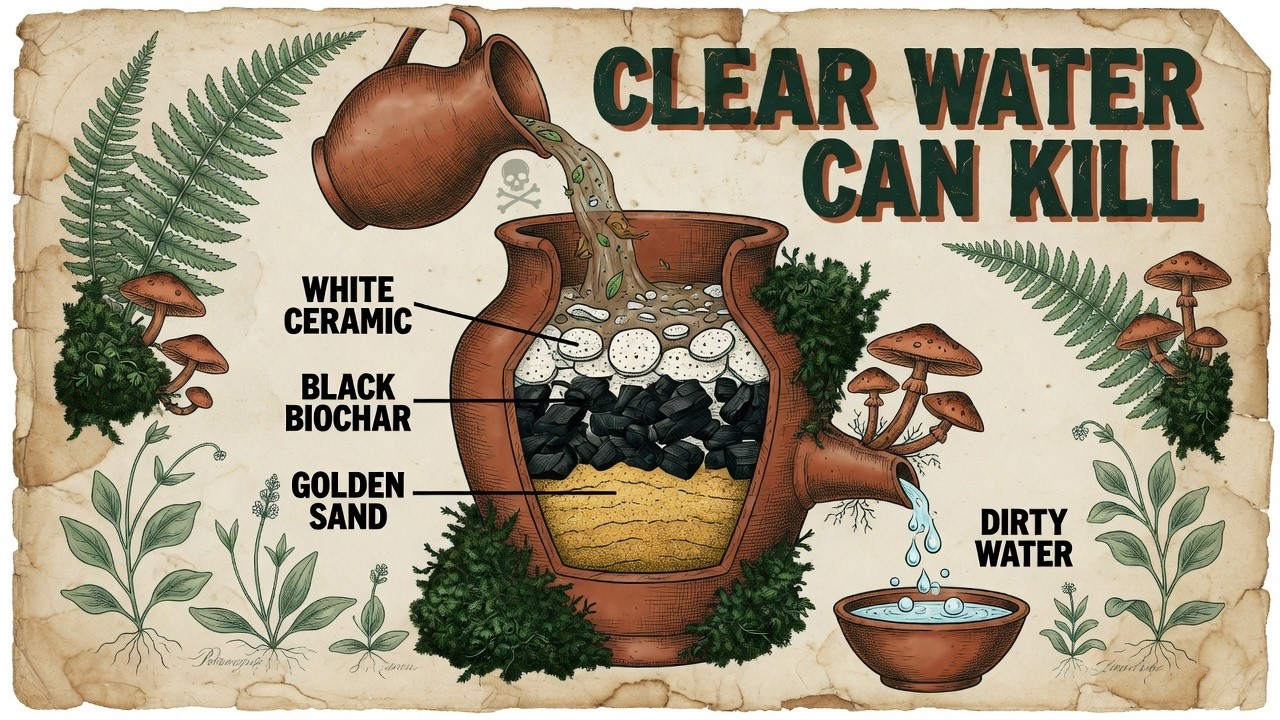
Design of multi-stage pre-filtration systems (using sand, gravel, and biochar) to treat highly turbid water before it enters the ceramic filter.
Comparative analysis of gravity filtration versus high-pressure systems like reverse osmosis (RO) and ultrafiltration (UF) in resource-constrained environments.
82.6K views715likes11:06Original Release: 2012-11-23
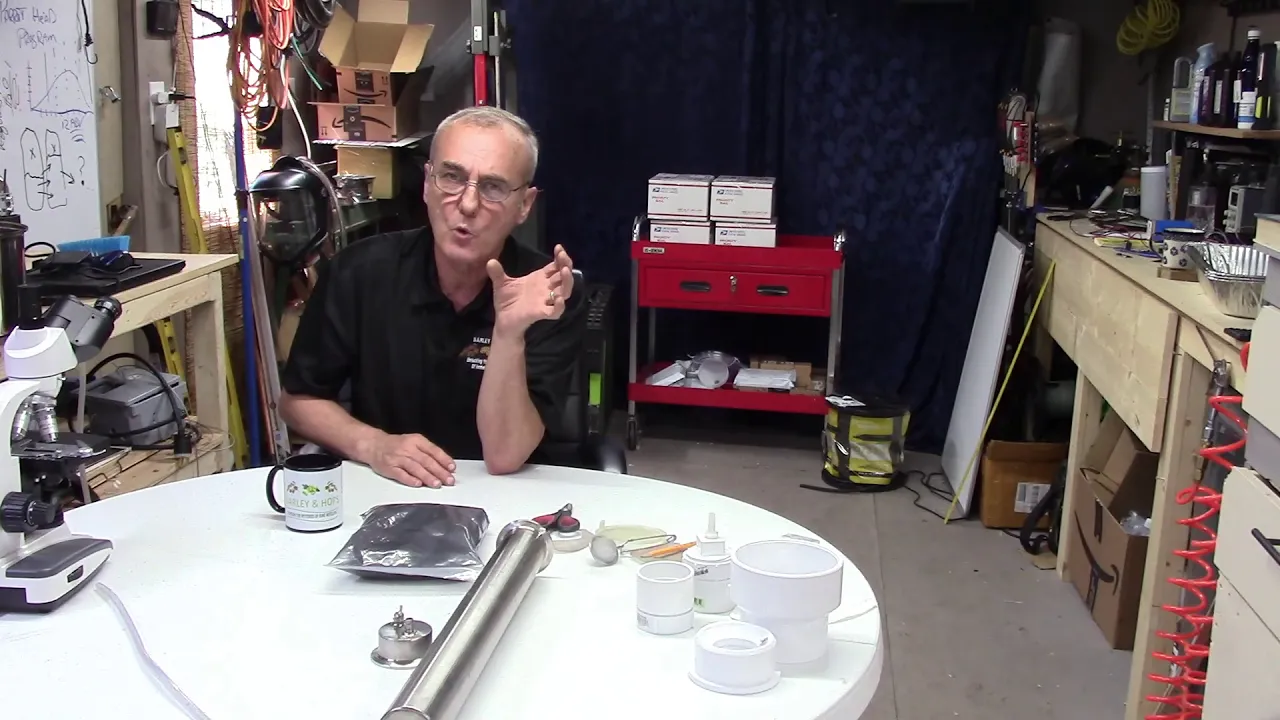
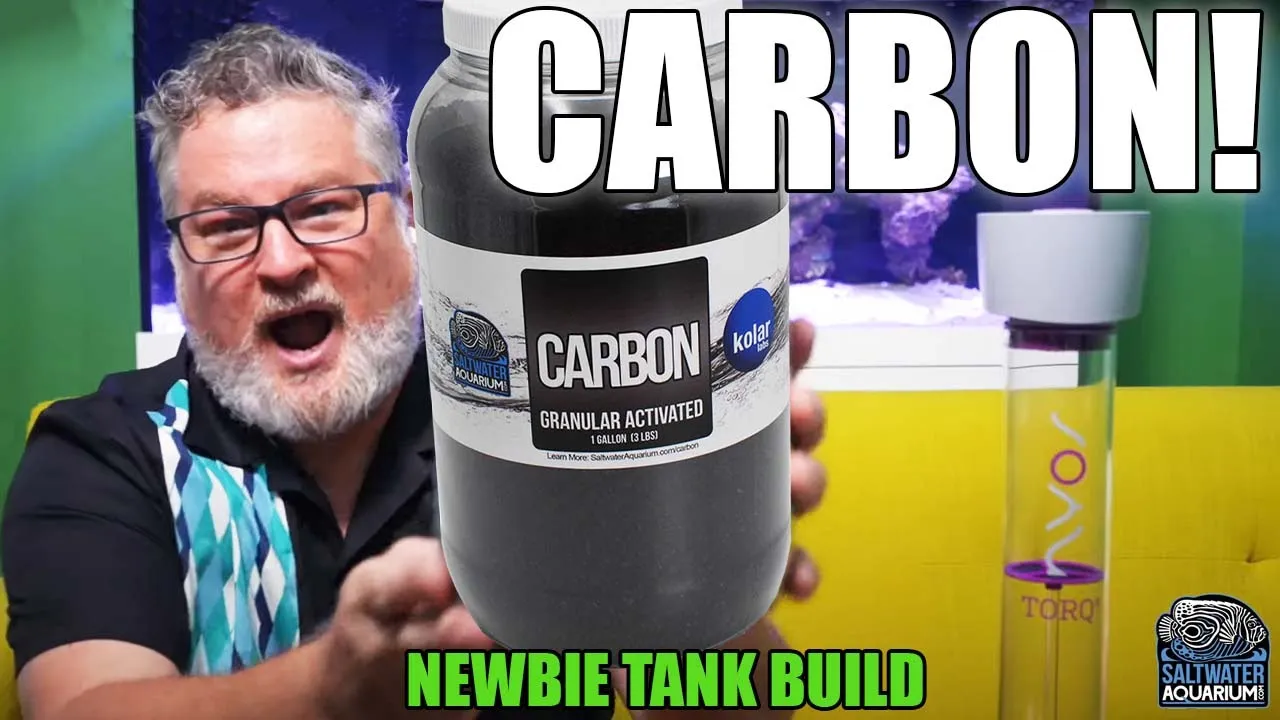
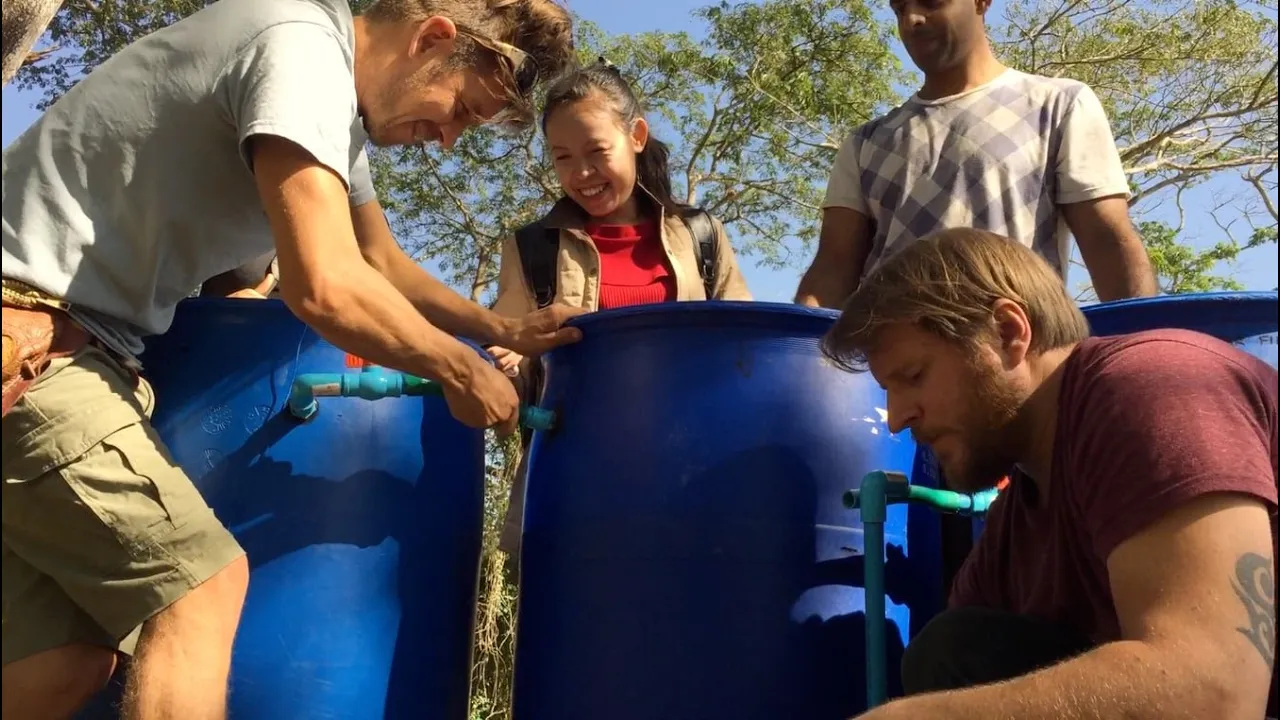
in this video I'm going to show you how we made our own gravity fed water purification system this is the system that we use for our daily drinking water but it's also good for emergencies and especially here in Hawaii when hurricanes can happen and other disasters like tsunamis it's good to have a backup system for your drinking water water pure water is essential for good health and in an emergency situation it's critical for survival where we live the water quality is pretty good but it does have chlorine in it and there are traces of various chemicals Hawaii is a agricultural State and there is a lot of pesticides and herbicides that have been used and are in the water at some level we feel it's important to filter that out especially for our daily drinking water we also live in an older building and we don't really trust the water system to our faucet even though it's Municipal we decided to filter as much of the bad stuff out that we could as exposure to certain chemicals and toxins is cumulative and can have an adverse effect on your health with this system we always have about 5 to six gallons of fresh water that we can use and if necessary it's easily transportable this system is also relatively inexpensive the ceramic filters ran around $95 and they will filter approximately 6,000 gallons between the two of them and the plastic food grade buckets with the fittings cost around $35 I figured that this system is costing right around 2 cents a gallon now let's talk about the filters that I've chosen for our system after a lot of research on my part I decided to go with Pro Pure Pro black d ceramic domed high performance water ceramic filters these ceramic filters have activated charcoal and are impregnated with silver to cut down on bacteria and our self sterilizing these filters will remove all suspended matter larger than3 microns they're easy to clean and each filter is rated up to 3,000 gallons you can go to the pro pure website at propur usa.com and look at the statistics yourself Pro pure rates their uh their filters at uh being able to take out typhoid salmonella and other fecal cifor up to 99.99% eoli 100% cysts and other pathogens and also greatly reduces other chemicals that might be in the water and unlike distilled water these filters will not take out beneficial trace minerals however if you decide that you like to go with another brand of filter like let's say the berky filters these instructions will be good for that as well on the big island of Hawaii fluoride is not added to the Municipal Water if I were in an area where fluide was added I would pick up the pro Black by Pro pure which is an advanced fluoride filter system and is also sold in pairs and piggybacks onto the ceramic filters you would just thread them that onto the end and you can get that added filtration we may invest in these filters as if there was an emergency situation these filters would be good to have on hand uh for Extra Protection in fact if the was an emergency situation and we were forced to use standing water or water from streams I would treat it using bleach or other purification tablets and filter it through something like a cotton shirt or something to remove sediment before it would go into the filtration system that we have here in fact if possible I would boil it as well you don't want to take any chances with your family's health okay so let's get on with making the system we first started out by going down to the local beer making supply house and picked up two food grade six gallon plastic buckets with lids and a spet that would be attached to the lower bucket if you don't have a beer making supply house locally these items can be picked up easily online you can see here where I've drilled a hole that's where the spet is going to go the spet is threaded has a nut with two rubber washers and this goes into the hole and prevents water from seeping out you'll notice that I'm using a Bosch Ste bit throughout this video um I find that these step bits are now invaluable I'm able to use them to drill through stainless steel and it's very easy to drill through plastic of course and it leaves a really nice clean Edge which is important for making a seal however if you have your own bits uh just make sure you have ones large enough and if in a pinch you could actually cut in with a knife and still make your uh system I started by placing one r rubber washer onto the spet assembly so that's it's on the outside of the bucket and I put it through the hole and then I put the other washer on the inside and then the nut I hand tightened to make sure it made a good seal although be careful not to overtighten that can actually cause problems with the seal and strip the plastic threading next it's time to install the ceramic filters measure the threads that are on the filters and choose a bit that the filter threads will just pass through I decided to take the rubber washer that came with the filter and threaded that onto the filter first so that the seal would happen at the bottom of the bucket with the filter this seems to work out well with our system and makes a good seal before you start drilling holes though place the filters in the bucket and make sure that they fit and then Mark your holes as to where you're going to drill Buckets come in different configurations and you want to make sure that the filters fit before Drilling in holes instead of later when you find out that maybe they didn't fit and then you have to plug holes and redrill the ones that you're going to use for your filters once you're sure that your filters are going to fit drill your holes notice that I've taped the variable drill bit so that I know exactly how far to drill into without going to a larger size next I take the lid of the bottom bucket and I place it on the bottom of the top bucket the top bucket is going to rest on the bottom bucket so I need to make sure that the holes line up so once I'm sure that the holes are lining up then I go ahead and drill through the of the bottom bucket this is fairly easy to do because you can see the holes through the plastic next I get ready to install the filters now there is one note of caution they are ceramic and can break so keep them in the box until you're ready to install them next I take the filters and thread them through the holes of the top bucket into the lid of the bottom bucket good next I use the plastic nuts that are provided with the ceramic filters and I hand tighten the filter assembly so this is what it looks like when I've got the camic filters installed through the bottom of the top bucket and also the lid of the bottom bucket and I make sure that everything's tightened down well because that seal has to be good in order for the water to filter well next I take the top bucket assembly with filters and I place it on the bottom bucket and make sure everything's lining up okay and that's about it next uh we're going to fill up the top bucket with some water we're just going to use the tap water and then we'll take this top assembly and put it onto the bottom bucket and the water starts to filter next we put the lid on the top bucket so there's no contaminants that can drop drop into the water the water filters fairly slowly which it should and it might take about 3 hours to filter 5 gallons so there you have it fresh filtered clean water tastes so good I hope this video was informative and maybe help you build your own system and if it did please like it it helps out a lot all right aloha
Up Next

14:44
Arduino analogRead Voltage Conversion: Tutorial for Beginners
@programmingelectronics
225.3K views•2013-10-02

12:54
Triumph of Orthodoxy Icon: Byzantine Art & History Explained
@BenCallan
2.1K views•2024-08-06

9:49
FastAPI vs Flask vs Django: Choosing the Right Python Web Framework
@TechWithTim
302.5K views•2024-05-26

1:42
Game of Thrones Opening Credits: A Cinematic Analysis
@gameofthrones
46.3M views•2011-04-18
Related Study Plans & Knowledge Roadmaps
Structured learning paths in General & Interdisciplinary Studies
general-studies
Elevator Engineering: History, Physics & Cities
01From Hoists to Safety Brakes: The Dawn of Vertical Lift
02Hydraulic vs. Traction: The Engineering Physics of Elevators
03Modern Speed, Safety, and Algorithms
+ 2 more learning modules
12h5 modules
Explore Roadmap
general-studies
Rubber: Material Science, History & Geopolitics
01Origins of Natural Rubber & Mesoamerican History
02The Chemistry of Natural Rubber & Vulcanization
03The Geopolitics of the Rubber Boom & Colonization
+ 2 more learning modules
12h5 modules
Explore Roadmap
general-studies
Containerization: Evolution, Logistics & Trade
01Ancient Trade & Bulk Cargo: Amphorae to Barrels
02The Industrial Revolution & Cardboard Packaging
03The Containerization Revolution: Malcom McLean
+ 2 more learning modules
12h5 modules
Explore Roadmap
general-studies
Textile Tech: Evolution, Labor & Global Impact
01Pre-Industrial Textiles: Handloom & Cottage Industry
02Mechanization: The Spinning Jenny to the Power Loom
03The Factory System & Global Labor Transformation
+ 2 more learning modules
10h5 modules
Explore Roadmap