




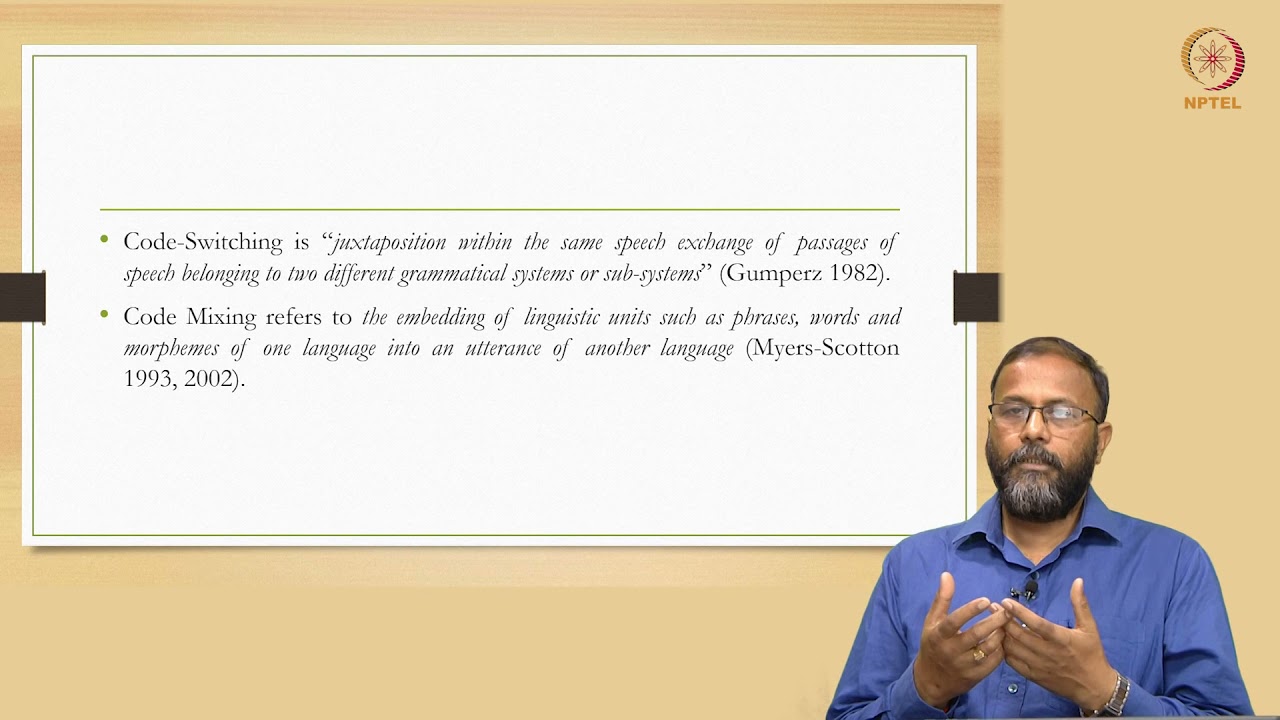





















Sociolinguistic research reveals that many commonly held beliefs about language are myths; for instance, code-switching and language mixing follow strict grammatical rules and indicate high language proficiency rather than deficiency, and words borrowed from other languages automatically adapt to fit the recipient language's grammatical structure, making them incapable of 'destroying' the host language.
Sociolinguist Shana Poplack Debunks Language Myths
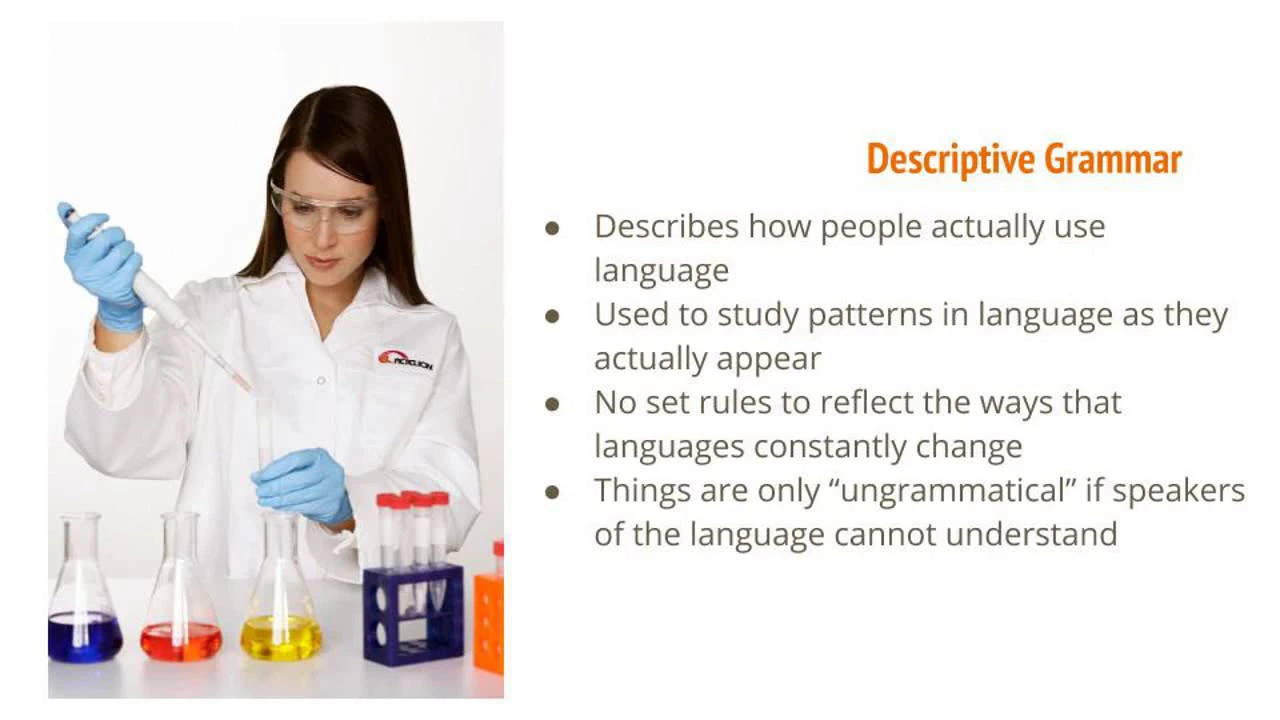
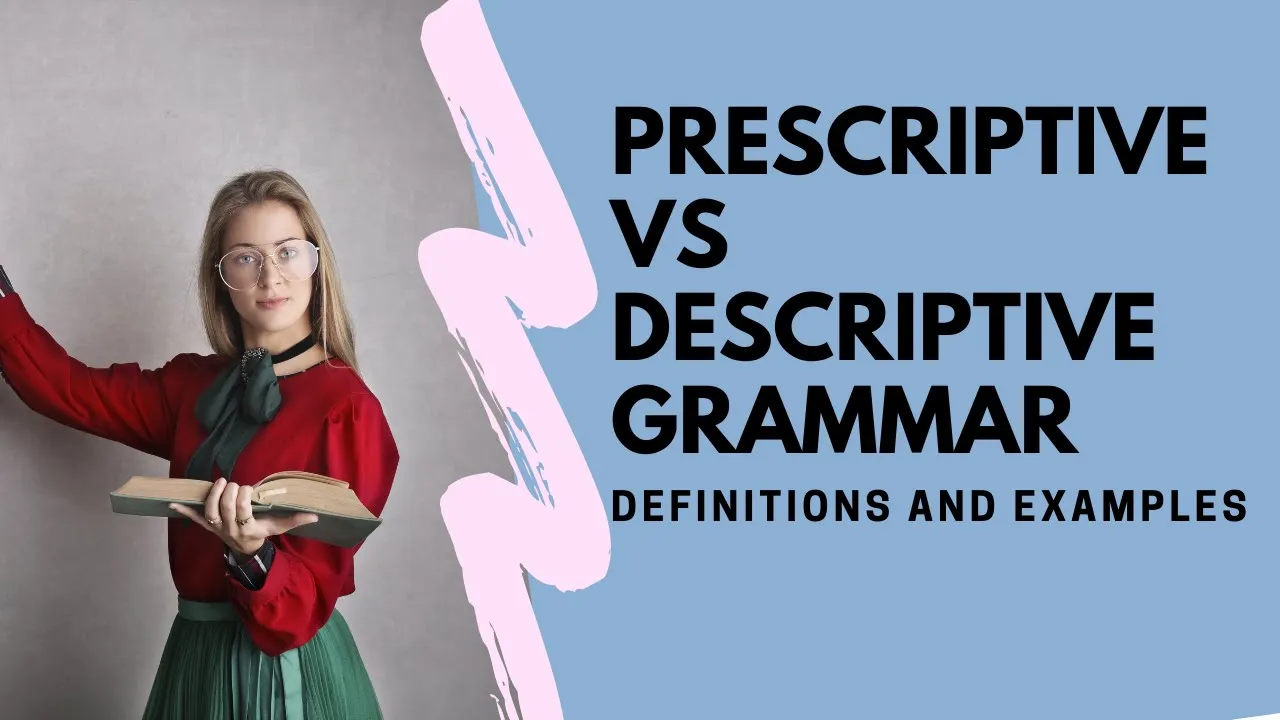
Added:The distinction between prescriptive grammar (arbitrary rules on how people 'should' speak) and descriptive grammar (scientific observation of how people actually 'do' speak).
Basic concepts of sociolinguistics, specifically how language variation naturally correlates with social factors such as class, age, gender, and geography.
The concept of language contact and code-switching, including the historical misconception that mixing languages represents a lack of cognitive or linguistic control.
The role of empirical data in linguistics, particularly how researchers collect and utilize natural speech corpora rather than relying on subjective intuition.
Advanced syntactic frameworks of bilingual speech, such as Poplack's Equivalence Constraint versus Carol Myers-Scotton's Matrix Language Frame model.
The study of Standard Language Ideology, exploring how institutionalized notions of 'correct' grammar are leveraged as tools of social and racial discrimination.
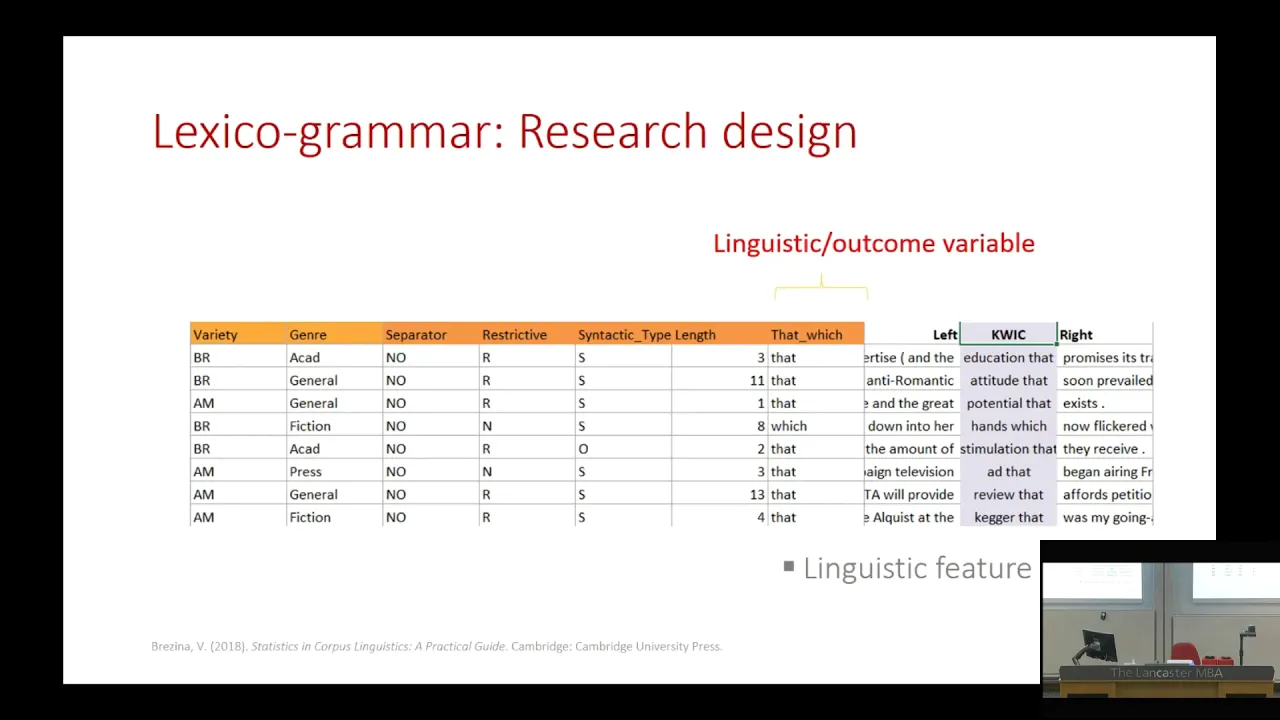
Practical training in quantitative corpus linguistics, learning how to code and statistically analyze linguistic variables in large databases of spoken language.
Applying sociolinguistic research to language policy and education, specifically examining how curricula can accommodate non-standard dialects and multilingual students.
25.8K views1.2Klikes58:48Original Release: 2020-11-19
it's an unfortunate fact that many people don't know how language works outside of their grammar books in the real world but recently i spoke to someone who's trying to change that shana poplak and her sociolinguistics laboratory at the university of ottawa are known as the mythbusters because they destroy damaging myths about language and especially language change they don't study language in its ideal state they look at how language is used naturally by real people every day and the findings of their research are often controversial and fly in the face of deeply held beliefs but their findings are always based in truth i believe that this interview is so important for anybody interested in language that i have included the full interview but if you would like to listen to it as a podcast you will find a link down in the description box where you will also find a link to shaina's laboratory i hope you enjoy it shana poplak thank you very much for taking the time to talk to me today thank you for having me so um for people who don't know you and your work could you just talk a little bit about who you are and and what you do well i'm a sociolinguist i run a sociolinguistics lab at the university of ottawa in canada the main goal of most sociolinguists i would say is to study speech in social context not the way some people think that people should speak but the way they actually speak in their everyday lives and this is the major thing that we do in my lab to do it we go out into the community we engage with community members we record their speech we come back home we transcribe this speech we computerize it and we build what sociolinguists call corpora out of them that is databases which represent the speech of a certain time place group of people and and so on and so my lab houses millions of words hundreds and hundreds of hours of recorded speech in a variety of different languages and language pairs yeah i think that's one thing that i noticed just in general from from reading the work that comes out of your lab is the size of the the data sets you know we're not talking about you know like conversations between 10 people you know it's like thousands of hours and millions of words it's um i mean the amount of kind of really kind of monotonous work behind the scenes it must be a lot of that happening right oh yeah because all of these data as i say are transcribed and then all of this preparation what is the purpose of it so that we can go in and analyze it so what do we analyze well our second mandate in my lab and one that's probably shared by most sociolinguists is to analyze things that are socially important that are important to society so what does that mean if uh you have a bilingual society then you're going to be looking at things like language mixing for example if there's a society that is very prescriptively oriented that has feelings of linguistic insecurity you're going to go into that data and try to locate the areas that people are concerned about that are considered to be wrong that are stigmatized and see uh what's going on there would you say then that the main goal of of your laboratory is to study language um you know as it's used by people but you know in what specific way is there is there a more specific goal well yes lot of people refer to us as mythbusters we want to debunk a lot of stereotypes about bad quote-unquote ways of speaking we want to take a long view a historical view and find out where these features come from a place like canada is just a heaven on earth for linguists to do this kind of work because it's one of the relatively few officially bilingual countries both french and english are official languages and uh in both of these contexts it is generally considered that the contact between them has had a delir deleterious effect on both why would that be is this true we can uh use our tools of of sociolinguistics to get into these data and find out whether this is true or not and generally speaking i'll just tell you full disclosure that uh almost all of these myths are just that myths yeah um i mean it's also frustrating to me in a completely different field you know that i work in of english language teaching it's frustrating how many of these myths they're just so established and and obviously because people hear them again and again and again they just seem to get repeated down through generations and people accept them without question um and it's it's sometimes they're very persistent it's difficult to get rid of them right even with evidence it's it's remarkable it's uh remarkable and it seems to be the case in every society that has a tradition of standardization which has a written language and people who have had the idea of writing grammars uh about this language also reading your work uh one thing i noticed is that you talk a lot about um something from william labov who was one of the great sociolinguists um who who wrote the principle of accountability which which you quite a lot i'm wondering if you could maybe talk a little bit about what that is yeah uh i i would say that shorthand for the principle of accountability is one of the greatest legacies that lebov has bestowed upon not only the field of sociolinguistics but linguistics more generally and that is a scientific approach to language so what it means in essence is uh accounting not only for the data that uh support your point of view or your theory but of all of the data so this means when you're trying to target for example who uses the word ain't you're not just going to go in there and take out every example of ain't but you're going to find all of the cases where this individual negated a sentence and see uh how many times and under what conditions ain't was used and how many times the other options uh were used instead and that brings me to something i i should have said earlier which is one by-product of this uh goal and desire of ours to study spontaneous speech is that we run into linguistic variability what we refer to as inherent variability it is ubiquitous in every spoken language in the world what we mean by this is alternate ways of saying pretty much the same thing of making reference to the same uh type of eventuality so i'm talking about things like uh we're gonna go dancing tonight versus we'll go down we will go dancing tonight or i think that it's fine versus i think it's fine without the complementizer that and so on this is what we mean by variability very often one of the variants involved in this variability is stigmatized such as inked in the negative uh paradigm right so the questions that arise very quickly for sociolinguists is what motivates this choice because unlike the received wisdom on this matter nobody uses one variant all the time we think that people who speak in a stigmatized way are always saying ain't for example that's never the case so are they just pulling these stigmatized forms out of the air or is there a system behind that choice and again um you know spoiler alert there is always a system it is never random and the the goal the the treasure behind all of this is to find discover the system that controls this variability well a lot of people who who watch my videos regularly always accuse me of bringing psychology into like if i'm giving an explanation about grammar i'm usually explaining that well you might use that not just you know because the rule says so but because there's a kind of a psychology reason behind it maybe the social group you're in or the word order effects you know the saliency of the word or um and well the reason i'm saying this and i don't know if you want to answer this question or not and it's fine if you don't but but obviously the the work that that you're doing and the work that sociolinguistics social linguists have been doing for you know let's say 100 years is almost the opposite of let's say the kind of chomsky and program which is not studying language as it's used but studying language in a kind of perfect uncorrupted state ideal in its ideal state yes i would say that what we do is the diametric opposite we get down and dirty with the study and we study whatever it is that people are saying and it has had a massive payoff because it reveals implicit rules for language use that are unknown to any casual observer and that includes almost all grammarians who almost never get the actual details of how language is used well i thought maybe now is a great moment to actually start talking about some of your work and i thought maybe we could go in chronological order from from oldest to newest and and one of your most well-known papers and in fact it's one of the most well-known papers in all of linguistics is called uh sometimes i'll start a sentence in spanish itarmino in espanol why do you think that this paper was so important well i think that at the time i wrote this paper there was a pretty pervasive feeling that mixing languages or code switching between languages was a terrible deleterious and damaging mode of behavior mind you today many people still feel this way but very few of them are linguists at the time even such uh stellar uh brilliant linguists as weinri who wrote one of the first and and absolutely masterful books on bilingualism considered that there was something abnormal about switching between languages within the confines of a single sentence and also a single uh individual now we have learned by the way by dint of applying the principle of accountability and collecting vast quantities of data and pulling out every instance of language mixture thousands of instances of language mixture and analyzing them we have found that not only is there nothing abnormal but there is nothing damaging uh about it and in fact this switching proceeds by following a very strict set of of rules so that far from being random uh this the bilingual speakers who engage in this kind of behavior have to have this set of rules the rules are are not known they're implicit they never could be taught and yet when we study community after community we find that these implicit rules are shared and although today there may still be some controversy over precisely what those rules are i think that everybody would agree all linguists would agree that there is nothing random or um you know nothing pointing to lack of proficiency that can be shown by this code switching and i like to think that it's because of the scientific approach that we took uh to this that revealed the very pattern nature of this kind of behavior and of course this flies in the face of what everybody thinks bilinguals are doing when they're doing this it's remarkable because everywhere in the world in every bilingual community we have studied people do this how could so many people be wrong how could so many people uh be deficient in in their bilingual abilities and yet that's what a lot of people continue to believe yeah um again it's one of those really embedded myths um and there's there's some great examples of of of what we're what we're talking about um uh so this is a person who's switching between english and spanish so he says or she i don't know it says um he was sitting down in la cama mirando nos peliando and i really don't remember see el no separo or whatever you know um and and i'm wondering um are you are you bilingual yourself well i do speak a number of languages and i do switch between a number of languages yeah yeah yeah that's what we do all day long in my lab because everybody speaks more than one language mostly french and english but others as well yeah because you know um sometimes there's just a word like a single word that captures something so perfectly in one language that it just seems the perfect thing to insert um you know in in that moment and and as as you said um it's not really a sign of of like language deficiency right it's it's a sign of actually you have all this extra kind of um these extra tools at your disposal to maybe express a specific concept indeed sometimes there's just a perfect word in another language but uh our findings show that that's actually a very minimal reason for doing the switching for for mixing languages right language mixing in a bilingual community becomes a an alternative mode of communication so you can get into the mode because you're in a group where everybody is doing that but there may be no re there usually is no reason at all for moving to the other language just specifically for uh because the word is what we have called the mojust so in the example you just gave whatever it was uh what was it this why why specifically switch to spanish to say mirando no speliando there's a perfect way of saying that in english because actually what motivated that switch well we don't know what motivated the switch there but what's really important about these switches is that they are almost always done in such a way that the syntax of the two languages being combined is not violated the syntax of neither language is being violated so think about that because here we have a sentence spanish and english happen to be relatively similar typologically which is why we have studied many typologically different languages like wallop the african language and french or vietnamese english french trilingual switching or ukrainian english all of these languages have very very different structures which should reduce very strongly the incidence of code switching and yet what happens almost categorically is that people find the spots in the utterance where they can pass from one language to the other without impinging on the syntax of either language and this is true uh even when the word orders are completely opposite for example tamil is a subject object verb language with verb always at the end after the object whereas in english it's verb object right i like beats um and yet people find the spots in the utterance where they don't have to decide whether the object should precede the verb or follow the verb this is what is extremely remarkable and this is what the most balanced bilinguals know how to do in very complex ways as i say without violating uh the grammar and i think as i say this is the the essence of the constraint that i proposed so many years ago the equivalence constraint uh you know there may be many people who have proposed other constraints but they all pretty much all of them uh are consistent with this idea that the syntax is not being destroyed even interior to a single sentence i mean it is it is remarkable but i'm wondering if if people don't switch for kind of let's say um let's say word content reasons you know like there's the perfect word for that or that they feel like they can express something better in in one language like what what are the main reasons why people switch i don't know and neither does anybody else okay good great answer okay we'd like to think we know and we would certainly like to believe that the word is shorter uh it's sexier uh it is captures the idea better and surely it this is true so there are many many vocabulary words you'll find them in every language having to do with foods you know what about burger hamburger that's a word that has penetrated many many languages and you could argue well you know a meat patty is not a hamburger uh you know or meatball or or whatever we had to have we had to take in this word hamburger baseball you know sports hockey uh i can many automotive terms i can give you plenty of examples that tie in with that but when you try to apply the principle of accountability and find out how many words actually have been brought into the language for those reasons as opposed to others you will see that this is a minor uh this is a minor phenomenon yeah i mean more specifically right in some of your work uh you showed that um when you looked at english french was it english french sorry um uh yes sorry it was where the uh quebec anglophones who acquired english before and after the passage of bill 101 and you discover that zero no point zero zero eight percent of the total you know discourse was was in english which as you're saying is a tiny tiny tiny fraction of of the entire discourse right yeah well actually we we did two sort of sister studies we looked at the incorporation of excuse me french origin words into quebec english what they called gallicisms and the introduction of english origin words into french known as anglicisms and in both of the cases when you count up the so-called intrusions from the other language on the basis of all of the words in the discourse well well well below one one percent and this is particularly remarkable because both of the communities the english minority language community in quebec which is of course officially a francophone province and the francophone minority in for example ontario and in much of the country both of these communities are convinced that the influx of words from the other language has completely destroyed uh the vocabulary and it is extremely extremely rare but even more interesting than that is what happens to those words when they bring them into the language so most people will say well you're you're bringing a word into you're bringing an english word into french you've destroyed the the genie as they call it in in french that the the being of of the french language by bringing in this word actually the minute a word is our research has found that as soon as a word is brought in it divests itself of the properties of the lexifer language the properties of the language it came from so if you bring in a noun you're giving it a french determiner which as in spanish involves deciding whether this noun is feminine or masculine of course in english we have no way of deciding for an inanimate being whether it's feminine or masculine yet everybody makes the same decision okay with a word that has never been said before we learn to pluralize it in french if it's a plural we if it's a verb we conjugate it in french almost always no always i would say using the first conjugation because there are three possible ways to conjugate it's always the er conjugation we use the word order of french if it's an adjective it's going to follow the noun and so on so by virtue of the fact of dives of the word divesting itself of its native linguistic properties and assuming the properties of the recipient language this in and of itself is proof that it can't screw up the recipient language because it's taking on all of its grammatical properties that was a big discovery that's something we didn't know uh at the time of sometimes i'll start a sentence uh in in spanish yeah wow i mean i'm sure that a majority of people who are watching this would never have considered that aspect of word borrowing um i mean i don't know what it's like um in you know in in canada but but here in spain they have the the royal academy of spanish you know and um so it's quite common for you to see like in the newspaper or on the news you know stories about anglicisms and destroying spanish and um but so i think again it's one of these things that you know people have just accepted this wisdom as truth without really maybe thinking about it i was just going to say this is why sociolinguists are essential to our survival that's right um when they when they culminate um colonate when they colonize mars there should be like a doctor um you know uh an engineer and a sociolinguist on the exactly um but i mean i don't know what the kind of public sentiment is like in canada i mean would you is it is it would it be kind of normal uh to see an article in a newspaper about this you know about english destroying french or french destroying english on a daily basis so um these two things borrowing well especially uh the these anglicism the dreaded anglicism are are considered to be one of the scourges of bilingualism and this feeling has had uh an enormous amount of repercussions as we see in other countries as well leading to extreme linguistic insecurity which in turn sometimes sadly leads to abandoning the language altogether because if you're being told that you're not really speaking it anyway but just some bastardized version of it then why would you bother speaking it and this is the type of motivation that causes us to dive into these linguistic phenomena and try to see to what extent uh and any of these these uh ideas these this received wisdom can actually be shown to be the case linguistically is there any linguistic evidence of this so for example uh another very common idea is that the switching and the borrowing cause what is known as linguistic convergence it causes the grammars of the two languages to merge together in some way thereby destroying the integrity of usually the minority language so we took on a study uh of a phenomenon that is widely widely considered to be due to english and it has to do with what we call preposition stranding which we know already is not a good thing for english right the girl i'm going out with well there is a way of also saying something like this in french la vie quesade with a preposition at the end of the phrase this is non-standard and it is believed that it comes directly from english so we undertook a study in which we examined all kinds of speakers those who were copious code switchers and those who hardly ever code switched at all those who did a lot of borrowing and those who didn't do a lot of borrowing and we examined their use of this particular uh construction and we found that the amount of switching or borrowing actually had nothing to do whatsoever with the frequency of stranding these prepositions although they look very similar on a purely superficial level uh once again the grammar of the variation in other words the motivation for choosing one over the other is completely different in the two languages actually there is a model for this already existing in french which no which is not stigmatized nobody pays attention to it but the people who actually are doing this are drawing from an existing french model using the rules of french and not those of english wow i i had no idea that preposition stranding existed in french in that way it sounds to my ear it sounds so weird um but well um yeah i mean as as a language teacher it's so upsetting to me to to to to here teachers and students repeating some of these myths like like the one that you were talking about about how um you know if you're if you're kind of mixing or if you're creating let's say basic sentences or yeah like or the language mixing that that you're speaking uh like you said a bastardized version of the language and that's why so many students give up but um but isn't it true that your work has shown that actually um that some of this code switching is actually a sign of language or like high language ability not low language ability indeed because of the finding that specific grammatical sites are chosen to do this it is not random it's planned uh in in a certain sense not in any way that anyone can express because as i tell you these are implicit community-based rules but the fact that people are able to do this i wish i had some tapes here for you to hear how absolutely rapid and uh you know free of hesitation how very spontaneous this this stuff is without infringing making any grammatical violations this shows that you have to have enough skill in both languages to know which switch sites to avoid and it also shows that there's something in there when we're when we're bringing in a single word when we're borrowing uh that is telling you okay uh i am incorporating you into a french sentence or into a spanish sentence and that means that i am going to remove all of your english accouterments and i'm going to replace them with the appropriate spanish ones or or french ones you know recipient language uh elements this shows a good deal of skill actually i would love to hear someone switching between english vietnamese that must i will send you a clip uh awesome because i don't know anything about the vietnamese language how it works but can you do word level mixing can you mix in english in a like half an english word and half a vietnamese word does that work or not well this brings us to the distinction between different kinds of mixing so for example we have code switching which involves i mean which we have uh operationalized as being operationalized in terms of unambiguous code switching it involves the juxtaposition of whole sequences from one language into another another possibility is simply to incorporate a single word into the grammar of a recipient language we have found they may look similar because they may both look like you're mixing two languages in a single sentence however they are dramatically opposed because when you incorporate a single word like i said you divest it of its donor language um accouterments and you imbue it with the recipient language forms that may look like you're switching at the word level but you aren't you're actually converting that word into the recipient language right on the spot that's non-sparrowing that's what we call nonce uh borrowing code switching on the other hand retains all of the elements of the donor language its morphology and its syntax and the there is no recipient language because they're just juxtaposed the and the the the other sequence retains all of its lexifer language properties so you're actually juxtaposing two languages and you have to worry about where in the sentence in the first case the borrowing there's only one language it may be etymologically english but the minute it comes out in your sentence you've turned it into spanish or french whatever whatever that language is but i think that maybe when most people think about code switching they think about switching between varieties within the same language some people do but but that is that is not code switching that's in often inherent variability simple variability so it's not as if uh a person says i ain't going tonight and then two minutes later i'm not going tonight they did not switch between two separate languages those are different variants within the same different variants within the same language is that my misunderstanding or is that because in the field of linguistics code switching means different things to different people it's difficult for many people to embrace this concept of inherent variability so it's easier to view this as somebody switching between for example black english and european english for example but these people do not take into account that black english for example is does not consist only does not have a negation system that consists only of ain't and this actually reminds me of something you pointed me to which is a piece that you did about black english and which received an enormous amount of negative uh feedback and i saw that uh one theme that emerged from that feedback was i never hear anybody speaking like this and in a way they are right because it was a constructed example it had every non-standard form and it did not leave room for the recognition that each choice of non-standard form was part of a system in which the speaker had specific motivations that were built into the grammar built into the confidence that enabled them to make this choice as opposed to another so there are no single style or single variant speakers really for most of these uh for most of these variables that that variability is built in and it isn't correct to say well now i'm speaking this my language that has ain't in it and uh tomorrow i'll speak a different language that only uh has isn't for example to me that's that's a totally different way of looking at at language i think actually um like because i've always had this idea in my mind that the language is kind of com compartmentalized right so you've got you know you've got the english that you use at a job interview and that's in this box and you've got this english that you use you know with your friends and but what you're saying is it's more just it's there are no boxes it's more just kind of this massive gelatinous blend um which is totally different to the way i've always thought about it well we do have different registers uh and so for me part of my command of english involves knowing which forms which variants of the myriad variables i have in english i'm going to prefer to use when i'm on a job interview and which one i'll use when i'm screaming at my kid and which one i will use in in other circumstances that's all part of my command of english it's part of everybody's knowledge uh of of their their native tongue the that's the sociolinguistic knowledge the knowledge that when you are lecturing in a university classroom maybe you're gonna lose some of the the variants that you would use with when you're with your friends it doesn't seem right to to think that you have to go code switch to another language for that it's this is part of our of our sociolinguistic competence this this kind of knowledge and it's and it is community based we learn this by being members of the speech community we don't learn it in school i mean in school yes they if if it's something that has attracted prescriptive attention you'll hear it in school but most of what interests us and what we have discovered are these um constraints these implicit constraints that you learn as a member of the speech community everybody does it but as as a speech community member you may not even be aware that you're doing it yeah um i remember when i was talking to walt wolfram about this and we were talking about um code switching specifically about minorities being taught to speak um uh let's say uh standard english right and he said that um he said something which which i've i've never heard anybody say before but he said that you know this there's a modern idea that we should teach students to code switch um because they're going to need to code switch to be successful let's say in in this in in the modern world but he's saying that really all you're doing is you're saying um you down there have to bring yourself up to my level and so he was actually anti the idea of teaching people to let's say um operate in different [Music] modes um which was a fascinating point of view for me it's very fraught i mean we are grappling with the the the problem of um respecting the language which we as linguists to a person do uh and pending such time as we can convince the rest of the world that they too should respect the the structuredness of the language um we have to ensure that the kids can succeed in school and after and and that's a huge social justice problem really and and so much of it depends not on our findings as sociolinguists and as linguists with which there is quite a bit of uh agreement and an enormous amount of replication in many many different communities and circumstances it's not it's not that we're missing that it's the other piece convincing the world um that uh this too must be viewed as a language with its structure and i was going to ask you this question kind of later but i thought maybe now's a good time to ask you um because obviously you've been working on these questions for you know all of your career um and i don't know how much of an impact you feel you've had on you know the general public and i'm wondering do you feel like it's an impossible task to convince people that you know that let's say uh black english is valid or you know spanish english mixing is valid it's a daunting task uh but it's something that we're working on i mean the it's one of the most important things i think that's incumbent upon us is to get the message out there and that's one of the reasons that i am here talking to you right now get the message out there it's not something we've been trained to do and it's actually something that we have as as academics been dissuaded from doing the idea of dumbing down your work for the general public and the result of all of this has been that when linguistic issues arise very often the last people that are consulted are the linguists right because most people don't even know what a linguist is beyond someone who speaks more than one language right uh so we're working uh very hard on this now and uh i i'm i'm optimistic i think it's it's gonna be slow but when you think of how much societal gain the power brokers have by insisting that some ways and just so happens to usually be the ways of the middle class the wealthy the powered people and so on speak are right and that the other ways are wrong it's going to be very hard to get people to to get people to leave that idea and also even more nefarious and frightening is the idea that language has become such a palatable proxy for other racist classist ethnically dicey attitudes because most right thinking people don't feel i i they can say i'm not gonna hire you because you're hispanic but they can say i can't hire you because you can't speak english although they may be speaking a perfectly structured hispanic english but that's no good that's you know so this brings us to the whole entire issue of prescriptivism grammar what is right quote unquote what is wrong and who makes that decision so i think it's a perfect moment to talk about to talk about some of your most recent work actually uh which was searching for standard french well it is one of our favorite projects and it's something we've been involved in for ages now uh and it originated actually by my desire to learn how to use the french subjunctive and uh i had studied this in high school in university i lived in france for many years i went to the sofan i did everything you would want to do and i still could not figure out how to use this thing and so i looked in a grammar and i i got a whole bunch of rules most grammatical treatments of the subjunctive at least in french grammars run to about 30 pages uh of rules exceptions counter examples more rules more exceptions and so on so i i didn't get a very good idea and then i went to another grammar i learned something completely different i asked everybody around me i used to ask in my classes which i was teaching in french if somebody could explain how to use a subjunctive and as one my students would say well we don't use the subjunctive so we can't tell you uh all of this was of course uh untrue but it raised this uh specter of how could it be if there's a right way to use this how could it be that different grammars are saying different things about it and actually in some cases on different pages of the same grammar we would get contradictory information and so we started studying this systematically we had several seminars in which the students went out and traced all kinds of different prescriptive treatments uh and and so on and we learned uh we we built a big corpus five centuries of grammar books in french we also built a corpus like this from english grammar books by the way uh and this is how we learned that many of the features of african-american vernacular english were actually uh attested in early modern english and and followed rules that were laid out in some of these grammar books um so we systematically examined five centuries of grammars and we found an astonishing amount of contradiction vague prescriptions uh lack of agreement between grammarians it was shocking it was absolutely shocking even for somebody who grew up like everybody else thinking that you could turn to a grammar to find out how to use something so that was very very shocking we then went and chose well actually was the other way around we had already chosen many linguistic features that that were stigmatized and such as the non-use of the subjunctive and we studied those in actual speech we we actually studied it over three centuries the use of the the subjunctive and we found that there were once again very very strong consistent community-based rules for using it people told us that they didn't use the subjunctive they lied they do use the subjunctive but in ways they had no idea about because they only used it with certain main verbs they only used it with certain embedded verbs and those patterns were very very very uh strong none of these patterns were ever mentioned in the grammatical tradition in the five centuries of the grammatical tradition likewise we looked at the expression of the future and i i happen to see your explanation of the future in english which i really enjoy because it ties you know i i think you said something about i'm going to teach you how to use the difference between will and going to which has preoccupied many grammarians in french as well because we have the same the same forms and then at the end of your thing you said well bottom line if you just want to use going to you won't be wrong right you you started by saying there was a logic to it which is what you will find in any grammar uh a very very wordy and lengthy logic to it by the way which i personally have never been able to understand and the idea that you would be in the midst of talking to somebody and be able to run through that series of conditions now wait a minute is it a planned event is it proximate future is it do i show volition oh yes okay i'm gonna pick will that never that never happens so you know in the french case it was beautiful the amount of of prescriptive information we gathered about how to to use how to choose between the going to and the will equivalent the which is the conjugated form just like in spanish right as opposed to boyablad or or something like that uh and in the community there was a super simple but extremely robust rule that was completely different never mentioned in the grammatical um in the grammatical record and yet followed that study was has now been replicated on dozens of varieties of french the same result keeps coming up and at the same time the grammarians are failing to recognize uh this we did a study of portuguese which also likes spanish and like french also has to choose between the inflected future and the go future and we found that the grammars we found the the situation had progressed to such a degree that in speech almost only the go future is used and in the grammars the go future was never even mentioned it was still considered so uh marginal that they didn't even bother mentioning that this was was an option so we are finding uh a greater and greater gulf between and and this the situation persists all the way up through the the the 20th century and the 21st century it's not like these are just things that happened uh centuries ago so it's quite it's quite remarkable and it's something i think that second language learners need to think about very strongly what is it that you would like to learn would you like to learn something that some grammarian told you is the way to do it or would it make more sense to learn the way actual people speak and which is unknown by uh the the grammarians um that's a question that you know it's a serious question i can see that people worry about whether they should learn british english or american english so what will they say to learning correct english versus real english you know that's that's another question exactly but i think it's difficult because um again maybe similar to the idea that the general public has about about language mixing you know uh so many students have the idea that that grammar books contain truth and you know and then they they learn these truths and then they get examined on these truths and they get an a in the exam and they think okay now i know perfect english yes yes yeah and then they might wonder why if they're saying something like um this is the film to which i went last night uh why do people identify them immediately as being a foreigner right yes or if you know i've even seen some of my older students um you know who who are you know um let's say who went to school uh when french was mandatory here in in in spain um and they have these old kind of english grammar books from the from the 50s yeah my tailor my tailor is rich or something right or they say um good day to you sir you know this kind of you know um but but people well it's it's funny isn't it that um people obviously know and they accept that language now is different from the language back then but they don't seem to want to accept that what's written in a grammar book might not be true no they don't they don't because the grammar book is divine really um i mean who handed these things down that's something that people need to ask themselves because almost never have these books been written by linguists and even more rarely have they been written by anybody who paid attention to speech there are a few notable uh examples but when attention is paid to speech then we have to ask whose speech so one of the prime french grammarians bonjour actually uh raised this issue and said yeah we are going to be prescribing the speech of the finest members of the court right everything else forget about it you know we're not he actually said we won't be dealing with the speech of the dregs of humanity which were the people who were not in the courts and there is a an entire message behind these grammars which is telling us somebody's speech is the right way and everybody else's is wrong uh and who is that somebody who is that somebody and who is that person who made this proclamation and do we need to believe him especially once you learn from us that every grammar has something different to say that should raise questions right away if there is a right way to say it then everyone should agree on that and yet the rate of disagreement is so astronomical uh you know we have these these uh graphs which show you know scatter plots of which grammarians said what in which year and all you see is just this ton of dots you know everything is all over the place and has been for centuries i think that once more people get to to learn that this could possibly be the case i mean i i understand it's like saying that the bible is false i do i do get that but it's time i think to debunk this myth as well especially because it has such deleterious effects on so many segments of society and with no real motivation other than social differentiation when you know when people um think about you know standard language and you know this idea of standard language i mean what is it that you want people to to know about about the way that language really works standard language is a construct we don't know exactly what constituted it constitutes it we know a lot more about what we want to consider non-standard but there is very little knowledge about what can actually what the the amalgam of features is that makes up standard english you can expect standard english to change as it has done with no motivation that we can detect one day ain't was considered to be uh a prestigious form to use another day somebody came up and said no we can expect this type of thing to continue and not infrequently uh the unspoken motivation behind this is the group of speakers with whom a certain form becomes associated so the idea that ain't should be stigmatized right now if you want to know why that is look to the people who are using it right and some other form that might be used by other segments of the society that are more admired somebody might decide that this is standard and that might change so that's that's important to know and it's also i would say very important to know that there is a distinction between written language and spoken language it's one thing to learn all these rules about writing and i can understand very well why people might wish to do that but in to a large extent those rules differ from those um regulating speech i just want to say thanks for your time really you're welcome you're very welcome you
Up Next
16:23
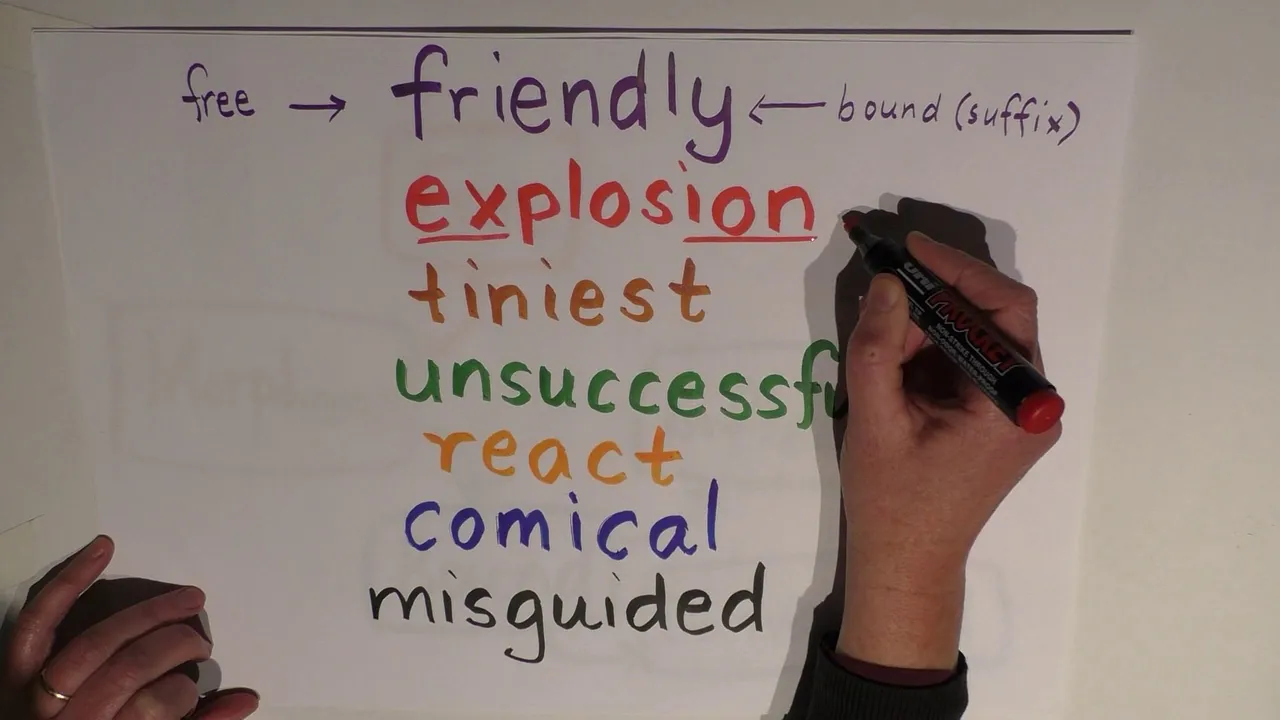
Free vs Bound Morphemes | Morphology Episode 2
@thelanguagecode7675
56.1K views•2020-05-13
36:52
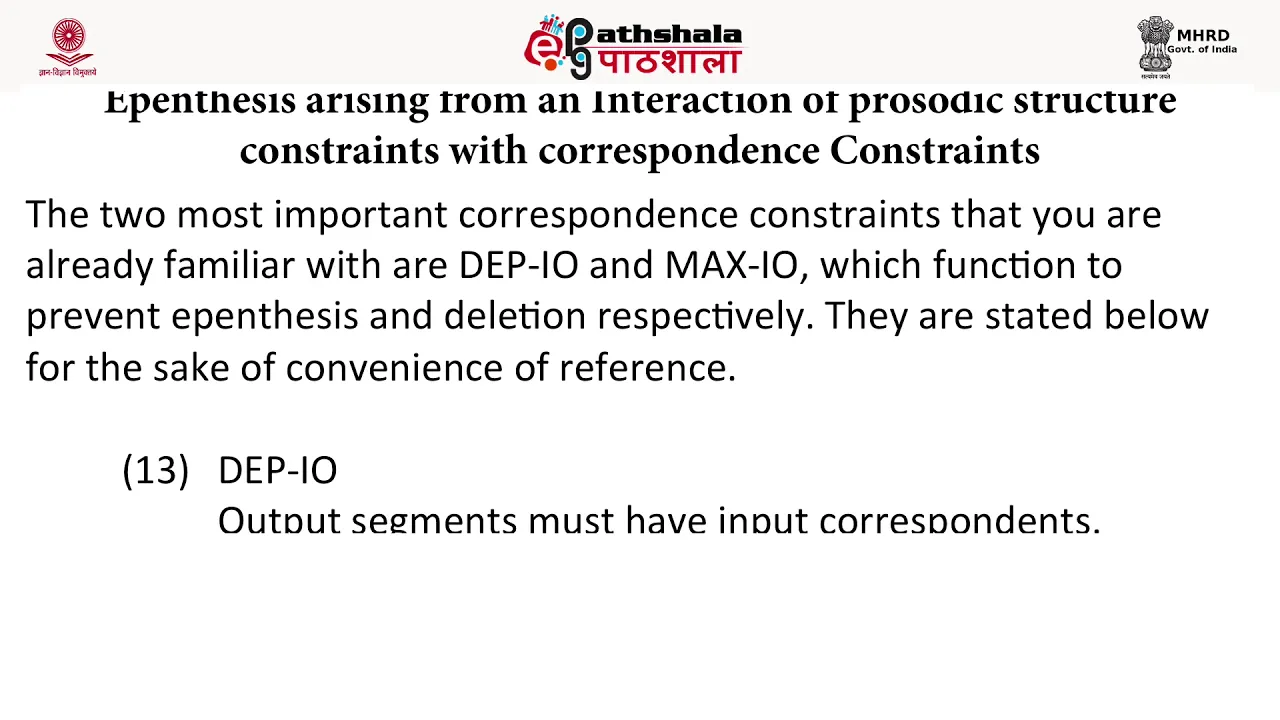
Constraint Interaction in Optimality Theory: Epenthesis & Deletion
@Vidyamitra
180 views•2018-08-20
80:36
Field Linguistics: Theory and Practice in Language Study
@Canguroenglish
11.2K views•2020-08-02

21:32
Accent Expert Explains U.S. Regional Dialects | Part 1
@WIRED
9.3M views•2021-01-21
Related Study Plans & Knowledge Roadmaps
Structured learning paths in Linguistics
linguistics
Optimality Theory: Tableaux & Constraints
01Phonological Basics: Sounds, Syllables & Rules
02Foundations of Optimality Theory: GEN, CON, and EVAL
03The Constraint Inventory: Markedness vs. Faithfulness
+ 2 more learning modules
15h5 modules
Explore Roadmap
linguistics
Morphosyntactic Alignment: S, A & P Systems
01Foundations of Syntax: Transitivity and Arguments
02The Linguistic Variables: Mapping S, A, and P
03Nominative-Accusative Alignment
+ 3 more learning modules
12h6 modules
Explore Roadmap
linguistics
Analyzing Sign Language: Phonology & Syntax
01Foundations of Sign Language Linguistics
02Phonology: The Five Parameters of a Sign
03Morphology: Word Formation and Classifiers
+ 2 more learning modules
14h5 modules
Explore Roadmap
linguistics
Pragmatics: Speech Acts, Grice & Politeness
01Introduction to Pragmatics: Meaning in Context
02Grice’s Cooperative Principle & Implicature
03Speech Act Theory
+ 2 more learning modules
14h5 modules
Explore Roadmap