
















A gravity-fed off-grid water system uses elevation differences to move water without continuous pumping, with key components including frost-free hydrants for cold climates, large-diameter polyethylene pipes (2-inch main lines) for adequate flow and fire suppression, and strategically placed storage tanks (sisters) at the highest point of the property to maximize pressure distribution throughout the system.
Off-Grid Gravity-Fed Water System: Design and Installation
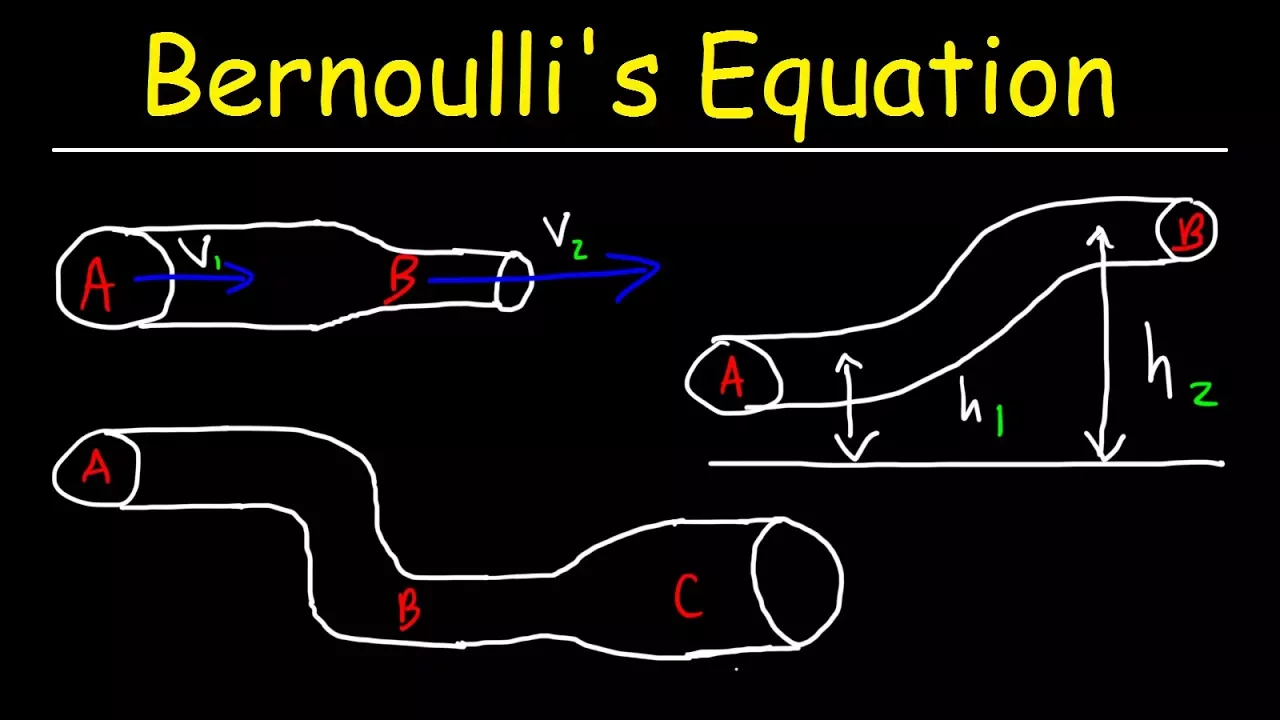
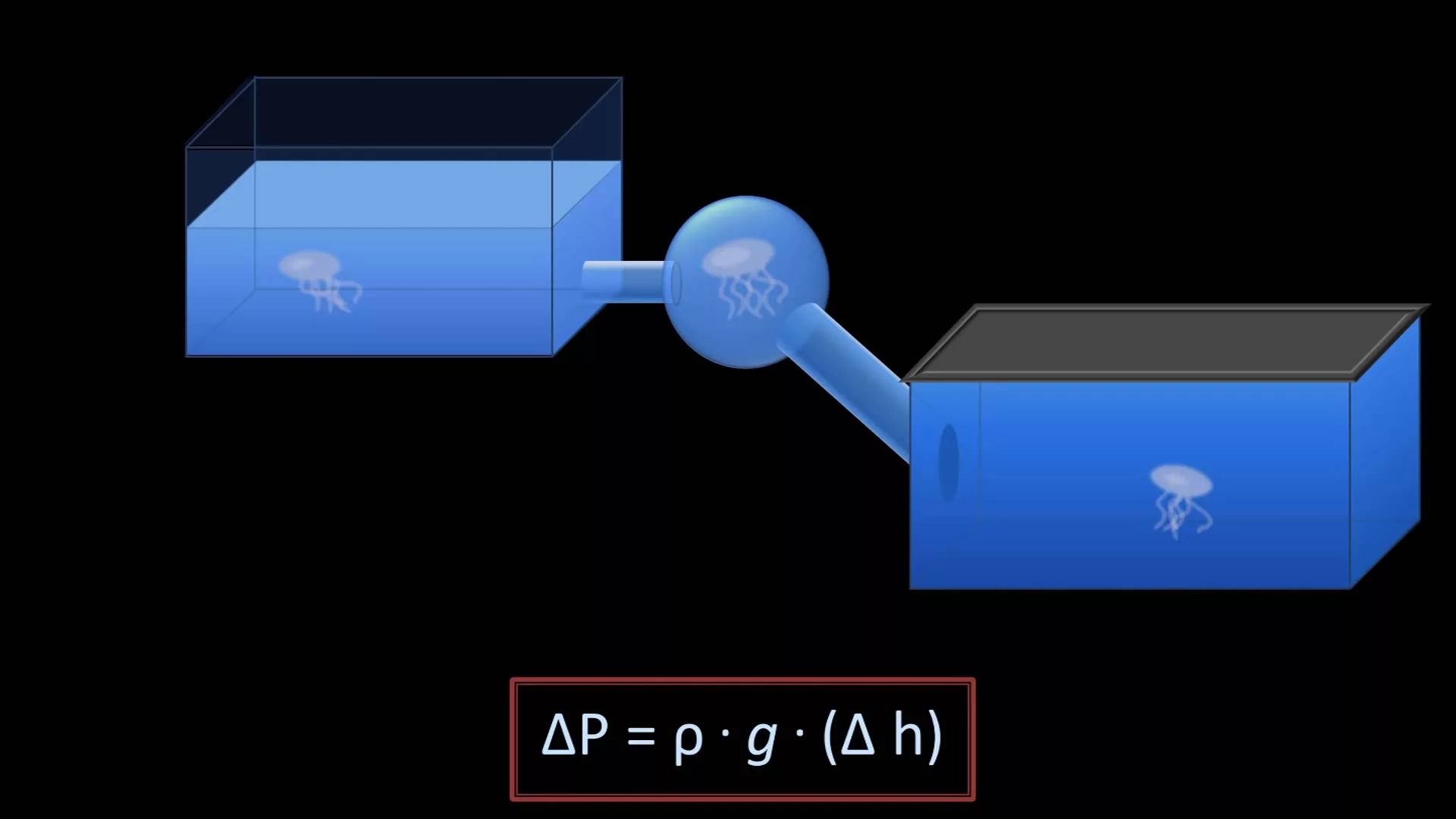
Added:Basic principles of fluid mechanics, specifically how elevation change creates water pressure (hydrostatic pressure or 'head pressure').
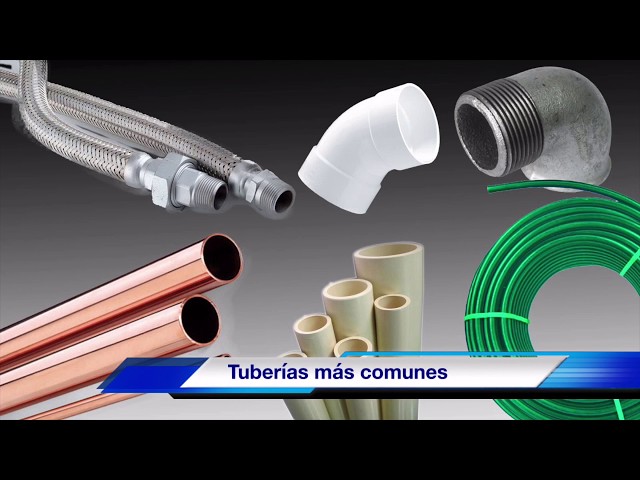
An understanding of basic plumbing terminology, flow rates, and common materials like PVC and HDPE piping.
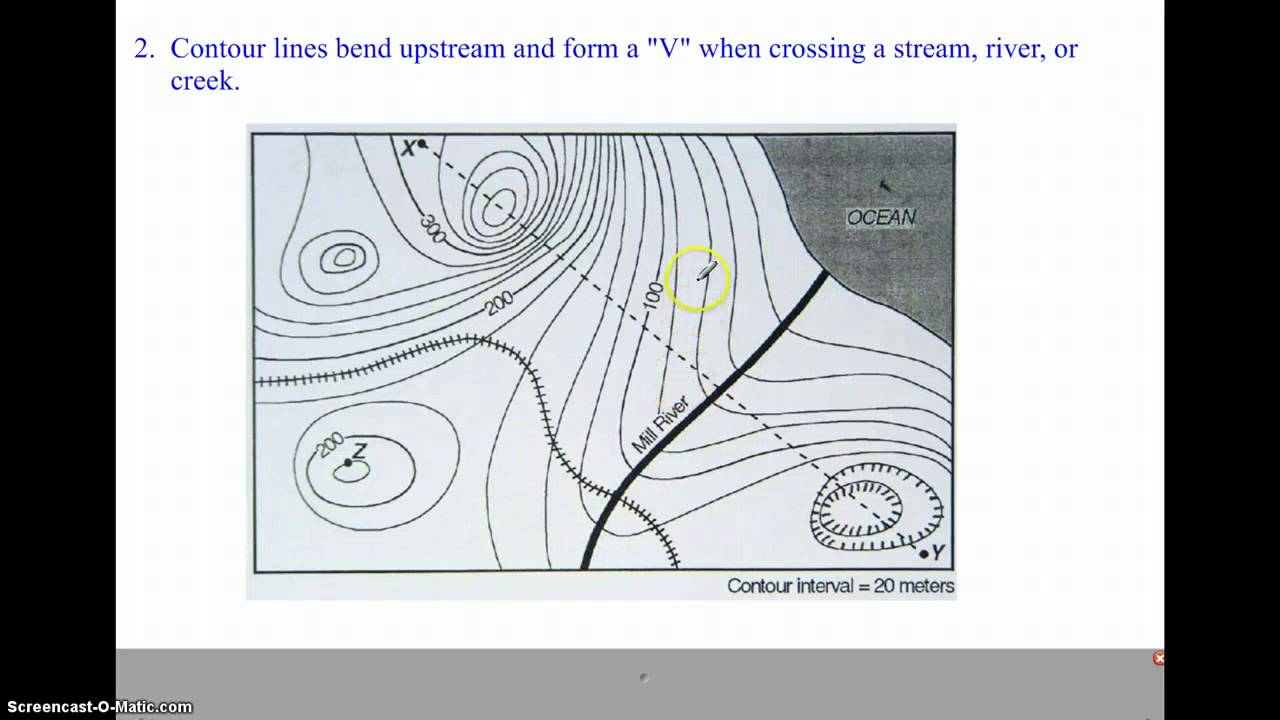
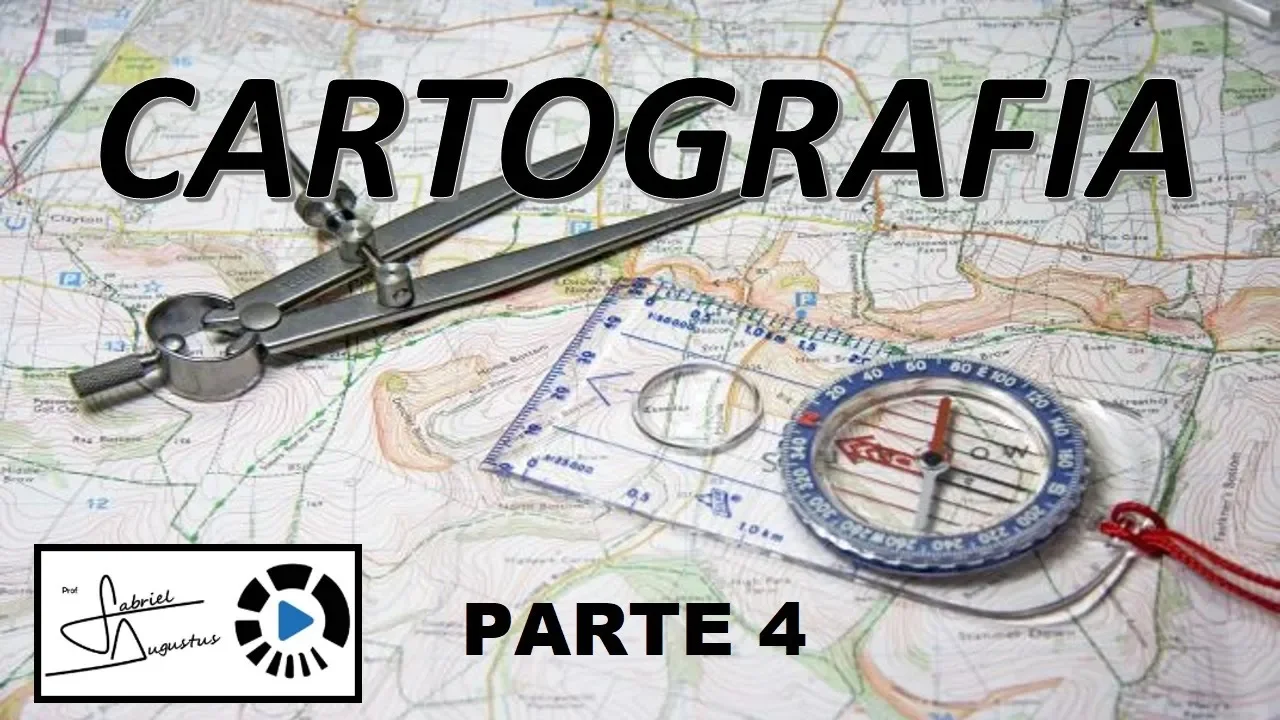
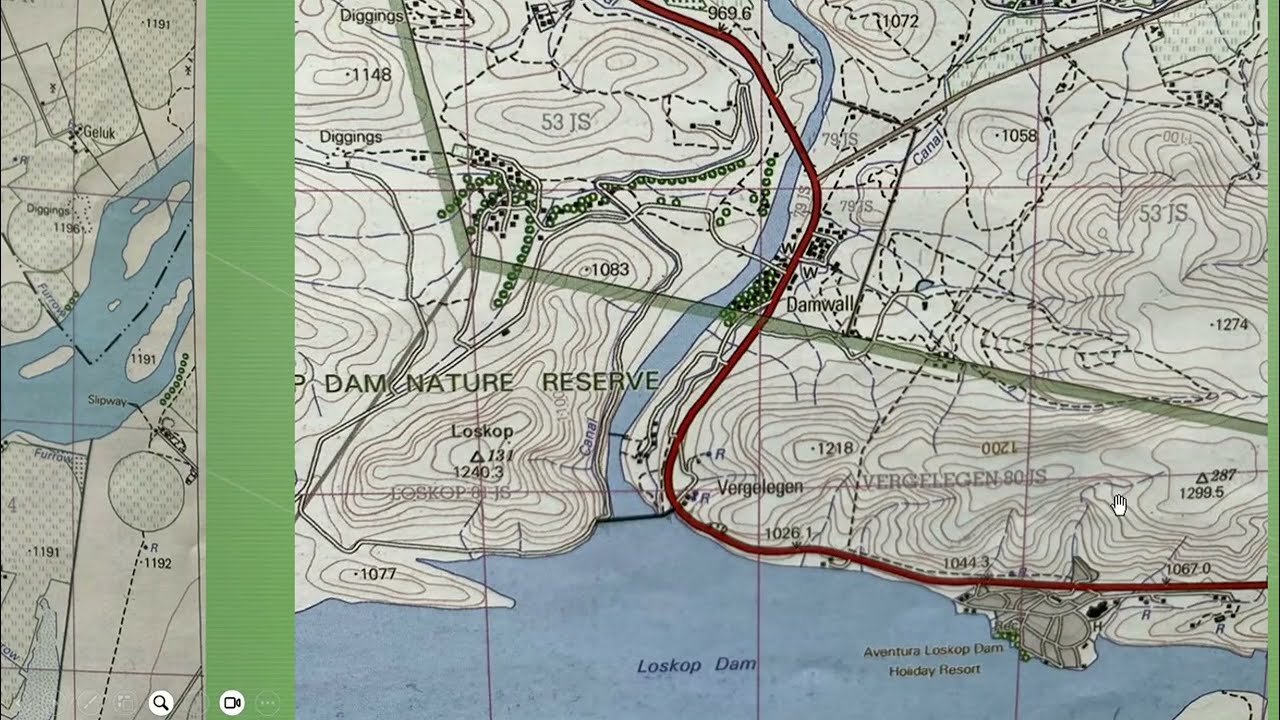
The fundamentals of reading topographic maps and understanding elevation contours to evaluate slope and land layout.
Basic concepts of water quality, including the difference between sediment filtration, chemical purification, and biological disinfection.
Advanced hydraulic calculations, such as utilizing the Hazen-Williams equation to compute precise friction loss over long pipe runs.
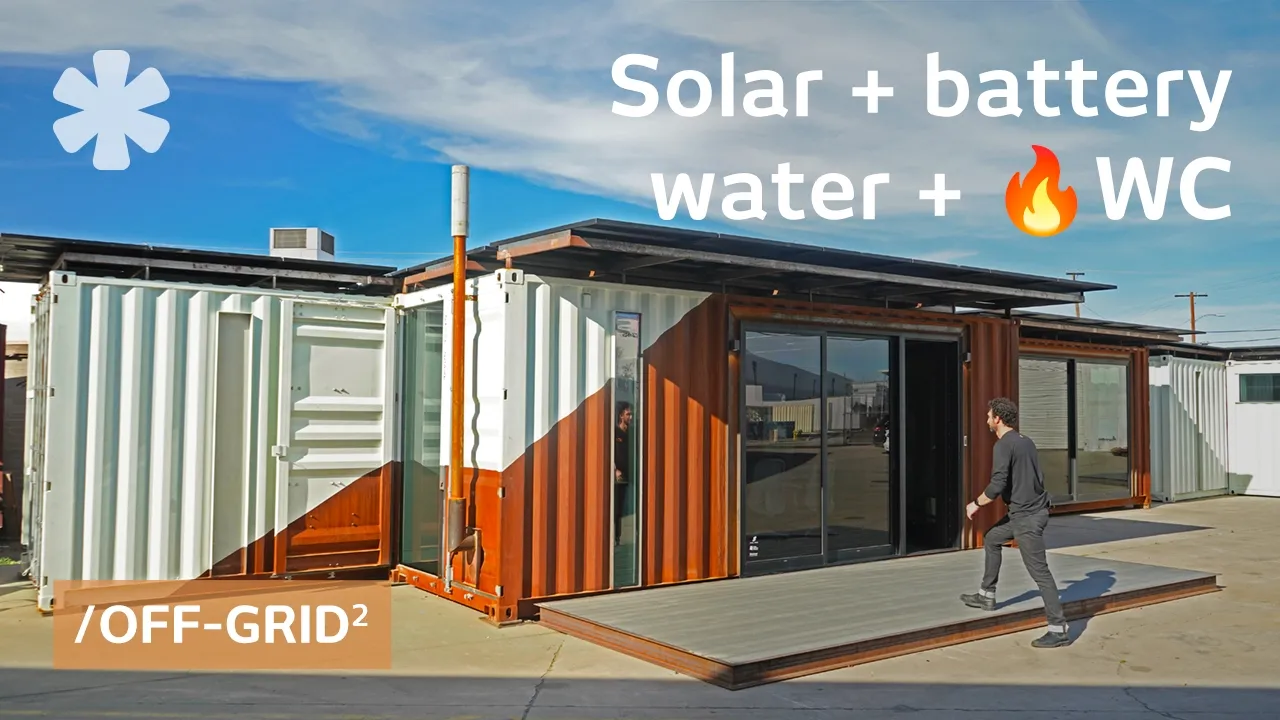
Integration of hybrid off-grid systems, specifically combining solar-powered DC pumps with gravity storage for automated replenishment.
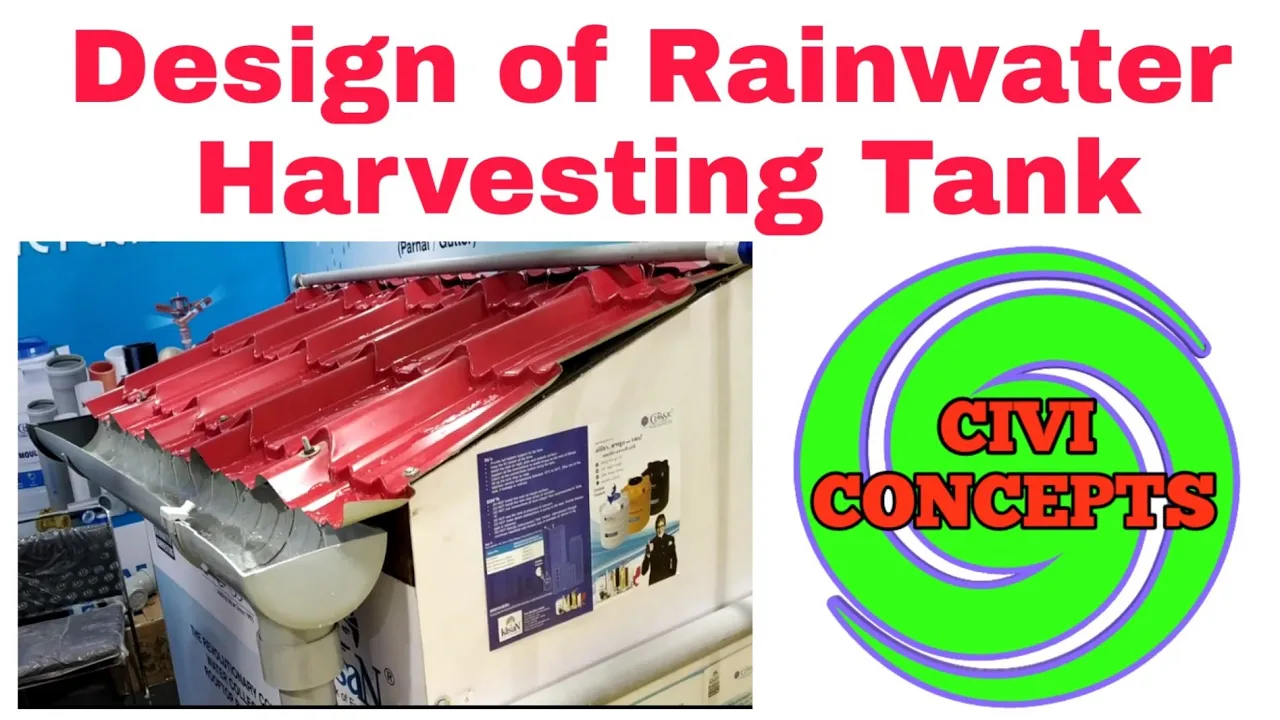
Design principles for large-scale rainwater harvesting, including catchment area calculation, run-off coefficients, and first-flush diverter sizing.
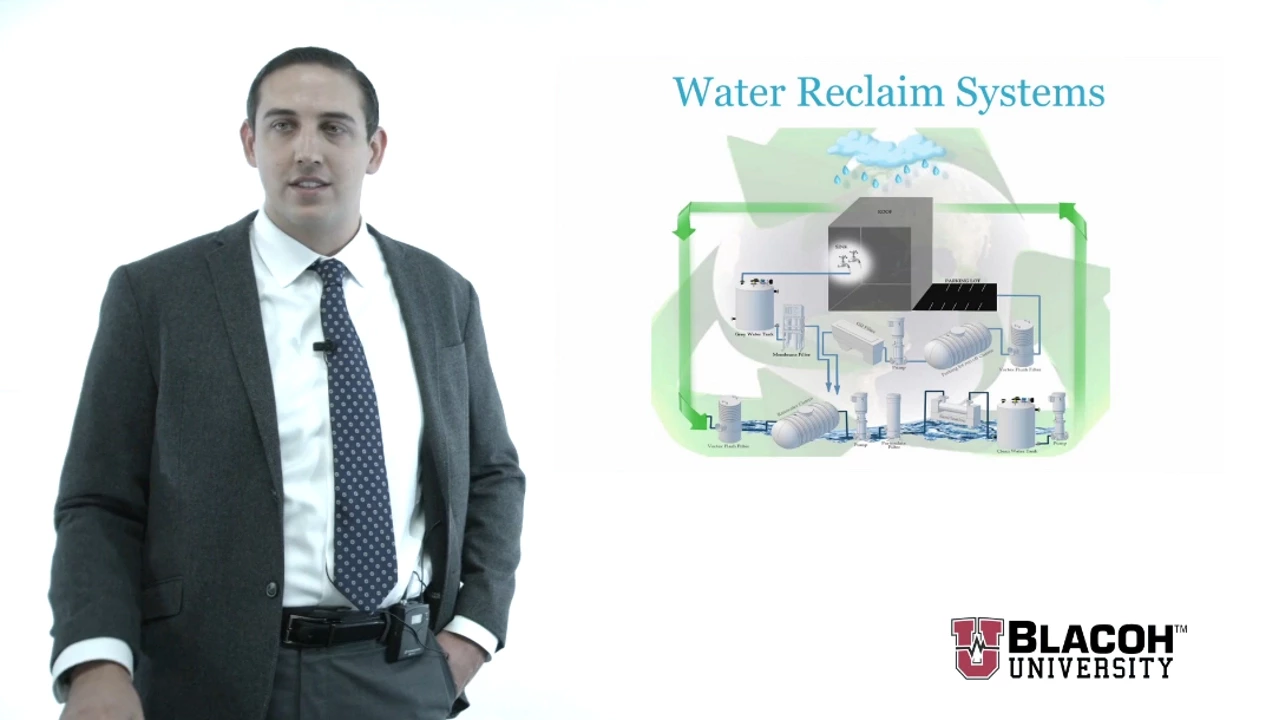
The engineering of greywater recycling and ecological wastewater treatment systems to complement off-grid water use.
330.2K views5.9Klikes20:29Original Release: 2017-06-06
I have something to say speak it's over here oh okay we just got this well it's not ours we just picked it up can I show them yes boom pretty sexy big yellow tractor but now we have this problem we have this entire water system that we've been planning for like 3 or 4 months and with this thing we're pretty much going to install it and backfill everything in like 2 days and we still haven't told you about the system so we're going to attempt to do that real quick before it's gone and there's nothing to show because we live in a very cold climate we're going to be relying on these uh frost-free hydrants for the majority of our system we're actually going to be doing a completely different video on those because they turned out to be an insane amount of drama which was totally not worth it and created all kinds of fiscal anxiety uh so we're going to work on those later um but first let's talk briefly about this pipe which is double encasing so if you haven't seen our trenching video give that one a watch that one was a nightmare we'll link to it over here because this trench that we've got on the side of this hill which enables us to have this gravity fed system was ridiculously difficult and our soil is mostly Rock we have decided to set double encasing in this trench that way God forbid we ever have to deal with this system in theory we can simply pull in a completely new piece of pipe for our main water lines we've actually chosen to go with poly which is a highly rated uh underground or burial line a lot of folks use PVC or there are other variations of poly this stuff is ridiculously strong we're going to be using 2 in for our main uh drain line there's a real simple reason for that one when you're using gravity feed flow is your friend not pressure so two in will allow us a ridiculous amount of flow plus hello it makes sense to be able to fight if it happens we do live on a rural property and we really don't want to rely on someone else having to put out a quick fire for us so we figure that's a really good thing to design into our system yeah and down the road we don't ever expect to do that but we're going to show you a component that's as critical to the system as this pipe that makes the whole fire prevention thing happen and you might think we're crazy but guess what happened like the day before we were going to move to our property our property was on fire we actually found out like a month later someone's like oh yeah I put out a fire on your property we like when right and they're like oh like the week before you moved here like oh cool that's awesome somebody had thrown cigarette butt out the window and it was a super dry summer and apparently our property caught on fire so if you think fire is a little ridiculous don't so this is our main line coming down here and the trench continues up along the Hillside and then we've got our sisters over here we'll actually talk about those in just a moment we do have a separate video on those um we'll actually link to that over here I think think um so give that one a watch we actually have a video on our plumbing parts too if you're curious about the poly and the fittings and everything give that video watch there's a lot of really great tips in there so down here at the bottom of the hill is going to be where our Junctions are going to go and we're actually going to terminate the line here because our goal is to build our house right here so we're going to terminate the line and eventually we'll end up connecting the house in there but for now we're actually going to go this way out to the garden and put a frost free hydrant let me back up we're actually going to be putting a frost free hydrant up here at the Garden also because we like to have water available for this and other activities here and then we actually have a hydrant hi so we actually have a frost re hydrant in the RV the reason we're doing that is we don't really know if we're going to get this system in this year we are trying to get it in this weekend and we're trying to not be living there this winter that said plan for the worst plan for the worst we're going to do all this work and we're not going to have this frozen water system that we had uh last winter but we're going to put a valve so that we can turn that system off in the future and then end up removing that hydrant because this is all going to be driveway driveway area in the future what you reading this is a book on water storage I think one of our subscribers maybe a year ago sent this book to us yeah and we just we didn't realize how critical it would be to the design of our system and there's a lot more we have yet to talk about but we basically use this book read it somewhat cover to cover at least the parts that really applied to us to design our system and there was a lot of stuff that we didn't really think about little intricacies of your system design I don't know if we'll go into all those in this video probably not in this video but it definitely influenced our design because this book talks a lot about gravity fed systems and primitive systems and why a lot of systemns fail or systems like this what are their downfalls and what do people not plan for and I would say if someone just went at it using common sense they might not know all these things well there's a lot of just Little nuances like sloping things to get rid of sediment in your sisters I'll say this this system when we're done will run us almost $10,000 and I think this book is under 20 maybe 25 so it's a very small price to pay if you're designing your own system to read this book carefully yep okay let's talk a little bit about Plumbing components so for a 2-in Mainline if you wanted to you could spend a second mortgage getting components for yourself system but we did a little bit of research and we found that there is a very good alternative to Brass you say my brass looks big do what did you say my brass looks big don't talk about your brass on camera the fitting alternative that we found are these extremely sturdy poly fittings they're compression fittings which means they're not permanent and they can be either removed or modified at a later date this component a or coupler if you were to buy this in brass brass I think this is probably around $35 or $40 this same component in brass would probably run you twice that much or maybe even three times what I love about this system is that there are components that you cannot get in brass for example that's not one of them see here it is this is a t in order to do this with brass you'd have to have a male connector a male connector and a t and then another male connector so that means you have four pieces of brass to create this one connection and I think this was probably in the $60 range to do that in brass would probably run you 300 bucks they also offer valve systems this is a 2-in Mainline full flow ball valve and it is serial numbered and everything so these are lifetime valves brass is not the only option when it comes to building these large Mainline systems this is a fire hydrant it is a 2in uh frostfree blowoff hydrant it's not my idea of a fire hydrant I always thought they're like those red things that dogs PE on like it doesn't look like that at all at least it's red but I don't think your dog's going to pee on it um and it's heavy it's really heavy especially when you get a flat on the way home and your tire is hiding under the fire hydrant not that that happened not that that happened an hour ago so this is made by coup F Le which is a Foundry and the reason you would want this over what's called a stop and waste which is a valve that when you turn it off it drains the stand pipe in front of it the reason this is better is because the whole entire hydrant oh can be serviced from above ground this is a lockable service cap remove this cap and you can pull the entire valve out above ground no digging digging sucks so once this is buried it's all frost free the water stays at the bottom and then if you ever have to service it you can service it above ground this little guy will set you back just $670 these are cannons this is called a curb box and what you do is you put the valve down here in the ground let me demonstrate so imagine this is 3 ft under the ground your plumbing goes through here and your valve sticks up here now from above ground you remove this cap bo bo bo you reach down in here with a wrench and now you can turn the valve on these were only $40 right right that's ridiculous because a piece of pipe to do this is like N9 or 10 yeah it even says water on top of it just in case you're confused yeah yeah and there's a there's a special key for this I think we should cross out the W and put an H hater haters so there's a special key for this um why cast iron because if if you put one of these valve boxes or curb boxes somewhere where Alyssa I mean let's say Jesse drives the back ho over there let's be honest here Jesse's careless with the back ho cuz he's in a mood and he wants to get a bunch of work done and he drives his back hoe over your valve box and this is made out of PVC rest in peace valve box this sucker cast iron so drive your four-wheeler drive your back ho whatever you want to drive over it you're not going to do any damage hold on we need to make a featured image wait uhhuh turn 180° and turn that this way this way so they can read water now I have to get close and make this and focus that's pretty good make the stupid face that gets clicks okay we'll use one those this is for people who have very large turds this might fit an elephant turd this is a 6 in sewer pipe did you know Bugaboo is about the size of an elephant turd so this is the solution to the valve at the sistern hold on I'm still backing up it's not in the frame yet backing up back and back wow that's tall thank you the valve on our sistern is am measly 8 ft Underground not very far so we have to get this down there so that we can reach the valve the main shut off at the sisters so this guy is going to do that for us and then we've got a cap on the top that was the best 26 bucks we spend on the entire project right this is caution waterline buried below tape I don't really think we're going to need this especially since on that Hill it's not like you're digging with an excavator you're like shoveling an inch at a time true but it's good insurance yeah and I feel like if we ever sell the property to say that we have caution waterline buried below tape will make people feel like we really cared so what should we do that is metallic so it can be detected with a metal detector well I thought that's what this is for this is different oh this is heavy it's very heavy so this is Tracer wire and what you do is you leave one piece of this out of the ground on each end and the utility company will clip onto that and they can trace this wire so if somebody like your grandkids or your great grandkids or something else whatever sap suckers are going to have to fix this when we're gone boom they can find it using this wire why would we put both in there what do you think you can't see this when you're digging with a backhoe You' be like what's that and you just keep this is that much better but it's a little better at least it's shiny so this was 26 bucks and this was 55 bucks so 75 bucks like that's that's pretty good to protect part is that all these things it's like 50 bucks 75 100 400 75 and it just quickly adds up yeah these over here don't even ask how expensive these were uhoh which one are you in this one I'm in the top one so these I think were 330 a piece 300 a piece something like that this is how we're going to back fill the trench so how much vertical head do we have 70 ft except we dropped the sisters about 8 ft which means we lost just a little bit of pressure and then where our house is going to go right here it's probably going to be about 12 ft up to the living level which means we're going to lose another 12 ft of vertical so we're going to lose a little bit maybe like around 6 PSI of water pressure but we're trying to maintain big pipe sizes so that we don't lose any flow should we tell them how we get water in the sisters I know everyone's thinking that they're like how do you get water in the sisters it doesn't make any sense kind of like how we are now but we have a huge IBC container which which holds about 250 Gall hiding over there and sure it's a 2,000-gallon system so the first day we fill it up it'll take a bit and then we'll probably have a water run maybe once every 3 months or so two to three months and supposedly it's going to be really easy to just hook in to the water line and send it up the hill with our water pump so this pump is actually a shallow well pump from Wayne and we actually upgraded this we were using a utility transfer pump and now we're using this guy and we can transfer about 300 Gall in about 15 minutes to the top of the hill the reason pumping to the top of the hill makes sense is that we use a generator for our power and so on demand pumping is the best way to go because we can pump until we're done and then gravity brings it down when we need it and that system has been working really well for us for over a year and I can't see why that's going to change and how much does that water cost us couple bucks yep so that's right now down the road well is in the plans but it is not a priority I want to say this because a lot of people have this question in every video all said and done if the system cost us $10,000 do you wish that you would have drilled a well instead yeah what's your like 20 second answer to that no because two things one Wells take a lot of power which we don't have because we're off grid and they're normally on demand which means on demand power well you still need to figure out a way to get it from the backs side of property to here so basically all this would have to be done in addition to the well only the well alone would potentially cost us 30 grand I mean there's probably a minimum a well would cost you but no maximum yeah we have no idea how much a well would actually cost really no guarantee of water right so this is part of our well system strategy this is part of the strategy and we feel like if more people knew that the power was going to go out and they would lose both power and water at the same time they would build a system like this because even if we can't get water out of the well we're good for 2 to 3 months in fact we have plans down the road to add Rainwater harvesting to our strategy we've actually buried two sets of lines from the top of the hill and we have another sistern that we hope to put in there that will use for rainwater and we can use that uh for a lot of things like gardening hot tub or even gray water use or you know things like you know washing dishes or not washing dishes but taking a shower stuff like that that's not critical that it be drinkable water just to help us validate we actually ran an interm system I won't go into depth on that we actually did a video on it we'll link to that over here up at the top of the hill is a 625g poly tank above ground and we have a PVC line the reason we did PVC not peex is because of budget hindsight we probably would have laid PC but we didn't have the funds at the time because everything around here cost a lot of money then we have a spigot here we run the hose down to the RV we did that to validate the system and I can say wholeheartedly works great so that leaves us with the sisters so let's go to the top of the hill and take a look at how that's all arranged we made it to the top we made the treacherous trick and things look about how we left them yay so down in this precarious hole you know it's actually better than it looks it does look better from this angle yeah it does the other side looks pretty bad we all have an angle we look better from oh so these are our sisters we have two 1,60 gon infiltrator direct Berry sistems and one will be the master the other will be the slave and they're going to be connected on the bottom so that they act as one large sistern so then we're going to have a ball valve down here that will be the main shut off that's where that gigantic piece of pipe that I showed you earlier will go 8 ft down and there'll be a ball valve down there then come over here and the fill line is also going to come up here enter the tank at the bottom and then it's going to have a riser inside the tank that comes up near the top and then there'll be an airator on the top and that'll help to increase the water quality by putting a little bit of oxygen in the water as it fills up why are we not bringing the fill line in the top because that would bring the fill line too close to the surface of the ground and make it subject to freezing so it's going to come in the bottom where it's buried substantially and come up so the only time it would be subject to freezing is when we're actually filling the tank but these tanks are over 2 feet down below ground so shouldn't have any problems with freezing I'm not looking forward to pulling all these Boulders out of here over the next day or two and you know what I'm also not looking forward to see that ladder holding up that Boulder I'm not moving that ladder nose goes what the the heck so you can see that our soil is extremely Rocky and over winter we had one of the harshest Winters in roughly 20 years and the spring runoff plus all the rain and all the stuff has made this stuff Slough off so now we've got all these wonderful rocks again in the bottom and we're going to have to fish some of those out so that we can get the water line in here and then we also want to bed these sisters and by bed I mean back fill on the side with sand so get rid of all those rocks down there if you're thinking to yourself this system seems complex we put a lot of work into simplify simplifying it I would say that our first system was complex and budget will dictate a lot of the things that you do so for example we started out with like a 3-in main line H that wasn't going to work yeah so we've ended up uh going down to a 2-in main line and then we had a whole bunch of connections remember that we had all these T's and all these things coming off of it and in the end we're only going to have one connection on that hose and that's a Saddle T that will connect to the garden and to the deck in RV I think there's still a chance it's overdesigned but we'd rather overdesign than underd designed so I think in the end we'll be able to tell you if we could have done without anything the problem is everything is subjective so you'll get people who will say poly are junk poly valves are junk when they had a bad poly valve yep and people will tell you brass valves are junk because they had a brass valve that was junk so it's really just a matter of opinion on a lot of this stuff and my confident feeling is that they would not be selling these materials to Y uh Municipal Waterworks if they weren't a quality product and hiding behind Alyssa you can see our current Hilltop sistern so there's been a lot of forethought probably over a year of thinking on this system and is this going to work for everybody no because well it's just unique to our situation so apparently whatever we ate for dinner makes us taste extremely scrumpy ious to mosquitoes because we're getting eaten alive so that's our water system we hope to do a video later after we get everything plumbed in and connected but we wanted to do this now because we're about to bury everything and there's no chance we're going to do video as we're going it's going to be all work and no play we'll get footage we're just not going to do like video yes so now you have an high level overview of what the system looks like we've got some other chores we got to get done and we got to sleep because tomorrow is going to be ridiculously hard yes what Jesse [Music] said h
Up Next

4:35
How to Calculate Water Flow and Pressure for Irrigation Design
@theurbanfarmerstoreeducati2668
120.2K views•2014-01-15

30:32
Ultrasonic Transducers: Resonant Frequency Measurement and Horn Design
@imajeenyus42
229.9K views•2017-02-22

54:16
Polymer Environmental Degradation: Mechanisms & Stabilization
@iit
1.8K views•2012-07-10
33:39
How a Student's Question Saved a NYC Skyscraper from Collapse
@veritasium
22.8M views•2025-04-26
Related Study Plans & Knowledge Roadmaps
Structured learning paths in Engineering
engineering
Building Acoustic Levitators: Physics & Arduino
01The Physics of Sound and Standing Waves
02Piezoelectric Transducers and H-Bridge Drivers
03Arduino Programming: Generating 40 kHz Signals
+ 2 more learning modules
14h5 modules
Explore Roadmap
engineering
Building Peltier Cloud Chambers: Particle Tracks
01Cosmic Rays & Cloud Chamber Physics
02Thermoelectric Cooling (TEC) Fundamentals
03Custom Liquid-Cooling Loop Design
+ 2 more learning modules
18h5 modules
Explore Roadmap
engineering
Yagi-Uda Antennas: Modeling, Build & VNA Test
01Introduction to RF and Antenna Fundamentals
02Yagi-Uda Antenna Design Principles
03Antenna Modeling and Simulation in 4NEC2
+ 2 more learning modules
18h5 modules
Explore Roadmap
engineering
ECG Monitor Design: Op-Amps, Filters & Noise
01Electronics & Breadboard Basics
02Op-Amps and Instrumentation Amplifiers
03Bioelectricity and ECG Fundamentals
+ 2 more learning modules
18h5 modules
Explore Roadmap