

















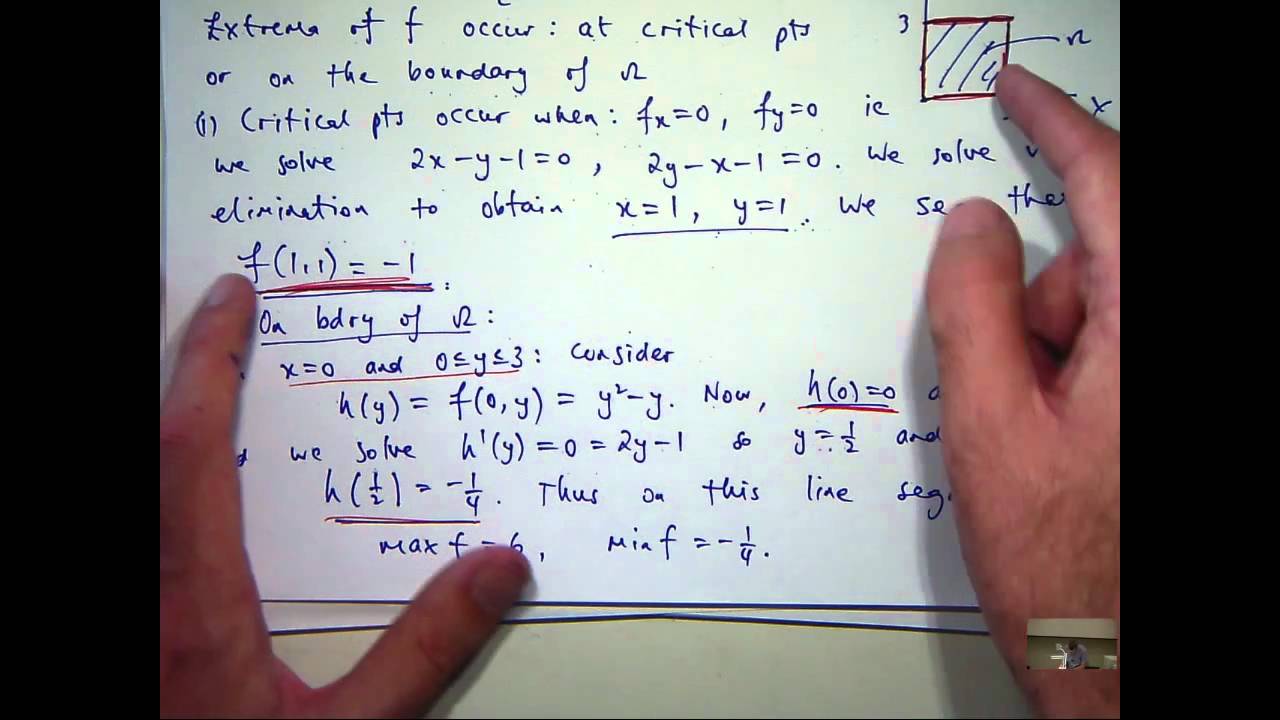


![[Python 활용 데이터 분석 최적화] 04 경사하강법 (Gradient Descent)](https://i.ytimg.com/vi/0QNjC9U8q1c/maxresdefault.jpg)


The directional derivative measures how a multivariable function changes when moving in a specific direction, calculated as the dot product of the gradient vector and a unit vector in that direction; mathematically, it equals the sum of the partial derivatives multiplied by the corresponding components of the direction vector (D_vf = ∂f/∂x * v_x + ∂f/∂y * v_y for 2D functions).
Directional Derivative Explained | Vector Calculus Tutorial
Added:Understanding of partial derivatives and how to calculate them for functions of multiple variables.
Familiarity with vector fundamentals, particularly vector components, magnitude, and how to normalize a vector into a unit vector.
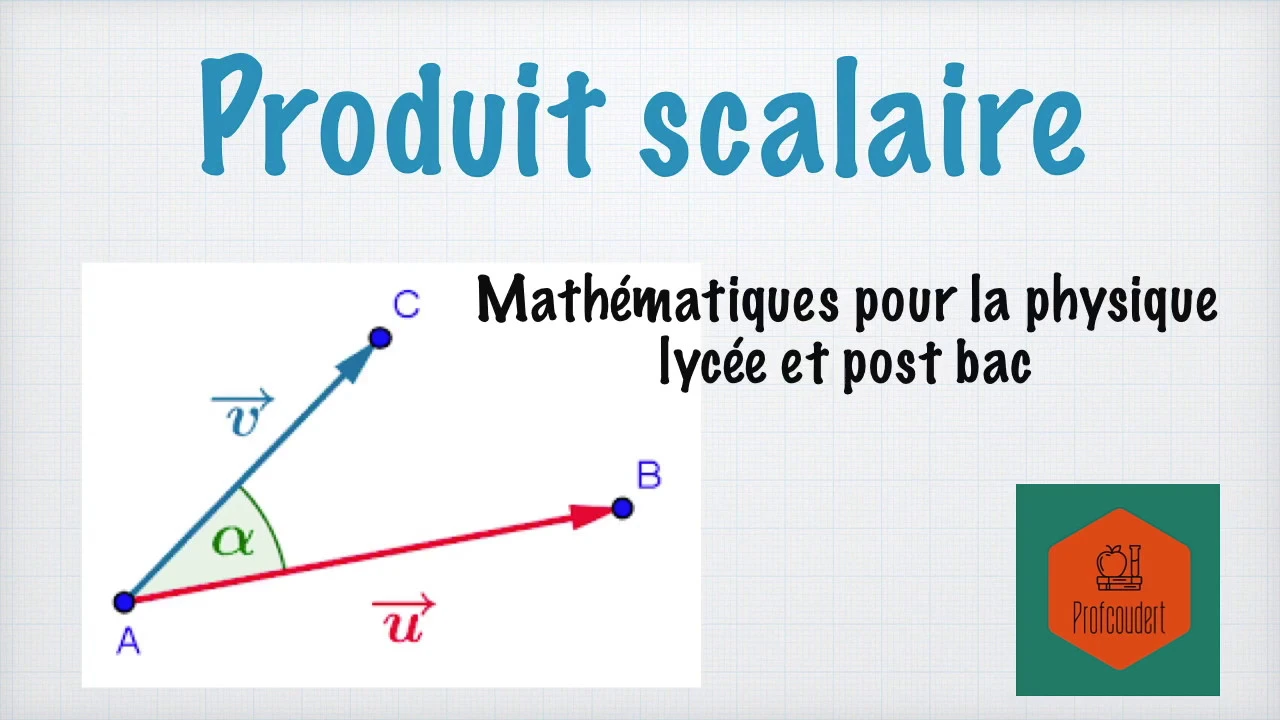
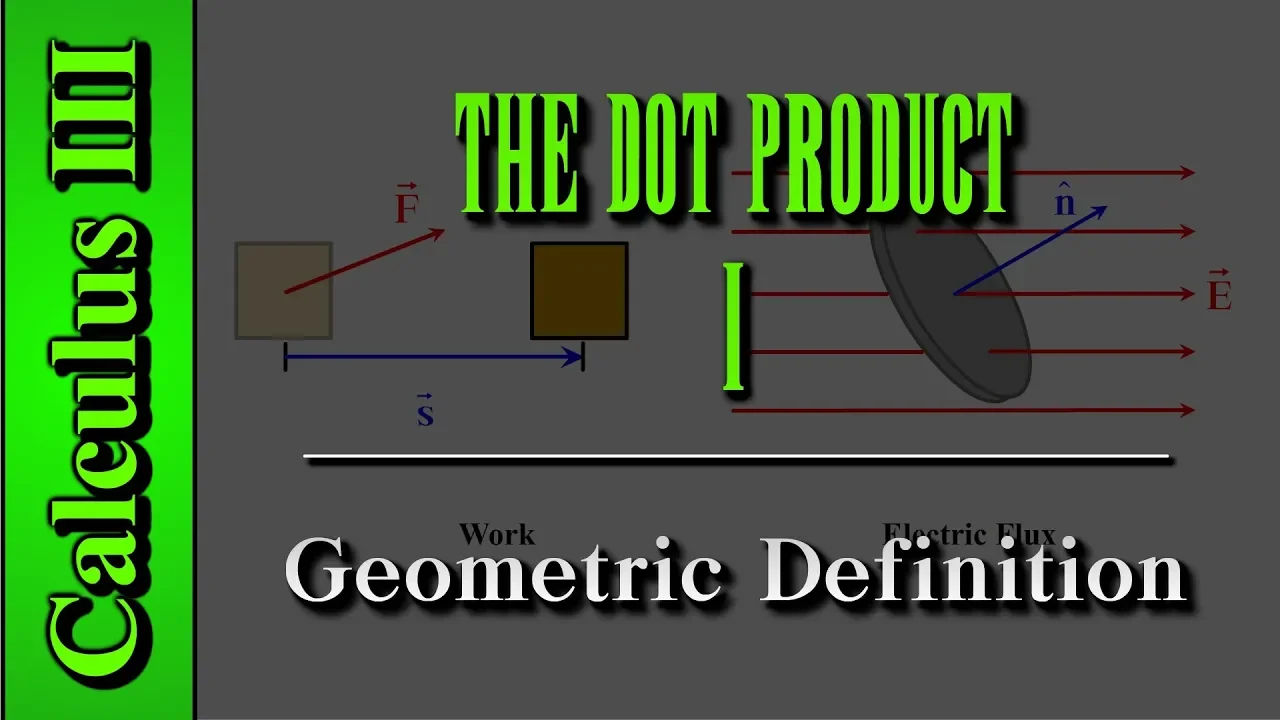
Knowledge of the dot product (scalar product) and its geometric interpretation.
An introductory understanding of the gradient vector (del operator) and its definition as a vector of partial derivatives.
Exploring the geometric properties of the gradient, specifically how it represents the direction of steepest ascent and maximum rate of change.
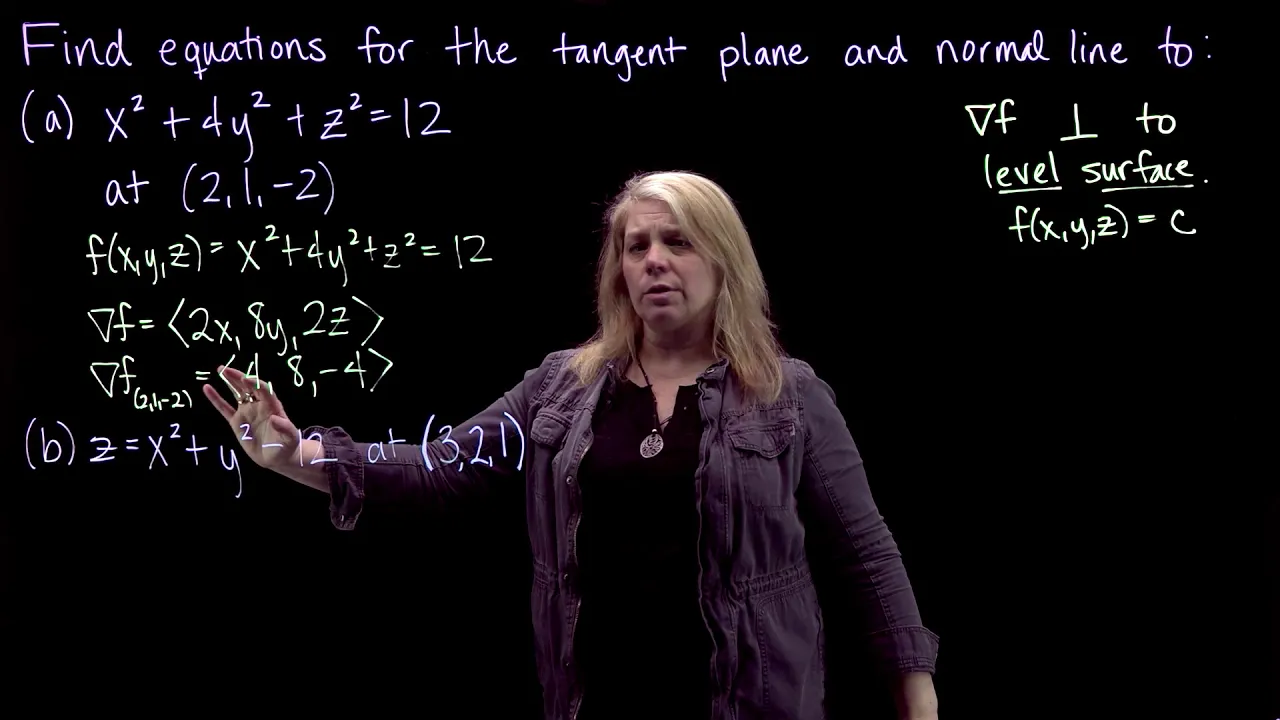
Using the gradient and directional derivatives to find equations for tangent planes and normal lines to level surfaces.
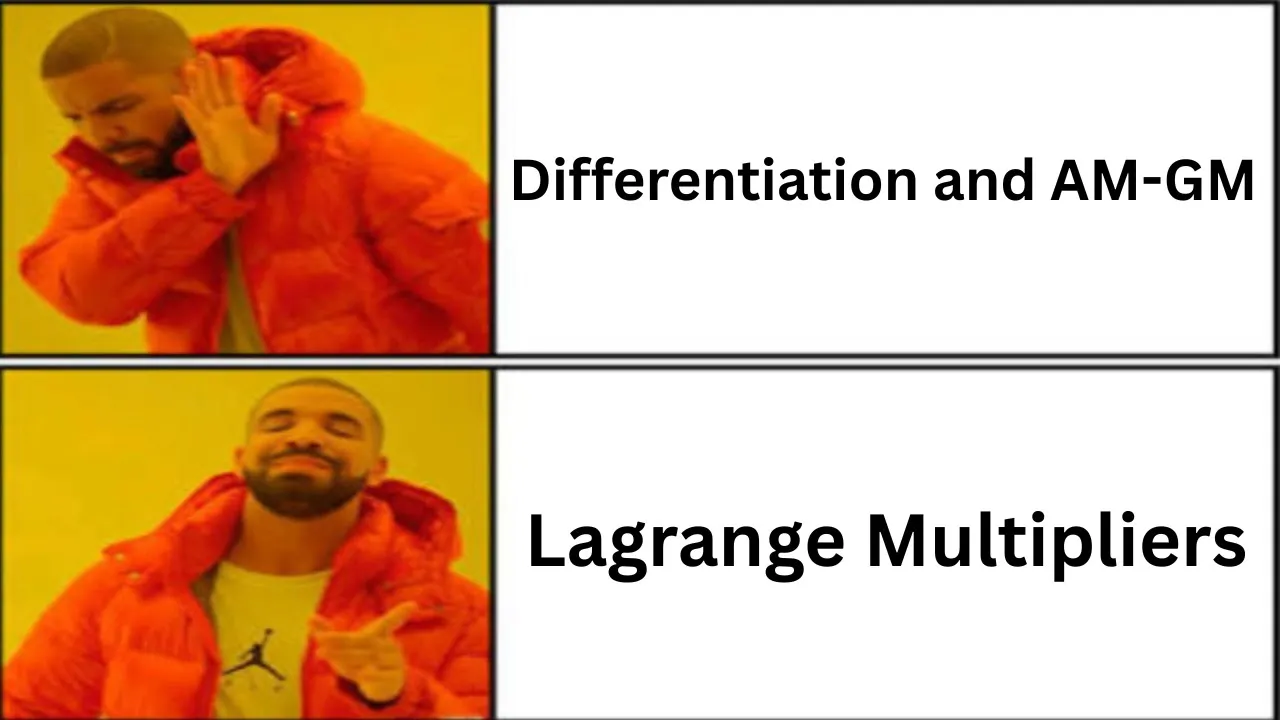
Applying these concepts to multivariable optimization problems, including local extrema and Lagrange Multipliers.
Investigating real-world applications such as Gradient Descent, a foundational optimization algorithm used in machine learning and data science.
676.5K views7Klikes7:14Original Release: 2016-05-12
hello everyone so here I'm going to talk about the directional derivative and that's a way to extend the idea of a partial derivative and partial derivatives if you'll remember have to do with functions with some kind of multivariable input and I'll just use two inputs because that's the easiest to think about and uh it could be some single variable output it could also deal with Vector variable outputs we haven't gotten to that yet so we'll just think about a single variable ordinary real number output that's you know an expression of X and Y and the partial derivative one of the ways that I said you think about it is to take a look at the input space your X and Y plane so this would be the x- axis this is y and you know vaguely in your mind you're thinking that somehow this outputs to a line This outputs to just the real numbers and maybe you're thinking about a transformation that takes it there or maybe you're just thinking okay this is the input space that's the output and when you take the partial derivative at some kind of point so I'll write it out like partial derivative of f with respect to X at a point like one two you think about that point you know 1 Y is equal to 2 and if you're taking it with respect to X you think about just nudging it a little bit in that X direction and you see what the resulting nudge is in the output space and the ratio between the size of that resulting nudge and the original one the ratio between you know partial F and partial X is the value that you want and when you did it with respect to Y you know you were thinking about um traveling in a different direction maybe you you nudge it straight up and you're wondering okay how does that influence the output and the question here here with directional derivatives what if you have some vector v and I'll give a little Vector hat on top of it that you know I don't know let's say it's -1 2 is the vector so you'd be thinking about that as a step of negative 1 in The X Direction and then two more in the y direction so it's going to be something that ends up there this is your vector v at least if you're thinking of v as stemming from the original point and you're wondering what does a nudge in that direction do to the function itself and remember with these original you know nudges in the X Direction nudges in the Y you're not really thinking of it as you know this is kind of a large step you're really thinking of it as something itty itty bitty bitty bitty you know it's not that but it's really something very very small and formally you'd be thinking about the limit as this gets really really really small approaching zero and this gets really really small approaching zero what does the ratio of the two approach and similarly with the Y you're not thinking of it as something this is this is pretty sizable but it would be something really really small and the directional derivative is similar you're not thinking of the actual Vector actually taking a step along that but you'd be thinking of taking a step along say h multiplied by that vector and H might represent some really really small number so you know maybe this here is like 0.001 um and when you're doing this formally You' just be thinking the limit as H goes to zero so the directional derivative is saying when you take a slight nudge in the direction of that Vector what is the resulting change to the output and one way to think about this is you say well that slight nudge of the vector if we actually expand things out and we look at the definition itself it'll be H -1 * that component and then 2 H here so it's kind of like you took Nega -1 nudge in the X Direction and then two nudges in the y direction you know so for whatever your whatever your nudge in the v Direction there you take a negative one step by X and then two of them up by y so when we actually write this out the notation by the way is um you take that same nabla from the gradient but then you put the vector down here so this is the directional derivative in the direction of v and there's a whole bunch of other um notations too you know I think there's like derivative of f with respect to that Vector is one way people will think about it some people will just write like partial with a little subscript Vector there's a whole bunch of different notations but this is the one I like you think that nabla with a little little F down there with a little V for your vector of F and it's still a function of X and Y um and the reason I like this is it's it's indicative of how you end up calculating it which I'll talk about at the end of the video and for this particular example a good guess that you might have is to say well we take a negative step in the X Direction so you think of it as whatever the change that's caused by such a step in the X Direction you do the negative of that and then it's two steps in the y direction so whatever the change caused by a tiny step in the y direction let's just take two of those 2 * partial f F partial Y and this is actually this is is actually how you calculate it and if I was going to be more general you know let's say we've got a vector W I'm going to keep it abstract and just call it a and b as its components rather than the specific numbers you would say that the directional derivative in the direction of w whatever that is of f is equal to a * the partial derivative of f with respect to X plus b * the partial derivative of f with respect to Y and this is it this is the formula that you would use for the directional derivative and again the way that you're thinking about this is you're really saying you know you take a little nudge that's a in the X Direction and B in the y direction so this should kind of make sense and sometimes you see this written not with respect to the partial derivatives themselves and the actual components A and B but with the uh with respect to the gradient and this is because it makes it much more compact more General if you're dealing with other dimensions so I'll just write it over here if you look at this expression it looks like a DOT product if you take the dotproduct of the vectors A and the one that has the partial derivatives in it so what's lined up with a is the partial derivative with respect to X partial F partial X and what's lined up with B is the partial der with respect to Y and you look at this and you say hey AB I mean that's that's just the original Vector right that's W that's the vector W and then you're dotting this with well partial derivative with respect to X in one component the other partial derivative in the other component that's the that's just the gradient that is the gradient of F and here you know it's nabla without that little that little w at the bottom and this is why we use this notation because it's so suggestive of the way that you ultimately calculate it so this is this is really what you'll see in a textbook or see as the compact way of writing it and you can see how this is more flexible for Dimensions so if we were talking about something that has like a five dimensional input and the vector the direction you move has five different components this is flexible when you expand it the gradient would have five components and the vector itself would have five components so this is the directional derivative and how you calculate it and the way you interpret you're thinking of moving moving along that vector by a tiny Nudge by a tin any you know little value multiplied by that vector and saying how does that change the output and what's the ratio of the resulting change um and in the next video I'll I'll clarify that with the formal definition of the directional derivative itself
Up Next

6:54
Visualizing Partial Derivatives: f(x,y)=x^2*y at (2,3)
@MathTeacher80031
468 views•2022-09-07
4:43
Elliptic Curve Cryptography Explained: ECC, ECDSA, ECDH
@PracticalNetworking
28.5K views•2024-10-21
6:22
Jacobian Matrix Explained | Local Linearity & Transformations
@khanacademy
580.9K views•2017-01-10

6:00
The Mathematical Impossibility of Accurate World Maps
@Vox
23.3M views•2016-12-02
Related Study Plans & Knowledge Roadmaps
Structured learning paths in Mathematics
mathematics
Tensor Calculus: Vectors to Riemann Curvature
01Mathematical Foundations: Linear Algebra & Calculus
02Covectors, Dual Spaces, and Tensor Basics
03The Metric Tensor and Index Gymnastics
+ 2 more learning modules
40h5 modules
Explore Roadmap
mathematics
Gödel's Incompleteness: Logic, Proofs & Limits
01Introduction to Formal Systems & Hilbert's Dream
02Set Theory, Cardinality, and Cantor's Diagonal Argument
03Arithmetization and Gödel Numbering
+ 2 more learning modules
14h5 modules
Explore Roadmap
mathematics
Galois Theory: Fields, Groups & Solvability
01Foundations of Abstract Algebra: Groups & Fields
02Polynomials & Field Extensions
03Splitting Fields & Symmetries
+ 2 more learning modules
24h5 modules
Explore Roadmap
mathematics
Non-Euclidean Geometry: Models & Geodesics
01Euclid's Fifth Postulate and the Birth of New Geometries
02Hyperbolic Space and the Poincaré Disk Model
03Geodesics: Defining Straight Lines in Curved Spaces
+ 2 more learning modules
15h5 modules
Explore Roadmap