

















![1제곱미터의 소우주, 흙 [다큐S프라임] / YTN 사이언스](https://i.ytimg.com/vi_webp/C_nQjdqTLCI/maxresdefault.webp)








Acid rain forms when fossil fuel combustion releases sulfur dioxide (from coal/oil burning) and nitrogen oxides (from vehicle exhaust) into the atmosphere; these gases undergo chemical reactions to form sulfuric and nitric acids that dissolve in rainwater, making it approximately 1000 times more acidic than normal rain (pH 3 vs 6), which damages plants, soil, and ecosystems by mobilizing toxic metals and disrupting essential nutrient cycles.
Acid Rain: Causes, Formation & Environmental Impact | Chemistry
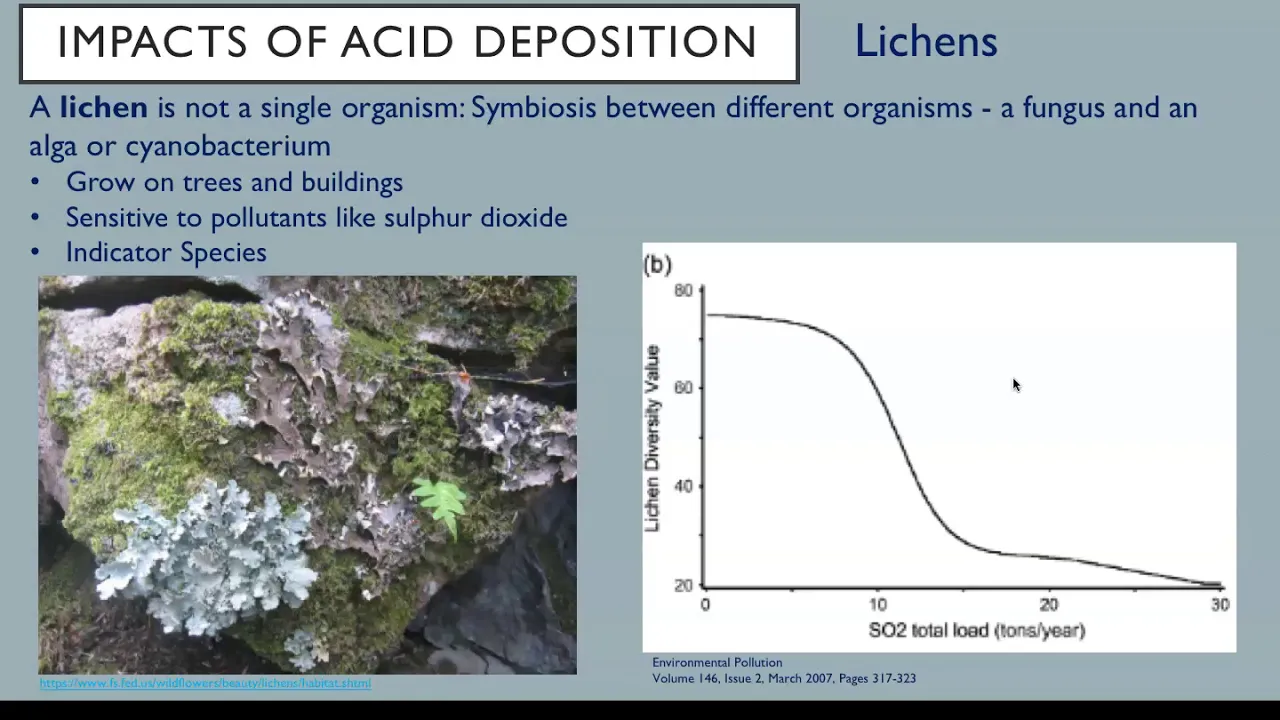
Added:The concept of the pH scale and the fundamental chemical properties of acids and bases.
Basic chemical reaction types, particularly how non-metal oxides react with water to form acidic solutions.
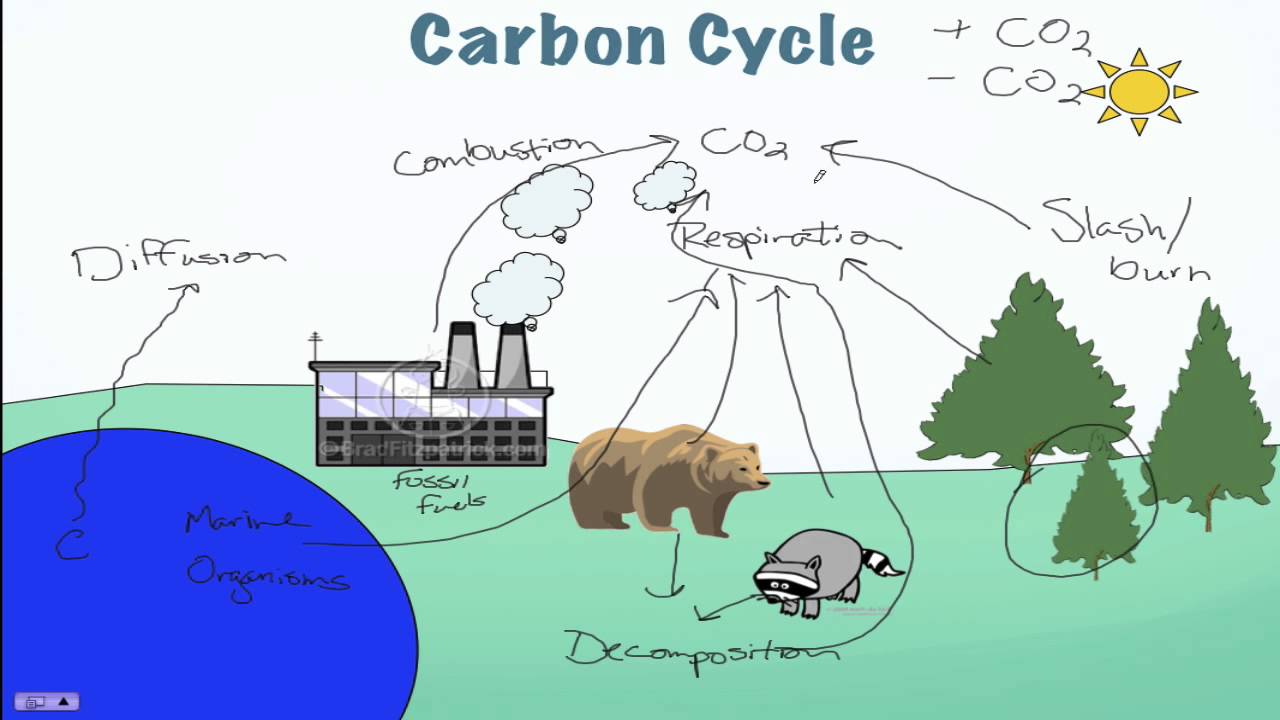
The combustion process of fossil fuels and the primary gaseous emissions generated by industrial activities.
The water cycle, specifically atmospheric transport and precipitation mechanisms.
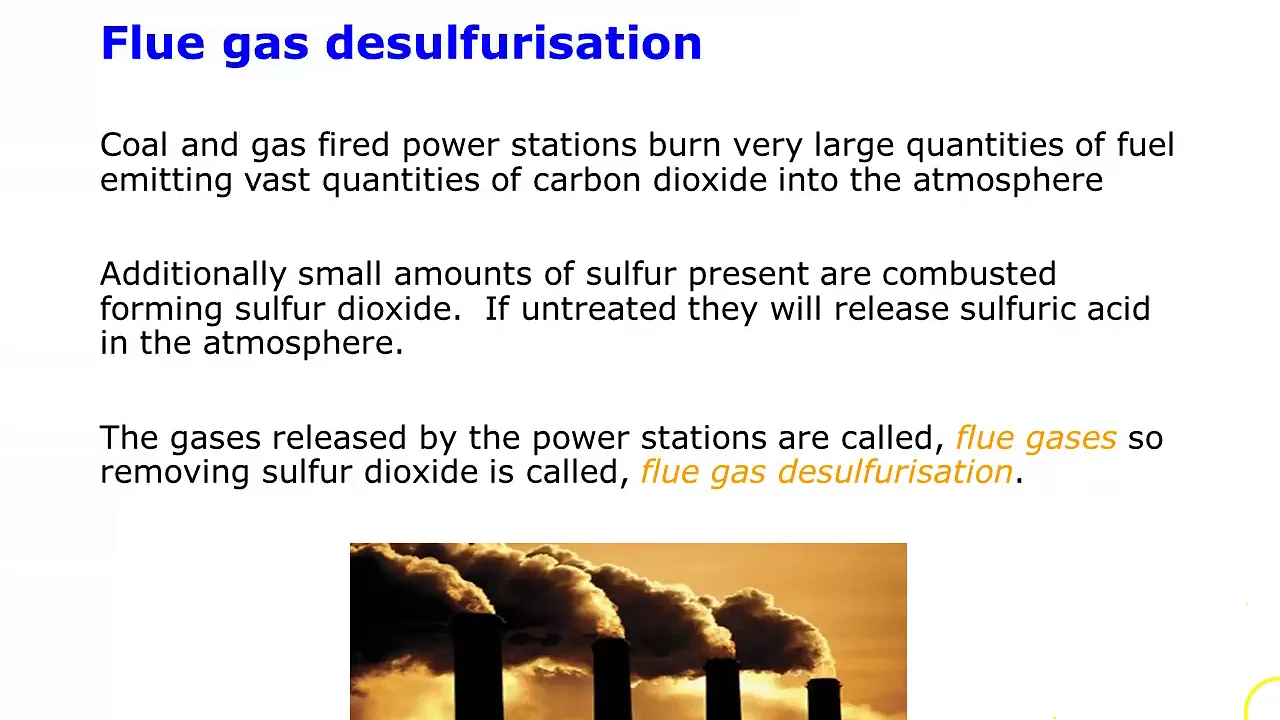
Industrial mitigation strategies, such as flue-gas desulfurization (scrubbing) and the use of catalytic converters.
Remediation techniques for affected ecosystems, including the process of 'liming' to neutralize acidic soils and water bodies.
The detailed ecological consequences of acidification, such as the leaching of essential nutrients and the mobilization of toxic heavy metals like aluminum.
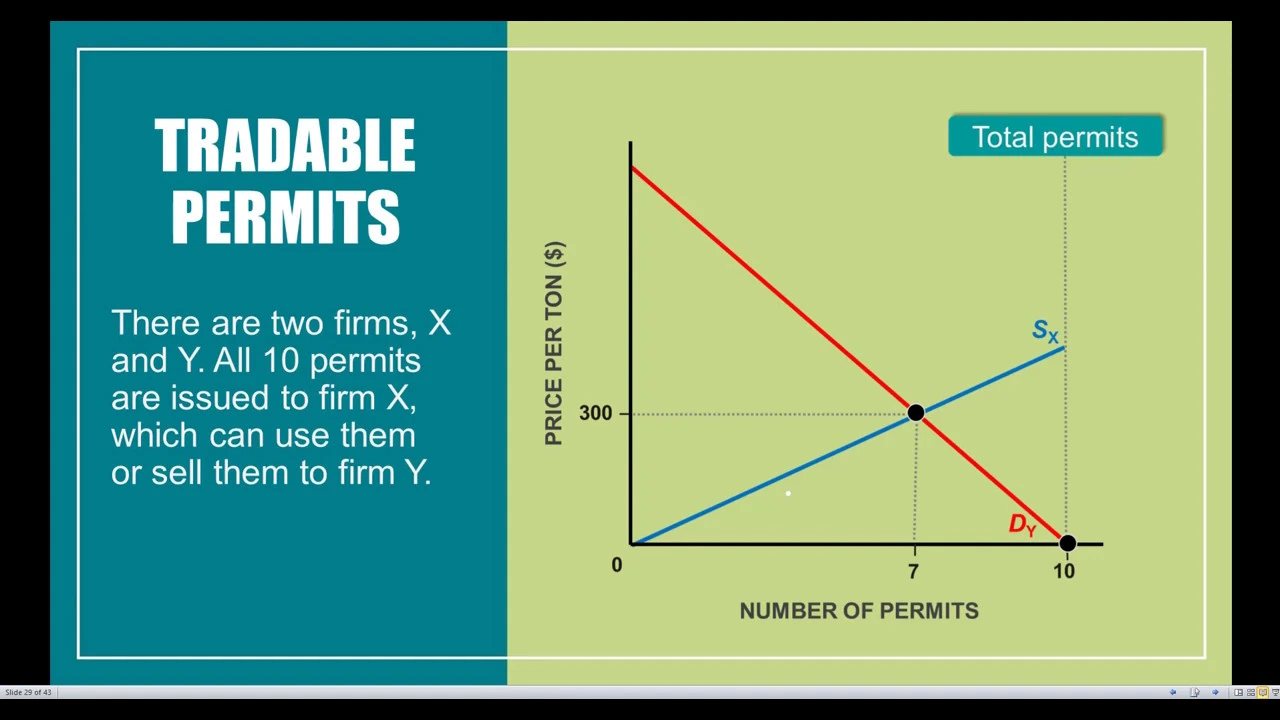
Environmental policies and market-based regulatory frameworks, such as cap-and-trade systems for sulfur dioxide emissions.
786.8K views5.3Klikes5:36Original Release: 2014-08-10
In this video you will learn that in two quite different ways the burning of fossil fuels can cause our rain to become acidified.
Sulfuric acid arises from the burning of coal and oil, mainly in power stations.
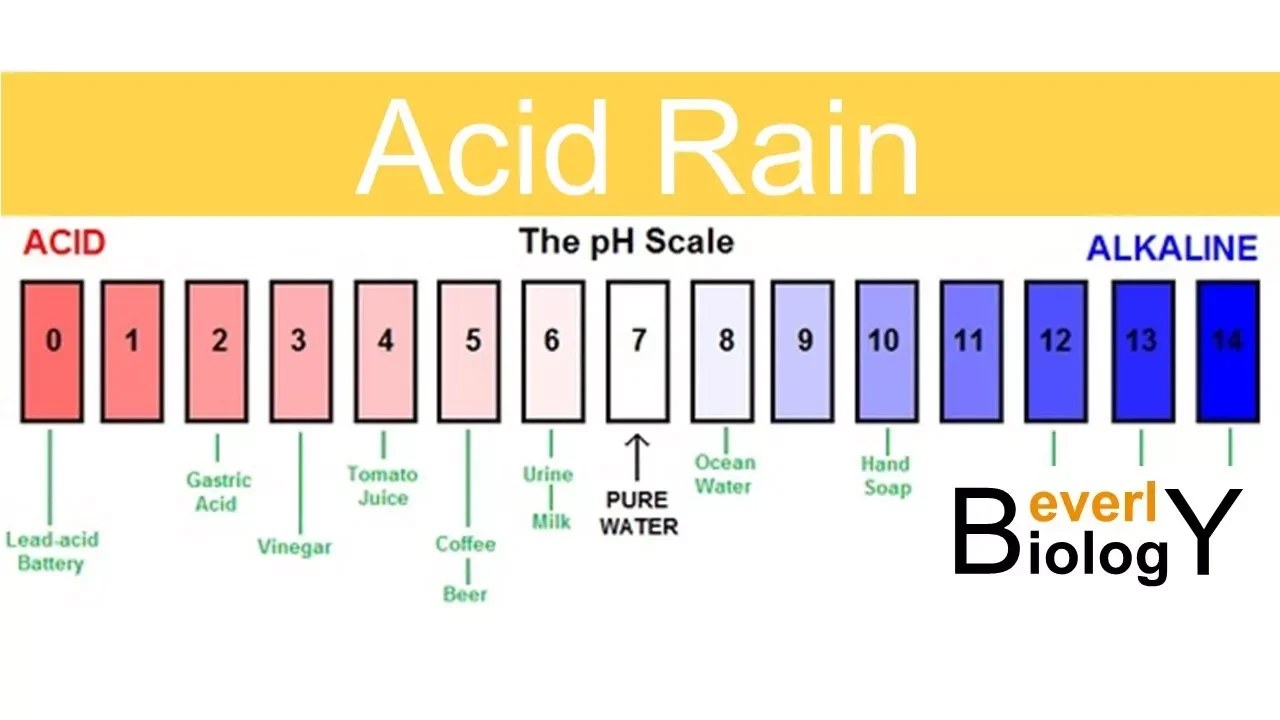
Whereas nitric acid arises from the exhaust pipes of our motor vehicles. You will also see some of the effects that acid rain has on our environment. Firstly it's important to understand that rain is naturally slightly acidic. Whilst falling to the ground, the rain dissolves carbon dioxide from the atmosphere to form carbonic acid; a weak acid giving natural rain a pH of 6. It's when we burn fossil fuels that much stronger acids get into our rain to form acid rain with a pH as low as 3.
When the pH changes from 6 to 3 what do you think the acidity increases by? 2 times? 3 times? 10 times a thousand times? Pause and think Remember that each change of one in pH is a tenfold change in acidity. So changing from 6 to 3 is 10 times 10 times 10 or a thousand times more acidic.
We will consider sulfuric acid first. Plants need a little sulfur to grow. They obtain it from sulfates, for example potassium sulfate, found naturally in the soil. The sulfates are taken up by the plants roots and sulfur atoms become bonded to carbon atoms in the leaf's proteins. When plants die and eventually form coal and oil over millions of years, these sulfur atoms remain bonded to the carbon atoms. The sulfur content of coal and oil is usually between 1% and 4% by weight. What do you think is produced when fossil fuels containing sulfur are burnt? Pause the video whilst you think.
When the coal is burnt the sulfur and the carbon atoms join with oxygen from the air and are released into the atmosphere as carbon dioxide and sulfur dioxide.
In the presence of sunlight, a photochemical reaction will take place where sulfur dioxide reacts with more oxygen to form sulfur trioxide. This dissolves in the rainwater forming sulfuric acid.
Let's now consider how nitric acid gets into the rain. In the high temperature conditions in the cylinders of our Motor Vehicles, a small amount of nitrogen and oxygen from the air can react.
Remember that air taken in to combust the fuel is nearly 80% nitrogen. So exhaust gasses from vehicles contain small but significant amounts of nitrogen oxides. Once the oxides of nitrogen are in the air they react with more oxygen, just like we saw with sulfur dioxide, and dissolve in the rainwater to form nitric acid. If the rain falls on limestone soils, which are alkaline, the acidity may be neutralized. However if the rain lands on neutral or acid soils or on vegetation then it can cause damage. So why is this acidity harmful to living things? Well living things don't grow well in acid conditions. It's easy to demonstrate this: soak a slice of bread in vinegar and another in pure water, leave them open for a little while and then leave them covered for a week. You will find that the bread soaked in vinegar has not gone mouldy whereas the other bread has. In fact we use vinegar to preserve food in a process called pickling. This is the case because certain enzymes which are vital for growth are unable to function in acid conditions. The other main problem is in the soil. Whilst naturally occurring toxic metals such as aluminium are insoluble and therefore fairly harmless in neutral soil, they become soluble in acidic soil. They then get taken up by living things and take the place of essential metals such as zinc and iron. To add to this the hydrogen ions in the acid rain will replace essential metal ions, such as potassium, magnesium and calcium, which are normally held in the clay soil.
Causing these essential metals to be washed deep into the subsoil away from the roots of plants. So to summarise, normal rain is slightly acidic due to the dissolved carbon dioxide. But acid rain contains sulfuric and nitric acid, making the rain a thousand times more acidic and dangerous for many living things. Sulfuric acid arises from the burning of fossil fuels containing sulfur. Nitric acid arises from the combustion of atmospheric oxygen and nitrogen, in the high temperature conditions in the cylinders of petrol and diesel engines.
Up Next
8:20
Photochemical Smog Explained: Formation and Effects
@KINETICSCHOOL
133.4K views•2019-01-15

83:56
Biocatalysis and Catalysis in Islatravir Synthesis | Merck Webinar
@SCIwheresciencemeetsbusiness
675 views•2020-10-08
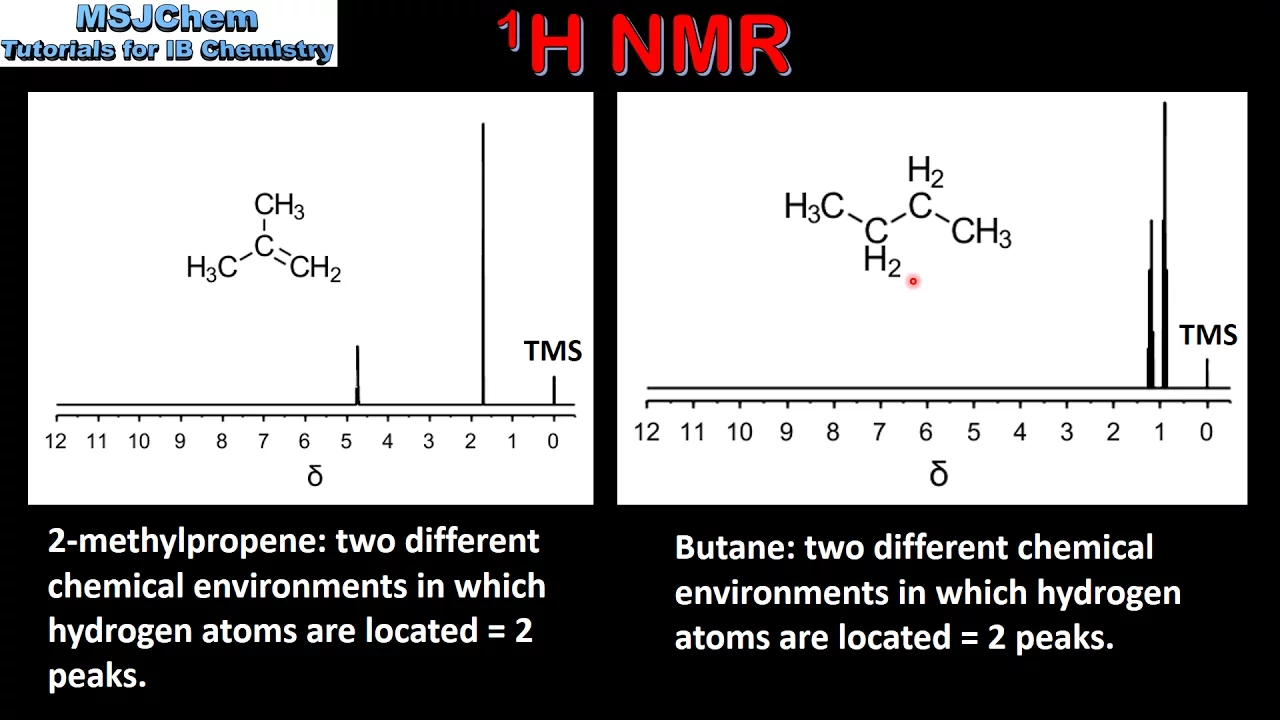
10:06
1H NMR: Determining Number of Peaks from Structure
@MSJChem
59.2K views•2017-04-06

17:31
Edible Water Bottles: A DIY Guide to Sodium Alginate Spherification
@ryan
10.5M views•2019-06-21
Related Study Plans & Knowledge Roadmaps
Structured learning paths in Chemistry
chemistry
Nuclear Chemistry: Decay, Meds & Fuel Cycle
01Introduction to Nuclear Structure and Radioactivity
02Decay Dynamics and Kinetics
03Radiation Interaction and Detection
+ 2 more learning modules
24h5 modules
Explore Roadmap
chemistry
Supramolecular Chemistry: Forces & Machines
01Foundations of Chemical Bonding and Intermolecular Forces
02Introduction to Host-Guest Chemistry
03Thermodynamics and Dynamics of Self-Assembly
+ 2 more learning modules
16h5 modules
Explore Roadmap
chemistry
Photochemistry: Excited States & Reactions
01Foundations of Light-Matter Interactions
02Molecular Orbitals and Electronic States
03Photophysical Processes and Jablonski Diagrams
+ 2 more learning modules
18h5 modules
Explore Roadmap
chemistry
Coordination Chemistry: Bonding & Properties
01Introduction to Transition Metals and Ligands
02Crystal Field Theory (CFT) and Geometry
03Magnetic Behavior and Spin States
+ 2 more learning modules
14h5 modules
Explore Roadmap