
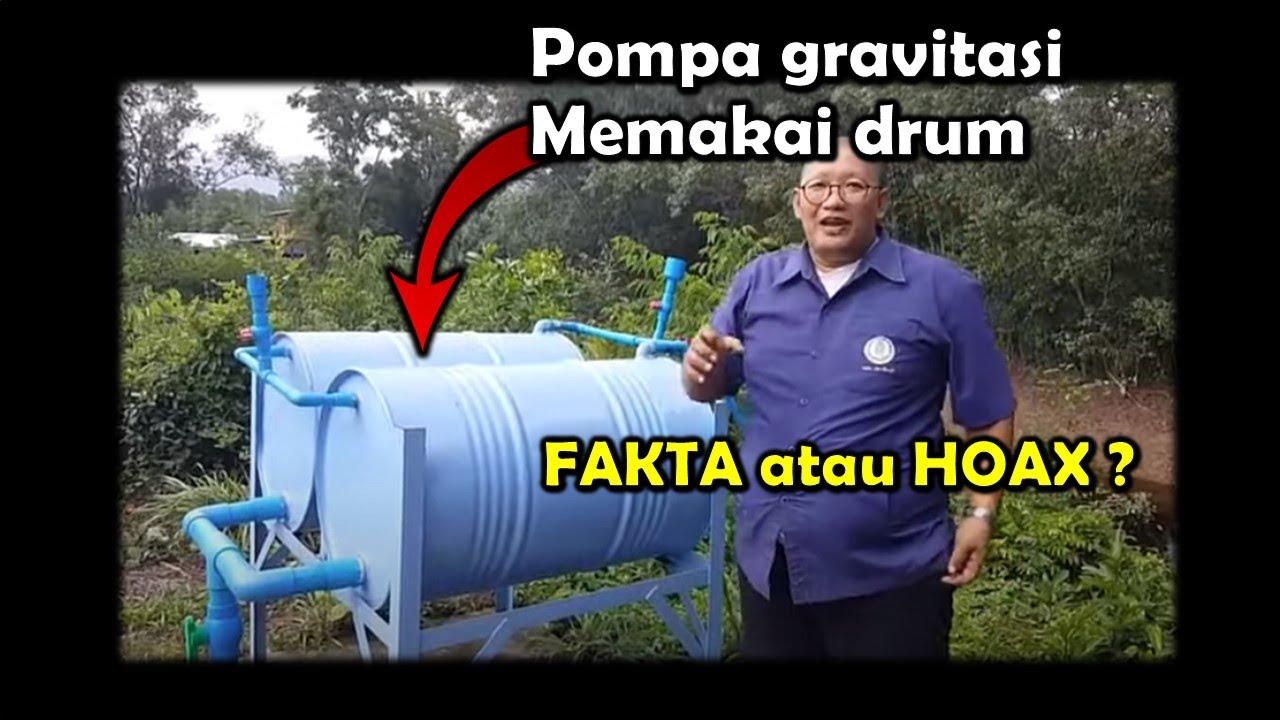


















A gravity-fed drip irrigation system uses rain barrels elevated on concrete blocks to create sufficient head pressure for watering and fertilizing a garden without electricity, pumps, or public water; raising the rain barrels increases system pressure, enabling water to reach all drip emitters including those in container gardens at greater distances, while water-soluble fertilizers can be mixed directly into the barrels for automated fertigation.
Gravity-Fed Drip Irrigation: Water and Fertilize Your Garden for Free
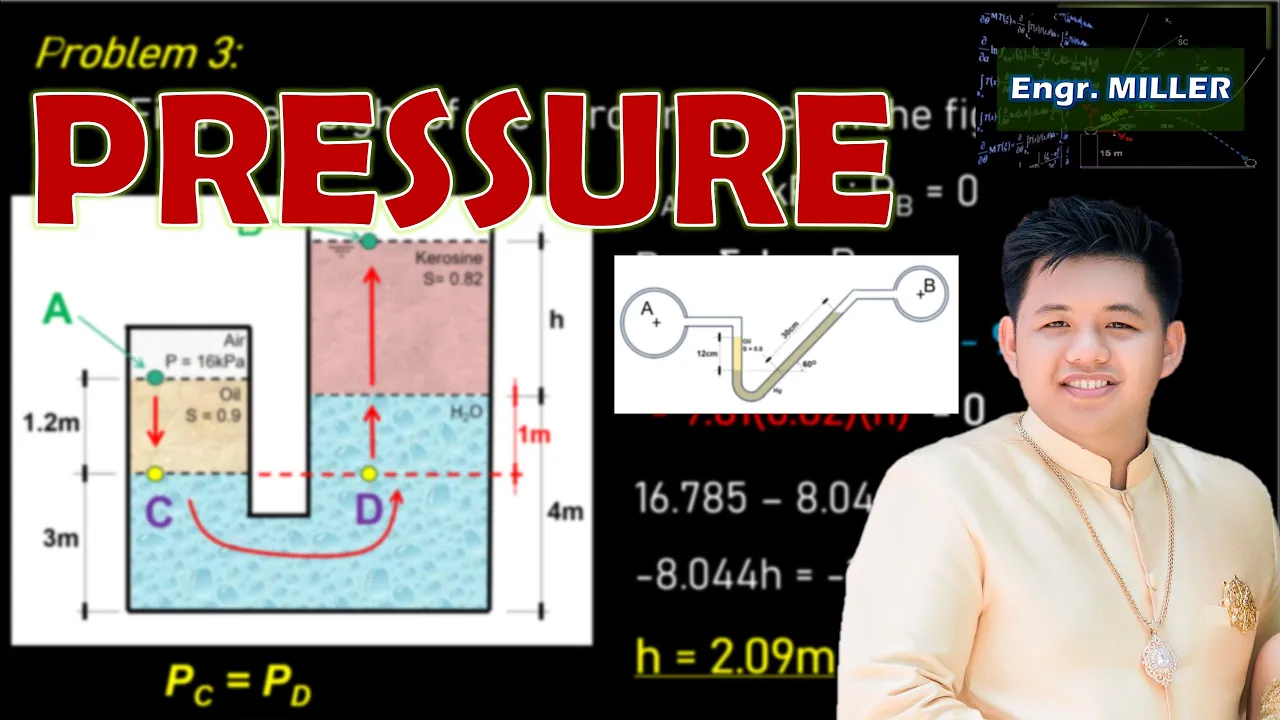
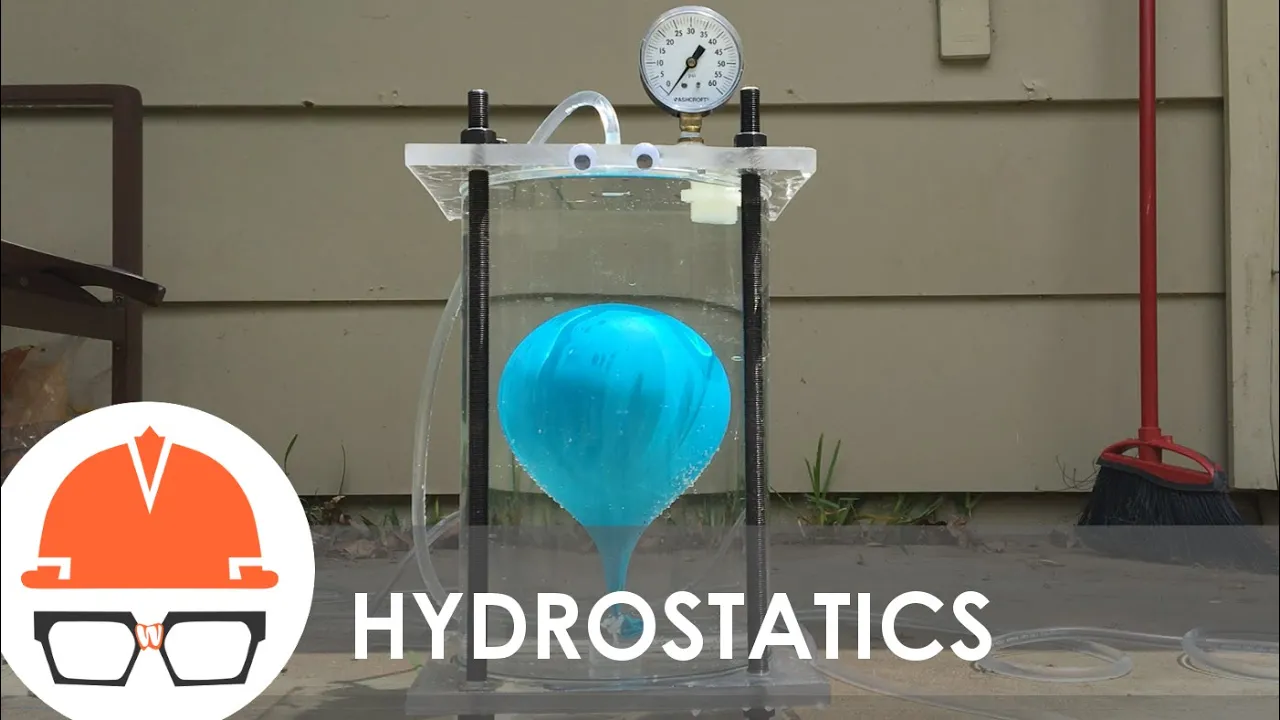
Added:Basic principles of fluid dynamics and hydrostatics, specifically how elevation (hydrostatic head) generates water pressure without mechanical pumps.
The fundamentals of rainwater harvesting, including collection surface calculations, pre-filtration, and safe storage practices.
Plant water requirements and soil science basics, including capillary action, soil percolation rates, and how roots absorb moisture.
Familiarity with standard drip irrigation terminology and components, such as emitters, mainlines, micro-tubing, and PSI (pounds per square inch) ratings.
The chemistry of fertigation: managing nutrient solubility, NPK ratios, and preventing chemical precipitation or biological buildup in low-pressure lines.
Off-grid automation techniques, including the integration of low-voltage solar-powered timers, moisture sensors, and mechanical float valves.
Water budget planning: calculating crop evapotranspiration rates and sizing rain catchment storage to match local climate and precipitation patterns.
Advanced maintenance protocols, including system flushing, managing biofilm/algae growth, and winterization techniques for gravity-fed systems.
124.9K views4.2Klikes16:44Original Release: 2022-05-23
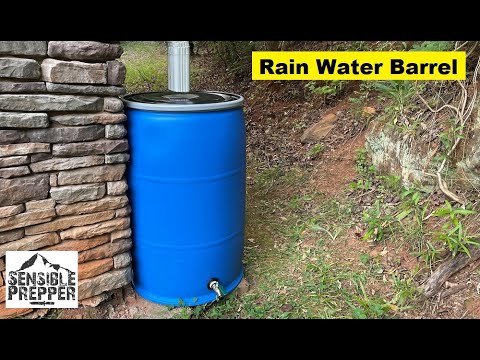
what's going on gardeners it's wednesday may 4th and it is getting hot here on the southeastern coast of north carolina today i'm going to show you all how to water your garden for free using rainwater and a gravity-fed drip irrigation system if you're new to the channel please consider subscribing and hitting the bell to receive new video notifications and check out our amazon storefront and spreadshop in the video description for a list of the gardening products i use and awesome custom designed apparel and other gear your support is greatly appreciated in one of my previous videos i made a complete guide on how to install rain barrels in your yard so you could collect free rain water off your roof and down your rain gutters and use that to irrigate your garden and i will make sure to link that video above in case you want to see it because it is a very detailed installation guide i have been collecting rainwater for years to use in my garden using these rain barrels and it has been absolutely fantastic in a follow-up video shortly thereafter i made a complete guide on installing drip irrigation to your raised bed garden from these rain barrels and i will make sure to link to that complete guide as well i showed you how to run the mainline tubing and how to install all of the individual drippers and drip line to your various plants when i originally installed these rain barrels i thought i would have to install some kind of pump in order to get the water from these rain barrels over to my garden because i thought that the head pressure in the system would not be enough to feed my entire garden with gravity now head pressure in case you don't know is the amount of pressure into the system that is caused by the weight of the water at a height above the measuring point and what do i mean by that well have you ever thought why town water supplies are kept very high up in an overhead water tower that's because that water at a very very high altitude above the actual distribution points creates thousands if not millions of pounds of pressure and that pressure solely due to gravity is what powers the water mains and that is why even when your electricity goes out your town water supply is still active if you are fed with a town water supply because that that head pressure in the system from gravity is so high it is enough to feed the entire town and that's why i installed these rain barrels on concrete blocks i wanted to get my rain barrels off the ground at an elevation significantly higher than my garden itself so the gravity force itself would be enough to propel the water into the system but i didn't think that just a few blocks would quite be high enough for my purposes but i was actually wrong and i will show you this rain barrel is the lower barrel in my system and i set it up like this on purpose as the lowest barrel because i wanted to be able to isolate it so it would fill up first because this is the supply of water to my garden and i also wanted to be able to mix fertilizer in this barrel which is something i will be able to show you how to do at the end of this video so i am simply going to turn the switch on and then i will show you the effects of gravity in my garden and to give you an overall perspective of my yard here are the rain barrels and then you can see how my yard gently slopes down to the garden and pretty much all backyards will slope down naturally from the house they do that on purpose when grading the yard to wash the water away from your foundation so i'm going to show you the effects of gravity from that that slight slope in my yard paired with the additional height of the concrete blocks and you'll also notice right here i bought additional concrete blocks because i'm going to further raise my rain barrels to increase the head pressure and we will be able to gauge how much that additional roughly one foot of height will give me in terms of pressure to my drip irrigation system so currently my drip irrigation distribution line runs around my entire garden like this it runs counterclockwise so if you spin around the entire garden like so these drippers right here are the final drippers in the system and you can see right now the kind of pressure that i'm getting out of my purely gravity-fed drip irrigation system you will see that i am getting dripping it will eventually deplete the entire barrel at this rate however what i'm going to do is i'm going to let the barrel drain completely because it's way too heavy to uh to lift right now and then after i put it up on another block you will be able to see the difference in pressure in the system and to give you a little bit of a comparison shot this is the very first dripper in my system so it is getting more water pressure than the last dripper in my system so i'm going to do a little side by side shot of the first stripper in my system on the left versus the last stripper on my system and the right and you can see how the flow rates slightly benefit the first dripper in the system so we're going to try to correct that with additional head pressure due to gravity i've had these rain barrels installed for two seasons now and we've been in drought for several months here on the southeastern coast of north carolina so i use this opportunity to tear down my rain barrels scrub them from any of the muck or debris that have accumulated over the past two seasons and then increase the vertical height to try and increase the pressure of the gravity system to my garden so the system has now been increased one foot in height and since i increased the height of the system i actually went away for a one week vacation and while i was away we finally got about an inch and a half of rain and now the barrels are 100 full now that they're completely full we're going to turn on the system and we're going to test what kind of difference we got in flow rate to the drip emitters now that they have been installed higher so just like before we're going to turn our drip irrigation system on and right here is the final drip emitter in the system this is the last plant in the system so now we can do an exact side by side comparison on how that final dripper is dripping right now with the additional one foot in height to the rain barrel system versus what it looked like before at the original rain barrel height and i can tell right away there is a dramatic increase in how quickly this drip emitter is dripping so i'm really excited to say that raising the rain barrel one foot really added a tremendous amount of pressure to the lines and the system overall appears to be functioning much better all of the drip emitters in the system are really looking good i'm really impressed they are functioning much better than they were before with this additional one foot of height so i think overall this is a pretty big improvement to the system and it goes to show you how well gravity actually works when building a drip irrigation system but here's what i really wanted to know now i was pretty confident that i would be able to have pretty decent pressure moving over to my raised garden beds because they are significantly below the height of the barrel what i was curious was would this be enough head pressure to run all the way over to my container garden drip irrigation system that i just installed which i will link to above so these are significantly higher in terms of height than the uh than the raised bed garden so it's going to take a lot more pressure in order for these drip irrigators to work so you can hear the the lines clearing the air is trying to be pushed out so we're going to give this a minute for everything to settle and we'll see what kind of flow rate we get to the drip emitters all right all of the air has been cleared out of the lines of the system and what i'm seeing has me absolutely thrilled these are my fig trees at the very end of the drip irrigation line and they are getting really solid pressure as you can see they are dripping very well and i am just i'm just thrilled by what i'm seeing i'm so happy to see that there is enough pressure in the system for all of these drip emitters to work just fine and while the dripping is definitely slower than at the raised garden beds which is to be expected because the emitters are both at a higher elevation and a greater distance i'm still getting really good flow to all of the emitters so it will take a little bit more time to water these trees but that's no big deal because we're not using any electricity we're not paying for any water so we have all the time in the world they'll drip a little more slowly but they are working just great in fact the pressure to the system is so good that it's even reaching all the way over here to my garden tp which is the furthest point in my system so the fact that that is happening and that these drippers are working at a really great flow rate well i just couldn't be happier because you can see just how far away the rain barrels are versus where i'm standing right now so really good pressure to the system now that we know that the rain barrels have more than enough water pressure in order to reach every single drip emitter in my system i'm now going to show you how to use the water barrels to fertilize the entire drip irrigation system and to do that i'm going to use this soluble jax 20 20 20 general purpose fertilizer now you must use water-soluble fertilizer to do this because it has to dissolve 100 so it doesn't clog your drip irrigation lines and for this to work properly i strongly recommend these crystallized water-soluble fertilizers like this no they are not organic yes they are naturally derived no they will not harm your soil they will not harm your plants as long as you use them as directed and you don't abuse them in fact i don't want to use organic soluble fertilizers in this drip irrigation system because it's not possible to drain these barrels 100 and i don't want organic material in there rotting and fermenting and turning into gunk and stinking up the system that's why i'm only going to use these water soluble types like your jacks 20 20 20 and your miracle grow crystals so in order to fertilize them i'm taking this one cup measuring cup that i just get a ring of them for 99 cents at walmart and i use them for gardening and i'm going to dump this inside the water barrel and that is one cup of fertilizer that is dumped into about 60 gallons of water then i'm just going to take a big stick and i'm going to stir it around until it is 100 percent dissolved and that's really all there is to it and once it's dissolved we will turn on our drip irrigation system and distribute that to all the lines in the garden now the fertilizer has been stirred in and completely dissolved inside that rain barrel and i have it pumping to the perimeter beds where all my indeterminate tomatoes cucumbers zucchini and other cucurbits are planted around the perimeter of my garden i have my garden isolated to three separate zones the perimeter beds are zone one that is getting all of that fertilizer right now later i will turn off zone one and then i will turn on zone two which will fertilize the uh the rectangular beds that you see right here that have drip lines all installed on them then if i chose to i could turn off zones one and two and only turn on zone three which would be the container garden that i showed you earlier and i would be able to fertigate the individual containers using the drip emitters and that is how easy simple and convenient this method is using that one rain barrel i can fertilize my entire garden using gravity and i never have to worry about any kind of electricity to do it after experimenting with drip irrigation for two years in my garden i am now a huge believer in its efficiency the even watering is everything when it comes to getting great results in your garden and you can see the results right here i mean just look at the incredible production that i'm getting on all of these tomatoes it is just unbelievable it is amazing and no this plant right here is not a fluke this is not my best plant that i'm showing you they all look like this the results are incredible across the board you will get great fruit set especially when you incorporate the water-soluble fertilizers they work fantastic do not fear them this is not a fluke and as you can see right here i'm starting to get some of my first ripe tomatoes of the year this is a super sweet 100 tomato and i'm so excited to try it on camera this is the official kick off of tomato season unbelievable unlike anything you will get from a grocery store it is so much better to grow your own make sure you do it over the years many of you have asked me why i have my rain barrels installed at different heights and why i don't just install them at the exact same elevation and that's because when you install your rain barrels in an array at the exact same elevation they effectively act as one single rain barrel and i don't want that i want them installed in sort of a master and slave orientation where when it rains this rain barrel fills up first because it's at the lowest point of gravity so all the rain when both hoses are open will favor that barrel and then when they're all full i want to be able to turn off the connection point between the two barrels isolate this mix the fertilizer into this and then run it out to my garden then open the valves and re-feed the lower barrel with the higher barrel because this is mostly empty now and this is still completely full so now that i have drained that barrel i'm going to show you exactly how that works so now i'm going to show you what will happen when i open the lower valve and what will happen is this lower valve will be able to fill up the barrel about two thirds of the way using the water pressure because this barrel is lower this is exactly why you don't want both barrels to be at the exact same elevation because if that's the case this fertilizer could actually backfeed into the other barrel because that first main master barrel that i referred to is at a much higher elevation all of the pressure is going to come from that higher elevation so it is going to prevent any of that fertilizer from back feeding into the barrel and at the same time that head pressure is going to be able to overcome gravity and fill up this barrel most of the way so this will get me to about two thirds of the way full i'll put in about a half a cup of fertilizer and then i will fertilize my rectangular beds with this this is how far gravity alone filled up the rain barrel we are more than halfway there and rising and that is how ridiculously easy it is to use rain barrels and gravity to irrigate and fertilize your garden now as i mentioned i have created complete in-depth guides for installing rain barrels as well as running drip irrigation to a garden a raised bed garden and container gardens and i have an in-depth playlist that i will link to in the video description as well as above so you can consult that whenever you need to install any of these drip irrigation types it is very simple it does take a little bit of time but you will save an enormous amount of time in the long run and it couldn't be any easier once it's all set up and it delivers incredible results so everybody i sure hope you found this video helpful if you did please make sure to hit that like button subscribe to the channel and ring that notification bell so you're notified when we release more videos like these if you're curious about any of the parts i used in this video or in my garden in general again they are all linked down on my amazon storefront link and the drip depot affiliate link so check them out and while you're there check out my spreadshop link in the video description for custom merch if you want to support the channel thanks again so much for watching and i hope to see all of you again on the next video we are almost to our destination in the outer banks of north carolina and dale is so he's so tired but he wants to see what's going on because he's never been here before and his eyes are barely open he's fallen asleep in a choke position he's been so good this entire car ride you are such a good boy mr wet nose you're such a good boy
Up Next

4:47
Understanding Over-Tourism: Causes and Solutions | The Idea File
@TheAtlantic
526.8K views•2019-12-12

12:54
Triumph of Orthodoxy Icon: Byzantine Art & History Explained
@BenCallan
2.1K views•2024-08-06

9:49
FastAPI vs Flask vs Django: Choosing the Right Python Web Framework
@TechWithTim
302.5K views•2024-05-26

1:42
Game of Thrones Opening Credits: A Cinematic Analysis
@gameofthrones
46.3M views•2011-04-18
Related Study Plans & Knowledge Roadmaps
Structured learning paths in General & Interdisciplinary Studies
general-studies
Elevator Engineering: History, Physics & Cities
01From Hoists to Safety Brakes: The Dawn of Vertical Lift
02Hydraulic vs. Traction: The Engineering Physics of Elevators
03Modern Speed, Safety, and Algorithms
+ 2 more learning modules
12h5 modules
Explore Roadmap
general-studies
Rubber: Material Science, History & Geopolitics
01Origins of Natural Rubber & Mesoamerican History
02The Chemistry of Natural Rubber & Vulcanization
03The Geopolitics of the Rubber Boom & Colonization
+ 2 more learning modules
12h5 modules
Explore Roadmap
general-studies
Containerization: Evolution, Logistics & Trade
01Ancient Trade & Bulk Cargo: Amphorae to Barrels
02The Industrial Revolution & Cardboard Packaging
03The Containerization Revolution: Malcom McLean
+ 2 more learning modules
12h5 modules
Explore Roadmap
general-studies
Textile Tech: Evolution, Labor & Global Impact
01Pre-Industrial Textiles: Handloom & Cottage Industry
02Mechanization: The Spinning Jenny to the Power Loom
03The Factory System & Global Labor Transformation
+ 2 more learning modules
10h5 modules
Explore Roadmap