






![[Making of] San cosplay - Princess Mononoke (ENG subs available)](https://i.ytimg.com/vi/vJVvEhnBD8s/sddefault.jpg)



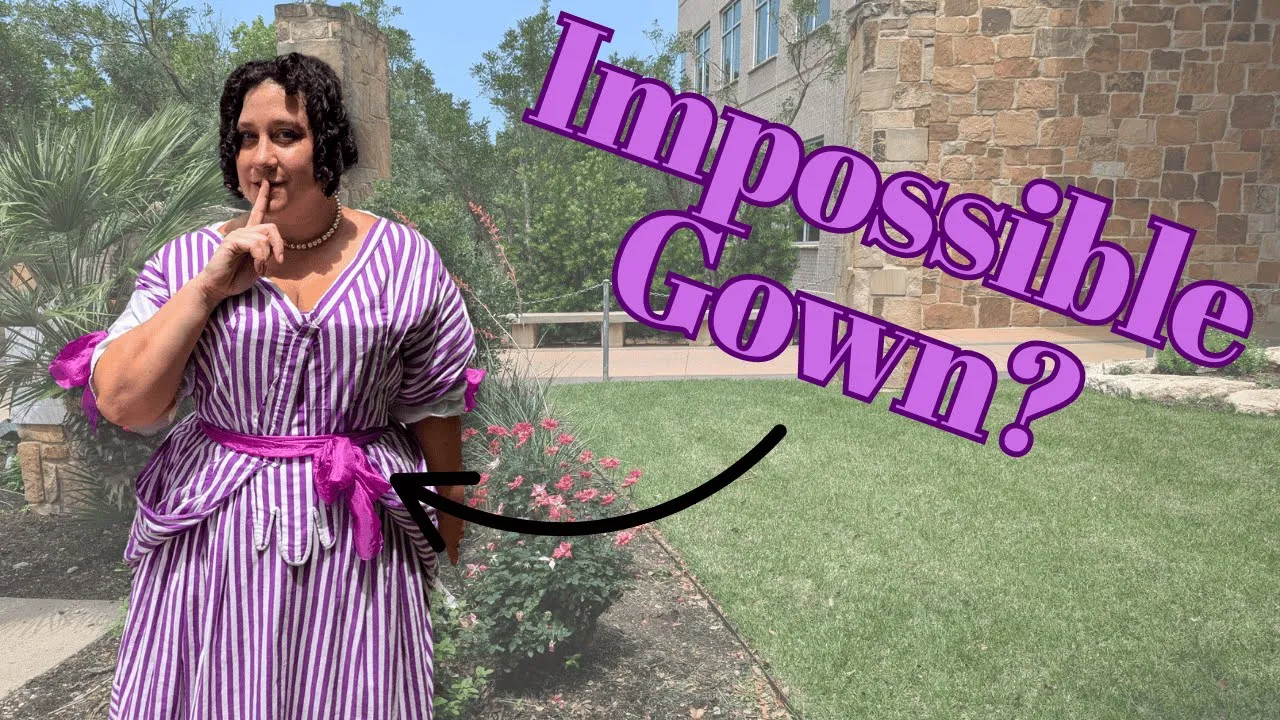
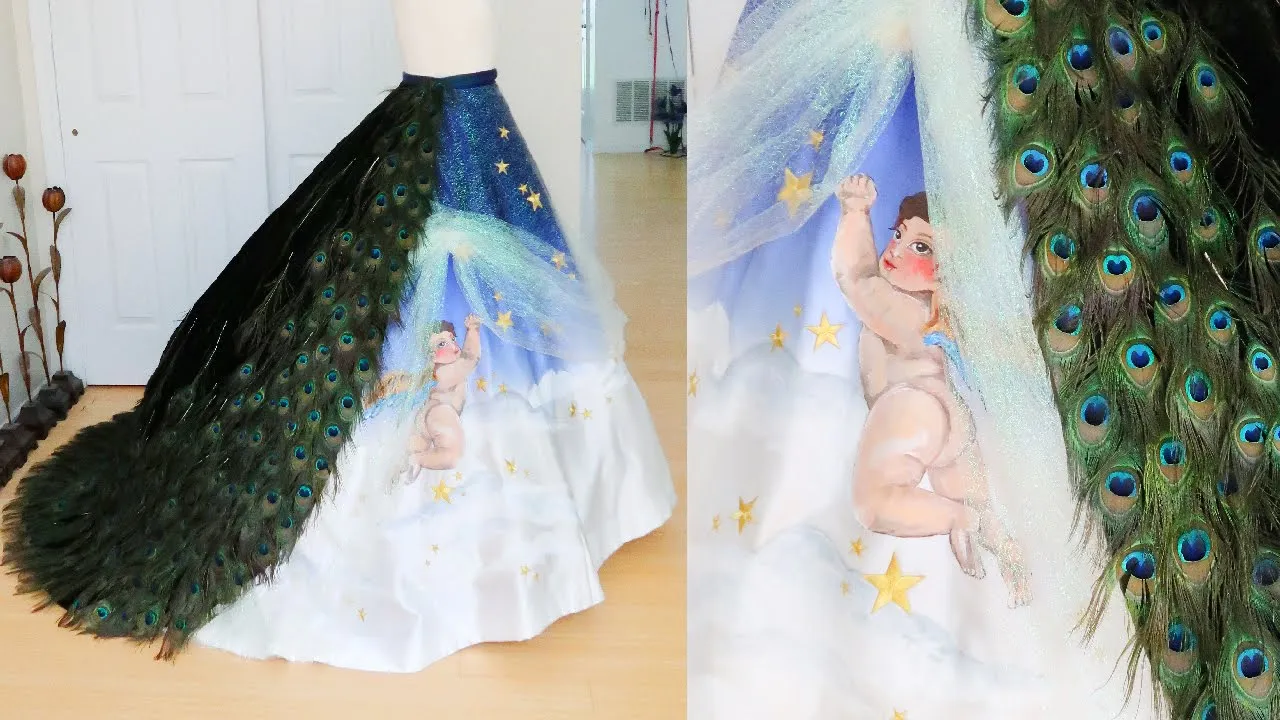
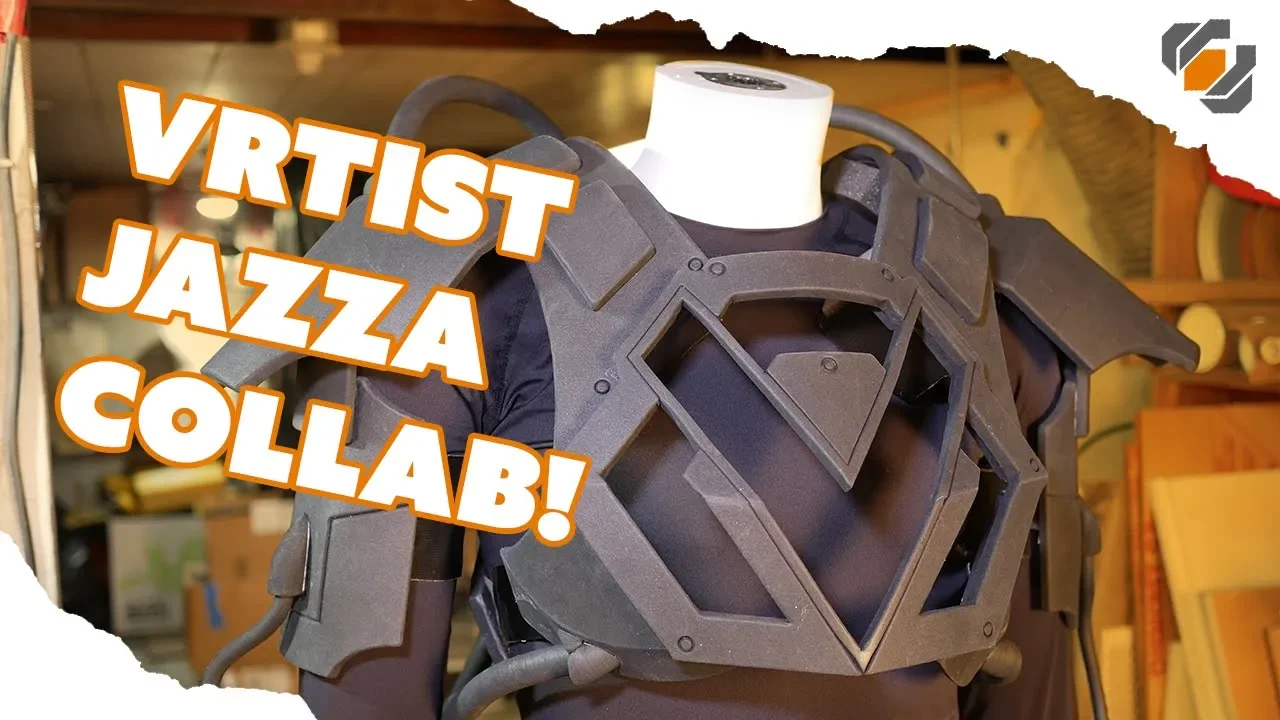


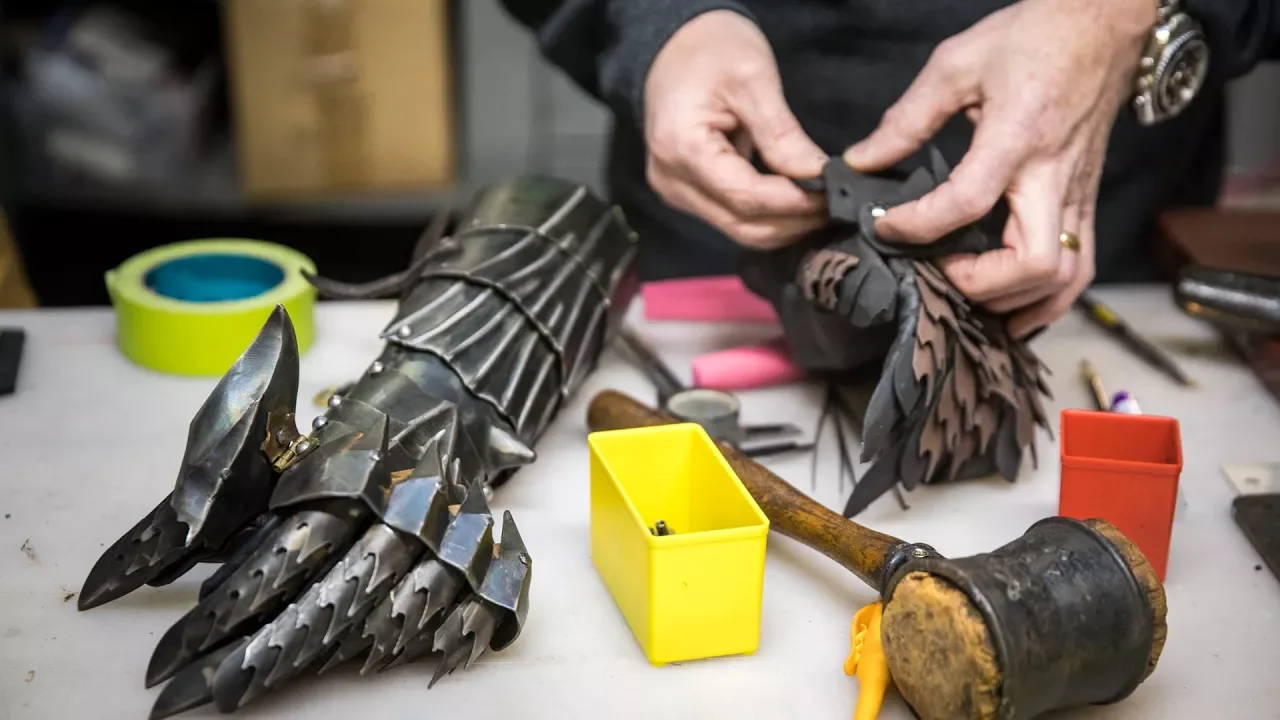

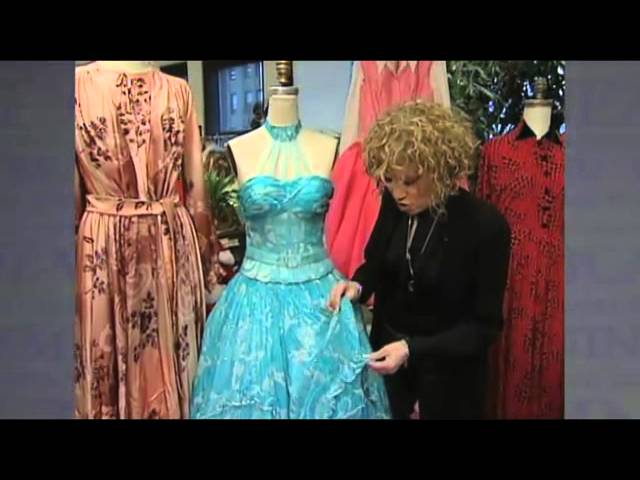



Effective costume design requires cohesive elements that work together to create a believable character, including appropriate makeup, fabric weight, color palette consistency, and design details that match the character's theme; historical accuracy in costume design requires understanding the actual fashion of the era rather than popular misconceptions, and creative costume transformation involves combining aesthetic elements to create unique, engaging designs.
Advanced Costume Design: Transforming Halloween Outfits
Added:Basic garment construction and sewing machine operation, including altering existing seams and hems.
Introductory textile science, focusing on identifying different fiber types (synthetic vs. natural) and understanding fabric weights.
Fundamentals of historical fashion research, including how to locate and analyze primary sources like portraits, museum archives, and historical pattern books.
Core design principles such as color theory, silhouette, and proportion in character design.
Advanced textile manipulation techniques, including distressing, weathering, fabric dyeing, and painting to simulate wear and age.
Custom pattern drafting and draping to construct historical or fantasy garments from scratch rather than altering commercial bases.
Prop fabrication and armor building using materials like EVA foam and thermoplastics to complement textile-based costuming.
Theatrical costume design theory, focusing on garment durability, movement on stage, and how fabrics interact with professional lighting.
525.4K views31.1Klikes11:28Original Release: 2019-10-20
hey everybody it's love in your town and today I'm on a mission to take bad Halloween costumes and fix them up of it so generally if they're trying to be scary to make them scarier if they're trying to be cute and make them cuter you get the idea I actually did this first one on stream so if you see some little notifications popping up in the corner that's why if you want to come to my streams feel free to follow me on Twitch I just started streaming pretty regularly now so it's been a really good time anyway so this first one bothers me a lot because she's supposed to be a murderous clown but when you look at any one piece of her costume it doesn't necessarily scream clown to me personally like her makeup for example if you just isolate it away from everything else it doesn't necessarily look like clown makeup which is weird because makeup is one of the main things that makes a clown look like a clown she more just has big dark circles around her eyes and kind of overdrawn red lipstick so one of the first things I wanted to do was have something really that screams clown I looked up a bunch of like old vintage clowns because I feel like those outfits can be really really interesting and quite spooky in their own right so I really liked that idea I also put this sort of Harlequin jester cap on her as well to mirror the pony tails because I didn't really like this either it kind of looked like they were sort of trying to get the Harley Quinn crowd as well as having a clown costume and honestly I don't think you can have it both ways I also think that the like striped bloody leggings look more like they would go with like a killer Alice in Wonderland costume rather than a clown necessarily though there are some stripes in clown costumes from time to time so maybe I'm being too harsh I got this great idea from the chat about turning the buttons into skulls and so I incorporated that and honestly it just makes her look so cool and I generally just try to make the fabrics looked a little heavier because man does this costume look like it would just tear apart at like the first chance like it definitely doesn't look like something you could ever wash and I wanted it to look a little heavier and more intense I also added a button eye which would have to be one of those like prosthetic thing that they sometimes package along with costumes so this would probably be a pretty expensive one but man I feel like it looks a lot cooler instead of the stripes in her stockings I just had tears in her sort of like nylon stuff that she has on on her socks and I added plenty of ruffles because that is something that I saw a ton of in both modern and vintage clown costumes I think she looks a lot scarier I tried to keep the same color palette while basically updating any of the parts that looked really cheap or confused this next one is a kid's costume and I actually really like the concept she's basically just supposed to be like an ice cream sundae also combined with some sort of like princessy cuts and elements so I decided to go with this and just try to improve it generally there's a few things that I personally really don't like about it one of the things is I feel like there was a lot of opportunities to use like shape to make a very interesting costume ice cream scoops are generally round and so I thought how are having round cap sleeves and a rounded cupcake shaped skirt would be an obvious choice but instead they just sort of did this like punchy tool in the sleeves which looks horribly uncomfortable by the way I can attest to whether it actually is but man when I look at that my arms just itch the other thing is that like ice cream cones are generally a triangle shape and it's kind of inverted in her skirt I feel like a better place to put that pattern would be up by her on her chest and her waist then it sort of tapers like a lot of princess dresses do and I think young girls would really like that sort of aesthetic as well because then it has that like princessy vibe while also being this super cute ice cream style costume I also really like the idea of a costume coming with like fun covers like you put your hair up into buns and then they'd have those little like scrunchie almost like hairnet kind of things but it would be a solid piece of cloth instead and I it could make a little girl hair look like two ice cream scoops I just thought that would be super cute I also thought they could probably bundle costumes with those like clip in extensions more often because I think kids light love to try new hair colors and often times they can't actually dye their hair so I feel like that would be a fun thing to add to a costume you could put in a little like clip in bang sort of extension and then it could look like part of their hair is like pink or a different ice cream color and I also think they should have played around with the like texture of the fabrics more in the costume everything is just sort of shiny I think they should have had a matte fabric texture for most of the costume and then anywhere where they syrup they should have used that like plasticy lacquer ii sort of texture that a lot of costumes use in place of like metal I think that actually looks a lot more like a syrup liquidy sort of texture because it's a little bit shiny and it's a little bit stiffer I think that would work really well in place of these like little drippy chocolate sauce areas and in general I tried to also just tone down some of the green color cuz I feel like it's popping out a bit too much in the original costume whereas mint ice cream has a much softer color aesthetic next up is the dreaded flapper costume I know for people who like things to be historically accurate the flapper is one of the worst costumes just because our modern perception of what a flapper looked like is really different from the actual reality of what they looked like this is due largely in part because of the 1950s movies about the 1920s in the 50s they really liked showing off the like physical features of the actresses they liked cutting things in at the waist you know that 1950s sort of aesthetic so when they would make movies about the 1920s they would sort of fudge the details the point where a lot of people thought that flappers were dressed with really high hemlines and a lot of fringe and all these different things and longer hair than they actually had when in reality flapper eyes looked a lot more androgynous and it was a lot more about being free to move around and do stuff and be more active rather than being like extremely provocative when you actually look back at the closest flappers war it's definitely not as provocative as a lot of us have in mind and certainly this costume straight-up looks more like a sort of showgirl rather than a flapper I do love the pastel color palette I'm not really sure if this is supposed to be like a character that they didn't have a license to or where this came from but I decided I would do a historically accurate flapper with the same pastel colors pastels actually aren't totally out of the question for a historically accurate flapper but I like the idea of her even having pastel colored hair it almost makes her feel like a strange time traveler or somebody who is like in between 2020 and 1920 so that was kind of the aesthetic I wanted to go with here I tried to use the same colors in general as the costume so I stuck with blues pinks and purples and then I just tried to really rigorously follow the conventions of real 1920s fashion so I gave her a hat I cut her hair up much higher than it is on the wig in the costume and I didn't pull her hemline up any farther past her knees because that wasn't really very common the drop waist is an absolute must which is why the cut in waists at the natural waist is so funny because one of the most important things about 1920s fashion is that the waist is completely loose or dropped all the way past the hips I'd be lying if I said I wasn't a little thrown off by how baby like this costume ended up looking but it's definitely an interesting experiment for a grand finale I had to do pickle man when I saw the look of panic and fear in the models eyes I knew I really had to do something about this this man does not want to be sheath in styrofoam that has a pickle print printed upon it I felt personally obligated to give this costume a makeover so the goal here was to make an interesting pickle costume that I personally would want to wear this is my most selfish challenge so basically what I wanted to do with this is to have the general shape but to have some sort of more fun interesting excuse rather than just a guy dressed as a pickle so I kind of wanted him to be like a pickle astronaut I looked up a bunch of retro-futurism reference pictures to try to get myself inspired so he's sort of like a combination between a retro scuba diver and an astronaut and a pickle if you combine all of those aesthetics together this is what you get essentially he's a man who subsist primarily on pickle juice I think he probably needs it to survive which is why he's in this pickle outfit you know he's got to have that tank of the pickle juice flowing into his helmet at all times so that you can continue living on this brine free planet and that's kind of what I ended up going with I really wanted the shape to be about right I did give him actual pants rather than a weird pickle skirt but other than that he's still generally sort of this piccoli shape and I decided to give the glass on his like helmet actual like pickle bumps and everything and I made sure that the tank on the back of him really looked like it had a ton of pickles in it and I really I really can't defend any of the design choices I've made today but this is definitely my favorite of the video I even though it looks extremely dumb I think that the ideal thing would be to actually purchase boots with this I don't think boot covers will do I think you need the actual full-scale pickle boot so sprayer Halloween's probably gonna have to charge a pretty penny for this costume it also looks a little bit Ghostbuster II which is interesting not my intention at all but I do feel like if you come strolling into a costume party with one of these babies on nobody is gonna give you a hard time obviously it wouldn't give it wouldn't have actual liquid in the helmet it would just have that sort of like paint on the inside to make it look like you're under pickle juice and there you have it I mean he's basically done and perfect I hope you guys enjoyed the video and how all these costumes turned out and I hope you know what you're gonna be for Halloween cuz it's really coming up thank you so much for watching till the end check out the link in the description if you want to join the streams and I'll see you guys next time thank you so much to my wonderful patrons including Bella story kalimpong clock reconstruct neh dr. casket alaria Louie Elizabeth album Feniger the animator Hachiya ber foam Russell imagine creations Yvonne Rodriguez JJJ Joseph copal Katy Elina Katy marigold live love the blue mica dactyl mr. doctor pants Nora Nielsen Ali Rosie warlock Rudy Scott Stefan start to pendulum some mediocre artists storm scribbles the our team you see boys he and Zoe Stardust [Music]
Up Next

9:51
Africa Before Colonization: Kingdoms, Trade, & Achievements
@BaldysThoughts
299 views•2025-12-27

33:02
The Great Schism of 1054: Causes and Consequences
@SacredCathedrals
113.5K views•2026-02-19
91:57
The Geopolitics of the Ukraine War and the Rise of Global Autocracy
@JordanHarbingerShow
468K views•2025-04-19
17:05
Understanding the Cold War: Superpower Conflicts and the Road to Détente
@OverSimplified
46.1M views•2019-01-24
Related Study Plans & Knowledge Roadmaps
Structured learning paths in History
history
Byzantine Iconoclasm: Theology, Art & Politics
01Foundations of Byzantium and Early Christian Images
02The First Iconoclasm: Leo III and the Crisis of Images
03Empress Irene, Nicaea II, and the Second Iconoclasm
+ 2 more learning modules
9h5 modules
Explore Roadmap
history
Iranian Revolution (Causes, Events & Legacy)
01The Pahlavi Dynasty and the Roots of Discontent
02The Spark of Rebellion and the Rise of Khomeini
031979: The Fall of the Shah and the Climax of the Revolution
+ 2 more learning modules
8h5 modules
Explore Roadmap
history
Mali Empire: Mansa Musa, Trade & Timbuktu
01Foundations of the Mali Empire
02The Trans-Saharan Gold and Salt Trade
03The Reign and Pilgrimage of Mansa Musa
+ 1 more learning modules
6h4 modules
Explore Roadmap
history
1947 Partition: Politics, Borders & Legacies
01Foundations of British India and the Divide
02The Political Negotiations and the Mountbatten Plan
03Drawing the Boundary: The Radcliffe Line
+ 2 more learning modules
8h5 modules
Explore Roadmap