
























![Cait Emma Smith, "Let's Fix It" - ZDay Toronto 2014 [The Zeitgeist Movement]](https://i.ytimg.com/vi/BdWvjcNbHjA/sddefault.jpg?sqp=-oaymwEmCIAFEOAD8quKqQMa8AEB-AHOBYAC4AOKAgwIABABGHIgXyhEMA8=&rs=AOn4CLCrcljqlyVpfK3t1R5HzCx_YmD1Ow)

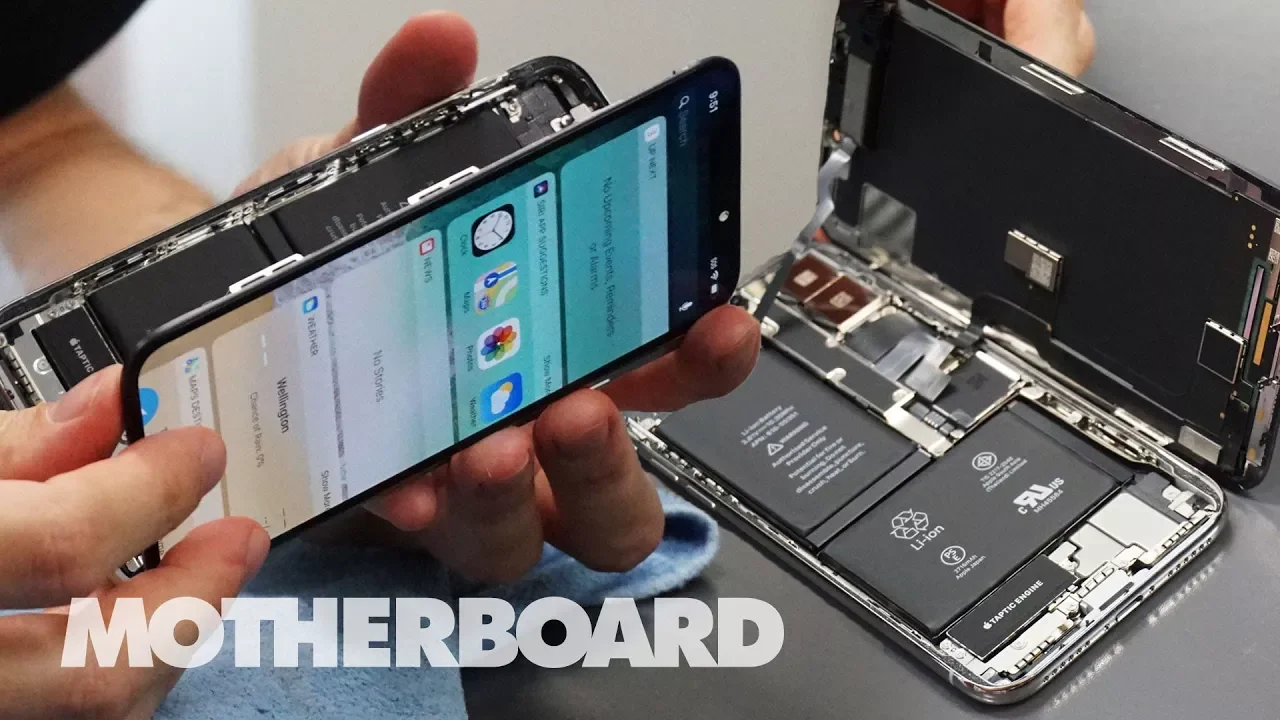
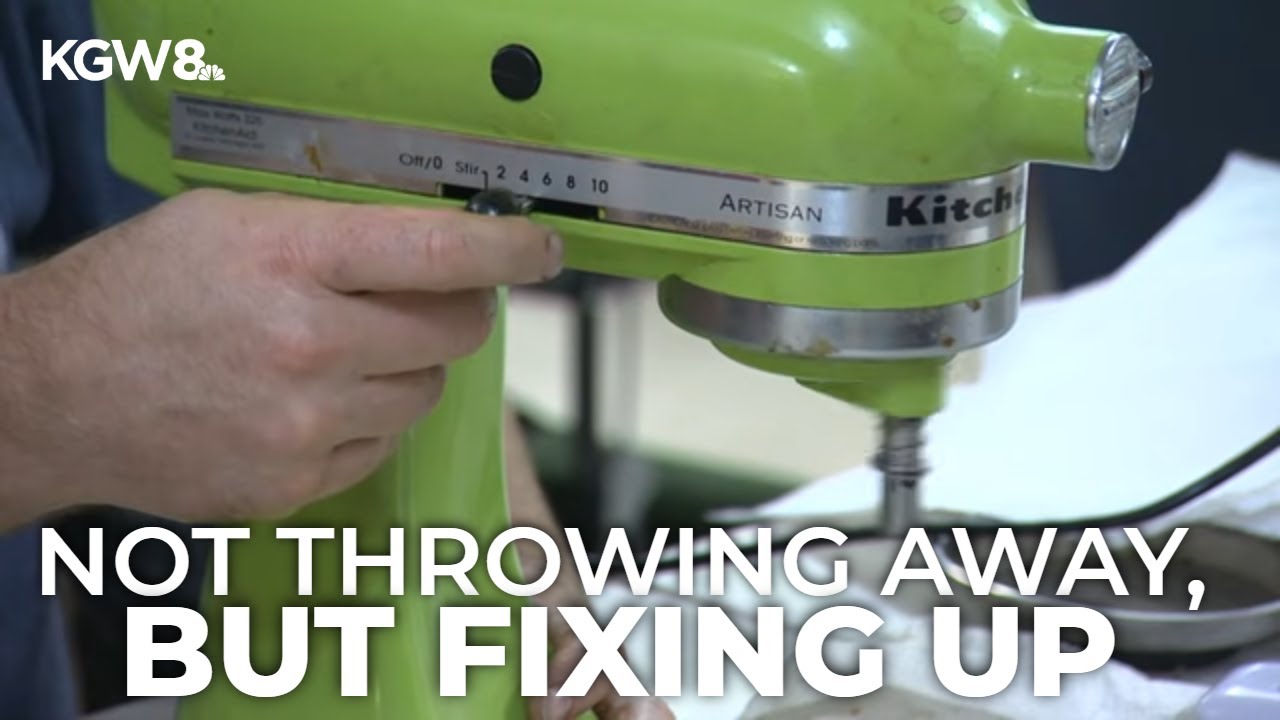
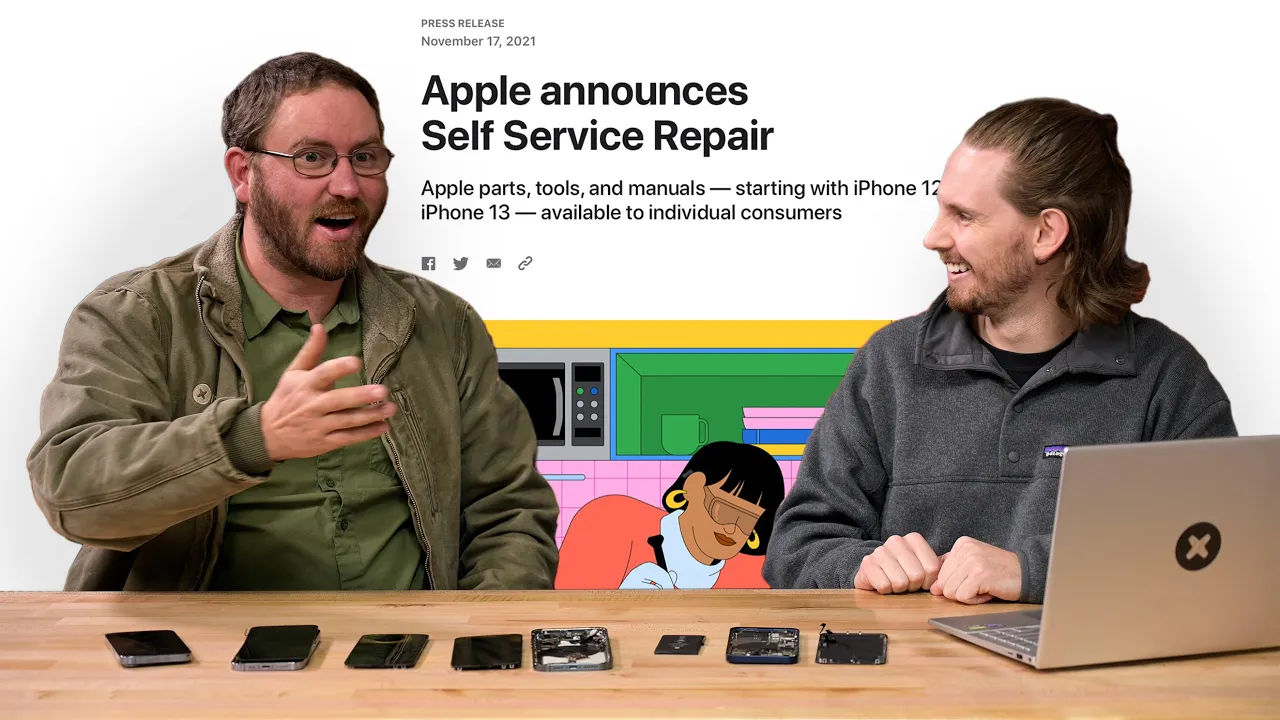
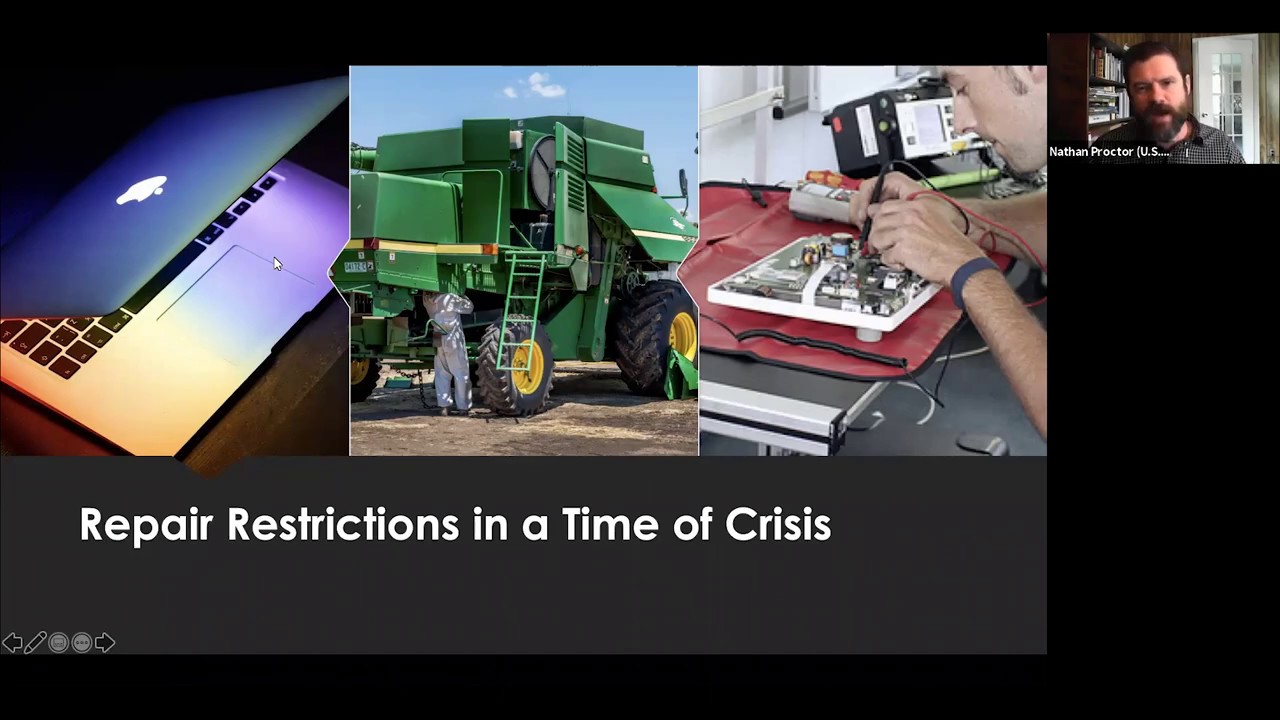



The Right to Repair movement advocates for consumers' ability to fix their own electronic devices by accessing repair manuals, replacement parts, and diagnostic tools, which has been increasingly restricted by manufacturers who previously shared such information freely in the 1950s-1970s; this movement addresses economic inequality (repair costs ranging from $170 to $1,500+), environmental concerns, and consumer rights through both cultural education (teaching repair skills) and political advocacy (supporting state legislation).
Understanding the Right to Repair Movement | Educational Guide
Added:The concept of planned obsolescence and how manufacturers design products with a limited useful life.
Basic understanding of intellectual property, end-user license agreements (EULAs), and the Digital Millennium Copyright Act (DMCA).
The environmental impact of electronic waste (e-waste) and the challenges of modern recycling systems.
Fundamental consumer rights regarding ownership, warranties, and the 'right to modify' purchased property.
Analysis of specific legislative efforts, such as state-level and federal Right to Repair bills in the US and the European Union's circular economy directives.
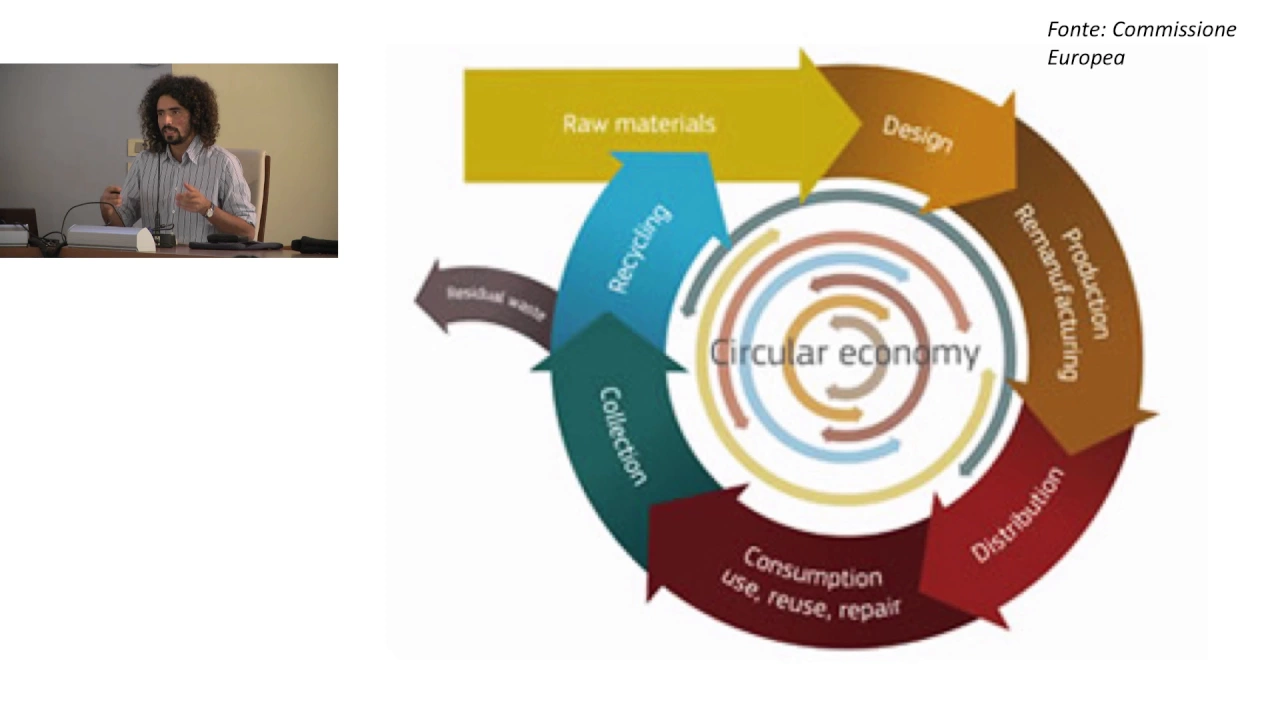
The principles of the Circular Economy and how product design can be optimized for durability, disassembly, and recycling.
Case studies on specific industries heavily impacted by repair restrictions, such as agricultural machinery (e.g., John Deere) and consumer electronics (e.g., Apple).
Practical engagement with open-source repair communities, repair cafes, and crowdsourced diagnostics databases like iFixit.
The intersection of antitrust laws, corporate monopolies, and anti-competitive practices related to authorized-only repair networks.
185.5K views11.2Klikes13:46Original Release: 2020-03-05
hey everybody how's it going today I'd like to discuss right to repair so that someone who has never heard of this movement can understand it better I want you to understand what it is we're looking to solve how we're looking to solve those problems and why those problems are important right to repair can be explained as simply as this have you ever had your car stopped starting and gone to the dealership to hear that it would be fifteen hundred to six thousand dollars to fix what was wrong with your car have you ever then hightailed it out of the dealership to an independent mechanic and heard it would cost a hundred seventy dollars to fix your car paid in the hundred seventy bucks and then driven on your way with a perfectly working car that's the essence of what right to repair is about right to repair is about having an option to go someplace but the dealer or manufacturer when something goes wrong with your product right to repair is something that has often been touted by progressive politicians however in my opinion it's actually a conservative movement culturally if you look at where the culture of our country was 50 60 or 70 years ago it was very different when it came to repair even the greediest of companies would never dare try and touch that third rail of making it impossible for you to have your products repaired by you or an independent repair center back in the 50s 60s and 70s if you opened up some of your electronics or your appliances there'd be schematics inside that show you exactly how everything was put together and if there weren't you'd often be able to contact the company and they'd simply send it over to you because they had no problem letting you know how the device that you purchased that you owned was put together so that you could service it in the 1970s if you purchase many of the personal computers back then they came with thick books of schematics and diagrams block diagrams that showed you how everything was put together fast forward to 2016 not only am I not allowed to get them but even authorized repair centers cannot get access to schematics and diagrams that show how many devices work whether we're talking about the auto industry the independent consumer electronics repair industry tractor industry you're not able to get access to schematics and diagrams that show how the device is put together often company lobbyists will try to confuse people by saying that they really care that people be authorized to work on their products but the reality is that even the authorized repair centers often don't get access to schematics manuals and diagrams in fact barely understand how those products even work all they can do is mail the device over to a Depot where they will swap out 90% of it charge the customer very close to what a new one would be and send it back to them many of these repairs service providers are actually required by the manufacturer to sell twenty to sixty thousand dollars per month of their devices new in order to maintain their status as an authorized service provider think about it if you were an authorized service provider and you needed to sell twenty thousand dollars worth of their new products every month just to stay in business what's your incentive when a customer walks in the door to get something fixed to fix their old one or to sell them a new one there's one schematic I found on a website that showed how the keyboard views went between the three volt rail and the trackpad and keyboard in a MacBook Air and I did a video showing how you fix that problem so that if you get a little bit of water in your trackpad you can replace this fuse and have it work again and Apple had a law firm called Kilpatrick and Townsend reach out to me to tell me that I was violating their intellectual property and trade secrets and blah blah blah by showing this schematic that showed you how the device that you already owned is put together so that you can fix it that's the difference in culture between 50 years ago and now and it's been kind of like a frog in boiling water slowly turning up but it's been something that we've slowly accepted over a long period of time and over the past five years independent repair shops and product owners have started to get fed up and said we're not gonna take it anymore when it comes to parts you may remember in the 60s or 70s when you could just go to Radio Shack and buy tubes for your receiver and you'd be able to buy it install it the same day and it would work again in this 2000s you could go to a website like Mauser digi-key or Newark just find the chip for your device purchase it put it in your device and have the device fixed if you're an independent repair center fast forward to 2020 if I try to buy a charging chip to an Apple product I can't even though Apple doesn't make that chip a company called inter cell renesis makes that chip they sell many chips on newer of digi-key mouser if you try to buy that chip you'll be told that this is an exclusive part that can only be sold to the manufacturer so Apple has set it up so that the charging chip for their device can only be sold to them so if the little charging ship that dies very often as I show in my videos does happen to die in your device you can't buy it for five to fifteen dollars and replace it your only option is to go to the dealer and what is Apple often charged to fix that device when it breaks fifteen hundred dollars for a full board replacement and not only will they charge you fifteen hundred dollars but they don't give you back your data and that's the only option you have this is not the world that we lived in 50 60 70 years ago where big tech companies decided they were going to take away our right to our own personal property but it's the world that we're living in now it's not a world where we simply have an option to vote with our wallet and buy from the company that doesn't do this because every company is starting to take on these policies whether we're talking about the automotive industry whether we're talking about the camera industry whether we're talking about the personal computer or cell phone industry every single company that I know of has some practice similar to this and while I focus on Apple because it's the brand that I know best I can point out numbers of different companies that have this exact same problem we have past the point where you simply have the option to vote with your wallet and buy from a company that doesn't employ many of these practices rather or at a point where you're simply gonna have to go and live like the Amish if you don't want to buy from a company that employs these practices which in my opinion and the opinions of many other people that enjoy technology is simply impractical I take a two-pronged approach first I try to address the issue culturally secondly I try to address the issue politically culturally is more important to me because I believe that law is downstream from culture I believe that the issue is that people are not aware of what's going on and that there's been a general apathy towards repair in our never-ending consumerism and the way that I seek to solve this is by getting as many people as possible involved in the field of repair I produce videos that show people how to work on their own products that everybody else has said is unfixable and I try to make it as simple as possible to where even somebody who had a cheat to get out of high school and get a 58 on this chemistry Regents can work and on these devices and solve complex electronics problems by getting more people involved in what we do I'm helping more people save money on repairs more people get jobs and repairs that are better than the minimum wage jobs that they have and more people to experience that excitement and kick and dopamine when their MacBook fan spins again and it turns on or their washing machine turns on or so on and so forth and more people that we have involved the less apathy there will be towards repair in general I envision a future where when people sit down and they watch my videos for years before they decide to become an electronics designer engineer and finally get a job at one of these large companies and they're told oh yeah by the way make sure in osorno is that they - not sell that charging ship to anybody but us that all the people who grew up and decided to get into the industry from watching videos like mine and Jess's and Tim Herman's just all get up and say you know what we quit and just staged a walkout and that the culture of repair returns to many of these companies because the employees and the designers simply won't have it anymore I believe that if people go from having minimum-wage jobs at Walmart to making 80 or 90 thousand dollars a year as an independent repair person in their first year that they are going to be less apathetic about repair in their culture I believe if people are able to get their data back or not spend $1,500 and repair but rather spend 200 they're gonna remember that and not be apathetic about repair in the culture and that they will be more avid about starting companies that are repair minded when they go to work at these companies that they will be able to push for decisions to be made that have repair in mind secondly I seek to address it politically I believe the first method is the most important one politically I seek to address it by having bills passed in states regarding right to repair right to repair bills and legislation have been pushed in over 20 states at this point and I seek to get as many people as possible to show up at hearings to contact their local representatives and state senators so that these bills can get as many co-sponsors as possible and eventually be put into law that would allow people access to the parts schematics tools and diagrams to fix their own stuff the same way that we used to 50 to 70 years ago in this country the political method is much more difficult because a many politicians have a lot more on their plate than right to repair that they find to be a higher priority like health care immigration foreign policy abortion and so on and so forth and be many politicians are apathetic to write to repair see many politicians simply don't understand technology in my experience to even understand why this is a problem further anytime that there is a hearing regarding write to repair often 8 to 15 lobbyists will show up against the bill and one or two people will show up for the bill because many people simply don't understand how the political process works they don't even know there was a hearing that day and even if they knew there was a hearing that day they just they don't show up because they have a job they have the babysitter they have to go to school they don't have to they don't have the luxury I'm just taking the whole day off on a moment's notice in order to attend a hearing it is very difficult to get anything done in politics because it takes a very long time there is a lot of opposition there are there's a lot of bureaucracy and there are a lot of other issues in the table that are seen as far more important than repair what you can do to help right to repair culturally is get as many people involved in repair as possible in my small corner of the world I try to get people involved by showing them how to fix their own stuff in trying to educate new people on how to come into our field so that even if you're just a janitor or the middle manager of a pizza shop you can start a board repair business by watching what's on my channel and once I've got someone to triple or quadruple their salary inside of a year they're hooked on repair once I have somebody who is who thought all their data was gone who now got it back for $200 I've got someone who's hooked on repair and once I see the smile on someone's face when they get the fan of spin and the hole chime to show up on their MacBook again when they thought it would never turn on again I've got someone who is hooked on repair what you can do to help is in your own life get as many people excited about repair as you can teach them how to fix their own stuff if you are a good car mechanic if you're a good appliance repair person if you are a good tractor or a pair of person if you are a good Lenovo repair person whatever it is get people involved and excited educate them and show them how fun it is to get have that little kick of dopamine when they make something work again on their own and once you have people that are excited about it maybe when I show up at a hearing for regarding right to repair legislation which you can find on repair org by the way there'll be more than one or two people speaking in favor of it because this will be an issue that actually affected their life when they thought that their entire presentation that they needed for their job or their dissertation for their PhD was stuck on something that they forgot to back up but somebody got it back who is involved in repair that's gonna be someone who shows up that's not going to be somebody who's apathetic to the cause that's what you can do to help right to repair in your own small corner of the world seek to educate excite and get people involved through actually making a change in their life and politically what you can do look up and see if there's repair legislation introduced in your state if there's not contact your local representative tell them why it's a problem and try and push to get it introduced in your state if there already is right to repair legislation introduced in your state contact your local representatives and state senators you can go to repair org to find out how to do that and ask them have you co-sponsored this legislation if not why introduce yourself to them like many people that have been subscribed as to my channel have there's a gentleman named Don W in Oklahoma who took pictures of himself next to several of his local representatives after just having his own lobbying de la you don't have to be a professional lobbyist to simply speak to the people that represents you if you turn up the heat in the pot very slowly the Frog won't jump out before it's too late he won't notice that he's in boiling water and I fear that we're very close to that point companies like Tesla are disabling features in cars if you sell your car to someone else companies like Apple are making it so that there's a little chip called the t2 chip on the motherboard so that if you change certain components outside of Apple there is the potential for them to not allow the computer to boot anymore and they're telling companies like Intersil don't sell chipsets like basic charging ICS to anybody but us so that we can be the only ones that can fix our own devices I fear that we're very close to too late here but I don't think that it is too late to turn the tide back if enough people get involved and enough people get interested in what we was that we're trying to achieve and above all I hope that you can help to educate and teach people in your own respective fields so that they can become involved as well one of the great myths that has been told to me many times is that if you show other people how to do your job if you show other people out of fixed devices in your fields that your company will fail that you go bankrupt that was told to me when I was in a 600 square foot store with two employees I now work out of a 2300 square foot store with 14 employees trust me they're full of it my findings have been that if you work to make the world a better place the world will reward you for that hopefully you understand a little bit more why right to repair is important and what issues we are looking to solve thank you very much for watching and as always I hope you learned something
Up Next
9:13
Sustainable Gold Extraction from E-Waste Using Microbes
@BusinessInsider
6.5M views•2021-05-19

12:54
Triumph of Orthodoxy Icon: Byzantine Art & History Explained
@BenCallan
2.1K views•2024-08-06

9:49
FastAPI vs Flask vs Django: Choosing the Right Python Web Framework
@TechWithTim
302.5K views•2024-05-26

1:42
Game of Thrones Opening Credits: A Cinematic Analysis
@gameofthrones
46.3M views•2011-04-18
Related Study Plans & Knowledge Roadmaps
Structured learning paths in General & Interdisciplinary Studies
general-studies
Elevator Engineering: History, Physics & Cities
01From Hoists to Safety Brakes: The Dawn of Vertical Lift
02Hydraulic vs. Traction: The Engineering Physics of Elevators
03Modern Speed, Safety, and Algorithms
+ 2 more learning modules
12h5 modules
Explore Roadmap
general-studies
Rubber: Material Science, History & Geopolitics
01Origins of Natural Rubber & Mesoamerican History
02The Chemistry of Natural Rubber & Vulcanization
03The Geopolitics of the Rubber Boom & Colonization
+ 2 more learning modules
12h5 modules
Explore Roadmap
general-studies
Containerization: Evolution, Logistics & Trade
01Ancient Trade & Bulk Cargo: Amphorae to Barrels
02The Industrial Revolution & Cardboard Packaging
03The Containerization Revolution: Malcom McLean
+ 2 more learning modules
12h5 modules
Explore Roadmap
general-studies
Textile Tech: Evolution, Labor & Global Impact
01Pre-Industrial Textiles: Handloom & Cottage Industry
02Mechanization: The Spinning Jenny to the Power Loom
03The Factory System & Global Labor Transformation
+ 2 more learning modules
10h5 modules
Explore Roadmap