









![[LCK] 표적 단백질 분해 (Targeted protein degradation)](https://i.ytimg.com/vi/2QDCZxuzkW8/maxresdefault.jpg)
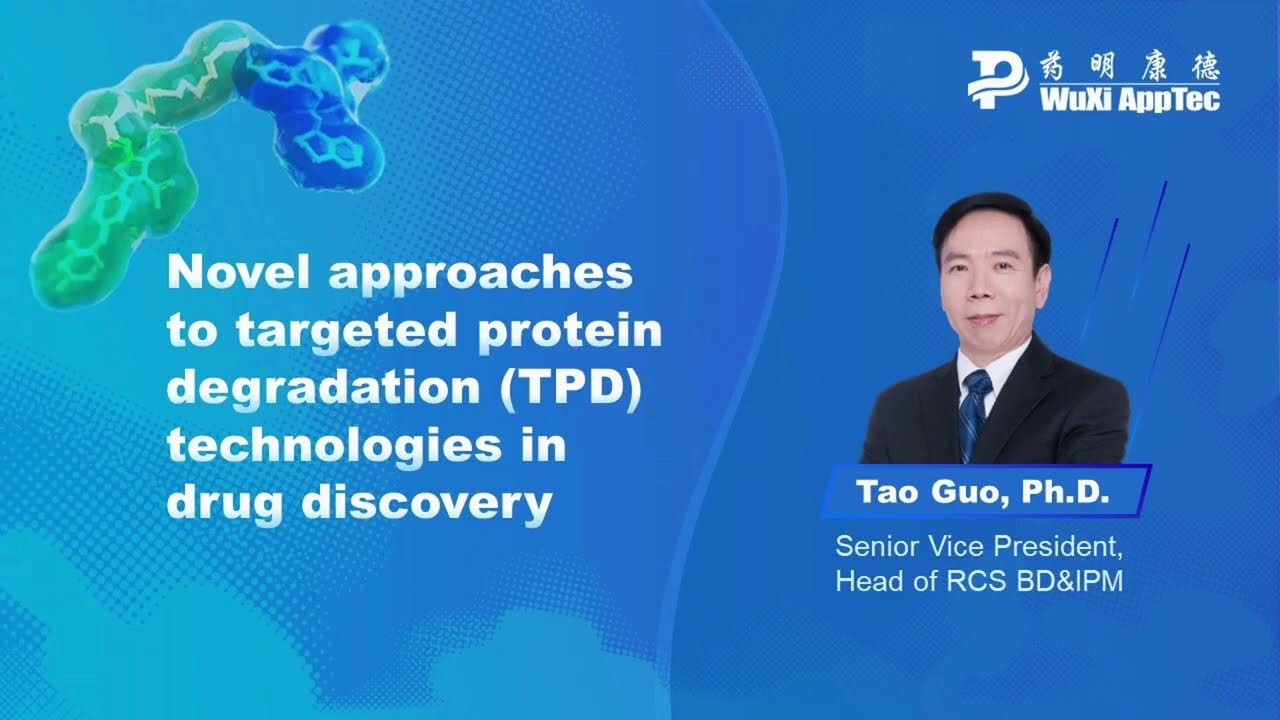





PROTACs (Proteolysis Targeting Chimeras) are bifunctional molecules consisting of a target protein ligand, a linker, and an E3 ubiquitin ligase ligand that act as molecular glues to bring target proteins into proximity with E3 ligases, enabling ubiquitin-mediated degradation through the proteasome; this technology has revolutionized drug discovery by enabling targeting of previously undruggable proteins, with successful applications in nuclear hormone receptors (SERDs, SARDs), kinases, and other oncology targets, though challenges remain in optimizing biophysical properties and achieving predictable outcomes.
PROTACs Explained: Chemistry of Targeted Protein Degraders
Added:The Ubiquitin-Proteasome System (UPS): Understanding how cells naturally target and degrade proteins using ubiquitin tags and the 26S proteasome.
Medicinal Chemistry Principles: Familiarity with ligand-receptor interactions, binding affinity, selectivity, and structure-activity relationships (SAR).
Protein Structure and Kinase Biology: Knowledge of how kinases function in cell signaling and how inhibitors traditionally target their active sites.
Ternary Complex Biophysics: Exploring the thermodynamics, cooperativity, and structural kinetics of the E3 ligase-PROTAC-target protein complex.
Beyond Rule-of-Five (bRo5) Pharmacokinetics: Investigating the absorption, distribution, metabolism, and excretion (ADME) challenges unique to large chimeric molecules.
Alternative Targeted Protein Degradation (TPD) Modalities: Studying molecular glues, LYTACs (Lysosome-targeting chimeras), and AUTACs (Autophagy-targeting chimeras).
Clinical Resistance Mechanisms: Analyzing how tumor cells develop resistance to PROTACs through E3 ligase mutations or genomic alterations.
2K views27likes40:01Original Release: 2021-03-16
hello everyone uh this is jack i'm glad to spend some time uh with you to share the lessons that i've learned on protests i also want to share some experience that we that can partner have on protects so i want to divide today's uh talk into five uh parts so i'll give you an overview of target protein degradation followed by description of the dozen also small molecule ligands for e3 ubiquitin ligases because nuclear hormone receptors are the class that have been studied the longest so i'll talk about that followed by um protects for kinases so whatever have not been covered in the first four sections i'll make it up in the last section protac is a molecule with three parts you have a linker that links target protein and e3 light as ligand so this molecule serves as a molecular glue that pulls target protein and e3 ligase together into truck proximity so what once proximity is achieved e3 like us would transfer ubiquitous molecules onto target proteins once ubiquitous molecule number is big enough the target protein would become appended targets so to speak so protozoan can recognize it coming and degrade the target protein into amino acids online there's a beautiful cartoon depicting the whole process the movement how a whole process works so i encourage you to take a look of that cartoon when you have a chance projects are really really hot if you look at the number of publications the number of papers in 2019 were exponentially more than previous years but if you had a chance to do the same thing for the number of papers on 2020 they would be ex exponentially more than 2019 even many small buy techs have been funded to take advantage of the target protein degradation technology and all big farmers have some uh you know efforts working on protests just like any innovative ideas we all have this hype and over promise stage that's where we are with targeted protein degradation depending on the clinical outcome of evidence two protests one on er one or ar so we'll see how this uh trend goes ian churchill actually summarized the fiscal requirement for fixed events to happen in order to oxidate target protein degradation the protein must access intramolecular compartments both target protein and e3 this therefore to form ternary complex to enable ubiquitin transfer in order for the transfer to happen the ternary complex must have appropriate conformation so the two proteins are in vicinity of each other so generally this complex is u-shaped so the two proteins meet each other closer just like any uh equilibrium the induced ubiquitination rate must be faster than removal of ubiquitin otherwise you're never going to have enough number of duplicating on your target protein and also the target protein must be recognized by production once you have enough number of ubiquitin finally again like equivalent equilibrium induced degradation rate must be greater than the rate of the novel synthesis here a few cartons are very enlightening about the mode of action of protests so once the protect binds to both e3 ligase and the target protein actually the ternary complex undergoes dramatic confirmation change so that the complex look like u shape almost like circle you know it's not totally close circle that e3 like this and your target protein are very close in proximity so that e3 like this can transfer ubiquinone molecules onto your target protein so this is why this process often is called proximity induced degradation before uh protests uh lincoln-induced target protein degradation was known for instance selective estrogen receptor degradator this molecule uh by uh estradica full restaurant was approved by the fda in 2002 that's almost 20 years ago even though this molecule was originally designed as a quote-unquote pure full antagonist it was later discovered that this molecule also induced a production-mediated degradation of er alpha so it's sort of a targeted protein degradation but this molecule has incomplete receptor occupancy because of the uh you know steroid and this lipo sidechain it has understandably poor solubility and bioavailability it can only be given as an intramolecular intramuscular injection more selective er degradators have been discovered using very small greasy degrees so here are two examples the molecule on the right effectively inhibits mcf7 cell proliferation it has a good er alpha degradation efficacy many companies have jumped the bandwagon of third gilead bought this brilliant strength from a small company in san diego which is this company uh this drug is in phase two of s3 right now esther zenika's uh third just recently successfully completed phase one clinical trial i can't help to share a little trick i learned during the study of third simply transforming phenol into purity there was a 11-fold decrease of protein binding so a little trick can have big impact in drug design so that was er but for selective ar degradators there have been some effort as well so these two swords were discovered by a university of tennessee both of them exerted broad scope ar antagonism because they're small molecules pretty small they have good adamant properties so both of the swords induced about eighty percent tumor growth inhibition of linographs from enzolutimide resistant with ap cellulite mammalians like human body we have about 600 ligases because they are so important to our homeostasis of proteins because proteins are made degraded you know at all time uh however uh so far we only have technology about 10 little bit over 10 like this so we only have small molecule ligands for probably a dozen uh e3 ubiquitin ligases so there's a lot more we can do uh so here are the more popular one um e3 ligands methylene is a small molecule uh ligand for mdm2 uh methylbestatin is a ligand for ciat1 and this vhl ligand is surprise vhl ligand jay brainer at harvard but now he's the president for navratris now but when he was at at harvard he pioneered these immuno modulatory drugs as small q ligand for e3 ligas cerebrum for instance line-alignment bond cerebrum can produce only degrade two specific b-cell transcription factors ikzf one and three belgian has done a lot of work on imids they could serve as cerebral ligands as well for instance cell gene used cc to 20 to improve ikeros and ios degradation linking jk1 i'm going to get to that later and td106 at the bottom right induced bet protein degradation a group in japan led by nato discovered a similar protect but they called it specific and non-genetic iap dependent protein eraser but i would just call it protect why have so many names when you are doing exactly the same thing however this protect degree degraded cia p1 and xiap these two are very very similar they're cousins nato found that longer linker than what is shown also led uh degradation and changing the current center on this jk1 prevented degradation so this means the uh binding to the target protein is very important needless to say fiona was a postdoc for uh craig cruz at yale but uh during his independent academic uh career he was the first one to discover the uh van hippo lindo ligand so this particular small ligand has a in vitro affinity of nanomolar it was the best in class ligand for the lhs2 region as shown on your right he also found that the typical groove boosted potency although the flooring gives you the weaker affinity we need two exactly the same e3 uh ligands what you got you get hormone protects for instance cm11 links two vhl ligands it led to potent complete and prolonged degradation of vhl in different cell lines the bottom one cc15 a was highly potent and efficient cerebral degrader so basically the protect killed itself so you would call it uh uh suicide right but since there are homo protects i would call them homocide but if you link two different e3 uh ligands together then the outcome is unpredictable you can only be find it out from experiments so for this heterodimerizing protect it induced potent and rapid and profound preferential degradation of thyroid blood over vhl in cancer cell lines although at lower concentration weaker degradation of dhl was observed a little bit there are also halo protects so basically you attach halogen onto e3 ligand they are of course more drug like because they're smaller for this particular molecule it has a binding affinity to vhl proteins of 540 nanomolar it could degrade halotec 7 fusion protein as you can see this could serve as useful genetic tool to chemically knock down proteins monoclonal antibody and protein conjugates are very popular now you can see it's a double whammy to attack one particular target protein pollen batuzi at stanford discovered this light sumo targeting camaros she even founded company called lysia to take advantage of her discovery it's remarkable that the concept of protect was founded only 20 years ago in 2001 cruz and deichez published the paper on the first protac the e3 lycast ligand was a 10 amino acid peptide it had low potency poor cellular permeability and of course it was metabolically unstable so as far as the drug is concerned that was not a very good drug however the concept literally revolutionized drug design so i wonder if there's a nobel prize in it at some point the initial efforts in cruz group were focused on nuclear homo receptors at first they discovered the first non-peptic e3 ligand of course natalie is more drug-like in comparison to the previous peptide ligand so this [Music] protect partially degraded ar at 10 micromolar so it's still too weak for this ar the the used mdm2 another natalie as a e3 ligand xiaoming 1 professor 1 at yofm university of michigan has done a lot of work in the field of targeted protein degradation he linked the air antagonist and the vhl ligand with soluble and rigid linker so this molecule is a hundred fold more potent than the ar antagonist on the left it reduced ar protein level by greater than 95 percent it's suppressed ar regulated gene expression a single dose effectively reduced air level in xenograft tumor tissue in mice everyone wonders you know what avenues are protect uh clinical compound look like to the best of our educated gas so this is uh the inferred structure where um the enzylutanate mite and vhl ligands were linked with a very short ether linker so that was air protects for er there are a lot of work done as well so cruz this molecule really uh mediated catalytic ubikini nation it is highly specific for their target although the er receptor and technique itself was not this theme you will be seeing over and over again is that the prototypes can boost the selectivity exponentially so this molecule protect was efficient in vivo knockdown in mice professor one's er protect has a dc50 of 0.17 in the mcf7 uh sales dmax is awesome almost 100 but tmx is a little bit uh short it is more effective than full best trains in sales so this is almost a given because uh serve is so small if you go through all the trouble making a protect it has to be more effective otherwise what's the point right again you know everybody wonders what arv 471 looks like and nobody knows but to the best of my guess it would be something look like the bottom right so we'll have to wait and see when avenues discloses those structures at some point this is not a cancer target but it's still remarkable to me because a group in china discovered a orally active protect for hmg co-a receptor the linked ligand with a low-volt stating which is the first marketed uh statin called mavericker by merck so as you expected this lactone is a pro drug in vivo it becomes acid which is more potent i think it's remarkable for this such a big molecule to be uh orally active kinase inhibitors have been extensively studied so i think fda has approved over 60 planets inhibitors so they are lower hanging fruits for medicinal chemists and drug discovery you know in general so making protect for them is uh it's an easier thing to do so it was also cruz who discovered that uh 12 atom linker was ideal to link this rib k2 inhibitor with vhl ligand it mediated catalytic uv kitination and degrade the kinase with the ec50 of 1.4 nanomolar it is highly specific for their targets which is a thousand fold for rib k2 kinase this was shown to be efficiently in vivo knockdown in mice clinic was the first kindness inhibitor ever got approved by the fda so this was intensively studied um cruz found out you know it's not a guarantee you just link a e3 ligand that you will have the kindness degraded so the lesson to learn the lesson learned is that both the target elegant and the recruit e3 like this should be varied early and rapidly uh to generate a protect with the desired degradation um profile otherwise you will be sparking you know in the park in the round tree for a while and west near time uh here uh a japanese group use the methyl that's ticking that binds to a cellular iap ciap this induced dcr-able protein degradation the few dcr-able inhibitors that i showed before were all competitive equipment here nato found that for allosteric inhibitors protect works as well so estimate nib is the uh allosteric kindness movement by navaratus it's either in s3 or probably uh approved already now to link that with a vhl ligand he found out that it has a binding affinity against evo1 ciap12 and xiap it induced potent bcr-able protein degradation so the lesson taking home is that not only competitive kindness inhibitors are good to make protect so are those allosteric sites as long as they bind so binder is good enough for protect doesn't necessarily have to be inhibitor antagonist or agonist all we need is a binder now this tank binding kindness is pretty uh potent has a dc50 of 12 nanomolar and totally in normal sense but it's not that impressive in the uh protag field dmax 96 it is selective against a closed uh kinase close cousin ikk so this is a chemical 2 to x tbk1 as a target in mutant teres cancer cells for anaplastic lymphoma cannas the uh protect decreased cellular level of oncogenic active alk fusion proteins in a concentration and time dependent manner in two cancer cell lines so it's not a fluke and this is also celery bloom and the production dependent for this protect for pi3k it induced remarkable pi3k degradation and down regulated the phosphorylation of those three kinases in liver cancer cells htt2 it also inhibits tumor cells uh proliferation by induction of autophagy instead of apoptosis or cell cycle arrest so it has a pretty novel mechanism of action for this flap3 protect it induced degradation of flt3 internal tandem duration mutant at low nanomolar concentration it inhibits cell growth more potently than the world head alone so that's a given too it also inhibits fear of targets of kindnesses and finally it induced flt3 itd degradation in vivo was one of the first kindness that gave rise to covalent inhibitor the britain nip is such a irreversible covalent inhibitor but here the protect removed the microacceptor and link it with the cerebellum ligand this molecule mt802 recruits btk to the cerebral e3 lubricating ligase complex then triggers you btk ubiquitination and degradation via uh protozoa so namely this is a bonafide protein like many protects it binds to fear of target kinases than ibrutinib it also has greater than 99 degradation at nanomolar concentrations very very potent some group led by uh timworth wanted to use this microacceptor in their protect but they couldn't find any degradation using the protec however if they use reverse body bound target and then it worked a group in israel led by london found out by correct choice of linkers and uh e3 uh ligase lincoln which is celebrant here they were able to degrade all three types of ligands for btk so that includes reversible non-covalent just your garden variety drug irreversible covalent inhibitor as well as this jet reversible covalent inhibitor so they all have a less than 10 nanomolar dc50 and greater than 85 degradation targeted protein degradation also works for protein protein interactions here the ppi is mdm2 and p53 md224 is nanomolar potency in cell it was efficacious in rs-411 linograph animal models but because of its not ideal biophysical properties it has to be given multiple iv dosing at 25 milligrams per kilo every second day but if you do it every day probably would be a too toxic i suspect for this irreversible covalent protect for our breath it accelerated degradation of breath kindness by recruiting ups in mcf7 cell line it affected expression of mcl1 a downstream protein of bref okay so we have covered mostly uh nuclear hormone receptor protects and kindness uh protects but there are many other uh protect targets mostly in oncology actually almost exclusively in college ship too was considered a non-druggable target for decades because phosphates is so polar you need a really really polar molecule to uh inhibit it so the only way to have an orally bioavailable drug is allosteric inhibitor so that was achieved by navajos some seven eight nine years ago so their ship behavior now is in phase two uh clinical trials for treating cancer xiaomi 1 took navada's ship to inhibitor and linked it with vh l1 ligand and he successfully achieved a ship too degradation so this was such a news once the paper was published two critique reviews were concurrently published as well so it was a big deal if you ask me you know what are the two hottest areas in drug discovery or medicinal chemistry i would say oh keras g12c inhibitors and protects so of course obviously knew this better than everyone else so he combined these two hottest areas together and created a protect for keras g12c it was able to degrade keras g12c at the gdp state because keras g2c binds to gdp as well as gtp here i showed previous already jay brenner's very very early bromo domain inhibitor here i just want to mention that the jq1 is uh named after the chemist who made this molecule jq stands for dream chi so wow he's very famous now this db t1 showed anti-tumor activity although it has a per anatomy uh property with the half-life only 40 minutes so this is why it required daily ip injection so not very good here uh sioni was the one who first used the vhl e3 ligands in the field so this is the first prototype with the vhl ligand this is reversible and long lasting and achieved unexpectedly selective removal of brd4 over brd2 and brd3 so this remarkable increase of selectivity is widespread for our products avenues has a very advanced molecule probably in clinical trial arv 771 as well as rrv825 so arv825 recruits the brd4 to the e3 ubiquitin ligas cerebellum namely is a bonafide protect it led to fast efficient and prolonged degradation of brd4 in all broken lymphoma cell lines so this molecule has profound anti-leukemic effect very impressive uh here protect has showed profound plasticity for their interactions so different linkers can lead to distinct targets specific arrangements of ligase targeted interface as you can see here depends on the length of the linker 23 6 or 57 the binding complex the ternary complex have completely different confirmation that's quite uh remarkable here is uh professor one's personal bet protect pop one has been quite a hot area in uh oncology for this uh protect the linking nothing it induced significant part 1 cleavage and led to program cell death in mdmb 231 cell line protects are not a panacea it doesn't always work so choosing the correct linker and right uh e3 like ligand is critical in it's still uh you know trial and error stage for us for instance you know my friend holly stillwater at urban made this uh dhodh protect but he wasn't able to find any uh of this enzyme degradation wingpur crews and churchill summarized advantages of protects for us they have the ability to target the undruggable proteins proteomes many many proteins that were not draggable we can use it to use protect to attack it the overcome accumulation of drug target because we just degraded drug target alteration because the protects could cause mutations and binding partners we already saw over and over again we could have gained of specific specificity like uh brd4 versus two and three high cellular potency driven by catalytic mode of action because once the protect molecule has finished its job the protect molecule is free again to do another damage so to speak it is uh even driven pharmacodynamics and has prolonged pharmacodynamic effect there are many challenges of protects the greatest tenant is the biophysical properties when you link two things together plus linker the smallest molecule would be you know greater than 700 so we need optimize extensively to achieve compromise of oral exposure solubility and clearance furthermore targeted protein degradation has very complex functional mechanism you need to pull two proteins together so the ternary complex formation is pretty complex and then you have to uh undergo ubiquitin transfer that require delicate confirmation of the ternary complex and shuttling to the protozoa we have we at campon have worked extensively on this field during the last decade we have worked pretty much all type of protects using different linkers different legacy ligands so the ligands that i showed below before we have worked on all of them and we prepared most of the reference compounds shown previously almost every group in temp chemistry very well versed with the synthesis of protects in addition our biology department has developed a suite of this ubiquitin protestant synthesis platform including e1e2e3 activity for the inhibitor and also the e3 activity essay for protects as well as ternary complex formation so we have a lot of assets in this field and here i'm just showing a example all right it's great uh to have a spend some time with you or review protests you are welcome to contact me at jack.lee at campartner.us and keep in touch
Up Next
6:16
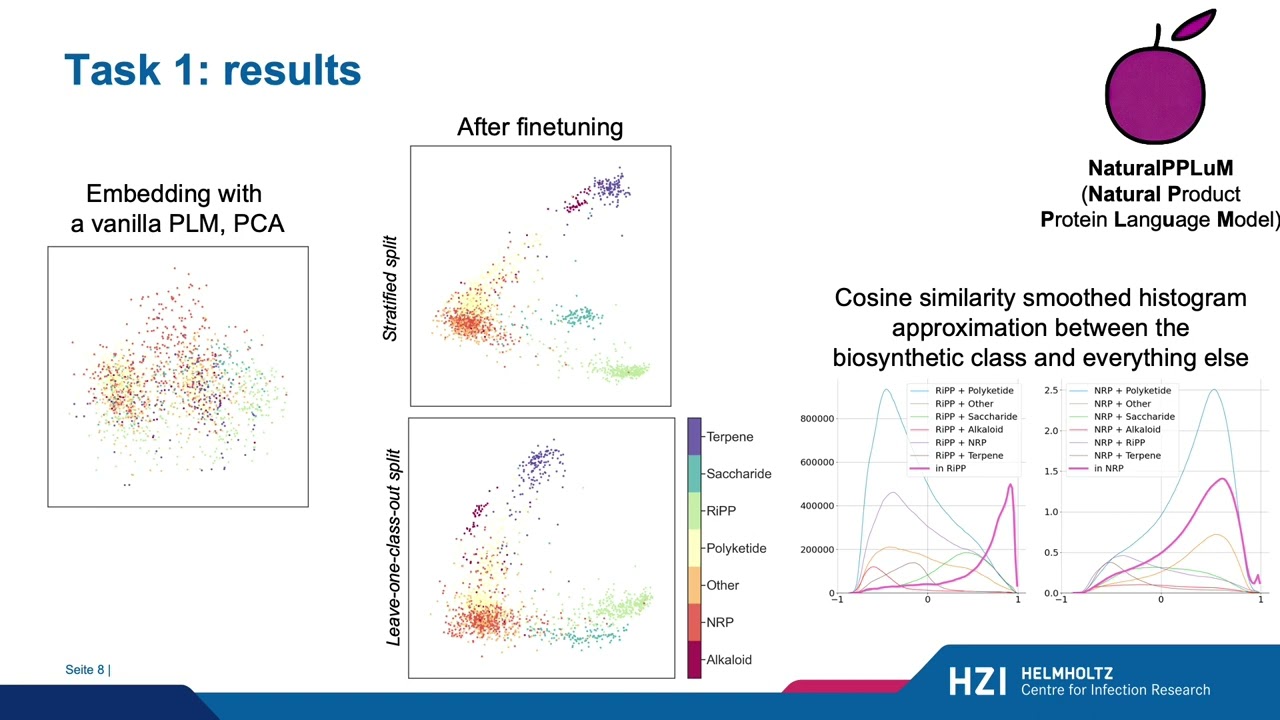
Protein Language Models for Biosynthetic Gene Clusters
@ISCBtv
235 views•2024-01-28
14:12
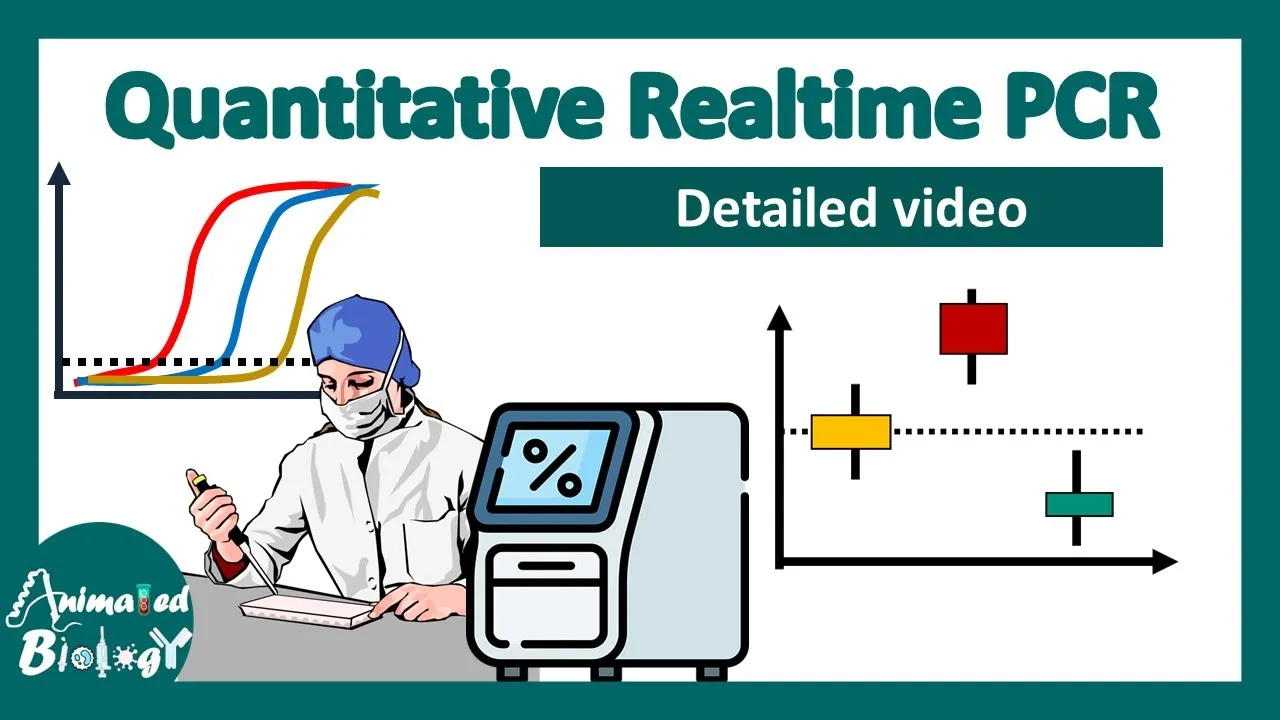
Quantitative Real-Time PCR (qPCR): Principle, Method & Data Analysis
@animatedbiologywitharpan
129.2K views•2023-09-06

42:40
Optimizing Homology Directed Repair (HDR) with CRISPR-Cas9 | Webinar Insights
@Labroots
7.3K views•2016-04-01
16:04
CRISPR and Genetic Engineering: How Gene Editing Works and Why It Matters
@kurzgesagt
30.5M views•2016-08-10
Related Study Plans & Knowledge Roadmaps
Structured learning paths in Biotechnology
biotechnology
AAV Production: Transfection, Prep & qPCR
01Introduction to Gene Therapy and AAV Biology
02Mammalian Cell Culture: Suspension HEK293 Cells
03Upstream Bioprocessing: Triple-Transfection Optimization
+ 2 more learning modules
18h5 modules
Explore Roadmap
biotechnology
Building Gut-on-a-Chip: PDMS, Cells & TEER
01Foundations of Microfluidics and Gut Anatomy
02Cleanroom Fabrication & PDMS Soft Lithography
03Epithelial Cell Culture and On-Chip Seeding
+ 2 more learning modules
26h5 modules
Explore Roadmap
biotechnology
Optimizing CFPS: E. coli Extract & Yield
01Fundamentals of Molecular Biology and Translation
02Introduction to Cell-Free Protein Synthesis (CFPS)
03Preparing E. coli Crude Lysate (The Extract)
+ 2 more learning modules
19h5 modules
Explore Roadmap
biotechnology
Haematococcus PBR: Design, Stress & Astaxanthin
01Biology and Life Cycle of Haematococcus pluvialis
02Bench-Scale Photobioreactor (PBR) Design and Engineering
03Culture Media Formulation and Inoculation
+ 2 more learning modules
15h5 modules
Explore Roadmap