


















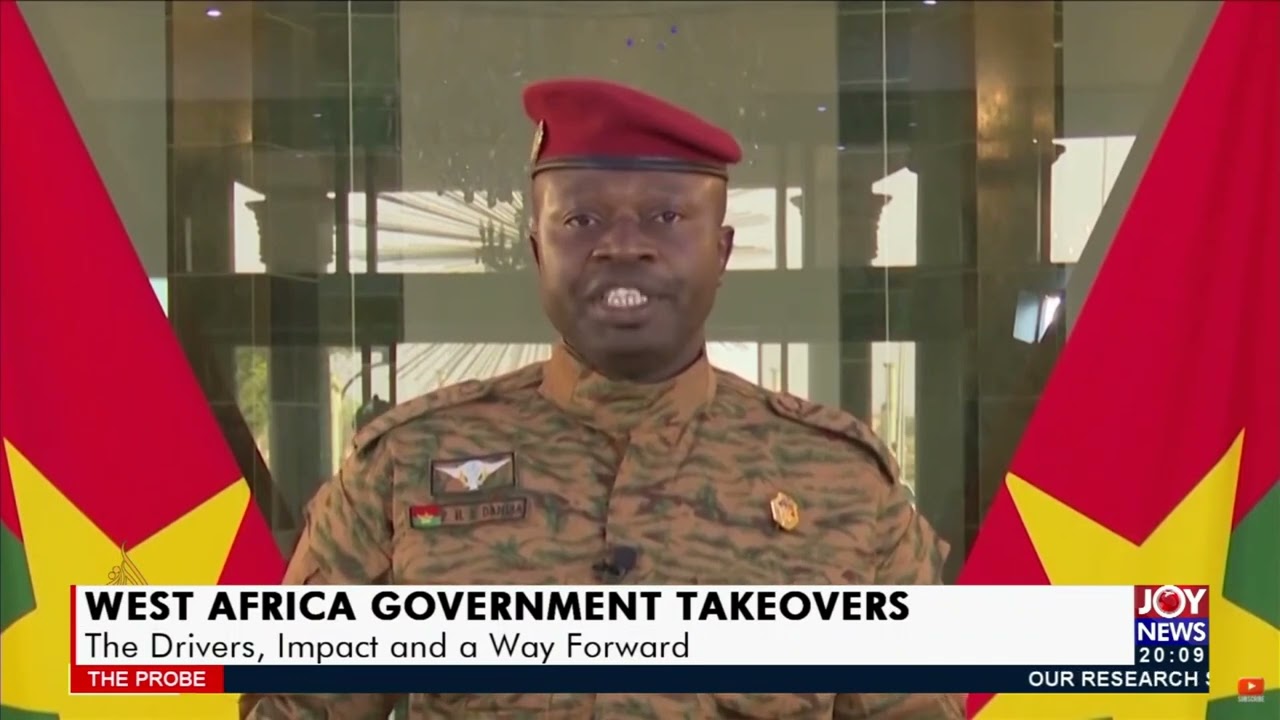

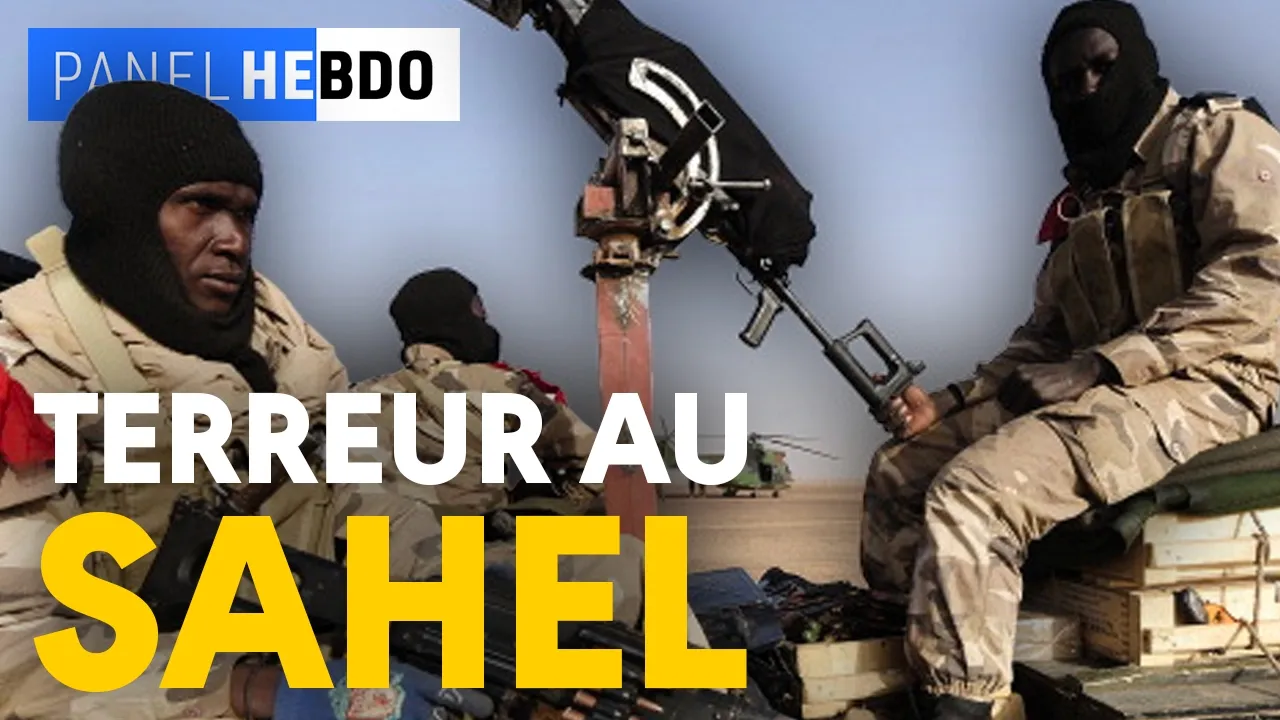
Military coups in West Africa, such as the attempted coup in Benin, are driven by underlying democratic deficits including fake democracy practices, economic mismanagement, inequality, and leaders exploiting democratic processes to maintain power; these root causes require addressing genuine democratic reforms, rule of law, and good governance rather than merely treating symptoms like military interventions.
Benin Army Claims Coup: President Talon's Fate Unclear | West Africa Crisis Analysis
Added:The political history of Benin, historically regarded as one of West Africa's most stable democracies since its democratic transition in 1990.
The core concept of a coup d'état, including the political, social, and military mechanisms by which governments are extraconstitutionally overthrown.
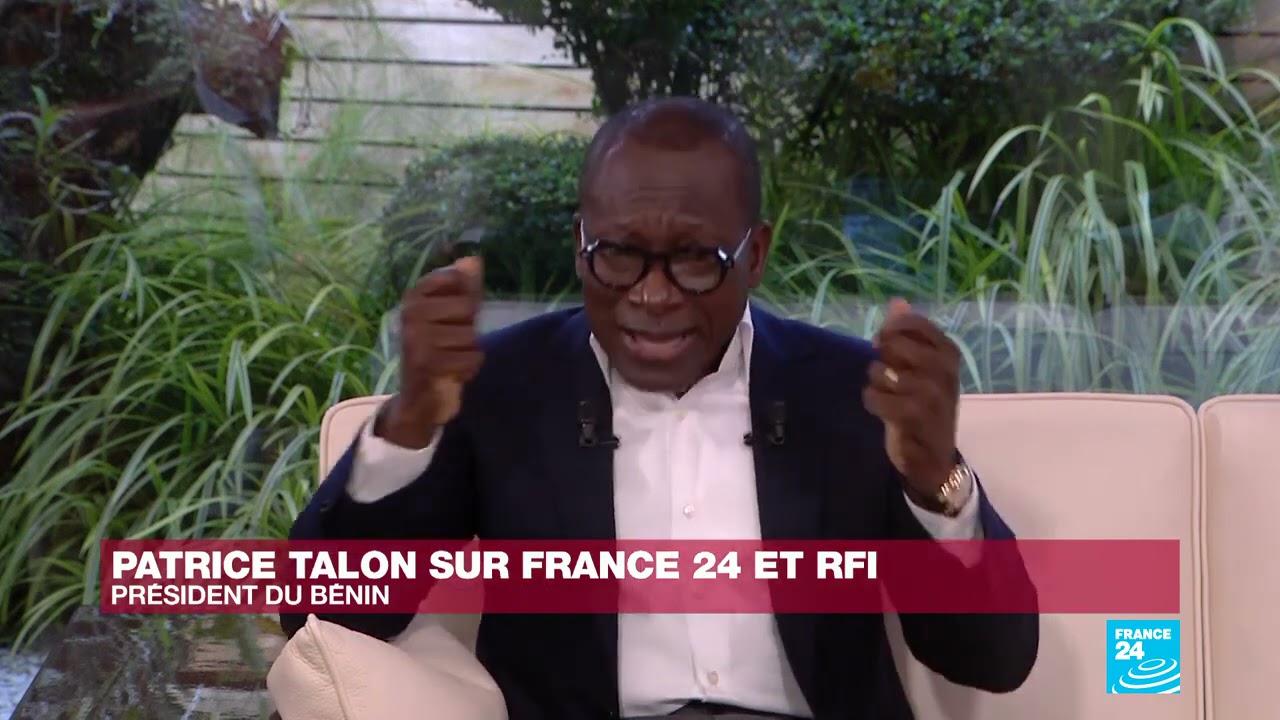
The tenure of President Patrice Talon (since 2016) and the criticisms of democratic backsliding, changes to electoral laws, and the treatment of political opposition during his administration.
The broader regional context of the 'coup belt' in West Africa, noting recent military takeovers in Mali, Burkina Faso, Guinea, and Niger.
Analyze the response and diplomatic efficacy of regional bodies like ECOWAS (Economic Community of West African States) and the African Union in addressing unconstitutional changes of government.
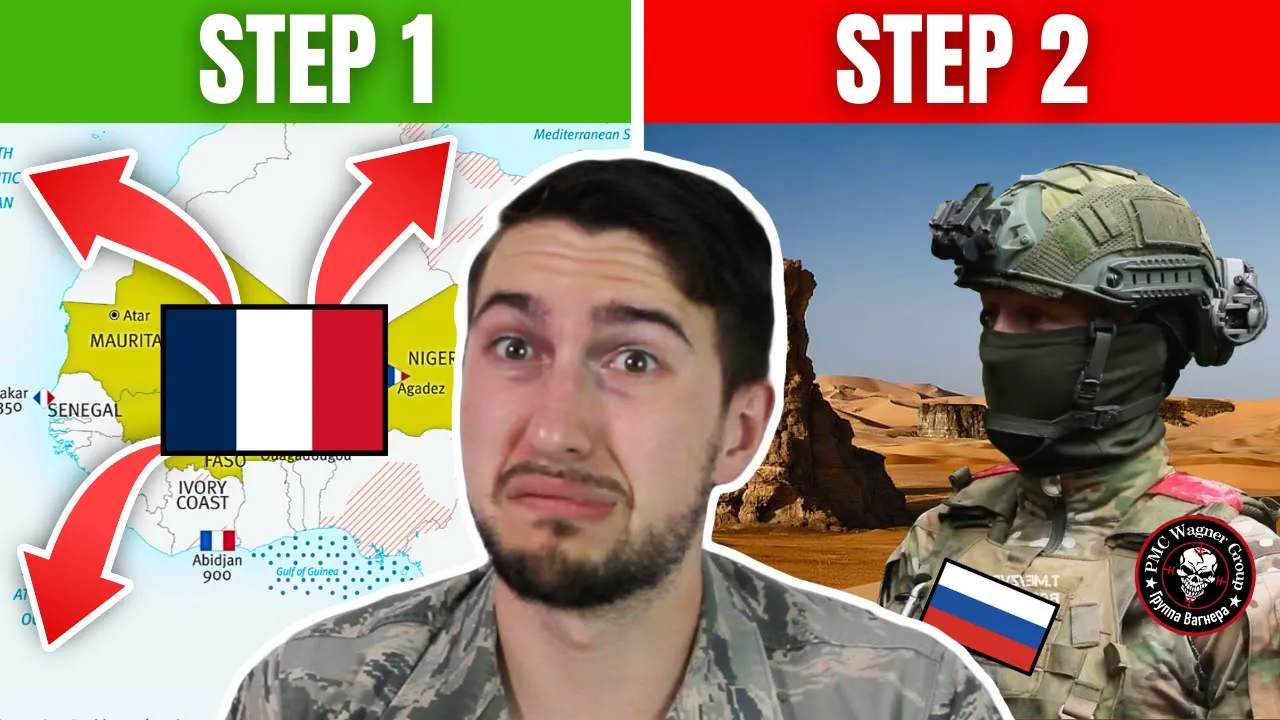
Examine the geopolitical shifts in West Africa, particularly the declining influence of traditional allies like France and the increasing role of players like Russia's Wagner Group.
Explore the academic theories of civil-military relations and Security Sector Reform (SSR) to understand how democracies can prevent military intervention in governance.
Investigate the socio-economic drivers of regional instability, including youth unemployment, inflation, and the spillover of Sahelian extremist insurgencies into coastal West African states.
458.9K views3.5Klikes7:51Original Release: 2025-12-07
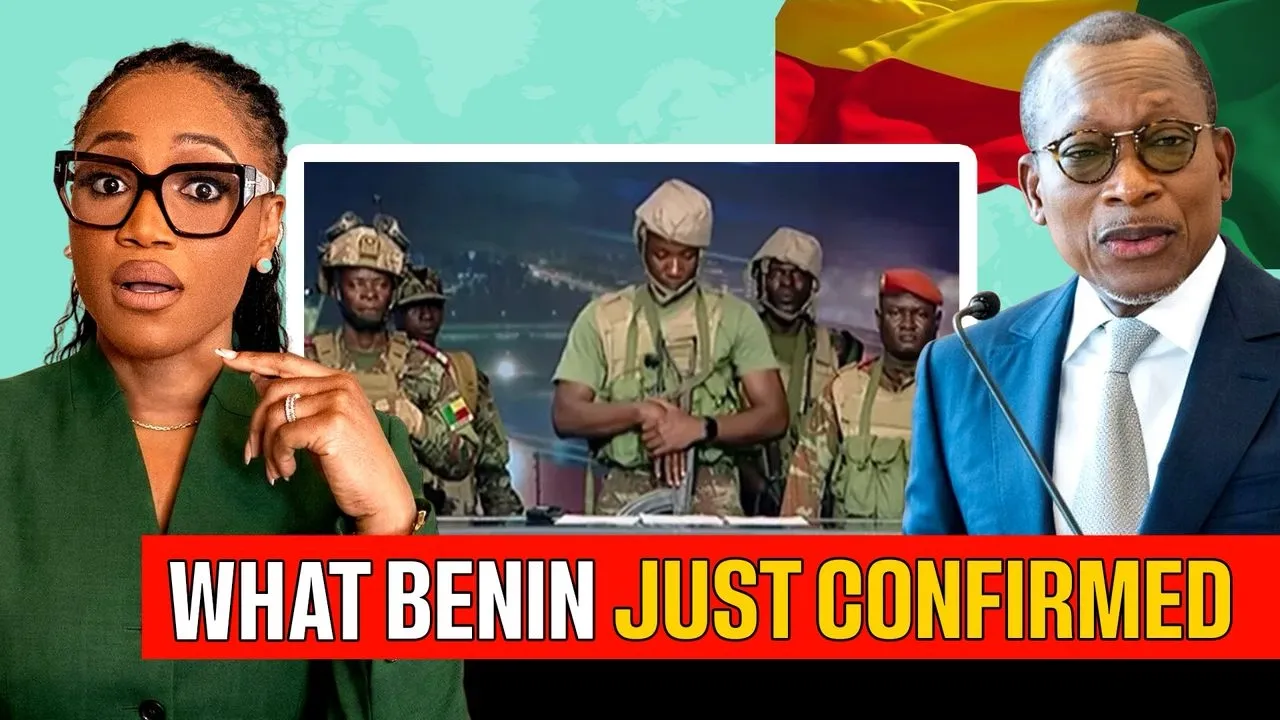
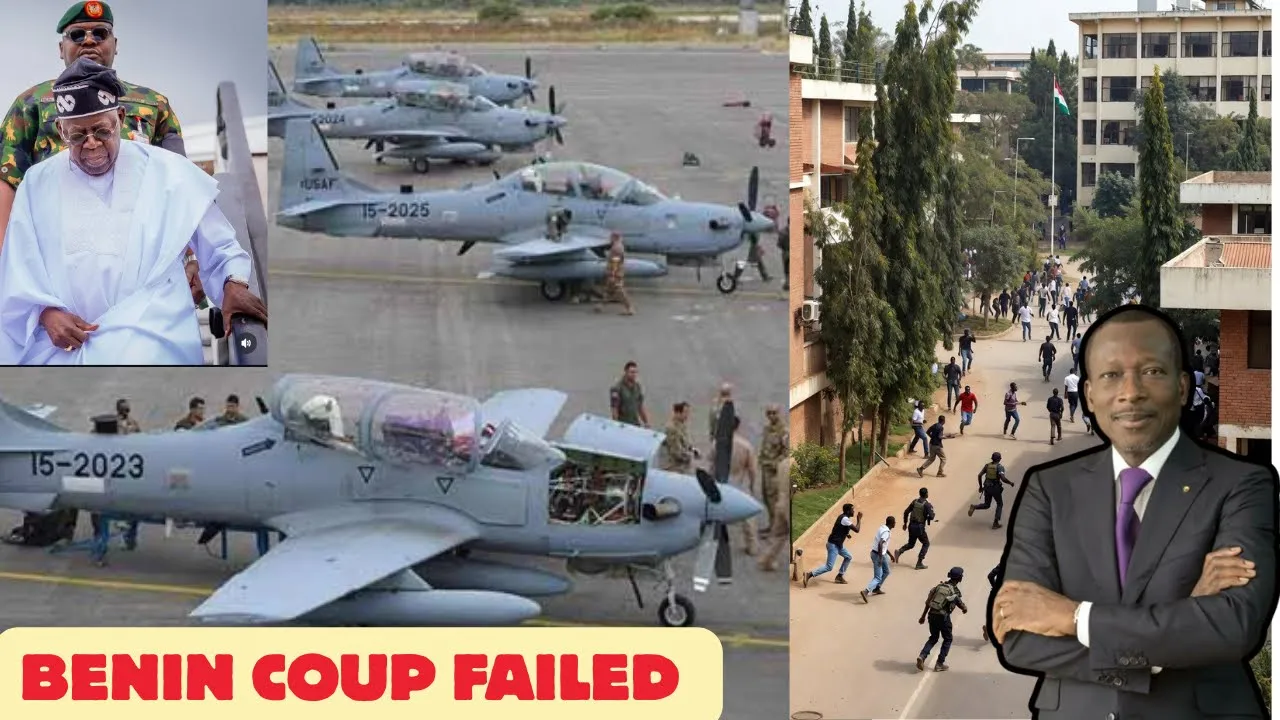
Let's get back to that breaking news this hour this attempted coup in Benin.
Joining us from Ara in in in Ghana of course is Adam. He is a political analyst and former director of communication at Eowas. Adamama thank you so much for joining us. Tell us what you know here.
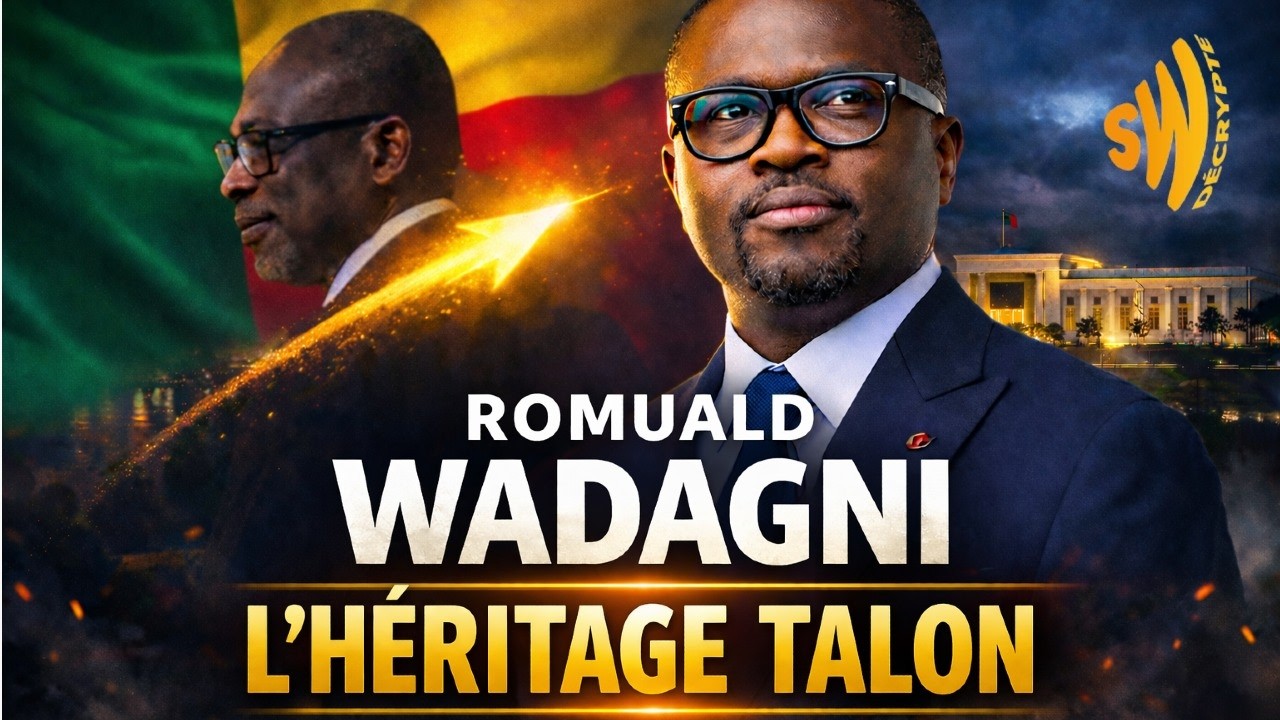
>> Okay. What we know is that uh in neighboring Benin because I'm very close to Benin. I'm speaking to you from Ghana. uh military uh attacked the house of uh the president with Mr. Patric Stalon and there were heavy gunfire shot against his house and we saw also some military who spoke on the television in Benin Cotton the capital and they said that the president was ousted and replaced by a military with the establishment of a salvation uh organization committee uh to take over the reign of the country. The problem is this is not something that surprise anybody because we have been hearing a lot of tension in that country. Some of the opposition members have been arrested for years and maintained in jail by the president in place Talon and also uh there is a process towards the new election next year or 2027 to replace him in power. He has already designated somebody to take over from him from his party his current minister of finance who is Mr. Romeuel Watani and he had managed to eliminate key people from the leading opposition party of former president Mr. Yay Boni. So there was really a lot of tension within the country and even there had been an a coup attempt by close friends of the outgoing president.
So nobody is surprised that the military came out and tried to do uh this attempted coup. Uh it is not new in Benin. In the 1970s Benin was known for a hub of military coup.
Uh Adam, the thing here is also I mean as you mentioned Patrice Talong was due to step down the next presidential election slated for April and his replacement or his his nomination uh for his replacement anyway uh was already set. So I mean with the idea that he was going to be stepping down in just a few months it must be a surprise that the military or factions within the military have acted in this way.
Uh yes because of course uh everybody had the feeling that it was going to a smooth transition because uh really uh in economic terms in terms of infrastructure Ben republic was doing marvels. It was achieving great strengths towards its economic development. myself. I was supposed to go after tomorrow to meet uh key uh business people uh interested in distribution of petroleum products in West Africa coming from Europe. But this is no longer possible. Why this has happened? Maybe the fact that actually this transition from Mr. Talon to a new newly elected president next year was not seen as something as genuine. people believe that is the med Putin type of transition where Mr. Taran will put a figurehead in his place and continue running the show from uh behind the scene. So this is something this fake type of democracy that may have prompted the military to stage this coup. Whether they will succeed or not is early to say because all only what we know is that they've tried. Will they succeed? It is not new in West Africa because recently we have heard there is a a coup in Guineabis with the advent of the military taking over from Embaro Cisco Embaro the embattled president of that country to the point that the Echoas the regional body economic community of West African states was due to convening a meeting a summit of heads of state on 14th of December to discuss the who in Guinea Bisau most likely they will have to discuss also the problems afflicting the West African region in terms of military intervention eruption in in the region from Benin from Guineabis Tunis Mali Burkina the time of militu is back in West Africa and I think that there is a need to seriously address the root cause not the symptoms of these goods in order to see whether the democracy would be a reality or not in West Africa.
>> Adama, you know, with all that in mind, what is that root cause in your belief?
>> The root cause is that we don't have democracy. We pretend to have democracy in all of the West African countries. In addition to that uh the economic conditions of the people is very bad.
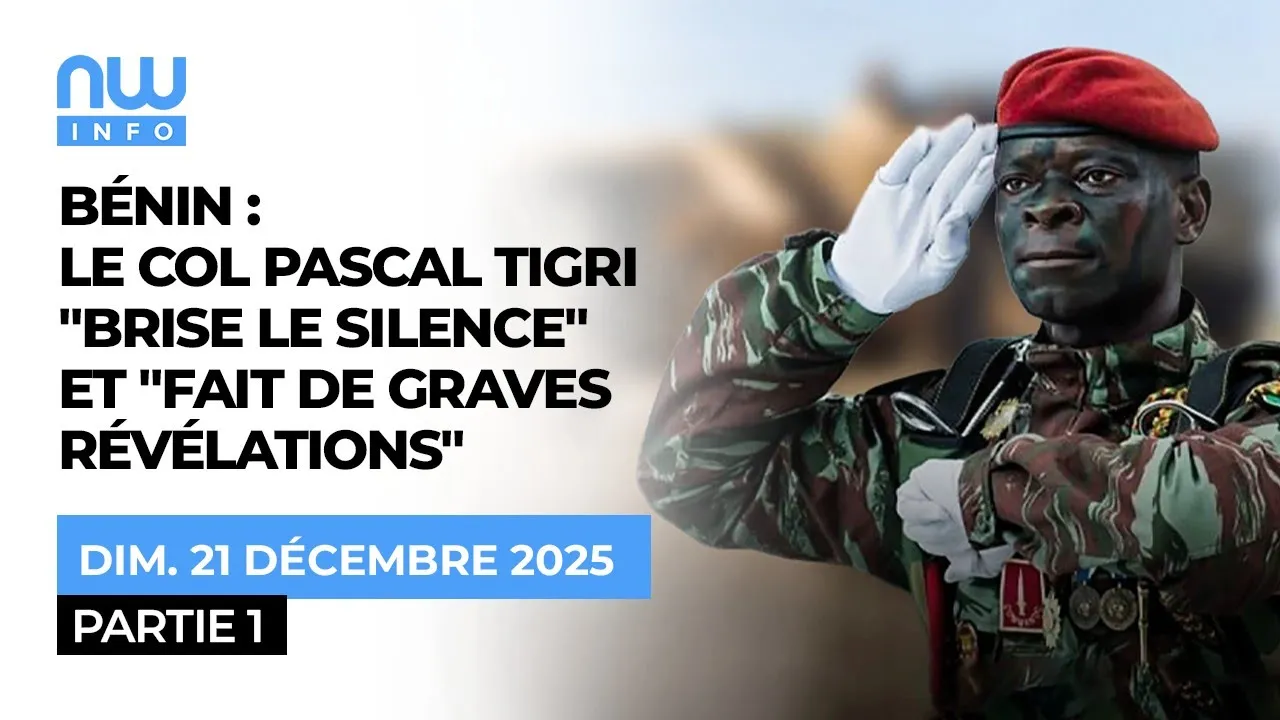
It's worsening uh uh improving uh lots of few people inequalities and the fact that people are mismanaging democracy to sustain themsel in power. If they don't become very serious and honest about promoting real democracy, rule of law, good governance, freedom of expression, freedom of opinion, all those things that are part of the democratic process, they are exploiting themselves. Those leaders from Nigeria even where there has been a coup attempt to kivir to sagal across the West African region military coup will continue to be a reality in Africa. Adam, we're hearing that the uh uh this uh body from the military, these Benanese soldiers say they've appointed left tenant colonel Pascal Tigri to lead a newly formed military committee for reoundation. Do you know anything about this left tenant colonel?
>> No, look, this is something uh that came out of the blues. Nobody expected that it will happen today, but we knew that there was something underway in Venin.
People were not happy and we know the history of that country. In the 1970s Ben had military coup. It had at one point even a triump villa turbi zensu. There were three leaders who was who were sharing power at that time and Ku became a military leader until the 1990s early 1990s went through a national conference the first of its kind in West Africa. democracy was restored and Ben republic we expected Benin to continue on that full uh way forward but unfortunately Mr. Talon when he became president he's a businessman true businessman very successful businessman he was really playing a lot of tricks and exposing himself so the arrival of these people even if the guy is not known is not surprising because that's what has happened in the past not just in Benin Republic but across West Africa in the type of military that have been uh done in those countries >> adama thank you so much Adam, political analyst and former director of communications at EcoAS.
Up Next

87:47
US Strategy for Democracy in Venezuela After Maduro
@AtlanticCouncilUS
1.5K views•2025-11-14
88:38
Patronage and Political Machines in Southeast Asian Elections
@NewYorkSoutheastAsiaNetwork
511 views•2023-04-05
27:35
Bosnia's Dayton Peace Accords Crisis: Silajdzic Interview | Analysis
@aljazeeraenglish
64.1K views•2025-03-16
10:19
Explaining the Saudi-Iranian Proxy Conflict in the Middle East
@Vox
18.2M views•2017-07-17
Related Study Plans & Knowledge Roadmaps
Structured learning paths in Political Science
political-science
Analyzing Clientelism: Patronage & Vote-Buying
01Foundational Concepts of Clientelism
02Mechanics of Patronage and Resource Allocation
03Vote-Buying, Turnout Buying, and Ballot Secrecy
+ 2 more learning modules
12h5 modules
Explore Roadmap
political-science
Economic Statecraft: Sanctions & Chokepoints
01Foundations of Geoeconomics and Economic Statecraft
02The Mechanics of Weaponized Interdependence
03International Sanctions: Types, Implementation, and Efficacy
+ 2 more learning modules
12h5 modules
Explore Roadmap
political-science
Central Bank Independence: Politics & Policy
01Foundations of Central Banking and Monetary Policy
02The Time Inconsistency Problem & Inflation Bias
03The Delegation Model and Designing Independence
+ 2 more learning modules
12h5 modules
Explore Roadmap
political-science
Consociationalism: Power-Sharing & Stability
01Democratic Dilemmas in Divided Societies
02Introduction to Consociational Democracy
03The Four Pillars of Consociational Design
+ 2 more learning modules
12h5 modules
Explore Roadmap