

![[프로그래밍기능사 필기] [06-01-04] UNIX 특징과 기본 명령어, 기타 운영체제](https://i.ytimg.com/vi/zsozbBLiX-U/maxresdefault.jpg)















![COME CREARE UN LABORATORIO COMPLETO DI ANALISI MALWARE [ITA]](https://i.ytimg.com/vi/DfmGgxtDZK4/maxresdefault.jpg)
The ELF (Executable and Linkable Format) is the standard binary format for Linux and Unix-like systems, featuring a 64-byte header that specifies whether the file is 32-bit or 64-bit, along with endianness, version, and ABI information; it contains a program header table describing how to map the file into virtual memory for execution, and a section header table containing metadata about each section such as .text (executable code) and .data (readable/writable data), with the entry point indicating where program execution begins.
Reverse Engineering ELF File Format: A Beginner's Guide to Linux Binaries
Added:Basic understanding of the Linux command line and Unix operating system fundamentals.
Fundamentals of computer architecture, including CPU registers, memory layout (stack/heap), and basic assembly language.
Familiarity with the C programming language and the standard compilation and linking process (Compiler, Assembler, Linker).
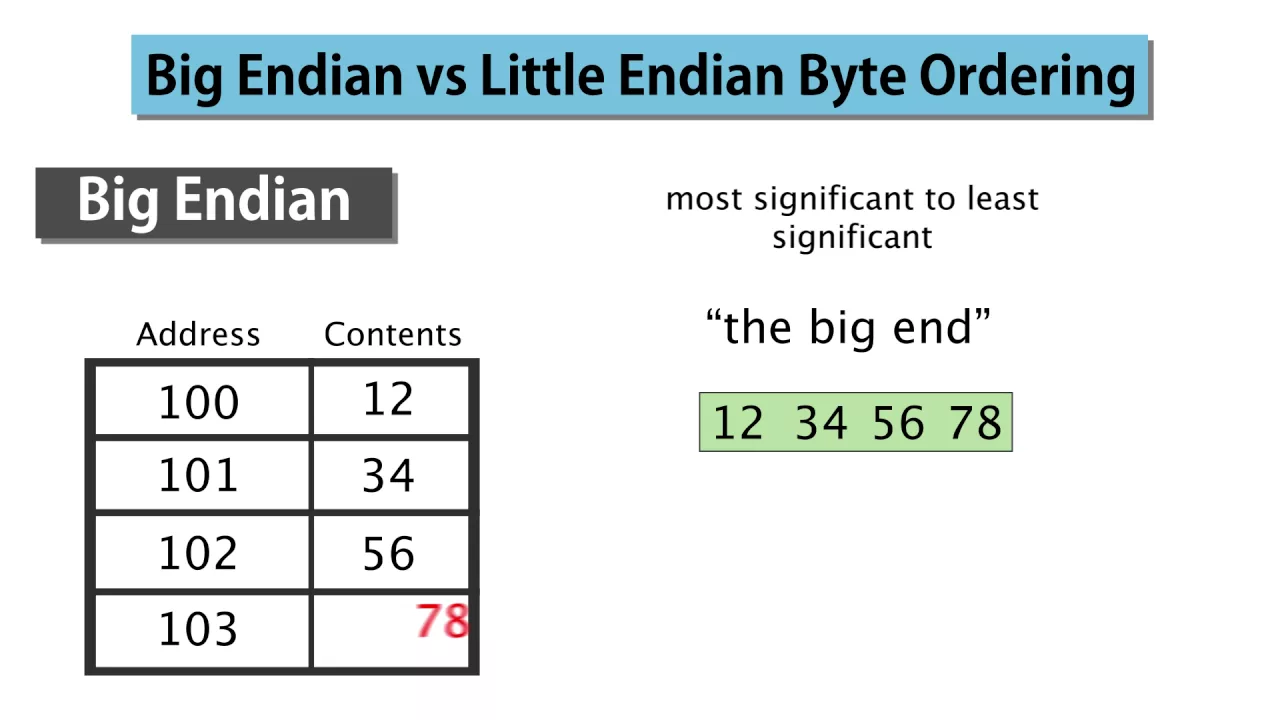
Understanding of data representation, specifically hexadecimal notation, binary, and byte ordering (endianness).
In-depth study of the dynamic linking process and how the runtime linker (ld.so) maps shared objects (.so files) into memory.
Hands-on experience using binary analysis and reverse engineering tools such as Ghidra, IDA Pro, Radare2, or GDB.
Exploring software security and binary exploitation techniques, including buffer overflows, Return-Oriented Programming (ROP), and understanding ELF-specific mitigations (PIE, NX, Canaries).
Developing custom parsing scripts using libraries like Python's 'pyelftools' to automate static binary analysis and malware inspection.
52.6K views692likes7:35Original Release: 2019-05-11
I ran a welcome today we'll talk about elf file format that standard binary format for Linux in unix-like systems on x86 processors it's associated with the following filename extensions so if a file doesn't have any file name extension then we're gonna think about elf format and also we have been o/s all of px and many more and that's the layout of the elf format by now you should be already familiar with this concept over here if you don't know what they are don't worry about it I'm gonna drop a link for you so you can watch the previous classes the f adder can be 52 or 64 bytes long depending on the platform it also contains the magic and the class when the class is won the platform is 32 bits when the class is to the platform is 64 bits he also defined a little engine or big-endian encoding the version and it contains information about the application binary interface which is going to tell you the machine and the file type which can be called for core file then for shell object except for executable files or rel for files before been linked to executable the F adder also contained the entry point from where the process starts and much more program other table array of structures describing how to map the file into virtual address space for runtime execution so that different parts of the program can be loaded into different memory locations section error table array of structures they contain metadata about a given section executable files need raw data DSS data and text and executable files consist of an elf ada a program matter and section 8 or both of them and now let's have a look at some practical example I created a small C program that we are going to analyze using our extra decimal viewer we are going to grab the very first 64 objects because we know that on 64 bits machine the elf add that is exactly 64 objects and that's name of the program so that's the beginning of the other and then this one is telling you that that's a 64 bit machine little and and encoding F version 1 this is always 1 because at the moment there is just one version of F right these are always 0 and those are left at 0 for future development now I'm not going to explain all of these but just keep in mind that this one is the entry point of your program now it's not exactly 7 10 is actually 10 70 because remember lead Lanyon so you need to swap if you want to double-check your findings about the entry point what you need to do is looking for the symbol table of the application where all your functions are defined and you need to find this one the underscore start don't look for the main because the main is actually bootstrapped by the start and as you can see we have a 1070 which seems correct because as I said before this one asked to be swapped because we are talking about little-endian and finally we can have read of printing out the F add in a more readable way and that's the entry point address with a bunch of information that's 64 and then we know that that share of just Phi which is an executable and that it's Intel 64 machine and so on and finally let's have a look at the program manner which tells us outlawed all parts of the program into memory so read half health program ok so you know that the code of the program is contained into this section of area dot text so toad text is 0 3 we start from 0 so 0 1 2 3 and in fact we should be able to read this section and execute it but we should not be able to write it right let's have a look what happens to for example the data section which is 5 so 0 1 2 3 4 5 that's readable and writeable as expected right and so on so I hope you've enjoyed my class please like share subscribe and visit my website if you like and subscribe for the newsletter so thank you very much
Up Next
25:05
ELF Binary Structure: A Comprehensive Guide for Cybersecurity Analysis and Reverse Engineering
@PinkDraconian
12.1K views•2021-02-19

11:23
Solving the Heat Equation with DeepXDE and PINNs
@Dr.Mohammad_Samara
8.5K views•2023-07-17

4:55
HTTP Requests Explained: GET, POST, PUT, DELETE
@codecademy
103.1K views•2021-10-07
19:25
Enigma Machine Mechanics: WWII Encryption Explained
@JaredOwen
13.2M views•2021-12-11
Related Study Plans & Knowledge Roadmaps
Structured learning paths in Computer Science
computer-science
Building a Rust Debugger: ptrace, ELF & DWARF
01Systems Programming Foundations & Rust
02Process Control and the Linux Ptrace API
03ELF Layout: Inside Linux Executables
+ 3 more learning modules
38h6 modules
Explore Roadmap
computer-science
Container Runtimes: Namespaces, Cgroups & Go
01Linux Systems & Go Programming Foundations
02The Core of Isolation: Chroot and Filesystems
03Linux Namespaces: Process Isolation
+ 3 more learning modules
32h6 modules
Explore Roadmap
computer-science
Building a CHIP-8 Emulator: Rust & CPU Basics
01Computer Architecture Foundations (Bits & Bytes)
02Rust Programming for Systems Development
03CHIP-8 Virtual Hardware Specifications
+ 2 more learning modules
32h5 modules
Explore Roadmap
computer-science
Building BitTorrent: Go, P2P & Concurrency
01Go Fundamentals & Concurrency
02Networking Foundations & P2P Architecture
03Bencode Parsing & Torrent Metadata
+ 3 more learning modules
26h6 modules
Explore Roadmap