







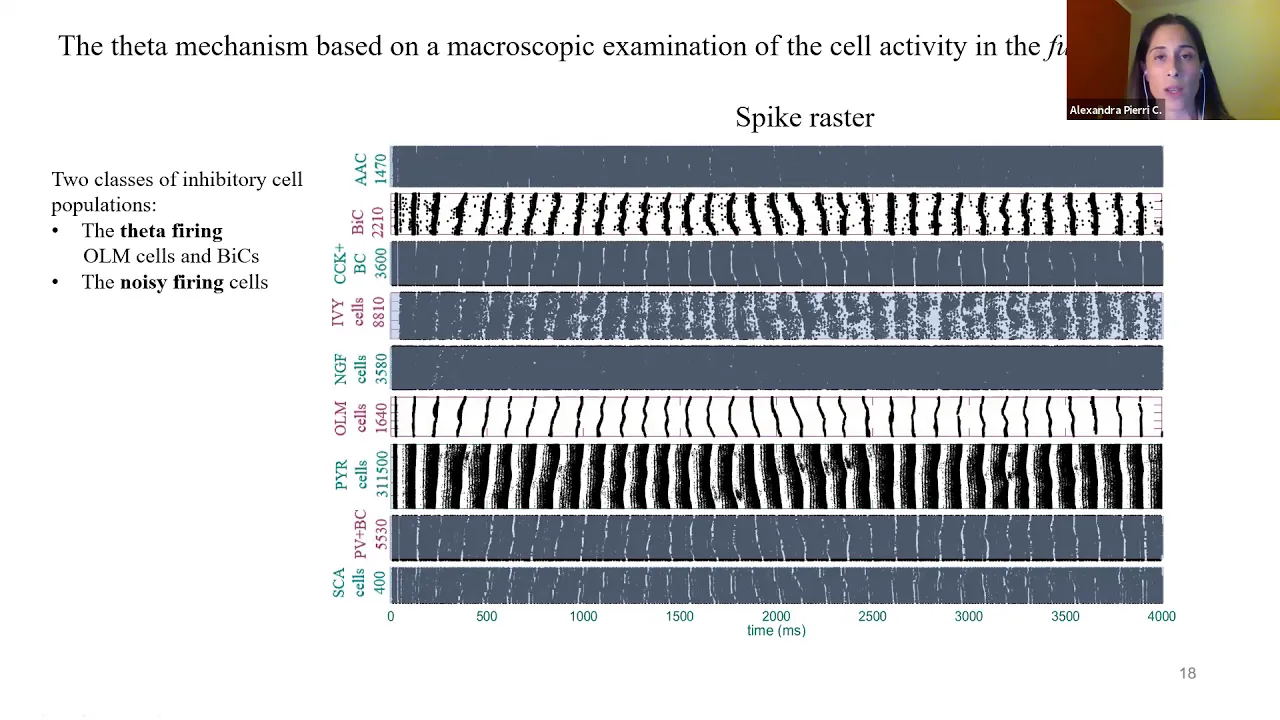












The brain uses the same neural mechanisms for spatial navigation and memory formation, where the hippocampus generates internally guided sequences that allow mental time travel through past and future scenarios; sharp wave ripples during sleep are essential for consolidating both spatial maps and episodic memories, as demonstrated by experiments showing that disrupting these ripples impairs memory retention and spatial representation stability.
Gyorgy Buzsaki: Brain Mechanisms of Navigation & Memory
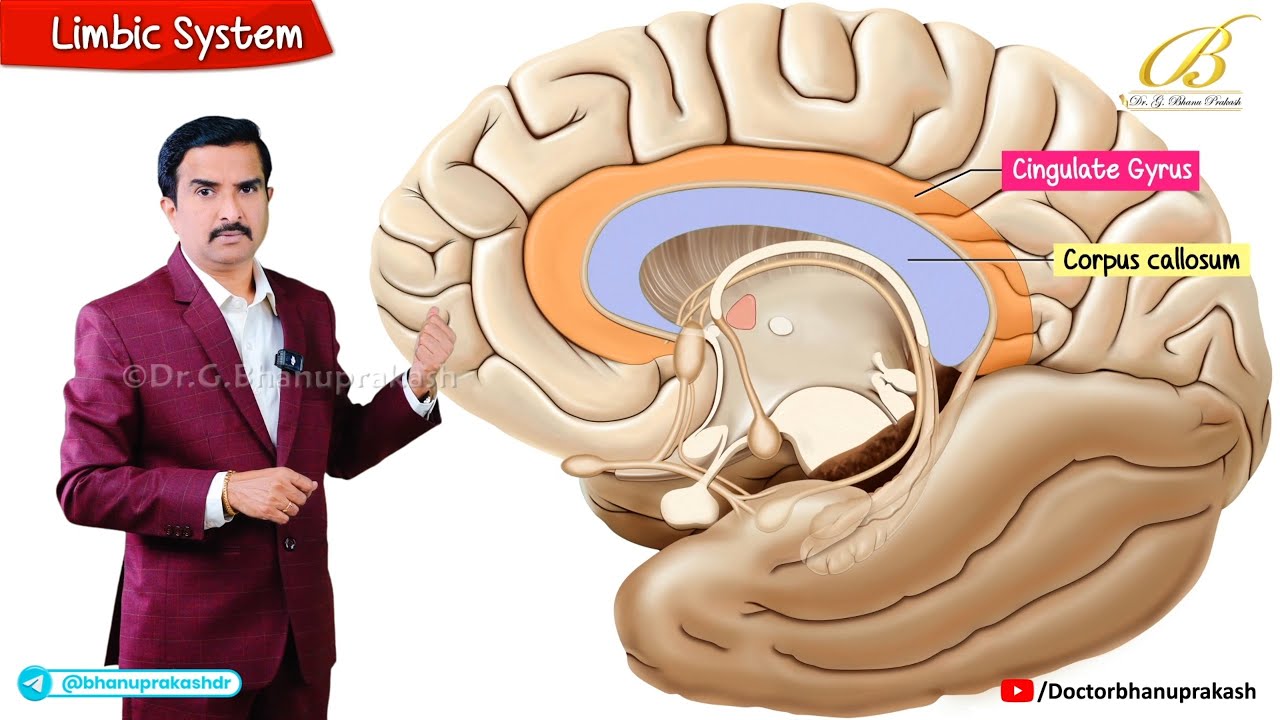
Added:Basic anatomy of the limbic system, with a specific focus on the structure and pathways of the hippocampus and the entorhinal cortex.
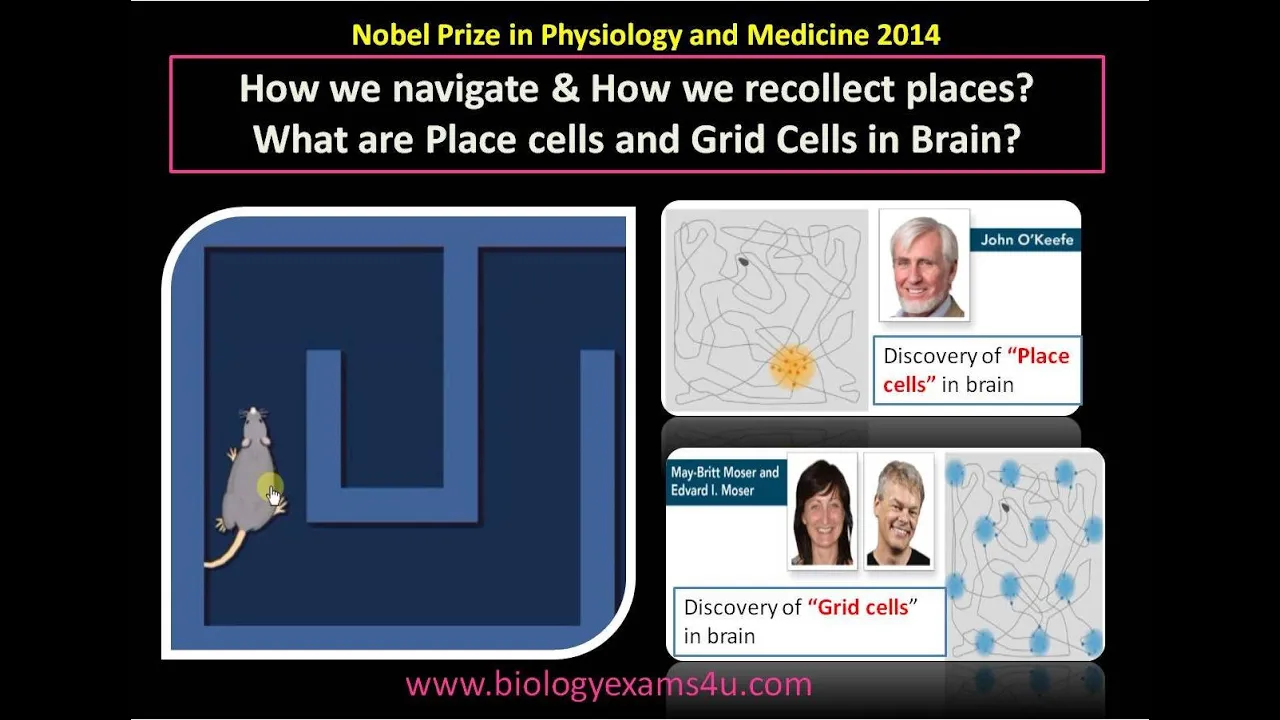
The discovery and function of spatial representation cells, specifically John O'Keefe's 'place cells' and May-Britt and Edvard Moser's 'grid cells'.
Fundamental concepts of neural oscillations, particularly theta and gamma rhythms, and how they synchronize populations of neurons.
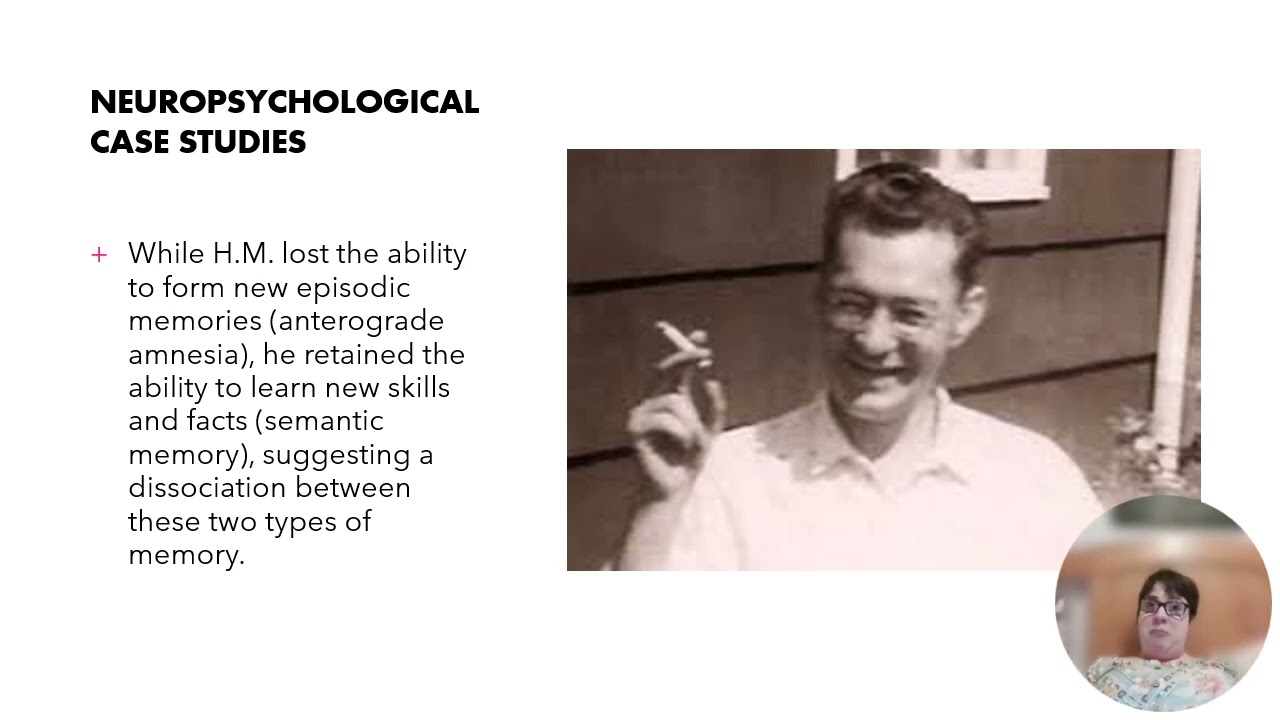
The distinction between episodic memory (event memory) and semantic memory (fact memory), and how the brain processes these different types of information.
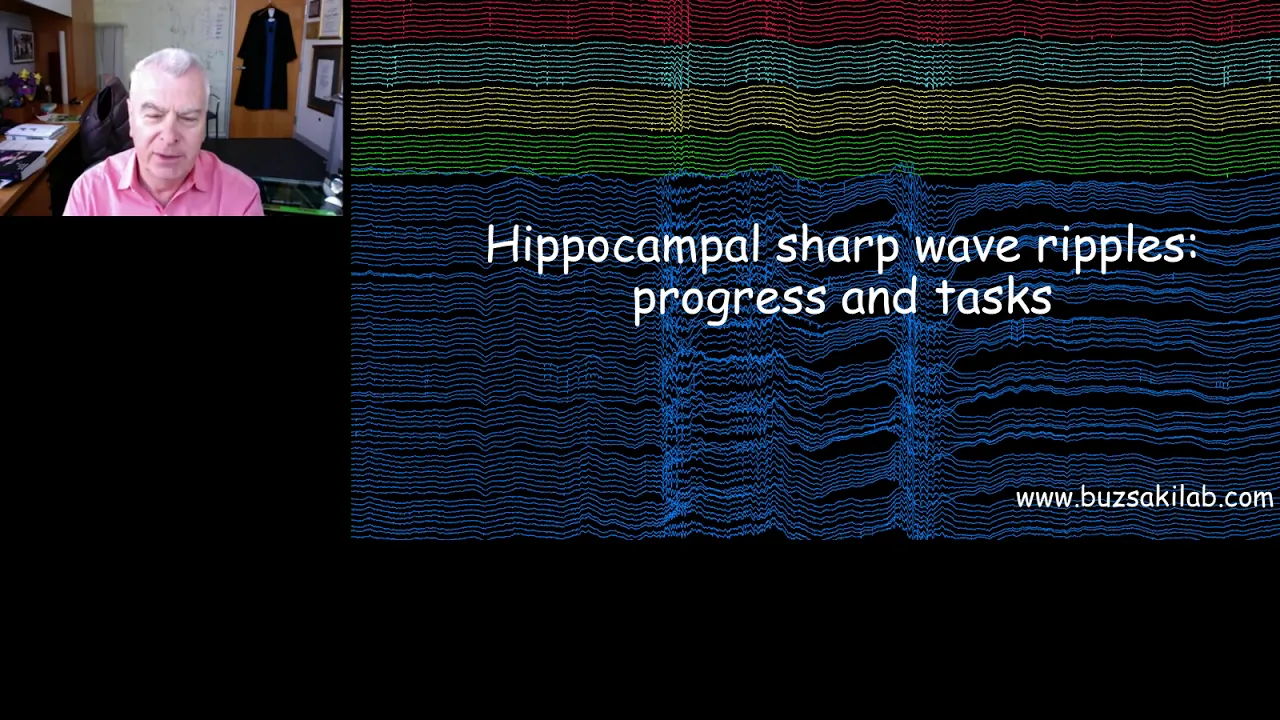
The mechanism of sharp-wave ripples (SWRs) and their role in memory consolidation, planning, and offline 'replay' during sleep.
Buzsáki's 'inside-out' framework of cognition, which argues that the brain's intrinsic activity patterns pre-exist and generate cognitive representations, rather than just processing external sensory inputs.
How cognitive maps are utilized for abstract, non-spatial thinking, such as navigating social hierarchies, semantic concepts, and decision-making spaces.
Applications of hippocampal-entorhinal mapping mechanisms to neural network architectures in artificial intelligence, such as reinforcement learning and vector-based navigation.
4.4K views77likes33:00Original Release: 2017-09-18
scientist style extraordinary species they are not only curious as Michael mentioned but they can be mobilized for the right social cause as well I think this event is a is a proof of that it's not a new phenomenon of course it was the same thing many years ago when we needed to mobilize people from all over the world this is an event that that was the first meeting that I have organized in my life and there are some dignitaries there that came to us behind the Iron Curtain and and and brought us very important knowledge not only about scientific issues but about how the rest of the world is operating that meant a lot to me that John Okeefe visited us several times and later on of course other people also came so you can see from my eyes and for the way I behaved that I moved my hands and do a lot of things but in fact I can stay here completely immobile I can close my eyes and I can give this talk from my memory there is no need to move and the the reason why I can do that is because there are assemblies somewhere in my brain that were initiated by this microphone and the moment it happened and it take that particular information that was carried by this assembly is given to another one which in turn gives the information to another one and another one and if I had the opportunity to speak here for ten hours I could do it without moving around and the interesting thing of course is that the same machinery the same structure the hippocampus and the internal cortex is at work while we are giving talks like this so how does it work there is a deep relationship between navigation and memory so these are the two types of navigation that John mentioned in his introductory part that he called it differently but basically this is what we can call dead reckoning type of revocation this is the kind of revocation that the Columbus look for Columbus use you have to remember how many rise nautical miles and what kind of angers you need and once you're done then you can calculate the vector how to come back now this is a special way of navigating because it all depends on me all the information has to be in me in fact I can close my eyes and I can move around and I come back to the same podium from what they call idiopathic memory from my body or from my mind now once you you you navigate the world and you explore every single part of the environment then you can make a map in fact I can do the same thing when I move around in a completely dark room here I come to Mike from one angle to another angle and Mike is an object and it's a node in a network and the more I wander around the more nodes I have and we will have a graph once we have a graph then we can look we can have this extremely flexible map that John mentioned that is not only that I visited 96 parts but I can go from anywhere to anywhere else so the difference between the two that this is a map that I can give to anybody it's our CENTAC is independent of me it's not my my collection of information it is it is I think you gave the name egocentric and allocentric this is a real authentic map the interesting thing of course is that this mechanism this machinery that has been worked out by nature initially for navigating space can change a little bit and it can internalize in such a way that you no longer need cues from the environment I no longer need any cues from you or from my my computer I can keep going with my all thoughts because I can completely disengage the environment so the good news is that on the other side of the equation this machinery is working also in two different ways one is what we call ego centric or personal memories these are the precious memories that we all collect in our lifetimes what makes difference between you and somebody else is the memories that we own that we collected all of it this is a this is a special egocentric a memory kind of a kind of memory now just like the the way how we make maps if I have one experience and I have the same experience over and over again for example when I met the first dog in my life that was a personal experience but when I met many many many dogs than the spatio-temporal specific conditions of those things that led me to recognize the dog irrelevant we just have the idea of a dog this is an abstract nature is an abstract thing just like the map and this is called semantic information in order to get semantic information in under regular and simple conditions we have to go through this process so there is a nice one-to-one relationship between the machinery that was initially prepared with the help of the external environment to navigate in space now what we do is we navigate mentally we can travel back to the past a recorded memory we can travel forward into the future and we can call it planning so how to get closer to these ideas that we have written up this with that but most are a couple of years ago to do experiments but first we need a good hypothesis the good hypothesis usually comes from theories and the good theories are blade in books the best book in this business is O'Keefe 1978 the idea was back then and it still is that the reason why player one and player two and player three are coming one after the other is because somehow the environmental constellations make them fire so this is a way to generate sequences that is when we wander around that different neurons will be active one after the other as we have seen in three talks already there is another way of doing sequences which I call internally generated sequences meaning that it there is a self-organized system that once it has an initial condition it just can't help it keeps generating sequences for I can't help when when you ask me a question that lingers in my mind and it keeps generating one assembly after the other and without any issues so how do we test it the good thing as I said let's test John's idea which means that in theory we can freeze a rodent a rat here and now but by some magic we maintain the hippocampal theta oscillation system the prediction of the theory is that the here-and-now will be carried by a subset of the hippocampal cells and as long as the animal is in this particular place in the world that those subset of cells should fire forever because the here now is determined by those subsets of cells so we can do an approximate experiment for that we train an animal in a hippocampal dependent task which is a spontaneous alternation task which means that the animal can go and choose here if it's rewarded on the right with water he has to remember ah I collected water from the right next time there's no going point going there I have to go to the opposite direction I have to alternate one or the other the only thing that we did here this is an old task is that we ask the animal to run in a running wheel and face the in always the same direction and run approximately with the same speed so we have done everything in our power to make sure that the information from the world is constant the information from the body we caused idiotic information that comes from running is also constant so the prediction will be from the demap theory is that when we find a cell that happens to fire that should fire forever and we should find a lot of cells that don't fire whatsoever because they don't don't design order don't decide about the XY coordinates of this this map here so I'm going to show you one neuron that happens to be in this situation and this cracking sound that everybody has shown before me means that the song to signal your own fires you can see that that there was some firing and then you can see that the animal went to the left now for our fifteen seconds this is our criteria that we have to dig the animal run for 15 seconds there was no firing whatsoever anymore goes to the right comes back fires it will go to the left no firing you can make a prediction Danny will will go to the right now that is good firing we are fast learners so we already know that the animal has to go to the right Oh left now what just happened now no firing Itay quotes the river go I still go to the right but sometimes we make mistakes and animals also make mistakes and the question is what makes up the mind of the animal is it the mind itself or these neurons and so this animal has been running for a while and you could hear there was a selection potential oops two more now we are hesitant because we are not sure whether then we will go to the left or the right the cell tells you have to go to the right but the behavior that we observed from outside it tells us the opposite and you can see that the animal's behavior follows the neuron so this is good what you have have seen here is two things one is that this neuron was active for a short period of time it didn't but they the rule that you are here therefore this neuron should fire forever it just had a very short lifetime now we can have many neurons recorded just like this and this alone this use neuron is not very useful for anything interesting why is that because this urine fired only for about two seconds and the animal has to remember at least for another 13 second that I have to make a data turn so it has to have a partner so our neuron is somewhere here and it fired but on the same urine in the opposite trance when the initial condition was different it didn't fire but it can can give them it could give the information the not on your own another you run another year on so this trajectory is nothing else but the activity in this n-dimensional space what we call the ca3 system that that the édouard already have shown that it travels very nicely in in one direction the next time the initial condition is different the travel of this trajectory is uniquely different and we have about 65,000 memories and there are 65 thousand unique assembly sequences so now when you have enough number of neurons you can see the the the animal is not getting anywhere is in the same spot yet many many many neurons fire along the journey and the entire memory journey is tiled by some of these cells and they are unique different it's enough to make a very short slice of time and every single time me the experimenter can make good prediction that the animal will go to the right or left 15 seconds later including errors so this is the the power of the system that shows that indeed it's not only about guided information from the outside world but it can be guided from inside also but this is a rodent every single time he showed something like this the psychologist and the cognitive science is the kind you are here to see you said mmm not kosher enough the reason for that is because the episodic memory has a test the test is in the eating house of the Canadian that is that the the e degree of the pudding is it the the test of the pudding is in eating here that test of course is taking the same experiment to the human level I did a minister that sabbatical in Hebrew University and I met a nice neurosurgeon to my admired and respected a lot Itzhak freed and he is doing pretty much the same kind of experiments in humans that I do in rodent or video in rodas he just puts electrodes in epileptic patients in the hippocampus and he has the opportunity to record from those neurons and he can do things that none of us none of us can do which is asking questions from the patients and so once you you you you could do that they said it's a with the problem we have here is we we can't ask the animal whether you have a spontaneous recall when you have a spontaneous recall that I'd remember the first time I have seen John that has no clue that it just happens so this is the test we cannot do in rodents so we have to do in humans so here's an it's a nice movie that was recorded by it's a Creed's group what happens here is that there is only one euro not so many as we have but they can ask questions in forms of movie clips and so there is a trajectory that goes in the resurrection here is myself that can be part of many trajectories but not every one of them so you can expect that at least there should be some unique always don't do anything else I'm pregnant with your watch where's way to the work Vader now silent activity there is not much activity but we can really pick apples so they miscount this is a Tom Cruise cell that is activated by this particular feature but of course it is not particularly different than what you do the laboratory in the rodent this part of the experiment is distinct a few minutes later the experiment has asked what did you see so this is from spontaneous recall there is no external environment and you can see that there is no activity whatsoever here even though one after the other the items or the movieclips were recalled verbally and this is a very intelligent audience here you can already tell me what is going to happen here what what gonna happen here is not what you exactly think because first the neuron will fire and later about 200 milliseconds later a person will say the right answer so what what what I have shown here is that the activity initially goes from the outside world all the way through at least five synapses to the hippocampus and when you spontaneously recall the activity starts in the hippocampus and goes up and reconstructs just the way how maybe it said there's a memory is a reconstruction and this is shown very nicely here so this is that the kind of things that the hippocampus can do both during navigation and and memory recall when the animal is awake and attending but those memories are not like the digital cameras taking a picture in fact there is time to constantly that that information and that happens after the initial experiments the hippocampus like many other structures in the brain is at least show two different states one is what we call the interactive state or preparatory state the other one is the consumer 30 state and we record from the hippocampus you can very beautifully see that there are two distinct patterns anybody in this room can tell me that this is different from this one and if you look that the electric if you are looking at the electrical activity or the hippocampus we can tell precisely what the animal does we can tell where the animal is that's needed for the grid cells and the and the places but we can do is that exactly what that mo does so I call this shop wave patterns but we zoomed in a little bit and then you can see it's a little weakling of the the trace here it's called ripples baptized by John Okeefe so now I combine the two and say these are sharp wave ripples because they have two different mechanisms but they are useful for something and I was convinced very early on when I've seen that this is add extraordinary pattern for the following reason that this is the most synchronous pattern in the mammalian brain it starts from here in the Seattle region it goes up and goes to the internal codex and it broadcasts from the internal cortex to the entire neocortex so what can it do well I have my own movie they are both going to sleep now and that means their brains are going to work because when mammals sleep our brains are active consolidating our memories if memories are not consolidated smilla and her hamster will not recognize each other when they wake up this is your EBU shocky I'm sorry for a amendments in the 2000 election I sort of get adoption to the discovery of how this memory consolidation works dr. bouche aqui is a professor in neuroscience at the New York University School of Medicine in his laboratories scientists study how the internal structures of the brains of mammals communicate and how daytime impressions are secured as memories while we are sound asleep in the late 80s your EBU shocky discovered an important element of the memory process it takes place in the middle of the brain youtubers are given names like this entire army of other scientists also doesn't even though this structure looks different from species to species there is one in every mammal and it keeps track of our daily memories when boo shocky made his discovery he was listening to neurons firing in the hippocampus of a sleeping rodent I was listening to the loudspeaker and how neurons come together and work together very powerfully that was an astonishing pattern for me and then I began to explore in depth what this could be it had been known for some time that sleep is important for memory it is not as a bit like Beethoven's fifth you here is one seeking can you remember it forever during sleep the hippocampus instructs the brain about what to remember and does so in bursts of time compressed information of what we learned during daytime shuffled and played back and fast forward and fast reverse they are replayed so to speak again and again and again in small fragments and this is the fragment that we identified this is called hippocampal sharp wave ripple this is a pattern that lasts for about 100 milliseconds or so you have about 2,000 of those patterns every single night if I erase those parents from your brain you will not remember this interview tomorrow same thing if I erase yourself a release from your you won't remember anything wild memory sister and Stoli the name is dog advice though today as a sharp wave ripples are widely acknowledged in neuroscience and a part of the two-stage model of memory this model explains why we must sleep to remember well and it predicts that we might one day be able to improve our memories learn faster and alleviate the negative effects of brain diseases so how does this memory consolidation work and how might it at some point make us learn better and remember more the answer is in the brain and in the laboratory humans rodents all mammals seem to consolidate memories in the same way while awake the brain processes information and stores it transiently in the hippocampus exactly where boo shocked he made his discovery and that makes sense because the hippocampus is now known as the work desk of our memory what happens during stage one you are listening to me we are having a conversation and and fragments of this conversation are detected and stored transiently mostly in the hippocampus neural information about sounds feelings smells visions places persons or whatever we experience is stored here during the first part of our to stage memory but just like a work desk is limited in size so is the hippocampus the brain needs a library for memories a safe place where it can consolidate important information so we can retrieve it again where are the bookshelves in the brain right here in the neocortex the large areas in the outer brain where the information was originally processed these are the areas of the brain that received the nightly flashes of compressed memories what boo shock he saw decades ago was the hippocampus writing memories on the neocortex organizing memories like a library returning books to the shelves after youth this is the second part of the two-stage memory model and it rounds up the role of the hippocampus in the brain the hippocampus is a if you want is an appendage to the large neocortex its inputs are coming from the neocortex and its outputs are going back to the neocortex so this structure cannot do a lot of things it's the only thing that can do reasonably well is modify its inputs and organize its inputs and this is exactly what the hippocampus is about is organizing the different information that are stored in different parts of the neocortex this process of organizing memories goes on night after night and it turns out if the nightly flashes of information from the hippocampus are disturbed so are the memories memories can be manipulated during sleep we can erase memories become makes memories disappear we can make memory impaired pretty easily the interesting thing would be of course how to improve them this is an important challenge because many diseases like epilepsy or Alzheimer's disease involve disturbances in the communication between the hippocampus and the neocortex and that creates memory problems as it happened for Richard Shan who had epilepsy before he was finally cured with brain surgery for 22 years I had roughly what I'm aware of I'm not sure how many I had when I was sleeping but I had 3,000 seizures could the memories of patients with epilepsy be helped if the communication between the hippocampus and the neocortex is brought back to normal every single animal model of Alzheimer disease and autism comes with a distorted form of sharp variables so we know that that pattern is impaired so another question is how we can change the balance between the abnormal patterns and the normal good sharp wave ripple patterns can be restored by any means improving the memory process is a huge challenge for Neuroscience but it is one of the promising perspectives of the work in leading laboratories that one day we might succeed in this challenge one day it might be possible to secure more people the consolidated memory have a good night's sleep so sorry for the propaganda of my path but the short story predicts at least two things that if the substrate is the same for making maps and making memories then erasing the shoppers should have an impact on both so the first one the first experiment is a simple one erase every possible sharp wave ripple during sleep and we can do it in a rodent in a complicated way doesn't really matter but what what the goal here is that it learns that there are three arms in this multiple arm maze and they have to find food there after every single learning session we put the animal back to the homepage and then erase every single clip where this replay occurs the Steep doesn't is not affected at all all you have is a sleep without sharp a ripples the animal wakes up and tries to learn again and learn again and again and it turns out that without sharp wave ripple the performance of this animal over days is as bad as leading the entire hippocampus so this is a very important and interesting pattern so let's zoom in and see what happens in this particular time windows which is about 50 to 100 the millisecond when it occurs so here is a situation very similar to what you have seen before when the animal is asked very simply just run from here to here and back and there is reward and there is reward these are the place cells that you already familiar with this entire journey is tessellated there are there are places everywhere but before the animal runs it sits there and then there is a sharp wave there and you ask what happens during the sharp edge and you can see that here at a single time window only few neurons fire here nearly all of them fire this is the most synchronous pattern of the mammalian brain as I mentioned before but the interesting thing of course is that before the the subconsciously if you want recapitulating or planning whatever the term you use the sequence is the same as the sequence on the three on the track and at the end of the journey the animal is rewarded now the animal recapitalize that journey but in the reverse order so that's an interesting thing that we can manipulate time and space back and forth during this short of the patterns in waking state but also during sleep so I'm showing you an example here now we have many more neurons the entire track is represented by at least what type of a neuron and then we can ask can we reconstruct what can we think about these patterns that occurred you read the sharpest if we had to put the animals activity back into the brain while imaginarily the animal is running on the maze this is called the bayesian reconstruction method can we put the animal somewhere here at the beginning or the middle of the end of the maze and you can say that works very well during waking but it works equally well during sleeping both forward and backwards so this is indeed good about a good pattern and I have shown you in the previous experiment that we can indeed interfere with the consolidation of the memory now if the consolidation of the memory is analogous to consolidation or stabilizing a map then you can ask what happens in a learning environment with place else so we now use a different manipulation which is optogenetic a different maze this is called a dakar the honeycomb maze that are very very sorry what is it called honeycomb is your terminology okay this is a complicated maze with 96 holes and only three of them are baited the animal has to learn that that there is water in water and we wonder if the animal learns something whether the place else remains stable and is that in a role for hippocampus aphasia all we have to do is run animal is avoided and there is a shock wave here we have to erase it or at least erase part of it so I'm just showing you what happens in the in this situation that the animal learned already every day the river is very familiar with the task is just the kind of thing that we have when we go to the airport and leave our kada that very rarely varied believe the car and the animal is asking itself is that where is the water yesterday it was here I can't find it now now I have to find a new constellation of these three things and as you can see the animal is walking walking around for a long time in fact it takes about five minutes before it collects all the three levels but by the end of the day it goes pretty fast oops this is a well-known pattern relax reward here goes to the other one and the whole thing comes happening about about 10 seconds so now we can ask the question what would happen if under this recording electrode that we can place in the brain we would get rid of this pattern the sharp a ripple pattern at least part of it and silence all the neurons all the play cells that were active under the selector when the enemy was outside and only a few hundred microns away there will be other neurons that are not affected whatsoever so remember in the memory experiment what we have done is that we shut off the entire hippocampus for the entire time of the ripple here we leave everything normally the animal can learn only a handful of neurons are affected and we ask what what is the how does those neurons behave the central neurons who which was silenced during the shock wave activity that they were not part of this concert they they didn't have an opportunity to interact with the other places and the answer is very simple this is without this is a cultural experiment or cultural recordings there is no shockwave ratio or killing and you can see that the place cells are pretty stable but those neurons that didn't have the opportunity to be part of the game because at the time when neurons were interacting strongly with each other they were silenced you can see that the stability overall what I have shown in this experiment indeed that shock wave ripples are necessary for both memory consolidation and perhaps for consolidation of the spatial map so to summarize cortical circuits have dual functions one is they can respond very effectively to environmental cues but then those environmental cues are not present they just can't help they self generate their activity and work within and that work is not going away why we fall asleep because in fact the brain is very active during sleep but in a different dynamic the perhaps the most important takeaway message is that spatial navigation created by nature for the animal to find food is the way how to create a internalized version of that and then we can mentally travel back into the past or forward into the future and the remain still remember the last two conclusions that ship accomplished are a ripples are necessary for both memory and at creating the spatial map and thanks very much [Applause] you
Up Next

6:48
The Neurological Effects of Abuse on Brain Function and Healing
@InspireandThriveYT
183.2K views•2025-05-14
21:55
Deciphering Neural Circuits Controlling Anorexia in Mice | Richard Palmiter
@AllenInstitute
2.3K views•2011-10-10

4:10
Vagus Nerve (CN X): Anatomy, Nuclei & Functions Explained
@Alilamedicalmedia
305.2K views•2022-10-31
13:03
How Exercise Benefits Your Brain: Science Explained
@TED
11.4M views•2018-03-21
Related Study Plans & Knowledge Roadmaps
Structured learning paths in Neuroscience
neuroscience
Appetite Regulation: Brain Circuits & Hormones
01Foundations of Endocrinology and Brain Anatomy
02Introduction to Energy Homeostasis
03Peripheral Signals: Leptin, Ghrelin, and Insulin
+ 2 more learning modules
14h5 modules
Explore Roadmap
neuroscience
Neuroeconomics: Value, Risk & Brain Mechanisms
01Foundations of Neuroscience and Brain Anatomy
02Introduction to Neuroeconomics and Subjective Value
03Dopaminergic Prediction Errors & Reinforcement Learning
+ 3 more learning modules
18h6 modules
Explore Roadmap
neuroscience
Spatial Navigation: Cells, Grids & Brain Maps
01Foundations of Brain Anatomy and Memory
02Place Cells and Head-Direction Cells
03Grid Cells: The Brain's Coordinate System
+ 2 more learning modules
12h5 modules
Explore Roadmap
neuroscience
BCIs: Neural Decoding & Prosthetic Control
01Neuroscience Foundations: How the Brain Signals Intent
02Signal Acquisition: Recording the Brain's Activity
03Neural Decoding: Translating Brain Waves into Data
+ 2 more learning modules
25h5 modules
Explore Roadmap