





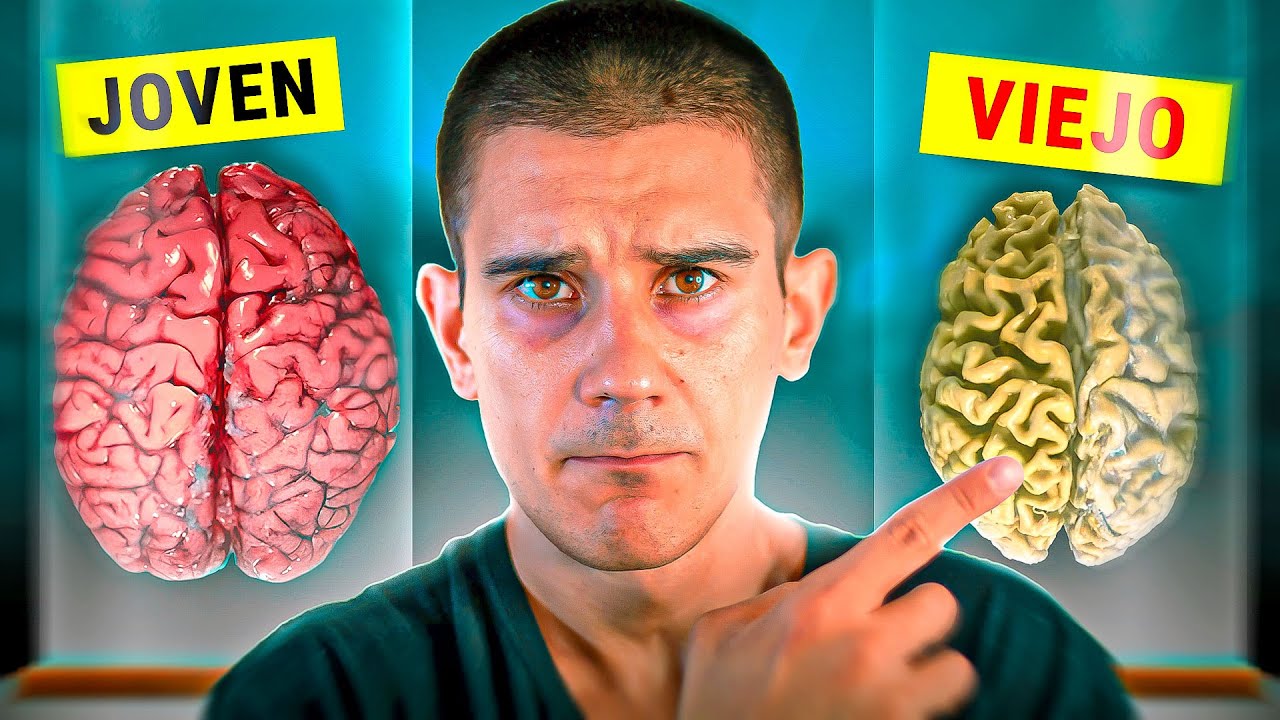
















Trauma and abuse fundamentally alter brain structure and function through six key mechanisms: the amygdala becomes hyperactive, causing constant anxiety and threat perception; the prefrontal cortex weakens, impairing emotional regulation and impulse control; the hippocampus shrinks, leading to memory fragmentation; emotional numbing develops as a protective response; and survivors may engage in risky behaviors because chaos feels familiar. However, the brain possesses neuroplasticity, meaning it can heal and rewire through therapy, safe relationships, and self-compassion, demonstrating that survivors are never beyond repair.
The Neurological Effects of Abuse on Brain Function and Healing
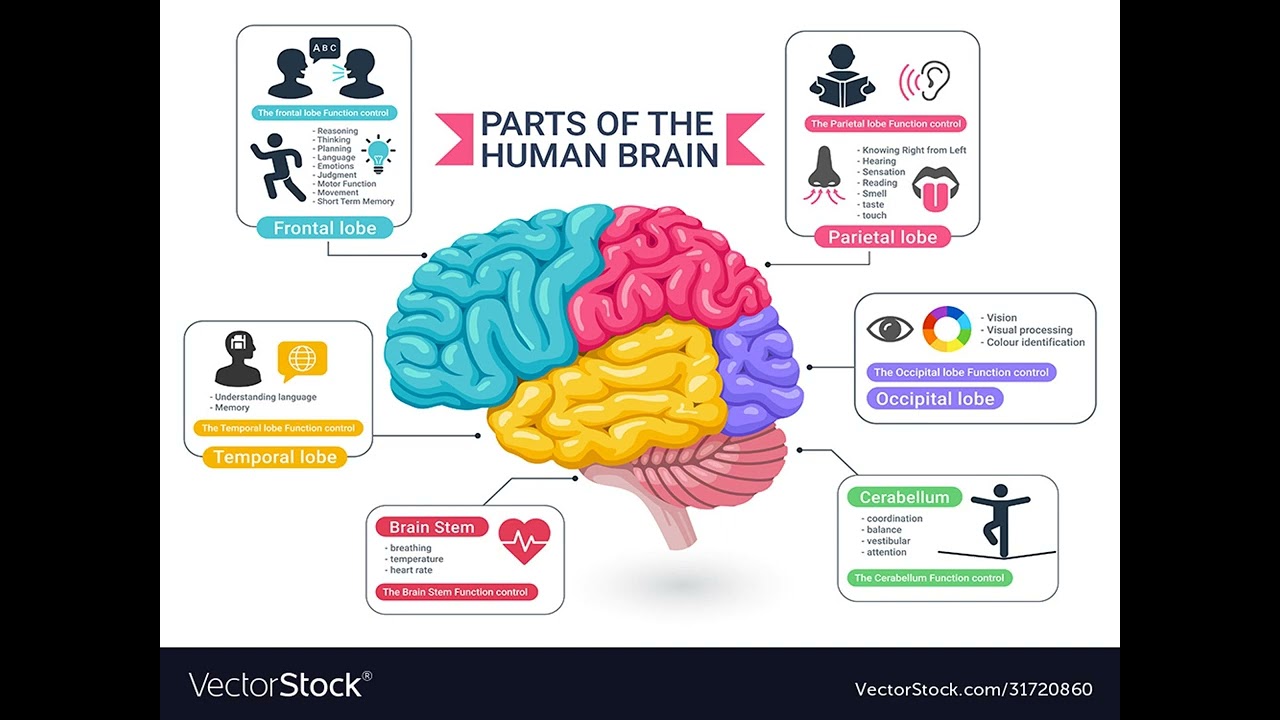
Added:Basic neuroanatomy, specifically the roles of the amygdala, hippocampus, and prefrontal cortex in regulating emotions, memory, and decision-making.
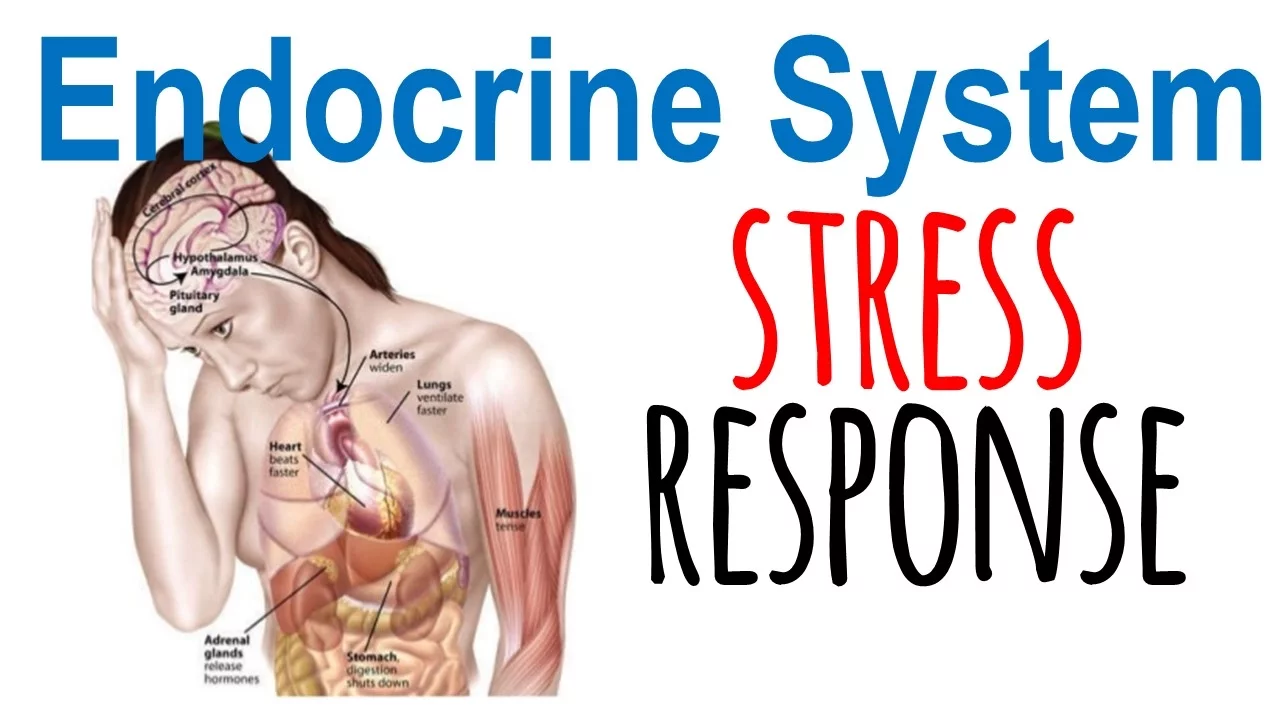
The biology of the human stress response system, including the HPA (hypothalamic-pituitary-adrenal) axis and the physiological impact of chronic cortisol release.
The fundamental concept of neuroplasticity—how the nervous system changes its activity in response to intrinsic or extrinsic stimuli by reorganizing its structure, functions, or connections.
Trauma-informed therapeutic interventions that leverage neuroplasticity for recovery, such as EMDR (Eye Movement Desensitization and Reprocessing) and Somatic Experiencing.
The field of behavioral epigenetics, exploring how trauma and environmental stress can alter gene expression without changing the underlying DNA sequence.
The cognitive and physiological mechanisms of mindfulness-based stress reduction (MBSR) and neurofeedback in restoring emotional regulation.
The societal applications of trauma-informed care within healthcare, education, and the justice system to better support abuse survivors.
183.2K views15.8Klikes6:48Original Release: 2025-05-14
They say time heals all wounds. But when the scars are in your brain, when the damage is wired into the very way you think, react, and feel, time alone isn't enough. If you've been abused, you've probably heard things like, "Just get over it," or "That was years ago." But what those people don't realize is this.
Trauma doesn't keep time like the rest of the world. It doesn't sit in the past. It lingers, seeps into everyday moments, reshapes your sense of safety, your identity, your relationships, even your sense of selfworth. Abuse doesn't just hurt your feelings. It changes your wiring. And if nobody's ever explained that to you properly, then maybe this video is the one you were always meant to hear. Let's talk about what abuse actually does to your brain. Stage one, the brain under threat. When abuse happens, whether it's physical, emotional, verbal, or even subtle manipulation, your brain kicks into survival mode. At the center of this response is the amygdala, the part of your brain designed to scan for danger.
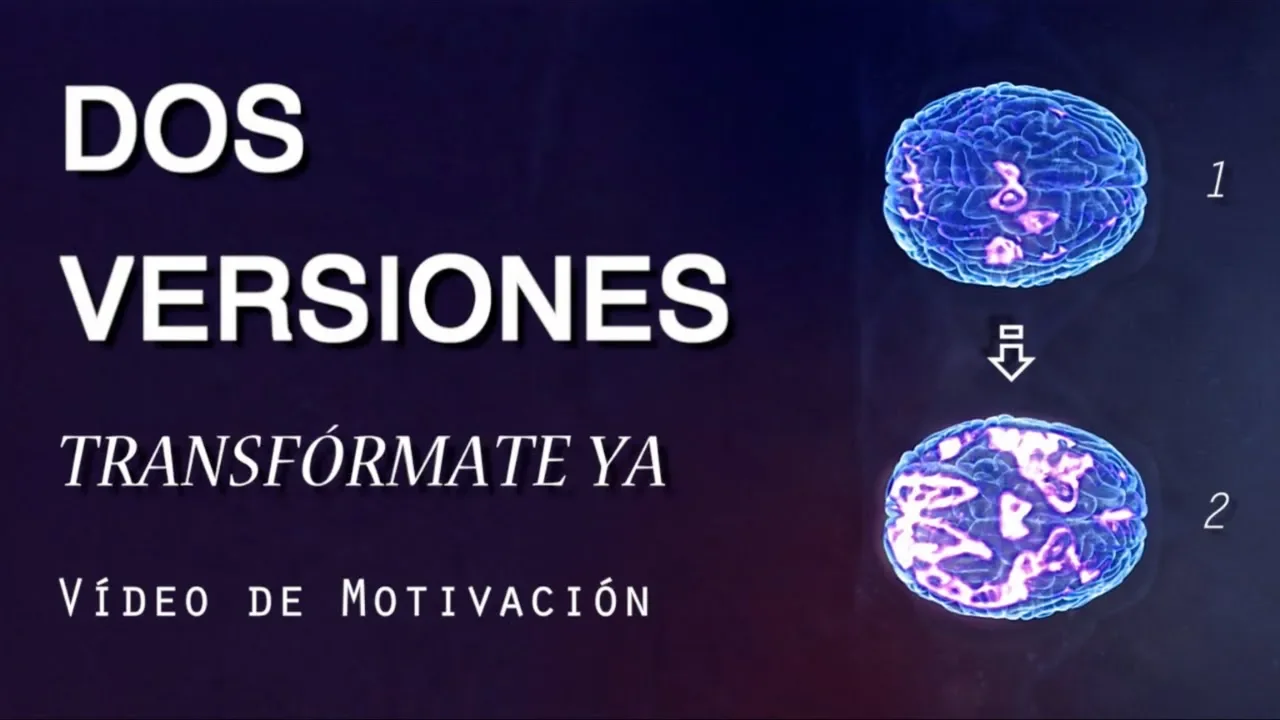
It's your alarm system. And during abuse, that alarm starts ringing constantly. But here's the catch. Your brain doesn't always know when the danger has stopped. So even after the abuse ends, the alarm doesn't. You stay in that heightened state, jumpy, anxious, reactive, as if you're still in the middle of it. You start flinching at harmless comments. You feel your heart race when someone raises their voice, even slightly. You interpret neutral expressions as threatening. It's not because you're dramatic. It's because your brain adapted to survive, and now it doesn't know how to unlearn that. The world starts to feel dangerous, even when it isn't. Stage two, damage to the emotional control center. While your amydala goes into overdrive, something else starts to shut down. Your prefrontal cortex, the part of your brain responsible for logical thinking, emotional regulation, and impulse control. It's like trying to steer a car where the brakes barely work and the gas pedal is stuck. One moment you're okay.
The next you're overwhelmed, crying, angry, numb, or all of those in the span of an hour. You might even start to feel like you're too much for other people, that your reactions are irrational, but they're not. They're disregulated, yes, but not your fault. This imbalance between the hyperactive alarm system and the weakened rational control is what makes emotional regulation so difficult after abuse. And unless someone explains it to you, you just think you're broken, but you're not broken. You're rewired, and rewiring can be undone. Stage three, memory loss and confusion. People often wonder why abuse survivors struggle to recall details. Why some memories come in bits and pieces. Why some things are crystal clear and others feel like fog.
That's the hippocampus at play. The part of the brain responsible for memory and learning. Chronic stress and trauma can shrink it, making it harder to store and retrieve memories properly. That's why some victims go blank during conversations about the abuse. Why they remember certain moments vividly but draw blanks on others. It's not because they're lying or being dramatic. Your brain, in its own way, was trying to protect you. Sometimes it blurs the edges of trauma to help you survive.
Other times, it throws the whole event into a vault and slams the door shut.
But trauma stored in the body always finds a way to leak out through triggers, flashbacks, panic attacks, or emotional shutdowns. So, if you've ever questioned your own memory, doubted your experience, or been told you're just imagining things, no, you're not. Your brain remembers what it can afford to remember, and that's survival, not weakness. Stage four, emotional numbing and disconnection. Over time, your brain might get tired of being scared all the time. So, it pulls another lever, emotional blunting. You stop feeling much of anything, good or bad. The highs, the joys, the laughter, the closeness, they fade because the lows, the pain, the fear, the shame or just too much. So, your brain dulls everything. It's like putting on emotional armor, except now the world feels distant. You watch your life like it's happening to someone else. You smile when you're supposed to, but it feels hollow. You say, "I'm fine."
Because you don't even know what you really feel anymore. This isn't weakness. This isn't coldness. This is trauma doing its job, protecting you in the only way it knows how. But this numbness, it doesn't mean you'll never feel again. It just means your nervous system needs a reason to trust again.
Stage five, impulsivity and coping through chaos. When your brain is stuck in survival mode, calm starts to feel foreign, even dangerous. That's why so many survivors end up in risky situations. Selfharming, binge drinking, picking toxic partners, sabotaging opportunities. It's not because they don't care. It's because chaos feels familiar, predictable even. Sometimes pain feels safer than peace. When your brain is rewired by trauma, it can mistake adrenaline for love. It can confuse neglect with normaly. It can chase intensity over intimacy because intimacy feels too vulnerable. And when your decision-making center, the prefrontal cortex, is weakened. You're left making choices that make things worse just to escape how you feel. But underneath it all, you're not broken.
You're coping in the worst ways maybe, but it's still your brain trying to survive. Stage six, the path to healing.
Here's what the world rarely tells you.
Your brain can heal. It's called neuroplasticity. The ability for your brain to rewire, grow, and reshape based on new experiences. And no matter how long ago the abuse happened, this truth remains. You are never beyond repair.
Healing is not about pretending it didn't happen. It's about teaching your brain that the danger is over, that safety exists now, that joy is safe, that peace isn't a trap. It happens through therapy, through safe relationships, through gentleness with yourself, through slowly building a new default, where calm feels normal, not suspicious. And no, it's not fast. is not easy, but it's possible. And that possibility, it's yours. If you're still here, thank you. That means you were strong enough to face the truth and brave enough to want something better.
In my last video, I broke down the eight alarming signs someone is emotionally unavailable. And I think a lot of you might find it helpful because emotional unavailability often stems from deep pain, sometimes even abuse. So, if this video resonated with you, give that one a watch next. They really go hand in hand. Before you go, let me ask you something. What part of this video hit you the hardest? Was it the memory loss, the emotional numbness, the overreactions you can't explain? Drop it in the comments below. Let's talk about it. Let's create a space where people don't have to carry this alone. And if you found this video helpful in even the smallest way, please take a second to like the video. It helps more people find it. And subscribe so you don't miss the next one. Your brain might have been rewired by trauma, but your future that's still yours to shape.
Up Next
14:34
Polyvagal Theory: 3 Nervous System States for Anxiety
@TherapyinaNutshell
1.4M views•2022-11-10
21:55
Deciphering Neural Circuits Controlling Anorexia in Mice | Richard Palmiter
@AllenInstitute
2.3K views•2011-10-10

4:10
Vagus Nerve (CN X): Anatomy, Nuclei & Functions Explained
@Alilamedicalmedia
305.2K views•2022-10-31
13:03
How Exercise Benefits Your Brain: Science Explained
@TED
11.4M views•2018-03-21
Related Study Plans & Knowledge Roadmaps
Structured learning paths in Neuroscience
neuroscience
Appetite Regulation: Brain Circuits & Hormones
01Foundations of Endocrinology and Brain Anatomy
02Introduction to Energy Homeostasis
03Peripheral Signals: Leptin, Ghrelin, and Insulin
+ 2 more learning modules
14h5 modules
Explore Roadmap
neuroscience
Neuroeconomics: Value, Risk & Brain Mechanisms
01Foundations of Neuroscience and Brain Anatomy
02Introduction to Neuroeconomics and Subjective Value
03Dopaminergic Prediction Errors & Reinforcement Learning
+ 3 more learning modules
18h6 modules
Explore Roadmap
neuroscience
Spatial Navigation: Cells, Grids & Brain Maps
01Foundations of Brain Anatomy and Memory
02Place Cells and Head-Direction Cells
03Grid Cells: The Brain's Coordinate System
+ 2 more learning modules
12h5 modules
Explore Roadmap
neuroscience
BCIs: Neural Decoding & Prosthetic Control
01Neuroscience Foundations: How the Brain Signals Intent
02Signal Acquisition: Recording the Brain's Activity
03Neural Decoding: Translating Brain Waves into Data
+ 2 more learning modules
25h5 modules
Explore Roadmap