When stressed, the body releases cortisol which signals the gut to slow down digestion, causing bloating and acidity; since the gut and brain constantly communicate, this gut stress can trigger anxiety even before the brain recognizes the stress, explaining why people often feel stomach discomfort before stressful events like meetings.
The Gut-Brain Axis: How Stress Triggers Digestive Discomfort
Added:Deep Dive
Basic anatomy of the Autonomic Nervous System, specifically the Sympathetic (fight-or-flight) and Parasympathetic (rest-and-digest) divisions.

Introduction to Nervous System Anatomy & Physiology | CNS | PNS | Nerves | Lecture - 1
135.8K
The autonomic nervous system has two opposing divisions that work in opposition to maintain balance: (1) Sympathetic division - activates during stress, danger, or emergencies (fight or flight response); increases heart rate, dilates pupils, and redirects blood flow to muscles; prepares the body for rapid action; (2) Parasympathetic division - activates during rest and digestion; decreases heart rate, stimulates digestion, and conserves energy; promotes relaxation and recovery. These two divisions work together to maintain homeostasis by adjusting the body's readiness for activity versus rest.
Click to watch →

Nervous system anatomy introduction
133.6K
The autonomic nervous system divides into sympathetic (thoracolumbar origin) and parasympathetic (craniosacral origin) divisions. Sympathetic neurons project from spinal cord to ganglia to targets, enabling rapid 'fight or flight' responses. Parasympathetic neurons project from brain (vagus nerve) and sacral cord to targets, mediating 'rest and digest' functions. Both divisions often work antagonistically—for example, opposing effects on heart rate. This dual control maintains homeostasis through coordinated unconscious regulation of internal organs.
Click to watch →
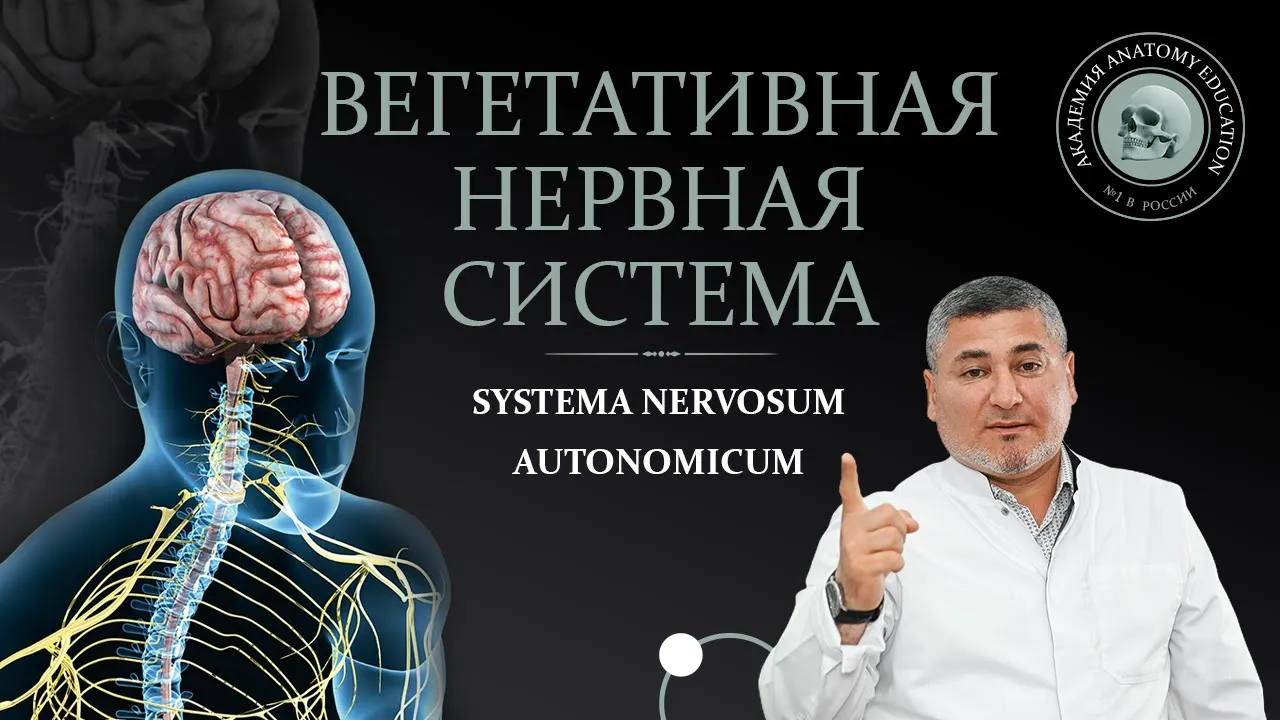
Вегетативная нервная система. Симпатическая и парасимпатическая части
530.5K
The autonomic nervous system (ANS) is the involuntary part of the nervous system that controls internal organs, glands, and smooth muscles without conscious control, divided into sympathetic (fight-or-flight response, originating from T1-L2 spinal segments) and parasympathetic (rest-and-digest response, originating from brainstem nuclei and S2-S4 spinal segments) divisions, which work antagonistically to regulate organ functions like heart rate, digestion, and glandular secretion through a two-neuron reflex arc involving preganglionic and postganglionic fibers.
Click to watch →
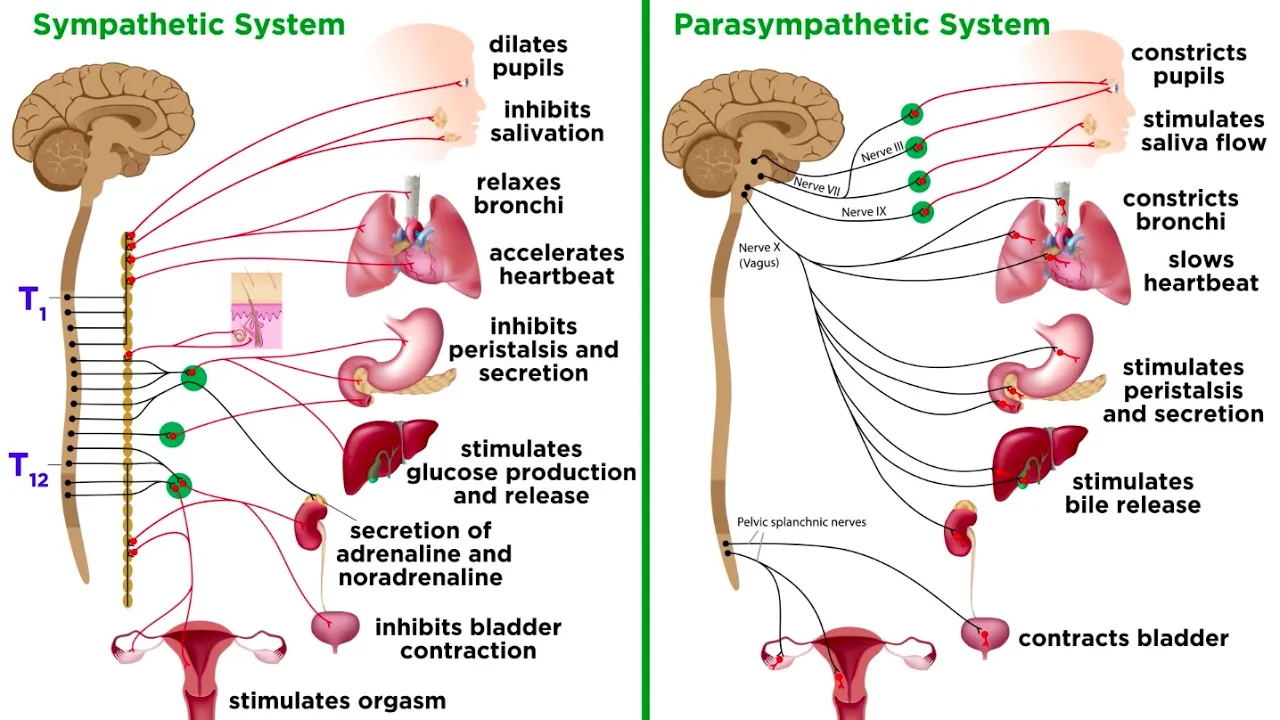
The Autonomic Nervous System: Sympathetic and Parasympathetic Divisions
1.3M
The autonomic nervous system controls involuntary bodily functions like heartbeat and digestion through two opposing divisions: the sympathetic division triggers fight-or-flight responses during emergencies by increasing heart rate, constricting blood vessels, and releasing glucose, while the parasympathetic division manages rest-and-digest functions including digestion and waste elimination; these divisions work together through dual innervation, with the sympathetic originating from thoracic and lumbar spinal cord regions and the parasympathetic from the brain and sacral region, using a two-neuron chain where preganglionic neurons release acetylcholine and postganglionic neurons release either acetylcholine or norepinephrine.
Click to watch →

Autonomic Nervous System (Sympathetic & Parasympathetic) - Overview
400.8K
The autonomic nervous system, a subdivision of the peripheral nervous system, controls unconscious bodily functions through two opposing divisions: the sympathetic nervous system (fight or flight response) and the parasympathetic nervous system (rest and digest response). Both divisions use a two-neuron chain with preganglionic neurons releasing acetylcholine, but differ in their postganglionic neurotransmitters and receptor types—sympathetic uses noradrenaline acting on adrenergic receptors (alpha and beta), while parasympathetic uses acetylcholine acting on muscarinic receptors. The sympathetic division originates from the thoracolumbar region of the spinal cord and activates organs like the heart, airways, and blood vessels to prepare the body for stress, whereas the parasympathetic division originates from cranial nerves III, VII, IX, X and the sacral region, promoting relaxation and digestion through effects on the heart, digestive system, and other organs.
Click to watch →
Deep Dive
An introduction to the Vagus Nerve, the primary cranial nerve responsible for bidirectional communication between the brain and internal organs.
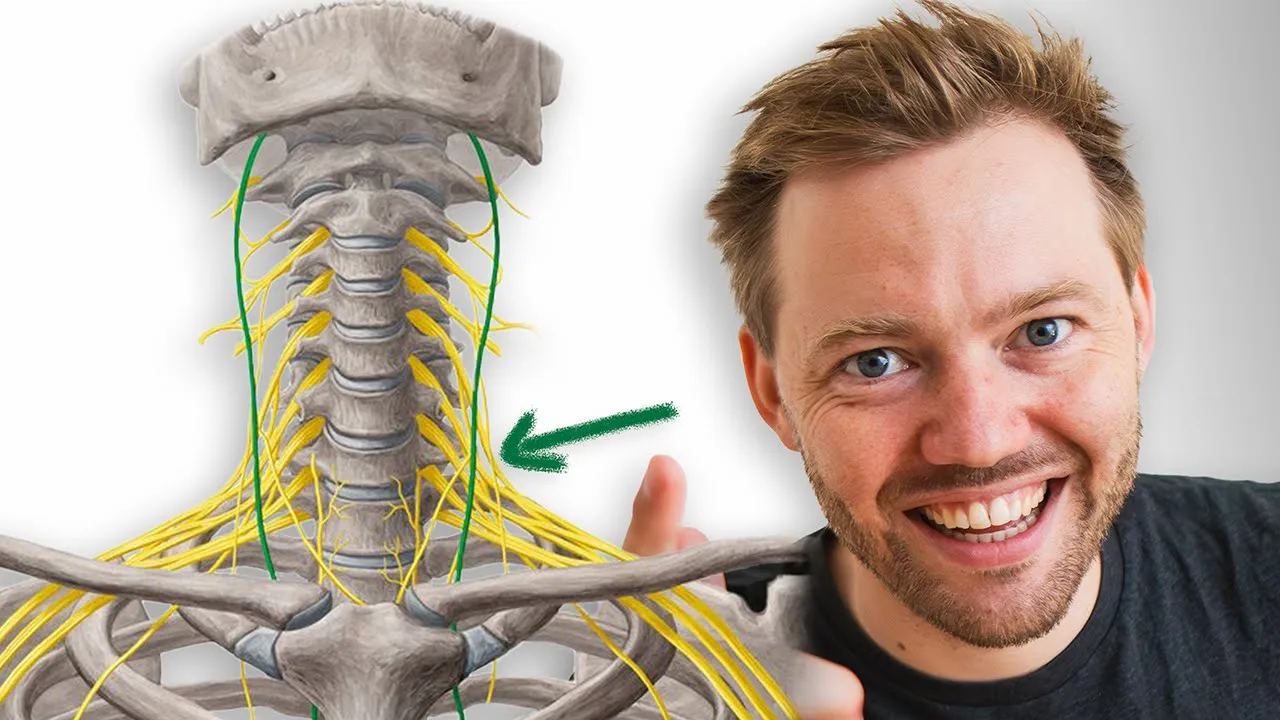
Vagus-Nerv WIRKLICH verstehen (Anatomie + Funktion)
107K
The vagus nerve (Nervus vagus, cranial nerve X) is the longest cranial nerve that extends from the brainstem through the thorax and abdomen, serving as the primary connection between the brain and internal organs; it carries approximately 75% of all parasympathetic fibers and is responsible for transmitting sensory information from internal organs to the brain while also sending motor commands to regulate heart rate, digestion, and other autonomic functions, making it essential for the body's rest-and-digest response.
Click to watch →

Path of the Vagus Nerve: A Visual Anatomy Guide
235.5K
The vagus nerve is a cranial nerve (CN X) that carries parasympathetic and motor fibers from the brainstem to the neck, chest, and abdomen. It serves as the primary 'rest and digest' pathway of the autonomic nervous system, slowing heart rate and initiating digestion while working against the sympathetic 'fight or flight' response. The nerve also carries visceral afferent sensory fibers that monitor internal organ conditions. Originating from the medulla oblongata, it exits the cranial cavity through the jugular foramen, positioned near the internal jugular vein and internal carotid artery within the carotid sheath.
Click to watch →
Neurology | Vagus Nerve: Cranial Nerve X
322.8K
The vagus nerve (cranial nerve X) is the most extensive cranial nerve, serving as a mixed nerve that carries general somatic afferent (GSA) fibers for touch/pain/temperature sensation from the ear and neck, special visceral afferent (SVA) fibers for taste from the epiglottis, special visceral efferent (SVE) fibers for motor control of pharyngeal and laryngeal muscles (including the pharyngeal constrictors, levator veli palatini, palatoglossus, palatopharyngeus, and intrinsic laryngeal muscles), general visceral afferent (GVA) fibers for visceral sensation from thoracic and abdominal viscera, and general visceral efferent (GVE) fibers for parasympathetic innervation of the heart, lungs, esophagus, stomach, intestines, liver, pancreas, and gallbladder; it originates from the medulla oblongata, exits through the jugular foramen, and forms important plexuses including the pharyngeal plexus, pulmonary plexus, cardiac plexus, esophageal plexus, celiac plexus, and hepatic plexus.
Click to watch →

ACTIVATION Profonde du Système Nerveux : POURQUOI et COMMENT ? Je te dis TOUT
43.4K
The vagus nerve is a cranial nerve (one of two, left and right) that is the longest nerve in the human body. It originates from the brainstem and extends throughout the thorax and abdomen, connecting to virtually all major organs. It serves as the primary messenger between the brain and internal organs, transmitting information in both directions.
Click to watch →

Nervio Vago: El Interruptor que Apaga el Estrés y Repara tu ADN
57.2K
The vagus nerve is the tenth cranial nerve, one of 12 main nerves emerging directly from the brain. It is more than a simple nerve—it is a complex bidirectional communication highway. It originates in the brainstem, travels down the neck, passes through the chest touching the heart and lungs, and extends to the stomach and intestines. The 80% sensory fibers mean 80% of information travels from body to brain, making organs like the heart and intestines constant messengers reporting their status. The vagus nerve holds the official title of chief of the parasympathetic nervous system, also known as the 'rest and digest' system. When active, it slows heart rate rhythmically, promotes healthy digestion, prevents inflammation, and enables cellular repair. Without an active vagus nerve, the telomerase enzyme (which repairs telomeres) remains inactive.
Click to watch →
Deep Dive
The concept of the Enteric Nervous System (ENS), often referred to as the body's 'second brain,' and its role in local gastrointestinal regulation.

Concept 26-27 | Class 10 | 101 Golden Concepts| SSC EXAMS 2025 | Biology By Radhika Ma'am #ssc #2025
40.7K
The enteric nervous system, located in the digestive tract, is sometimes called the 'second brain' because it can function independently of the central nervous system. It controls digestive processes and explains 'gut feelings.' The brain serves as the central control center for all nervous system functions, processing sensory information and coordinating responses.
Click to watch →
Introduction to Nervous System Anatomy & Physiology | CNS | PNS | Nerves | Lecture - 1
135.8K
The enteric nervous system (ENS) is a third major division of the autonomic nervous system that controls the gastrointestinal tract independently of the brain and spinal cord. Located in the walls of the digestive tract from the esophagus to the anus, the ENS contains approximately 500 million neurons—more than the entire spinal cord. It can function autonomously to control digestion, peristalsis, enzyme secretion, and other gut functions, earning it the nickname 'second brain.' The ENS communicates with the central nervous system primarily through the vagus nerve. This gut-brain axis allows the brain to influence digestive function and vice versa. Stress and emotional states can significantly impact digestive function because the ENS is sensitive to signals from the brain. Disruptions in this axis are linked to various conditions including irritable bowel syndrome, anxiety, mood disorders, and gastrointestinal problems.
Click to watch →

El sistema nervioso entérico: segundo cerebro
88.3K
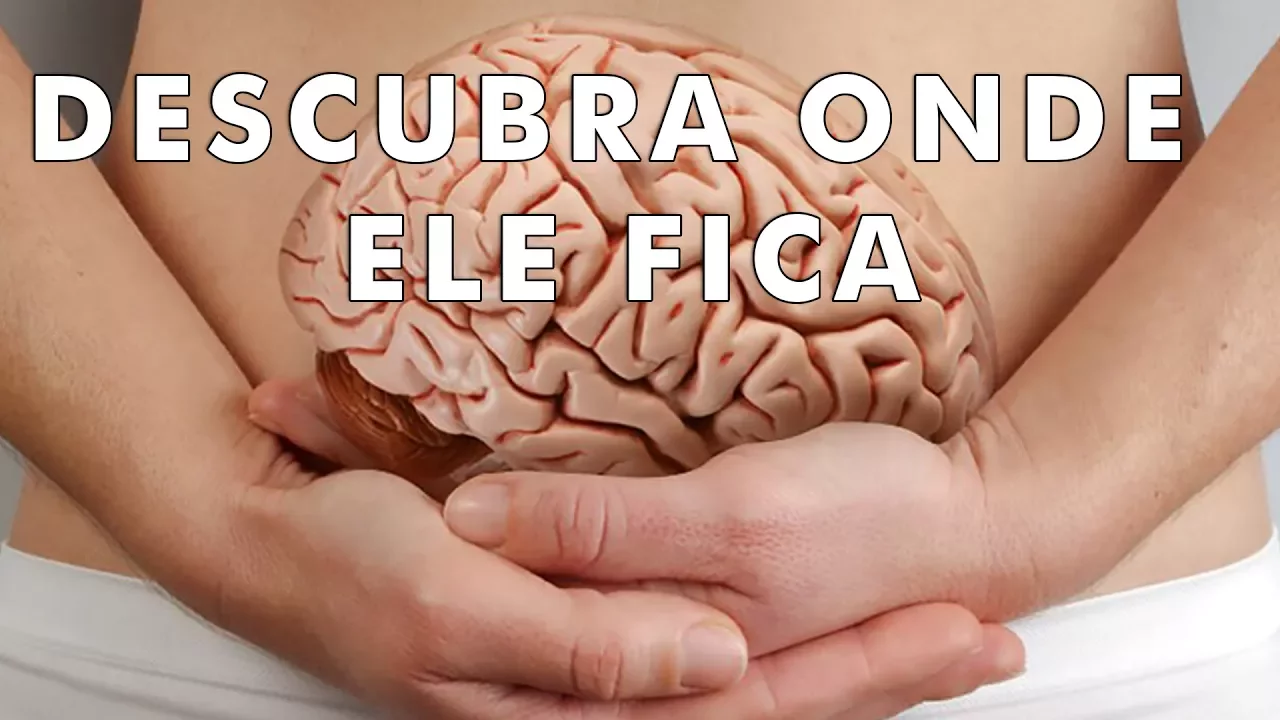
The enteric nervous system, often called the 'second brain,' consists of approximately 100 million neurons lining the gastrointestinal tract from the esophagus to the anus, functioning as an independent nervous system that communicates bidirectionally with the central nervous system; this system produces about 90-95% of the body's serotonin, which explains why 30-40% of people with depression and anxiety also suffer from gastrointestinal disorders, and it is influenced by gut bacteria that can even affect food preferences and cravings.
Click to watch →
Acredite, você tem um segundo cérebro (e não sabia disso)
199.4K
The human digestive system contains approximately 100 billion neurons in the enteric nervous system, which is located along the entire length of the intestinal tract and can function as a 'second brain.' This system produces neurotransmitters like serotonin (responsible for feelings of happiness and well-being) and communicates directly with the brain through the vagus nerve, influencing mood, emotions, and even potentially helping to alleviate conditions like depression and epilepsy.
Click to watch →

Estrés/ansiedad: El papel del eje intestino-cerebro y la microbiota intestinal en tiempos de crisis
108.2K
The gut is called the 'second brain' due to its complex neural network containing approximately 200 million neurons spread across 8 meters of the gastrointestinal tract. This enteric nervous system is regulated by both sympathetic and parasympathetic nervous systems and communicates with the brain through the vagus nerve. The gut produces significant amounts of neurotransmitters, including approximately 90% of the body's serotonin. This neural complexity allows the gut to process information independently while maintaining bidirectional communication with the central nervous system, creating a sophisticated communication system that influences mood, stress responses, and overall mental health.
Click to watch →
Deep Dive
Fundamentals of the stress response, including how cortisol and adrenaline affect systemic physiological functions.

El peligro oculto del estrés ⚠️🤯 - Dr. Miguel Ángel Gou y Marco Antonio Regil
334.3K
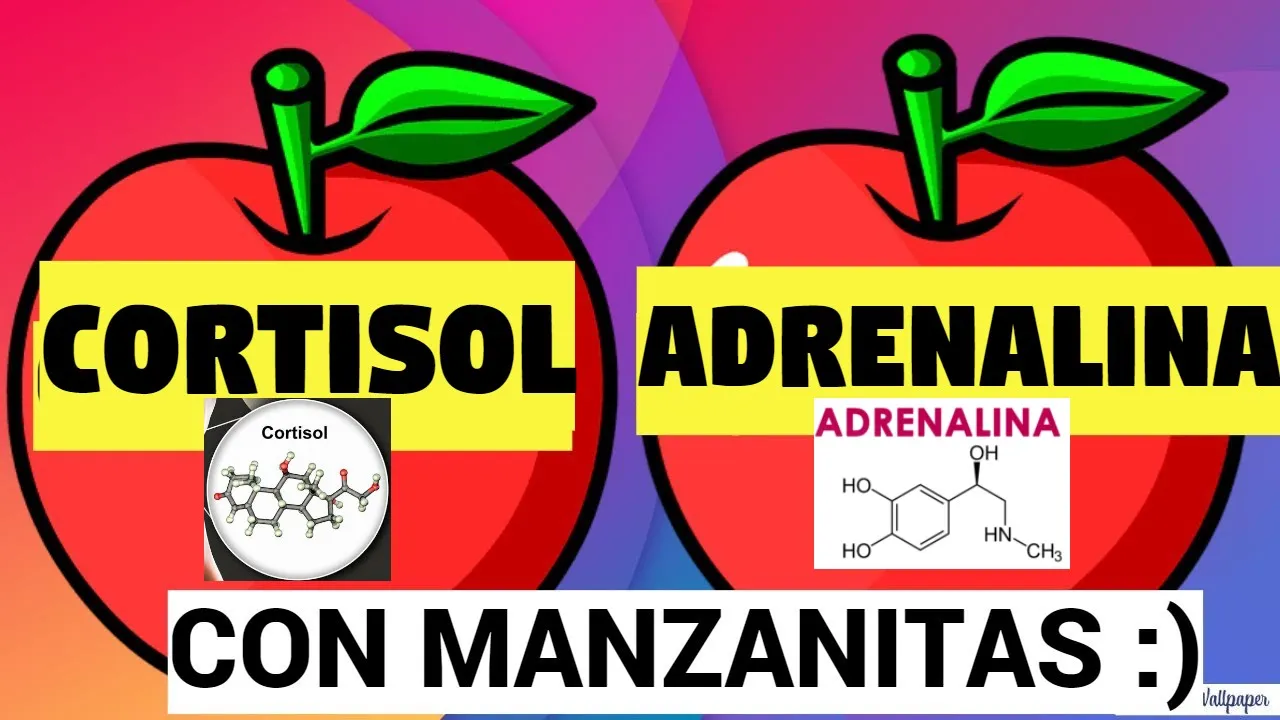
The adrenal gland has two zones: the cortex produces cortisol, and the medulla produces adrenaline. During stress, these hormones increase blood glucose, break down muscle tissue for energy, cause insulin resistance, increase heart rate, dry the mouth, dilate pupils, and affect blood vessel constriction. These responses prepare the body to run faster or fight for survival. The autonomic nervous system controls these involuntary responses and is difficult to control consciously. When activated by stress hormones, it can cause rapid heart rate, hyperventilation, and other physiological changes that affect overall health.
Click to watch →
CORTISOL Y ADRENALINA CON MANZANITAS | Estrés alto
24K
Cortisol and adrenaline are two critical stress hormones produced by the adrenal glands that work together to prepare the body for threatening situations; cortisol (a steroid hormone regulated by the hypothalamic-pituital-adrenal axis) increases blood glucose availability through gluconeogenesis and suppresses immune function, while adrenaline (a catecholamine) elevates heart rate and redirects blood flow to muscles, creating a coordinated fight-or-flight response that enhances physical performance but can cause health problems when chronically elevated or deficient.
Click to watch →

Está es la razon por la que te sientes triste | Andrew Huberman & Lewis Howes
331.7K
The stress response system involves cortisol and adrenaline working together. Cortisol, released by the adrenal glands, has important positive effects like waking the body and providing energy, but chronically elevated levels (especially a secondary peak at 9 PM) are associated with depression and anxiety. Adrenaline creates immediate feelings of agitation and alertness within milliseconds of stress. This system also activates the immune system, recruiting immune cells to fight infections. The stress response is an evolved adaptation, not merely a defect, and is essential for survival and achieving goals.
Click to watch →

OS 7 TIPOS DE ESTRESSE
260.6K
The stress response involves cortisol, adrenaline, inflammatory cytokines, and the enteric nervous system. These elements work together in the body's stress response. Understanding this systemic involvement is crucial for participating in one's own healing process and restorative health.
Click to watch →

Life, Concepts and Issues: Life Sciences 15, Course 12
2K
Cortisol and adrenaline are central to the body's stress response system. Cortisol, a steroid hormone made from cholesterol, makes sugar available by breaking down glycogen in muscles and fat cells, while suppressing the immune system to prioritize survival. Adrenaline, a peptide hormone derived from tyrosine, increases heart rate and depth, breaks down liver glycogen, and dilates bronchial tubes for oxygen intake. Both hormones prepare the body for fight-or-flight responses. However, humans uniquely override stress signals through cognitive control, leading to chronic cortisol elevation that increases susceptibility to illness and ulcers. Unlike animals that resolve stress through immediate physical action, humans often face prolonged stress without resolution, creating long-term health consequences.
Click to watch →
Prerequisite Knowledge
- Concept 01Basic anatomy of the Autonomic Nervous System, specifically the Sympathetic (fight-or-flight) and Parasympathetic (rest-and-digest) divisions.
- Concept 02An introduction to the Vagus Nerve, the primary cranial nerve responsible for bidirectional communication between the brain and internal organs.
- Concept 03The concept of the Enteric Nervous System (ENS), often referred to as the body's 'second brain,' and its role in local gastrointestinal regulation.
- Concept 04Fundamentals of the stress response, including how cortisol and adrenaline affect systemic physiological functions.
Subsequent Learning
- Step 01The role of the Gut Microbiome in producing neurotransmitters like serotonin and GABA, and how microbial health influences mood disorders.
- Step 02Clinical implications of the gut-brain axis, such as Irritable Bowel Syndrome (IBS) and the field of psychogastroenterology.
- Step 03The Hypothalamic-Pituitary-Adrenal (HPA) axis and its biochemical mechanisms linking chronic psychological stress to gut barrier dysfunction (leaky gut).
- Step 04Therapeutic interventions utilizing the gut-brain connection, including gut-directed cognitive behavioral therapy (CBT), mindfulness, and dietary approaches (probiotics/prebiotics).
Gut Stress
Gut Stress
0:00Playing Section
- 1
Cortisol slows digestion, causing bloating and acidity.
- 2
Gut-brain link triggers anxiety before conscious awareness.
- 3
Relaxation, fiber, and slow eating restore gut function.
The Gut-First Hypothesis and the Risk of Over-Psychologization
While the gut-brain axis highlights how stress impacts digestion, a significant counter-perspective warns against over-psychologizing digestive disorders. Critics and researchers of the gut-first model argue that many chronic digestive issues, such as Irritable Bowel Syndrome (IBS), are primarily driven by localized organic pathologies—such as Small Intestinal Bacterial Overgrowth (SIBO), low-grade mucosal inflammation, food intolerances, or gut barrier dysfunction—rather than psychological stress. Attributing these symptoms predominantly to stress can lead to delayed diagnoses and ineffective treatment plans that focus on stress management while ignoring underlying physical dysfunctions. Furthermore, emerging research indicates that anxiety and depression are often the consequence of gut-derived inflammatory signals traveling to the brain, rather than the initial cause. This suggests that the primary therapeutic target should remain the physical environment of the gut rather than mental state alone.
Deep Dive
The role of the Gut Microbiome in producing neurotransmitters like serotonin and GABA, and how microbial health influences mood disorders.

Why Fixing Your Gut Could Help Your Depression!
46.9K
The gut microbiome consists of approximately 100 trillion microbes across 5,000 species, weighing about 2 pounds. A third to half of all blood metabolites are produced by gut bacteria, not humans. Good bacteria produce healing metabolites like short-chain fatty acids and vitamins, while bad bacteria produce harmful endotoxins called lipopolysaccharides. Certain gut bacteria directly produce neurotransmitters: Lactobacillus plantarum, Bifidobacterium, and certain E. coli strains produce dopamine; Lactobacillus plantarum and Streptococcus thermophilus produce serotonin (with 90-95% of the body's serotonin made in the gut); Bifidobacterium, Lactobacillus rhamnosus, and Akkermansia muciniphila produce GABA. These neurotransmitters affect both gut and brain function, explaining how gut health influences mood and mental state.
Click to watch →

How Your Gut Bacteria Controls Your Mood
54.5K
The gut microbiome, a collection of bacteria, fungi, and viruses in the digestive tract weighing approximately the same as the brain, produces 95% of serotonin and other neurotransmitters that regulate mood, sleep, appetite, and stress; research demonstrates that gut bacteria influence mental health through the gut-brain axis (communication via the vagus nerve), with studies showing that faecal microbiota transplants can improve depression, bipolar disorder, and anxiety symptoms, while psychobiotics like bifidobacterium and lactobacillus found in fermented foods may help reduce depressive symptoms by supporting gut health.
Click to watch →

Gut Microbiome & Mental Health: The Gut-Brain Axis Explained
34.8K
The gut microbiome produces approximately 95% of the body's neurotransmitters including serotonin, norepinephrine, and dopamine, and communicates bidirectionally with the brain through the vagus nerve, meaning gut health significantly impacts mental health conditions such as depression, anxiety, addiction, ADHD, autism, and bipolar disorder, and improving gut health through stress management, mindfulness, meditation, exercise, proper nutrition, and sleep can enhance treatment outcomes for these conditions.
Click to watch →

Mind, Mood, & Microbiome: Gut-Brain Axis Insights with Zenbiome Dual
489
Three key neurotransmitters are produced and regulated by gut microbiota: GABA (inhibitory neurotransmitter for relaxation), dopamine (motivation and reward system), and serotonin (mood, sleep, and gut motility). Approximately 90% of serotonin is produced in the gut by enterochromaffin cells, with microbial modulation of tryptophan being critical. Gut bacteria produce short-chain fatty acids that cross the blood-brain barrier and influence neurotransmitter production. Different strains of the same species can have vastly different effects—some Bacteroides fragilus and E. coli strains are beneficial rather than pathogenic. Psychobiotics are live organisms that produce beneficial effects on mental health when ingested in adequate amounts. Strain specificity is critical for effective intervention.
Click to watch →
Gut Microbes and Mental Health: Clinical Applications from the GI-MAP
467
Gut microbes produce neurotransmitters (serotonin, dopamine, norepinephrine, GABA) directly or stimulate intestinal cells to produce them. Over 90% of serotonin and over 50% of dopamine are produced in the gut. Gut-derived neurotransmitters don't cross the blood-brain barrier but influence the brain via vagus nerve stimulation. The gut affects tryptophan availability (serotonin precursor) and inflammation can divert tryptophan toward neurotoxic kynurenine pathway products like quinolinic acid. Hormones GLP-1 and PYY are produced by L cells in response to microbial metabolites and affect mood, memory, and learning. GLP-1 enhances hippocampal synaptic plasticity and shows neuroprotective effects in Alzheimer's and Parkinson's.
Click to watch →
Deep Dive
Clinical implications of the gut-brain axis, such as Irritable Bowel Syndrome (IBS) and the field of psychogastroenterology.

Oś Mózgowo-Jelitowa: Mikrobiota Jelitowa a Leczenie Stresu | Prof. Wojciech Marlicz
251.8K
The gut-brain axis represents bidirectional communication between the gastrointestinal tract and the central nervous system. Psychogastroenterology studies how psychological factors influence gut function and vice versa. A case study illustrates this connection: a young man developed skin changes, digestive issues, and psychiatric symptoms (anxiety, depression) after antibiotic use and academic stress. Diagnosis revealed non-celiac gluten sensitivity, demonstrating how gut dysfunction manifests as both physical and mental health problems. This bidirectional relationship means treating one aspect often benefits the other.
Click to watch →

Wpływ jelit na zaburzenia lękowe. I odwrotnie. Co warto wiedzieć?
18.1K
The gut-brain axis is a bidirectional communication network between the central nervous system and digestive system. The intestines contain approximately 100 million neurons (more than the spinal cord), earning them the title 'second brain.' About 90% of serotonin (the mood-regulating neurotransmitter) is produced in the gut by enterochromaffin cells with significant microbiota involvement. The gut also influences GABA, dopamine, and cortisol levels. Conversely, psychological stress affects gut function through stomach acid secretion, motility, and barrier permeability. This bidirectional relationship explains why anxiety disorders often coexist with digestive problems like IBS, SIBO, and reflux. Current research supports a circular model where both systems mutually reinforce each other, requiring simultaneous psychological and biological intervention for effective treatment.
Click to watch →

Síndrome do Intestino Irritável e a relação com depressão
42.4K
The gut contains the second highest number of neurons in the body, earning it the title of 'second brain.' Serotonin plays a fundamental role in both gut function and emotional states, creating a bidirectional relationship where emotional states influence gut function and vice versa. Studies reveal that 40% of gastroenterology clinic patients have mental disorders, particularly depression and anxiety, while up to 80-90% of IBS patients experience these conditions. Functional constipation correlates with higher depression rates and worse quality of life. Antidepressants affecting serotonin can cause bowel changes, demonstrating the delicate balance between mental health medications and gastrointestinal function. This evidence supports holistic treatment approaches addressing both physical and emotional aspects.
Click to watch →
Gut Health, Detox Myths, Liver Disease| Beyond The Diagnosis Ep-3 | Dr Philip Abraham | Faye D'Souza
214
Irritable Bowel Syndrome has been reclassified as a gut-brain axis disorder, involving bidirectional communication between gut and brain. The Rome Foundation has established diagnostic criteria for IBS. Treatment focuses on symptom management since IBS does not cause physical damage but causes ongoing discomfort. For patients with anxiety-related symptoms (like pre-flight bowel issues), treatment involves managing both anxiety and bowel symptoms. Gastroenterologists can use medications like amitriptyline or chlordiazepoxide, with psychiatrists involved for severe cases. The gut-brain axis explains phenomena like needing to use the bathroom before stressful situations.
Click to watch →
🚨¿GASES constantes?¿ABDOMEN INFLADO? Es ¨COLON IRRITABLE¨ Dr. Pepe Bandera
5.4K
The gut-brain axis involves direct neural connections between the brain and intestine. IBS pathophysiology involves multiple factors: altered peristalsis, intestinal microbiota imbalance (dysbiosis), increased visceral sensitivity, and emotional stress. Type A personality traits (neurotic, perfectionistic, controlling) are associated with higher IBS prevalence. The intestine contains the second highest concentration of neurons in the body, earning it the nickname 'second brain.'
Click to watch →
Deep Dive
The Hypothalamic-Pituitary-Adrenal (HPA) axis and its biochemical mechanisms linking chronic psychological stress to gut barrier dysfunction (leaky gut).

Food & Environmental Allergy Testing: Zonulin & Histamine - Rupa Health
4.3K
This section presents the bidirectional circuit connecting gut permeability, inflammation, and the hypothalamic-pituitary-adrenal (HPA) axis. Chronic stress activates the HPA axis, increasing cortisol which directly upregulates gut permeability through multiple mechanisms: increased sympathetic output affecting enteric nervous system signaling, corticotropin-releasing hormone release from anaerophen cells, and mast cell activation releasing leukotrienes and histamine. This creates a self-perpetuating cycle where stress causes gut permeability, which causes inflammation, which causes more stress response. The lecture emphasizes that understanding this gut-brain-axis circuit is fundamental to systems biology medicine and precision healthcare approaches.
Click to watch →

Can Poo Treat Mental Illness? The Gut-Brain Axis Explained
3.7K
The hypothalamic-pituitary-adrenal (HPA) axis mediates stress responses, releasing cortisol which acts on gut muscles, immune cells, and microbiota. Chronic stress creates a harmful feedback loop: increased cortisol causes intestinal barrier dysfunction (leaky gut), allowing cytokines to escape and trigger pro-inflammatory states characterized by elevated TNF-alpha, interferon alpha, and IL-6. IL-6 activates the HPA axis while down-regulating glucocorticoid receptors, eliminating the normal feedback loop and creating HPA axis hypersensitivity. Lipopolysaccharides from gram-negative bacteria trigger inflammatory responses linked to psychiatric disorders. Gut microbiota produces water-soluble vitamins and affects micronutrient absorption; dysbiosis leads to deficiencies contributing to depression. Recurrent antibiotic exposure increases depression and anxiety risk by reducing microbiota diversity. Therapeutic interventions include probiotics meeting strict classification criteria: live microbes in adequate numbers, genetically identified strains with demonstrated efficacy. Mechanisms include regulating intestinal microbiota, preserving gut barrier integrity, and modulating local inflammation. Evidence suggests daily probiotic supplementation improves mood, anxiety, and cognitive symptoms in major depressive disorder, particularly reducing anxiety comorbid with depression.
Click to watch →
Intestino e Cérebro: O segredo para a Cura da Depressão
8.3K
The HPA axis (Hypothalamic-Pituitary-Adrenal axis) is the body's stress response system. When activated, it releases cortisol, a hormone with anti-inflammatory properties that becomes problematic when chronically elevated. Excess cortisol makes the intestinal wall more permeable (leaky gut), allowing substances to pass through that normally wouldn't. Interleukin-6 (IL-6) is a signaling molecule produced by the immune system that communicates danger signals to the brain. When the gut becomes permeable due to stress, IL-6 is released and travels to the brain, where it can interfere with normal brain function, creating a feedback loop where stress causes gut permeability, which releases IL-6, which then causes more stress responses.
Click to watch →

A Importância do Eixo Intestino-Cérebro | Murilo Pereira 🧠🔗
11.1K
The gut-brain axis is bidirectional. The HPA axis (hypothalamic-pituitary-adrenal) activates in all stress conditions, increasing cortisol production. Chronic stress from environmental factors or negative thoughts can cause intestinal problems. Mast cell degranulation releases histamine, creating stress signals that increase HPA activity. Under stress, glutamine depletion reduces intestinal epithelial integrity, increasing leaky gut vulnerability.
Click to watch →

EPS. 13: The Gut Brain Connection - a Deep Dive with Kiran Krishnan
1.1K
The hypothalamic-pituitary-adrenal (HPA) axis activates rapidly during stress: external stressors trigger CRH release, stimulating ACTH and cortisol production. Simultaneously, the sympathetic nervous system activates fight-or-flight responses, releasing catecholamines that activate NF-kappa B in immune cells throughout the body, including the central nervous system. These activated cells release pro-inflammatory cytokines to increase blood perfusion to critical organs. Cortisol dumped into the gut creates significant hyperpermeability, facilitating systemic inflammatory responses that can reactivate the HPA axis, creating a self-perpetuating cycle where stress causes leaky gut, which causes inflammation, which reactivates stress responses. Peptidoglycan, a bacterial byproduct produced by specialized microbes like Bifidobacterium longum 1714, stops cortisol-induced gut leakiness, reduces inflammatory cytokine expression, prevents HPA axis reactivation, and shifts tryptophan metabolism back toward serotonin and melatonin production.
Click to watch →
Deep Dive
Therapeutic interventions utilizing the gut-brain connection, including gut-directed cognitive behavioral therapy (CBT), mindfulness, and dietary approaches (probiotics/prebiotics).
Oś Mózgowo-Jelitowa: Mikrobiota Jelitowa a Leczenie Stresu | Prof. Wojciech Marlicz
251.8K
Functional gastrointestinal disorders (FGIDs) like irritable bowel syndrome represent manifestations of gut-brain axis dysfunction rather than purely mechanical problems. The enteric nervous system contains approximately 500 million neurons capable of independent function. Effective treatment requires integrated multidisciplinary approaches combining gastroenterology, dietetics, and psychology. Mind-body therapies including cognitive-behavioral therapy, gut-directed hypnotherapy, mindfulness meditation, and yoga modulate gut-brain signaling. Psychobiotics are live microorganisms providing mental health benefits by modulating gut-brain axis function, with research demonstrating efficacy comparable to some antidepressants for mild to moderate anxiety and depression. Pharmacological interventions including neuromodulators, antispasmodics, and targeted antibiotics should be reserved for refractory cases and used judiciously alongside lifestyle and psychological interventions. Preventive strategies for maintaining healthy gut-brain axis function include adequate sleep (7-9 hours), regular physical activity, mindful eating (chewing thoroughly, avoiding stress while eating), staying hydrated, and limiting excessive medication use. Prebiotics (soluble fiber from oats, bananas, onions) selectively stimulate beneficial bacteria. Diagnosing gut-brain axis disorders requires systematic exclusion of organic causes including celiac disease, inflammatory bowel disease, microscopic colitis, and colorectal cancer. Alarm symptoms requiring investigation include blood in stool, unexplained weight loss, iron deficiency anemia, family history of colorectal cancer, and age over 50 years.
Click to watch →
The Gut-Brain Connection, with Emeran Mayer
527.6K
Fecal microbiota transplantation effectively restores gut microbiomes destroyed by antibiotics. IBS is now recognized as a gut-brain interaction disorder, with brain-targeted therapies (mindfulness, hypnosis, CBT) outperforming medications. However, probiotics lack sufficient evidence for general IBS recommendation. The microbiome blueprint exists in gut mucosal lining, allowing self-reassembly after disruption. This represents a paradigm shift from treating symptoms to addressing root causes.
Click to watch →

CEO of Bold Health: "We seek to cover all GI conditions you might want to see a doctor for"
303
The gut-brain connection is a direct bidirectional link between the central nervous system of the brain and the entire nervous system of the gut. This connection is bi-directional, meaning the gut affects the brain and vice versa. Because the digestive system responds to psychological and behavioral factors, it can be treated using behavioral medicine techniques. Cognitive Behavioral Therapy (CBT) and hypnotherapy are evidence-based approaches developed over 20-30 years that can dramatically improve digestive systems. For IBS, which affects 15-20% of the population, these behavioral interventions achieve approximately 70% efficacy rates, higher than prescription drugs, diets, and probiotics. Despite this evidence, these treatments are not part of standard of care, creating a significant gap in patient treatment options.
Click to watch →
Your Gut's Secret Role in Sleep Problems
723
The two gold standard treatments for Disorders of Gut-Brain Interaction are gut-directed cognitive behavioral therapy (CBT) and gut-directed clinical hypnosis. Gut-directed CBT specifically targets the thought patterns that arise in response to gut distress, helping patients identify how their thinking contributes to avoidance behaviors and emotional distress. Gut-directed clinical hypnosis teaches patients to access naturally occurring trance states (similar to being deeply absorbed in an audiobook or athletic flow state) to deliver targeted suggestions aimed at reducing visceral hypersensitivity and hypervigilance. Research shows these combined treatments achieve relief for approximately 80% of patients with IBS, with at least a 50% reduction in symptoms for most individuals.
Click to watch →
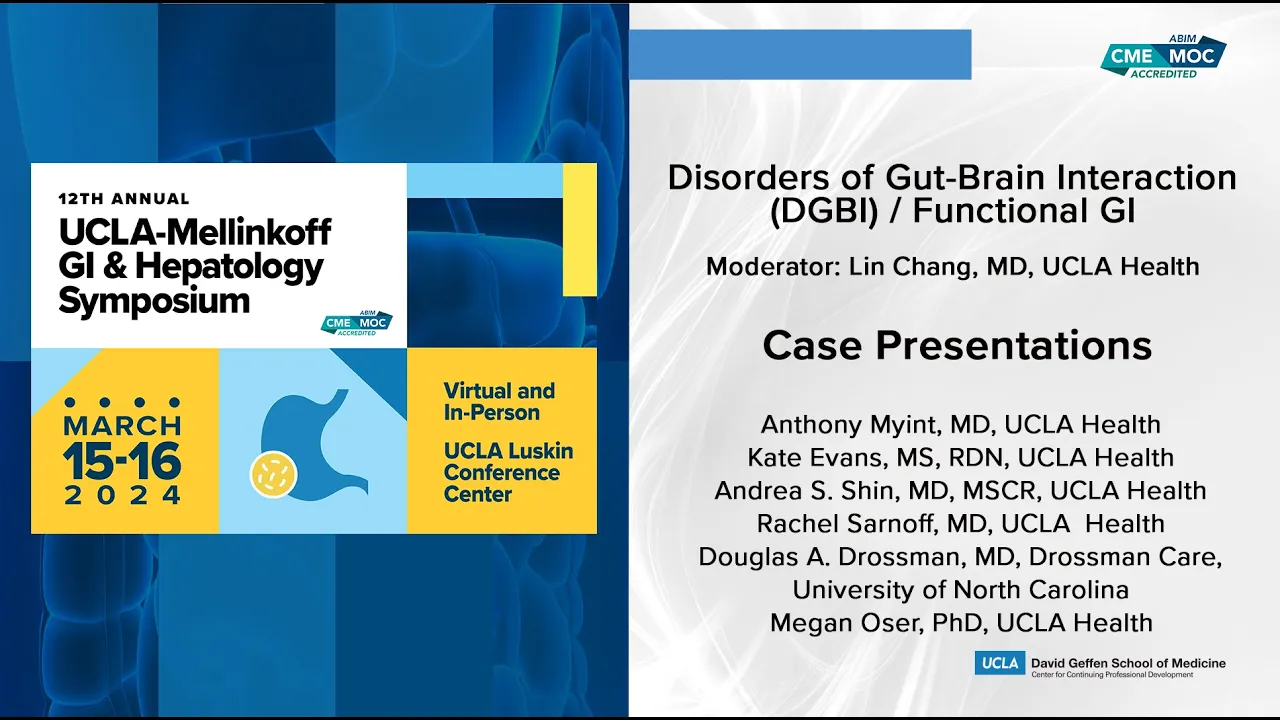
Disorders of Gut-Brain Interaction / Functional GI: Case Presentations | UCLA Digestive Diseases
1.9K
This section addresses psychosocial and behavioral interventions for functional gastrointestinal disorders. Brain-gut behavioral therapy (CBT, gut-directed hypnotherapy, mindfulness) demonstrates efficacy for disorders of gut-brain interaction, with CBT and hypnosis having the largest evidence bases. Good candidates include patients with GI symptom-related anxiety, avoidance behaviors, and moderate-severe symptoms refractory to initial treatments. Inappropriate candidates include those with unstable medical conditions or prominent psychiatric comorbidities. Screening questions assess Activities, Coping, Think, Upset, and People domains. Referral resources include GISPsychology.com and Rome Foundation GI registry. Treatment algorithms vary by disorder subtype: IBS responds to IBS-specific agents, EPS responds to central neuromodulators and PPIs, PDS responds to peripheral therapies, and CAPS requires central neuromodulators and behavioral therapy. Digital apps may supplement therapy for motivated patients.
Click to watch →
Gut Stress
Gut Stress
0:00- 1
Cortisol slows digestion, causing bloating and acidity.
- 2
Gut-brain link triggers anxiety before conscious awareness.
- 3
Relaxation, fiber, and slow eating restore gut function.
The Gut-First Hypothesis and the Risk of Over-Psychologization
While the gut-brain axis highlights how stress impacts digestion, a significant counter-perspective warns against over-psychologizing digestive disorders. Critics and researchers of the gut-first model argue that many chronic digestive issues, such as Irritable Bowel Syndrome (IBS), are primarily driven by localized organic pathologies—such as Small Intestinal Bacterial Overgrowth (SIBO), low-grade mucosal inflammation, food intolerances, or gut barrier dysfunction—rather than psychological stress. Attributing these symptoms predominantly to stress can lead to delayed diagnoses and ineffective treatment plans that focus on stress management while ignoring underlying physical dysfunctions. Furthermore, emerging research indicates that anxiety and depression are often the consequence of gut-derived inflammatory signals traveling to the brain, rather than the initial cause. This suggests that the primary therapeutic target should remain the physical environment of the gut rather than mental state alone.
Basic anatomy of the Autonomic Nervous System, specifically the Sympathetic (fight-or-flight) and Parasympathetic (rest-and-digest) divisions.
An introduction to the Vagus Nerve, the primary cranial nerve responsible for bidirectional communication between the brain and internal organs.
The concept of the Enteric Nervous System (ENS), often referred to as the body's 'second brain,' and its role in local gastrointestinal regulation.
Fundamentals of the stress response, including how cortisol and adrenaline affect systemic physiological functions.
The role of the Gut Microbiome in producing neurotransmitters like serotonin and GABA, and how microbial health influences mood disorders.
Clinical implications of the gut-brain axis, such as Irritable Bowel Syndrome (IBS) and the field of psychogastroenterology.
The Hypothalamic-Pituitary-Adrenal (HPA) axis and its biochemical mechanisms linking chronic psychological stress to gut barrier dysfunction (leaky gut).
Therapeutic interventions utilizing the gut-brain connection, including gut-directed cognitive behavioral therapy (CBT), mindfulness, and dietary approaches (probiotics/prebiotics).
1.7K views0likes1:41@gutvilleOriginal Release: 2026-04-06
Most people think stress is in the mind, but your gut reacts first.
Let's see what's really happening inside.
Your gut knows you're stressed before you even realize it.
Yeah, your brain is late to the party.
You think stress is just in your head?
Nope, it hits us first.
Welcome to Gutville, where stress causes traffic jams. When you're stressed, your body releases cortisol, and guess what that does?
It tells your gut, "Not important right now. Shut it down." So, digestion slows down, food just sits there, bloating starts, acidity says hello, and here's the twist.
Your gut and brain [music] are constantly talking.
So, when your gut is stressed, you feel anxious even if nothing is happening. Ever felt weird in your stomach before a meeting?
Yeah, that wasn't your imagination.
That was us panicking.
So, what [music] helps?
Slow down your eating, add fiber, don't eat in panic mode, and maybe breathe a little.
Because when you relax, we finally get to do our job.
So, tell me, does your gut panic before big moments?
Subscribe to Gutville, because your body is doing more than you think. And if you want to know why fiber is the most underpaid employee, then watch this video.
Up Next

51:18
Managing Stress and Chronic Pain Through Lifestyle: A Conversation with Max Lugavere
@TheMinimalists
17.5K views•2020-06-23

12:54
Triumph of Orthodoxy Icon: Byzantine Art & History Explained
@BenCallan
2.1K views•2024-08-06

9:49
FastAPI vs Flask vs Django: Choosing the Right Python Web Framework
@TechWithTim
302.5K views•2024-05-26

1:42
Game of Thrones Opening Credits: A Cinematic Analysis
@gameofthrones
46.3M views•2011-04-18
Related Study Plans & Knowledge Roadmaps
Structured learning paths in General & Interdisciplinary Studies
general-studies
Elevator Engineering: History, Physics & Cities
01From Hoists to Safety Brakes: The Dawn of Vertical Lift
02Hydraulic vs. Traction: The Engineering Physics of Elevators
03Modern Speed, Safety, and Algorithms
+ 2 more learning modules
12h5 modules
Explore Roadmap
general-studies
Rubber: Material Science, History & Geopolitics
01Origins of Natural Rubber & Mesoamerican History
02The Chemistry of Natural Rubber & Vulcanization
03The Geopolitics of the Rubber Boom & Colonization
+ 2 more learning modules
12h5 modules
Explore Roadmap
general-studies
Containerization: Evolution, Logistics & Trade
01Ancient Trade & Bulk Cargo: Amphorae to Barrels
02The Industrial Revolution & Cardboard Packaging
03The Containerization Revolution: Malcom McLean
+ 2 more learning modules
12h5 modules
Explore Roadmap
general-studies
Textile Tech: Evolution, Labor & Global Impact
01Pre-Industrial Textiles: Handloom & Cottage Industry
02Mechanization: The Spinning Jenny to the Power Loom
03The Factory System & Global Labor Transformation
+ 2 more learning modules
10h5 modules
Explore Roadmap